
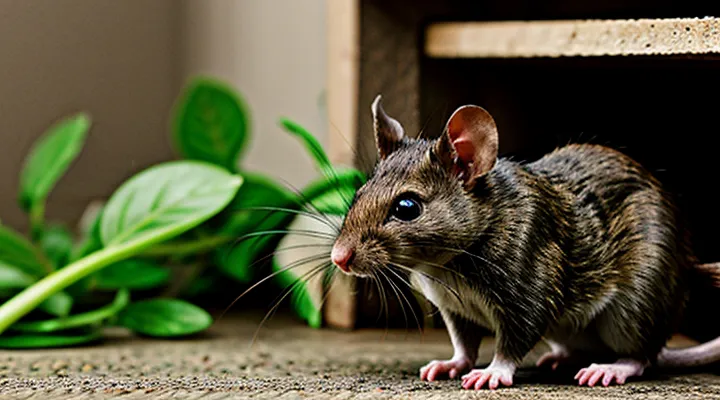
Understanding the Threat of Rodents
Why Rodent Control is Crucial
«Health Risks Associated with Rats and Mice»
Rats and mice carry a wide range of pathogens that can cause serious illness in humans. Direct contact with urine, feces, saliva, or bite wounds introduces infectious agents, while indirect exposure occurs through contaminated food, water, and surfaces.
- Hantavirus: inhalation of aerosolized particles from rodent droppings can trigger severe respiratory disease with a mortality rate up to 38 %.
- Leptospirosis: bacteria in urine penetrate skin abrasions or mucous membranes, producing fever, jaundice, and kidney failure.
- Salmonellosis: ingestion of food tainted by rodent feces leads to gastrointestinal distress, dehydration, and, in vulnerable populations, septicemia.
- Rat‑bite fever (Streptobacillus moniliformis infection): bite or scratch wounds cause fever, rash, and arthritis; untreated cases may progress to endocarditis.
- Plague (Yersinia pestis): fleas carried by rodents transmit bubonic, septicemic, or pneumonic forms, each carrying a high fatality risk without prompt antibiotic therapy.
- Allergic reactions: rodent dander and urine proteins provoke asthma attacks and hypersensitivity pneumonitis, especially in children and the elderly.
Rodent infestations also compromise food safety. Contamination of stored grains, pantry items, and prepared meals creates a vector for bacterial growth, increasing the likelihood of food‑borne outbreaks. Structural damage caused by gnawing can expose insulation and wiring, fostering mold development that aggravates respiratory conditions.
Mitigation requires comprehensive control measures: sealing entry points, maintaining sanitation, deploying traps or bait stations, and conducting regular inspections. Prompt removal of carcasses and thorough disinfection of affected areas reduce pathogen load and limit exposure.
«Structural Damage Caused by Rodents»
Rodents gnaw on wood, insulation, wiring, and concrete, creating openings that compromise a building’s integrity. Their incisors continuously grow, forcing the animals to chew to keep them trimmed; this behavior leads to:
- Severed support beams and joists, reducing load‑bearing capacity.
- Damaged drywall and plaster, exposing interior surfaces to moisture and mold.
- Stripped insulation, lowering thermal efficiency and increasing energy consumption.
- Exposed electrical cables, raising the risk of short circuits and fire.
These actions weaken structural components, accelerate deterioration, and can trigger costly repairs. Early detection relies on visible gnaw marks, displaced materials, and unexplained debris in walls or attics. Addressing the problem promptly prevents escalation and safeguards both the building’s stability and occupant safety.
«Economic Impact on Households and Businesses»
Rats and mice cause measurable financial losses for both residential owners and commercial operators. Damage to structural components, such as insulation, wiring, and drywall, creates repair expenses that can exceed $1,000 per incident in typical homes and reach several thousand dollars in larger facilities. Contamination of food products forces disposal of inventory, generating waste costs that vary from $200 for small retailers to $10,000 or more for food‑processing plants.
Typical cost categories include:
- Structural repairs (walls, roofs, foundations)
- Electrical system damage and fire‑hazard mitigation
- Food spoilage and product recall expenses
- Increased pest‑control service fees
- Lost productivity due to equipment downtime
Households often absorb these charges directly, reducing disposable income and potentially prompting budget reallocations for emergency repairs. Businesses face indirect effects such as reduced customer confidence, lower sales, and higher insurance premiums. In sectors where hygiene standards are legally enforced, failure to manage rodent activity may result in fines or loss of licensing.
Preventive measures—such as sealing entry points, installing bait stations, and maintaining regular monitoring—lower the probability of infestation. Investment in a comprehensive rodent‑management program typically yields a return on investment by decreasing repair frequency, protecting product integrity, and preserving operational continuity. Calculations show that a modest annual expenditure of $150 per household or $1,000 per small business can prevent losses that are five to ten times greater.
Identifying Rodent Infestations
«Signs of Rodent Presence»
«Droppings and Urine Smells»
Rodent feces and urine are primary indicators of infestation and sources of health risks. Droppings appear as small, dark, cylindrical pellets, typically ¼ to ½ inch long. Urine leaves invisible residues that become detectable through a sharp ammonia odor, especially in confined spaces such as cabinets, attics, or crawl spaces.
Health concerns stem from pathogens carried in these excretions. Salmonella, Hantavirus, and Leptospira can survive for weeks in moist droppings, while aerosolized urine particles transmit respiratory infections. Direct contact or ingestion of contaminated food surfaces may lead to gastrointestinal illness.
Effective management requires prompt identification and thorough decontamination. Follow these steps:
- Locate evidence: Inspect hidden areas, look for fresh droppings (dark, moist) and note any strong, sour smell.
- Protect yourself: Wear disposable gloves, N‑95 respirator, and eye protection before handling contaminated material.
- Remove waste: Sweep droppings into a damp paper towel, place in a sealed plastic bag, and dispose of according to local hazardous waste guidelines.
- Disinfect: Apply a 10% bleach solution (1 part bleach to 9 parts water) to all affected surfaces; allow a minimum of 10 minutes contact time before wiping clean.
- Neutralize odor: After cleaning, use enzymatic cleaners that break down urine proteins, reducing ammonia scent and preventing re‑attraction of rodents.
- Prevent recurrence: Seal entry points, eliminate food sources, and maintain low humidity to discourage rodent activity.
Regular monitoring of droppings and urine odors provides early detection, enabling swift intervention before populations expand. Continuous sanitation and structural exclusion remain essential components of a comprehensive rodent‑control strategy.
«Gnaw Marks and Damage»
Rodent activity leaves unmistakable evidence. Teeth continuously grow, forcing rats and mice to gnaw surfaces in order to maintain proper length. The resulting marks differ by material and location, providing a reliable diagnostic tool for early intervention.
Typical gnaw patterns include:
- Parallel, shallow grooves on wooden beams, typically 1‑3 mm deep and 2‑5 mm apart.
- Clean, crescent‑shaped bites on plastic pipe insulation, leaving smooth edges without splintering.
- Irregular, jagged incisions on drywall corners, often accompanied by powdery debris from gypsum.
- Rounded, smooth holes in rubber gaskets, indicating repeated chewing to breach seals.
Damage extends beyond visible marks. Continuous gnawing compromises structural integrity, allowing moisture intrusion and accelerating rot in timber. Chewed electrical wiring creates short‑circuit hazards and increases fire risk. Breached sealing surfaces permit entry of additional pests, amplifying infestation levels.
Detecting gnaw marks promptly enables targeted control measures. Inspect high‑traffic zones such as pantry shelves, utility closets, and attic joists. Use a flashlight at a low angle to highlight subtle scratches on smooth surfaces. Document locations and material types to prioritize repairs.
Mitigation steps:
- Replace damaged sections with rodent‑resistant materials (e.g., steel mesh, hard‑plastic conduit).
- Seal entry points with copper‑wrapped steel wool and silicone caulk.
- Install chew‑proof cable protectors on vulnerable wiring.
- Apply non‑toxic deterrent compounds to exposed surfaces to discourage further gnawing.
Consistent monitoring of gnaw marks and associated damage reduces long‑term repair costs and prevents escalation of rodent populations.
«Scratching Noises and Sightings»
Scratching noises and visual sightings are the first reliable signs that rodents have entered a building. These indicators appear before damage becomes evident, allowing rapid response.
The sound of gnawing or scurrying typically originates from walls, ceilings, or floor joists. High‑pitched, intermittent scratching suggests mice, while deeper, irregular noises often point to rats. Listening from multiple locations helps locate the activity zone.
Confirming an infestation involves three steps:
- Conduct a visual inspection of suspected areas, looking for droppings, gnaw marks, or shredded material.
- Set temporary motion‑activated cameras or infrared sensors to capture movement during active periods.
- Place non‑poison bait stations near entry points; check for fresh marks after 24‑48 hours.
Once presence is verified, implement the following control measures:
- Seal all gaps larger than ¼ inch with steel wool, caulk, or metal flashing.
- Install snap traps or electronic devices in identified pathways; position them perpendicular to walls for maximum effectiveness.
- Deploy bait stations containing approved anticoagulant blocks, ensuring they are placed out of reach of children and pets.
- Maintain a clean environment: store food in sealed containers, eliminate standing water, and regularly empty trash bins.
Continuous monitoring of scratching sounds and occasional sightings ensures that any resurgence is detected early, preventing the escalation of rodent activity.
«Common Entry Points for Rodents»
«Gaps in Foundations and Walls»
Gaps in foundations and walls provide direct entry points for rodents, compromising any effort to keep rats and mice out of a building. Even openings as small as a quarter‑inch allow rodents to squeeze through, making early detection essential.
Common locations include:
- Cracks where concrete meets soil, especially after settling or moisture expansion.
- Joint seams between foundation blocks or bricks that have shifted over time.
- Openings around utility penetrations, such as pipes, cables, and vent stacks.
- Gaps beneath sill plates and between wall studs and floor joists.
Effective sealing requires a systematic approach:
- Inspect the exterior perimeter with a flashlight and a thin probe to identify visible cracks and hidden voids.
- Clean each opening to remove debris, dust, and loose material that could prevent adhesion.
- Apply a durable, rodent‑resistant sealant—polyurethane foam, hydraulic cement, or steel mesh combined with mortar—according to the material’s specifications.
- For larger gaps, install metal flashing or hardware cloth (minimum ¼‑inch mesh) before back‑filling with concrete or mortar to maintain structural integrity.
Regular maintenance reinforces protection. Re‑examine sealed areas after heavy rain, freeze‑thaw cycles, or settlement events. Repair any new fissures promptly, and keep vegetation trimmed away from foundation walls to reduce moisture accumulation that accelerates cracking. Consistent attention to these structural openings sustains a robust barrier against rodent intrusion.
«Utility Line Openings»
Utility line openings provide direct access points for rodents seeking shelter, water, and food. Unsealed gaps around conduit entries, meter boxes, and service valves create pathways that bypass exterior barriers. Each opening must be inspected regularly and treated as a potential entry site.
Effective sealing practices include:
- Installing hardened steel mesh (minimum ¼‑inch gauge) over openings larger than ¼ inch.
- Applying rodent‑resistant silicone or polyurethane caulk to gaps between conduit and structural framing.
- Using self‑closing metal sleeves with internal compression rings for conduit penetrations.
- Fitting lockable access doors equipped with tamper‑proof hinges on utility boxes.
- Conducting visual checks quarterly and after any construction activity.
Maintenance schedules should document inspection dates, sealing materials used, and any signs of gnawing or droppings. Prompt repair of compromised seals reduces the likelihood of infestation and protects both infrastructure and occupants.
«Damaged Roofs and Vents»
Damaged roofs create entry points that rodents exploit. Cracks, missing shingles, and compromised flashing allow rats and mice to slip into attic spaces, where they find shelter and food sources. Once inside, they can damage insulation, wiring, and structural components, increasing repair costs and fire risk.
Vents that are broken, improperly screened, or left open serve as direct pathways for rodents. Open vent openings provide unobstructed access to crawl spaces and basements, while damaged screens lose their ability to block small pests. Unsealed vent shafts also enable gnawing, which can further enlarge openings and facilitate infestation spread.
Effective mitigation requires immediate repair and preventive measures:
- Replace missing or broken roofing material; seal all seams with appropriate roofing cement.
- Install metal flashing around roof penetrations; ensure tight integration with existing structures.
- Fit vent covers with rodent‑proof mesh (minimum ¼‑inch openings) and secure them with stainless‑steel screws.
- Apply weather‑resistant sealant around vent frames and any adjacent gaps.
- Conduct regular inspections after severe weather to identify new damage before rodents can enter.
By addressing roof and vent deficiencies promptly, property owners eliminate primary access routes, reducing the likelihood of rat and mouse intrusion and the associated health and safety hazards.
Preventative Measures Against Rodents
«Sanitation Practices to Deter Rodents»
«Proper Food Storage»
Proper food storage removes one of the most common attractants for rodents. Seal all dry goods in airtight, rodent‑proof containers made of metal or thick plastic. Store grains, cereals, nuts, and pet food in containers with lockable lids; avoid cardboard boxes that can be chewed through.
Maintain a clean pantry. Dispose of spilled crumbs immediately, wipe shelves after each use, and rotate stock so that older items are consumed first. Keep the storage area free of clutter; excess items create hiding places and make inspection difficult.
Control waste at the source. Transfer kitchen waste to sealed bins with tight-fitting lids, and empty them regularly. Position outdoor trash containers at least three feet from building foundations, and use metal or heavy‑duty plastic containers that rodents cannot penetrate.
Implement a routine inspection schedule. Check containers for cracks, damaged seals, or signs of gnawing weekly. Replace compromised containers promptly to prevent re‑infestation.
Key practices for effective food storage:
- Use airtight, chew‑resistant containers for all consumables.
- Clean pantry surfaces after each use; remove crumbs and spills instantly.
- Organize items to allow easy visual inspection and rotation.
- Store waste in sealed, rodent‑proof bins and remove it frequently.
- Conduct weekly inspections of storage containers and surrounding areas.
Consistent application of these measures reduces food availability for rats and mice, supporting a comprehensive rodent‑prevention strategy.
«Waste Management and Disposal»
Effective waste management is a cornerstone of rodent control. Improperly stored garbage provides a reliable food source, encouraging rats and mice to infiltrate residential and commercial spaces.
Secure containers with tight-fitting lids prevent access. Regularly empty bins before they become overfilled, and transport waste to disposal sites promptly. Compost piles should be covered and located away from building foundations.
Key practices include:
- Sorting waste to reduce organic material that attracts rodents.
- Using sealed, rigid bins instead of soft bags.
- Implementing a schedule for collection and removal.
- Maintaining clear zones around dumpsters, free of debris and vegetation.
Eliminate spillage by cleaning surfaces after waste removal. Scrape residue from bins and sanitize them periodically to remove scent trails. Ensure that waste trucks follow routes that minimize exposure of containers to rodents.
By integrating these measures, property owners reduce food availability, limit shelter opportunities, and lower the likelihood of infestations. Consistent application of disciplined disposal protocols sustains an environment hostile to rats and mice.
«Regular Cleaning and Decluttering»
Regular cleaning eliminates food residues that attract rodents. Food particles left on countertops, floors, or in trash bins provide a reliable source of nutrition for rats and mice. Immediate removal of crumbs, spills, and stale food reduces the incentive for infestations.
Decluttering removes shelter opportunities. Stacks of cardboard, piles of clothing, and unused appliances create hidden pathways and nesting sites. Maintaining open, organized spaces denies rodents places to hide and breed.
Practical measures:
- Sweep and mop floors daily, focusing on kitchen and dining areas.
- Wipe surfaces after each meal preparation; use disinfectants that leave no food scent.
- Empty garbage containers nightly; seal lids tightly to prevent access.
- Store pantry items in airtight containers made of metal or thick plastic.
- Remove clutter from storage rooms; keep items off the floor and against walls.
Consistent application of these habits creates an environment where rodents cannot locate food or refuge, thereby reinforcing the overall strategy for rodent prevention.
«Exclusion Techniques for Rodent Proofing»
«Sealing Cracks and Openings»
Sealing cracks and openings eliminates the primary entry points that rodents exploit to infiltrate structures. Small gaps around pipes, vents, foundation seams, and door frames allow rats and mice to access food, shelter, and nesting sites. By closing these openings, the likelihood of infestation drops dramatically.
Identify all potential ingress sites. Conduct a visual inspection of exterior walls, basement walls, and attic spaces. Use a flashlight to reveal hairline fissures, gaps around utility penetrations, and damaged weatherstripping. Employ a thin piece of cardboard or a smoke pencil to test airflow; movement indicates a breach.
Select appropriate sealing materials. For concrete and masonry, use hydraulic cement or epoxy mortar that expands as it cures. For gaps around wood framing, apply polyurethane foam sealant, then trim excess after expansion. Metal flashing and steel wool provide reinforcement for larger openings before applying sealant.
Apply the sealants in a systematic manner:
- Clean the surface to remove dust, loose debris, and moisture.
- Prime the area if the manufacturer recommends adhesion enhancement.
- Fill the crack or gap with the chosen material, ensuring complete coverage.
- Smooth the surface to eliminate voids and promote a durable bond.
- Allow the sealant to cure fully according to product specifications before exposing it to traffic or weather.
Maintain a regular inspection schedule. Re‑evaluate sealed areas annually or after severe weather events. Repair any new cracks promptly to sustain the barrier against rodents. This proactive sealing regimen forms a fundamental component of an effective rodent control strategy.
«Installing Door Sweeps and Vreads»
Installing door sweeps and vreads creates a physical barrier that blocks rodents from entering through gaps beneath exterior doors. The barrier must be continuous, weather‑resistant, and securely attached to prevent chewing or displacement.
Select a sweep with a flexible rubber or silicone seal that contacts the threshold when the door closes. Choose a vread—typically a narrow strip of heavy‑duty brush or stainless‑steel mesh—designed to fill larger openings along the door frame. Both components should be rated for outdoor use and resistant to moisture.
Prepare the door area by cleaning dust, debris, and old sealant. Measure the width of the door opening, then cut the sweep and vread to length, allowing a slight overlap at the ends. Align the sweep so the seal rests ¼‑½ inch above the floor, ensuring no clearance for rodents. Position the vread vertically on the side jambs, covering any remaining gaps.
Secure the sweep with the supplied screws or adhesive, driving fasteners into the door jamb at 4‑6 inch intervals. Fasten the vread using stainless‑steel staples or screws, spacing them no more than 2 inches apart to prevent sagging. Verify that the door closes fully without dragging the seal and that the vread remains taut.
Inspect the installation after a week of use. Look for signs of chewing, loosened fasteners, or wear on the seal. Replace damaged sections promptly, and reapply a thin bead of silicone sealant around the perimeter to maintain airtight contact.
Benefits of this approach include:
- Elimination of entry points as small as ¼ inch.
- Reduced indoor contamination from droppings and urine.
- Lowered risk of structural damage caused by gnawing.
- Improved energy efficiency by limiting drafts.
Regular maintenance—cleaning debris from the sweep, tightening fasteners, and checking for corrosion—ensures the barrier remains effective against rats and mice throughout the year.
«Using Rodent-Proof Materials»
Rodent-proof materials form the core of any effective barrier against rats and mice. Selecting the right products eliminates entry points, reduces damage, and limits health hazards.
Commonly used rodent-resistant substances include:
- Steel mesh with openings no larger than ¼ inch, suitable for vents, ducts, and foundation walls.
- Concrete or cement blocks reinforced with rebar, providing solid, unbreachable surfaces for foundations and exterior walls.
- Hardened metal flashing installed around doors, windows, and utility penetrations to prevent gnawing.
- Polycarbonate panels with high impact resistance for attic and crawl‑space enclosures, offering durability without compromising visibility.
- Silicone‑based sealants that remain flexible yet impenetrable, ideal for sealing cracks and gaps around piping and wiring.
Installation guidelines:
- Identify all potential access routes by inspecting the building envelope for gaps, holes, and worn fittings.
- Replace vulnerable sections with the selected rodent-resistant material, ensuring overlaps and seams are tightly sealed.
- Apply sealant to all joints and edges where metal or concrete meets other surfaces, creating a continuous barrier.
- Verify that flashing and mesh are securely fastened with corrosion‑resistant screws or clamps to maintain integrity over time.
- Conduct a final walkthrough to confirm no residual openings remain, especially around utility entries and structural joints.
Proper use of these materials, combined with regular maintenance checks, creates a permanent defense that prevents rodents from infiltrating structures.
«Landscape Management»
«Trimming Vegetation Near Structures»
Trimming vegetation close to buildings reduces shelter and travel routes that rats and mice exploit. Dense shrubs, overgrown vines, and tall grass adjacent to foundations create continuous cover, allowing rodents to move undetected from external habitats to interior entry points.
Removing excess plant growth limits hiding places, forces rodents to travel in open areas where predators and environmental exposure increase mortality, and makes it easier to detect gnaw marks or droppings during inspections.
- Cut back shrubs to a maximum height of 12 inches (30 cm) from the ground.
- Maintain a clearance of at least 18 inches (45 cm) between foliage and the exterior walls, eaves, and utility lines.
- Prune vines and climbing plants away from rooflines, gutters, and vent covers.
- Dispose of trimmed material in sealed containers or away from the property to prevent rodents from re‑using it.
Schedule trimming at the start of spring and repeat in late summer, after peak breeding periods. Conduct visual checks after each session to confirm that no new growth encroaches on the established clear zones. Consistent maintenance sustains the barrier and supports the overall rodent protection program.
«Removing Debris and Clutter from Yards»
Keeping yards free of debris and clutter reduces shelter and food sources for rodents, directly lowering the likelihood of infestation.
Debris such as piles of leaves, wood, or construction waste creates hidden pathways and nesting sites. Clutter, including unused garden tools, broken furniture, or stacked boxes, offers concealment that rodents exploit during foraging and breeding. Eliminating these elements removes critical habitats and forces rodents to seek alternative, less desirable locations.
Practical actions:
- Collect and regularly dispose of fallen leaves, branches, and organic waste; compost only if properly contained.
- Remove or relocate items that are not in active use, storing them in sealed, elevated structures.
- Trim overgrown vegetation to maintain clear sightlines and reduce cover.
- Store firewood off the ground, stacked on pallets and covered with a waterproof barrier.
- Inspect and clean gutters, ensuring they are free of debris that could retain moisture and attract pests.
Maintenance routines:
- Schedule weekly yard sweeps to identify and clear accumulating material.
- Conduct monthly inspections of storage areas for hidden buildup.
- Rotate and reorganize stored items to prevent long‑term stagnation.
By systematically clearing debris and organizing outdoor spaces, property owners create an environment that is inhospitable to rats and mice, supporting long‑term pest control without relying on chemical measures.
Rodent Control Methods
«Non-Lethal Rodent Control Options»
«Live Traps and Relocation»
Live traps provide a humane method for removing rats and mice from indoor and outdoor environments. The devices consist of a cage or tube that closes automatically when an animal enters. Effective use requires proper bait selection, strategic placement, and regular monitoring.
- Bait: Use high‑protein foods such as peanut butter, cooked meat, or dried fruit. Apply a small amount to the trigger mechanism to ensure the animal contacts the sensor.
- Placement: Position traps along walls, behind appliances, and near known runways. Place them perpendicular to the wall, with the entry side facing the rodent’s travel direction.
- Monitoring: Inspect traps at least twice daily. Remove captured rodents promptly to prevent stress and potential disease transmission.
Once captured, relocation must follow local regulations. Many jurisdictions prohibit releasing rodents at distances less than 1 mile from the original site, and some forbid relocation altogether. When relocation is permitted, transport the animal in a secure container, release it in a suitable habitat with abundant cover and food sources, and document the location and date.
After each capture, clean the trap with hot, soapy water or a mild disinfectant. Replace worn parts to maintain trigger sensitivity. Integrate live trapping with other control measures—such as sealing entry points, removing food sources, and using exclusion devices—to achieve long‑term reduction of rodent populations.
«Repellents and Deterrents»
Effective rodent control relies on a combination of repellents and deterrents that disrupt the habits of rats and mice. Repellents create an environment that rodents avoid, while deterrents interfere with their ability to navigate and locate food sources. Together they reduce infestation risk without resorting to lethal measures.
Repellents fall into three primary categories. Chemical agents use strong odors or taste modifiers that rodents find intolerable. Ultrasonic devices emit high‑frequency sound waves beyond human hearing, causing discomfort to pests. Natural options employ plant‑derived substances such as peppermint oil, clove oil, or dried cayenne pepper, which act as sensory irritants.
Key products and methods include:
- Capsaicin‑based sprays applied to entry points and perimeters.
- Ammonia or vinegar solutions placed in sealed containers near suspected activity zones.
- Plug‑in ultrasonic emitters positioned in attic spaces, basements, and crawl spaces.
- Peppermint oil diffusers or soaked cotton balls placed in cabinets, closets, and behind appliances.
- Steel wool or copper mesh packed into gaps to block access while presenting a physical barrier.
Proper deployment maximizes efficacy. Place chemical sprays at all known entry points and reapply after rain or cleaning. Ensure ultrasonic units are mounted at least 12 inches from walls and avoid obstructing the sound field. Refresh natural repellents every two weeks to maintain potency. Combine deterrent measures with sanitation: eliminate food residues, store waste in sealed containers, and repair structural cracks.
Safety considerations demand adherence to product instructions. Wear protective gloves when handling concentrated chemicals, avoid direct contact with eyes, and keep ultrasonic devices out of reach of pets sensitive to high frequencies. Verify that natural oils are not applied to surfaces that could be damaged by oil penetration. Regular monitoring of rodent activity confirms whether adjustments to repellent placement or type are required.
«Natural Predators»
Natural predators reduce rodent populations by direct predation and by creating an environment that discourages settlement. Owls and hawks hunt rats and mice opportunistically; installing perches or nesting boxes attracts these birds of prey to residential or agricultural areas. Snakes, particularly non-venomous species such as garter snakes, locate rodents through scent and movement, contributing to long‑term suppression. Foxes and coyotes patrol open fields and gardens, targeting larger rodent colonies and limiting breeding success.
Domestic cats, when allowed outdoors responsibly, provide continuous pressure on mouse and rat activity. Ferrets, trained for controlled hunting, excel at locating burrowed rodents in storage facilities and sheds. Certain birds, including barn owls, kestrels, and shrikes, specialize in small mammal capture; preserving hedgerows and planting native vegetation supports their foraging habitats.
Practical steps to harness natural predators:
- Install owl and hawk nesting platforms at heights of 10–15 feet, facing away from direct sunlight.
- Maintain stone piles, log stacks, and brush heaps to shelter snakes and small carnivores.
- Preserve mature trees and shrub layers to provide perching and nesting sites for raptors.
- Limit pesticide use to avoid secondary poisoning of predatory species.
- Encourage responsible outdoor access for cats, ensuring they are spayed/neutered to control feral populations.
- Create water sources, such as shallow basins, to attract birds of prey and small carnivores.
Integrating these measures into a comprehensive rodent management plan leverages ecological balance, reduces reliance on chemical controls, and sustains long‑term protection against rats and mice.
«Lethal Rodent Control Options»
«Snap Traps and Electronic Traps»
Snap traps provide immediate, lethal action against rodents. The mechanism consists of a spring‑loaded bar that releases when the trigger plate is depressed, delivering a swift impact that kills the animal instantly. High‑grade steel construction ensures durability and repeated use. Bait placement on the trigger plate maximizes attraction, while a sturdy base prevents displacement by larger specimens. Proper positioning—along walls, near entry points, and in concealed corners—optimizes capture rates. Maintenance involves regular inspection, safe disposal of carcasses, and resetting the trigger after each kill.
Electronic traps employ a low‑voltage shock to incapacitate rodents within milliseconds. The device houses a battery‑powered circuit that delivers a controlled electric pulse when the animal contacts the metal plates. Features often include a transparent chamber for visual monitoring, an automatic reset, and a sealed interior that contains the dead rodent, reducing exposure to pathogens. Benefits comprise humane, painless termination, minimal cleanup, and the ability to capture multiple specimens without manual re‑arming. Limitations involve reliance on power sources and higher upfront cost compared to mechanical alternatives.
Key considerations when selecting between the two systems:
- Effectiveness – Snap traps excel in high‑traffic areas; electronic units excel in enclosed spaces where visual confirmation is valuable.
- Safety – Snap traps require careful handling to avoid accidental injury; electronic traps isolate the shock within a protected chamber.
- Cost – Snap traps are inexpensive per unit; electronic traps involve a larger initial investment but lower long‑term labor.
- Maintenance – Snap traps need frequent resetting; electronic models reset automatically after each kill.
Integrating both types into a comprehensive rodent management plan enhances coverage. Deploy snap traps along perimeter walls where rodents travel, and position electronic units in concealed locations such as under appliances or inside cabinets. Regular monitoring, timely bait replacement, and adherence to local disposal regulations ensure sustained control and minimize reinfestation risk.
«Bait Stations and Rodenticides»
Bait stations provide a controlled environment for delivering rodenticides while minimizing exposure to non‑target species. Stations are constructed of durable plastic or metal, feature a lockable lid, and contain a removable tray that holds the bait. Proper placement follows these principles:
- Position stations along walls, behind objects, or in concealed corners where rodent activity is observed.
- Install at least 1.5 m above ground to deter predators and prevent accidental contact.
- Space stations 20–30 m apart in high‑density infestations; increase spacing in low‑activity areas.
- Use tamper‑resistant models in public spaces to comply with regulatory requirements.
Rodenticides fall into two main categories: anticoagulants and non‑anticoagulants. Anticoagulants inhibit blood clotting, leading to fatal internal bleeding after a single or multiple doses. First‑generation compounds (e.g., warfarin) require repeated ingestion, while second‑generation agents (e.g., brodifacoum, bromadiolone) are effective after one feeding. Non‑anticoagulants act on the nervous system or metabolism; examples include zinc phosphide, which releases phosphine gas upon contact with stomach acid, and cholecalciferol, which causes hypercalcemia.
Effective use of rodenticides depends on strict adherence to label instructions:
- Verify the target species; select a product labeled for rats, mice, or both.
- Record the product name, concentration, and application date on a maintenance log.
- Rotate active ingredients periodically to mitigate resistance development.
- Conduct regular inspections to assess bait consumption and replace depleted stations.
Safety measures protect humans and pets:
- Store all rodenticides in locked containers away from food preparation areas.
- Wear disposable gloves when handling bait.
- Educate household members about the presence of stations and the risks of direct contact.
Monitoring and evaluation complete the control cycle. After a minimum of three days, inspect stations for signs of activity, such as gnaw marks or fresh droppings. If bait consumption is low, adjust placement or increase station density. Document results to inform future interventions and ensure compliance with local pest‑management regulations.
Post-Extermination Procedures
«Cleaning and Sanitizing Infested Areas»
«Removing Droppings and Contaminated Materials»
Removing rodent droppings and contaminated materials is a critical step in any pest‑management plan. Droppings carry pathogens such as Hantavirus, Salmonella, and Leptospira, which can survive for weeks on surfaces. Immediate removal reduces health risks for occupants and eliminates food sources that attract further infestations.
Safety measures
- Wear disposable gloves, N95 respirator, and eye protection.
- Seal contaminated clothing in a plastic bag before exiting the area.
- Restrict access to the cleaning zone until decontamination is complete.
Removal process
- Dampening: Lightly moisten droppings with a 1 % bleach solution or a commercial disinfectant to prevent aerosolization.
- Collection: Use disposable paper towels or a HEPA‑filtered vacuum to gather material; avoid sweeping or dry brushing.
- Disposal: Place all waste in double‑layered, leak‑proof bags, label as biohazard, and dispose according to local regulations.
Surface decontamination
- Apply a 10 % bleach solution (1 part bleach to 9 parts water) to all affected surfaces.
- Allow a contact time of at least 10 minutes before wiping with clean cloths.
- For porous items (e.g., insulation, cardboard) that cannot be disinfected, discard them as contaminated waste.
Preventive follow‑up
- Conduct a visual inspection after cleaning to verify no residual droppings remain.
- Record the date, location, and personnel involved for compliance tracking.
- Implement regular sanitation schedules in high‑risk areas to maintain a rodent‑free environment.
«Disinfecting Surfaces»
Effective surface sanitation is a cornerstone of any rodent‑prevention program. Rodents frequent kitchens, pantries, and storage areas where food residues remain, so eliminating these attractants reduces the likelihood of infestation.
- Choose an EPA‑registered disinfectant proven to inactivate pathogens commonly carried by rats and mice (e.g., Salmonella, Hantavirus).
- Apply the product according to label directions: ensure proper dilution, contact time, and coverage of all reachable surfaces.
- Prioritize high‑traffic zones: countertops, cutting boards, sink edges, appliance exteriors, and floor corners.
- Incorporate a routine schedule: wipe down surfaces after each food preparation session and conduct a thorough cleaning at least weekly.
In addition to chemical treatment, maintain a dry environment. Wipe spills immediately, mop up standing water, and repair leaks promptly. Dry surfaces discourage rodents from nesting and foraging.
Document each cleaning cycle, noting the disinfectant used, concentration, and date. Records facilitate compliance checks and allow rapid adjustment if pest activity resurfaces.
By integrating systematic surface disinfection with vigilant housekeeping, the habitat becomes inhospitable to rats and mice, supporting broader pest‑management objectives.
«Monitoring for Re-infestation»
«Regular Inspections»
Regular inspections serve as the front line of any rodent protection program. They reveal entry points, nesting sites, and activity signs before infestations become severe.
Inspections should occur at least once each month in high‑risk areas such as kitchens, storage rooms, and waste zones. Seasonal adjustments add quarterly checks during colder months when rodents seek shelter indoors.
Key elements of each inspection include:
- Visual scan of exterior foundations for gaps larger than ¼ inch.
- Examination of interior walls, ceilings, and under‑sink spaces for gnaw marks, droppings, or chew damage.
- Verification that doors, windows, and vents have intact screens or sweeps.
- Assessment of food storage practices; ensure containers are sealed and pallets are elevated.
- Evaluation of waste handling; confirm lids fit tightly and bins are emptied regularly.
After each visit, record findings on a standardized form, assign a priority level, and schedule corrective measures within a defined timeframe. Immediate repairs address structural breaches; targeted bait or trap placement follows confirmed activity.
Consistent inspection cycles reduce population growth, limit property damage, and lower long‑term control costs. The systematic approach transforms reactive pest management into a proactive defense.
«Maintaining Preventative Measures»
Effective rodent control requires disciplined upkeep of preventive actions. Regular inspections identify new entry points before infestations develop. Inspect foundations, walls, roofs, and utility penetrations at least quarterly; document any gaps and repair them promptly with steel wool, caulk, or metal flashing.
Maintain a sanitation regime that eliminates food and water sources. Store grain, feed, and waste in sealed containers. Remove spillage daily, and keep garbage bins covered and emptied frequently. Clean gutters and downspouts to prevent moisture accumulation that attracts rodents.
Deploy monitoring devices on a scheduled basis. Set snap traps or electronic monitors in high‑risk zones, check them weekly, and record captures. Rotate bait types every 30 days to prevent habituation; use low‑toxicity formulations in compliance with local regulations.
Establish a record‑keeping system that logs inspections, repairs, trap activity, and bait usage. Review data monthly to detect patterns and adjust strategies accordingly. When records show persistent activity despite internal measures, engage a licensed pest‑management professional for targeted intervention.
Key maintenance tasks summarized:
- Quarterly structural inspection and sealing of openings
- Daily sanitation of food, waste, and water sources
- Weekly trap checks and bait rotation every 30 days
- Monthly review of activity logs and corrective actions
Consistent execution of these steps sustains a hostile environment for rats and mice, reducing the likelihood of population surges and associated damage.