
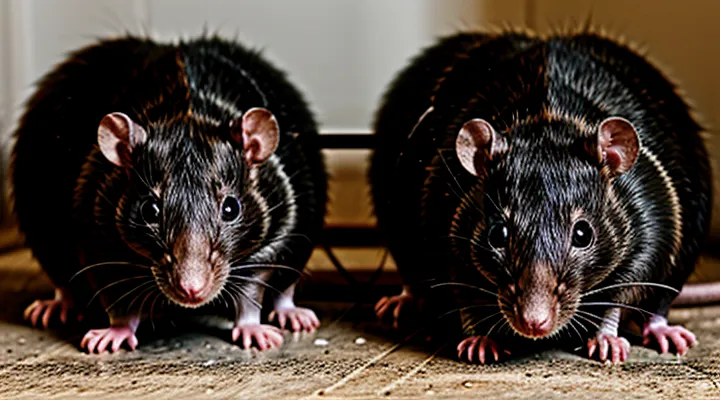
Understanding Rat Parasites
Common Types of Rat Parasites
Internal Parasites
Rats commonly host internal parasites that impair health, reduce growth, and increase mortality. The most prevalent species are:
- Nematodes: Hymenolepis diminuta (rat tapeworm), Syphacia muris (pinworm), Trichinella spiralis (muscle worm).
- Cestodes: Hymenolepis nana (dwarf tapeworm), Taenia taeniaeformis (fox tapeworm larvae).
- Protozoa: Giardia duodenalis, Eimeria spp. (coccidia), Toxoplasma gondii (occasionally acquired through predation).
Diagnosis relies on fecal flotation, sedimentation, and PCR assays. Direct observation of eggs or oocysts in fresh samples provides rapid confirmation; molecular techniques identify species with higher specificity.
Effective medication groups include:
- Benzimidazoles – Albendazole (5 mg/kg, oral, daily for 3 days) and Fenbendazole (50 mg/kg, oral, single dose). Broad spectrum against nematodes and some cestodes.
- Praziquantel – 25 mg/kg, oral, single dose. Targets tapeworms; high efficacy against H. diminuta and H. nana.
- Ivermectin – 0.2 mg/kg, subcutaneous, repeat after 7 days. Controls nematodes and arthropod-borne protozoa; monitor for neurotoxicity in young animals.
- Metronidazole – 15 mg/kg, oral, twice daily for 5 days. Addresses Giardia infections; contraindicated in pregnant females.
- Sulfonamides – Trimethoprim‑sulfamethoxazole, 30 mg/kg, oral, daily for 7 days. Effective against coccidia; resistance may develop with repeated use.
Dosage must be calculated per kilogram of body weight; oral administration ensures uniform absorption. For breeding colonies, rotate drug classes every 6 months to mitigate resistance. Combine treatment with environmental sanitation: remove feces, replace bedding, and disinfect cages with quaternary ammonium compounds.
Monitoring post‑treatment fecal samples at 7‑ and 14‑day intervals confirms clearance. Persistent shedding indicates either drug failure or reinfection; adjust protocol by increasing dose or selecting an alternative class. Regular prophylactic deworming every 3 months maintains low parasite burdens in laboratory and pet rat populations.
External Parasites
Rats commonly host external parasites such as fleas, lice, mites, and ticks. These ectoparasites attach to the skin or fur, feed on blood or tissue fluids, and can transmit bacterial, viral, or protozoan pathogens to both the host and surrounding animals. Infestations cause irritation, anemia, skin lesions, and may compromise research outcomes or breeding programs.
Effective control relies on accurate identification, appropriate medication selection, and consistent application. Diagnosis involves visual inspection, skin scrapings, or adhesive tape tests. Once the parasite species is confirmed, treatment proceeds with agents proven to eradicate the specific ectoparasite while minimizing toxicity to the rat.
Medications commonly used for external parasites in rats
- Fipronil (0.5 % topical solution): broad‑spectrum efficacy against fleas, lice, and mites; apply to the dorsal region; repeat in 30 days if reinfestation risk persists.
- Selamectin (0.8 % topical) or Ivermectin (0.2 % injectable): effective against mites and certain tick species; dosage 0.2 mg/kg body weight; administer every 2 weeks during high‑risk periods.
- Pyrethrin‑based sprays (0.5 %): rapid knock‑down of fleas and lice; limit exposure to 5 minutes; repeat after 7 days.
- Organophosphate dip (e.g., chlorpyrifos 0.1 %): reserved for severe mite infestations; apply to the coat for 10 minutes; observe strict safety protocols due to neurotoxic potential.
Medication choice must consider the parasite’s susceptibility profile, the rat’s age, weight, and health status. Younger or pregnant rats require reduced dosages or alternative agents to avoid reproductive toxicity. Systemic drugs such as ivermectin demand careful monitoring for neurologic signs, especially in strains with known sensitivity.
Environmental management complements pharmacologic treatment. Remove bedding, clean cages with detergent, and disinfect surfaces with a 1 % bleach solution. Introduce regular grooming schedules and isolate newly acquired rats for at least 14 days to prevent introduction of external parasites into established colonies.
Resistance development can diminish drug efficacy. Rotate active ingredients annually and perform post‑treatment assessments within 48 hours to confirm parasite elimination. If residual infestation persists, combine topical and systemic agents under veterinary supervision.
In practice, integrating accurate diagnosis, targeted medication, and rigorous environmental control yields reliable eradication of external parasites in rat populations.
Signs and Symptoms of Parasitic Infestation in Rats
Behavioral Changes
Parasite infestations suppress normal activity in laboratory and pest‑control rats; eliminating the parasites produces measurable behavioral shifts.
Key changes observed after administration of approved antiparasitic agents include:
- Increased locomotor activity within the first 24 hours, reflecting relief from abdominal discomfort.
- Restoration of normal foraging patterns; rats resume selective food intake rather than indiscriminate gnawing.
- Reduction of grooming frequency, indicating alleviation of pruritus caused by ectoparasites.
- Normalization of social interaction; previously isolated individuals re‑engage with cage mates.
- Stabilized circadian rhythm; activity peaks shift from fragmented nocturnal bursts to a consistent dark‑phase pattern.
Behavioral improvement typically appears within 48 hours of the initial dose and reaches a plateau by day 5, coinciding with parasite clearance confirmed by fecal microscopy. Continuous observation during this window allows practitioners to differentiate drug‑induced effects from residual infection.
Monitoring protocols should record locomotion counts, food‑selection tests, grooming bouts, and social contact duration at baseline and daily post‑treatment. Correlating these metrics with parasitological results provides a comprehensive assessment of therapeutic efficacy and animal welfare.
Physical Symptoms
Physical signs of parasitic infestation in laboratory and pet rats provide the primary basis for therapeutic intervention. Observation of external and internal manifestations allows rapid identification of the appropriate antiparasitic regimen.
Common external indicators include:
- Excessive scratching or gnawing at the skin, often resulting in hair loss or ulcerations.
- Visible crusts, scabs, or erythema around the ears, tail base, and ventral abdomen.
- Presence of small, mobile specks in fur that may be identified as mites or fleas under magnification.
Internal symptoms frequently observed are:
- Weight loss despite adequate food intake, reflecting nutrient diversion by intestinal parasites.
- Diarrhea or soft stools, sometimes containing visible segments of nematodes.
- Lethargy, reduced exploratory behavior, and diminished grooming activity.
Additional diagnostic cues encompass:
- Anemia indicated by pale mucous membranes, especially in heavy worm burdens.
- Respiratory distress, such as rapid breathing or audible wheezing, associated with lungworm infection.
- Enlarged lymph nodes or abdominal distension, suggesting systemic parasitic involvement.
Accurate assessment of these physical manifestations guides the selection of effective medications, ensures proper dosing, and supports monitoring of treatment outcomes.
Effective Medications for Rat Parasites
General Principles of Parasite Treatment
Veterinary Consultation
A veterinary consultation is the first critical step when addressing parasite infestations in rats. The clinician gathers a complete history, including recent exposure to other animals, environmental conditions, and any observed clinical signs such as weight loss, pruritus, or gastrointestinal disturbances. Physical examination focuses on skin, fur, perianal area, and abdomen to detect external and internal parasites.
Diagnostic work‑up typically includes:
- Microscopic fecal analysis (flotation or sedimentation) to identify ova or cysts.
- Skin scrapings or tape impressions for ectoparasites.
- Blood smear or serology when systemic infections are suspected.
Based on identified species and load, the veterinarian selects an appropriate antiparasitic agent. Selection criteria consider drug efficacy, safety profile for rodents, dosing interval, and potential drug interactions. Commonly used classes include macrocyclic lactones for internal parasites and pyrethrins or isoxazolines for external infestations. Precise dosage calculations use the rat’s weight in grams, applying the manufacturer’s recommended milligram‑per‑kilogram ratio.
The practitioner provides the owner with clear administration instructions, outlines expected therapeutic outcomes, and schedules a re‑evaluation. Follow‑up includes repeat fecal examinations or skin checks to confirm eradication, adjustment of dosage if necessary, and advice on environmental sanitation to prevent reinfestation. Documentation of all findings, treatments, and owner communications ensures continuity of care and legal compliance.
Dosage and Administration
Accurate dosing ensures therapeutic success and minimizes toxicity when combating parasitic infestations in laboratory rats. Dosage calculations must reference the animal’s body weight, typically expressed in milligrams per kilogram (mg/kg). Veterinarians and researchers should confirm the exact weight before each treatment to avoid under‑ or overdosing.
Common antiparasitic agents and their recommended regimens include:
- Ivermectin: 0.2 mg/kg, administered orally once; repeat after 7 days if needed.
- Fenbendazole: 50 mg/kg, given orally once daily for three consecutive days.
- Levamisole: 10 mg/kg, delivered subcutaneously; repeat after 48 hours for persistent infections.
- Pyrantel pamoate: 5 mg/kg, administered orally; a second dose may be given after 14 days for reinfection control.
Administration guidelines emphasize proper technique and timing. Oral formulations require a calibrated syringe or gavage needle to deliver the exact volume; ensure the rat is restrained gently to prevent aspiration. Injectable drugs must be drawn into a sterile syringe, the injection site disinfected, and the needle inserted at the recommended angle to avoid tissue damage. Record the date, time, dose, and route for each animal to maintain traceability. Adjust intervals based on the parasite’s lifecycle and the drug’s pharmacokinetic profile to achieve optimal eradication.
Environmental Management
Effective parasite control in rodent populations depends on more than pharmacological interventions; it requires systematic alteration of the surrounding environment to reduce infestation risk. Cleanliness eliminates food sources that attract rats and supports the efficacy of administered treatments. Regular removal of spilled grain, fruit waste, and standing water deprives parasites of habitats needed for development.
- Seal entry points in walls, floors, and utility conduits to prevent re‑infestation.
- Maintain dense vegetation at a distance from structures; trim overgrown shrubs that provide shelter.
- Store feed in rodent‑proof containers and keep storage areas dry.
- Conduct routine inspections of sewer lines, basements, and crawl spaces for signs of rodent activity.
- Apply targeted sanitation protocols after each medication cycle to prevent reinfection.
Waste management contributes directly to parasite suppression. Compost piles should be turned frequently and covered with tight‑fitting lids; garbage bins require sealed lids and regular emptying. By limiting access to organic matter, the life cycle of many ectoparasites is interrupted.
Temperature and humidity control within indoor facilities also affect parasite survival. Maintaining ambient conditions below thresholds favorable for mite and flea development reduces the burden on medicinal regimens. Installing dehumidifiers and ensuring proper ventilation are practical measures.
Integrating these environmental strategies with appropriate drug therapy creates a comprehensive approach that minimizes parasite load, enhances treatment outcomes, and reduces the likelihood of resistance development.
Specific Medications for Internal Parasites
Anthelmintics and Their Uses
Anthelmintics are the primary pharmacological agents for eliminating nematode infestations in laboratory and pet rats. Their action targets essential physiological processes of the parasites, resulting in paralysis, metabolic disruption, or death.
Benzimidazoles, such as fenbendazole and albendazole, bind to β‑tubulin, preventing microtubule assembly. Recommended oral dose for rats is 50 mg/kg daily for three days; efficacy extends to pinworms, nematodes, and some cestodes. Liver enzyme induction may reduce plasma concentrations of concurrent drugs, requiring dosage adjustment.
Macrocyclic lactones, including ivermectin and moxidectin, open glutamate‑gated chloride channels, causing hyperpolarization of parasite nerve and muscle cells. Standard rat protocol employs 0.2 mg/kg subcutaneously, repeated after 7 days for resistant species. These compounds exhibit a wide safety margin but can precipitate neurotoxicity in susceptible strains.
Pyrantel pamoate acts as a nicotinic acetylcholine receptor agonist, inducing spastic paralysis. Effective dose is 5 mg/kg orally, single administration, suitable for rapid clearance of adult intestinal nematodes. Overdose may produce transient gastrointestinal upset.
Levamisole, a cholinergic agonist, disrupts neuromuscular transmission in nematodes. Dose of 2 mg/kg orally, repeated after 48 hours, provides broad‑spectrum activity. Hematologic monitoring is advised due to potential leukopenia.
Key considerations when selecting an anthelmintic for rats include:
- Species specificity of the target parasite
- Pharmacokinetic profile relative to the rat’s metabolic rate
- Potential drug‑drug interactions
- Regulatory status for research‑grade versus companion‑animal use
Routine fecal examinations before and after treatment confirm therapeutic success and guide retreatment intervals. Proper storage, accurate dosing, and adherence to withdrawal periods ensure both animal welfare and experimental integrity.
Administration Methods for Internal Parasite Medications
Accurate delivery of internal parasite medications determines therapeutic success in laboratory and pet rat populations. Selection of an administration route must align with the drug’s formulation, the target parasite’s life stage, and the animal’s handling constraints.
- Oral gavage using a calibrated syringe and flexible feeding tube ensures precise dosing; requires restraint but minimizes waste.
- Medicated feed incorporates the drug into a palatable ration; suitable for group treatment, demands verification of uniform consumption.
- Medicated drinking water delivers the compound continuously; effective for long‑term prophylaxis, requires regular concentration checks.
- Oral paste or gel applied to the buccal cavity provides a quick, low‑stress option; best for short‑acting agents.
When employing gavage, verify tube placement by observing the absence of resistance and the presence of fluid in the stomach region. For feed and water mixes, calculate the concentration based on average daily intake (grams of feed or milliliters of water) and adjust for weight fluctuations. Paste or gel administration should be performed with a disposable applicator, ensuring the entire dose contacts the oral mucosa before the rat swallows. Record each administration, monitor for adverse reactions, and adjust dosage according to observed efficacy and body‑weight changes.
Specific Medications for External Parasites
Acaricides and Insecticides
Acaricides and insecticides constitute the primary pharmacologic tools for eliminating ectoparasites that infest laboratory and pet rats. These agents target mites, ticks, fleas, and lice, reducing disease transmission, skin irritation, and secondary infections.
Effective products fall into several chemical classes. Pyrethroids (e.g., permethrin, deltamethrin) disrupt neuronal sodium channels, causing rapid paralysis. Organophosphates (e.g., chlorpyrifos) inhibit acetylcholinesterase, leading to accumulation of acetylcholine and fatal overstimulation. Phenylpyrazoles (e.g., fipronil) block GABA‑gated chloride channels, producing central nervous system collapse. Acaricidal formulations often incorporate amitraz, a formamidine that interferes with octopamine receptors in mites and ticks.
Proper administration requires consideration of dosage, route, and treatment duration. Oral drenches or medicated feed ensure systemic exposure, useful for internalized stages of certain parasites. Topical spot‑on preparations deliver a concentrated dose directly to the skin, providing immediate contact kill. Environmental sprays or foggers treat cages, bedding, and nesting material, preventing reinfestation from the surroundings.
Safety guidelines include:
- Weight‑based dosing calculations to avoid toxicity.
- Observation of rats for signs of neurotoxicity (tremors, salivation, lethargy) during the first 24 hours.
- Use of personal protective equipment by handlers to reduce exposure.
- Rotation of chemical classes to mitigate resistance development.
Resistance monitoring involves periodic sampling of surviving ectoparasites and susceptibility testing. Documented resistance to pyrethroids in rodent mites underscores the need for integrated pest management, combining chemical control with sanitation, regular cage cleaning, and elimination of wildlife reservoirs.
When selecting an acaricide or insecticide, prioritize products labeled for rodent use, verify expiration dates, and follow manufacturer instructions regarding storage and disposal. Adherence to these practices ensures effective parasite eradication while maintaining the health and welfare of the treated rats.
Application Techniques for External Parasite Medications
Effective control of external parasites on laboratory and pet rats requires precise application of topical agents. Proper technique ensures maximal drug absorption, reduces stress on the animal, and minimizes environmental contamination.
Before treatment, restrain the rat gently but securely using a towel or a specialized restraining device. Inspect the fur for debris, mats, or skin lesions; remove obstructions to allow direct contact between the medication and the skin surface. Clean the application site with a mild, non‑irritating cleanser if necessary, then dry thoroughly.
Apply the medication as follows:
- Dosage measurement: Use a calibrated pipette or syringe to deliver the exact volume prescribed for the rat’s weight class.
- Site selection: Target the dorsal region between the shoulder blades, an area with minimal grooming activity and thin skin, which facilitates rapid absorption.
- Application method: Dispense the dose onto the skin, then spread gently with a gloved fingertip or applicator tip to create a thin, even film. Avoid excess pooling, which can lead to runoff and ingestion.
- Post‑application protocol: Hold the rat for 30–60 seconds to allow the product to set before releasing. Prevent contact with bedding or cage mates for at least 15 minutes to reduce cross‑contamination.
- Record keeping: Document the product name, concentration, volume applied, date, and the individual rat’s identification number for future reference and compliance with veterinary guidelines.
When using spray formulations, maintain a distance of 5–10 cm from the animal’s skin, and employ a sweeping motion to coat the target area uniformly. Ensure the spray does not enter the eyes, nostrils, or mouth; if accidental exposure occurs, flush with sterile saline immediately.
For products requiring multiple applications, adhere strictly to the recommended interval (usually 7–14 days) and repeat the entire procedure for each treatment session. Monitor the rat for adverse reactions such as erythema, excessive scratching, or lethargy; discontinue use and consult a veterinarian if symptoms arise.
By following these standardized steps, external parasite medications achieve optimal efficacy, reduce the risk of resistance development, and maintain the health and welfare of rat colonies.
Combination Treatments
Addressing Co-infestations
Rats often harbor more than one parasite species at a time, a condition that complicates therapeutic decisions. Accurate diagnosis requires fecal examination, ectoparasite inspection, and, when necessary, molecular identification to determine all present organisms.
Effective drug regimens must cover the entire parasite spectrum while avoiding antagonistic interactions. Broad‑spectrum anthelmintics such as ivermectin or milbemycin oxime provide coverage for many nematodes and ectoparasites, but additional agents may be needed for specific cestodes or protozoa. When combining medications, verify that dosing intervals and metabolic pathways do not overlap to prevent toxicity.
A practical approach to co‑infestations includes:
- Step 1: Perform comprehensive parasitological assessment to list all identified parasites.
- Step 2: Select a primary antiparasitic agent with the widest effective range for the identified group.
- Step 3: Add targeted drugs for parasites outside the primary agent’s spectrum, ensuring compatible pharmacokinetics.
- Step 4: Implement a treatment schedule that staggers administrations to maintain therapeutic levels and reduce resistance pressure.
- Step 5: Conduct post‑treatment monitoring through repeat fecal exams and visual checks to confirm eradication.
Environmental management reinforces pharmacological success. Sanitation, rodent-proofing, and removal of intermediate hosts diminish reinfestation risk. Integrated pest management, combined with the outlined medication protocol, yields the highest probability of eliminating multiple parasite burdens from rat colonies.
Integrated Pest Management for Rats
Integrated pest management (IPM) for rats combines preventive measures, monitoring, and targeted interventions to reduce rodent populations while minimizing reliance on chemicals. The approach emphasizes habitat modification, exclusion techniques, and strategic use of rodenticides that also address parasite burdens.
Effective IPM implementation follows a systematic sequence:
- Inspection and monitoring – Conduct regular surveys to locate activity signs, identify entry points, and assess infestation severity. Use tracking boards, bait stations, or motion‑activated cameras to collect data.
- Sanitation and habitat reduction – Remove food sources, store waste in sealed containers, and eliminate water accumulation. Trim vegetation and clear debris to reduce cover and nesting sites.
- Physical exclusion – Seal cracks, gaps, and utility openings with steel wool, cement, or metal flashing. Install door sweeps and vent covers to block entry.
- Mechanical control – Deploy snap traps or electronic devices in high‑traffic zones. Position devices perpendicular to walls where rats travel.
- Chemical control – Apply anticoagulant rodenticides or bait formulations that contain anthelmintic agents, ensuring dosage aligns with label recommendations. Rotate active ingredients to prevent resistance and limit non‑target exposure.
- Biological augmentation – Encourage predatory species, such as owls or feral cats, where appropriate and legally permissible, to increase natural mortality rates.
Integrating these elements creates a feedback loop: monitoring informs adjustments, sanitation reduces reinfestation risk, and selective chemical use addresses both the rodents and their internal parasites. Consistent documentation of trap counts, bait consumption, and environmental changes supports ongoing evaluation and refinement of the program.
Prevention and Long-term Management
Maintaining a Clean Environment
Cage Hygiene
Maintaining a clean cage environment directly influences the success of antiparasitic therapy in laboratory and pet rats. Regular removal of droppings, urine stains, and food debris reduces the reservoir of eggs and larvae that can re‑infect treated animals. Disinfection after each cleaning cycle eliminates resilient stages of common parasites such as pinworms and mites.
- Strip the cage of all accessories; discard used bedding and replace with fresh, low‑dust substrate.
- Wash all surfaces with hot water (≥ 60 °C) to dissolve organic matter.
- Apply an approved disinfectant (e.g., 0.5 % quaternary ammonium solution) for the manufacturer‑specified contact time; rinse thoroughly to avoid chemical residues.
- Dry all components completely before reassembly; moisture promotes mold growth and parasite survival.
- Re‑introduce clean water bottles, food dishes, and enrichment items that have been sanitized separately.
Frequent monitoring of cage conditions—visual inspection for soiling, odor assessment, and spot checks for parasite remnants—allows immediate corrective action before a reinfestation cycle begins. Integrating these hygiene practices with scheduled medication regimens maximizes therapeutic efficacy and minimizes the likelihood of relapse.
Substrate and Bedding Choices
Choosing the appropriate substrate and bedding directly influences parasite control in laboratory and pet rats. Absorbent, low‑dust materials reduce the survival of ectoparasites such as mites and fleas, while also facilitating regular cleaning. Materials that retain moisture create an environment conducive to mite proliferation; therefore, substrates should remain dry after each change.
Recommended bedding options include:
- Paper‑based products (e.g., shredded paper, cellulose pellets): high absorbency, minimal dust, easy disposal.
- Aspen shavings: low aromatic oils compared with pine, moderate absorbency, low dust generation.
- Corncob bedding: good moisture handling, low dust, biodegradable.
Materials to avoid:
- Pine or cedar shavings: volatile oils irritate respiratory tracts and may suppress immune response, indirectly increasing parasite susceptibility.
- Heavy‑clump granules (e.g., certain wood chips): retain moisture, promote mite survival.
Maintenance practices reinforce substrate selection. Change bedding at least twice weekly, spot‑clean daily to remove feces and urine, and sterilize reusable substrates with heat or chemical disinfectants before reuse. Regular inspection of the cage floor for signs of parasites—such as visible mites, excessive scratching, or skin lesions—allows prompt intervention with appropriate medication.
Integrating a low‑dust, highly absorbent substrate with disciplined cleaning schedules creates a baseline environment that limits parasite colonization and supports the efficacy of pharmacological treatments.
Quarantine Procedures
New Rat Introductions
Introducing unfamiliar rats into an established colony creates immediate challenges for parasite control. New arrivals may carry ectoparasites or endoparasites not present in the resident group, rendering existing medication regimens insufficient. Accurate identification of species-specific parasites and their life cycles is essential before applying any antiparasitic protocol.
Effective integration requires a three‑step process:
- Quarantine: Isolate newcomers for a minimum of two weeks; monitor for clinical signs and collect fecal samples.
- Diagnostic screening: Perform fecal flotation, direct smears, and ectoparasite examinations to determine infestation status.
- Targeted treatment: Select medications based on identified parasites, dosage, and the rat’s health condition; avoid broad‑spectrum drugs unless multiple agents are confirmed.
Documentation of each rat’s health record supports ongoing monitoring. Adjustments to dosage or drug choice may be necessary if resistance patterns emerge during the integration period. Consistent record‑keeping also facilitates rapid response to future introductions, reducing the risk of widespread infestation.
Monitoring and Re-treatment
Effective parasite control in laboratory and pet rats depends on systematic post‑treatment observation and timely repeat dosing. Monitoring confirms drug efficacy, detects residual infection, and guides re‑treatment decisions.
Key monitoring actions include:
- Collecting fecal samples 7‑10 days after the initial dose; perform flotation or sedimentation microscopy to identify eggs or larvae.
- Measuring body weight weekly; a stable or increasing weight indicates improved health, while loss suggests ongoing infestation.
- Observing grooming behavior, activity levels, and coat condition; persistent alopecia, pruritus, or lethargy may signal treatment failure.
- Conducting physical examinations for abdominal distension or palpable masses, especially in cases of tapeworm or nematode infection.
Re‑treatment criteria are based on objective findings:
- Positive fecal microscopy after the recommended post‑treatment interval.
- Weight decline exceeding 5 % of baseline despite initial therapy.
- Continued clinical signs (e.g., excessive scratching, poor coat quality) beyond 14 days.
- Evidence of drug resistance, such as repeated treatment cycles without parasite clearance.
When any criterion is met, administer a second dose according to the drug’s label—typically a repeat of the original dosage after a 7‑day gap for most anthelmintics, or a longer interval for macrocyclic lactones. Adjust the regimen if resistance is suspected: rotate to a different pharmacologic class or combine agents with complementary mechanisms.
Maintain detailed records for each animal: treatment dates, drug names, dosages, monitoring results, and re‑treatment actions. Consolidated data enable trend analysis, facilitate early detection of emerging resistance, and support compliance with institutional animal care protocols.
Nutritional Support for Recovery
Diet Recommendations
Effective parasite control in rats requires a diet that supports immune function, enhances gastrointestinal health, and minimizes reinfestation risk. Nutrient balance, fiber content, and hydration are critical components.
A diet formulated for parasite management should include:
- High‑quality protein sources (e.g., cooked chicken, boiled egg) to sustain tissue repair and antibody production.
- Moderate fat levels, preferably from omega‑3‑rich oils, to reduce inflammation.
- Complex carbohydrates such as whole‑grain oats or barley, providing steady energy without fostering parasite growth.
- Soluble and insoluble fiber (e.g., pumpkin, psyllium) to promote regular bowel movements and expel parasites.
- Probiotic‑rich foods (e.g., plain yogurt, kefir) to maintain a balanced gut microbiota that competes with pathogenic organisms.
- Adequate fresh water, refreshed daily, to prevent dehydration and aid digestion.
Additional considerations:
- Avoid raw or undercooked meat that may contain parasite cysts.
- Limit sugary treats and fruit juices that can alter gut pH and favor parasite proliferation.
- Provide small, frequent meals rather than large, infrequent feedings to maintain stable digestive activity.
- Monitor body condition regularly; weight loss may indicate ineffective parasite clearance or dietary deficiency.
Implementing these dietary guidelines alongside appropriate medication improves treatment outcomes and reduces recurrence in laboratory or pet rat populations.
Supplements for Immune Health
Effective parasite control in rats can be compromised by immunosuppression caused by infection and medication side effects. Supporting immune function with targeted nutritional supplements helps maintain resistance to secondary pathogens and improves recovery speed.
Key supplements for immune health in treated rats include:
- Vitamin C – antioxidant, enhances leukocyte activity; 10–20 mg/kg body weight daily.
- Vitamin E – protects cell membranes from oxidative damage; 5–10 IU/kg daily.
- Selenium – cofactor for glutathione‑peroxidase, critical for neutrophil function; 0.05 mg/kg daily.
- Zinc – stabilizes cell-mediated immunity; 1–2 mg/kg daily.
- Probiotic blends – maintain gut flora balance, reduce dysbiosis from anthelmintics; 1 × 10⁹ CFU per rat per day.
- Omega‑3 fatty acids – modulate inflammatory response; 30–50 mg EPA/DHA per kg daily.
When integrating supplements, observe the following guidelines:
- Initiate supplementation concurrently with antiparasitic therapy to counteract drug‑induced oxidative stress.
- Verify that the chosen formulation is free of contaminants that could interfere with medication absorption.
- Monitor blood parameters weekly; adjust dosages if serum levels exceed recommended ranges.
- Avoid simultaneous high‑dose vitamin C and iron, which can precipitate gastrointestinal irritation.
Properly balanced immune support reduces relapse rates, minimizes weight loss, and contributes to overall health stability during and after parasite eradication protocols.