
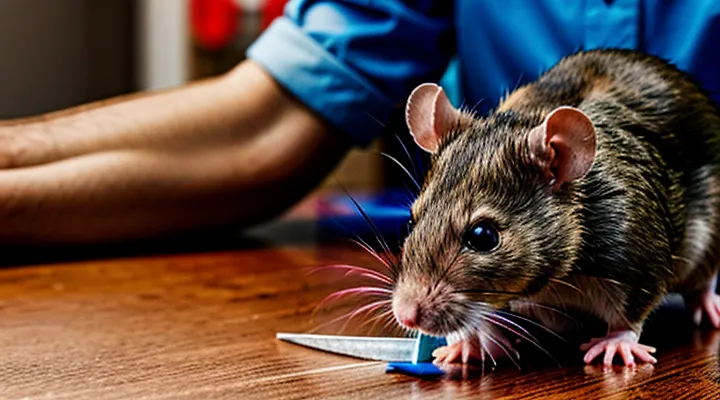
Understanding Rat Wounds
Types of Wounds
Abrasions and Scrapes
Abrasions and scrapes on laboratory rats represent superficial injuries that expose the epidermis and may involve the underlying dermis. Prompt management reduces infection risk, alleviates pain, and promotes rapid re‑epithelialization.
Initial assessment includes visual inspection for size, depth, and the presence of debris or necrotic tissue. Gentle palpation confirms the extent of tissue loss without causing additional trauma. Documentation of location and dimensions supports reproducibility in experimental protocols.
Cleaning procedure:
- Anesthetize the animal using an appropriate inhalation or injectable agent to prevent movement.
- Irrigate the wound with sterile isotonic saline or buffered phosphate solution; avoid harsh antiseptics that can damage viable cells.
- Remove loose particles with sterile gauze; if necrotic tissue is present, excise minimally with fine scissors or a scalpel.
Pain control:
- Administer a short‑acting opioid or non‑steroidal anti‑inflammatory drug at a dose calibrated for the rat’s weight.
- Monitor reflexes and behavior for signs of discomfort during and after treatment.
Dressing and protection:
- Apply a non‑adhesive, semi‑permeable film or hydrogel that maintains a moist environment while allowing gas exchange.
- Secure the dressing with a lightweight elastic wrap; ensure it does not restrict circulation or impede grooming.
Post‑treatment monitoring:
- Inspect the site daily for signs of erythema, swelling, or exudate.
- Record any changes in wound size; calculate percentage closure using calibrated measurements.
- Adjust analgesia and dressing frequency based on observed healing progress.
When infection is suspected, collect a swab for culture and initiate a targeted antimicrobial regimen. Successful handling of abrasions and scrapes minimizes confounding variables in research outcomes and upholds animal welfare standards.
Cuts and Lacerations
Cuts and lacerations in laboratory rats are common injuries that require prompt, aseptic management to prevent infection and promote tissue regeneration. The initial assessment should record the length, depth, and location of each wound, noting any exposed fascia, muscle, or bone. Hemorrhage control is achieved with gentle pressure using sterile gauze; excessive force may exacerbate tissue damage.
Cleaning proceeds with sequential rinses of isotonic saline, followed by a brief exposure to a dilute antiseptic solution (e.g., 0.05 % chlorhexidine). Rinse with sterile saline to remove residual antiseptic before applying a topical antimicrobial ointment. Avoid scrubbing, as mechanical trauma can enlarge the lesion.
Closure options depend on wound dimensions:
- Primary closure for linear incisions ≤5 mm, using 5‑0 absorbable monofilament sutures placed in simple interrupted fashion.
- Delayed closure for extensive lacerations, employing sterile wound pads and secondary intention healing while monitoring for granulation tissue formation.
- Tissue adhesives for superficial cuts, applied in thin layers to seal edges without suturing.
Post‑operative care includes:
- Housing rats in individually ventilated cages to limit contamination.
- Providing analgesia (e.g., buprenorphine 0.05 mg/kg subcutaneously every 12 h for 48 h) to mitigate pain‑induced stress.
- Inspecting wounds daily for signs of erythema, swelling, or discharge; replace dressings if necrotic tissue appears.
- Recording weight and activity levels to detect systemic effects.
Documentation of each step ensures reproducibility and facilitates comparison across experimental groups.
Puncture Wounds
Puncture wounds in rats result from sharp objects penetrating the skin and underlying tissue, creating a narrow tract that may trap debris and bacteria. The depth and angle of penetration dictate the risk of infection and tissue damage, making prompt assessment essential.
Initial evaluation includes visual inspection, palpation to determine tract length, and gentle probing to assess for foreign material. Hemorrhage should be controlled with sterile gauze and light pressure; excessive bleeding may indicate vascular injury requiring ligation.
Treatment protocol:
- Irrigate the wound with sterile saline or isotonic solution, using a catheter to deliver fluid deep into the tract.
- Apply a mild antiseptic, such as chlorhexidine gluconate, ensuring contact with all wound surfaces.
- Administer a broad‑spectrum antibiotic (e.g., enrofloxacin) subcutaneously, adjusted for the animal’s weight.
- Cover the site with a non‑adhesive dressing that allows airflow while protecting against contamination.
- Monitor daily for signs of swelling, discharge, or loss of appetite; adjust analgesia and antibiotics as needed.
Recovery considerations involve maintaining a clean cage environment, providing soft bedding to reduce pressure on the wound, and limiting the rat’s activity for 48–72 hours to prevent reopening of the tract. Successful outcome depends on thorough decontamination, appropriate antimicrobial therapy, and vigilant post‑procedure observation.
Bite Wounds
Bite wounds in laboratory rats result from aggression, cage‑mate fighting, or handling incidents. The lesions are typically punctate, may contain torn skin edges, and frequently involve underlying muscle or bone. Immediate evaluation determines depth, contamination level, and proximity to critical structures.
Physical examination includes visual inspection, gentle probing to assess tissue loss, and measurement of wound dimensions. Documentation of location, size, and presence of hemorrhage guides subsequent intervention.
Initial care focuses on decontamination and hemostasis. Steps are:
- Irrigate with sterile isotonic saline using a low‑pressure syringe.
- Apply gentle pressure with sterile gauze to control bleeding.
- Remove loose debris with fine forceps; avoid aggressive scraping that could enlarge the defect.
After cleaning, debridement of necrotic tissue is performed with microsurgical scissors or a scalpel. Surrounding healthy tissue is preserved to promote regeneration.
Antimicrobial therapy is essential because oral flora of rats contains mixed aerobic and anaerobic organisms. Empirical coverage often includes a broad‑spectrum injectable antibiotic (e.g., enrofloxacin) combined with a penicillin‑type agent. Adjustments are made based on culture results.
Wound closure depends on size and tension. Small, clean punctures may be left open to heal by secondary intention, while larger defects require simple interrupted sutures of absorbable material (e.g., 5‑0 Vicryl). Secure knots without excessive compression to maintain perfusion.
Post‑operative monitoring includes daily inspection for signs of infection, edema, or dehiscence. Analgesia is provided to minimize stress‑induced immunosuppression; buprenorphine at appropriate dosage is common. Record all observations, treatments, and any complications in the animal’s health log.
Successful management of bite injuries in rats relies on prompt decontamination, appropriate antimicrobial selection, careful suturing when needed, and vigilant follow‑up to ensure rapid, complication‑free healing.
Abscesses
Abscesses are localized collections of pus that develop when bacterial invasion of a cutaneous or subcutaneous wound is not promptly cleared by the immune system. In laboratory rats, abscess formation typically follows contamination of the wound site, inadequate aseptic technique, or delayed closure. Clinically, an abscess appears as a firm, circumscribed swelling, often warm to the touch and may be accompanied by erythema, tenderness, and limited mobility of the affected limb.
Diagnosis relies on visual inspection, palpation, and, when necessary, ultrasonography to assess depth and volume. Needle aspiration yields purulent material for Gram staining and culture, providing data for targeted antimicrobial therapy. Radiography can reveal gas formation in anaerobic infections.
Effective management consists of three coordinated actions:
- Drainage – incision of the abscess capsule under anesthesia, followed by gentle expression of pus; complete evacuation reduces pressure and bacterial load.
- Antimicrobial therapy – systemic administration of a broad‑spectrum antibiotic (e.g., enrofloxacin 10 mg/kg subcutaneously every 12 h) pending culture results; adjust to susceptibility profile within 48 h.
- Supportive care – analgesia (e.g., buprenorphine 0.05 mg/kg subcutaneously every 8 h) and anti‑inflammatory agents (e.g., meloxicam 1 mg/kg once daily) to mitigate pain and edema.
Post‑procedure monitoring includes daily measurement of wound dimensions, assessment of discharge, and evaluation of body weight and behavior. Suturing is avoided until the cavity is confirmed to be free of infection; instead, a sterile dressing may be applied to protect the site during the initial healing phase.
Prevention strategies focus on strict asepsis during surgery, use of prophylactic antibiotics in high‑risk models, and regular inspection of postoperative wounds. Environmental controls—maintaining low humidity, adequate ventilation, and minimizing stress—contribute to reduced incidence of abscess formation.
In experimental settings, uncontrolled abscesses can confound outcome measures such as tissue regeneration, inflammatory cytokine profiling, and drug efficacy. Therefore, prompt identification and standardized treatment of abscesses are essential to preserve data integrity and animal welfare.
When to Seek Veterinary Care
Signs of Severe Injury
Recognizing severe injury in a laboratory rat is essential for effective wound management. Prompt identification guides intervention, reduces mortality, and preserves experimental integrity.
- Large tissue loss exposing underlying structures
- Continuous arterial or venous bleeding that does not cease with gentle pressure
- Necrotic or blackened tissue margins
- Marked swelling extending beyond the wound edges
- Visible signs of extreme pain: vocalizations, aggressive guarding, reluctance to move
- Systemic indicators: rapid heart rate, low body temperature, pale or cyanotic mucous membranes, loss of consciousness, severe lethargy, refusal to eat or drink
These observations signal that the animal requires immediate stabilization, analgesia, and possibly surgical debridement. Failure to address such signs can lead to shock, infection, and loss of the subject.
Wounds Not Healing
Wound non‑union in laboratory rats presents a significant obstacle to experimental outcomes that rely on predictable tissue repair. Persistent inflammation, inadequate vascularization, infection, and excessive tension are the primary biological factors that impede closure. Systemic conditions such as diabetes, malnutrition, or immunosuppression further diminish fibroblast activity and collagen deposition, extending the inflammatory phase beyond its normal duration.
Accurate assessment of stalled healing requires repeated observation of macroscopic and microscopic parameters. Measurements should include:
- Wound area reduction assessed with calibrated digital imaging at 24‑hour intervals.
- Histological evaluation of granulation tissue thickness, neovascular density, and inflammatory cell infiltrate.
- Quantification of pro‑inflammatory cytokines (TNF‑α, IL‑1β) and anti‑inflammatory mediators (IL‑10) in tissue homogenates.
Intervention strategies focus on restoring the physiological cascade of repair. Immediate actions include:
- Debridement of necrotic tissue to reduce bacterial load and stimulate a fresh inflammatory response.
- Application of topical antimicrobial agents (e.g., silver sulfadiazine) to prevent colonization without disrupting cellular proliferation.
- Use of controlled negative‑pressure wound therapy to promote perfusion and draw wound margins together.
Adjunctive systemic treatments enhance the local environment:
- Administration of insulin or glucose‑lowering agents in diabetic models to normalize metabolic status.
- Supplementation with omega‑3 fatty acids or vitamin C to support collagen synthesis.
- Pharmacologic inhibition of excessive matrix metalloproteinases using doxycycline to prevent extracellular matrix degradation.
Experimental protocols must standardize variables that influence healing. Maintain ambient temperature at 30–32 °C, provide humidified air to prevent desiccation, and ensure consistent anesthesia depth to avoid stress‑induced immunosuppression. Document all interventions in a reproducible format, noting dosage, timing, and route of administration.
By systematically identifying the underlying cause of delayed closure, applying targeted local and systemic therapies, and controlling environmental parameters, researchers can convert non‑healing wounds into reliable models for studying regenerative interventions.
Infection Indicators
Infection assessment is essential for effective wound management in rats. Early detection relies on observable and measurable parameters that indicate microbial colonization or systemic involvement.
Visible signs include erythema, swelling, heat, and the presence of purulent discharge. Changes in wound edges, such as necrotic tissue or dehiscence, suggest progressing infection. Increased grooming or scratching around the wound area reflects discomfort and possible irritation.
Systemic indicators comprise elevated body temperature, reduced activity, loss of appetite, and weight loss. Laboratory evaluation may involve:
- Quantitative bacterial cultures from swab or tissue samples to identify pathogenic load.
- Hematological analysis for leukocytosis, neutrophilia, or a left shift in differential counts.
- Measurement of acute‑phase proteins, such as C‑reactive protein or serum amyloid A, to gauge inflammatory response.
- Cytokine profiling (e.g., IL‑6, TNF‑α) for detailed insight into immune activation.
Monitoring these criteria at regular intervals allows timely intervention, minimizes tissue damage, and supports optimal recovery during rat wound care.
First Aid for Rat Wounds
Preparing the Environment
Gathering Supplies
Effective wound care in rodents begins with assembling the appropriate materials. Selecting items that meet veterinary standards ensures reliable outcomes and reduces the risk of infection.
- Sterile gauze pads (various sizes)
- Absorbent cotton rolls
- Antiseptic solution (e.g., chlorhexidine or povidone‑iodine)
- Topical antibiotic ointment (e.g., bacitracin)
- Fine‑point forceps and tweezers
- Scissors with blunt tips
- Disposable gloves (non‑latex preferred)
- Sterile drape or gauze for isolation of the surgical field
- Adhesive bandage material or self‑adhesive mesh
- Analgesic agents suitable for rats (e.g., buprenorphine)
- Waste container for sharps and contaminated disposables
All supplies must be stored in a clean, temperature‑controlled environment. Verify expiration dates before each use. Instruments should be autoclaved or processed with a validated sterilization method. Disposable items must remain sealed until needed to preserve sterility.
Prepare a dedicated workspace free of clutter. Arrange the items in the order of application to streamline the procedure. Conduct a brief equipment check prior to handling the animal to confirm functionality and integrity.
By completing this preparation phase, the practitioner eliminates delays during the treatment session and maintains a consistent standard of care for the injured rat.
Creating a Safe Space
Creating a safe space is essential for effective wound management in laboratory rats. The environment must minimize stress, prevent contamination, and allow precise observation of healing progress.
Key elements of a safe space include:
- Temperature control (20‑22 °C) and humidity (45‑55 %).
- Low‑noise, low‑light conditions during recovery.
- Cage bedding that is sterile, absorbent, and free of sharp particles.
- Separate recovery area to avoid interference from other animals.
Handling procedures should reduce agitation. Use gentle restraint devices that support the animal’s body without compressing the wound. Apply anesthesia with agents that provide rapid induction and predictable recovery, monitoring depth through respiratory rate and reflex checks.
Post‑procedure monitoring requires regular visual inspection of the wound site, documentation of any exudate, and measurement of lesion dimensions. Provide analgesia according to approved protocols, and replace bedding daily to maintain aseptic conditions. These measures collectively establish a safe space that promotes consistent healing outcomes.
Cleaning the Wound
Gentle Restraint Techniques
Gentle restraint is essential for accurate wound management in rats while minimizing stress and injury. Effective handling requires a calm environment, appropriate equipment, and a clear sequence of actions.
- Wrap the animal in a soft, breathable fabric, leaving the surgical site exposed. The fabric should be snug enough to prevent movement but loose enough to avoid circulatory restriction.
- Position the rat on a padded surface with the head slightly elevated. Use a thumb and forefinger to support the skull, while the remaining fingers control the torso. This hand‑hold provides steady control without excessive pressure on the limbs.
- Employ a transparent restraining tube fitted with ventilation holes for short procedures. The tube limits escape, allows visual monitoring, and reduces the need for manual holding.
- Apply a light inhalation anesthetic (e.g., isoflurane) when prolonged immobilization is required. Anesthesia eliminates voluntary movement and further reduces stress, but vital signs must be continuously observed.
Key considerations:
- Maintain body temperature with a heating pad to prevent hypothermia during restraint.
- Inspect the animal for signs of distress (e.g., vocalization, rapid breathing) and adjust technique immediately.
- Use sterile gloves and instruments to prevent contamination of the wound.
- Release the rat promptly after the procedure, allowing recovery in a quiet cage with easy access to food and water.
Following these practices ensures that the wound can be examined, cleaned, and sutured efficiently while preserving the animal’s welfare.
Materials for Cleaning
Effective wound management in laboratory rats requires sterile, non‑irritating cleaning agents that do not compromise tissue integrity. Selection of appropriate materials influences infection control, healing rate, and experimental reproducibility.
Commonly employed cleaning solutions include:
- Physiological saline (0.9 % NaCl). Isotonic, gentle on tissue, suitable for initial irrigation and removal of debris.
- Phosphate‑buffered saline (PBS). Provides pH stability, useful when downstream assays are sensitive to pH fluctuations.
- Diluted povidone‑iodine (0.1 %–0.5 %). Broad‑spectrum antimicrobial; limit exposure time to avoid cytotoxicity.
- Chlorhexidine gluconate (0.05 %–0.2 %). Effective against Gram‑positive and Gram‑negative bacteria; rinse thoroughly to prevent residual irritation.
- Sterile distilled water. Acceptable for brief rinses when other solutions are unavailable; lacks antimicrobial properties.
Adjunctive materials for mechanical cleaning:
- Sterile gauze pads. Soft, low‑lint; suitable for gentle wiping.
- Micro‑sponges (e.g., polyurethane foam). Allow controlled pressure without tearing delicate tissue.
- Fine‑point syringes (1–3 ml) with blunt needles. Facilitate precise irrigation of deep or narrow wound tracts.
When preparing solutions, maintain aseptic technique: use autoclaved containers, filter‑sterilize liquids when heat‑sensitive agents are required, and label with concentration and preparation date. Discard any solution beyond its recommended stability period to prevent contamination.
Overall, the combination of isotonic irrigants, selective antiseptics, and sterile applicators provides a reliable protocol for cleaning rat wounds while preserving tissue viability and experimental integrity.
Step-by-Step Cleaning Process
When a laboratory rat sustains a cut or abrasion, immediate cleaning reduces infection risk and promotes tissue repair. Follow the sequence below to ensure sterile conditions and reproducible results.
-
Prepare the workspace – Disinfect the surface with 70 % ethanol, arrange a sterile tray, and gather all instruments (forceps, scalpel, gauze, saline, antiseptic solution). Wear gloves, a lab coat, and a mask.
-
Anesthetize the animal – Administer an approved inhalant or injectable anesthetic according to the institutional protocol. Verify the loss of pedal reflex before proceeding.
-
Expose the wound – Gently retract fur around the lesion using sterile scissors or a depilatory cream. Avoid excessive traction that could damage surrounding tissue.
-
Irrigate – Flush the wound with sterile physiological saline at a pressure of 10–15 psi. Direct the flow to dislodge debris without causing tissue trauma. Repeat until the effluent appears clear.
-
Apply antiseptic – Dab a sterile swab soaked in a broad‑spectrum antiseptic (e.g., chlorhexidine 0.05 % or povidone‑iodine 1 %) onto the wound surface. Allow a contact time of 30 seconds, then remove excess fluid with a fresh gauze pad.
-
Dry the area – Pat the surrounding skin dry with sterile gauze. Do not rub the wound bed; maintain a moist environment within the wound margins.
-
Document – Record the wound’s dimensions, location, and any observations in the animal’s log. Capture a photograph if required by the study design.
-
Post‑procedure care – Place the rat in a recovery cage with warmed bedding. Monitor for normal respiration and activity. Administer analgesics as prescribed and inspect the wound daily for signs of infection.
Adhering to these steps standardizes the cleaning process, minimizes microbial contamination, and supports consistent experimental outcomes.
Applying Antiseptics and Dressings
Choosing Appropriate Antiseptics
Effective wound management in laboratory rats requires antiseptic agents that provide rapid microbial control without compromising tissue integrity or experimental outcomes. Selection hinges on spectrum of activity, cytotoxicity, compatibility with subsequent treatments, and regulatory acceptance for animal research.
Key criteria for antiseptic choice:
- Broad-spectrum efficacy against Gram‑positive, Gram‑negative bacteria, and fungi commonly encountered in rodent facilities.
- Minimal disruption of fibroblast proliferation and collagen deposition to support healing.
- Stability in aqueous solutions and resistance to rapid degradation at room temperature.
- Absence of systemic toxicity when absorbed through damaged skin.
- Compatibility with anesthesia agents and analgesics used in the protocol.
- Availability of safety data sheets and compliance with institutional animal care guidelines.
Commonly employed antiseptics for rat wound care:
-
Chlorhexidine gluconate (0.05 %–0.2 %)
- Strong bactericidal activity, persistent binding to tissue.
- Low cytotoxicity at concentrations ≤0.12 %; higher concentrations impede epithelial migration.
-
Povidone‑iodine (1 %–5 % available iodine)
- Broad antimicrobial range, including resistant strains.
- Iodine release can delay granulation; dilute to ≤1 % for routine use.
-
Polyhexamethylene biguanide (PHMB, 0.02 %–0.04 %)
- Effective against bacteria and yeasts, minimal impact on keratinocyte viability.
- Limited data on long‑term exposure in rodents; monitor for local irritation.
-
Silver‑nanoparticle dressings
- Continuous antimicrobial release, low resistance development.
- Potential for argyria; apply only to superficial wounds with careful dosing.
-
Alcohol‑based solutions (70 % ethanol or isopropanol)
- Rapid bactericidal action, evaporates quickly.
- High cytotoxicity; unsuitable for open wounds, appropriate only for skin preparation prior to incision.
When choosing an antiseptic, prioritize agents that maintain a balance between microbial eradication and preservation of the reparative cellular environment. Validate the selected product in a pilot study before inclusion in the main experimental protocol to ensure consistent healing rates and reproducible data.
Bandaging Small Wounds
Effective bandaging of minor lesions in laboratory rats requires a sterile environment, appropriate materials, and precise technique to promote rapid closure and prevent infection.
Aseptic preparation begins with hand washing, gloves, and a clean work surface. Required items include sterile gauze pads (1‑2 cm square), non‑adhesive wound pads, flexible adhesive tape or self‑adhesive bandage material, sterile saline for irrigation, and a pair of fine‑point surgical scissors. Scissors should be trimmed to eliminate sharp edges that could damage delicate tissue.
The procedure follows these steps:
- Irrigate the wound with sterile saline to remove debris and reduce bacterial load.
- Pat the area dry with a sterile gauze pad, avoiding direct pressure on the lesion.
- Place a non‑adhesive wound pad over the defect, ensuring full coverage with a margin of at least 2 mm.
- Cut a strip of adhesive tape long enough to extend beyond the pad on both sides; avoid excessive overlap that could restrict movement.
- Apply the tape gently, securing it without tension. Confirm that the pad remains centered and that the rat can move the affected limb without restriction.
After bandaging, observe the animal at regular intervals (e.g., every 4–6 hours for the first 24 hours) for signs of distress, swelling, or discharge. Replace the dressing if it becomes wet, loose, or contaminated. Document wound dimensions and any changes in appearance to track healing progress.
Properly executed bandaging of small wounds in rats minimizes trauma, supports tissue regeneration, and reduces the likelihood of secondary infection.
When Not to Bandage
When a wound on a laboratory rat is superficial, dry, and not bleeding, covering it with a bandage can impede natural healing. The animal’s skin contracts quickly, and an uncovered surface allows epithelial cells to migrate unimpeded, reducing healing time.
Bandaging is also inadvisable when the wound is located on a highly mobile area such as the tail, paws, or ventral abdomen. Movement can cause the dressing to shift, create pressure points, and increase the risk of tissue necrosis. In such locations, allowing the rat to groom and adjust its posture without restraint promotes better outcomes.
Excessive moisture or exudate is another condition that contraindicates bandaging. A saturated dressing fosters bacterial proliferation and macerates surrounding tissue. Monitoring the wound daily and applying absorbent, non‑adhesive dressings only when fluid accumulation is minimal minimizes infection risk.
Situations where a bandage should be omitted:
- Small (<5 mm) puncture or abrasion without active bleeding
- Wounds on the tail, paws, or other highly mobile regions
- Presence of copious exudate or wet environment
- Signs of swelling, edema, or compromised circulation
- Need for frequent visual inspection or measurement of wound dimensions
In these cases, cleaning the area with sterile saline, applying a topical antimicrobial agent, and providing a clean cage environment constitute the preferred management strategy.
Post-Treatment Care and Monitoring
Maintaining Hygiene
Cage Cleaning Protocols
Effective cage hygiene directly influences the outcome of wound management in rats. Contaminated bedding, urine, and feces can introduce pathogens that impede tissue repair and increase infection risk. Maintaining a clean environment therefore supports the healing process and reduces the need for additional antimicrobial interventions.
Key elements of a cage‑cleaning protocol include:
-
Preparation:
- Don disposable gloves, a lab coat, and a face shield.
- Label the cage as “under cleaning” to prevent animal handling during the procedure.
-
Removal of animal and supplies:
- Transfer the rat to a temporary, sanitized holding cage with fresh bedding.
- Keep the animal’s temperature and humidity stable to avoid stress.
-
Cleaning actions:
- Discard used bedding, food, and water bottles.
- Rinse the cage with warm water to eliminate loose debris.
- Apply an approved disinfectant (e.g., 70 % ethanol or a quaternary ammonium solution) and allow the recommended contact time.
- Scrub interior surfaces with a non‑abrasive brush to remove biofilm.
- Rinse thoroughly with sterile water to remove residual chemicals.
-
Drying and re‑assembly:
-
Post‑cleaning verification:
- Inspect the cage for visible residues or damage.
- Document the cleaning date, personnel, and disinfectant lot number in the animal care log.
Cleaning frequency should be aligned with wound severity and cage condition. Standard practice calls for daily bedding changes and a full cage sanitization at least twice weekly; however, any visible contamination or spill mandates immediate action. Consistent adherence to these steps minimizes environmental infection sources and contributes to reliable wound healing outcomes in laboratory rats.
Preventing Re-Injury
Preventing secondary damage is a critical component of rat wound management. Immediate protection of the injury site reduces the likelihood of self‑inflicted trauma and interference from cage mates.
Key measures include:
- Secure dressings: Apply flexible, breathable bandages that adhere without restricting movement. Replace or adjust them at regular intervals to maintain integrity.
- Environmental control: Remove objects that could be chewed or scratched, and provide smooth, low‑profile bedding. Install cage dividers if multiple animals share the same enclosure.
- Handling protocol: Limit manipulation to essential procedures. When handling is necessary, use gentle restraint techniques and keep the wound area covered.
- Monitoring schedule: Conduct daily visual inspections. Record signs of abrasion, bandage displacement, or abnormal behavior. Promptly address any deviations.
Additional safeguards involve administering analgesics that do not impair motor function, thereby decreasing the animal’s propensity to bite or gnaw at the wound. Nutritional support with adequate protein and vitamins promotes tissue strength, further reducing the risk of re‑injury. Implementing these practices creates a stable healing environment and maximizes the reliability of experimental outcomes.
Monitoring for Complications
Signs of Infection
When a wound is created on a laboratory rat, vigilant observation for infection is essential to ensure successful recovery and reliable experimental outcomes. Early detection allows timely intervention, preventing systemic spread and minimizing variability in study data.
Typical indicators of infection include:
- Redness extending beyond the wound margin
- Swelling that increases in size or feels warm to the touch
- Purulent discharge, ranging from thin exudate to thick pus
- Foul odor emanating from the wound site
- Excessive licking or biting of the affected area
- Elevated body temperature measured rectally
- Lethargy, reduced grooming, or loss of appetite
If any of these signs appear, immediate steps should involve aseptic cleaning, administration of appropriate antibiotics based on culture results, and adjustment of analgesic protocols to reduce self‑trauma. Continuous monitoring until resolution confirms that the wound has healed without further complications.
Observing Healing Progress
Monitoring the repair of a cutaneous lesion in a laboratory rat requires systematic visual and quantitative assessments. Daily inspection of the wound site provides primary data on epithelial closure, exudate characteristics, and signs of infection. Photographic documentation, standardized with a fixed distance and lighting, enables precise measurement of wound area using image‑analysis software.
Key parameters to record include:
- Reduction in wound surface area expressed as a percentage of the initial size.
- Presence, volume, and color of any discharge.
- Edge morphology: smoothness, retraction, or maceration.
- Surrounding tissue edema and erythema.
- Behavioral indicators such as grooming frequency or limping.
Statistical analysis of these metrics across multiple subjects reveals the temporal pattern of tissue regeneration and allows comparison of therapeutic interventions. Consistent methodology ensures reproducibility and supports conclusions about the efficacy of treatment protocols.
Behavioral Changes to Watch For
When a rat’s skin injury is being managed, observable behavior provides the earliest indication of complications.
- Decreased grooming or a failure to clean the wound area suggests pain or discomfort.
- Reduced locomotion, such as slower movement across the cage or reluctance to explore, often reflects reduced mobility or systemic stress.
- Diminished food and water intake, manifested by smaller pellets left uneaten or a dry water bottle, signals possible infection or metabolic disturbance.
- Increased aggression toward cage mates, including biting or frequent fighting, may arise from heightened irritability caused by pain.
- Lethargy, characterized by prolonged periods of inactivity in the corner of the cage, points to systemic effects of infection or inadequate analgesia.
- Abnormal posture, such as hunching, a tendency to curl tightly, or guarding the injured limb, indicates localized pain.
- Frequent vocalizations, especially high‑pitched squeaks when the wound is touched, are a direct response to nociceptive stimuli.
- Disruption of nesting behavior, evident by scattered or incomplete nest material, reflects reduced comfort and well‑being.
Monitoring these signs daily, alongside regular inspection of the wound site, enables timely intervention. Early detection of adverse behavior reduces the risk of infection, promotes faster recovery, and improves overall outcomes in rat wound care.
Nutritional Support for Healing
Importance of a Balanced Diet
A balanced diet provides the substrates required for cellular proliferation, collagen synthesis, and angiogenesis, all of which are essential for effective wound repair in laboratory rats. Adequate protein supplies amino acids for fibroblast activity, while essential fatty acids modulate inflammatory mediators and support membrane integrity. Micronutrients such as vitamin C, zinc, and copper act as cofactors for enzymatic reactions that drive tissue remodeling.
- Protein: 18–20 % of total caloric intake; ensures sufficient supply of lysine and arginine for collagen cross‑linking.
- Vitamin C: 50–100 mg kg⁻¹ day⁻¹; promotes hydroxylation of proline and lysine residues, stabilizing the collagen triple helix.
- Zinc: 30–40 ppm dietary concentration; required for DNA synthesis and metalloproteinase regulation.
- Copper: 6–8 ppm; facilitates lysyl oxidase activity, critical for collagen maturation.
- Essential fatty acids: 2–3 % of energy from omega‑3 and omega‑6 sources; balance eicosanoid production, reducing excessive inflammation.
Caloric restriction delays epithelialization and reduces tensile strength of the scar, whereas excess calories predispose to obesity‑related inflammation, both compromising healing outcomes. Monitoring body weight and adjusting nutrient density maintain homeostasis and prevent confounding variables in experimental wound models.
Implementing a standardized, nutritionally complete feed eliminates variability in healing rates, improves reproducibility of results, and aligns with ethical standards for animal welfare.
Hydration Strategies
Effective wound care in rats depends on maintaining adequate tissue hydration, which supports cellular proliferation, collagen synthesis, and immune function. Dehydration impairs these processes, prolongs inflammation, and increases the risk of infection. Therefore, a systematic approach to fluid management is integral to successful recovery.
- Oral supplementation: Provide a palatable, isotonic solution (e.g., 5 % dextrose in saline) alongside standard chow. Ensure continuous access to fresh water; monitor intake every 2 hours during the acute phase.
- Subcutaneous injection: Administer 1–2 ml of sterile isotonic saline per 100 g body weight every 12 hours for the first 48 hours, adjusting volume based on skin turgor and urine output.
- Intraperitoneal infusion: Use for severe fluid loss; deliver 0.5–1 ml of warmed isotonic solution per 100 g body weight over 5 minutes, repeating as needed under aseptic conditions.
- Gel-based carriers: Incorporate hydrogel dressings infused with electrolytes to deliver moisture directly to the wound surface while reducing systemic fluid requirements.
Monitoring parameters include daily measurement of body weight, skin elasticity, urine volume, and serum electrolytes. Adjust fluid volumes promptly if signs of overhydration (e.g., edema, respiratory distress) appear. Combining systemic hydration with localized moisture delivery optimizes the wound environment, accelerates tissue repair, and minimizes complications in rat models.
Preventing Future Injuries
Safe Cage Setup
Eliminating Hazards
When managing a rodent wound, the primary objective is to remove any factors that could compromise healing or endanger personnel. Identify sources of contamination, toxic exposure, and procedural errors before commencing the procedure.
Key hazards and their mitigation:
- Biological contaminants – Use aseptic technique; sterilize instruments, wear disposable gloves, and work within a biosafety cabinet when possible.
- Chemical irritants – Avoid applying antiseptics containing alcohol or iodine directly to delicate tissue; select isotonic saline or buffered solutions approved for small‑animal use.
- Physical injury – Restrain the animal with a calibrated holder that limits movement without causing stress; verify that all clamps and suturing devices are correctly positioned.
- Cross‑infection – Disinfect the work surface between cases; employ single‑use drapes and change protective gowns regularly.
- Environmental factors – Maintain ambient temperature between 22‑24 °C and humidity at 40‑60 % to prevent hypothermia and desiccation of the wound site.
Implementing these controls eliminates the majority of risks associated with wound management in rats, ensuring consistent outcomes and safeguarding laboratory staff.
Appropriate Bedding
Effective wound management in rats depends on a controlled environment, and the bedding material directly influences healing outcomes. Proper bedding reduces contamination risk, limits mechanical irritation, and supports thermoregulation, all of which affect tissue repair.
Key characteristics of suitable bedding include:
- High absorbency to contain exudate and prevent maceration of the wound site.
- Sterility or the ability to be sterilized, eliminating potential pathogens.
- Minimal dust production, reducing respiratory stress and the likelihood of debris entering the wound.
- Soft texture that prevents pressure points and abrasive contact with sutures or dressings.
- Chemical inertness, ensuring no leachable substances interfere with tissue regeneration.
Commonly recommended options are:
- Autoclaved paper chips: provide excellent absorbency, low particulate matter, and are readily sterilizable.
- Commercial cellulose pellets: offer uniform consistency, low dust, and can be heat‑treated before use.
- Aspen shavings (pre‑sterilized): softer than pine, free of aromatic oils that could irritate the wound.
- Surgical-grade foam inserts: suitable for short‑term use when maximal cushioning is required.
Implementation guidelines:
- Replace bedding at least once daily, or more frequently if visible moisture or blood is present.
- Inspect the wound area during each change to detect signs of infection or inflammation.
- Maintain cage temperature within the species‑specific range (approximately 20–26 °C) to prevent hypothermia, which can delay healing.
- Avoid bedding that contains cedar, pine, or scented additives, as these emit phenols known to impair wound healing.
Adhering to these standards ensures a hygienic, comfortable setting that promotes rapid tissue repair and reduces the likelihood of postoperative complications.
Socialization and Supervision
Introducing New Rats Safely
When a wound is being managed in a laboratory rat, the arrival of additional animals must not jeopardize the healing process or colony integrity.
Prior to entry, each newcomer undergoes a health assessment that includes visual inspection, weight measurement, and diagnostic testing for common pathogens. Animals that fail any criterion are excluded from the study. Following assessment, a quarantine period of at least seven days allows observation for latent infections and acclimatization to the facility environment.
- Place the new rat in a clean, single‑housing cage equipped with familiar bedding and enrichment.
- Maintain ambient temperature between 20‑22 °C and relative humidity at 45‑55 %.
- Provide ad libitum access to sterile water and a nutritionally balanced diet.
- Limit handling to brief, gentle interactions performed with gloved hands.
- Record daily observations of behavior, wound appearance, and any signs of distress.
After quarantine, integrate the rat with the existing cohort using a gradual, staged approach. Begin with visual contact through a perforated divider for 24 hours, then extend exposure periods while monitoring aggression or avoidance. Once stable social tolerance is evident, allow shared enclosure for a supervised 48‑hour period before full integration.
Continue daily monitoring for at least three days post‑integration. Document wound measurements, inflammation markers, and any alterations in grooming or activity. Promptly isolate any animal showing deteriorating wound condition or abnormal behavior.
Adhering to this protocol minimizes infection risk, reduces stress‑induced interference with tissue repair, and preserves experimental consistency.
Monitoring Playtime
Monitoring spontaneous activity provides a direct indicator of postoperative recovery in rodents undergoing wound management. Increased locomotion and interactive behavior correlate with reduced pain and improved tissue repair, allowing researchers to adjust analgesic protocols and environmental conditions promptly.
Standard observation techniques include continuous video recording, infrared motion detection, and scheduled manual scoring sessions. Video systems capture unrestricted movement patterns, while infrared sensors quantify locomotor bouts without illumination interference. Manual scoring, performed at defined intervals, validates automated data and records nuanced social interactions.
Key parameters for quantitative assessment are:
- Total active minutes per observation period
- Frequency of locomotor bouts
- Average duration of each bout
- Proportion of time spent in social play versus solitary exploration
Elevated values in these metrics typically precede accelerated epithelialization and reduced inflammatory markers. Conversely, prolonged inactivity signals potential complications such as infection or inadequate analgesia, prompting immediate intervention. Integrating playtime monitoring into rat wound care protocols enhances outcome precision and supports reproducible experimental conditions.