
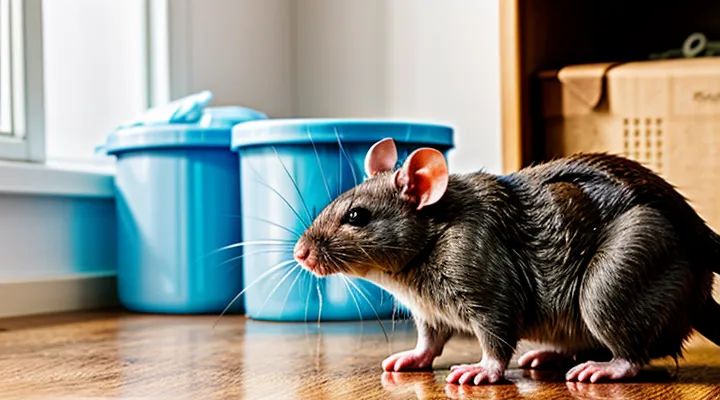
Understanding Rat Colds
Identifying Cold Symptoms in Rats
Early Signs
Early detection of a respiratory infection in pet rats relies on observing subtle changes in behavior and appearance.
- Reduced activity levels; the animal may linger in the nest and avoid exploration.
- Decreased appetite; a noticeable decline in food or water intake within 24‑48 hours.
- Altered grooming; a rat may spend less time cleaning its fur, leading to a dull coat.
- Nasal discharge; clear or slightly cloudy fluid emerging from the nostrils, often visible on bedding or the animal’s whiskers.
- Audible breathing irregularities; soft wheezing or occasional snoring sounds during rest.
Additional indicators include swollen or red eyes, a slight increase in body temperature detectable by touch, and a tendency to adopt a hunched posture. Prompt recognition of these signs enables effective home management of the illness, reducing the risk of progression to severe pneumonia.
Advanced Symptoms
When a pet rat develops a respiratory infection, early detection of worsening signs determines whether home care remains appropriate or professional assistance is required.
Advanced manifestations may include:
- Persistent nasal discharge that becomes thick, discolored, or contains blood.
- Labored breathing, audible wheezing, or open‑mouth respiration.
- Marked lethargy, inability to maintain normal activity levels, or prolonged periods of immobility.
- Significant weight loss over a short period, often accompanied by reduced food and water intake.
- Ocular involvement such as swollen, crusted eyes or discharge.
- Fever confirmed by rectal temperature exceeding the normal range for rats (approximately 38 °C).
- Neurological signs, including tremors, uncoordinated movements, or seizures.
These indicators reflect systemic spread of the pathogen, compromised airway function, and potential secondary complications. Immediate veterinary evaluation is advised to prevent irreversible damage and to guide appropriate antimicrobial or supportive therapy. Continuation of home measures without professional input may exacerbate the condition and increase mortality risk.
Distinguishing from Other Illnesses
When a pet rat shows signs of respiratory distress, confirming a common cold rather than a more serious condition is critical before applying home-based remedies. Accurate identification relies on observation of symptom patterns, progression speed, and supplemental tests when available.
Typical cold indicators include clear nasal discharge, mild sneezing, and a slight reduction in activity. These signs develop gradually over several days and rarely accompany fever. In contrast, bacterial pneumonia often presents with thick, colored mucus, rapid breathing, and elevated body temperature. Gastrointestinal infections may mimic nasal discharge but are accompanied by diarrhea, weight loss, and dehydration.
Key distinctions can be summarized:
- Discharge color: clear or slightly cloudy for a viral upper‑respiratory infection; yellow, green, or blood‑tinged for bacterial involvement.
- Respiratory rate: mild increase (12–15 breaths per minute) with a cold; marked tachypnea (>20 breaths per minute) suggests pneumonia.
- Fever: absent or low-grade (<1 °C above normal) in a cold; moderate to high fever (≥2 °C above baseline) points to systemic infection.
- Behavioral change: mild lethargy and reduced grooming for a cold; severe weakness, loss of appetite, and inability to move for serious illness.
- Response to supportive care: improvement within 48 hours after humidification and hydration indicates a cold; deterioration despite these measures warrants veterinary assessment.
If any of the more severe criteria appear, immediate professional evaluation is necessary. Otherwise, maintaining a clean cage, providing a humid environment, and ensuring adequate hydration can effectively support recovery from a mild viral respiratory episode.
Causes of Colds in Rats
Environmental Factors
Environmental conditions profoundly influence the recovery of laboratory rodents suffering from upper‑respiratory infections when care is provided outside a clinical setting. Temperature stability is essential; rodents maintain a narrow thermoneutral range (approximately 20‑26 °C). Sudden drops below this interval increase metabolic demand, exacerbate mucosal inflammation, and delay viral clearance. Maintain ambient temperature with a calibrated thermostat and avoid drafts from ventilation openings.
Humidity impacts mucociliary function. Relative humidity between 40 % and 60 % preserves airway moisture, facilitates mucus transport, and reduces viral particle survival. Deploy a hygrometer and, if necessary, a humidifier to correct low humidity or a dehumidifier in overly moist environments.
Air quality determines pathogen load and irritant exposure. Particulate matter, ammonia from urine, and volatile organic compounds aggravate respiratory epithelium. Implement high‑efficiency particulate air (HEPA) filtration, change bedding regularly, and clean cages with mild disinfectants that do not leave residual fumes.
Light cycles regulate circadian rhythms that modulate immune responsiveness. Consistent 12‑hour light/dark periods support optimal leukocyte activity. Use programmable lighting to prevent irregular illumination.
Noise levels affect stress hormones, which suppress immune function. Keep housing areas quiet; avoid sudden loud sounds and limit proximity to heavy machinery.
Key environmental parameters to monitor:
- Ambient temperature ± 1 °C
- Relative humidity ± 5 %
- Air exchange rate (minimum 15 changes hour⁻¹)
- Ammonia concentration < 10 ppm
- Light/dark cycle consistency
- Sound pressure level < 60 dB
Regular documentation of these variables enables timely adjustments, promotes faster symptom resolution, and reduces the likelihood of secondary complications in home‑based rodent care.
Nutritional Deficiencies
Nutrient balance influences the recovery of rats suffering from upper‑respiratory infections. Deficiencies in vitamins A, C, and D compromise mucosal integrity, reduce leukocyte function, and prolong viral shedding. Inadequate protein intake limits antibody synthesis, while low zinc impairs cellular immunity.
Key dietary adjustments include:
- Provide a commercial rodent chow formulated with 15 % protein and fortified with essential vitamins and minerals.
- Supplement fresh fruits and vegetables rich in vitamin C (e.g., orange slices, bell pepper) in limited quantities to avoid gastrointestinal upset.
- Add a small amount of boiled egg or low‑fat cottage cheese to increase high‑quality protein.
- Offer a mineral block or a zinc‑enriched supplement according to manufacturer dosage instructions.
Monitoring parameters such as weight, fur condition, and activity level helps identify emerging deficiencies. Prompt correction prevents secondary complications and supports a faster resolution of cold symptoms.
Contagion
Rats with upper respiratory symptoms can transmit viral or bacterial agents to cage‑mates through aerosols, saliva, and shared bedding. The pathogen load peaks during the first 48 hours of illness, making early detection crucial for limiting spread.
Isolation of the affected individual in a separate enclosure prevents direct contact. Environmental decontamination reduces indirect transmission. Recommended actions include:
- Relocating the sick rat to a clean, ventilated cage.
- Replacing all bedding, water bottles, and food dishes in the infected cage.
- Disinfecting the primary cage and surrounding surfaces with a 1 % bleach solution, followed by thorough rinsing.
- Wearing disposable gloves when handling the animal or cleaning supplies.
- Limiting exposure of other rats for at least five days after symptom onset.
Monitoring the health of the remaining rats for sneezing, nasal discharge, or lethargy allows rapid response if secondary cases arise. Maintaining strict hygiene and quarantine protocols minimizes contagion risk while supporting recovery at home.
Home Care for a Rat with a Cold
Creating a Conducive Environment
Cage Setup and Bedding
When a rat shows signs of a respiratory infection, the environment can influence recovery speed. The cage should be spacious enough to allow unrestricted movement, yet small enough to retain warmth. Aim for a floor area of at least 0.5 m² per animal and a height of 30 cm to prevent excessive vertical space that can reduce ambient temperature.
Bedding material must be absorbent, dust‑free, and easy to clean. Recommended options include:
- Paper‑based bedding (e.g., Care Fresh, Kaytee Clean & Cozy) – low dust, high absorbency.
- Aspen shavings – minimal aromatic oils, moderate dust levels.
- Hemp bedding – natural antimicrobial properties, low dust.
Avoid cedar or pine chips; volatile compounds irritate the respiratory tract and can worsen symptoms.
Maintain a constant temperature between 20–24 °C and relative humidity of 45–55 %. Use a thermostat‑controlled heating pad beneath the cage floor if ambient conditions fall below this range. Ensure the heating source does not create hot spots that could cause burns.
Ventilation must be gentle. Provide a small opening covered with a fine mesh to allow fresh air exchange without creating drafts. Position the cage away from direct airflow from fans or HVAC vents.
Cleaning schedule should be intensified during illness. Replace bedding daily, disinfect the cage interior with a diluted chlorhexidine solution (0.05 % concentration), and rinse thoroughly before adding fresh material. Do not use harsh chemicals such as bleach, as residues can be toxic when inhaled.
Supplement the environment with a humidifier placed at a safe distance (approximately 30 cm) to raise ambient humidity to the target range. Operate the device for 15–20 minutes twice daily, monitoring for condensation buildup on cage walls.
By controlling cage size, selecting appropriate bedding, regulating temperature and humidity, and applying rigorous hygiene, the living conditions support respiratory recovery and reduce the risk of secondary complications.
Temperature and Humidity Control
Maintaining a stable ambient environment is essential for accelerating recovery in rats suffering from upper‑respiratory infections. The thermoregulatory system of a rodent is highly sensitive; deviations from optimal conditions can exacerbate nasal congestion, increase metabolic demand, and delay immune response.
- Temperature: 20 °C – 24 °C (68 °F – 75 °F).
- Relative humidity: 45 % – 55 %.
These ranges minimize evaporative water loss from the nasal passages while preventing excessive cooling that could trigger shivering thermogenesis. Continuous monitoring with a calibrated digital thermometer and hygrometer ensures that fluctuations remain within ±1 °C and ±5 % relative humidity.
If temperature drops below the lower limit, employ a low‑wattage heat lamp or a thermostatically controlled heating pad placed beneath the cage, avoiding direct contact with the animal. For humidity deficits, use a humidifier set to the recommended range or place a shallow water dish with sterile bedding material to increase ambient moisture through evaporation. Conversely, excessive humidity should be corrected with a dehumidifier or improved ventilation to prevent mold growth and bacterial proliferation.
Regularly document ambient readings at least twice daily. Correlating these data with clinical signs—such as nasal discharge volume, activity level, and weight change—allows for timely environmental adjustments, supporting faster resolution of the infection.
Isolation Protocols
Isolation reduces pathogen spread and protects healthy cage mates when a rat shows signs of a respiratory infection. Separate the affected animal in a dedicated cage with fresh bedding, food, and water. Maintain a temperature of 20‑22 °C and humidity around 50 % to avoid additional stress on the respiratory system.
Key actions for effective isolation:
- Transfer the rat to a cage located at least one meter from other enclosures.
- Equip the cage with a HEPA‑filtered air flow or place the cage inside a laminar flow cabinet if available.
- Change bedding daily; dispose of used material in biohazard bags.
- Provide enrichment (e.g., chew block) that can be sterilized between uses.
- Record temperature, respiratory rate, and nasal discharge each morning and evening.
- Clean the cage with a dilute bleach solution (1 % sodium hypochlorite) after each bedding change; rinse thoroughly to prevent chemical irritation.
Personnel should wear disposable gloves and a surgical mask when handling the isolated rat. Hand hygiene before and after contact minimizes cross‑contamination. If symptoms worsen or persist beyond five days, consult a veterinarian for possible antiviral or supportive therapy.
Nutritional Support
Hydration Strategies
Adequate fluid intake is critical when a rat exhibits symptoms of a respiratory infection. Dehydration accelerates tissue damage and impairs immune function, so immediate attention to hydration can mitigate disease progression.
- Provide fresh, clean water in a shallow dish to encourage frequent sipping. Replace daily to maintain palatability.
- Offer low‑sodium chicken or vegetable broth at room temperature; the mild flavor and additional nutrients stimulate consumption.
- Prepare an oral rehydration solution (ORS) by dissolving 1 g of dextrose and 0.5 g of sodium chloride in 100 ml of distilled water; administer 0.5–1 ml per 20 g of body weight using a calibrated syringe.
- If the rat refuses liquid, gently place a few drops of the ORS onto the tongue with a micropipette; repeat every 15 minutes until intake improves.
- Monitor urine output and skin turgor; reduced output or tenting of skin indicates inadequate hydration and may require veterinary assessment.
Adjust fluid temperature to match ambient conditions; excessively cold liquids can cause shivering, while warm fluids may increase metabolic demand. Maintain a clean environment to prevent secondary infections, and record daily fluid volumes to track progress. Consistent implementation of these measures supports recovery while the animal’s immune system combats the viral pathogen.
Appetite Stimulation
When rodents develop a mild upper‑respiratory infection, reduced food intake can accelerate weight loss and impair recovery. Promptly restoring appetite helps maintain body temperature, supports immune function, and prevents secondary complications.
Effective home‑based strategies include:
- Offering highly palatable, soft foods such as warmed oatmeal, mashed banana, or commercial rodent diet softened with warm water. The temperature and texture encourage voluntary consumption.
- Adding a small amount of low‑fat protein supplement (e.g., boiled egg white or whey protein) to the diet. Protein supplies essential amino acids for tissue repair.
- Providing a fresh source of moisture, such as diluted fruit juice or electrolyte solution, to stimulate thirst and indirectly increase feeding behavior.
- Reducing environmental stressors: keep the cage in a quiet, warm area (22‑24 °C) and limit handling to essential care only.
- Monitoring intake every 4–6 hours. If consumption remains below 50 % of baseline after 24 hours, consider a short course of appetite‑enhancing agents approved for laboratory rodents.
Consistent observation and timely adjustment of these measures sustain caloric intake, promote faster resolution of viral symptoms, and improve overall wellbeing in affected rats.
Vitamin and Supplement Considerations
Vitamin and supplement choices can influence recovery speed and overall health when a rodent experiences upper‑respiratory symptoms.
Key points to evaluate before adding any product include bioavailability, dosage accuracy, and interaction with existing diet.
- Vitamin C: Rats synthesize this vitamin endogenously; supplemental amounts rarely provide added benefit and may cause gastrointestinal upset at high levels.
- Vitamin D3: Essential for calcium metabolism; excessive supplementation can lead to hypercalcemia, especially in young or pregnant females. Maintain levels within the recommended range of 1,000–2,000 IU per kilogram of body weight.
- B‑complex vitamins: Support energy metabolism and nerve function. A balanced B‑complex concentrate (including B1, B2, B6, B12) can be administered at 0.5 mg per 100 g of feed, but monitor for signs of overstimulation such as hyperactivity.
- Probiotics: Strains such as Lactobacillus rhamnosus and Bifidobacterium animalis help maintain gut flora, which indirectly supports immune defenses. Provide 10⁸ CFU per day mixed into softened food.
- Omega‑3 fatty acids: Eicosapentaenoic acid (EPA) and docosahexaenoic acid (DHA) possess anti‑inflammatory properties. A dosage of 50 mg EPA/DHA per kilogram of body weight, delivered via fish‑oil capsules or fortified chow, can reduce mucosal swelling.
- Zinc: Crucial for enzyme function and antiviral activity. Administer 0.5 mg zinc sulfate per kilogram daily; avoid prolonged use to prevent copper deficiency.
Before implementing any regimen, confirm the rat’s weight, age, and health status, and consult a veterinarian familiar with small‑animal nutrition. Adjust dosages based on observed tolerance and clinical response.
Symptomatic Relief
Respiratory Support Techniques
When a rat develops upper‑respiratory symptoms in a home environment, immediate respiratory support can prevent progression to severe distress. The following methods are routinely employed by experienced caretakers and laboratory personnel.
- Provide supplemental oxygen using a small‑volume flowmeter attached to a sealed chamber; maintain flow at 0.5–1 L min⁻¹ to keep arterial oxygen saturation above 95 %.
- Increase ambient humidity with a portable humidifier or a moist cotton pad placed in the cage; target relative humidity of 60–70 % to loosen mucus.
- Perform gentle nasal lavage with sterile isotonic saline (0.9 % NaCl) using a micropipette; deliver 10 µL per nostril twice daily to clear secretions.
- Apply light chest percussion using a soft rubber mallet; conduct three 30‑second cycles per side to mobilize secretions.
- Monitor respiratory rate and effort with a handheld pulse oximeter; record values every 4 hours and adjust support if rate exceeds 120 breaths min⁻¹ or if effort intensifies.
Supplemental oxygen and humidification address hypoxemia and airway drying, while lavage and percussion facilitate clearance of mucus. Continuous monitoring ensures timely escalation, such as transfer to a veterinary clinic for advanced ventilation, if supportive measures fail.
Cleaning Secretions
Cleaning nasal and ocular secretions is a critical component of home-based care for rats suffering from a cold. Accumulated discharge can obstruct breathing, promote bacterial growth, and irritate delicate tissues, so prompt removal reduces complications and supports recovery.
Prepare a clean work area, disposable gloves, sterile saline solution (0.9 % NaCl), soft gauze pads, and a fine‑tip bulb syringe. Wash hands thoroughly before donning gloves; avoid using cotton swabs that may damage mucosal surfaces.
- Gently restrain the rat by wrapping it in a soft towel, leaving the head exposed.
- Moisten a gauze pad with saline; apply light pressure to the nostrils to dissolve crusted mucus.
- Use the bulb syringe to aspirate softened secretions, inserting the tip no deeper than 2 mm to prevent trauma.
- For eye discharge, wipe each eye with a separate saline‑moistened gauze, moving from the inner corner outward.
- Discard used gauze and sterilize the syringe according to manufacturer instructions.
Inspect the facial area after each cleaning session. Repeat the procedure twice daily, or more often if secretions reappear rapidly. Monitor the rat for signs of distress, increased respiratory effort, or worsening discharge; seek veterinary assistance if symptoms persist or intensify.
Pain Management (Non-medicated)
Effective non‑pharmacological pain relief for pet rats experiencing cold‑related discomfort relies on environmental control, gentle handling, and supportive techniques.
Maintaining a stable, warm microenvironment reduces muscular tension and alleviates aches associated with congestion. Provide a nest box lined with soft, unscented bedding, and keep ambient temperature between 20‑22 °C (68‑72 °F). Avoid drafts and direct airflow that can exacerbate discomfort.
Gentle massage can improve circulation and lessen soreness. Use a fingertip to apply light pressure along the dorsal musculature for 10‑15 seconds, repeating twice daily. Observe the animal’s response; discontinue if signs of stress appear.
Thermal therapy offers additional relief. Place a low‑heat heating pad (set to low) beneath the bedding for short intervals (5‑10 minutes), ensuring the surface does not exceed 30 °C (86 °F). Monitor the rat continuously to prevent overheating.
Enrichment that encourages mild activity promotes natural analgesic mechanisms. Offer chewable toys and short, supervised exploration periods on a soft surface to stimulate movement without imposing strain.
Hydration and humidity support mucosal comfort, indirectly reducing pain. Provide fresh water in a sipper bottle and maintain room humidity at 50‑60 % using a humidifier or a shallow water dish placed near the cage.
Implementing these strategies creates a low‑stress setting that mitigates pain without medication, supporting recovery from respiratory illness in laboratory or pet rats kept at home.
When to Seek Veterinary Care
Red Flags and Urgent Symptoms
When a rat’s upper‑respiratory infection worsens, certain signs demand immediate veterinary attention. Delaying care can lead to severe complications or death.
- Sudden collapse or inability to stand
- Labored breathing with audible wheezing, rattling, or open‑mouth respiration
- Nasal or ocular discharge that turns thick, green, or blood‑tinged
- Persistent high fever (rectal temperature above 40 °C/104 °F) despite supportive measures
- Loss of appetite accompanied by rapid weight loss (>10 % body mass within a few days)
- Seizures, tremors, or uncontrolled shaking
- Bloody stools or severe diarrhea leading to dehydration
- Unusual lethargy where the rat remains motionless for extended periods
Each of these symptoms indicates a possible secondary bacterial infection, pneumonia, or systemic illness that cannot be managed with home remedies alone. Contact a qualified exotic‑animal veterinarian promptly, provide detailed observations, and arrange for diagnostic testing such as radiographs or blood work. Early intervention improves prognosis and reduces suffering.
Preparing for a Vet Visit
When a rat shows persistent nasal discharge, reduced activity, or fever despite home care, a veterinary examination becomes necessary. Early professional assessment prevents complications such as secondary infections and ensures appropriate medication.
Collect the animal’s health records before the appointment. Include the date the symptoms began, any treatments already administered, dosage details, and observations of changes in appetite, water intake, and behavior. Note the rat’s age, weight, and any previous illnesses or vaccinations.
Prepare the transport environment to minimize stress. Use a well‑ventilated cage with secure lids, line the bottom with familiar bedding, and keep the temperature stable (around 20‑22 °C). Place a small water bottle or a few drops of electrolyte solution to maintain hydration during travel. Cover the cage with a lightweight cloth to reduce visual stimuli, but ensure adequate airflow.
Bring the following items to the clinic:
- Complete health history notes
- List of administered medications and dosages
- Recent weight measurement
- Sample of the rat’s droppings, if possible
- Contact information for the primary caregiver
During the consultation, ask the veterinarian to clarify the diagnosis, recommended medication regimen, dosage adjustments for a small mammal, and signs that require immediate attention. Request written instructions for post‑visit care, including environmental adjustments, feeding recommendations, and follow‑up timing. Document the vet’s responses to ensure consistent home management after the visit.
Post-Veterinary Care at Home
After a veterinarian confirms a respiratory infection in a pet rat, immediate home care focuses on stabilizing the animal and supporting recovery.
Maintain a warm, draft‑free enclosure. Target ambient temperature should be 22‑25 °C; use a low‑wattage heat lamp or heating pad set on low, ensuring the rat can move away from the heat source if it becomes too hot.
Provide constant access to fresh water. Add unflavored electrolyte solution to the water bottle if dehydration signs appear. Offer nutrient‑dense foods such as softened pellets, boiled egg white, or commercial rodent recovery formula; warm the food slightly to enhance palatability.
Administer prescribed medications exactly as directed. Use a calibrated syringe for oral drops or injections, and record the time and dosage for each administration.
Implement a strict hygiene routine. Replace bedding daily, disinfect the cage with a mild, non‑toxic cleanser, and wash feeding dishes and water bottles after each use to prevent secondary bacterial growth.
Monitor clinical signs closely. Record respiratory rate, nasal discharge, eye condition, and activity level twice daily. Escalate to the veterinarian if symptoms worsen, fever persists beyond 48 hours, or the rat shows lethargy, loss of appetite, or weight loss.
By adhering to these steps, caregivers create an environment that reduces stress, promotes immune function, and maximizes the likelihood of a swift recovery.
Preventive Measures
Maintaining Optimal Living Conditions
Maintaining optimal living conditions is essential for effective home-based care of rats suffering from a cold. Stable ambient temperature between 20‑24 °C prevents additional respiratory stress, while relative humidity of 50‑60 % keeps mucous membranes moist and reduces irritation. Ensure cages are placed away from drafts, direct sunlight, and heating vents to avoid sudden temperature fluctuations.
Key environmental factors include:
- Clean, dry bedding changed daily to limit bacterial growth.
- Fresh water and a balanced diet rich in protein and vitamins to support immune function.
- Low noise levels and minimal handling to reduce stress, which can impair recovery.
- Regular cage cleaning with mild, non‑irritating disinfectants; avoid strong chemicals that may exacerbate respiratory symptoms.
Ventilation must provide fresh air without creating drafts. Use cage tops with fine mesh to allow airflow while preventing exposure to airborne contaminants. Monitoring temperature and humidity with calibrated devices enables prompt adjustments, ensuring the environment remains conducive to healing.
Diet and Enrichment
A rat recovering from an upper‑respiratory infection requires nutritional support that minimizes stress on the respiratory system while promoting immune function. Soft, moisture‑rich foods reduce the effort needed for chewing and swallowing. Offer cooked oatmeal, plain yogurt, and finely mashed boiled vegetables such as carrots or sweet potatoes. Include a small portion of high‑quality protein, for example boiled chicken breast or scrambled egg, to sustain tissue repair. Avoid dry pellets, seeds, and nuts that can irritate the nasal passages.
Hydration is critical; provide fresh water in a low‑profile bottle to prevent spillage, and supplement with electrolytes diluted in water or low‑sodium broth. Monitor fluid intake every 12 hours and replenish as needed.
Environmental enrichment helps maintain mental well‑being, which indirectly supports recovery. Implement the following measures:
- Replace hard chew blocks with softened cardboard tubes or paper towel rolls that can be easily manipulated.
- Add a shallow dish of softened bedding material (e.g., fine paper strips) to encourage gentle nesting behavior without excessive dust.
- Introduce a small, quiet hideaway constructed from smooth plastic or fabric, ensuring the interior remains dry and warm.
- Rotate a single, low‑profile activity item (such as a lightweight wooden tunnel) each day to prevent monotony while keeping the cage layout simple.
Maintain ambient temperature between 20 °C and 24 °C and keep humidity at 40‑60 % to ease respiratory discomfort. Clean the cage daily, using a mild, unscented disinfectant, and replace all bedding to prevent bacterial buildup. Observe the rat’s appetite, weight, and activity level; any decline warrants veterinary consultation.
Regular Health Checks
Regular health monitoring provides the first line of defense against respiratory illness in pet rats. Consistent observation allows owners to recognize subtle changes before a cold progresses to a severe infection.
Key indicators include body temperature, respiratory rate, nasal or ocular discharge, activity level, and body weight. Temperature should be measured with a calibrated rectal probe; a drop of 1–2 °C below the normal range (37–38 °C) signals the onset of illness. Respiratory rate exceeding 80 breaths per minute, audible wheezing, or persistent nasal secretions warrant immediate attention. Reduced grooming, lethargy, or a loss of 5 % body weight within 48 hours indicates systemic involvement.
- Daily checks: temperature, breathing pattern, discharge, food and water intake, activity level.
- Weekly checks: body weight, coat condition, dental health, cage hygiene.
- Record observations in a log to track trends and identify deviations from baseline.
Data collected from these checks guide supportive measures such as adjusting ambient temperature, adding humidity, providing warmed fluids, and administering appropriate supplements. When recorded parameters cross predetermined thresholds—e.g., sustained hypothermia, rapid weight loss, or severe respiratory distress—prompt veterinary consultation is required to prevent complications.