
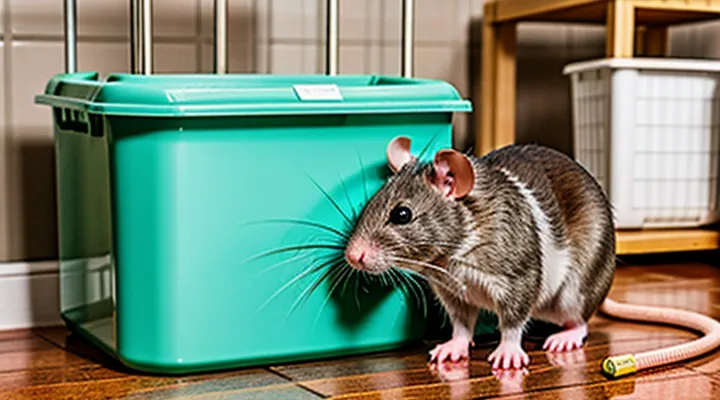
Why Train Your Rat to Use a Litter Box?
Benefits for You and Your Rat
Cleaner Cage Environment
A hygienic cage setting directly influences the success of teaching a rat to use a litter box. Clean surfaces reduce distractions, prevent the spread of pathogens, and make the designated area more attractive for elimination.
- Remove all bedding, food debris, and droppings before introducing the litter box.
- Disinfect the cage with a rodent‑safe solution (e.g., diluted hydrogen peroxide) and rinse thoroughly.
- Place a low‑profile, absorbent litter substrate that mimics the rat’s natural nesting material.
- Position the box in a quiet corner where the rat spends most of its time.
Daily maintenance sustains the environment:
- Spot‑clean the litter box after each use, discarding soiled material.
- Replace a portion of the litter every 24 hours to maintain odor control.
- Perform a full cage cleaning twice a week: empty the cage, wash all accessories with warm, soapy water, rinse, and dry before reassembly.
- Monitor humidity and ventilation; adequate airflow prevents mold growth and keeps the enclosure dry.
A consistently clean cage minimizes stress, encourages the rat to associate the litter box with a safe, sanitary space, and reduces the likelihood of accidents outside the box. Maintaining these standards supports overall health, improves scent management, and reinforces the training objectives.
Reduced Odor
Reduced odor is a primary benefit of teaching a rat to eliminate in a designated litter area. By confining waste to absorbent material, volatile compounds are trapped, minimizing the scent that escapes into the cage environment.
Key practices that sustain low odor levels include:
- Selecting a high‑absorbency substrate such as paper‑based pellets, wood shavings, or specialized small‑animal litter. These media lock moisture and neutralize ammonia.
- Changing the litter regularly. A schedule of complete replacement every 3‑5 days, with spot cleaning of soiled spots daily, prevents buildup of bacterial by‑products.
- Adding a thin layer of activated charcoal or baking‑soda beneath the litter. Both agents adsorb odors without harming the animal.
- Maintaining proper cage ventilation. Installing a small fan or ensuring airflow through mesh sides reduces concentration of any residual smells.
- Monitoring the rat’s diet. Feeding low‑protein, high‑fiber foods reduces the nitrogen content of urine, which directly lowers ammonia formation.
Implementing these steps alongside consistent training—rewarding the rat each time it uses the litter box—creates a clean, odor‑controlled habitat that benefits both the animal and its caretaker.
Easier Cage Maintenance
Training a rat to consistently use a litter box transforms daily cage upkeep from a labor‑intensive task into a straightforward routine. The habit confines waste to a defined area, reducing the volume of substrate that must be removed and limiting odor spread throughout the enclosure.
Key advantages of a litter‑trained rat:
- Targeted cleaning – Only the litter tray requires regular scooping; the rest of the cage remains untouched.
- Reduced substrate consumption – Less bedding is displaced, extending the interval between full‑cage changes.
- Simplified sanitation – Spot‑cleaning the tray with mild, pet‑safe disinfectant prevents bacterial buildup without dismantling the entire setup.
- Improved health monitoring – Concentrated waste makes it easier to detect changes in stool consistency or frequency, supporting early detection of health issues.
Practical steps to maintain a clean cage after successful training:
- Scoop daily – Remove clumps and solid waste from the tray each evening to prevent moisture accumulation.
- Replace litter weekly – Discard the used litter, wash the tray with warm water and a non‑abrasive cleanser, then add fresh, absorbent material.
- Inspect surrounding areas – Check the cage floor for stray droppings; a quick wipe with a damp cloth eliminates residual mess.
- Rotate bedding – Shift unused bedding to the opposite side of the cage each week, keeping the litter zone distinct and preserving overall hygiene.
- Monitor tray positioning – Ensure the tray remains stable and accessible; adjust placement if the rat shows reluctance to use it.
By confining elimination to a single, easily reachable container, the caretaker eliminates the need for comprehensive cage overhauls, saving time and resources while maintaining a healthier environment for the rodent.
Improved Rat Health
Training a rat to use a litter box inside its cage directly enhances its well‑being. Consistent use of a designated substrate lowers exposure to waste‑related pathogens, decreasing the incidence of respiratory and gastrointestinal infections. Clean bedding also minimizes ammonia buildup, protecting delicate nasal passages and preventing chronic irritation.
A predictable elimination area encourages regular toileting habits, which supports stable digestive function. Rats that can empty their bowels without stress exhibit more consistent stool quality, reducing the risk of impaction and related complications. Additionally, a hygienic environment reduces the need for frequent deep cleaning, limiting disruption of the animal’s microbiome.
Key health improvements include:
- Lower bacterial and fungal load in the cage
- Reduced respiratory irritation from ammonia and dust
- More reliable bowel movements and lower incidence of constipation
- Decreased stress levels due to predictable toileting routine
- Fewer injuries caused by digging through soiled bedding
By maintaining a clean litter zone, caretakers also simplify monitoring of urine and feces, allowing early detection of abnormal patterns that may signal illness. Early intervention becomes more feasible, contributing to overall longevity and quality of life for the rat.
Understanding Rat Litter Box Behavior
Natural Instincts of Rats
Urination and Defecation Habits
Understanding a rat’s natural elimination patterns is essential for successful litter box training. Rats typically urinate and defecate in short bursts, often after eating, drinking, or during periods of activity. They prefer secluded, dry areas and will avoid soiled substrates if an alternative is available.
Key observations:
- Frequency: Adult rats eliminate 4–6 times daily; juveniles may do so more often.
- Timing: Peaks occur within 15–30 minutes after meals and after periods of vigorous play.
- Location preference: Rats choose corners or hidden spots, favoring materials that absorb moisture without clumping.
- Marking behavior: Urine is used to mark territory; a clean, designated area reduces the urge to mark elsewhere.
Practical steps for shaping these habits:
- Place a small, low‑profile litter tray in the cage corner where the rat naturally retreats.
- Fill the tray with a dust‑free, absorbent substrate such as shredded paper or aspen shavings.
- After each feeding session, gently guide the rat toward the tray and allow a few minutes of undisturbed time.
- Observe the rat’s posture; a crouched stance with tail raised often precedes elimination.
- Clean the tray daily, removing solid waste and refreshing the substrate to maintain dryness.
- Reward the rat immediately after successful use with a brief treat or verbal cue, reinforcing the association between the tray and positive outcome.
- If accidents occur outside the tray, relocate the waste to the tray and repeat the guidance process without punishment.
Consistent monitoring of elimination frequency and location, combined with a clean, conveniently positioned tray, directs the rat’s instinctual behavior toward the designated litter area. This systematic approach maximizes the likelihood of reliable, hygienic use of the litter box within the cage environment.
Preferred Elimination Spots
Rats naturally select locations that offer privacy, firm footing, and easy access. When introducing a litter area, place it in a corner of the cage where the animal can retreat without disturbance from other activities such as feeding or playing. The surface should be absorbent yet stable; paper‑based bedding or specially formulated small‑animal litter works well because it retains moisture and signals the rat that the spot is designated for waste.
Key characteristics of an effective elimination zone include:
- Low traffic: farthest point from food bowls and chew toys reduces accidental contamination.
- Flat, level base: prevents slipping and encourages consistent use.
- Slightly enclosed: a low wall or partial divider offers the sense of a concealed area.
- Familiar scent: initially seed the spot with a small amount of the rat’s own droppings to reinforce the association.
If multiple rats share the cage, provide one litter area per individual or a larger shared zone divided by a low barrier. Observe the animal’s preferences during the first days; rats may gravitate toward a corner with a gentle slope or a spot near a water bottle if it feels cooler. Adjust the placement accordingly, maintaining the same substrate throughout the training period to avoid confusion.
Factors Influencing Litter Box Training Success
Age of Rat
Rats reach behavioral maturity around four to six weeks of age; at this point they can begin to understand and respond to litter‑box cues. Younger pups, less than three weeks old, lack the motor coordination and sensory awareness required for consistent use of a confined litter area. Attempting training during this period typically results in missed opportunities and increased stress for both animal and caretaker.
Between four and eight weeks, rats develop sufficient independence to explore their environment and form habits. Introducing a small, low‑profile litter box at this stage encourages natural digging behavior without overwhelming the animal. Consistency in placement and gentle reinforcement—such as brief praise or a treat immediately after successful elimination—solidifies the association.
Rats older than twelve weeks possess established routines and may resist changes to their established elimination patterns. Successful transition for mature individuals often requires a gradual relocation of the existing waste site to the new box, combined with a brief period of increased cleaning frequency to motivate the shift.
Key age‑related guidelines:
- 3 weeks or younger: defer litter‑box training; focus on nutrition and social bonding.
- 4–8 weeks: introduce a suitably sized box; reinforce positive outcomes after each use.
- 9–12 weeks: maintain reinforcement; monitor for signs of hesitation and adjust box placement if needed.
- 13 weeks and older: relocate waste area gradually; increase cleaning schedule to encourage adoption.
Understanding these developmental milestones ensures that the training process aligns with the rat’s physical and cognitive capabilities, maximizing the likelihood of consistent litter‑box use.
Temperament of Rat
Rats exhibit a temperament that directly influences their ability to learn cage‑based litter habits. Their natural curiosity drives frequent exploration of enclosure corners, making them receptive to novel objects such as a litter area. Social rats develop stronger motivation when a cage mate demonstrates the behavior, because they tend to imitate conspecifics. High intelligence allows rapid association between a designated spot and positive reinforcement, especially when food treats are delivered immediately after successful use.
Key temperament traits affecting training:
- Social dependency – solitary rats may show reduced interest; pairing with a trained companion accelerates adoption.
- Exploratory drive – frequent movement increases exposure to the litter zone, reinforcing habit formation.
- Neophobia – initial hesitation toward new substrates can be mitigated by gradual introduction and scent familiarization.
- Scent marking – strong olfactory communication encourages rats to keep a clean area, supporting consistent litter use.
- Reward sensitivity – prompt, tasty incentives strengthen the connection between the act and the outcome.
Effective training protocols align with these traits: introduce the litter material gradually, place it near a favored corner, use a trained cage mate as a model, and reward each correct elimination within seconds. Consistency leverages the rat’s learning capacity, while minimizing anxiety preserves willingness to engage with the new setup.
Consistency of Training
Consistency drives successful litter‑box training for rats. A fixed routine signals to the animal when and where elimination is expected, reducing confusion and accelerating habit formation.
Maintain a daily schedule for feeding, playtime, and cage cleaning. Offer food at the same times each day; rats typically eliminate shortly after eating. Place the litter box in a constant location, preferably near the feeding area, and avoid moving it once the rat shows interest.
Reinforce desired behavior immediately. When the rat uses the box, deliver a small treat or a brief session of gentle petting within seconds. Delayed rewards diminish the association between the action and the positive outcome.
Keep the litter environment stable. Use the same type of absorbent, non‑dusty material for each refill. Replace only the soiled portion to preserve familiar scent cues while maintaining hygiene.
Monitor progress with a simple record:
- Date and time of each successful use.
- Number of accidents outside the box.
- Adjustments made (e.g., litter depth, placement).
Review the log weekly. Consistent patterns indicate that the routine is effective; irregularities suggest a need to refine timing or placement.
Avoid altering any element of the training plan without a clear reason. Sudden changes—different litter, relocated box, or irregular feeding—interrupt the learned behavior and can reset the rat’s progress. By adhering strictly to the established schedule and environment, the rat quickly adopts the litter box as its preferred elimination site.
Materials You Will Need
Choosing the Right Litter Box
Size and Shape Considerations
When selecting a litter box for a cage, size and shape directly affect a rat’s willingness to use it. The container must accommodate the animal’s full body length with at least two inches of clearance at the rear; otherwise the rat may feel cramped and avoid the box. A rectangular or shallow dish that matches the cage’s dimensions allows placement against a wall, preserving floor space for enrichment.
Key dimensions to verify:
- Length: equal to or greater than the rat’s body length (approximately 6–8 inches for adults).
- Width: at least 4 inches, providing room for the animal to turn without contacting the sides.
- Height: low enough (1–2 inches) to enable easy entry, yet high enough to contain loose bedding and prevent spillage.
Shape influences stability and accessibility. Boxes with smooth, rounded edges reduce the risk of injury, while a flat bottom prevents tipping on uneven cage flooring. Materials such as sturdy plastic or stainless steel maintain shape over time and resist chewing. Avoid deep, cylindrical containers; they restrict movement and increase the likelihood of waste accumulation outside the designated area.
Material Durability
When selecting a litter box and cage components for a rodent training program, material durability directly affects longevity, hygiene, and animal safety. Durable substrates resist cracking, warping, and absorption of moisture, preventing bacterial growth and reducing replacement frequency.
- High‑density polyethylene (HDPE): Resists impact, tolerates repeated cleaning with hot water, maintains structural integrity for years.
- Polypropylene (PP): Lightweight, chemical‑resistant, holds shape under constant weight of bedding and waste.
- Stainless steel: Provides superior corrosion resistance, withstands abrasive cleaning agents, remains rust‑free even with frequent exposure to urine.
- Tempered glass: Offers clear visibility, shatter‑proof when properly tempered, but requires careful handling to avoid breakage.
- Ceramic tile lining: Hard, non‑porous surface, easy to sterilize, unlikely to chip under normal use.
Durability assessment should consider:
- Mechanical stress: Load from the animal, bedding, and waste; material must sustain repeated pressure without deformation.
- Chemical exposure: Resistance to cleaning solutions, disinfectants, and urine acidity; degradation compromises structural strength.
- Thermal stability: Ability to endure temperature fluctuations from ambient conditions and hot‑water sanitation.
- Wear cycle: Frequency of cleaning cycles; materials that retain smooth surfaces reduce friction and prevent micro‑abrasions that could harbor pathogens.
Choosing components that meet these criteria minimizes downtime for repairs, ensures a stable training environment, and supports consistent litter‑box use by the rat.
Selecting Appropriate Litter
Safe and Absorbent Options
Selecting a litter that protects the rat’s health while managing moisture is essential for successful cage training. The material must be non‑toxic, produce minimal airborne particles, retain liquid efficiently, and avoid strong fragrances that could stress the animal.
Key criteria for safe, absorbent litter include:
- Chemical safety – free from dyes, perfumes, and additives known to irritate rodents.
- Dust level – low particulate release to prevent respiratory issues.
- Absorbency – capability to lock in urine and feces for at least 24 hours.
- Ease of removal – granular or clumping structure that separates clean from soiled sections.
- Durability – retains shape under cage activity, reducing the need for frequent replacement.
Recommended options:
- Paper‑based pellets – compostable, dust‑free, high absorbency; suitable for small cages.
- Untreated wood shavings (aspen) – low aromatic oils, moderate dust, good moisture capture.
- Recycled cellulose granules – lightweight, virtually odorless, excellent clumping when wet.
- Silica gel crystals (non‑treated) – superior liquid binding, minimal cleanup; monitor for excess heat in large quantities.
- Corn‑based biodegradable pellets – natural, low dust, moderate absorbency; verify absence of added binders.
Maintain optimal performance by removing soiled portions daily and fully replacing the substrate weekly. Regular inspection of the litter’s condition prevents buildup of ammonia and ensures the rat remains comfortable during the training process.
Avoidance of Harmful Materials
When preparing a litter area for a pet rat, select only non‑toxic, low‑dust substrates. Materials such as plain paper pellets, untreated wood shavings (e.g., aspen), and commercially available rodent‑specific litter that list “no additives” meet safety criteria. Avoid cedar, pine, or scented shavings, which release volatile oils that can irritate respiratory passages.
Safe substrate checklist
- Untreated hardwood shavings (aspen, birch)
- Paper‑based pellets or shredded paper
- Clay‑free, fragrance‑free rodent litter
Materials to exclude
- Cedar or pine wood products
- Litter containing essential oils, perfumes, or antimicrobial chemicals
- Dust‑heavy substrates (e.g., cat litter, sand)
Before introducing the litter, inspect each batch for foreign objects, mold, or chemical residues. Wash the cage with warm water and a mild, unscented detergent; rinse thoroughly. Do not use bleach, ammonia, or solvent‑based cleaners, as residues can linger in the substrate and harm the animal’s mucous membranes.
Regularly replace the litter according to usage frequency, typically every three to five days, to maintain a clean environment and prevent buildup of harmful particles. Monitoring the rat’s behavior for signs of respiratory distress or aversion can indicate the presence of unsuitable materials and prompt immediate corrective action.
Essential Accessories
Scoop
A scoop is a small, handheld implement designed to retrieve solid waste from a rat’s litter area without disturbing the animal. Typically made from stainless steel, plastic, or silicone, the tool features a shallow bowl and a short handle that fits comfortably in a palm.
Key attributes for selecting an appropriate scoop include:
- Dimensions that match the cage size; a bowl diameter of 2–3 inches reaches all corners without excess reach.
- Smooth, non‑porous surface to prevent odor absorption and simplify sanitation.
- Lightweight construction to allow quick, precise movements.
Integrating the scoop into the training protocol involves a consistent cleaning routine. After each litter‑box session, place the scoop at the cage edge, tilt it to collect clumped waste, and deposit the material into a sealed container. Repeating this action reinforces the rat’s association between the litter box and a clean environment, encouraging repeated use.
Maintain the tool by rinsing with warm water and a mild detergent after every collection, then drying completely before storage. Periodic sterilization—boiling for three minutes or using a diluted bleach solution (1 % concentration)—prevents bacterial buildup and protects the rat’s health.
Cleaning Supplies
Effective litter box training for a rat depends on maintaining a clean environment. Selecting appropriate cleaning supplies reduces odor, prevents disease, and encourages consistent use of the designated area.
- Unscented, low‑dust litter: Provides a natural substrate without irritating the rat’s respiratory system.
- Paper‑based or wood‑chip litter: Absorbs moisture quickly, simplifies removal.
- Non‑toxic enzymatic cleaner: Breaks down urine proteins, eliminates smell without harsh chemicals.
- Mild soap and warm water: Suitable for routine scrubbing of the cage floor and litter box.
- Disposable gloves: Protect handler from potential pathogens and prevent cross‑contamination.
- Seal‑able waste bags: Contain used litter for safe disposal, minimizing exposure to other pets.
Apply the enzymatic cleaner after each litter change. Rinse the cage and litter box with warm, soapy water, then dry thoroughly before adding fresh substrate. Use gloves during removal and disposal to avoid direct contact with waste. Seal used litter in waste bags and discard according to local regulations.
Perform a full cleaning cycle weekly: empty all litter, scrub surfaces, apply enzymatic treatment, rinse, and replenish with fresh material. Spot‑clean daily by removing clumped waste and adding a small amount of fresh litter to maintain dryness.
Consistent use of these supplies sustains a hygienic habitat, supports the rat’s health, and reinforces the trained behavior of using the litter box.
Step-by-Step Training Process
Initial Setup
Litter Box Placement in Cage
Place the litter box in a quiet corner of the cage where the rat can retreat without being disturbed by frequent activity. The chosen spot must be easily reachable from the main climbing structures yet far enough from food and water dishes to prevent contamination. Align the box with the cage’s sloping surface if present, allowing the rat to slide into it without climbing.
- Size: select a container that occupies no more than 15‑20 % of the cage floor area; a shallow tray (approximately 4 × 6 inches) suffices for a single adult rat.
- Material: use a non‑porous, chew‑resistant plastic or ceramic box; avoid wood or cardboard that can absorb urine and odors.
- Substrate: fill the box with a low‑dust, absorbent litter such as paper‑based pellets; limit depth to 1‑1.5 inches to encourage digging without overflow.
- Accessibility: ensure the opening is wide enough for the rat’s head and forepaws, typically 2‑3 inches, and keep the rim smooth to avoid injury.
- Stability: position the box on a flat surface or secure it with a cage‑compatible clip to prevent wobbling during use.
Maintain the box by emptying waste daily and refreshing the litter every 2‑3 days. Regular cleaning eliminates odor buildup, reinforcing the rat’s preference for the designated spot. Consistent placement and upkeep create a reliable hygiene zone that supports successful litter‑training.
Introduction of Litter
Introducing litter to a rat requires careful selection, placement, and gradual habituation. Choose a low‑dust, non‑clumping substrate such as paper pellets or recycled wood shavings; these materials reduce respiratory risk and are easy to clean. Avoid aromatic litters that may deter the animal or cause irritation.
Place a shallow layer (approximately 1 cm) of the chosen substrate in a corner of the cage where the rat naturally rests or explores. Ensure the area is stable, not near water dishes or food bowls, to prevent contamination. Initially limit the litter to a small zone to allow the rat to investigate without feeling overwhelmed.
Gradual exposure steps:
- Observe the rat’s interaction with the litter during its normal activity cycles.
- Gently guide the animal onto the substrate using a fingertip or a small treat placed on the surface.
- Reward any contact with the litter by offering a food item or verbal affirmation.
- Expand the littered area by adding a thin strip each day until the entire corner is covered.
- Monitor for signs of avoidance or stress; if observed, reduce the litter amount temporarily and re‑introduce after a rest period.
Consistent reinforcement and a clean, well‑maintained substrate encourage the rat to associate the littered zone with a safe, appropriate place for elimination. Regular cleaning of soiled spots maintains hygiene and reinforces the desired behavior.
Encouraging Litter Box Use
Using Scent Cues
Using scent cues accelerates the association between the cage and the litter area. Rats rely heavily on olfactory signals; a familiar odor in the litter encourages repeated use.
- Place a small amount of soiled litter from a previous successful session directly in the new litter spot. The residual urine and feces provide a natural attractant.
- Add a few drops of unscented, rat‑safe essential oil (e.g., lavender) to the litter. The mild aroma reinforces the location without overwhelming the animal.
- Introduce a piece of used bedding from the rat’s regular habitat into the litter. The familiar scent links the litter box to the rat’s comfort zone.
- Reinforce the scent after each successful elimination by lightly sprinkling fresh soiled litter onto the same spot. Consistency maintains the olfactory cue.
Do not replace the scent cue with strong artificial fragrances, as they can deter the rat. Maintain a clean but not sterile litter environment; a slight odor gradient signals a safe and appropriate place for waste. Regular monitoring ensures the scent remains effective without becoming a source of disease.
Positive Reinforcement Techniques
Positive reinforcement is the most reliable method for encouraging a rat to associate a specific area of its enclosure with elimination. The animal receives an immediate, desirable consequence after performing the target behavior, which strengthens the likelihood of repetition.
Begin each training session by placing a small amount of the rat’s preferred treat directly on the litter substrate. When the rat steps onto the material, deliver the reward within one to two seconds. The short interval prevents confusion between the act of stepping on the litter and other activities. Consistency in timing and reward type creates a clear link between the behavior and the outcome.
Key techniques include:
- Treat delivery – Use high‑value foods such as sunflower seeds or tiny pieces of fruit; keep portions small to avoid overfeeding.
- Clicker cue – Pair a distinct sound with the reward; the click marks the exact moment the rat contacts the litter, providing precise feedback.
- Gradual shaping – Start by rewarding any contact with the litter, then require the rat to squat or release waste before offering the treat. Reduce the distance between the cue and the desired action over successive sessions.
- Environmental cues – Position the litter box in a quiet corner, add a familiar scent, and ensure the substrate remains dry to make the area attractive.
- Session length – Limit each training period to five minutes; end before the rat loses focus, then repeat several times throughout the day.
Monitor the rat’s response. If the animal begins to anticipate the reward, increase the difficulty incrementally, such as requiring a complete elimination event before the treat is given. Avoid accidental reinforcement of unrelated behaviors by withholding the reward when the rat interacts with other parts of the cage.
Record progress daily. Note the time of each successful litter use, the type of reward employed, and any adjustments made to the training protocol. This data guides refinements and confirms that positive reinforcement remains effective throughout the learning process.
Dealing with Accidents
Cleaning Methods
Effective litter box training for a cage‑bound rat depends on consistent hygiene. Accumulated waste quickly creates odors that discourage use and can lead to health issues. Maintaining a clean environment reinforces the rat’s association between the box and a pleasant elimination site.
- Remove solid waste and clumped litter at least once every 12 hours.
- Spot‑clean any urine‑soaked areas with a paper towel before they dry.
- Replace soiled sections of the substrate with fresh material after each cleaning cycle.
- Disinfect the box interior weekly using a dilute solution of white vinegar (1 part vinegar to 4 parts water) or a pet‑safe enzymatic cleaner; rinse thoroughly and dry before re‑adding litter.
A deeper cleaning routine should be performed weekly to prevent bacterial buildup:
- Empty the entire box and discard all used litter.
- Scrub the container with warm water and a mild, unscented detergent; avoid harsh chemicals that could irritate the rat’s respiratory system.
- Rinse multiple times to eliminate residue, then dry completely.
- Re‑line with a fresh layer of low‑dust, absorbent litter such as paper‑based or wood‑pellet material.
Additional practices sustain cleanliness: place a removable tray beneath the box to catch drips, rotate the box’s position in the cage to allow airflow, and monitor the rat’s waste pattern for early signs of illness. Consistent implementation of these methods ensures a hygienic habitat, promotes reliable box use, and supports the rat’s overall well‑being.
Avoiding Punishment
When teaching a rat to eliminate in a designated tray, the trainer must eliminate any form of punishment. Punitive measures increase stress hormones, cause fear of the cage, and often lead to avoidance behaviors that undermine the learning process.
Punishment disrupts the natural association between the litter area and the act of elimination. A rat subjected to a negative stimulus after an accident may develop anxiety, resulting in irregular bathroom habits, potential health issues, and a breakdown of trust with the caretaker.
Effective alternatives to punishment include:
- Immediate delivery of a high‑value treat when the rat uses the tray correctly.
- Gentle verbal praise or soft petting paired with the reward.
- Consistent placement of the litter tray in a quiet, low‑traffic corner of the cage.
- Use of a distinct, unscented material that the rat finds comfortable, reducing the likelihood of accidents.
Practical steps to reinforce positive behavior:
- Observe the rat’s routine and position the tray near the area where the animal naturally urinates or defecates.
- After each successful use, offer a small piece of seed or a favorite nibble within seconds to create a clear cause‑effect link.
- Clean missed spots promptly without scolding; replace soiled bedding with fresh material to maintain hygiene and encourage repeat use of the tray.
- Maintain a steady schedule for feeding and handling, allowing the rat to predict when opportunities for reward will arise.
By focusing exclusively on reinforcement and environmental consistency, the trainer cultivates a cooperative learning environment, ensuring the rat adopts the litter box habit without experiencing fear or discomfort.
Troubleshooting Common Issues
Rat Not Using the Litter Box
Rats often avoid the litter area when the box does not meet their natural preferences. Poor placement, inappropriate substrate, and inconsistent cleaning disrupt the habit formation process.
Typical reasons for refusal include:
- Box located in a high‑traffic zone or near food and water sources.
- Substrate that is too dense, scented, or unfamiliar.
- Inadequate size; the box must allow the rat to enter, turn, and exit comfortably.
- Irregular cleaning schedule that leaves odor or waste residue.
- Lack of positive reinforcement when the rat uses the box.
To correct the behavior, follow these actions:
- Relocate the box to a quiet corner of the cage, away from feeding stations.
- Choose a fine, unscented material such as shredded paper or wood shavings; avoid clumping cat litter.
- Ensure the box dimensions exceed the rat’s body length by at least two centimeters on each side.
- Clean the box daily, removing solid waste and refreshing the substrate weekly.
- Place a small amount of droppings from the rat’s current elimination spots into the box to provide a familiar scent cue.
- Reward the rat immediately after a successful use with a treat or brief handling session.
After implementing the adjustments, observe the rat for a 48‑hour period. Record each instance of box usage and note any regression. If avoidance persists, repeat the substrate test with an alternative material and verify that no competing surfaces (e.g., bedding corners) attract the rat. Consistent application of these measures typically restores proper litter box utilization.
Messy Litter Box Habits
Rats frequently treat a litter box as a secondary surface, scattering bedding, digging around the edges, and depositing droppings outside the designated area. These behaviors create unsanitary conditions, distract the animal from the intended habit, and can lead owners to abandon the training effort.
Common messy habits include:
- Displacing litter particles onto cage walls or floor.
- Digging shallow tunnels that push waste beyond the box perimeter.
- Leaving urine streaks on the cage base after a brief visit.
- Using the box as a play zone, tossing bedding and food remnants inside.
Each habit interferes with the conditioning process by reducing the clear association between the box and elimination. When waste is found elsewhere, the rat receives mixed signals, and the reinforcement schedule loses effectiveness.
To minimize mess, follow these steps:
- Choose a low‑profile box that fits snugly within the cage, limiting escape routes for litter.
- Fill the box with a thin layer (1–2 cm) of absorbent, low‑dust substrate; excess material encourages scattering.
- Place a removable tray beneath the box to catch stray droplets and easy‑to‑clean debris.
- Introduce a small amount of familiar scent (e.g., a piece of the rat’s nesting material) inside the box to attract the animal without stimulating play.
- Observe the rat’s movements for 5‑10 minutes after each session; gently redirect any digging or scattering back into the box and reward the correct behavior with a treat.
- Clean the box daily, removing clumped waste and replenishing substrate to maintain a consistent texture.
Consistent application of these measures reduces litter displacement, reinforces the box as the sole elimination site, and supports successful training outcomes.
Maintaining Litter Box Hygiene
Daily Cleaning Routine
Spot Cleaning
Spot cleaning maintains a hygienic environment for a rat learning to use a litter box, prevents odor buildup, and reduces the risk of illness.
When waste appears outside the designated area, follow these actions:
- Remove the rat from the cage briefly to avoid stress.
- Use disposable gloves and a paper towel to lift solid material; discard in a sealed bag.
- Apply an enzymatic cleaner to the stained spot; allow the solution to soak for the manufacturer‑specified time.
- Blot the area with a clean cloth until moisture is removed; avoid rubbing, which can spread residue.
- Rinse with a small amount of water if the cleaner recommends it; dry thoroughly with a lint‑free towel.
- Replace the bedding in the cleaned section, ensuring a uniform depth to discourage future accidents.
Regular spot cleaning, performed promptly after each incident, reinforces the litter box’s designated location and supports successful training.
Litter Replacement
Regular litter replacement maintains a clean environment, reduces odors, and encourages the rat to continue using the box. Dirty or saturated litter can deter the animal, leading to accidents outside the designated area.
Choose a low‑dust, highly absorbent substrate such as paper‑based pellets, aspen shavings, or specialized rodent litter. Avoid clumping cat litter, scented products, and wood chips that release aromatic oils, which may irritate the respiratory system.
Implement a cleaning schedule:
- Spot‑clean daily: remove solid waste and clumped material.
- Replace the entire substrate weekly, or sooner if a strong odor develops.
- Adjust frequency based on cage size, number of rats, and humidity.
When replacing litter, follow these steps:
- Empty the box completely and discard the used substrate.
- Wash the box with warm water and a mild, unscented detergent; rinse thoroughly.
- Dry the box to prevent moisture buildup.
- Add fresh litter to a depth of 2–3 cm, providing enough material for the rat to dig and cover waste.
If the rat shows reluctance to use the box, verify that the litter is fresh, the depth is appropriate, and no strong scents remain from cleaning agents. Consistent replacement and proper maintenance reinforce the training process and promote hygienic cage conditions.
Deep Cleaning the Litter Box
Frequency of Deep Cleans
Deep cleaning of a rat’s cage is essential for maintaining hygiene while the animal learns to use a litter box. A thorough cleaning removes urine crystals, fecal buildup, and odor‑absorbing material that can mask the scent of the litter, disrupting the training process.
Perform a full clean at least once every seven days. This interval prevents the accumulation of harmful bacteria and keeps the substrate fresh enough for the rat to recognize the designated area. In addition to the weekly deep clean, spot‑clean any visible waste daily to reduce the load on the weekly routine.
Recommended schedule
- Daily: Remove fresh droppings and urine clumps; replace a small portion of the litter if it becomes saturated.
- Weekly (every 7 ± 1 days):
- Empty the entire cage.
- Wash all components with hot water and a mild, fragrance‑free detergent.
- Rinse thoroughly to eliminate detergent residues.
- Disinfect using a diluted solution of hydrogen peroxide (1 % concentration) or a veterinary‑approved sanitizer; allow a 10‑minute contact time.
- Dry all items completely before reassembly.
- Refill with fresh, low‑dust litter appropriate for rats.
If the cage experiences higher humidity, increased droppings, or the rat shows signs of respiratory irritation, shorten the deep‑clean cycle to every five days. Conversely, a well‑ventilated enclosure with a low‑dust litter may tolerate a ten‑day interval without compromising health or training effectiveness. Adjust the schedule based on observable cleanliness and the rat’s behavior rather than a fixed calendar alone.
Disinfection Procedures
Effective disinfection is essential for maintaining a hygienic environment while teaching a rat to use a litter box inside its cage. Pathogen buildup can discourage proper bathroom habits and pose health risks, so each cleaning cycle must include a thorough sanitizing stage.
- Remove all bedding, food, and accessories before cleaning.
- Rinse the cage with warm water to eliminate debris.
- Apply a rodent‑safe disinfectant (e.g., 10% diluted bleach, veterinary‑grade quaternary ammonium solution, or hydrogen peroxide at 3%). Follow the manufacturer’s contact time, typically 5–10 minutes.
- Scrub surfaces with a non‑abrasive brush to reach corners and seams.
- Rinse thoroughly with water to remove residue.
- Dry the cage completely before replacing fresh bedding and supplies.
Perform the disinfection routine after each litter‑box training session and at least once weekly for routine maintenance. Use gloves and eye protection to avoid chemical exposure. Store disinfectants out of reach of the animal and label containers clearly. Consistent application of these procedures supports successful litter‑box adoption and promotes the rat’s overall health.
Advanced Tips and Considerations
Training Multiple Rats
Training several rats to use a litter box in a shared cage requires careful planning, consistent routines, and clear separation of resources. Begin by selecting a litter box large enough to accommodate the group without crowding. A box with high sides prevents spillage, while a removable lid simplifies cleaning. Place the box against a cage wall where all rats can reach it without obstruction.
Preparation steps
- Provide each rat with a distinct piece of nesting material near the box; the scent encourages exploration.
- Use a low‑dust, absorbent substrate such as paper pellets; avoid clumping wood shavings that can hide waste.
- Install a gentle barrier (e.g., a plastic divider) that allows visual contact but limits simultaneous access during initial training.
Training sequence
- Introduce the box when the rats are calm, ideally after a feeding session when they are most active.
- Observe natural elimination behavior; rats typically squat near corners. Gently guide the rat toward the box by placing a small amount of droppings inside.
- Reward each successful use with a brief hand‑out of a favorite treat; repeat immediately to reinforce the association.
- Gradually reduce treats after the behavior stabilizes, maintaining occasional reinforcement to prevent regression.
- Expand access by removing the barrier once all individuals consistently use the box for several days.
Troubleshooting
- If a rat avoids the box, check for odors or contaminants; clean the box with mild, unscented soap and rinse thoroughly.
- Ensure the box is not placed directly over a water bottle or food dispenser, which can deter use.
- Monitor for dominance aggression; dominant rats may monopolize the box, forcing subordinates to eliminate elsewhere. Adjust cage layout to provide multiple entry points if necessary.
Maintenance
- Clean the box daily, removing solid waste and refreshing the substrate.
- Conduct a full box sanitation weekly, replacing all substrate and washing the container with a diluted vinegar solution to eliminate lingering smells.
- Record each rat’s usage pattern; consistent records help identify early signs of health issues or behavioral setbacks.
Applying these steps across a group of rats yields reliable litter box use, reduces cage odor, and supports a healthier, more manageable environment.
Transitioning to Different Litters
When a rat becomes accustomed to a specific bedding, changing the material can disrupt its litter‑box routine. Successful transitions rely on gradual exposure, consistent placement, and monitoring of the animal’s response.
Begin by selecting a new litter that matches the original in texture and absorbency. Options include recycled paper pellets, corn‑based granules, or aspen shavings. Avoid scented products and those containing chemicals that may irritate the rat’s respiratory system.
Implement the switch using the following steps:
- Introduce a small amount of the new litter into the existing substrate. Mix thoroughly to create a uniform blend.
- Observe the rat’s behavior for 24–48 hours. Look for signs of acceptance, such as continued use of the box and normal digging activity.
- Increase the proportion of the new material by 25 % every two days, maintaining a balanced mixture throughout the process.
- Complete the transition once the new litter constitutes 100 % of the substrate. Clean the box with mild, unscented soap before the final change to eliminate residual odors.
If the rat shows aversion—reluctance to enter the box, excessive grooming, or signs of stress—revert to the previous mixture and repeat the progression at a slower pace. Consistency in timing and environment reduces the likelihood of regression.
Document each adjustment, noting the type of litter, mixing ratio, and the rat’s reaction. This record supports future litter changes and helps identify preferred materials for long‑term use.
Addressing Behavioral Problems
Stress and Anxiety in Rats
Rats experience stress and anxiety when introduced to new routines, including litter box training. Elevated cortisol levels, rapid breathing, and excessive grooming indicate heightened arousal. Persistent avoidance of the litter area, repeated urination outside the designated spot, and reduced food intake further signal distress.
Identifying stressors allows targeted intervention. Common triggers during litter box training include:
- Sudden changes in cage layout or bedding type.
- Inconsistent placement of the litter tray.
- Excessive handling or loud noises nearby.
- Lack of privacy for elimination.
Mitigation strategies focus on environmental stability and gradual habituation:
- Maintain a constant cage configuration; relocate the litter tray only after the rat shows familiarity with its current position.
- Use the same substrate throughout training; transition to a new material gradually by mixing a small proportion with the familiar one.
- Introduce the litter tray in short, daily sessions, allowing the rat to explore without pressure.
- Provide a quiet, low‑traffic area of the cage for elimination; cover the tray partially to create a sense of enclosure.
- Limit handling to brief, calm interactions; avoid sudden movements that can startle the animal.
Monitoring behavioral cues remains essential. A decline in exploratory activity, repeated stereotypic movements, or prolonged inactivity suggests that the training protocol is causing undue anxiety. Adjusting the pace, enhancing enrichment, and ensuring adequate rest periods can restore a calmer state, facilitating successful litter box use.
Medical Reasons for Accidents
Training a rat to eliminate in a litter box often reveals health‑related problems that manifest as accidents. Recognizing these medical factors prevents misinterpretation of the animal’s behavior and promotes effective conditioning.
Common physiological issues that cause unintended messes include:
- Urinary tract infection: inflammation leads to frequent, uncontrolled urination.
- Diarrhea: rapid bowel movements reduce the rat’s ability to reach the litter area.
- Constipation: discomfort may force the animal to abandon the box.
- Metabolic disorders (e.g., diabetes, kidney disease): altered thirst and waste production disrupt normal elimination patterns.
- Pain or injury: musculoskeletal problems hinder movement toward the designated spot.
- Neurological impairment: loss of coordination can result in missed attempts.
Observable indicators of underlying illness are reduced activity, abnormal stool consistency, excessive drinking, weight loss, and vocalization during elimination. Persistent accidents despite consistent training suggest a veterinary assessment is required.
Veterinarians recommend a systematic approach: obtain a thorough physical exam, perform diagnostic testing (urinalysis, fecal analysis, blood work), address identified conditions with appropriate medication, and adjust husbandry practices (diet, cage layout, litter type) to accommodate recovery. Continuous monitoring after treatment confirms whether the rat resumes proper litter‑box use.
Further Resources for Rat Owners
Recommended Communities and Forums
Engaging with specialized online communities provides practical insights, troubleshooting tips, and peer support for rat litter‑training projects. Experienced hobbyists share detailed protocols, video demonstrations, and equipment recommendations that complement step‑by‑step instructions.
- Rat Forums (ratforum.com) – active discussion boards covering behavior modification, cage setup, and litter solutions; searchable archives contain threads on successful litter‑box training.
- Reddit r/Rats – vibrant subreddit with daily posts, Q&A sessions, and photo evidence of progress; moderators enforce quality standards and encourage evidence‑based advice.
- Pet Care Alliance – Small Mammals Section – forum section dedicated to rodents; members post case studies, product reviews, and troubleshooting guides for common setbacks.
- Facebook Groups: “Rat Owners United” and “Litter‑Box Training for Rats” – private groups where members exchange private messages, host live video tutorials, and organize regional meet‑ups for hands‑on demonstrations.
- YouTube Channels: “Rat Training Academy” and “Small Mammal Mastery” – regularly updated video series illustrating stepwise training techniques; comment sections facilitate peer feedback and clarification.
Participating in these platforms enhances knowledge retention, accelerates problem resolution, and fosters a network of knowledgeable peers committed to improving rat welfare through effective litter‑box training.
Professional Rat Care Advice
Professional rat care begins with a stable environment, proper nutrition, and regular health checks, all of which support successful litter box training.
- Provide a spacious cage with solid flooring; avoid wire mesh that can damage paws.
- Place a low‑profile, unscented litter tray in a quiet corner, preferably away from food and water.
- Use a dust‑free, absorbent substrate such as paper pellets or reclaimed wood shavings.
- Offer a consistent diet of high‑quality rodent pellets supplemented with fresh vegetables; limit sugary treats that may cause digestive upset.
- Schedule daily cleaning of the tray, removing waste and refreshing litter to maintain hygiene and encourage use.
Monitor the rat’s behavior for signs of stress or illness. Sudden changes in bathroom habits, loss of appetite, or lethargy require veterinary assessment. Ensure the cage is enriched with tunnels, chew toys, and climbing structures to reduce boredom and prevent accidents outside the tray.
If the rat avoids the tray:
- Verify that the litter material is comfortable and unscented.
- Confirm the tray’s location is accessible and not too close to the food zone.
- Adjust the size of the tray to accommodate the rat’s body length, allowing easy entry and exit.
- Reinforce proper use with brief, positive reinforcement—offer a small treat immediately after the rat eliminates in the tray.
Consistent application of these care principles creates a clean habitat, promotes health, and increases the likelihood that the rat will reliably use the litter box.