
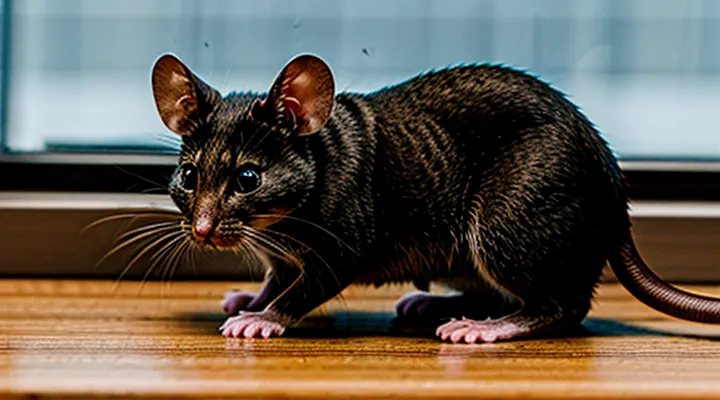
Toxoplasmosis: The Parasite and its Life Cycle
«Toxoplasma gondii»: A Microscopic Mastermind
«Morphology and Classification»
Toxoplasma gondii, the etiologic agent of toxoplasmosis, belongs to the phylum Apicomplexa, class Conoidasida, order Eucoccidiorida, family Sarcocystidae. The organism exhibits a crescent‑shaped, obligate intracellular form bounded by a trilaminar pellicle, containing subpellicular microtubules that confer structural rigidity. Surface organelles—micronemes, rhoptries, and dense granules—mediate host cell attachment, invasion, and manipulation of intracellular signaling pathways.
In murine hosts, the parasite progresses through three morphologically distinct stages. Tachyzoites represent the rapidly replicating, motile form responsible for acute dissemination. Bradyzoites, encysted within tissue cysts, display a slower replication rate and a thickened cyst wall composed of polysaccharide layers that protect the parasite from immune clearance. Tissue cysts, predominantly localized in the brain and skeletal muscle, appear as spherical structures ranging from 10 µm to 100 µm in diameter, each containing dozens to hundreds of bradyzoites.
Classification hierarchy:
- Domain: Eukarya
- Kingdom: Protista
- Phylum: Apicomplexa
- Class: Conoidasida
- Subclass: Coccidia
- Order: Eucoccidiorida
- Family: Sarcocystidae
- Genus: Toxoplasma
- Species: T. gondii
Morphological alterations in the mouse central nervous system accompany chronic infection. Cyst formation induces localized gliosis, astrocyte hypertrophy, and microglial activation. Neuronal architecture near cysts exhibits dendritic retraction and synaptic density reduction, correlating with measurable changes in exploratory and predatory behaviors. These structural modifications provide a mechanistic basis for the parasite’s influence on host locomotor patterns and risk‑avoidance responses.
«Life Cycle Stages and Hosts»
Toxoplasma gondii completes its development through three morphologically distinct stages, each associated with specific host types. Felids serve as the definitive host, where sexual reproduction generates oocysts that are shed in feces. A wide range of warm‑blooded animals, including rodents, function as intermediate hosts, harboring the parasite in asexual forms.
- Oocyst: environmentally resistant form expelled by cats; requires sporulation to become infectious.
- Tachyzoite: rapidly dividing stage that disseminates through the bloodstream of intermediate hosts, invading virtually any nucleated cell.
- Bradyzoite: slowly replicating form encysted within neural and muscular tissue; persists for the host’s lifetime.
The transition from tachyzoite to bradyzoite occurs when the immune response limits parasite proliferation, prompting cyst formation in the brain. In rodents, cyst localization within the limbic system correlates with altered risk assessment and reduced aversion to feline odor, thereby increasing predation probability and facilitating parasite transmission back to the definitive host.
Behavioral Manipulation: A Parasite's Strategy
«Neurological Impact of «Toxoplasma gondii» in Mice»
«Cyst Formation in the Brain»
Toxoplasma gondii establishes a persistent infection in the murine central nervous system by converting tachyzoites into bradyzoites, which aggregate within a protective matrix to form tissue cysts. The transformation initiates when the parasite encounters a hostile intracellular environment, characterized by elevated interferon‑γ and nitric oxide levels. Under these conditions, tachyzoites down‑regulate genes associated with rapid replication and up‑regulate a distinct set of bradyzoite‑specific transcripts, including BAG1, LDH2, and ENO1. The resulting bradyzoites secrete dense granule proteins (e.g., GRA12, GRA14) that remodel the parasitophorous vacuole wall, allowing the assembly of a multilayered cyst wall composed of dense fibrillar material and host‑derived glycoconjugates.
Cyst development proceeds through defined stages:
- Encystation trigger: Host immune pressure and nutrient limitation.
- Bradyzoite differentiation: Shift in gene expression, metabolic slowdown, and synthesis of cyst wall components.
- Wall formation: Deposition of GRA‑derived matrix and incorporation of host extracellular matrix proteins (e.g., laminin, collagen).
- Maturation: Enlargement of the cyst, accumulation of amylopectin granules, and establishment of a quiescent state resistant to immune clearance.
The brain provides a privileged niche where blood‑brain barrier permeability and low immune surveillance facilitate cyst survival. Neuronal and glial cells internalize bradyzoite‑laden vacuoles, and the cyst wall shields the parasite from cytotoxic T‑cell recognition and antibody access. Persistent cysts are detectable for the host’s lifetime, often localizing to the cortex, hippocampus, and amygdala—regions implicated in fear processing and exploratory behavior.
Experimental evidence links cyst burden to alterations in mouse locomotion, risk‑assessment, and predator‑avoidance responses. High cyst density correlates with reduced aversion to feline odorants, suggesting that the physical presence of cysts, together with parasite‑derived neuromodulators, modifies neural circuit function. Consequently, cyst formation constitutes the central mechanism by which Toxoplasma maintains chronic infection and exerts behavioral manipulation in rodent hosts.
«Neurotransmitter Alterations»
Toxoplasma gondii infection produces measurable changes in the central neurotransmitter milieu of rodents, which correlate with altered risk‑assessment and predator‑avoidance behaviors. Quantitative analyses reveal elevated extracellular dopamine concentrations in the striatum and nucleus accumbens, a finding linked to the parasite’s expression of a tyrosine hydroxylase–like enzyme that accelerates catecholamine synthesis. Simultaneously, brain tissue assays show reduced serotonin turnover in the raphe nuclei, reflecting increased indoleamine 2,3‑dioxygenase activity and depletion of tryptophan reserves.
Additional neurochemical shifts include:
- Decreased γ‑aminobutyric acid (GABA) release in the basolateral amygdala, diminishing inhibitory control over fear‑related circuits.
- Elevated glutamate levels in the prefrontal cortex, enhancing excitatory drive that may facilitate exploratory locomotion.
- Modest increases in norepinephrine within the locus coeruleus, augmenting arousal and vigilance.
These alterations display region‑specific patterns that align with behavioral phenotypes observed in infected mice, such as reduced aversion to feline odorants and heightened activity in open fields. The convergence of dopaminergic hyperactivity, serotonergic hypofunction, and disrupted GABAergic inhibition provides a mechanistic framework for the parasite‑induced modulation of host risk‑taking.
«Changes in Mouse Behavior»
«Loss of Fear of Feline Predators»
Toxoplasma gondii infection modifies rodent neurobiology, resulting in a measurable decline in innate avoidance of feline cues. Infected mice display increased time spent near cat urine and reduced latency to approach predator‑derived odors, a phenomenon documented across laboratory and field studies.
Key observations include:
- Behavioral assays show a 30‑50 % reduction in aversion indices compared with uninfected controls.
- Brain regions implicated in fear processing, such as the amygdala and medial prefrontal cortex, exhibit altered neurotransmitter levels and gene expression after infection.
- Parasite cysts preferentially localize in areas governing olfactory perception, suggesting direct manipulation of sensory pathways.
The loss of predator fear enhances transmission efficiency for the parasite, as a mouse more likely to enter a cat’s hunting range increases the probability of completing the parasite’s life cycle. Experimental interruption of dopamine signaling partially restores normal avoidance behavior, indicating that parasite‑induced dopaminergic dysregulation is a central mechanism.
«Increased Risk-Taking Behavior»
Toxoplasma gondii infection alters rodent decision‑making, leading to a measurable rise in risk‑taking actions. Infected mice display a reduced latency to explore open, brightly lit arenas, even when predator cues such as cat urine are present. This behavioral shift reflects a breakdown of innate thigmotaxis, the tendency to stay close to walls and hidden routes.
Key observations supporting increased daring behavior include:
- Elevated entry rates into elevated platforms or bridges that normally provoke avoidance.
- Higher frequencies of foraging in exposed zones during open‑field tests.
- Diminished freezing responses when confronted with predator odor, compared with uninfected controls.
Neurochemical analyses reveal that infection induces elevated dopamine concentrations in the striatum and nucleus accumbens, regions that regulate reward and motivation. The parasite’s effect on host dopamine pathways appears to bias cost‑benefit assessments, favoring immediate reward despite heightened predation danger.
These findings demonstrate that Toxoplasma gondii manipulates mouse neural circuits to promote bold exploration, potentially facilitating the parasite’s transmission to definitive feline hosts.
«Altered Exploratory Patterns»
Toxoplasma gondii infection induces measurable deviations in the exploratory routines of laboratory mice. Infected individuals display reduced latency before entering novel arenas, increased frequency of rearing, and altered path curvature compared to uninfected controls. These behavioral shifts emerge within days of acute parasitemia and persist throughout chronic stages.
Experimental observations consistently report the following pattern changes:
- Shortened initial hesitation at maze entrances.
- Elevated number of vertical excursions per unit time.
- Preference for peripheral routes over central corridors.
- Decreased overall distance covered during open‑field trials.
Neurochemical analyses link these modifications to dysregulated dopamine signaling in the mesolimbic system, altered glutamate turnover, and localized inflammation of the amygdala. The parasite’s presence in specific brain regions correlates with the magnitude of exploratory disruption, suggesting a direct mechanistic relationship rather than a generalized sickness effect.
Understanding the precise alterations in mouse exploration provides a framework for evaluating parasite‑host interactions, refining behavioral assays, and developing therapeutic interventions aimed at mitigating neural perturbations caused by chronic Toxoplasma infection.
Mechanisms of Behavioral Change
«Immunological Responses and Brain Inflammation»
«Microglial Activation»
Microglia respond rapidly to Toxoplasma gondii invasion of the central nervous system. Parasite antigens trigger pattern‑recognition receptors, leading to phosphorylation of NF‑κB and production of pro‑inflammatory cytokines such as IL‑1β, TNF‑α, and IL‑6. The resulting phenotype includes up‑regulation of MHC‑II, CD86, and iNOS, which enhances antigen presentation and nitric oxide synthesis.
Activation alters synaptic homeostasis. Released cytokines modulate glutamate uptake by astrocytes, increase extracellular glutamate, and promote excitotoxicity in hippocampal and cortical circuits. Simultaneously, microglial pruning of dendritic spines intensifies, reshaping networks that govern fear, exploration, and predator avoidance.
Behavioral outcomes in infected mice correlate with these neuroimmune changes. Empirical observations report:
- Increased time spent in open arms of an elevated plus maze, indicating reduced anxiety‑like responses.
- Diminished predator‑odor avoidance, reflected by prolonged proximity to cat urine cues.
- Enhanced locomotor activity during the dark phase, suggesting altered circadian drive.
Pharmacological suppression of microglial activation, achieved with minocycline or PLX5622, partially restores normal fear conditioning and predator‑odor aversion. These interventions reduce cytokine levels, normalize glutamate concentrations, and preserve dendritic spine density, underscoring the causal link between microglial reactivity and behavioral manipulation.
Collectively, microglial activation functions as a central mediator that translates parasitic infection into specific alterations of neural circuitry and consequent changes in mouse behavior.
«Cytokine Production»
Toxoplasma gondii infection triggers a distinct cytokine profile in the murine central nervous system, influencing behavioral alterations observed during chronic stages. Elevated levels of interferon‑γ (IFN‑γ) dominate the early immune response, promoting microglial activation and limiting parasite replication. Concurrently, interleukin‑12 (IL‑12) production by dendritic cells drives Th1 differentiation, reinforcing IFN‑γ secretion. As infection progresses, sustained expression of tumor necrosis factor‑α (TNF‑α) and interleukin‑6 (IL‑6) contributes to neuroinflammation, modifying neurotransmitter pathways linked to risk‑taking and predator avoidance.
Key cytokines associated with behavioral modulation:
- IFN‑γ – initiates macrophage activation, alters synaptic plasticity.
- IL‑12 – supports Th1 bias, enhances IFN‑γ feedback loop.
- TNF‑α – mediates neuronal signaling disruption, affects dopaminergic tone.
- IL‑6 – promotes astrocyte reactivity, influences stress‑axis hormones.
- IL‑10 – counterbalances pro‑inflammatory signals, regulates microglial phenotype.
Quantitative studies reveal that mice exhibiting reduced aversion to feline odor display higher cerebral concentrations of IFN‑γ and TNF‑α compared with uninfected controls. Pharmacological inhibition of IFN‑γ signaling restores normal predator‑avoidance behavior, underscoring the causal link between cytokine milieu and altered locomotor patterns.
«Genetic and Epigenetic Factors»
«Host Gene Expression Modulation»
Toxoplasma gondii infection induces extensive reprogramming of murine transcriptional networks. Parasite effectors translocate into host nuclei, where they interact with transcription factors, chromatin remodelers, and signaling cascades. The resulting changes in gene expression affect neuronal circuits that govern fear, exploration, and predator avoidance.
Key mechanisms include:
- Activation of STAT3 and NF‑κB pathways, leading to up‑regulation of cytokine‑responsive genes that modulate neuroinflammation.
- Suppression of dopamine‑metabolizing enzymes (e.g., COMT), increasing synaptic dopamine levels associated with risk‑taking behavior.
- Induction of microRNA clusters (miR‑132, miR‑146a) that down‑regulate synaptic plasticity genes, altering learning and memory processes.
- Epigenetic remodeling through parasite‑derived histone‑modifying enzymes, producing long‑lasting alterations in promoter accessibility.
These molecular events converge on brain regions such as the amygdala, nucleus accumbens, and prefrontal cortex. Gene‑expression profiles measured by RNA‑seq reveal consistent enrichment of pathways linked to stress response, reward processing, and motor control. Comparative studies across infected and control mouse strains demonstrate that the magnitude of transcriptional shift correlates with the degree of behavioral modification.
Therapeutic interventions targeting host signaling nodes—STAT3 inhibitors, dopamine receptor antagonists, or miRNA mimics—reduce the behavioral phenotype without eliminating the parasite. Such approaches underscore the causal relationship between host gene‑expression modulation and the altered rodent behavior observed during chronic toxoplasmosis.
«Epigenetic Modifications by the Parasite»
Toxoplasma gondii infection induces epigenetic changes in the mouse brain that correlate with altered risk‑avoidance and exploratory behaviors. The parasite delivers effector proteins into host neurons, where they interact with chromatin‑modifying complexes and reshape transcriptional programs.
Key epigenetic mechanisms reported include:
- DNA methylation: hypomethylation of promoters for genes encoding dopamine‑synthesizing enzymes and fear‑related receptors.
- Histone modifications: increased H3K27 acetylation at loci controlling synaptic plasticity; decreased H3K9 trimethylation at stress‑response genes.
- Non‑coding RNAs: up‑regulation of microRNAs that target transcripts involved in glutamatergic signaling.
Experimental evidence shows that mice infected with the parasite exhibit reduced expression of the serotonin receptor Htr2a and elevated transcription of the dopamine transporter Slc6a3, changes accompanied by the epigenetic marks listed above. Pharmacological reversal of DNA methylation or histone acetylation partially restores normal predator‑avoidance responses, confirming causality.
These findings demonstrate that the parasite exploits host epigenetic machinery to rewire neural circuits governing fear and reward, providing a molecular framework for the observed behavioral phenotype and suggesting targets for intervention.
Broader Implications and Research Directions
«Human Health Considerations»
«Behavioral Changes in Infected Humans»
Toxoplasma gondii infects roughly one third of the global population, establishing a lifelong latent stage in brain tissue. Seropositive individuals frequently exhibit measurable deviations from baseline behavior, despite the absence of overt neurological disease.
- Increased propensity for risk‑taking activities, such as reckless driving or extreme sports.
- Slower reaction times in psychomotor tasks, particularly under stress.
- Elevated scores on measures of novelty seeking and impulsivity.
- Reduced aversion to cat odors, mirroring the parasite’s effect on rodent hosts.
- Higher incidence of mood disturbances, including depressive and anxiety symptoms.
Neurochemical studies link these outcomes to altered dopaminergic signaling, where the parasite’s tyrosine hydroxylase homolog elevates dopamine synthesis. Concurrently, chronic low‑grade inflammation modifies cytokine profiles, influencing synaptic plasticity and neuronal connectivity. Epigenetic analyses reveal parasite‑induced methylation changes in genes governing stress response and reward processing.
Clinical relevance includes heightened risk for psychiatric disorders, notably schizophrenia and bipolar disorder, among seropositive cohorts. Routine serological screening can inform risk stratification, while targeted interventions—such as anti‑parasitic therapy combined with behavioral counseling—may mitigate adverse outcomes. Ongoing research aims to clarify causality and develop preventive strategies.
«Mental Health Associations»
Toxoplasma gondii infection alters rodent activity, risk assessment, and predator avoidance. Experimental data reveal consistent changes in locomotion, exploratory drive, and response to feline scent, indicating parasite‑driven manipulation of host neural circuits. These behavioral modifications provide a model for investigating links between parasitic exposure and psychiatric conditions.
Key mental‑health associations derived from rodent studies and epidemiological observations include:
- Increased anxiety‑related responses: infected mice display heightened avoidance of open spaces and reduced time in elevated platforms, mirroring anxiety phenotypes.
- Depressive‑like behavior: chronic infection correlates with reduced sucrose preference and diminished motivation in forced‑swim tests, suggesting anhedonia.
- Schizophrenia‑related deficits: disruptions in prepulse inhibition and altered dopamine signaling in infected rodents parallel sensorimotor gating impairments observed in psychotic disorders.
- Cognitive impairment: deficits in spatial learning and memory tasks accompany infection, supporting a connection between parasitic burden and executive dysfunction.
- Risk‑taking and impulsivity: infected subjects exhibit increased willingness to explore predator cues, reflecting altered risk assessment that may translate to impulsive traits in humans.
Human serological studies align with these findings, reporting higher prevalence of T. gondii antibodies among individuals diagnosed with schizophrenia, bipolar disorder, and major depressive disorder. Correlative analyses suggest that latent infection contributes to neuroinflammatory processes, dopamine dysregulation, and microglial activation, mechanisms implicated in the aforementioned psychiatric conditions.
Overall, the parasite’s capacity to rewire host neural pathways in rodents offers a mechanistic framework for understanding its potential role in human mental‑health pathology. Continued cross‑species research is essential for clarifying causality and identifying therapeutic targets.
«Evolutionary Significance of Host Manipulation»
«Parasite-Driven Selection Pressures»
Toxoplasma gondii imposes selective forces on rodent hosts by altering neural circuits that govern predator avoidance. Infected mice exhibit reduced aversion to felid odors, a phenotype that increases the likelihood of predation and parasite transmission. The parasite achieves this effect through modulation of dopamine pathways, altered expression of immune‑related genes in the brain, and epigenetic reprogramming of neuronal activity.
Selection pressures generated by the parasite manifest in several measurable outcomes:
- Increased predation risk for individuals displaying diminished fear responses.
- Enhanced reproductive success of parasite genotypes capable of inducing the behavioral shift.
- Evolutionary trade‑offs in host populations, favoring individuals with heightened sensory discrimination or immune resistance to neural manipulation.
Empirical studies demonstrate that mice with a genetic predisposition for strong innate fear retain avoidance behavior despite infection, indicating a host counter‑adaptation. Conversely, parasite strains that more effectively suppress fear circuitry achieve higher transmission efficiency, reinforcing the co‑evolutionary arms race.
These dynamics illustrate how a single parasitic organism can shape host behavior, genetic composition, and population structure through directed selection pressures that favor traits facilitating its life cycle completion.
«Co-evolutionary Arms Race»
Toxoplasma gondii and its rodent hosts have been locked in a reciprocal selective struggle for millions of years. The parasite gains transmission advantage by altering host behavior, while mice develop physiological and behavioral defenses that diminish infection success. This dynamic constitutes a classic co‑evolutionary arms race.
Parasite‑driven modifications include increased dopamine synthesis, suppression of fear circuits in the amygdala, and selective attraction to feline odorants. These changes raise the probability of predation by definitive feline hosts, thereby completing the parasite’s life cycle. Each manipulation imposes a measurable fitness cost on the rodent, creating pressure for countermeasures.
Mouse defenses manifest at multiple levels:
- Up‑regulation of innate immune pathways that limit tachyzoite replication.
- Polymorphisms in genes encoding neurotransmitter receptors that reduce susceptibility to parasite‑induced signaling.
- Enhanced avoidance of cat‑related cues, observable in laboratory choice assays.
Population genetics studies reveal rapid turnover of alleles linked to these traits, indicating strong selective pressure. Parallel experiments with knockout mice demonstrate that loss of specific immune genes eliminates resistance, confirming functional relevance.
Field observations corroborate laboratory findings: wild rodent populations exposed to high parasite prevalence exhibit reduced cat‑odor attraction and increased survival rates compared with naïve cohorts. Comparative genomics across rodent species shows convergent evolution of resistance loci, suggesting repeated independent responses to the same parasitic challenge.
Collectively, empirical data illustrate that T. gondii’s behavioral manipulation and mouse resistance evolve in tandem, each driving the refinement of the other’s strategies. This perpetual adaptation cycle sustains the ecological balance between parasite transmission efficiency and host survival.
«Future Research Avenues»
«Novel Therapeutic Targets»
Toxoplasma gondii infection alters rodent neurobiology, leading to behavioral changes that facilitate parasite transmission. Recent research identifies several molecular components whose modulation can interrupt this host‑parasite interaction and restore normal behavior.
Key therapeutic candidates include:
- Parasite‑derived dense‑granule proteins (e.g., GRA15, GRA24) that activate host transcription factors; small‑molecule inhibitors of their signaling domains reduce downstream inflammation.
- Host dopamine‑β‑hydroxylase activity, which is up‑regulated during infection; selective antagonists normalize catecholamine balance and mitigate hyperactivity.
- Microglial Toll‑like receptor 2 (TLR2) signaling pathways; monoclonal antibodies that block TLR2 reduce neuroinflammation without compromising systemic immunity.
- Histone deacetylase (HDAC) enzymes in infected neurons; class‑I HDAC inhibitors restore epigenetic patterns disrupted by the parasite and improve cognitive performance.
- Programmed death‑ligand 1 (PD‑L1) expression on astrocytes; checkpoint blockade agents decrease immunosuppressive signaling, enhancing parasite clearance from the brain.
Preclinical trials demonstrate that combinatorial targeting of parasite effectors and host signaling nodes yields synergistic effects, lowering brain cyst burden and normalizing exploratory behavior. Continued validation of these targets will advance therapeutic strategies for neuroparasitic disorders.
«Advanced Imaging Techniques for Brain Changes»
Advanced imaging provides the resolution and specificity required to map neural alterations caused by Toxoplasma gondii infection in rodents. High‑field magnetic resonance imaging (≥7 T) captures volumetric changes in structures such as the amygdala, hypothalamus, and nucleus accumbens, while diffusion tensor imaging quantifies microstructural disruptions in white‑matter pathways that underlie altered risk‑taking and predator‑avoidance behaviors.
Functional magnetic resonance imaging tracks stimulus‑evoked blood‑oxygen‑level‑dependent responses, revealing hyper‑connectivity between limbic regions and the prefrontal cortex during exposure to predator cues. Positron emission tomography, combined with radioligands for neuroinflammation (e.g., TSPO), identifies localized microglial activation that correlates with behavioral phenotypes. Two‑photon microscopy permits real‑time observation of calcium dynamics in identified neuronal populations, linking parasite‑induced synaptic remodeling to changes in locomotor patterns.
Emerging tissue‑clearing methods (CLARITY, iDISCO) coupled with light‑sheet fluorescence microscopy generate whole‑brain maps of parasite distribution and associated neuronal loss. Serial block‑face electron microscopy provides ultrastructural detail of synaptic contacts altered by chronic infection. These modalities enable longitudinal, multimodal datasets that support causal inference between parasite burden, circuit reorganization, and behavioral output.
- High‑field MRI (structural, diffusion, functional)
- PET with neuroinflammation ligands
- Two‑photon calcium imaging
- Light‑sheet microscopy of cleared whole brains
- Serial block‑face electron microscopy
Integration of these techniques yields comprehensive insight into the neurobiological substrates of parasite‑driven behavioral modification in mice.