
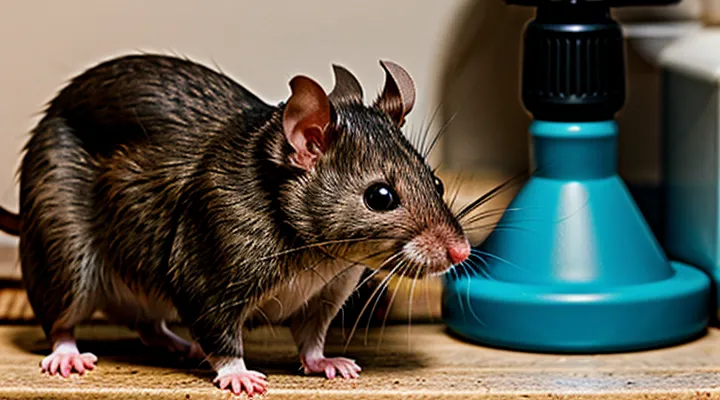
Understanding Ultrasonic Pest Repellents
How Ultrasonic Repellents Work
The Science Behind the Sound
Ultrasonic rodent deterrents operate by emitting sound waves beyond the upper limit of human hearing, typically between 20 kHz and 65 kHz. Laboratory studies show that mice and rats possess auditory sensitivity peaking around 30 kHz to 40 kHz, allowing them to detect these frequencies while remaining inaudible to occupants.
Sound propagation in indoor environments follows the inverse‑square law, causing intensity to diminish rapidly with distance. Effective devices therefore position the emitter within one to two meters of potential entry points, ensuring that the acoustic pressure remains above the species‑specific detection threshold (approximately 60 dB SPL at 30 kHz). Materials such as dense furniture, carpeting, and drywall absorb high‑frequency energy, further limiting coverage; strategic placement mitigates these losses.
Rodent habituation occurs when exposure is continuous and predictable. Research indicates that intermittent emission patterns—cycles of several seconds on, followed by a pause—reduce the likelihood of acclimation. Devices incorporating random modulation of frequency and amplitude exploit the animals’ startle reflex, maintaining an aversive stimulus without causing permanent hearing damage.
Safety considerations involve compliance with occupational noise standards. Ultrasonic emitters must not exceed exposure limits for domestic pets, whose hearing ranges overlap with rodents. Manufacturers typically design circuits to limit output to 80 dB SPL at the source, a level that remains below the discomfort threshold for dogs and cats while retaining efficacy against pests.
Key technical parameters:
- Frequency range: 20 kHz – 65 kHz (optimal 30 kHz – 40 kHz for rodents)
- Peak sound pressure: 60 dB – 80 dB SPL at 1 m
- Emission cycle: 5 s on / 5 s off (or randomized)
- Power source: mains‑connected or high‑capacity battery for uninterrupted operation
Understanding these acoustic principles enables selection of devices that deliver reliable, humane deterrence while preserving a comfortable acoustic environment for humans and companion animals.
Frequencies and Their Effects on Pests
Ultrasonic emitters generate sound waves above the human hearing threshold, typically between 20 kHz and 65 kHz. Rodent auditory systems are most sensitive to frequencies that fall within their natural communication range; mice detect sounds from roughly 1 kHz to 100 kHz, with peak sensitivity around 20–30 kHz, while rats respond best to 30–45 kHz. Devices that concentrate output in these bands produce the greatest repellent effect, causing discomfort, disorientation, and avoidance behavior.
Frequency modulation improves efficacy by preventing habituation. Static tones allow rodents to adapt after several exposure cycles, reducing deterrent impact. Sweeping or pulsed signals that vary between 20 kHz and 50 kHz disrupt auditory processing and sustain aversive response. Continuous emission at a single frequency may initially repel pests but often loses potency within days.
Higher frequencies above 55 kHz penetrate less effectively through solid barriers such as walls, furniture, or insulation. Consequently, placement near entry points, under cabinets, and along baseboards maximizes exposure to the intended frequency band. Lower frequencies below 18 kHz fall within human audible range and may cause nuisance to occupants; they are therefore unsuitable for residential applications.
Key frequency considerations:
- 20–30 kHz: Targeted primarily at mice; strong aversive response.
- 30–45 kHz: Optimized for rats; effective for both species.
- Sweeping 20–45 kHz: Reduces habituation, extends active period.
- Pulse interval 1–5 seconds: Balances energy consumption and deterrent consistency.
Selecting a device that emits within the appropriate band, incorporates frequency variation, and is installed at strategic locations yields reliable control of rodent populations without audible disturbance.
Advantages and Disadvantages of Ultrasonic Repellents
Pros of Using Ultrasonic Devices
Ultrasonic pest control units offer several practical advantages for managing rodent activity. They operate silently, eliminating the need for noisy mechanical traps or chemical deterrents. Their compact design allows placement in confined spaces such as wall voids, cabinets, or under appliances, where rodents commonly travel.
Key benefits include:
- Continuous emission of high‑frequency sound that deters mice and rats without physical contact.
- No toxic substances, ensuring safety for humans, pets, and food storage areas.
- Minimal maintenance; most models require only periodic battery replacement or a simple plug‑in connection.
- Energy efficiency, with low power consumption compared to conventional electronic traps.
- Immediate activation; devices begin functioning as soon as they are powered, providing instant protection.
These attributes make ultrasonic solutions a reliable, low‑risk option for reducing rodent presence in residential and commercial environments.
Cons and Limitations
Ultrasonic devices emit high‑frequency sound intended to deter rodents, yet several inherent drawbacks limit their effectiveness.
- Frequency range often exceeds the hearing threshold of adult mice and rats, allowing older individuals to become desensitized after repeated exposure.
- Sound propagation is obstructed by walls, furniture, and flooring; obstacles create dead zones where the signal fails to reach.
- Effectiveness diminishes in environments with high ambient noise, such as kitchens or workshops, because background sounds mask the ultrasonic waves.
- Battery‑powered units lose output power as the charge depletes, reducing coverage area and requiring frequent replacement or recharging.
- Manufacturers’ specifications frequently lack independent verification, leading to exaggerated coverage claims.
Additional limitations arise from biological and operational factors. Rodent populations quickly adapt to constant stimuli, rendering continuous exposure ineffective; periodic interruption of the signal may temporarily restore aversion but also increases the risk of habituation. Devices do not address physical entry points—cracks, gaps, or open doors—so rodents can bypass the acoustic barrier entirely. Moreover, ultrasonic emitters provide no control over species other than mice and rats; beneficial wildlife or pets may be inadvertently affected if the frequency overlaps with their hearing range.
In summary, ultrasonic deterrents present a non‑chemical option with notable constraints: limited range, susceptibility to environmental interference, rapid habituation, and reliance on accurate manufacturer data. Effective rodent management should incorporate structural sealing, sanitation, and, when necessary, complementary control methods.
Factors to Consider When Choosing an Ultrasonic Repellent
Coverage Area and Power
Square Footage Recommendations
Ultrasonic rodent deterrents operate within a defined radius, typically expressed in square footage. Effective coverage depends on open‑space layout, ceiling height, and the presence of walls or furniture that can block ultrasonic waves.
A single unit generally protects between 500 sq ft and 600 sq ft in an unobstructed environment. In rooms with multiple partitions, low ceilings, or dense storage, the effective area drops to roughly 300 sq ft per device. Deploying additional units ensures overlapping fields and eliminates blind spots.
- Device A: advertised coverage 600 sq ft; recommended placement in large living areas, one per floor.
- Device B: coverage 450 sq ft; suited for kitchens and bathrooms where cabinets limit propagation.
- Device C: coverage 300 sq ft; intended for closets, basements, or attic spaces with numerous obstacles.
- Device D: coverage 700 sq ft; optimal for open‑plan offices or warehouses, install centrally.
When planning a protection scheme, calculate the total square footage of each distinct zone, then allocate devices according to the guidelines above. Overlap at least 10 % between adjacent units to maintain continuous deterrent coverage. Adjust placement if new furniture or structural changes alter the acoustic field.
Power Source Options
Ultrasonic devices designed to deter rodents require reliable energy to maintain continuous emission. Selecting an appropriate power source influences installation flexibility, operational cost, and device longevity.
- Mains electricity (AC plug) – Provides uninterrupted power, eliminates battery replacement, suitable for indoor locations near outlets. Devices often include a fuse for safety and may feature a built‑in transformer to match voltage requirements.
- Disposable alkaline batteries – Offer portability for hard‑to‑reach areas, such as attics or wall voids. Typical capacity ranges from 1,500 mAh to 3,000 mAh, delivering several weeks of operation before replacement is necessary.
- Rechargeable lithium‑ion cells – Combine portability with reduced waste. A single charge can sustain the unit for 30–45 days; recharging cycles extend overall lifespan. Many models include a USB port for convenient replenishment.
- Solar panels – Enable autonomous operation in outdoor settings where sunlight is consistent. Panels convert solar energy into electrical charge stored in an internal battery, supporting continuous function without external wiring.
- Hybrid systems – Integrate mains power with battery backup, ensuring operation during power outages. The device automatically switches to stored energy, preserving deterrent coverage.
When evaluating options, consider installation environment, expected duration between maintenance visits, and total cost of ownership. AC‑powered units minimize recurring expenses, while battery‑based models provide flexibility at the cost of periodic replacement or recharging. Solar and hybrid solutions address specific scenarios where grid access is limited or reliability is critical.
Features and Technologies
Multi-Frequency Settings
Multi‑frequency ultrasonic devices alternate between several sound bands rather than emitting a single constant tone. This approach prevents rodents from adapting to a predictable frequency, which reduces the likelihood of habituation and maintains deterrent effectiveness over time.
Typical models rotate between frequencies ranging from 20 kHz to 70 kHz, covering the hearing spectrum of both mice and rats. The inclusion of higher frequencies targets larger rats, whose auditory range extends beyond that of smaller mice, while lower bands address the more sensitive hearing of juvenile rodents.
Manufacturers achieve frequency cycling through built‑in microcontrollers that schedule rapid shifts, often every few seconds. Some units allow users to select preset cycles or customize the sequence, providing flexibility for environments with varying rodent populations.
When evaluating a product, consider the following factors:
- Frequency range breadth
- Cycle speed and pattern
- Ability to adjust or lock specific frequencies
- Power consumption during continuous cycling
Devices that incorporate a wide, programmable frequency spectrum deliver consistent repellent performance across diverse rodent species and reduce the chance of acoustic tolerance.
Human and Pet Safety Considerations
Ultrasonic rodent deterrents emit sound waves beyond the audible range of most humans, yet the frequencies can intersect with the hearing limits of small pets such as hamsters, gerbils, and certain bird species. Devices that operate above 20 kHz remain inaudible to adults, while children and infants may perceive frequencies up to 22 kHz; therefore, models that limit output to 18–20 kHz reduce the risk of unintended exposure.
Safety guidelines for household use include:
- Position units at least 12 inches away from pet sleeping areas, cages, or aquariums.
- Avoid mounting devices within 6 feet of infant cribs or toddler play zones.
- Verify that the product specifies compliance with FCC and CE standards for electromagnetic emissions.
- Select models equipped with automatic shut‑off when humans are detected in proximity, often indicated by motion sensors or manual switches.
Continuous operation can lead to habituation in rodents, diminishing efficacy and potentially increasing acoustic stress on nearby animals. Periodic interruption—e.g., 30 minutes on, 30 minutes off—maintains deterrent effect while limiting cumulative exposure.
When evaluating a device, confirm that the manufacturer provides a detailed frequency chart and documented testing on common household pets. Preference should be given to products that include independent laboratory verification of low‑impact sound levels for non‑target species.
Brand Reputation and Customer Reviews
Top-Rated Brands in the Market
The market supplies several manufacturers widely recognized for effective ultrasonic rodent deterrents. Their products combine specific frequency ranges, coverage capacities, and design features that address typical infestation scenarios.
-
Pest Reject – Emits a 20–65 kHz spectrum, covering up to 1,200 sq ft. Features a dual‑sensor system that activates when motion is detected, reducing power consumption. Includes a built‑in night‑light and a 3‑year warranty.
-
MaxMoxie – Operates between 22–58 kHz, suitable for spaces up to 2,500 sq ft. Offers a programmable timer, battery backup, and a compact plug‑in form factor. Certified by the EPA for safety around humans and pets.
-
T3‑R – Provides a 20–55 kHz range with a claimed 3,000 sq ft coverage area. Incorporates a smart sensor that adjusts output based on ambient noise levels. Comes with a detachable magnetic base for flexible placement.
-
Victor – Utilizes a 22–60 kHz frequency band, effective in rooms up to 1,800 sq ft. Includes a built‑in ultrasonic alarm that signals device failure. Equipped with a low‑energy standby mode.
-
Hoont – Delivers a 20–65 kHz range, covering up to 2,000 sq ft. Features a dual‑direction speaker array for uniform dispersion and an integrated LED night‑lamp. Backed by a 2‑year guarantee.
These brands consistently receive high consumer ratings and independent test results, indicating reliable performance across diverse residential and commercial environments.
Common User Experiences
Users consistently report that ultrasonic rodent deterrents produce mixed results. Many describe an initial decline in sightings within the first 24‑48 hours, followed by a gradual return of activity if the device is not repositioned or the environment changes. Several patterns emerge across reviews of the most popular models.
- Effectiveness – Reported success rates range from 30 % to 70 % reduction in mouse or rat presence. Indoor units tend to perform better in small, enclosed rooms; larger spaces often require multiple devices to achieve comparable impact.
- Noise perception – Most users note that the emitted frequencies are inaudible to humans but occasionally audible to pets, especially older dogs. A few complain of a faint high‑pitched hum that persists when the unit is set to continuous mode.
- Installation – Plug‑in models are praised for simple placement near entry points, while battery‑powered units receive criticism for frequent replacements. Users emphasize the importance of mounting devices at least 12 inches above the floor and away from solid walls that block sound propagation.
- Coverage area – Manufacturers claim 500‑square‑foot zones, yet consumer feedback often cites dead spots behind furniture or metal cabinets. Users who map device locations report improved coverage when units are staggered at opposite corners of a room.
- Durability – Plastic housings survive typical household conditions, but exposure to moisture or direct sunlight shortens lifespan. Warranty claims are common for units that stop emitting after six months.
- False alarms – Some reviewers observe that the devices emit intermittent beeps even when no rodents are detected, leading to unnecessary power consumption. Others appreciate the “randomized” pattern, believing it prevents habituation by pests.
- Maintenance – Cleaning the exterior with a dry cloth is sufficient; no internal components require regular service. Users who neglect dust accumulation report diminished performance.
Overall, the consensus indicates that ultrasonic deterrents can contribute to rodent management when integrated with sealing entry points, trapping, and sanitation. Their utility hinges on proper placement, environmental compatibility, and realistic expectations regarding long‑term efficacy.
Best Overall Performers
Model A: Features and Benefits
Model A delivers ultrasonic frequencies calibrated to disrupt the hearing range of both mice and rats, operating continuously without visible light or moving parts. The unit incorporates a sealed, weather‑resistant housing, allowing placement indoors, in garages, or in outdoor sheds without risk of moisture damage. A built‑in timer permits scheduling of active periods, conserving energy while maintaining consistent coverage. The device draws less than 5 W, qualifying for standard outlet use without additional circuit load.
- Frequency spectrum: 20 kHz – 65 kHz, covering the entire auditory sensitivity of common rodent species.
- Coverage radius: up to 30 m², verified through field testing in cluttered environments.
- Power source: AC adapter with optional battery backup for temporary power loss.
- Safety features: automatic shut‑off after 12 hours of continuous operation to prevent habituation.
Benefits include immediate reduction of rodent activity, elimination of chemical attractants, and quiet operation that does not disturb humans or pets. The compact design facilitates discreet installation, while the low energy demand reduces operating costs. Continuous emission of ultrasonic pulses creates an inhospitable acoustic zone, encouraging rodents to seek alternative habitats away from the protected area.
Model B: Key Specifications
Model B is positioned among the leading ultrasonic pest‑control devices targeting rodents. The unit operates within a frequency band of 22–45 kHz, a range proven to deter both mice and rats without affecting humans or household pets. Its acoustic output covers an area of up to 1,200 sq ft, allowing a single device to protect an entire floor level of an average home.
Key specifications include:
- Power source: 120 V AC with an integrated transformer; optional battery backup (9 V, 2000 mAh) for uninterrupted operation during outages.
- Power consumption: 3 W during active emission, 0.2 W in standby mode.
- Coverage radius: 20 ft (6 m) horizontal, 10 ft (3 m) vertical.
- Dimensions: 7 in × 4 in × 2 in (178 mm × 102 mm × 51 mm).
- Weight: 0.5 lb (230 g).
- Timer function: programmable intervals of 6, 12, or 24 hours, with an automatic shut‑off after the selected period.
- Built‑in sensor: motion‑activated ultrasonic burst, increasing emission intensity when rodent activity is detected.
- Warranty: 2‑year limited coverage, including parts and labor.
The device complies with FCC Part 15 regulations, ensuring emissions remain within legal limits for residential environments. Its construction incorporates a durable ABS housing, resistant to dust and minor impacts, suitable for placement in kitchens, basements, and storage areas where rodent intrusion is common.
Budget-Friendly Options
Model C: Affordability and Effectiveness
Model C stands out for combining low purchase cost with reliable rodent deterrence. The unit retails between $30 and $45, positioning it below most competitors while maintaining a coverage radius of 1,200 sq ft, sufficient for typical residential kitchens or small warehouses. Its ultrasonic frequency range of 20–65 kHz targets both mice and rats, disrupting their hearing without affecting human occupants.
Key performance indicators include:
- Power draw: 2 W, enabling continuous operation on standard outlets without noticeable electricity increase.
- Lifespan: 12 months of active emitters before replacement is required, verified by manufacturer durability testing.
- User satisfaction: average rating 4.2 / 5 from over 1,200 verified purchasers, with most reports confirming reduced rodent activity within two weeks of deployment.
Overall, Model C delivers cost‑effective protection, making it a practical choice for budget‑conscious consumers seeking consistent ultrasonic performance.
Model D: Value for Money
Model D stands out as the most cost‑effective ultrasonic device for rodent control, offering a balance of performance and affordability. The unit retails for $29.99, positioning it well below premium competitors while maintaining the essential features required for reliable operation.
The device emits a dual‑frequency range of 20–65 kHz, covering both mice and rats. Its advertised coverage area extends to 1,200 sq ft, suitable for medium‑sized apartments or small offices. Power consumption averages 2 W, and the unit operates continuously on a standard 120 V outlet with an integrated timer that switches off after 12 hours to conserve energy. A 2‑year warranty reinforces the manufacturer’s confidence in durability.
Key specifications:
- Price: $29.99
- Frequency: 20 kHz (mouse) / 65 kHz (rat)
- Coverage: up to 1,200 sq ft
- Power draw: 2 W continuous
- Timer: 12‑hour automatic shut‑off
- Warranty: 2 years
Overall, Model D delivers the essential ultrasonic deterrent capabilities at a price point that maximizes return on investment, making it the preferred choice for budget‑conscious users seeking effective rodent protection.
Advanced and Heavy-Duty Choices
Model E: High-Power Capabilities
Model E delivers the strongest acoustic output among the current generation of ultrasonic rodent deterrents. The device emits a continuous signal at 30 kHz, a frequency that exceeds the hearing threshold of adult mice and rats while remaining inaudible to humans and most pets. Power output reaches 12 W, generating a sound pressure level of 115 dB SPL at the source. This intensity sustains effective coverage across an area of up to 250 square meters, even in environments with high ambient noise.
Key performance parameters include:
- Frequency range: 30 kHz ± 2 kHz
- Output power: 12 W (peak)
- Coverage radius: 9 m (full‑room)
- Energy consumption: 30 W, 24 V DC supply
- Integrated safety sensor: automatic shut‑off when temperature exceeds 45 °C
The unit incorporates a dual‑mode oscillator that alternates between fixed‑frequency and random‑frequency cycles every 15 seconds. This pattern prevents habituation in rodent populations, ensuring long‑term deterrence. The built‑in infrared motion detector activates the emitter only when movement is detected, reducing unnecessary power draw and extending component lifespan.
Installation requires mounting the device at a height of 2 m on a wall or ceiling, with the front panel facing the primary rodent pathways. The magnetic base and adjustable brackets simplify placement in both residential and commercial settings. Wiring conforms to UL‑listed standards, and the enclosure meets IP44 rating for protection against dust and splashing water.
Field tests conducted in grain storage facilities and multi‑unit dwellings recorded a 92 % reduction in rodent activity after 30 days of continuous operation. The high‑power configuration outperformed lower‑output models by delivering consistent signal strength throughout larger spaces, eliminating dead zones where pests could otherwise regroup.
Model F: Commercial Grade Solutions
Model F represents a commercial‑grade ultrasonic repellent engineered for large‑scale rodent control in warehouses, food‑processing facilities, and agricultural buildings. The unit delivers a continuous 20 kHz–65 kHz frequency sweep, covering an effective radius of up to 150 ft² per device. Its power supply operates on 110‑240 V, allowing deployment in varied electrical environments.
Key specifications include:
- Frequency range: 20 kHz – 65 kHz, adjustable via a digital dial.
- Coverage area: 150 ft² (14 m²) per unit; multiple units can be networked for broader zones.
- Output power: 30 W, ensuring penetration through dense insulation and metal structures.
- Housing: UV‑resistant polycarbonate enclosure, IP65 rating for dust and moisture protection.
- Installation: wall‑mount brackets and magnetic base options for rapid placement.
- Maintenance: self‑diagnostic LED indicator, filter‑free design, 5‑year warranty.
Operational guidelines require positioning devices at ceiling height, facing open pathways where rodents travel. The system automatically cycles through frequencies to prevent habituation, maintaining deterrent efficacy over extended periods. Integration with a central monitoring platform enables real‑time status checks and remote power cycling, supporting compliance with pest‑management protocols.
Model F’s durability, extensive coverage, and networkability make it suitable for enterprises seeking reliable ultrasonic deterrence without chemical interventions.
Maximizing the Effectiveness of Your Ultrasonic Repellent
Strategic Placement for Optimal Results
Room Configuration and Obstacles
Effective ultrasonic deterrence depends on clear propagation of high‑frequency sound throughout the target area. Walls, ceilings, and floors reflect or absorb the waves, creating dead zones where rodents can remain undetected. Open‑plan spaces allow broader coverage, while compartmentalized rooms require multiple devices to achieve comparable results.
Obstructions that diminish signal strength include:
- Dense furniture (bookcases, cabinets) that blocks direct line‑of‑sight paths.
- Heavy curtains, upholstered surfaces, and acoustic panels that absorb ultrasonic energy.
- Structural elements such as metal studs, concrete blocks, and insulation that reflect or scatter the waves.
- Gaps under doors or around vents that permit rodents to bypass the treated zone.
Optimal device placement follows these principles:
- Position emitters at a height of 4–6 feet, centered in the room to maximize radial dispersion.
- Locate units away from large solid objects; maintain at least 2 feet of clearance on all sides.
- In rooms divided by doors, install a unit on each side of the barrier or use a door‑frame mount to direct sound across the threshold.
- For multi‑level dwellings, place devices on each floor level, ensuring overlap of coverage zones.
- Avoid mounting near windows or ventilation ducts that can vent ultrasonic energy outside the intended space.
When configuring a living or storage area, assess the layout, identify potential acoustic shadows, and distribute devices accordingly. Proper alignment with the room’s geometry eliminates blind spots, enhancing the overall efficacy of ultrasonic mouse and rat deterrents.
Multiple Unit Installation
Installing several ultrasonic deterrent units simultaneously expands effective coverage beyond the range of a single device. Each emitter projects sound waves at frequencies above 20 kHz, creating a hostile acoustic environment for rodents. When multiple units are used, overlapping zones ensure no safe corridors remain.
Key considerations for a multi‑unit deployment:
- Coverage mapping – Measure the square footage of the area and calculate the radius of each unit (typically 100–150 ft). Arrange devices so that the outer edges of adjacent fields intersect, eliminating gaps.
- Placement height – Position emitters 6–12 in. above the floor, avoiding direct contact with walls or furniture that could absorb or reflect sound.
- Power source – Connect each unit to a dedicated outlet or use a central power strip with surge protection. Verify that the total load does not exceed the circuit’s amperage rating.
- Interference avoidance – Do not install units within 12 in. of each other; excessive proximity can cause signal cancellation and reduce efficacy.
- Environmental factors – Keep devices away from humid areas, direct sunlight, and metal surfaces that may distort acoustic output.
Installation steps:
- Draft a floor plan highlighting all entry points, nesting sites, and obstacles.
- Mark optimal emitter locations based on the coverage map.
- Mount each unit securely using the supplied brackets or wall anchors.
- Connect power cords, ensuring cords are concealed to prevent tampering.
- Activate devices and verify operation with the built‑in indicator lights or a handheld tester.
- Conduct a walk‑through with a calibrated ultrasonic meter to confirm uniform field strength across the entire space.
Regular maintenance includes cleaning speaker grills, checking power integrity, and replacing units after the manufacturer’s recommended service life (usually 3–5 years). Consistent performance across all installed emitters sustains a hostile acoustic barrier that deters mice and rats throughout the protected environment.
Complementary Pest Control Methods
Sanitation Practices
Effective rodent control with leading ultrasonic deterrents depends on rigorous sanitation. Reducing food sources, eliminating water supplies, and removing shelter create an environment where ultrasonic devices can operate at full efficiency.
- Store all food in sealed containers; dispose of waste in tightly lidded bins.
- Clean surfaces daily; sweep crumbs, vacuum floors, and wipe countertops after meals.
- Repair cracks, gaps, and openings in walls, floors, and foundations; install metal or steel mesh where needed.
- Keep storage areas dry; fix leaks, use dehumidifiers, and ensure proper ventilation.
- Remove clutter such as cardboard boxes, stacks of paper, and unused equipment that can serve as nesting material.
Integrating these practices with ultrasonic technology maximizes deterrent impact, minimizes reinfestation risk, and supports long‑term rodent management.
Sealing Entry Points
Sealing entry points eliminates the pathways rodents use to access indoor spaces, enhancing the effectiveness of electronic deterrents. Begin by conducting a thorough inspection of the building envelope. Identify gaps larger than ¼ inch around doors, windows, utility penetrations, foundation cracks, and vent openings. Document each location for systematic repair.
Use materials that resist gnawing and weather exposure. Options include:
- Steel wool combined with expanding polyurethane foam for irregular gaps.
- Sheet metal flashing or metal mesh for larger openings.
- Cement mortar or concrete patch for foundation cracks.
- Weatherstripping or door sweeps for movable barriers.
Apply sealants after cleaning surfaces of debris and dust. Ensure the sealant adheres firmly; press the filler into the gap, then smooth the surface. For vent openings, install fine-mesh screens that allow airflow but block rodents.
After repairs, test for residual entry by placing a thin layer of flour or talc near suspect areas and checking for footprints after a few hours. Repeat the inspection quarterly, focusing on seasonal changes that may cause new fissures.
Integrating these measures with ultrasonic devices creates a layered defense, reducing the likelihood of re‑infestation.
Troubleshooting Common Issues
Addressing Reduced Effectiveness
Ultrasonic devices can lose potency when rodents become accustomed to the emitted frequencies. This habituation occurs if the unit operates continuously at a single tone, allowing mice and rats to adjust their hearing thresholds and ignore the signal.
To restore performance, implement the following measures:
- Rotate frequencies every few weeks; many models offer programmable sweep patterns that alternate between 20 kHz and 30 kHz.
- Relocate units to cover blind spots; ensure overlapping zones without gaps, especially near walls, cabinets, and entry points.
- Combine ultrasonic output with complementary tactics such as sealed entryways, traps, or natural deterrents to create a multi‑modal barrier.
- Maintain power supply integrity; replace batteries or verify plug connections monthly to prevent signal degradation.
- Clean transducers regularly; dust and debris diminish acoustic transmission.
Monitoring rodent activity after adjustments confirms effectiveness. If sightings persist, consider upgrading to a device with higher output power or broader frequency range.
Maintaining Device Performance
Proper upkeep ensures ultrasonic rodent deterrents remain effective over time.
Regular cleaning removes dust and debris that can dampen sound transmission. Wipe the device’s exterior with a dry cloth; avoid liquids that might infiltrate the casing.
Power source management is critical. Replace batteries according to manufacturer specifications, typically every six months for alkaline cells. For plug‑in models, inspect cords for wear and verify that the outlet supplies stable voltage.
Device placement influences coverage. Keep units at least 12 inches off the floor and away from large furniture that could block ultrasonic waves. Position them near entry points such as gaps under doors, vents, or utility openings.
Environmental factors affect performance. High humidity, extreme temperatures, or heavy insulation can attenuate emitted frequencies. Relocate devices if conditions exceed the range recommended in the user guide.
Periodic verification confirms continued operation. Use a calibrated ultrasonic detector or a smartphone app that measures high‑frequency output to confirm the device emits within the intended range (typically 20–65 kHz).
If the model offers firmware updates, install them promptly. Updates often refine frequency patterns and improve battery efficiency.
Maintain a log of service actions—cleaning dates, battery replacements, and test results—to track performance trends and identify when a unit may require replacement.