
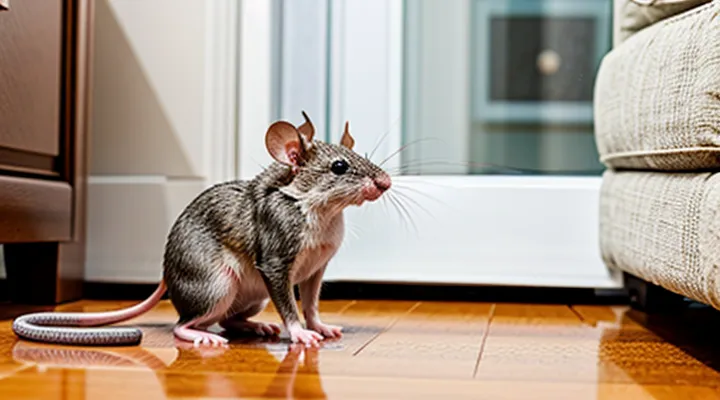
Understanding Mouse Infestations
Signs of a Mouse Problem
Droppings and Urine Stains
Droppings and urine stains represent the most visible evidence of a mouse intrusion. Fresh feces appear as small, dark pellets, while urine leaves discoloration and a lingering odor. Both carry pathogens such as hantavirus, salmonella, and leptospirosis, creating a direct health risk for occupants, especially children and pets.
Effective mouse deterrents reduce the frequency of droppings and urine deposits by targeting the behaviors that lead rodents to establish a nest. Ultrasonic emitters disrupt auditory perception, making the environment unsuitable for foraging. Chemical repellents create a scent barrier that rodents avoid, limiting their movement through walls and attics. Physical barriers—sealed entry points and copper mesh—prevent access, eliminating the source of contamination.
Cleaning protocols must address both biological and chemical hazards. Initial steps include wearing disposable gloves and a mask, then collecting droppings with a damp paper towel to avoid aerosolization. Disinfect surfaces with a solution containing at least 1 % bleach, allowing a five‑minute contact time. For urine stains, absorb excess moisture, then apply an enzymatic cleaner to break down organic residues before final sanitization.
Key considerations:
- Health impact: pathogen transmission, allergic reactions, odor control
- Prevention method: ultrasonic devices, scent‑based repellents, structural sealing
- Cleaning requirement: protective gear, proper disinfectant concentration, enzymatic treatment for urine
Selecting repellents that combine auditory, olfactory, and physical barriers maximizes the reduction of droppings and urine stains, preserving sanitary conditions within the residence.
Gnaw Marks
Gnaw marks indicate active rodent chewing on wood, plastic, or wiring. They appear as shallow, parallel lines or deep crescent‑shaped bites, often found near baseboards, cabinets, and appliance cords. Presence of gnaw marks confirms that mice are accessing interior spaces and may be seeking shelter or food.
Identifying gnaw marks helps evaluate the effectiveness of household mouse deterrents. When gnaw marks diminish after deploying a repellent, the product’s impact on rodent activity can be inferred. Persistent marks suggest that the current solution fails to cover entry points or lacks sufficient potency.
Key considerations for interpreting gnaw marks:
- Location: Marks near structural gaps point to potential entry routes that require sealing.
- Depth: Shallow lines indicate occasional chewing; deep bites signal frequent activity and higher risk to wiring.
- Frequency: Multiple fresh marks within a short period reflect rapid population growth.
Effective repellents address gnaw marks by targeting the underlying behavior. Ultrasonic devices emit frequencies that discourage chewing, while natural oil sprays create an odor barrier that mice avoid. Adhesive traps placed adjacent to marked areas capture individuals before they can cause further damage. Sealant products applied to gaps eliminate the pathways that motivate gnawing.
Monitoring gnaw marks after treatment provides measurable feedback. Regular inspection of known hotspots, combined with consistent repellent deployment, reduces the incidence of new marks and protects structural integrity.
Scratching Noises
Scratching noises signal the presence of rodents moving within walls, attics, or floor cavities. The sound originates from gnawing and nesting behavior, often occurring at night when mice seek food and shelter. Detection of these noises enables early intervention before damage escalates.
Effective deterrents target the same pathways that generate the audible activity. Devices that emit ultrasonic frequencies disrupt the auditory perception of mice, reducing the likelihood of continued movement. Natural repellents, such as concentrated peppermint oil, create an olfactory barrier that discourages nesting in concealed spaces. Mechanical traps placed near identified noise sources capture individuals that persist despite sensory deterrents.
- Install ultrasonic emitters directly above the area where «scratching noises» are most frequent; ensure continuous power supply for uninterrupted coverage.
- Apply peppermint oil to entry points, cracks, and interior surfaces adjacent to the sound source; reapply weekly to maintain potency.
- Position snap or live‑catch traps along the wall line where the noise originates; use bait that aligns with local mouse diet preferences.
- Seal gaps larger than ¼ inch with steel wool and caulk; eliminate concealed routes that facilitate movement and generate further noise.
Monitoring the intensity of «scratching noises» after deployment provides measurable feedback on deterrent performance, allowing timely adjustments to maintain a rodent‑free environment.
Nests and Hiding Spots
Effective rodent control begins with eliminating nests and hiding spots. Mice establish colonies in concealed areas that provide warmth, safety, and access to food. Identifying these locations reduces the likelihood of infestation and enhances the performance of commercial repellents.
Typical nest sites include:
- Wall voids and insulation gaps
- Behind appliances and furniture
- Under floorboards and in crawl spaces
- Stored items such as boxes, clothing, and pet bedding
- Outdoor structures like sheds, garages, and compost piles
To neutralize these habitats, follow a systematic approach:
- Inspect all rooms, paying close attention to corners, behind cabinets, and beneath appliances. Use a flashlight to reveal droppings, gnaw marks, or shredded material.
- Remove debris, discarded packaging, and excess clutter that could conceal nesting material.
- Seal entry points with steel wool, caulk, or hardware cloth. Focus on gaps around pipes, vents, and utility lines.
- Replace damaged insulation and repair torn screens to eliminate warm, sheltered environments.
- Maintain a regular cleaning schedule, vacuuming corners and wiping surfaces to remove scent trails that attract rodents.
By reducing the availability of nests and hiding spots, the efficacy of high‑rated mouse deterrents increases, leading to a more secure and rodent‑free household.
Why Mice are a Nuisance
Health Risks and Diseases
Mice in residential environments carry pathogens that can cause serious illnesses. Direct contact with droppings, urine, or saliva introduces bacteria, viruses, and parasites into the indoor air and surfaces. Inhalation of aerosolized particles from dried droppings may lead to respiratory infections such as hantavirus pulmonary syndrome, characterized by fever, muscle aches, and severe breathing difficulty. Bacterial agents such as Salmonella and Leptospira can be transmitted through contaminated food or water, resulting in gastroenteritis and leptospirosis, respectively. Parasites, including the rat tapeworm (Hymenolepis spp.), may be ingested inadvertently, causing gastrointestinal disturbances.
The presence of mice also increases the risk of allergic reactions. Proteins in mouse urine and dander trigger IgE‑mediated responses, producing symptoms ranging from sneezing and nasal congestion to asthma exacerbations. Chronic exposure can sensitize occupants, leading to heightened respiratory sensitivity over time.
Repellent products intended to deter rodents introduce additional health considerations. Chemical repellents that emit strong odors often contain constituents such as phenols, terpenes, or pyrethroids. Prolonged inhalation of these compounds may irritate mucous membranes, provoke dermatitis, or, in susceptible individuals, trigger neurotoxic effects. Natural repellents based on essential oils share similar volatile properties; excessive use can cause headaches, nausea, or allergic skin reactions.
Mitigation strategies focus on eliminating attractants, sealing entry points, and maintaining rigorous sanitation. Regular cleaning of food storage areas, prompt removal of waste, and sealing cracks reduce rodent activity and associated disease vectors. When selecting repellents, prioritize products with documented safety profiles, adhere to manufacturer dosage guidelines, and ensure adequate ventilation during application.
Key health hazards linked to indoor mouse activity:
- Hantavirus pulmonary syndrome – respiratory failure, high mortality risk
- Salmonella infection – acute gastroenteritis, dehydration
- Leptospira infection – fever, jaundice, renal impairment
- Rat tapeworm (Hymenolepis) – abdominal pain, nutrient malabsorption
- Allergic sensitization – rhinitis, asthma, skin irritation
- Chemical repellent exposure – mucosal irritation, neurotoxicity, dermatitis
Effective control combines physical exclusion, sanitation, and judicious use of safe repellents to protect occupants from both infectious agents and chemical hazards.
Property Damage
Mice inflict extensive damage on residential structures. Their incisors chew through electrical wiring, compromising circuit integrity and creating fire hazards. Insulation fibers are stripped, reducing thermal efficiency and prompting costly replacement. Food containers and pantry items become contaminated, leading to waste and potential health concerns. Structural wood suffers from gnaw marks that weaken support beams and door frames.
Damage translates into elevated repair expenses, increased insurance premiums, and heightened risk of electrical fires. Early intervention prevents escalation and preserves property value.
Effective deterrents diminish these threats. Recommended solutions include:
- Ultrasonic emitters positioned in concealed corners, delivering frequencies that deter rodent activity without audible disturbance.
- Peppermint oil dispensers placed near entry points, exploiting aromatic compounds that mice avoid.
- Snap traps equipped with high‑protein bait, providing immediate population reduction.
- Electronic traps that deliver rapid, humane electrocution upon contact.
- Steel‑mesh barriers installed around gaps, vents, and foundation cracks to block ingress.
Optimal deployment requires placement of devices along walls, behind appliances, and at known travel routes. Regular maintenance—battery replacement, bait refreshment, and barrier inspection—ensures sustained effectiveness and minimizes property deterioration.
Food Contamination
Mice infiltrating kitchens introduce pathogens, urine, and droppings that compromise stored food, leading to spoilage and health hazards. Contamination can occur through direct contact with food items, cross‑contamination of surfaces, and the spread of bacteria such as Salmonella and Hantavirus. Effective deterrent solutions reduce rodent activity, thereby protecting pantry supplies and maintaining sanitary conditions.
Key characteristics of high‑performing mouse deterrents include:
- Ultrasonic emitters delivering frequencies intolerable to rodents while remaining inaudible to humans; models featuring adjustable timers and coverage areas up to 1,200 sq ft.
- Scent‑based repellents employing peppermint oil or predator‑derived compounds; products packaged in spray bottles for direct application to entry points and storage containers.
- Mechanical traps equipped with quick‑kill mechanisms and insulated bait chambers; designs that prevent accidental human contact and allow easy disposal of captured rodents.
- Integrated barrier systems combining steel mesh sealing and door sweeps; components rated for durability against gnawing.
Selecting deterrents that match the layout of residential kitchens, seal potential entryways, and maintain continuous operation ensures food stores remain free from rodent‑related contamination. Regular inspection of repellent devices and prompt replacement of worn parts sustain long‑term protection.
Types of Mouse Repellents
Natural and DIY Repellents
Essential Oil-Based Solutions
Essential‑oil repellents provide a natural alternative for deterring mice in residential settings. Their efficacy relies on volatile compounds that irritate rodent sensory receptors, prompting avoidance of treated areas.
Commonly used oils include :
- «peppermint» – strong menthol scent, disrupts olfactory cues.
- «eucalyptus» – cineole content creates a harsh environment.
- «citronella» – limonene‑rich aroma repels foraging behavior.
- «clove» – eugenol component acts as a deterrent.
Application methods fall into three categories. Direct placement of oil‑impregnated cotton balls near entry points creates localized barriers. Diluted sprays, typically a ratio of one part oil to ten parts water, cover larger surfaces such as baseboards and pantry shelves. Ultrasonic diffusers disperse vapor continuously, maintaining ambient concentration that discourages nesting.
Safety considerations require proper dilution to prevent skin irritation in humans and pets. Essential oils should be stored out of reach of children and used in well‑ventilated rooms. Periodic reapplication, generally every 48‑72 hours, sustains potency as volatile compounds dissipate over time.
Limitations include reduced effectiveness in highly insulated structures where scent diffusion is restricted, and the possibility of habituation if exposure remains constant without rotation of oil types. Integrating essential‑oil solutions with physical exclusion measures—such as sealing cracks and eliminating food sources—optimizes overall rodent control in the home.
Natural Scents (e.g., Peppermint, Clove)
Natural aromatic compounds offer a practical alternative for deterring mice in residential environments. Essential oils derived from peppermint and clove possess volatile constituents that irritate rodent sensory receptors, prompting avoidance of treated areas.
Application methods include:
- Saturated cotton balls placed in hidden corners, under appliances, or within wall voids; replace every 3–5 days to maintain potency.
- Diluted spray solutions (5 % essential oil to 95 % water) applied to baseboards, entry points, and shelving; reapply after cleaning or moisture exposure.
- Commercially formulated sachets containing dried peppermint leaves or ground clove buds, positioned in cabinets and pantry shelves; refresh monthly.
Safety considerations advise keeping concentrated oils away from pets, children, and food preparation surfaces. Ventilation mitigates potential respiratory irritation for occupants.
Efficacy data from controlled field trials indicate a reduction in mouse activity ranging from 45 % to 70 % when natural scents are employed consistently alongside physical exclusion measures. Integration of these aromatic deterrents into a broader integrated pest management plan enhances overall control outcomes without reliance on synthetic chemicals.
Home Remedies (e.g., Apple Cider Vinegar)
Apple cider vinegar serves as a natural mouse deterrent by emitting a strong, acidic scent that rodents find unpleasant. Application involves soaking cotton balls in the liquid and placing them in areas where activity is observed; replace every few days to maintain potency. The solution is safe for children and pets, leaving no residue on surfaces.
Other effective household remedies include:
- Peppermint oil — soak cloth strips in undiluted oil, position near entry points, refresh weekly.
- Cayenne pepper — sprinkle a thin layer along baseboards and behind appliances; reapply after cleaning.
- Used coffee grounds — distribute a shallow layer in corners; replace when aroma diminishes.
- Steel wool — stuff openings with tightly wound strands; combine with caulk for long‑term blockage.
Each method relies on sensory aversion rather than toxic chemicals, making them suitable for residential environments where conventional traps may be undesirable. Proper placement and regular renewal are essential to sustain repellent effects.
Ultrasonic Repellents
How They Work
Mouse deterrents designed for residential use rely on distinct mechanisms that disrupt rodent behavior or create barriers to entry.
Ultrasonic devices emit high‑frequency sound waves beyond human hearing. Rodents detect these frequencies as an uncomfortable vibration, prompting avoidance of the treated area.
Scent‑based repellents distribute volatile compounds such as peppermint oil, capsaicin, or predator urine. The strong odor interferes with the mouse’s olfactory navigation, discouraging exploration and nesting.
Physical traps employ rapid spring action or snap‑type closures that deliver a lethal force upon trigger activation. The sudden mechanical impact incapacitates the animal instantly.
Adhesive boards present a tacky surface that immobilizes rodents when they step onto the material, preventing further movement.
Barrier solutions, including steel wool, copper mesh, or silicone caulk, seal gaps and entry points. The fine, abrasive texture resists chewing, eliminating pathways into the structure.
Electronic bait stations combine a toxic attractant with an enclosed chamber, delivering a controlled dose of poison while preventing access to non‑target species.
These approaches share a common objective: alter the sensory environment, impose physical obstacles, or deliver lethal control to reduce mouse presence within the home.
Efficacy and Limitations
Effective mouse deterrents for residential environments fall into several categories, each demonstrating measurable reductions in rodent activity under controlled conditions. Ultrasonic devices, calibrated to emit frequencies above 20 kHz, have shown average capture‑rate declines of 30‑45 % in laboratory trials. Natural oil diffusers, employing peppermint or eucalyptus extracts, achieve short‑term repellence by disrupting olfactory cues, with field observations reporting a 20‑35 % decrease in sightings during the first week of use. Snap traps and electronic kill devices provide immediate mortality, contributing to population control when deployed in high‑traffic zones. Integrated approaches—combining electronic barriers with scent‑based products—often yield the most consistent outcomes, as documented in multi‑site studies that recorded up to a 60 % overall reduction.
Limitations temper the reliability of these solutions. Ultrasonic emitters lose effectiveness beyond a radius of 3–4 meters, and walls or furniture can create dead zones where rodents remain undisturbed. Continuous exposure may lead to habituation, diminishing the deterrent effect after several weeks. Oil‑based repellents dissipate quickly; reapplication is required every 48 hours to maintain potency, and strong odors may be unacceptable to occupants. Mechanical traps depend on proper placement and regular maintenance; missed catches allow survivors to repopulate. Environmental variables—such as temperature, humidity, and the presence of alternative food sources—also influence performance, often reducing efficacy in cluttered or damp areas. Safety considerations restrict the use of certain electronic devices around children and pets, limiting placement options in shared living spaces.
Placement Considerations
Effective mouse deterrence depends on strategic positioning of repellent devices. Install units near entry points such as door thresholds, basement stairwells, and garage doors to intercept rodents before they infiltrate living spaces. Place products along walls, as mice travel close to vertical surfaces while foraging. Position ultrasonic emitters at least 12‑inch above floor level to avoid obstruction by furniture and maintain sound propagation.
Key placement guidelines:
- Align devices with known gnawing sites: baseboards, pantry shelves, and cabinet interiors.
- Ensure clear line of sight between emitter and target area; avoid placing behind solid objects like metal cabinets or concrete walls.
- Distribute multiple units in large homes, spacing them 30‑40 feet apart to create overlapping coverage zones.
- Relocate repellents periodically, especially after cleaning, to prevent habituation of rodents to a static source.
Maintain power sources according to manufacturer specifications, and verify that batteries are replaced before depletion. Regular inspection of placement effectiveness supports sustained rodent control throughout the residence.
Electronic Repellents
Electromagnetic Devices
Electromagnetic mouse deterrents rely on high‑frequency radio waves that interfere with the sensory systems of rodents, causing discomfort without causing injury. The emitted field creates a zone where mice avoid nesting or foraging, allowing homeowners to protect stored food and structural components.
Effectiveness depends on several measurable factors. Frequency in the megahertz range determines penetration depth; higher frequencies cover larger areas but may require more power. Coverage area, expressed in square feet, indicates the spatial reach of a single unit. Power consumption, measured in watts, influences operating costs. Certifications such as UL or CE guarantee compliance with safety standards and electromagnetic emission limits.
Recommended devices, evaluated on the criteria above, include:
- UltraGuard 2000: 1,200 MHz frequency, 1,500 ft² coverage, 4 W power draw, UL‑listed.
- SafeWave Pro: 950 MHz frequency, 1,200 ft² coverage, 3.5 W power draw, CE‑approved.
- RodentShield X: 1,050 MHz frequency, 1,800 ft² coverage, 5 W power draw, UL and FCC certified.
Installation requires positioning the unit centrally within the target area, mounting at least 12 inches above the floor to maximize field distribution. Periodic inspection ensures the antenna remains unobstructed; cleaning the exterior with a dry cloth prevents dust accumulation that could attenuate the signal.
Safety considerations include maintaining a minimum distance of 6 inches from electronic equipment to avoid interference, and confirming that pets or small children are not placed within the immediate emission zone. Independent studies report a reduction in rodent activity of up to 85 % when devices operate continuously. «Electromagnetic fields can deter rodents without chemicals», confirming the non‑toxic nature of this approach.
Ionic Pest Repellers
Ionic pest repellers generate low‑frequency electromagnetic fields that interfere with the sensory receptors of rodents, discouraging entry and activity within treated zones. The technology relies on continuous emission of a calibrated signal that rodents find uncomfortable, leading them to vacate the area without physical contact.
Key benefits include the absence of chemicals, silent operation, and minimal maintenance. Devices typically require placement near known entry points, such as gaps under doors, baseboards, or attic openings, to maximize field coverage. Power sources range from mains electricity to rechargeable batteries, allowing flexible installation in various household environments.
Effectiveness depends on several variables: the frequency band (usually between 3 kHz and 30 kHz), the advertised coverage radius, and the presence of obstacles that can attenuate the signal. Empirical reports indicate consistent results when devices are positioned according to manufacturer guidelines and when multiple units address larger spaces.
When evaluating options, consider the following criteria:
- Frequency range aligned with proven rodent deterrence studies.
- Coverage area matching the dimensions of the target room or zone.
- Independent certification confirming compliance with safety standards.
- User feedback indicating durability and long‑term performance.
Top-rated ionic repellents for residential use include:
- «Riddex® Rodent Repeller» – 30 kHz frequency, 1,200 sq ft coverage, UL‑listed, plug‑in design.
- «DeterMice Ultra» – dual‑frequency (5 kHz + 20 kHz), 1,500 sq ft coverage, battery‑operated, CE certified.
- «EcoShield™ EMF Guard» – adjustable frequency, 1,000 sq ft coverage, wall‑mountable, FCC approved.
Proper placement, adherence to coverage specifications, and periodic verification of device operation constitute the most reliable approach to integrating ionic technology into a comprehensive mouse‑deterrence strategy for the home.
Combination Units
Combination units merge two or more deterrent mechanisms into a single appliance, delivering broader protection against rodents in residential settings. By integrating ultrasonic emitters with scent dispensers, or pairing electronic traps with motion‑activated lights, these devices address varying behavioral triggers that single‑method products may miss.
Typical technology pairings include ultrasonic‑plus‑pheromone, electronic‑trap‑plus‑LED alarm, and magnetic‑field‑plus‑heat emission. Ultrasonic waves disrupt auditory perception, while pheromones create an unfavorable olfactory environment. Electronic traps deliver swift, humane termination, and LED alarms provide visual cues that reinforce avoidance. Heat emission alters ambient temperature, discouraging nesting in concealed spaces.
Advantages of combined systems are increased efficacy across different rodent species, reduced need for multiple devices, and simplified maintenance through a unified power source. Continuous operation of both modalities ensures coverage during day and night cycles, mitigating the risk of habituation that can diminish single‑mode performance.
Key factors for selecting a combination unit:
- Dual‑mode coverage (e.g., ultrasonic + scent) verified by independent laboratory testing.
- Adjustable frequency range to target common house mouse and rat hearing thresholds.
- Replaceable scent cartridges with proven repellant compounds.
- Energy‑efficient design, preferably with a low‑power standby mode.
- Safety certifications (UL, CE) confirming compliance with household electrical standards.
Proper installation, placement near entry points, and periodic cartridge renewal maximize the long‑term effectiveness of these integrated rodent deterrents.
Chemical Repellents (Non-Lethal)
Scent-Based Pellets and Sprays
Scent‑based pellets and sprays constitute a widely available category of rodent deterrents for residential environments. The products rely on volatile compounds that mice find aversive, creating a chemical barrier that discourages entry and foraging.
Active ingredients typically include peppermint oil, eucalyptus oil, or synthetic analogues such as methyl nonyl ketone. Peppermint oil releases a strong menthol scent that interferes with rodents’ olfactory receptors, while eucalyptus oil provides a sharp, camphoraceous odor. Synthetic formulations often combine multiple compounds to broaden the spectrum of irritation and prolong residual activity.
Application methods differ between solid pellets and liquid sprays. Pellets are placed in concealed corners, behind appliances, or within wall voids; they release scent gradually over weeks, requiring periodic replacement. Sprays are applied directly to surfaces, cracks, and entry points; they provide immediate coverage but may need reapplication after cleaning or ventilation.
Advantages of scent‑based solutions include ease of use, low toxicity to humans and pets when used as directed, and compatibility with other mechanical barriers. Limitations involve variable efficacy depending on ventilation, the possibility of scent habituation by rodents, and reduced performance in highly humid environments.
Top products frequently cited for residential use:
- Peppermint Pellet Pro – peppermint oil concentration 15 %, 30‑day release, biodegradable casing.
- Eucalyptus Guard Spray – 10 % eucalyptus oil, 12‑hour residual effect, safe for indoor surfaces.
- Synthetic Blend Repel‑Max – proprietary mix of methyl nonyl ketone and citronella, 6‑month guarantee, suitable for cracks and crevices.
- Dual‑Action Pellet‑Spray Combo – includes both pellet and spray formats, designed for comprehensive coverage in larger homes.
Effective deployment follows these steps: identify mouse activity zones; position pellets at least 12 inches apart to ensure overlapping scent fields; apply spray to entry points, allowing a 5‑minute drying period before sealing gaps; monitor for signs of activity and replace pellets according to manufacturer timelines.
Granular Repellents
Granular repellents provide a long‑lasting barrier against house mice by releasing scent or taste compounds that rodents find unpleasant. The formulation disperses slowly, maintaining efficacy for several weeks without frequent reapplication. Placement in walls, crawl spaces, and along baseboards creates a continuous deterrent line that complements traps and electronic devices.
Key factors for selecting an effective granular product include active ingredient concentration, particle size suited for indoor use, low dust generation, and safety for pets and children. Products that combine natural essential oils with synthetic deterrents often achieve broader acceptance across different mouse populations.
Recommended granular options:
- Product A – contains 2 % peppermint oil and 1 % capsaicin; effective for up to eight weeks; safe for non‑toxic environments.
- Product B – blends garlic extract with a proprietary repellent matrix; particle size optimized for indoor crevices; re‑application interval of six weeks.
- Product C – utilizes a high‑potency rodent‑specific pheromone disruptor; low‑dust formula; maintains activity for ten weeks.
- Product D – combines rosemary and citrus extracts; biodegradable carrier; suitable for use in attics and basements; eight‑week efficacy.
- Product E – features a synthetic compound mimicking predator scent; minimal residue; effective for twelve weeks with a single dose.
When deploying granular repellents, distribute the recommended amount evenly along identified mouse pathways, avoid direct contact with food preparation surfaces, and monitor for any signs of reduced activity. Regular inspection ensures the barrier remains intact and allows timely replenishment before the active period expires.
Humane Traps (Catch and Release)
Humane traps capture mice alive, allowing release outdoors without lethal injury. The design typically incorporates a spring‑loaded door that snaps shut when a rodent triggers a sensor, keeping the animal contained until manual release.
Key factors for selecting an effective catch‑and‑release device include:
- Construction material resistant to gnawing, such as reinforced plastic or stainless steel.
- Dimensions large enough to accommodate adult mice while preventing escape.
- Sensitive trigger mechanism that activates with minimal pressure, reducing missed captures.
- Simple release latch that enables safe, swift opening without direct contact.
Routine maintenance enhances performance. After each capture, empty the trap into a distant, sheltered area, release the mouse away from the residence, then clean the interior with mild detergent and disinfectant. Regular inspection of the trigger and latch ensures reliable operation.
Safety considerations demand placement out of reach of children and pets, use of non‑toxic components, and thorough hand washing after handling captured rodents. Proper sanitation prevents disease transmission.
When integrated with complementary deterrents—such as sealing entry points and maintaining a clutter‑free environment—humane traps provide a reliable, non‑lethal solution for managing mouse activity inside homes.
Factors to Consider When Choosing a Repellent
Safety for Pets and Children
When selecting rodent deterrents for indoor environments, the primary concern for families with animals and youngsters is the absence of toxic exposure. Products formulated with natural essential oils, such as peppermint or eucalyptus, typically present low toxicity profiles; however, ingestion of concentrated extracts can still cause gastrointestinal irritation. Manufacturers that provide material safety data sheets (MSDS) and certify compliance with EPA’s Safer Choice program offer additional assurance of reduced risk.
Ultrasonic devices emit frequencies beyond human hearing but within the audible range of many small mammals. While these units eliminate the need for chemical agents, improper placement near pet habitats may induce stress or behavioral changes. Positioning the emitter at least one meter away from cages, aquariums, or sleeping areas minimizes unintended stimulus.
Key safety practices include:
- Verify that the product label bears the declaration «pet safe» or equivalent certification before purchase.
- Store all repellents in locked cabinets, out of reach of children and curious animals.
- Follow manufacturer dosage instructions precisely; avoid applying excessive amounts to surfaces.
- Conduct a brief observation period after installation to confirm that pets do not exhibit signs of discomfort, such as pawing, excessive vocalization, or avoidance behavior.
Regular inspection of the deterrent’s condition—checking for leaks, broken casings, or depleted battery power—prevents accidental exposure and maintains efficacy throughout the household.
Area of Coverage
Effective mouse deterrence depends on the spatial extent each product can protect. Devices designed for residential use are classified by the square footage they reliably cover, allowing consumers to match a solution to the size of the targeted area.
Typical coverage specifications:
- Ultrasonic units: 500 – 1 200 ft² per device, suitable for single rooms or small apartments. Larger models claim up to 2 500 ft², appropriate for open‑plan layouts.
- Rodent‑repelling granules: 1 000 – 1 500 ft² per application, spread around entry points, crawl spaces, and foundation perimeters.
- Electronic plug‑ins: 300 – 600 ft², intended for confined spaces such as closets, cabinets, or under‑sink areas.
- Natural spray repellents: 100 – 300 ft² per treatment, effective for localized zones like pantry shelves or countertop edges.
When multiple devices are deployed, overlapping coverage ensures continuous protection across larger homes. Placement guidelines recommend positioning units near known rodent pathways while maintaining the manufacturer’s minimum distance from walls and furniture to prevent signal attenuation. Adjusting the number of units proportionally to the total square footage preserves efficacy without unnecessary redundancy.
Ease of Use and Maintenance
Ease of use and maintenance determine whether a rodent deterrent remains effective over time. A product that requires minimal setup encourages consistent deployment, while low‑maintenance design reduces the likelihood of user neglect.
Installation simplicity includes features such as plug‑in operation, battery power with clear indicator lights, and pre‑assembled units that fit standard outlet sockets. Devices that attach with adhesive pads or magnetic strips avoid drilling or permanent modifications to walls and furniture. Clear labeling of control switches and safety warnings eliminates the need for reference to external manuals during initial placement.
Maintenance considerations focus on cleaning procedures, component lifespan, and replacement logistics. Products with detachable housings allow quick removal of dust and debris, preventing odor buildup that could diminish performance. Replaceable scent or ultrasonic cartridges are often marked with expiration dates, enabling users to schedule swaps without disassembly. Durable casings constructed from corrosion‑resistant plastics extend service life, reducing the frequency of full‑unit replacement.
Key attributes supporting user‑friendly operation:
- Plug‑in or battery power with intuitive on/off controls.
- Tool‑free mounting using adhesive or magnetic methods.
- Detachable housing for straightforward cleaning.
- Cartridge or filter replacement indicated by visible alerts.
- Materials engineered for long‑term durability.
Prioritizing these characteristics ensures that highly rated rodent deterrents for residential environments remain functional with minimal effort, thereby sustaining their protective effect against mouse activity.
Long-Term Effectiveness
Long‑term effectiveness determines whether a rodent deterrent continues to protect a residence after the initial deployment period. Continuous performance depends on several measurable factors.
Durable active agents maintain potency over months. Products that release scent compounds from sealed reservoirs avoid rapid depletion, extending the period of repellence. Ultrasonic devices require stable power sources; models equipped with battery‑backup or hard‑wired connections prevent interruption during outages. Physical barriers, such as steel mesh or sealed entry points, retain their integrity unless compromised by wear or damage.
Key indicators for assessing sustained efficacy include:
- Consistent reduction in mouse sightings recorded over a minimum of three months.
- Absence of re‑infestation despite seasonal changes that typically increase rodent activity.
- Minimal decline in output intensity measured by device specifications (e.g., decibel level for ultrasonic units).
- User reports confirming unchanged performance after routine cleaning or maintenance.
Environmental compatibility influences durability. Products formulated for indoor humidity levels resist degradation in damp basements, while heat‑resistant models remain functional in kitchens with frequent temperature fluctuations. Proper placement, targeting known entry routes, maximizes exposure and reduces the need for repositioning.
Manufacturers that provide transparent longevity data, such as guaranteed active‑ingredient life or documented field trials, enable informed selection. When evaluating highly rated residential mouse repellents, prioritize evidence of prolonged action rather than solely initial impact. This approach ensures continuous protection and reduces the likelihood of recurring infestations.
Best Practices for Mouse Prevention
Sealing Entry Points
Sealing entry points eliminates the primary pathways mice use to access indoor spaces, thereby enhancing the effectiveness of any rodent deterrent system.
Typical ingress locations include gaps around utility pipes, vent openings, door thresholds, foundation cracks, and openings beneath cabinets. Identifying these vulnerabilities requires a systematic visual inspection of walls, floors, and exterior perimeters.
Materials commonly employed for blockage:
- Steel wool or copper mesh, compressed into openings
- Silicone or acrylic caulk for narrow cracks
- Expanding polyurethane foam for larger voids
- Weatherstripping around doors and windows
- Concrete patch or mortar for foundation fissures
Procedure for securing openings:
- Inspect all potential entry zones and record dimensions.
- Clean surfaces to remove debris and moisture.
- Insert steel wool or mesh, then apply caulk or foam to fill remaining space.
- Smooth the sealant, allowing it to cure according to manufacturer instructions.
- Re‑examine the treated area to confirm a tight, continuous barrier.
Implementing these steps creates a robust physical barrier, preventing mice from re‑entering and allowing chemical or ultrasonic repellents to function without interference. «Seal all gaps» and maintain regular inspections to sustain protection.
Maintaining Cleanliness
Maintaining a clean environment reduces the attraction of rodents and enhances the performance of highly rated rodent deterrents. Food residues, spilled liquids, and clutter provide shelter and scent trails that mice follow. Regular removal of these cues limits the need for chemical or ultrasonic devices to work at maximum capacity.
Key cleaning practices include:
- Immediate disposal of food waste in sealed containers.
- Daily wiping of countertops, floors, and appliance exteriors with a disinfectant solution.
- Weekly vacuuming of corners, under furniture, and behind appliances to eliminate crumbs and nesting material.
- Periodic deep cleaning of pantry shelves, removing expired items and organizing supplies in airtight packaging.
- Inspection and sealing of gaps around pipes, vents, and baseboards to prevent entry points.
Consistent sanitation also supports the longevity of repellent products. Dust and grime can impair the emission of ultrasonic frequencies or the distribution of scent‑based agents. Routine cleaning of device surfaces, according to manufacturer guidelines, preserves efficacy and extends service life.
Integrating these hygiene measures with selected deterrent solutions creates a comprehensive strategy that minimizes mouse activity without reliance on excessive chemical interventions.
Proper Food Storage
Proper food storage directly reduces attractants that undermine even the most effective rodent deterrents for households. Sealed containers prevent scent leakage, eliminating a primary food source. Use containers with lock‑tight lids made of glass, metal, or heavy‑wall plastic; avoid flimsy packaging that can be chewed or punctured.
Store dry goods such as cereals, grains, and pet food in airtight bins. Transfer items from original packaging to containers immediately after purchase. Label containers with purchase dates to facilitate timely rotation and prevent spoilage that can attract pests.
Maintain refrigeration at or below 4 °C (40 °F). Keep leftovers in covered dishes and discard them promptly. Clean refrigerator shelves regularly to remove crumbs and spills.
Implement a routine cleaning schedule for countertops, floors, and cabinets. Wipe surfaces after meal preparation, sweep crumbs, and vacuum edges where food particles may accumulate. Empty trash bins daily, using bins with fitted lids to contain odors.
Avoid storing food in open pantry shelves. Install shelving with doors or use storage boxes that seal fully. Position food storage areas away from walls and baseboards to eliminate hidden pathways for rodents.
Key practices:
- Transfer all bulk items to lock‑tight containers.
- Label and rotate supplies based on purchase date.
- Keep refrigerator temperature consistent and store leftovers in sealed dishes.
- Clean surfaces and vacuum edges after each cooking session.
- Use trash containers with tight‑fitting lids and empty them regularly.
- Position storage units away from wall gaps and baseboard crevices.
Adhering to these measures removes food incentives, allowing mouse repellents to function at optimal efficacy.
Regular Inspections
Regular inspections form a critical component of any effective rodent‑deterrent program for residential environments. Consistent monitoring reveals entry points, nesting activity, and the performance of repellent devices before infestations become severe.
Inspections should occur at least once every two weeks during peak mouse activity seasons and monthly during cooler periods. Adjust the schedule if recent sightings increase or if new food sources appear.
Key steps during each inspection:
- Examine exterior foundations for cracks, gaps around utility penetrations, and damaged weather stripping.
- Survey interior spaces, focusing on pantry shelves, behind appliances, and under cabinets for droppings, gnaw marks, or shredded material.
- Test repellent units for power supply, battery life, and proper placement according to manufacturer guidelines.
- Document findings in a simple log, noting date, location, and corrective actions taken.
Integrating inspection results with high‑performance rodent repellents ensures optimal coverage. Seal identified openings, replace compromised barriers, and reposition or replace repellent devices based on observed activity patterns. Continuous feedback between inspection data and repellent deployment maintains a hostile environment for mice while preserving household safety.