
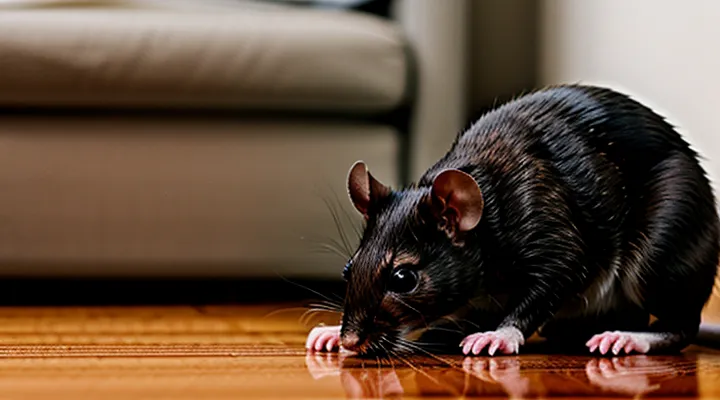
Understanding Rodent Repellents
Why Natural Repellents?
Safety Concerns with Chemical Pesticides
Chemical rodenticides present several health and environmental risks that merit careful consideration. Acute toxicity can affect humans and pets through accidental ingestion, skin contact, or inhalation of dust. Chronic exposure, even at low levels, may disrupt endocrine function, impair reproductive health, or increase cancer risk. Residues persist on surfaces and in food stores, creating long‑term contamination that is difficult to remove.
Environmental impact extends beyond the household. Non‑target wildlife, such as birds of prey and beneficial insects, may consume poisoned rodents and suffer secondary poisoning. Soil and water sources can become contaminated when runoff carries pesticide particles, threatening aquatic ecosystems and groundwater quality.
Regulatory frameworks impose strict labeling, usage limits, and disposal requirements. Failure to follow these guidelines can result in legal penalties and increased liability. Proper protective equipment, ventilation, and secure storage reduce occupational hazards, but they add complexity and cost to pest‑control operations.
Given these concerns, many homeowners prefer odor‑based deterrents that avoid chemical hazards while maintaining efficacy against rodents. The alternative approach minimizes health risks, reduces environmental footprint, and aligns with safety regulations.
Environmental Impact of Traditional Methods
Traditional rodent‑control practices rely heavily on toxic baits, snap traps, glue boards, and electronic devices. Each method introduces distinct ecological burdens.
- Chemical baits contain anticoagulants or neurotoxins that persist in soil and water, leaching into groundwater and harming aquatic organisms.
- Secondary poisoning occurs when predators or scavengers consume contaminated rodents, reducing populations of birds of prey, foxes, and other beneficial species.
- Snap and glue traps generate non‑biodegradable waste; discarded components accumulate in landfills and can injure non‑target wildlife that encounters them.
- Electronic repellents consume electricity continuously, contributing to energy demand and associated greenhouse‑gas emissions, especially when powered by fossil‑fuel‑derived electricity.
These impacts contrast with natural scent‑based repellents, which decompose rapidly and avoid chemical contamination. Selecting biodegradable, plant‑derived aromas reduces ecological footprints while maintaining rodent deterrence.
The Power of Scent: How it Works
Rodents' Sensitive Olfactory Systems
Rodents possess an olfactory epithelium that contains millions of receptor cells, each capable of detecting volatile compounds at concentrations as low as parts per billion. These receptors transmit signals to the olfactory bulb, where patterns are decoded and linked to instinctual behaviors such as foraging, nesting, and predator avoidance. The high density of receptors and the rapid processing speed give mice and rats an acute sense of smell, far surpassing human capabilities.
The effectiveness of aromatic repellents relies on this sensory precision. When a volatile compound binds to a receptor associated with aversion, the animal experiences an immediate, unpleasant sensation that triggers avoidance. Conversely, scents that activate receptors linked to food cues can attract rodents, undermining control efforts. Understanding receptor specificity allows selection of odors that reliably activate aversive pathways without providing false food signals.
Key characteristics of rodents’ olfactory systems relevant to repellent selection:
- Receptor abundance: Over 1,000 distinct odorant receptor genes enable detection of a broad chemical spectrum.
- Low detection thresholds: Ability to sense minute quantities, making even weakly scented substances effective.
- Rapid neural response: Millisecond-scale transmission from epithelium to brain ensures prompt behavioral reactions.
- Behavioral linkage: Specific receptors connect directly to instinctual avoidance mechanisms, facilitating immediate flight responses.
- Species variation: Minor differences between mice and rats affect sensitivity to particular compounds, requiring tailored scent choices.
How Strong Scents Deter Pests
Strong odors interfere with the olfactory system of rodents, causing discomfort and prompting avoidance of treated areas. The deterrent effect depends on volatility, concentration, and persistence of the scent molecules. High‑intensity aromas saturate the air, overwhelming the animal’s sensory receptors and disrupting normal foraging behavior.
Effective application requires a concentration that remains perceptible without posing health risks to humans or pets. Dilution below the sensory threshold loses efficacy, while excessive strength can irritate occupants. Commercial rodent‑repellent products typically contain 5‑10 % essential oil or synthetic aroma in a carrier solvent, delivering a sustained release for 24–48 hours.
Key factors influencing scent‑based deterrence:
- Volatility: Rapidly evaporating compounds (e.g., peppermint, eucalyptus) create a short‑term barrier; slower‑evaporating oils (e.g., clove, citronella) provide longer coverage.
- Contact surface: Porous materials such as cotton balls or wood shavings absorb and gradually emit scent, extending the active period.
- Placement: Direct application at entry points, nesting sites, and known travel routes maximizes exposure.
- Reapplication schedule: Repeating treatment every 2–3 days maintains a constant olfactory presence, preventing habituation.
- Safety profile: Choose aromas with low toxicity, verified by regulatory agencies, to avoid adverse effects on household members.
Integrating strong scents with physical exclusion methods—sealed gaps, traps, and sanitation—produces a comprehensive rodent‑management strategy. The scent component reduces attraction, while barriers prevent entry, resulting in a measurable decline in mouse and rat activity within the living space.
Peppermint Oil: The Classic Choice
Application Methods for Peppermint Oil
Peppermint oil is a primary component of the most effective rodent‑deterrent aromatics used in residential settings. Its strong menthol scent disrupts the olfactory receptors of mice and rats, prompting avoidance of treated areas.
Effective delivery of peppermint oil requires consistent concentration and strategic placement. The following methods provide reliable coverage while minimizing the need for frequent reapplication:
- Cotton‑ball dispensers: Soak a cotton ball with 5–10 drops of pure peppermint oil, place it in corners, under appliances, and inside wall voids. Replace every 7‑10 days or when the scent fades.
- Spray solution: Mix 20 ml of peppermint oil with 1 liter of water and a teaspoon of mild dish soap. Transfer to a spray bottle, apply to baseboards, entry points, and shelving. Re‑spray weekly, especially after cleaning.
- Soaked fabric strips: Cut strips of breathable fabric (e.g., muslin), immerse in oil for 30 seconds, wring excess, and tuck into gaps behind cabinets or in crawl spaces. Replace biweekly.
- Diffuser units: Use an ultrasonic diffuser with 3–5 ml of oil in a small room for 30 minutes daily. This method saturates the air in confined areas such as basements or utility rooms.
- Oil‑infused wooden blocks: Drill shallow wells in wooden blocks, fill each with a few drops of peppermint oil, seal lightly with wax, and position near known rodent pathways. Refresh oil monthly.
Regardless of the technique, ensure the oil is pure, undiluted, and stored in a dark, cool environment to preserve potency. Combining multiple application methods enhances coverage, creating an inhospitable scent barrier that discourages rodent intrusion throughout the home.
Efficacy and Longevity
Peppermint oil delivers rapid deterrence; rodents abandon treated zones within minutes. Concentrated applications maintain activity for 2–3 weeks before volatile loss reduces impact, requiring reapplication to sustain protection.
Eucalyptus oil exhibits moderate repellent strength; mice and rats exhibit avoidance after 24 hours of exposure. The scent persists for approximately 10 days under typical indoor conditions, after which potency declines noticeably.
Clove oil provides strong, immediate aversion; rodents retreat from areas scented with clove within hours. Longevity extends to 14 days when applied to cotton balls or soaked wood, with gradual diminution thereafter.
Citrus extracts (lemon, orange) create a sharp olfactory barrier; effectiveness peaks during the first week, gradually waning as citrus volatiles evaporate. Reapplication every 7 days restores full efficacy.
Lavender oil produces mild deterrence; rodents show limited avoidance, making it suitable as a supplemental measure. The fragrance remains active for roughly 5 days, necessitating frequent renewal for consistent results.
Citronella: More Than Just Mosquitoes
Utilizing Citronella Indoors
Citronella oil, when dispersed inside a residence, creates an environment that rodents find hostile. The compound’s strong, citrus‑like odor interferes with the olfactory receptors of mice and rats, reducing their willingness to explore or nest in treated areas.
Effective indoor use requires consistent vapor release. Recommended methods include:
- Plug‑in diffusers set to a low, continuous output; replace cartridges every two weeks.
- Cotton balls soaked in a 10 % citronella solution, placed in corners, under appliances, and near entry points; refresh weekly.
- Spray bottles filled with diluted citronella (1 % essential oil in water) applied to baseboards and behind furniture; reapply after cleaning.
Safety considerations are straightforward. Citronella is classified as generally recognized as safe for human exposure at low concentrations. Avoid direct skin contact with undiluted oil; keep containers out of reach of children and pets. Ventilate rooms briefly after each application to prevent buildup of strong scent that may cause irritation.
Limitations include reduced potency in heavily ventilated spaces and diminished effect when rodents have already established a nest. In such cases, combine citronella with other proven repellents—such as peppermint, eucalyptus, or clove—to broaden the olfactory deterrent spectrum. Continuous monitoring of rodent activity will indicate whether adjustments in concentration or placement are necessary.
Combining with Other Repellents
When using the most effective rodent‑deterring aromas, pairing them with complementary control methods increases overall efficacy. The scents create an aversive environment, while additional measures address entry points, food sources, and residual populations.
Common non‑chemical supports include:
- Sealing cracks and gaps with steel wool or silicone caulk.
- Installing door sweeps and window screens to block access.
- Maintaining a clean kitchen by storing food in airtight containers and promptly disposing of waste.
- Deploying ultrasonic emitters that broadcast frequencies outside the hearing range of mice and rats.
- Setting snap traps or live‑catch devices in high‑traffic zones to reduce numbers quickly.
Integrating these tactics creates a layered defense. The odor discourages exploration, the physical barriers prevent intrusion, and the mechanical devices remove any rodents that manage to enter, resulting in a sustained reduction of activity throughout the home.
Eucalyptus Oil: A Refreshing Deterrent
Safe Usage Around Pets and Children
When applying rodent‑repelling aromas in living spaces, verify that the chosen substances do not pose hazards to dogs, cats, infants, or toddlers. Many essential oils and natural extracts are potent to rodents but can irritate mucous membranes, cause dermatitis, or trigger neurological symptoms in small animals and children.
- Choose concentrations recommended by veterinary or pediatric sources; dilute oils to no more than 0.5 % for indoor diffusion.
- Place sachets or cotton balls containing the scent out of reach of pets and children; secure them in cabinets, high shelves, or behind furniture.
- Avoid direct skin contact; apply the scent to non‑porous surfaces such as wood blocks, glass jars, or metal trays rather than fabrics that children may handle.
- Monitor for signs of respiratory distress, excessive licking, or grooming in pets; discontinue use immediately if any adverse reaction appears.
- Prefer plant‑based repellents with documented safety records, such as peppermint oil, eucalyptus, or clove, and exclude synthetic chemicals lacking toxicology data.
Maintain ventilation by opening windows or using low‑output fans to disperse vapors while preserving effective concentrations. Replace scent carriers every two weeks to sustain rodent deterrence and prevent mold growth, which could affect vulnerable occupants. Document the locations and dates of application to ensure consistent, safe coverage throughout the household.
Integrating into Cleaning Routines
Integrating rodent‑repelling aromas into everyday cleaning maximizes their effectiveness while maintaining a tidy environment. Apply the following practices during routine chores:
- Add a few drops of peppermint oil to the mop water used on kitchen floors. The volatile compounds disperse quickly, reaching cracks and crevices where rodents travel.
- Sprinkle dried lavender buds into the vacuum bag or attach a small sachet to the vacuum hose. Each pass releases scent particles throughout the room.
- Mix a teaspoon of crushed rosemary leaves with dish‑washing liquid for countertops. The blend cleans surfaces and leaves a lingering odor that rodents avoid.
- Dilute eucalyptus essential oil in a spray bottle with water; mist cabinets, pantry shelves, and baseboards after wiping them down. The fine mist settles on surfaces and persists between cleanings.
- Place a small dish of ground cloves in the trash can lid before emptying. The spice’s strong fragrance protects the waste area, a common rodent attractor.
Incorporate these steps into the standard cleaning schedule: morning wipe‑down, afternoon vacuum, weekly deep‑clean. Consistency ensures the scents remain active, reducing the likelihood of mouse or rat intrusion without additional pest‑control measures.
Cayenne Pepper: A Spicy Solution
Creating DIY Pepper Sprays
Pepper-based sprays are a practical addition to the list of household aromas that deter mice and rats. The active component, capsaicin, irritates the rodents’ sensory receptors, prompting avoidance of treated areas.
Ingredients
- 1 cup water
- 2 tablespoons crushed black or cayenne pepper
- 1 teaspoon dish soap (acts as an emulsifier)
- Optional: 1 teaspoon vinegar to enhance scent strength
Preparation
- Combine water and pepper in a saucepan.
- Bring to a gentle boil, maintain for 5 minutes, then remove from heat.
- Allow the mixture to cool for 10 minutes.
- Strain through a fine mesh to eliminate solid particles.
- Stir in dish soap and, if desired, vinegar.
- Transfer the solution to a spray bottle.
Application
- Spray along baseboards, entry points, and behind appliances where rodent activity is observed.
- Reapply every 3–4 days, or after cleaning, to maintain potency.
- Avoid contact with food preparation surfaces and pet areas.
Safety and Storage
- Wear gloves when handling hot pepper liquid.
- Store the spray in a cool, dark place; potency declines after two weeks.
- Keep out of reach of children and animals; accidental ingestion may cause gastrointestinal discomfort.
Integrating this DIY pepper spray with other aromatic deterrents—such as peppermint oil, eucalyptus, or clove—creates a multi‑scent barrier that significantly reduces the likelihood of rodent intrusion.
Areas to Apply Cayenne Powder
Cayenne powder, a potent aromatic deterrent, should be placed where rodents are most likely to travel or nest. Apply a thin layer along the edges of baseboards, behind appliances, and in the seams of cabinets. Sprinkle it around entry points such as door thresholds, window sills, and vent openings. Distribute it in the corners of closets, under sinks, and inside pantry shelves where food residues may attract pests. For outdoor extensions, spread a modest amount around the perimeter of the foundation, near garbage bins, and along the back of sheds or garages. Reapply after cleaning or after rain to maintain effectiveness.
Clove Oil: A Potent Aromatic
Benefits of Clove Oil Diffusers
Clove oil is recognized as a potent rodent‑repelling aroma, frequently included among the most effective household scents for deterring mice and rats. When dispersed through a diffuser, the oil creates an environment that is inhospitable to these pests while remaining safe for occupants.
- Releases a strong, persistent fragrance that interferes with rodent olfactory cues.
- Provides a natural alternative to synthetic chemical repellents, reducing exposure to harsh compounds.
- Operates quietly and continuously, maintaining deterrent levels without frequent reapplication.
- Requires only a small quantity of oil; the diffuser’s mist distributes the scent efficiently across rooms.
- Offers additional antimicrobial properties, helping to inhibit mold and bacterial growth in the home.
Integrating a clove oil diffuser into a broader rodent‑control strategy enhances overall effectiveness while preserving indoor air quality.
Direct Application Techniques
Direct application of aromatic deterrents requires precise placement, adequate concentration, and regular renewal to maintain effectiveness against rodents. Use pure essential oils or concentrated extracts rather than diluted household products; higher potency ensures that the scent reaches the olfactory thresholds that trigger avoidance behavior.
- Prepare a 10‑15 % oil‑to‑water solution for spray applications. Combine measured oil with distilled water in a clean bottle, add a few drops of emulsifier (e.g., mild dish soap) to disperse the oil, and shake vigorously before each use.
- Apply the spray along baseboards, behind appliances, under sinks, and in any visible entry points. Saturate the surface lightly; excess liquid can attract insects or cause slip hazards.
- For cotton‑ball or felt pad methods, soak a small piece in undiluted oil, place it in hidden corners, and replace every 3‑5 days. Ensure the material does not touch food surfaces.
- Use a diffuser with a timer set to operate 8‑10 hours per day in rooms where rodent activity is suspected. Position the unit at least 30 cm off the floor and away from direct airflow that could disperse the scent too rapidly.
- Implement perimeter drips by attaching a wick‑type dispenser to the underside of a cabinet shelf. Saturate the wick with oil and allow a slow, continuous release for up to two weeks before re‑saturation.
Maintain safety by wearing gloves when handling concentrated oils, ventilating the area during preparation, and storing containers out of reach of children and pets. Record the date of each application to track renewal intervals and assess efficacy over time. Regular inspection of treated zones for oil degradation or moisture buildup will prevent secondary issues while preserving the deterrent effect.
Maximizing Repellent Effectiveness
Proper Placement of Scented Items
Proper placement determines whether scented deterrents actually reach the areas rodents use for travel and nesting. Positioning must intersect mouse and rat pathways while preserving the scent’s concentration.
- Place sachets, cotton balls, or spray‑treated pads within 12 inches of known entry points such as door frames, window sills, and utility‑pipe gaps.
- Distribute items along interior walls at 2‑foot intervals, focusing on corners where rodents hug surfaces.
- Install in concealed spaces: under sinks, behind appliances, inside pantry shelves, and within attic joist cavities.
- Position additional units in basement corners, garage eaves, and near garbage receptacles that are not sealed.
Maintain potency by refreshing every 7‑10 days, storing supplies in a cool, dark place, and avoiding direct contact with food or moisture. Do not expose scented materials to strong drafts that could disperse the odor beyond target zones.
Apply these placement rules to the five most effective repellents—peppermint oil, eucalyptus, clove, citronella, and garlic extracts—to create a continuous, overlapping barrier that deters rodents throughout the home.
Regular Reapplication Schedule
A consistent reapplication plan ensures that the aromatic barriers remain potent against rodent activity. The volatile compounds in peppermint oil, eucalyptus, citronella, lavender, and clove lose efficacy as they evaporate, are absorbed by fabrics, or are diluted by household cleaning. Without periodic renewal, the scent concentration drops below the threshold that deters mice and rats, allowing them to re‑enter treated zones.
Typical reapplication intervals
- Every 3–5 days – for high‑traffic areas such as kitchens, pantries, and entry points.
- Weekly – for secondary zones like basements, attics, and storage closets.
- Bi‑weekly – for low‑traffic rooms where rodents are less likely to travel.
Adjust timing based on environmental conditions: warmer temperatures accelerate evaporation, while excessive humidity can diminish scent diffusion. Monitor the area for any signs of rodent presence; an increase in activity signals the need for immediate refreshment, regardless of the preset schedule.
Application method matters. Apply a measured amount of essential oil onto cotton balls, cloth strips, or silicone diffusers, then place them near potential entry points and nesting sites. Replace the carrier material each cycle to prevent residue buildup, which can mask the scent and reduce its effectiveness. Maintaining this disciplined schedule maximizes the repellent properties of the selected aromas throughout the household.
Combining Multiple Scent Strategies
Combining several rodent‑deterrent aromas amplifies the overall repellent effect, because mice and rats rely on a range of olfactory cues to locate food and shelter. When a single scent loses potency through diffusion or absorption, additional aromas sustain a hostile environment that discourages entry and lingering.
A practical blend typically includes:
- Peppermint oil (high‑strength menthol) applied to entry points and interior corners.
- Clove oil (eugenol) placed on wood surfaces and behind appliances.
- Citronella oil (citral) spread around garbage zones and pantry shelves.
- Lavender oil (linalool) used near nesting sites to mask food odors.
- Eucalyptus oil (cineole) sprayed along baseboards and under cabinets.
Effective implementation follows three steps:
- Layering – Apply the strongest scent (peppermint) at exterior gaps, then add secondary scents (clove, citronella) deeper inside the structure. This creates a gradient that becomes progressively more aversive.
- Rotation – Replace each oil every 5–7 days to prevent habituation; rodents can become desensitized when a scent remains constant.
- Safety checks – Verify that all oils are diluted to 5 % or less in carrier water or alcohol, especially in homes with pets or children, to avoid irritation.
By integrating multiple fragrances, homeowners maintain a consistently unpleasant olfactory landscape, reducing the likelihood of infestation while minimizing the amount of any single chemical required. This strategy leverages the complementary modes of action of the five most effective rodent‑repelling aromas, delivering a robust, low‑toxicity defense throughout the residence.
Additional Rodent Control Measures
Sealing Entry Points
Sealing entry points eliminates the pathways that rodents use to access indoor spaces, thereby enhancing the effectiveness of odor-based deterrents.
Typical openings include gaps around pipes, vents, and utility lines; cracks in foundation walls, floors, and ceilings; holes behind appliances; and unsealed doors or windows.
To close these routes, follow a systematic approach:
- Inspect the exterior and interior of the building for visible gaps, using a flashlight and mirror where necessary.
- Measure each opening to select appropriate filler material—steel wool, copper mesh, or silicone caulk for narrow cracks; expanding foam for larger voids; metal flashing for gaps around pipes.
- Apply the chosen sealant, ensuring complete coverage and a tight bond.
- Reinforce high‑traffic areas with weather‑striped door sweeps and tight‑fitting window screens.
- Conduct a follow‑up inspection after a week to verify that seals remain intact and no new openings have appeared.
When structural breaches are eliminated, scent repellents placed near remaining potential entry zones remain concentrated where rodents are most likely to investigate, increasing the overall deterrent impact without dilution.
Maintaining a Clean Environment
A spotless home reduces food sources and shelter that attract rodents, thereby enhancing the effectiveness of natural repellents such as peppermint, eucalyptus, lavender, citronella, and clove oil. Regular removal of crumbs, spills, and garbage eliminates the scent trails rodents follow, while smooth surfaces deny them places to hide or gnaw.
Key actions for a rodent‑unfriendly environment include:
- Sweep and vacuum floors daily, focusing on corners and under furniture.
- Store pantry items in airtight containers; discard expired food promptly.
- Clean countertops and appliances after each use, wiping away residues.
- Empty trash cans nightly; use bins with tight‑fitting lids.
- Wash dishes immediately; avoid leaving dishes in the sink overnight.
Implementing these habits creates a hostile setting for mice and rats, allowing aromatic deterrents to work at their full potential.
Professional Pest Control Consultation
Professional pest control consultants evaluate rodent activity, identify entry points, and recommend evidence‑based deterrents that fit the specific layout and occupancy of a residence. Their expertise ensures that aromatic repellents are applied at optimal concentrations and locations, preventing habituation and minimizing health risks to occupants.
The most reliable aromatic deterrents, validated by field studies and industry guidelines, include:
- Peppermint oil – strong menthol scent disrupts rodents’ olfactory receptors; apply soaked cotton balls in concealed gaps and replace weekly.
- Eucalyptus oil – high‑phenol content produces an unpleasant environment; diffuse in kitchens and pantry areas using low‑voltage nebulizers.
- Clove oil – eugenol irritates the nasal passages of mice and rats; spray a diluted solution along baseboards and behind appliances.
- Cedarwood oil – natural resinous aroma interferes with scent‑marking behavior; treat wood shavings or place cedar chips near suspected routes.
- Citronella oil – citrus‑based fragrance masks food odors and deters foraging; use in outdoor perimeters and entryways to reduce ingress.
Consultants conduct a site‑specific audit, measuring ambient scent levels with calibrated meters to avoid over‑application that could trigger respiratory irritation. They integrate aromatic solutions with structural repairs, sealing cracks, and installing bait stations where necessary. Follow‑up inspections verify efficacy, adjust concentrations, and document any shifts in rodent activity.
Engaging a certified pest‑management professional guarantees that these scents are employed within regulatory limits, coordinated with complementary control methods, and monitored for lasting effectiveness.