
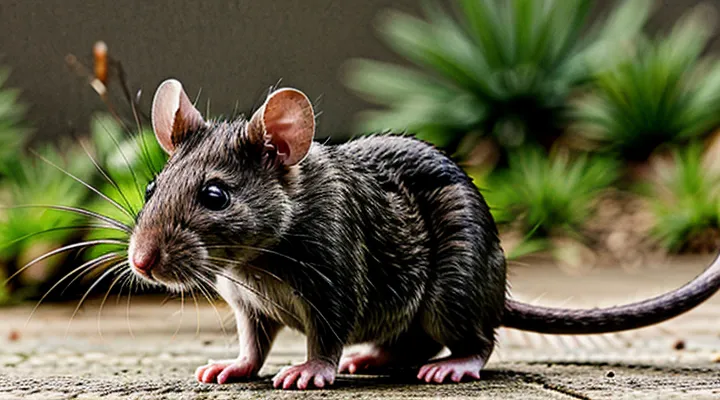
Introduction to Rodent Adventures
The Unlikely Hero: Origins
Birth in the Shadows
The rat is born in a dim burrow beneath the city’s abandoned foundations. Mother and offspring share a narrow chamber where light rarely penetrates, forcing the newborn to rely on tactile and olfactory cues from the first moments of life. The surrounding earth retains moisture and temperature, creating a stable microenvironment that shields the infant from external threats.
Immediately after delivery, the pup’s whiskers stir, detecting vibrations that indicate the presence of siblings and the mother’s movements. Nutrient-rich milk, secreted within minutes, supplies the essential proteins and fats required for rapid growth. The lack of visual stimuli accelerates the development of the somatosensory system, allowing the young rat to navigate the cramped tunnels with precision.
Survival strategies initiated at birth include:
- Immediate attachment to the mother’s nipples for thermoregulation and nourishment.
- Rapid strengthening of forelimb muscles to grasp the nest walls.
- Early exposure to the colony’s scent markers, establishing a personal odor profile for future identification.
These foundational processes set the stage for the rat’s subsequent adventures across the urban landscape.
Early Life and Challenges
The rat emerged in a densely packed underground network beneath a bustling market district. Its mother, a seasoned forager, taught the newborn to navigate narrow tunnels and locate hidden caches of grain. Within the first weeks, the pup learned to differentiate safe passages from those prone to collapse, a skill essential for survival in an environment where structural instability threatened daily movement.
Early hardships included:
- Scarcity of nutritious food, forcing reliance on sporadic waste deposits.
- Constant exposure to predators such as barn owls and street cats.
- Fluctuating temperature and humidity that accelerated disease risk.
- Competition from rival colonies demanding aggressive territorial defense.
These pressures shaped the animal’s physiological resilience and behavioral adaptability. Rapid weight gain halted until the pup mastered efficient foraging routes, reducing exposure time to predatory sightlines. Immune response strengthened through repeated low‑grade infections, resulting in a robust defense against common pathogens.
Collectively, the formative period forged a creature capable of confronting the unpredictable challenges of urban ecosystems, laying the groundwork for the extraordinary expedition that follows.
The Great Escape
A Glimmer of Hope
Overcoming Obstacles
The rat’s remarkable journey illustrates how persistence transforms barriers into milestones. Early in the trek, the animal confronted a flooded tunnel that blocked access to its food source. By constructing a makeshift raft from discarded leaves, it restored mobility and secured nourishment.
Subsequent challenges included:
- A maze of broken pipes requiring navigation without visual cues.
- A predator patrol that limited movement to narrow shadows.
- A sudden loss of daylight, forcing reliance on tactile perception.
Each obstacle prompted a specific adaptation. The rat employed echo‑location techniques to map the pipe network, timed movements to avoid predator sightlines, and heightened whisker sensitivity to detect surface textures in darkness. These responses demonstrate a systematic approach: identify the constraint, devise a countermeasure, execute with precision.
The cumulative effect of these strategies enabled the rat to reach its destination, confirming that methodical problem‑solving can overcome even the most hostile environments.
First Tastes of Freedom
The rat’s initial encounter with liberty marks a turning point in its extraordinary trek. After months confined to the shadows of a cramped cellar, the creature steps onto open ground for the first time. The experience unfolds in three distinct phases.
- The scent of rain-soaked earth replaces the stale odor of waste, triggering heightened awareness of moisture and mineral notes.
- The sound of distant traffic, punctuated by occasional bird calls, replaces the constant hum of mechanical pumps, prompting the animal to adjust its auditory focus.
- The visual contrast between dim, narrow tunnels and expansive, sunlit fields expands the rat’s field of view, revealing distant horizons and unfamiliar landmarks.
Physiological responses accompany these sensory shifts. Heart rate steadies as stress hormones decline, while muscle fibers engage in longer, unrestrained strides. The rat’s navigation system, previously reliant on tactile feedback from walls, now incorporates visual mapping and wind direction cues.
The newfound autonomy also introduces challenges. Open spaces expose the rat to predators, requiring rapid assessment of cover options. Food sources transition from concealed scraps to exposed seeds, demanding refined foraging techniques. Social interactions evolve as the rat encounters conspecifics beyond its original colony, prompting the establishment of new hierarchies.
Collectively, these first tastes of freedom reshape the animal’s behavior, physiology, and environmental perception, laying the foundation for the subsequent chapters of its remarkable journey.
Trials and Tribulations
Encounters with the Unknown
Predators and Perils
The rat’s trek across the urban fringe and surrounding fields places it in constant conflict with a range of natural and human‑driven threats. Survival depends on rapid assessment of danger, swift evasion, and strategic use of shelter.
- Barn owls (Tyto alba): silent flight, acute hearing, nocturnal hunting.
- Red‑tailed hawks (Buteo jamaicensis): soaring patrols, sharp vision, daytime attacks.
- Domestic cats (Felis catus): ambush tactics, high agility, territorial patrols.
- Feral dogs (Canis lupus familiaris): pack hunting, relentless pursuit, scent tracking.
- Snake species (e.g., rat snakes, Pantherophis spp.): constriction, stealth, nocturnal foraging.
Beyond predators, the rat confronts environmental perils that shape its movement patterns. Flooded drainage channels eliminate safe passages and force relocation to higher ground. Chemical runoff from agricultural fields introduces toxic exposure, reducing physiological resilience. Heat waves elevate metabolic demand, limiting foraging duration. Structural collapse of abandoned buildings removes nesting sites and creates debris obstacles that impede escape routes. Each hazard demands immediate behavioral adaptation, reinforcing the rat’s reputation as a versatile survivor in a hostile landscape.
Scavenging for Survival
The lone rat traverses a hostile urban landscape, compelled to locate edible material amid relentless scarcity. Its survival depends on the ability to transform discarded waste into sustenance, a process that demands acute sensory perception and rapid decision‑making.
- Detects odor gradients to pinpoint rotting organic matter.
- Exploits gaps in human activity, entering dumpsters during low‑traffic periods.
- Prioritizes high‑protein sources such as discarded meat fragments.
- Stores excess finds in concealed burrows for future consumption.
- Adjusts for seasonal variations, shifting from soft refuse to harder, desiccated remnants when temperatures rise.
Through these tactics, the animal sustains energy levels sufficient for continued movement across diverse districts. The cumulative effect of efficient scavenging enables the rat to maintain body mass, reproduce, and expand its range, illustrating a self‑reinforcing cycle of adaptation that underpins its extraordinary trek.
Learning and Adapting
Developing New Skills
The solitary rodent’s epic trek illustrates how an individual can acquire abilities previously beyond reach. Confronted with narrow tunnels, unpredictable predators, and scarce food sources, the creature must expand its repertoire to survive and progress.
- Observation: the rat watches the environment, identifies patterns in predator movement, and notes the texture of surfaces that support swift passage.
- Experimentation: it tests different climbing techniques, adjusts grip strength, and tries alternative routes.
- Adaptation: feedback from each attempt informs modifications in posture, timing, and sensory focus.
- Mastery: repeated refinement leads to reliable execution of complex maneuvers, such as scaling vertical shafts and navigating maze‑like structures.
Through this systematic process, the animal develops heightened agility, refined problem‑solving capacity, and increased resilience. Each newly mastered skill directly contributes to the continuation of its extraordinary journey.
Understanding the World
The tale of a solitary rat’s extraordinary voyage offers a concrete framework for examining how individuals acquire knowledge of their environment. As the creature traverses urban alleys, rural fields, and subterranean tunnels, each setting provides distinct sensory data, social interactions, and survival challenges that collectively construct a layered perception of the surrounding world.
During the expedition, the rat encounters diverse ecosystems, confronts varying climate conditions, and adapts to shifting food sources. These experiences demonstrate that understanding emerges from direct engagement rather than abstract instruction. The animal’s instinctive mapping of routes, recognition of territorial markers, and response to predator cues illustrate a dynamic learning process rooted in observation and trial.
Key observations derived from the journey include:
- Spatial awareness develops through repeated navigation of complex mazes.
- Resource identification hinges on sensory discrimination of odors and textures.
- Social hierarchy is inferred from interaction patterns with conspecifics and competing species.
- Risk assessment evolves as the rat evaluates threat levels across different habitats.
The narrative underscores that comprehensive world comprehension arises from the integration of sensory input, behavioral adaptation, and environmental feedback. By tracing the rat’s path, one can extract principles applicable to broader studies of cognition, ecology, and the mechanisms by which living beings construct an informed view of their surroundings.
Unforeseen Alliances
A Chance Meeting
The Benevolent Human
The rat’s trek across the city’s underbelly intersects with a person who consistently offers help without expectation of reward. This individual provides food, safe shelters, and guidance, enabling the rodent to survive hazards such as predators, traps, and environmental extremes.
Key contributions of the compassionate human include:
- Supplying fresh provisions at regular intervals, reducing the need for the rat to scavenge in dangerous zones.
- Constructing miniature refuges beneath discarded furniture, protecting the animal from weather and predators.
- Demonstrating consistent patterns of movement, allowing the rat to anticipate safe crossing points across busy streets.
These actions create a reliable support network that transforms the journey from a perilous wander into a manageable expedition. The human’s behavior illustrates how intentional kindness can alter the trajectory of an otherwise solitary adventure, fostering resilience and progress for the small traveler.
Mutual Trust and Understanding
The remarkable tale of a single rat’s adventure illustrates how mutual trust and understanding become decisive factors in survival and success. Early in the journey, the rat encounters a fledgling sparrow trapped in a storm‑driven nest. By offering shelter and sharing limited food supplies, the rat establishes a reciprocal bond that protects both parties from predators and harsh weather.
The development of this partnership follows a clear pattern:
- Each participant observes the other’s behavior, adjusting actions to meet shared needs.
- Communication occurs through subtle gestures and consistent routines, reducing uncertainty.
- Reliance on the partner’s reliability fosters confidence, allowing the rat to explore unfamiliar tunnels while the sparrow monitors aerial threats.
Later, the rat joins a colony of underground foragers who initially distrust an outsider. Demonstrating consistent assistance—such as locating hidden caches and warning of approaching danger—converts suspicion into cooperation. The colony’s acceptance hinges on the rat’s ability to anticipate collective priorities and respond predictably.
By the journey’s conclusion, the rat’s network of allies spans both ground and sky, each relationship grounded in reciprocal trust. The outcome showcases that enduring alliances arise from transparent intentions, reliable actions, and a shared commitment to each other’s well‑being.
A New Beginning
Life in a Safe Haven
Comforts and Companionship
In the narrative, the rat’s survival hinges on tangible sources of comfort and the presence of allies.
- Shelter: a hidden burrow beneath the cellar floor provides protection from predators and weather extremes.
- Food: stored grain packets and occasional scraps from nearby markets supply steady nutrition.
- Warmth: proximity to a hearth during winter maintains body temperature without additional effort.
Companionship emerges through recurring interactions that shape the rat’s path.
- A stray cat, initially hostile, gradually shares a mutual understanding, exchanging vigilance for shared space.
- A child in the attic offers occasional crumbs and gentle handling, establishing trust that reduces stress.
- A fellow rodent, encountered near a drainage pipe, becomes a partner in exploring new tunnels and locating resources.
These elements combine to create a reliable framework that supports the rat’s progress throughout the journey.
The Joys of Domesticity
The narrative follows a solitary rat whose extraordinary trek leads it from wild streets to a quiet household, where the experience of domestic life becomes a central focus. Within the confines of a home, the creature encounters stability, predictable nourishment, and regular interaction, each element reshaping its perception of survival.
Key aspects of domestic comfort include:
- Consistent access to safe shelter, reducing exposure to predators and harsh weather.
- Regular meals, eliminating the uncertainty of foraging.
- Repeated human contact, fostering trust and reducing stress.
- Established routines, providing a framework for rest and activity.
These conditions transform the rat’s journey from a series of survival challenges into an illustration of how a controlled environment can enhance well‑being, encouraging adaptation and contentment. The story demonstrates that, beyond the adventure of exploration, the simple pleasures of home life can redefine an animal’s existence.
Legacy of a Small Creature
Impact on Perceptions
Changing Minds about Rodents
The narrative of a solitary rat illustrates how perception of rodents can shift from fear to appreciation. Scientific observations reveal that rats possess advanced problem‑solving abilities, social structures comparable to those of many mammals, and physiological traits valuable for medical research. These facts challenge long‑standing stereotypes and lay groundwork for broader acceptance.
Key factors driving the change in public attitude include:
- Demonstrated intelligence: laboratory and field studies document tool use, memory retention, and adaptive learning.
- Health contributions: rat models have accelerated vaccine development, organ transplantation techniques, and neurological disorder research.
- Ecological roles: rats aid in seed dispersal, waste decomposition, and serve as prey for predators, supporting biodiversity.
Educational initiatives leverage these insights by integrating rat behavior modules into curricula, organizing community workshops, and publishing accessible research summaries. Media campaigns highlight positive stories, emphasizing evidence rather than myth.
Policy adjustments follow the evidence base. Regulations now require humane handling protocols, funding agencies prioritize studies that showcase rat welfare, and urban planning incorporates pest management strategies that respect ecological function. The cumulative effect reshapes societal narratives, positioning rodents as partners in scientific progress and environmental stewardship.
Inspiring Stories
The tale of a lone rat’s extraordinary trek exemplifies how a modest creature can embody perseverance, adaptability, and courage. By confronting urban hazards, navigating complex tunnels, and overcoming scarcity, the animal demonstrates resilience that resonates beyond its species.
Key attributes that elevate such narratives to inspirational status include:
- Overcoming adversity – confronting obstacles that appear insurmountable.
- Strategic problem‑solving – employing ingenuity to secure resources and safety.
- Continuous growth – evolving behaviors in response to changing environments.
- Impact on observers – prompting reflection on personal challenges and potential.
The rat’s journey provides a concrete illustration of these principles. Initial conditions placed the subject in a hostile setting; incremental decisions led to resource acquisition, shelter establishment, and eventual migration to a more favorable habitat. Each phase reveals a cause‑and‑effect relationship that underscores the power of incremental progress.
Analyzing the story yields practical insights for individuals seeking motivation. Recognizing that success often arises from small, consistent actions encourages a mindset oriented toward steady improvement. Moreover, the narrative’s focus on an unlikely protagonist expands the definition of heroism, suggesting that inspiration can emerge from any source when perseverance is present.
The Continued Journey
Exploring New Horizons
Adventures within the Home
The rat’s domestic expedition unfolds across distinct zones of the household, each presenting unique challenges and opportunities for resource acquisition. In the kitchen, the creature navigates countertops, exploits leftover crumbs, and evades traps through rapid, low‑profile movements. The pantry offers concealed storage spaces where the rat discovers high‑energy food reserves, while the refrigerator interior provides temporary shelter from predators.
In the living area, the animal exploits furniture gaps to travel between rooms, utilizes wiring conduits for vertical movement, and exploits open windows for brief exposure to external air. The attic serves as a strategic observation point; structural beams and insulation panels create a network of pathways that support stealthy exploration and rapid retreat.
The basement presents a contrasting environment of moisture and darkness. Here, the rat encounters water sources, navigates pipe systems, and encounters larger predators, prompting adaptive behavior such as nocturnal foraging and heightened alertness.
Key observations:
- Kitchen: crumb foraging, trap avoidance
- Pantry: stored food access, concealment
- Living room: furniture gaps, wiring routes
- Attic: elevated surveillance, insulation tunnels
- Basement: moisture navigation, predator encounters
These segments collectively illustrate the rat’s capacity to exploit ordinary household architecture, transforming mundane spaces into a complex arena of survival and discovery.
The Curious Spirit Lives On
The narrative of a solitary rat’s remarkable trek illustrates how an innate curiosity can survive beyond the constraints of environment and circumstance. Throughout the expedition, the animal repeatedly encounters obstacles that demand innovative responses, demonstrating that the drive to explore is not extinguished by adversity.
Observations of the rat’s behavior reveal a pattern of deliberate investigation: each new tunnel, scent, or shadow triggers a systematic assessment before action is taken. This methodical approach underscores the persistence of a questioning mind, even in a creature often dismissed as simple.
The enduring inquisitiveness observed in the rat serves as a model for adaptive learning. When faced with unfamiliar stimuli, the animal records outcomes, refines strategies, and proceeds with renewed vigor. This cycle of hypothesis, trial, and adjustment confirms that curiosity functions as a self‑sustaining engine for survival and growth.
Consequently, the story affirms that the spirit of inquiry does not fade with the passage of time or the completion of a journey. It persists, shaping behavior, guiding decisions, and inspiring continual exploration across generations of organisms.