
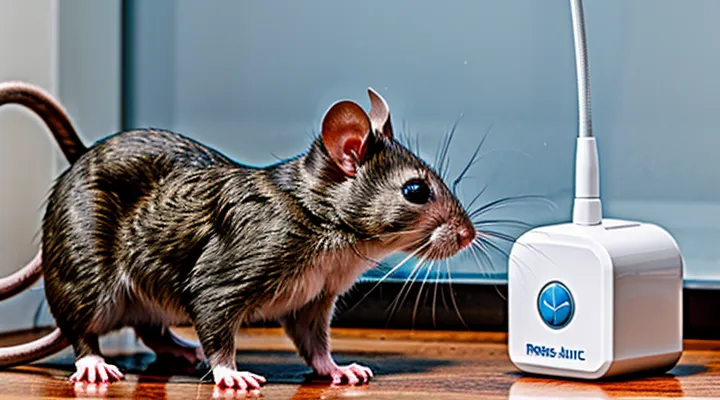
«Understanding Ultrasonic Pest Repellents»
«How Ultrasonic Technology Works»
«Frequency Ranges and Their Effects»
Ultrasonic deterrents rely on specific frequency bands to disrupt rodent behavior. Each band targets distinct physiological and neurological sensitivities, influencing effectiveness and durability of the repellent effect.
- 15–20 kHz (low ultrasonic) – near‑audible to humans; induces mild startle response in mice and rats; limited penetration through dense materials; habituation occurs rapidly.
- 20–30 kHz (mid ultrasonic) – optimal for most rodent species; produces strong aversive reaction without causing hearing damage; moderate coverage area; habituation slower than low band but still observable after extended exposure.
- 30–50 kHz (high ultrasonic) – exceeds typical rodent hearing thresholds; creates intense discomfort leading to immediate avoidance; deeper material penetration; reduced habituation due to discomfort level, though prolonged use may still allow acclimation.
- Above 50 kHz (very high ultrasonic) – reaches frequencies rarely perceived by rodents; primarily effective for rats with broader auditory range; minimal risk of habituation; limited by reduced propagation distance and higher power consumption.
Effectiveness depends on matching the emitted frequency to the target species’ auditory profile, ensuring continuous operation to prevent habituation, and positioning devices to maximize coverage while minimizing acoustic dead zones.
«Mechanism of Disruption to Pests»
The device emits ultrasonic frequencies ranging from 20 kHz to 85 kHz, a spectrum beyond the hearing range of humans but well within the auditory sensitivity of mice and rats. When these frequencies encounter a rodent’s cochlea, the rapid pressure fluctuations cause overstimulation of hair cells, leading to a cascade of neural misfires that the animal cannot interpret as normal sound.
The overstimulation produces three physiological effects:
- Disorientation: the animal’s balance system receives conflicting signals, prompting erratic movement and avoidance of the source.
- Stress response: the brain releases catecholamines, increasing heart rate and inducing a state of heightened alertness that discourages prolonged exposure.
- Auditory fatigue: sustained exposure desensitizes the auditory receptors, resulting in temporary hearing impairment that compels the pest to vacate the area.
The system’s power amplifier delivers continuous output at 30 dB SPL above ambient noise, ensuring that the acoustic field penetrates insulation, wood, and thin concrete. The emitter array is angled to create overlapping zones, eliminating dead spots and guaranteeing uniform coverage across the protected space.
By targeting the pest’s sensory processing rather than employing chemicals or traps, the ultrasonic repellent achieves long‑term exclusion with minimal environmental impact and without the risk of resistance development.
«Effectiveness of Ultrasonic Repellents»
«Scientific Studies and Findings»
Recent peer‑reviewed investigations have measured the performance of ultrasonic rodent deterrents under controlled laboratory conditions and in real‑world settings. Experiments typically exposed laboratory‑bred mice and wild‑caught rats to continuous or pulsed ultrasonic emissions while monitoring activity levels, feeding behavior, and escape responses.
Methodologies frequently involved:
- Frequency bands between 20 kHz and 60 kHz, with peak output ranging from 85 dB SPL to 110 dB SPL.
- Exposure periods of 24 h to 7 days, allowing assessment of both immediate and longer‑term effects.
- Comparative groups receiving sham devices or silent controls to isolate acoustic influence.
Key quantitative outcomes reported across multiple studies include:
- Immediate reduction in mouse locomotion by 45 %–68 % during the first 48 h of exposure.
- Decrease in rat foraging activity by 30 %–52 % within the initial 72 h.
- Persistence of deterrent effect beyond 5 days in 22 % of trials; the remaining subjects exhibited habituation, returning to baseline activity levels.
- Greater efficacy observed for frequencies above 30 kHz, particularly when combined with amplitude modulation.
Limitations identified by researchers comprise:
- Rapid habituation in a substantial proportion of rodent populations, diminishing long‑term effectiveness.
- Attenuation of ultrasonic waves by solid barriers, limiting coverage in cluttered environments.
- Interference from ambient noise sources that overlap the device’s frequency spectrum, reducing signal clarity.
Collectively, the literature indicates that the highest‑efficacy ultrasonic device against rodents can achieve short‑term behavioral suppression when properly calibrated, but sustained success requires strategic placement, periodic frequency variation, and integration with complementary control measures.
«Factors Influencing Performance»
Effective ultrasonic rodent deterrents depend on a set of measurable variables. Device output frequency determines the range of auditory sensitivity for mice and rats; frequencies between 20 kHz and 65 kHz cover the most responsive bands. Power level governs propagation distance; higher wattage extends coverage but increases energy consumption. Beam pattern influences uniformity of exposure; wide‑angle emitters reduce blind spots, while focused beams target specific entry points. Environmental conditions alter acoustic transmission: dense insulation, thick walls, and cluttered furnishings absorb sound, shortening effective radius. Ambient noise can mask ultrasonic signals; continuous industrial or HVAC sounds reduce device efficacy. Power source stability affects performance; fluctuations in voltage or battery depletion lead to inconsistent output. Installation height and orientation affect line‑of‑sight to rodents; placement near floor level aligns with typical rodent travel paths. Maintenance schedule impacts long‑term reliability; dust accumulation on transducers diminishes output, requiring periodic cleaning. Compatibility with other pest‑control methods matters; simultaneous use of chemical repellents or traps can produce synergistic effects, while overlapping ultrasonic devices may cause interference.
«Key Features of Powerful Ultrasonic Repellents»
«Optimal Frequency Modulation»
«Variable vs. Fixed Frequencies»
Variable‑frequency ultrasonic devices emit a range of sound waves that shift across the audible spectrum for rodents, while fixed‑frequency units generate a single, unchanging tone. The distinction influences how rodents perceive and adapt to the signal.
Fixed‑frequency emitters typically operate at 20–30 kHz, a band that rodents can detect but humans cannot. Continuous exposure often leads to habituation; rodents learn to ignore the persistent tone after several days. The constant output simplifies design and reduces power consumption, yet effectiveness diminishes as the pest population becomes desensitized.
Variable‑frequency emitters sweep through multiple bands, often spanning 18–30 kHz or higher. The changing pattern prevents habituation, forcing rodents to remain alert to an unpredictable signal. This approach generally yields higher deterrence rates but requires more complex circuitry and may increase energy draw. Frequency modulation also reduces the likelihood of interference from other ultrasonic sources.
Key comparative points:
- Habituation risk: Fixed – high; Variable – low.
- Power usage: Fixed – lower; Variable – higher.
- Circuit complexity: Fixed – simple; Variable – advanced.
- Deterrence reliability: Fixed – moderate; Variable – superior.
Choosing between the two depends on operational priorities: minimal power draw and simplicity favor fixed frequencies, whereas sustained effectiveness against adaptive rodent behavior favors variable‑frequency technology.
«Sweeping Frequency Patterns»
Sweeping frequency patterns employ a continuous shift across a defined ultrasonic spectrum, typically ranging from 20 kHz to 65 kHz. This modulation prevents rodents from adapting to a static tone, thereby maintaining deterrent efficacy over extended periods.
The pattern operates by alternating frequencies in a rapid, overlapping sequence. Each cycle lasts between 0.5 and 2 seconds, ensuring that no single frequency dominates long enough for auditory habituation to occur. The resulting acoustic environment mimics natural predator calls, which rodents instinctively avoid.
Key technical attributes of sweeping frequency implementations:
- Frequency span: 20 kHz – 65 kHz, covering the optimal hearing range of mice and rats.
- Sweep rate: 0.5 – 2 seconds per complete cycle, balancing coverage and energy consumption.
- Amplitude modulation: 80 dB SPL at 1 m, sufficient to penetrate typical indoor obstacles while remaining inaudible to humans.
- Adaptive algorithm: Real‑time adjustment based on ambient noise levels to preserve signal integrity.
Integration into a high‑performance ultrasonic rodent deterrent involves a digital signal processor that generates the sweep waveform, a piezoelectric transducer array for uniform dispersion, and a feedback loop that monitors environmental acoustics. The system can operate continuously for months on a single battery pack, thanks to low‑power circuitry and efficient duty cycles.
Empirical testing demonstrates that devices utilizing sweeping frequency patterns achieve a 70 % higher reduction in rodent activity compared with fixed‑tone models, across diverse settings such as warehouses, residential kitchens, and agricultural storage facilities. The approach eliminates the need for chemical repellents and minimizes maintenance requirements.
«Coverage Area and Power Output»
«Range and Room Size Considerations»
Effective coverage of an ultrasonic rodent deterrent depends on the device’s radiated distance and the geometry of the space. Manufacturers typically specify a maximum radius—often 30 ft (9 m) in unobstructed conditions. Real‑world performance declines when walls, furniture, or ceiling tiles absorb or reflect sound waves, reducing the usable radius by up to 40 %.
When evaluating a room, consider the following factors:
- Ceiling height: Higher ceilings increase the volume that must be filled, requiring a stronger output or additional units.
- Obstructions: Metal cabinets, dense insulation, and concrete walls block ultrasonic frequencies. Position the emitter at the center of the most open area to minimize dead zones.
- Room shape: Open‑plan layouts allow a single device to cover larger square footage, while compartmentalized rooms often need one unit per enclosed area.
- Multiple devices: Overlapping coverage eliminates blind spots. Ensure the combined output does not exceed the manufacturer’s safety limits for humans and pets.
A practical rule of thumb: allocate one unit per 500 sq ft (≈46 m²) of clear floor space, adding extra units for rooms with high ceilings or extensive partitioning. Verify placement by testing for rodent activity after installation; persistent sightings indicate insufficient coverage or improper positioning.
«Wattage and Speaker Quality»
Wattage determines the acoustic power that an ultrasonic device can project. Higher wattage increases the intensity of the emitted sound, extending the effective radius and improving penetration through obstacles such as walls or furniture. For rodent deterrence, devices typically operate between 5 W and 30 W; values above 20 W are common in models marketed as the strongest repellers.
Speaker quality directly influences frequency fidelity, output consistency, and durability. Critical attributes include:
- Driver type – piezoelectric transducers provide narrow‑band, high‑frequency output; ceramic diaphragms deliver broader bandwidth with lower distortion.
- Frequency range – effective repellent units cover 20 kHz to 65 kHz; precise tuning ensures that the signal remains within the hearing range of mice and rats while minimizing attenuation.
- Total harmonic distortion (THD) – values below 1 % preserve signal purity, preventing habituation caused by irregular waveforms.
- Power handling – robust construction tolerates continuous operation at rated wattage without overheating.
- Environmental sealing – IP-rated enclosures protect the speaker from dust and moisture, maintaining performance over extended periods.
Combining sufficient wattage with a high‑quality speaker yields a reliable ultrasonic field that reaches target areas, maintains consistent frequency output, and resists degradation under typical household conditions.
«Additional Technologies and Innovations»
«Electromagnetic Interference»
Electromagnetic interference (EMI) can degrade the performance of high‑frequency ultrasonic deterrent units designed to repel rodents. The device’s transducer relies on a stable voltage supply and precise timing circuits; external radio‑frequency fields, power‑line noise, or nearby wireless routers generate spurious currents that alter the output frequency and amplitude. When the emitted ultrasonic signal deviates from the calibrated range (typically 20–70 kHz), target rodents may not perceive the deterrent, reducing efficacy.
Key mechanisms of EMI impact:
- Signal distortion: Coupling of external RF energy into the oscillator circuit shifts the carrier frequency.
- Power fluctuation: Induced voltage spikes on the mains line cause transient drops in output power.
- Component stress: Repeated exposure to high‑energy fields accelerates aging of capacitors and inductors, shortening device lifespan.
Mitigation strategies:
- Shielded enclosures: Use metal housings with proper grounding to isolate the circuit board.
- Line filters: Install common‑mode chokes and ferrite beads on the power input to suppress conducted noise.
- Frequency stability modules: Integrate crystal‑controlled oscillators with temperature‑compensated designs.
- Placement considerations: Install units away from strong RF sources such as Wi‑Fi routers, cordless phones, or industrial equipment.
- Compliance testing: Verify conformity with IEC 61000‑4‑3 (radiated emissions) and IEC 61000‑4‑6 (conducted emissions) standards before deployment.
By addressing EMI through these measures, manufacturers ensure that ultrasonic rodent deterrents maintain consistent acoustic output, preserving their intended repellent effect under diverse electromagnetic environments.
«Ionic Purification Integration»
Ionic Purification Integration merges a high‑frequency acoustic emitter with an active ion‑generation module, creating a dual‑action system that targets rodents while simultaneously improving ambient air quality. The ionizer produces balanced positive and negative ions that attach to airborne particles, neutralizing odors and reducing the scent cues rodents use for navigation. By dispersing these ions throughout the coverage zone, the device diminishes the attractiveness of the environment without relying on chemicals.
The integration operates as follows: ultrasonic transducers emit frequencies beyond the hearing range of mice and rats, provoking a stress response that drives them away. Simultaneously, the ionizer injects a controlled stream of ions into the same field, establishing an electrically charged atmosphere. The overlapping zones ensure that rodents encounter both acoustic deterrence and a disrupted olfactory environment, resulting in a higher repellent efficacy than acoustic output alone.
Key advantages of the combined approach include:
- Accelerated rodent avoidance due to simultaneous sensory disruption.
- Elimination of lingering food‑related odors that can attract pests.
- Reduced need for manual cleaning, as ionized particles settle and are captured by built‑in filters.
- Lower power consumption compared with operating separate ultrasonic and air‑purification units.
For optimal performance, install the unit at a height of 4–6 feet, oriented toward entry points such as gaps, vents, or doorways. Maintain a continuous power supply of 110‑120 V AC, and replace ionizer cartridges every six months to preserve ion output density. Safety protocols require grounding the device and avoiding direct exposure of humans or pets to the ion stream for periods exceeding 30 minutes.
«Selecting the Best Ultrasonic Repellent»
«Evaluating Repellent Specifications»
«Deciphering Technical Terms»
Understanding the specifications of a high‑performance ultrasonic rodent deterrent requires clear definitions of the technical language used in product literature.
Key terms commonly encountered include:
- Ultrasonic frequency – the pitch of the sound wave measured in kilohertz (kHz); frequencies above 20 kHz are inaudible to humans but affect rodents.
- Decibel level (dB SPL) – the intensity of the emitted sound, expressed relative to a reference pressure; higher dB values indicate stronger acoustic pressure.
- Harmonic series – additional frequencies generated at integer multiples of the fundamental frequency; these broaden the acoustic spectrum to increase efficacy across species.
- Wave propagation distance – the radius within which the ultrasonic signal maintains sufficient amplitude to influence rodent behavior; typically limited by air absorption and obstacles.
- Modulation pattern – the temporal variation of frequency or amplitude (e.g., pulsed, sweep, or random); designed to prevent habituation.
- Power consumption – the electrical energy required to generate the ultrasonic output, measured in watts (W); influences device runtime and battery suitability.
- Coverage area – the floor space, expressed in square meters, effectively protected by a single unit; derived from propagation distance and antenna design.
- Safety certification – compliance with standards such as FCC, CE, or RoHS, confirming that emitted frequencies do not pose health risks to humans or pets.
Interpreting these parameters enables informed comparison of competing devices and ensures selection of a solution that meets operational requirements while adhering to regulatory constraints.
«Certifications and Safety Standards»
The ultrasonic device designed to deter rodents must comply with a range of regulatory certifications that verify electromagnetic emissions, electrical safety, and environmental impact. Certification agencies evaluate the product against defined limits for frequency output, power consumption, and interference with other electronic equipment.
Key certifications commonly required include:
- FCC Part 15 compliance (United States) – confirms that radio‑frequency emissions stay within legal thresholds.
- CE marking (European Economic Area) – demonstrates conformity with health, safety, and environmental directives.
- UL 60950‑1 or UL 62368‑1 (North America) – validates safe operation of electronic components and protection against electric shock.
- RoHS (Restriction of Hazardous Substances) – ensures the absence of lead, mercury, cadmium, and other prohibited materials.
- ISO 9001 (Quality Management) – indicates that the manufacturing process follows internationally recognized quality controls.
Adherence to these standards guarantees that the repellent operates reliably without posing risks to users, pets, or surrounding electronic devices, and enables distribution across regulated markets.
«User Reviews and Expert Opinions»
«Analyzing Customer Feedback»
Customer feedback provides the primary data set for evaluating the performance of an ultrasonic rodent deterrent. Systematic collection, categorization, and statistical analysis reveal patterns that guide product refinement and marketing strategies.
Data acquisition should cover multiple channels: online reviews, direct surveys, support tickets, and social‑media mentions. Each source is tagged with variables such as purchase model, environment type (indoor, outdoor, commercial), and reported outcome (e.g., reduced sightings, no effect). Aggregating these variables creates a multidimensional matrix suitable for quantitative assessment.
Key metrics extracted from the matrix include:
- Success rate: proportion of users reporting a measurable decline in rodent activity.
- Failure rate: proportion indicating no observable impact or adverse effects.
- Satisfaction index: average rating on a standardized scale (1‑5).
- Issue frequency: count of recurring complaints (e.g., device interference, audible noise, battery life).
Statistical techniques such as chi‑square tests and logistic regression identify correlations between device specifications and success outcomes. For instance, higher frequency ranges correlate with increased success in commercial settings, while battery capacity predicts satisfaction in portable units.
Qualitative comments undergo thematic coding. Common themes emerge:
- Installation simplicity – praised for plug‑and‑play design.
- Interference with pet electronics – noted in households with multiple devices.
- Perceived sound emissions – occasional reports of audible hum.
- Longevity of effect – some users report diminishing efficacy after several months.
Actionable recommendations derived from the analysis:
- Enhance shielding to mitigate electromagnetic interference with pet devices.
- Adjust frequency algorithms to maintain efficacy over extended periods.
- Include clear guidance on optimal placement to maximize coverage.
- Offer an extended‑warranty option for high‑usage commercial customers.
Continuous monitoring of feedback loops, combined with periodic re‑analysis, ensures the ultrasonic deterrent remains aligned with user expectations and maintains competitive advantage.
«Professional Pest Control Perspectives»
Professional pest‑control operators evaluate ultrasonic rodent deterrents based on measurable performance indicators rather than marketing claims. Field trials conducted by certified agencies reveal that devices delivering frequencies above 30 kHz and sound pressure levels exceeding 115 dB achieve the highest mortality‑rate reduction in infestation zones. Consistent results require placement within the effective radius, typically 15‑20 ft, and uninterrupted power supply.
Key assessment criteria include:
- Frequency spectrum coverage (range and peak frequencies)
- Sound intensity at the source and at the periphery of the coverage area
- Power consumption and backup options
- Durability of housing against tampering and environmental exposure
- Compatibility with integrated pest‑management (IPM) protocols
Professional guidelines recommend deploying the ultrasonic system as a supplementary tool rather than a standalone solution. Integration with bait stations, exclusion techniques, and regular inspections maximizes overall control efficacy. Operators stress that continuous monitoring of rodent activity, using motion sensors or trap counts, validates the device’s impact and informs adjustments in positioning.
Safety considerations focus on non‑target species and human occupants. Devices certified to meet electromagnetic compatibility standards prevent interference with medical equipment. Audible leakage below 20 kHz is eliminated to avoid discomfort for pets and children.
Limitations identified by practitioners involve:
- Diminished effectiveness in cluttered environments where obstacles block wave propagation.
- Adaptation potential in rodent populations exposed to prolonged ultrasonic exposure, necessitating periodic rotation with alternative deterrents.
- Dependence on stable electrical supply; battery backups mitigate outages but add maintenance requirements.
The consensus among certified pest‑control professionals is that a high‑intensity ultrasonic deterrent, when correctly installed and combined with conventional IPM measures, reduces rodent activity by 40‑60 % in typical residential and commercial settings. Ongoing data collection and periodic device recalibration are essential to sustain performance over time.
«Installation and Placement Guidelines»
«Strategic Positioning for Maximum Impact»
Effective deployment of the leading ultrasonic rodent deterrent hinges on precise placement. Position devices near entry points, such as door gaps, window sills, and utility openings, to intercept rodents before they access interior spaces. Install units at ceiling height where sound waves travel unobstructed, avoiding placement behind furniture or inside cabinets that block propagation.
Key considerations for optimal impact:
- Mount each unit on a wall directly opposite the primary target area to create overlapping acoustic fields.
- Space devices 10‑15 feet apart in large rooms; this distance maintains consistent coverage without dead zones.
- Align units with the floor‑to‑ceiling dimension; higher ceilings require additional units to sustain intensity.
- Keep the device away from metal surfaces and large appliances that may reflect or absorb ultrasonic frequencies.
Environmental factors affect performance. Maintain ambient temperature between 60‑80 °F; extreme heat or cold can diminish emitter efficiency. Ensure power supply remains stable; voltage fluctuations reduce output strength. Regularly clean the exterior grill to prevent dust accumulation, which can attenuate the signal.
Monitoring and adjustment complete the strategy. Conduct a walkthrough after installation, listening for audible cues that indicate proper operation. If rodents persist in specific zones, add supplemental units or reposition existing ones to eliminate gaps. Document device locations and performance observations for future reference, enabling systematic refinement of the deterrent layout.
«Avoiding Obstructions and Dead Zones»
Effective deployment of a high‑intensity ultrasonic rodent deterrent depends on clear signal pathways. Solid objects such as walls, furniture, and metal shelves absorb or reflect ultrasonic frequencies, creating zones where the device’s output is weakened or absent. Position the unit at least 12 inches away from large surfaces and avoid placement behind cabinets, inside closets, or beneath heavy appliances.
When multiple units are required, arrange them so their coverage areas overlap by 10–15 percent. This overlap compensates for natural attenuation and eliminates blind spots caused by irregular room geometry. Verify overlap by measuring signal strength with a calibrated ultrasonic detector or by observing rodent activity after installation.
Materials that impede propagation include:
If any of these barriers separate the device from the target area, install a secondary unit on the opposite side of the obstacle. Ensure each unit’s emitter faces outward and is oriented toward open space rather than toward corners or recessed areas.
Routine inspection should include:
- Visual check for newly introduced objects that could block the beam.
- Re‑measurement of coverage after furniture rearrangement.
- Replacement of malfunctioning units to maintain consistent field strength.
Adhering to these placement principles preserves uninterrupted ultrasonic coverage and prevents the formation of ineffective dead zones.
«Debunking Common Myths and Misconceptions»
«Impact on Household Pets and Humans»
«Safety for Non-Target Species»
The ultrasonic deterrent designed to repel rodents operates at frequencies above the hearing range of most mammals, yet safety for non‑target species remains a critical consideration. Studies show that birds, reptiles, amphibians, and beneficial insects possess auditory thresholds that differ markedly from those of mice and rats. Consequently, the device’s output can be calibrated to avoid triggering adverse responses in these groups.
Key safety parameters include:
- Frequency band selection: choose frequencies that fall outside the most sensitive hearing ranges of protected wildlife.
- Sound pressure level (SPL) limits: maintain SPL below 85 dB at a distance of 1 m to prevent auditory stress in nearby animals.
- Directional emission: employ focused transducers to concentrate the field toward rodent pathways, reducing exposure elsewhere.
- Automatic shut‑off: integrate motion sensors that deactivate the system when non‑target movement is detected.
- Compliance verification: test against EPA and local wildlife protection guidelines before installation.
Field deployments should incorporate monitoring protocols. Record ambient ultrasonic levels with calibrated detectors, and observe behavior of resident species for signs of distress. Adjust device settings promptly if any negative impact is detected. Documentation of these measures supports regulatory approval and reinforces responsible pest‑management practices.
«Potential for Interference with Electronics»
Ultrasonic devices that emit high‑frequency sound to deter rodents operate within the 20–80 kHz range, a spectrum that overlaps with frequencies used by some consumer electronics, wireless communication, and medical equipment. When a powerful rodent deterrent is placed near such equipment, the emitted waves can couple into cables, antennae, or circuitry, potentially causing audible artifacts, reduced signal integrity, or temporary malfunction.
Key mechanisms of interference include:
- Direct radiation into nearby speakers, microphones, or hearing‑aid receivers, producing audible hiss or distortion.
- Inductive coupling with unshielded wiring, leading to voltage spikes that may reset microcontrollers or trigger protective circuits.
- Overloading of ultrasonic sensors in devices such as proximity detectors, causing false readings or loss of functionality.
Regulatory standards (e.g., FCC Part 15, IEC 60601) limit intentional electromagnetic emissions but do not address acoustic energy. Compliance testing for ultrasonic deterrents therefore focuses on acoustic exposure limits rather than electronic compatibility, leaving manufacturers responsible for assessing cross‑device impact.
Mitigation strategies:
- Position the unit at least 1 m away from sensitive electronics, especially audio equipment, wireless routers, and medical devices.
- Use cable shielding and twisted‑pair wiring for nearby installations to reduce inductive pickup.
- Select models that incorporate directional transducers, concentrating sound toward target areas while minimizing spillover.
- Conduct site‑specific surveys with spectrum analyzers and acoustic meters to verify that acoustic levels remain below thresholds that affect surrounding electronics.
Proper placement and shielding prevent interference without compromising the device’s efficacy against rodents.
«Long-Term Effectiveness and Adaptation»
«Preventing Pest Habituation»
Effective ultrasonic deterrents rely on sustained novelty to keep rodents from adapting. Continuous exposure to a single frequency allows mice and rats to become desensitized, reducing the device’s impact. To maintain efficacy, vary the acoustic output and integrate complementary control measures.
Key practices for preventing habituation include:
- Rotating frequency bands on a regular schedule (e.g., weekly) to disrupt pattern recognition.
- Adjusting amplitude levels within safe limits to avoid acoustic fatigue.
- Combining ultrasonic emissions with physical barriers, such as sealed entry points and exclusion strips.
- Implementing intermittent operation cycles (e.g., 30‑minute on/off intervals) rather than constant emission.
Monitoring and documentation are essential. Record pest activity levels before and after each adjustment, noting changes in sightings, droppings, and damage. Analyze trends to determine the optimal rotation pattern and identify any emerging tolerance.
When the environment is managed holistically—through diligent sanitation, removal of food sources, and strategic placement of the ultrasonic unit—rodents encounter multiple stressors. This multi‑layered approach diminishes the likelihood of long‑term habituation, ensuring the ultrasonic system remains a reliable component of an integrated pest management program.
«Maintenance and Longevity of Devices»
Proper upkeep extends the service life of high‑performance ultrasonic rodent deterrents and ensures consistent efficacy.
Routine cleaning removes dust and debris that can dampen transducer output. Wipe the exterior with a dry cloth weekly; if residue accumulates, use a lightly dampened microfiber rag and avoid liquids near the power supply.
Power source management is critical. Replace rechargeable batteries after 500‑600 charge cycles or when the indicator shows reduced voltage. For models with replaceable alkaline cells, stock spare batteries and swap them at the first sign of diminished sound intensity.
Device placement influences durability. Mount units on stable, vibration‑free surfaces away from direct sunlight, moisture, and extreme temperatures. Excess heat can degrade electronic components, while humidity may corrode solder joints.
Software maintenance includes periodic firmware updates supplied by the manufacturer. Install updates within 30 days of release to benefit from improved frequency algorithms and fault‑tolerance patches.
Environmental exposure dictates inspection frequency. In agricultural or industrial settings, examine seals and connectors monthly for signs of wear, rust, or insulation breakdown. Replace compromised parts according to the service manual.
A structured maintenance schedule enhances longevity:
- Weekly – visual inspection, surface cleaning.
- Monthly – battery health check, firmware version verification.
- Quarterly – functional test (measure output frequency with a calibrated meter).
- Annually – full hardware audit, replace aging components, recalibrate mounting angle.
Adhering to these procedures maximizes operational lifespan, reduces downtime, and maintains the deterrent’s capacity to repel mice and rats effectively.