
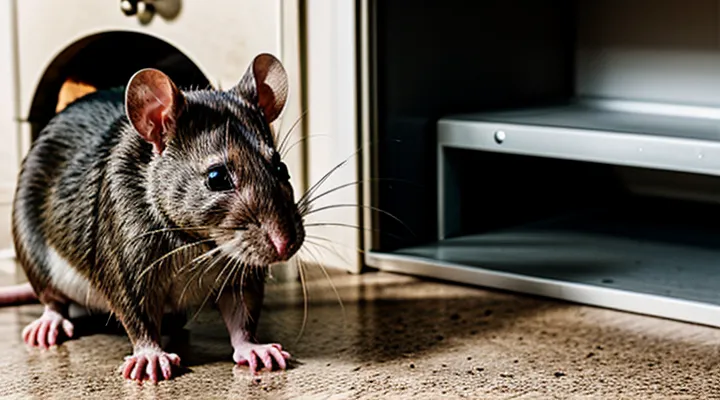
Understanding the Rat Problem
Identifying Rat Infestation Signs
Droppings and Urine Trails
Droppings and urine trails provide the earliest reliable evidence of a rat infestation. Fresh feces appear as small, dark pellets about one‑half inch long; older deposits turn gray and crumble. Urine stains manifest as darkened corners, damp spots, or a faint ammonia odor. Detecting these signs enables rapid intervention before populations expand.
- Inspect storage areas, pantry shelves, and behind appliances for droppings; collect samples in sealed containers for laboratory confirmation if needed.
- Follow each droplet trail to locate entry points and nesting sites; seal openings with steel wool, metal flashing, or concrete.
- Remove all droppings and urine using disposable gloves, a HEPA‑rated vacuum, and a detergent‑based disinfectant; avoid sweeping to prevent aerosolizing pathogens.
- Apply an EPA‑registered rodenticide or bait station directly at the terminus of the trail, ensuring placement complies with safety regulations.
- After treatment, monitor for new droppings or urine to verify eradication; repeat cleaning and sealing steps if activity persists.
Consistent removal of waste and targeted bait placement based on trail patterns dramatically reduces rat numbers and prevents re‑infestation.
Gnaw Marks and Damage
Rats leave distinct gnaw marks that reveal the extent of their activity. These bite patterns are typically V‑shaped, shallow to deep, and appear on wood, plastic, wiring, and insulation. Identifying such damage early prevents structural compromise and electrical hazards.
Common indicators include:
- Truncated edges on baseboards, furniture legs, and cabinet doors.
- Exposed copper or aluminum wiring with bite marks, increasing fire risk.
- Chewed-through PVC pipes, leading to leaks and water damage.
- Damaged drywall or plaster where rats have tunneled behind walls.
- Frayed or stripped cords that may cause short circuits.
Each sign signals a breach in the building envelope that rats exploit for shelter and food access. Prompt repair of gnawed components, combined with sealing entry points, interrupts the infestation cycle and reduces the likelihood of recurrence.
Unusual Noises
Unusual noises often signal a hidden rat problem. Scratching, gnawing, or faint squeaks heard from walls, ceilings, or crawl spaces indicate active burrowing or nesting activity. These sounds typically intensify at night when rodents are most active.
Identifying the source of noise helps prioritize treatment. Follow these steps:
- Locate the area where noises are strongest. Use a flashlight and listen from multiple positions.
- Inspect for entry points such as gaps around pipes, vents, or foundation cracks within a three‑foot radius of the noise source.
- Look for droppings, urine stains, or shredded material that corroborate rodent presence.
- Seal identified openings with steel wool, mesh, or expanding foam to prevent re‑entry.
- Deploy bait stations or traps directly adjacent to the noisy zone, ensuring placement along known runways.
- Monitor the area nightly for a reduction in audible activity; a decline usually confirms successful removal.
If noises persist after sealing and trapping, consider professional fumigation or exclusion services to address deeper infestations. Regular inspection of structural voids and prompt repair of new openings maintain long‑term control.
Sightings
Rats reveal their presence through droppings, gnaw marks, audible scurrying, and occasional visual contact. Each observation provides direct evidence of infestation size, entry points, and activity zones, allowing targeted intervention.
To capture reliable data, follow a systematic recording routine:
- Identify the exact location (room, corner, appliance) of every sign.
- Note the date and time of each observation.
- Classify the type of evidence (droppings, gnaw marks, live sighting, sound).
- Photograph or sketch the site for future reference.
- Record any environmental conditions that may influence activity (temperature, food sources).
Analyzing the compiled information determines the most efficient eradication strategy. Concentrated droppings near food storage suggest immediate sanitation and bait placement, while gnaw marks on structural components indicate the need for sealing entry points before deploying traps or rodenticides. Live sightings in concealed areas justify the use of snap traps or electronic devices positioned along established runways.
Repeated observations over several days reveal activity patterns. A rise in nocturnal sightings points to a breeding population requiring population‑level control, whereas isolated incidents may be resolved with localized measures. Continuous monitoring after treatment verifies success and highlights any resurgence, prompting timely corrective action.
Common Entry Points for Rats
Cracks in Foundations
Cracks in a house’s foundation create direct pathways for rodents to enter interior spaces. Even hairline fissures allow rats to squeeze through, making the structure vulnerable to infestation. Identifying and sealing these openings is a critical step in preventing rat activity.
- Conduct a visual inspection around the perimeter, focusing on masonry joints, concrete slabs, and areas where utilities penetrate the foundation. Look for gaps wider than ¼ inch, moisture stains, or displaced mortar.
- Use a high‑quality, rodent‑resistant sealant or hydraulic cement to fill gaps. Apply the material under pressure to ensure it penetrates the full depth of the crack.
- For larger openings, install steel wool or copper mesh before applying sealant. The metal barrier deters chewing and provides additional structural support.
- Repair structural damage that caused the cracks, such as settling or water‑induced erosion. Improve drainage by grading soil away from the foundation and installing downspout extensions.
- Schedule periodic re‑inspection, especially after heavy rain or seasonal temperature shifts, to confirm that repairs remain intact.
By eliminating foundation cracks, the home removes the primary entry points rats exploit, thereby strengthening overall pest‑control measures.
Gaps Around Pipes and Vents
Gaps surrounding plumbing, HVAC ducts, and other penetrations provide direct access points for rats, allowing entry into walls, ceilings, and crawl spaces. Even openings as small as a quarter‑inch can accommodate a rodent, making meticulous inspection essential for any comprehensive rat‑control strategy.
- Seal gaps with steel wool or copper mesh before applying a durable sealant such as silicone, polyurethane, or expanding foam.
- Replace deteriorated pipe collars with metal flashing secured by stainless‑steel screws.
- Install vent covers that feature tight-fitting louvered screens; verify that screen mesh is no larger than ¼ in.
- Apply a continuous bead of sealant around all pipe sleeves, conduit sleeves, and cable entries, ensuring the material adheres to both the pipe and surrounding structure.
- Conduct a follow‑up inspection after sealing to confirm that no new gaps have formed due to building movement or material degradation.
Consistent sealing of these entry points eliminates the primary pathways rats use to infiltrate homes, thereby enhancing the overall effectiveness of any rat‑removal program.
Damaged Screens and Doors
Damaged screens and doors create direct pathways for rats to enter living spaces. Even small tears or misaligned hinges allow rodents to squeeze through, bypassing traps and baits placed inside the home. Sealing these openings removes the most accessible entry points, forcing rats to confront barriers that limit their movement and reduce the likelihood of infestation.
Inspect all exterior openings regularly. Look for:
- Tears or holes in window screens, especially near ground‑level windows.
- Gaps around door frames, including weatherstripping that is cracked or missing.
- Loose or warped door panels that fail to close tightly.
- Unsealed spaces around utility lines, vents, and crawl‑space entries.
Repair actions should be immediate and thorough:
- Replace torn screens with durable mesh rated for rodent resistance.
- Install heavy‑duty door sweeps and reinforce weatherstripping to eliminate gaps.
- Adjust hinges and reinforce door frames with metal brackets where warping occurs.
- Apply steel wool or copper mesh to fill small holes before sealing with caulk or expanding foam.
- Use metal flashing around vents and utility penetrations to block potential routes.
By maintaining intact screens and doors, the home becomes a hostile environment for rats, compelling them to seek alternative, less viable habitats. This structural approach complements other control measures, resulting in a comprehensive strategy that significantly lowers the risk of rodent presence.
Unsealed Roof Access Points
Unsealed roof access points provide a direct entry route for rats seeking shelter, food, and nesting material. Gaps around vents, skylights, and service hatches remain open to the exterior, allowing rodents to bypass ground‑level barriers and establish colonies in attic spaces. Once inside, rats can damage insulation, chew wiring, and contaminate stored items, creating health hazards and costly repairs.
To prevent infestation through roof openings, follow these steps:
- Inspect all roof penetrations; identify cracks, missing flashing, and damaged seals.
- Replace deteriorated flashing with corrosion‑resistant metal and apply a high‑quality sealant designed for exterior use.
- Install stainless‑steel mesh screens over vents and chimneys, securing edges with weather‑proof screws.
- Fit self‑closing access doors on service hatches, ensuring a tight fit that resists gnawing.
- Conduct a quarterly review after severe weather to verify that seals remain intact.
Regular maintenance of roof access points eliminates the primary pathway rats exploit, reinforcing overall rodent control measures throughout the dwelling.
Comprehensive Rat Elimination Strategies
Prevention and Exclusion Tactics
Sealing Entry Points
Sealing entry points prevents rats from accessing the interior of a residence, eliminating the primary means of infestation. Rodents exploit gaps as small as a quarter-inch; blocking these openings removes the pathway for entry, reproduction, and foraging.
Common vulnerabilities and recommended sealing actions:
- Gaps around utility pipes – apply steel wool followed by high‑grade silicone or metal flashing.
- Openings under doors and windows – install weather stripping or door sweeps, ensure tight closure.
- Cracks in foundation walls – fill with hydraulic cement or expanding foam, then cover with a concrete patch.
- Roof vent openings – fit mesh screens of appropriate gauge, secure with stainless‑steel screws.
- Attic and crawl‑space penetrations – seal with metal flashing and fire‑rated caulk where required.
A systematic inspection should start at the ground level, progress upward to the roof, and conclude with interior voids. Use a flashlight and a flexible probe to locate hidden cracks. After sealing, verify integrity by applying a light stream of air; any audible whistling indicates residual gaps. Repeat the inspection quarterly, especially after severe weather, to maintain a barrier against re‑entry.
Securing Food Sources
Securing food sources removes the primary attraction that draws rats into a residence.
All consumables must be stored in containers that lock tightly, preferably metal or heavy‑duty plastic with sealed lids. Open packages, pet food bowls, and pantry items left on shelves provide easy access; relocate them to airtight storage and place them away from walls.
Maintain a strict cleaning routine. Sweep crumbs and spills from countertops, floors, and behind appliances after each meal. Dispose of food waste in bins equipped with tight‑fitting lids; empty the bins daily to prevent accumulation of odor.
Manage exterior attractants. Keep garbage cans at least three feet from the building, use rat‑proof lids, and store them on a solid surface to avoid tipping. Remove fallen fruit, bird seed, and pet food from yards, decks, and porches.
Seal entry points that could convey food odors. Apply steel wool or copper mesh to gaps around pipes, vents, and utility lines, then cover with caulk or metal flashing. Repair damaged screens and ensure doors close fully.
Practical actions
- Transfer pantry items to sealed containers.
- Clean kitchen surfaces after each use.
- Use lidded trash cans; empty them nightly.
- Relocate outdoor waste containers away from the house.
- Inspect and seal all potential openings weekly.
By eliminating accessible nourishment, rats lose the incentive to enter, dramatically reducing infestations without reliance on traps or chemicals.
Maintaining Cleanliness and Hygiene
Maintaining a clean and hygienic environment removes the food, water, and shelter that attract rats to a residence. Eliminating these resources forces rodents to seek alternative habitats, reducing the likelihood of infestation.
Effective sanitation measures include:
- Storing all food in sealed containers made of metal or thick plastic.
- Disposing of kitchen waste daily in tightly fitted trash cans.
- Removing pet food after each feeding and keeping bowls on a non‑absorbent surface.
- Cleaning spills, crumbs, and residue from countertops, floors, and appliances immediately.
- Sweeping under appliances, cabinets, and furniture to eliminate hidden debris.
- Vacuuming regularly to capture droppings and nesting material.
- Washing dishes promptly; avoiding overnight dish piles.
- Maintaining dry conditions by fixing leaks, wiping damp surfaces, and using dehumidifiers in prone areas.
A disciplined cleaning routine deprives rats of essential sustenance and nesting sites, directly limiting population growth. Consistent waste management and prompt removal of food residues create an environment where rodents cannot establish a foothold, supporting long‑term control without reliance on chemical interventions.
Landscaping Modifications
Proper landscaping reduces the likelihood of rat infestations around a residence. Clean, well‑maintained exterior areas eliminate shelter and food sources that attract rodents.
- Trim trees, shrubs, and vines so branches do not touch the house. Direct contact creates bridges for rats to climb onto roofs and enter through vents or eaves.
- Keep grass at a moderate height. Overgrown lawns provide cover and nesting material.
- Remove leaf piles, mulch, and garden debris regularly. These materials serve as hiding places and breeding sites.
- Store compost in sealed containers and locate it away from the building foundation. Decomposing organic matter is a potent food attractant.
- Position firewood stacks at least two feet from the house, elevate them off the ground, and cover with a tarp. Unprotected wood piles offer shelter and easy access to the structure.
- Ensure proper grading away from the foundation. A slope of at least 6 inches per 10 feet prevents water accumulation and directs runoff away, discouraging rats from seeking damp shelter near the base of the home.
- Install a solid barrier of gravel or crushed stone around the perimeter, extending a minimum of three feet from the foundation. This creates an inhospitable surface that rodents find difficult to traverse.
- Seal gaps in exterior walls, utility penetrations, and under‑deck spaces with metal flashing or cement‑based sealant. Physical blockage eliminates entry points that landscaping can otherwise expose.
Implementing these modifications creates an exterior environment that is hostile to rats, complementing interior control measures and enhancing overall effectiveness in residential rodent management.
Trapping Methods
Snap Traps
Snap traps provide immediate, lethal control of rats when placed correctly. The mechanism relies on a spring‑loaded bar that releases upon contact with a trigger, delivering a rapid, fatal strike. This method eliminates rodents without the need for chemical agents, reducing the risk of contaminating food or surfaces.
Effective deployment requires attention to location, bait, and safety. Place traps along walls, behind appliances, and near known gnawing sites, as rats travel close to edges. Position the trigger end facing the wall to align with the animal’s natural path. Use a small amount of high‑protein bait—peanut butter, bacon, or dried fruit—secured to the trigger platform to ensure engagement.
Key considerations:
- Quantity – Install one trap per 10‑15 sq ft of infested area; increase density in heavy activity zones.
- Inspection – Check traps daily; remove dead rodents promptly to prevent odor buildup.
- Resetting – After a catch, clean the trigger mechanism, replace bait, and reset the spring before redeployment.
- Safety – Keep traps out of reach of children and pets; use protective gloves when handling captured rats.
Advantages include instant results, low cost, and no residual toxicity. Limitations involve the need for regular monitoring and the potential for non‑target captures if not secured properly. Integrating snap traps with preventive measures—such as sealing entry points, maintaining cleanliness, and employing exclusion techniques—maximizes overall rat eradication success in the home.
Live-Catch Traps
Live‑catch traps provide a humane alternative for removing rats from residential environments. The devices capture rodents alive, allowing owners to relocate the pests without resorting to poisons or lethal mechanisms.
The traps consist of a sealed cage with a spring‑loaded door. When a rat contacts the trigger plate, the door snaps shut, confining the animal inside. The cage remains closed until manually opened, preventing escape and exposure to other household members.
Successful deployment requires strategic placement. Position traps along walls, behind appliances, and in areas where droppings or gnaw marks appear. Align the trigger plate with the rat’s natural travel routes to maximize contact. Avoid placing traps in high‑traffic human zones to reduce accidental activation.
Effective bait enhances capture rates. Peanut butter, dried fruit, or small pieces of meat create strong olfactory cues. Apply a modest amount to the trigger plate, ensuring the scent remains detectable without saturating the trap interior.
Check traps at least once daily. Prompt removal reduces stress on captured rodents and limits the chance of injury. When releasing, transport the trap at least two miles from the residence, preferably to a wooded area with adequate shelter. Wear gloves to prevent disease transmission and to avoid imprinting human scent on the animal.
Pros
- Preserves rat life, aligning with humane pest‑management policies.
- Eliminates risk of secondary poisoning affecting pets or children.
- Allows immediate verification of capture, facilitating targeted action.
Cons
- Requires regular monitoring and manual handling.
- Captured rats may experience stress or injury if not released promptly.
- May be less effective in severe infestations where multiple traps are needed.
Electronic Traps
Electronic traps provide a rapid, chemical‑free solution for residential rat control. The device detects rodent movement, delivers a high‑voltage shock, and isolates the carcass for easy disposal.
Key operational elements include:
- Motion sensor or infrared trigger that activates only when a rat contacts the entry plate.
- Capacitor‑charged circuit delivering a lethal shock within milliseconds.
- Transparent or vented housing that contains the dead animal, preventing secondary contamination.
Advantages over traditional methods:
- Immediate mortality eliminates prolonged suffering and disease risk.
- No bait required, removing attraction to non‑target species.
- Odorless operation avoids unpleasant smells.
- Reusable design reduces long‑term expenses.
Selection criteria for reliable units:
- Voltage output sufficient for adult rats (typically 2,000–3,500 V).
- Size compatible with common entry points (minimum 2 in. opening).
- Power source options (battery, mains, or dual) for uninterrupted operation.
- Safety interlock that prevents accidental discharge.
- Capacity to hold multiple carcasses before cleaning is needed.
Placement recommendations:
- Align traps along walls, behind appliances, and near known gnaw marks.
- Position at a height of 2–4 in. from the floor, matching rat travel routes.
- Keep away from children’s reach and pet pathways; use protective covers if necessary.
- Install near entry points such as gaps under doors, utility penetrations, and sewer openings.
Maintenance routine:
- Empty the collection chamber after each capture to prevent odor buildup.
- Wipe interior surfaces with mild detergent and disinfectant weekly.
- Replace batteries or check power supply monthly, depending on usage.
- Test sensor function by triggering a manual activation before each season.
Cost considerations:
- Higher upfront price than snap or glue traps, typically $30–$80 per unit.
- Absence of recurring bait or poison purchases lowers total cost of ownership.
- Longevity of electronic units (3–5 years) yields favorable return compared with disposable alternatives.
Electronic traps combine speed, safety, and sustainability, making them a highly effective component of a comprehensive rat‑elimination strategy for homes.
Strategic Trap Placement
Effective rat control hinges on precise trap deployment. Identify high‑traffic zones by observing droppings, gnaw marks, and pathways along walls, near food storage, and behind appliances. Place traps perpendicular to these routes, with the trigger end facing the wall to encourage forward movement.
Use a combination of snap traps for immediate kill and multi‑catch live traps for monitoring population size. Position snap traps 1–2 inches from the wall, aligning the trigger with the rat’s natural side‑approach. Live traps should sit in concealed corners where rats pause before entering a nest.
Select bait that matches the rodent’s diet—peanut butter, dried fruit, or small meat pieces—secured to the trigger mechanism to prevent removal. Rotate bait types every few days to avoid habituation.
Secure traps on stable surfaces to prevent displacement by debris or other pets. Check each device at least twice daily; record captures, replace consumed bait, and relocate ineffective traps to adjacent pathways.
Maintain a clean environment: seal entry points, store food in airtight containers, and eliminate standing water. Consistent trap placement, combined with sanitation, reduces reinfestation risk and accelerates eradication.
Baits and Rodenticides
Understanding Rodenticide Types
Rodenticides are chemical agents formulated to control rat populations in residential settings. Selecting the appropriate type determines both effectiveness and safety for occupants and non‑target animals.
- First‑generation anticoagulants (e.g., warfarin, chlorophacinone) – require multiple doses, lower risk of secondary poisoning, susceptible to resistance in some rat strains.
- Second‑generation anticoagulants (e.g., brodifacoum, bromadiolone) – single‑dose action, high potency, longer environmental persistence, increased secondary toxicity risk.
- Metal phosphides (zinc phosphide, aluminum phosphide) – release phosphine gas upon ingestion, rapid mortality, unsuitable for indoor use due to toxic fumes.
- Vitamin D3 analogues (cholecalciferol) – induce lethal hypercalcemia, slower onset, minimal impact on predators, limited resistance reports.
- Neurotoxic agents (bromethalin) – disrupt mitochondrial function, cause rapid paralysis, effective against anticoagulant‑resistant rats, requires careful handling.
Effective deployment involves locating active runways, placing bait stations out of reach of children and pets, and rotating product classes to mitigate resistance development. Monitoring dead‑rodent removal and confirming absence of secondary exposure are essential components of a comprehensive control program.
Safe Application and Placement
Effective rodent eradication in residential settings relies on precise placement of control agents to minimize risk to occupants and pets. Bait stations must be positioned along walls, behind appliances, and within concealed pathways where rodent activity is documented. Secure each station with tamper‑resistant locks to prevent accidental access.
When using mechanical traps, locate devices at established runways, typically within 2–3 feet of walls. Ensure traps are mounted on stable surfaces, away from children’s reach and food preparation areas. Verify that trigger mechanisms are fully engaged before deployment.
For chemical repellents, apply a thin, uniform coating to entry points, baseboards, and interior corners. Avoid overspray; excess residue can irritate skin and respiratory passages. Follow manufacturer‑specified drying times before allowing normal traffic.
Key safety practices:
- Wear disposable gloves and protective eyewear during installation.
- Keep a written log of locations, dates, and product specifications for each device.
- Conduct regular inspections to confirm integrity of locks, bait levels, and trap functionality.
- Replace or relocate any unit showing signs of damage, tampering, or reduced effectiveness.
Adhering to these placement guidelines ensures maximal impact against rat infestations while safeguarding human health and household safety.
Risks and Precautions
Eliminating rodents from a residence involves chemicals, traps, and structural modifications; each introduces specific hazards that must be managed.
- Toxicant exposure for occupants, especially children and pets, when using anticoagulant baits or rodenticides.
- Respiratory irritation from aerosolized powders or foggers.
- Physical injury from snap traps, glue boards, or live‑catch cages.
- Secondary poisoning of non‑target wildlife that may consume poisoned rats.
- Contamination of food preparation surfaces and stored goods if bait is mishandled.
Mitigation measures require strict adherence to safety protocols:
- Store all rodenticides in locked containers, out of reach of unauthorized persons.
- Apply baits only in sealed stations, positioned away from food, water, and pet access.
- Wear disposable gloves and, where appropriate, respiratory protection during placement of powders or sprays.
- Inspect trap locations regularly; dispose of captured rodents in sealed bags and follow local waste regulations.
- Seal entry points after verification that the infestation is cleared to prevent re‑infestation without resorting to additional chemicals.
- Keep detailed records of product type, concentration, and placement dates to facilitate safe re‑evaluation.
By recognizing these dangers and implementing the outlined safeguards, homeowners can achieve effective rodent control while protecting health and property.
Professional Rodenticide Use
Professional rodenticide application represents a primary tool for homeowners seeking reliable rat suppression. Certified pest‑management operators select products based on active ingredient potency, regulatory toxicity classification, and delivery format (e.g., bait blocks, pellets, or liquid emulsions).
Key selection criteria include:
- Active ingredient efficacy against Rattus spp. (e.g., bromadiolone, difenacoum)
- EPA‑approved toxicity category appropriate for residential use
- Formulation stability under indoor temperature and humidity conditions
- Non‑target species deterrence features (e.g., bittering agents)
Application protocols demand precise placement, measured dosage, and strict adherence to safety standards. Operators position baits within concealed entry points, wall voids, and near gnawing sites, maintaining a minimum distance of 3 feet from food preparation surfaces. Dosage follows label specifications, typically 0.5 g of bait per 10 m² for high‑infestation zones. Protective equipment (gloves, respirator) is mandatory; accidental exposure triggers immediate decontamination procedures.
Compliance with local and federal regulations requires documentation of product batch numbers, application dates, and locations. Records must be retained for at least 90 days to facilitate inspection and potential follow‑up actions.
Integrating rodenticide use with structural exclusion, sanitation improvement, and mechanical trapping enhances overall effectiveness. Chemical control eliminates hidden colonies, while physical barriers prevent re‑entry, creating a comprehensive, durable solution for residential rat problems.
Natural and Repellent Approaches
Peppermint Oil and Other Scents
Peppermint oil and a selection of strong aromatic compounds deter rats by overwhelming their acute sense of smell. Rats rely on olfactory cues for food location and nest selection; a persistent, sharp scent interrupts these behaviors, prompting avoidance of treated areas.
Application guidelines:
- Dilute 10‑15 ml of pure peppermint essential oil in one liter of water; add a few drops of dish‑soap to improve surface tension.
- Soak cotton balls or small fabric pads in the solution and place them behind appliances, in wall voids, and near entry points.
- Replace the pads every 3–5 days to maintain potency, especially in warm or humid environments.
- For larger spaces, use a spray bottle to mist corners, baseboards, and crawl‑space openings, ensuring coverage without saturating surfaces.
Scientific observations indicate that peppermint oil reduces rat activity by up to 60 % in confined test chambers. The effect diminishes as the oil oxidizes; therefore, freshness of the product is critical.
Other scents with documented repellent properties include:
- Eucalyptus oil – high volatility, effective for short‑term deterrence.
- Citronella oil – strong citrus odor, useful in outdoor perimeters.
- Clove oil – contains eugenol, which interferes with rat sensory receptors.
Limitations:
- Aromatic repellents do not eradicate established infestations; they function best as a preventive measure or in conjunction with trapping and exclusion techniques.
- Overuse may cause respiratory irritation in humans and pets; apply in well‑ventilated areas and keep concentrations within recommended limits.
- Some rat populations develop tolerance after prolonged exposure; rotating scents or integrating physical controls restores efficacy.
In practice, a comprehensive rat‑management plan incorporates peppermint oil or comparable fragrances as part of a layered approach: seal entry points, eliminate food sources, and deploy mechanical traps. This combination maximizes deterrence while minimizing reliance on chemical poisons.
Ultrasonic Devices
Ultrasonic emitters generate high‑frequency sound waves that rodents cannot tolerate. The devices transmit pulses ranging from 20 kHz to 65 kHz, creating an uncomfortable acoustic environment that drives rats away from treated zones.
Effectiveness depends on several factors:
- Frequency range matches the hearing sensitivity of rats.
- Coverage area aligns with room dimensions; most units protect 300‑1 000 ft².
- Placement avoids obstacles that block sound, such as furniture or walls.
- Continuous power supply prevents gaps in exposure.
Proper installation maximizes performance. Position units at ceiling height, facing open space, and space them no more than 15 ft apart in larger rooms. Verify that the device operates on a stable electricity source; battery‑powered models lose effectiveness after a few hours of use.
Safety considerations include shielding pets and small children from direct exposure. Cats and dogs may experience temporary discomfort, while infants can be affected by high‑frequency noise. Select models with adjustable output levels or automatic shut‑off when non‑target species are detected.
Limitations are noteworthy. Ultrasonic waves do not penetrate solid materials; walls, doors, and thick furniture reduce reach. Rats may habituate after several weeks, diminishing the repellent effect. Consequently, ultrasonic devices work best as part of an integrated approach that combines exclusion methods (sealing entry points) and sanitation (removing food sources).
When choosing a product, prioritize:
- Certified frequency spectrum for rodent deterrence.
- Independent laboratory testing results.
- Warranty period of at least one year.
- User‑adjustable timer and intensity settings.
In practice, ultrasonic emitters can reduce rat activity in well‑sealed, low‑clutter environments for a limited period. For long‑term control, they should complement structural repairs and proactive sanitation rather than serve as a standalone solution.
Predatory Animals «Cats»
Cats possess innate predatory instincts that target rodents. Their acute hearing, night vision, and swift reflexes enable detection of concealed rats and rapid engagement. A healthy adult cat can subdue a rat with a single bite to the neck, reducing the need for chemical interventions.
Effective deployment of cats requires careful selection. Choose individuals with proven hunting drive, free from health issues that could impair mobility. Provide a secure environment that prevents escape while allowing access to potential infestation sites. Regular veterinary care ensures sustained performance and minimizes disease transmission.
Key considerations for using cats as rodent control agents:
- Health monitoring: Schedule vaccinations and parasite treatments to protect both cat and household occupants.
- Habitat management: Eliminate clutter, seal entry points, and maintain clean feeding areas to encourage natural hunting behavior.
- Behavioral reinforcement: Offer occasional prey-mimicking toys to sustain predatory motivation without overreliance on live rodents.
- Safety protocols: Restrict contact between cats and small children or vulnerable pets to prevent accidental injuries.
Integrating feline predation with complementary measures—such as traps, sealing structural gaps, and proper waste storage—creates a multilayered defense that maximizes rat eradication while limiting reliance on toxic substances. This combined approach delivers a robust, sustainable solution for rodent problems inside residential settings.
Post-Elimination and Long-Term Management
Cleaning and Sanitization
Disinfecting Contaminated Areas
Disinfecting areas contaminated by rodents is a critical component of any comprehensive rat‑control program. After trapping or exterminating rats, surfaces that have been exposed to urine, droppings, or saliva must be treated to eliminate pathogens such as Hantavirus, leptospirosis, and salmonella. Failure to sanitize these zones can lead to secondary health risks for occupants and may attract new infestations.
Effective sanitation follows a three‑step process:
- Removal: Wear disposable gloves and a mask, then use a shovel or stiff‑bristled brush to collect all visible droppings, nesting material, and contaminated debris. Place waste in a sealed, puncture‑resistant bag.
- Disinfection: Apply an EPA‑registered rodent‑borne disease disinfectant or a 10 % bleach solution (1 part bleach to 9 parts water) to the affected surface. Ensure the solution remains wet for at least 10 minutes to achieve viral inactivation.
- Cleanup: Rinse the area with clean water, allow it to dry completely, and dispose of cleaning materials in a sealed container. Ventilate the room for a minimum of 30 minutes to disperse residual fumes.
Select disinfectants that retain efficacy on porous and non‑porous materials. Products containing quaternary ammonium compounds, hydrogen peroxide (≥3 %), or phenolic agents meet regulatory standards for rodent‑related pathogens. Always follow manufacturer instructions regarding contact time, dilution ratios, and protective equipment. Regular monitoring of treated zones confirms that no residual contamination remains, thereby supporting long‑term rat‑free conditions.
Removing Carcasses Safely
When a dead rat is discovered, immediate, safe removal prevents disease spread and secondary infestations. Follow these precise actions:
- Wear disposable gloves, a mask, and protective eyewear.
- Place the carcass in a heavy‑duty plastic bag; seal the bag tightly, then place it inside a second bag for double containment.
- Disinfect the surrounding area with a solution containing at least 1 % bleach or a registered rodent‑specific sanitizer. Apply the solution to surfaces where the carcass contacted, allowing the recommended contact time.
- Dispose of the double‑bagged carcass according to local regulations—typically through a licensed animal waste collector or a municipal hazardous‑waste program. Do not place it in regular household trash unless explicitly permitted.
After removal, clean all tools and clothing used during the process. Launder reusable garments at the highest temperature safe for the fabric. Store or discard disposable items as waste. Finally, inspect the premises for additional signs of rodent activity and reinforce exclusion measures to reduce future mortality incidents.
Airing Out Affected Spaces
Airing out areas where rodents have been active reduces humidity, eliminates lingering odors, and discourages re‑entry. Fresh air disperses the scent trails that rats use for navigation, making the environment less attractive for future infestations.
Proper ventilation requires systematic execution. Begin by removing debris and sealing entry points. Open windows and doors to create cross‑drafts, then use fans to accelerate air movement. Maintain airflow for several hours, extending the period if weather conditions permit.
- Clear clutter and wash surfaces with a mild detergent.
- Install mesh screens on openings to prevent new ingress while allowing ventilation.
- Position portable fans to direct stale air outward and draw fresh air inward.
- Keep the space ventilated for a minimum of four hours, checking that air circulation remains steady.
- After airing, re‑inspect for signs of activity before sealing all access points permanently.
Ongoing Monitoring
Regular Inspection Routines
Regular inspection routines form a cornerstone of successful rat control in residential settings. Systematic checks reveal early signs of activity, allowing swift intervention before populations expand.
Inspections should occur weekly in high‑risk zones and monthly throughout the entire dwelling. Focus on areas where food, water, and shelter converge: kitchens, pantries, basements, attics, and utility rooms. Look for droppings, gnaw marks, burrow entrances, and greasy trails along walls.
Key actions during each inspection:
- Scan walls, ceilings, and floors for fresh droppings (dark, pellet‑shaped).
- Examine corners and hidden crevices for gnaw marks or shredded material.
- Test for audible activity by listening for scratching behind walls or in ducts.
- Verify integrity of doors, windows, and vents; seal gaps larger than ¼ inch.
- Check traps and bait stations for captures or bait depletion.
Document findings immediately: note location, type of evidence, and date. Use this record to prioritize remediation, schedule professional treatment if needed, and track trends over time.
Early detection through disciplined inspections reduces reliance on extensive poison applications, limits structural damage, and minimizes health risks associated with rodent infestations.
Early Detection of Re-infestation
Early detection of a rat re‑infestation is a critical component of any comprehensive rodent‑control program for a residence. Once an initial eradication effort is completed, regular inspections should focus on the most common entry points—gaps around pipes, vent openings, and foundation cracks—and on locations where gnaw marks, droppings, or urine stains are likely to appear. Inspectors must verify that previously treated areas remain free of activity and that no new signs have emerged.
Effective monitoring relies on a combination of visual checks and passive detection devices. Deploy snap traps or live‑capture traps in concealed zones, and replace them weekly to confirm ongoing inactivity. Install chew‑resistant wire mesh or metal flashing around vulnerable openings, then examine these barriers for damage during each inspection cycle. Maintain a log that records the date, location, and type of evidence observed; trends in the data reveal patterns that prompt targeted interventions before a full‑scale resurgence occurs.
Key practices for early identification:
- Conduct a thorough walk‑through of the property every 7–10 days during the first month after treatment, then reduce frequency to bi‑weekly for the next two months.
- Use infrared motion sensors or ultrasonic detectors in attic and crawl‑space areas where visual access is limited.
- Examine stored food containers, pet feeders, and waste bins for signs of contamination after each inspection.
- Replace damaged sealant or weatherstripping immediately to eliminate new ingress routes.
- Review the inspection log weekly; any repeat findings in the same location trigger a focused remediation response.
Maintaining Exclusion Measures
Maintaining exclusion measures is essential for long‑term rat control. Every potential opening—cracks in foundations, gaps around pipes, vents, and door frames—must be sealed with durable material such as steel wool, copper mesh, or cement. Replace deteriorating weatherstripping and install door sweeps to block low‑level entry.
Regular inspections reinforce the barrier. Conduct a visual sweep of the building’s exterior quarterly, focusing on:
- Roof eaves and soffits for loose tiles or missing flashing
- Utility penetrations for gaps around conduit and wiring
- Basement and crawl‑space walls for holes created by shifting soil
- Interior closets, cabinets, and pantry shelves for hidden openings
Repair identified breaches promptly; delayed action allows rodents to exploit even minor defects. Use rodent‑resistant hardware—screws, nails, and sealants—that withstand gnawing.
Monitoring devices complement physical barriers. Install motion‑activated lights or infrared sensors near vulnerable points to detect activity. Record findings in a maintenance log, noting the location, repair method, and date of completion. Review the log monthly to ensure no recurring issues.
Finally, integrate exclusion maintenance into routine home upkeep. Align sealing tasks with seasonal projects such as HVAC servicing or landscaping to minimize additional effort and cost. Consistent application of these practices sustains a hostile environment for rats, preventing re‑infestation.
When to Call Professional Exterminators
Severe Infestations
Severe rat infestations demand immediate, comprehensive action. High population density accelerates damage to structures, contaminates food supplies, and spreads disease, leaving little margin for delayed response.
First, confirm the extent of the problem. Look for gnaw marks, droppings, urine stains, and audible activity, especially near walls, attics, and basements. Mapping these signs reveals hotspots and guides subsequent measures.
Effective control combines exclusion, population reduction, and sanitation:
- Seal all entry points: Install steel wool or concrete-filled metal mesh in cracks larger than ¼ inch; reinforce door sweeps and window screens.
- Deploy multiple trapping systems: Use snap traps positioned along walls, behind objects, and in concealed routes; replace bait with fresh portions daily.
- Apply rodenticide strategically: Place tamper‑resistant bait stations near identified activity zones; follow label instructions to minimize non‑target exposure.
- Engage professional exterminators: For infestations exceeding 50 individuals or involving concealed nests, licensed experts can implement fumigation, baiting programs, and structural modifications.
- Eliminate food and water sources: Store dry goods in airtight containers, clean spills promptly, and repair leaking pipes.
Continuous monitoring after intervention verifies success. Inspect traps weekly, re‑seal any newly discovered openings, and maintain a clean environment to deter re‑infestation. Persistent adherence to these steps restores safety and prevents recurrence.
Persistent Problems
Rats often return despite initial success, creating ongoing challenges for homeowners. Several factors contribute to this persistence.
- Incomplete sealing of entry points allows new individuals to infiltrate. Even small gaps around pipes, vents, or foundation cracks provide access.
- Food sources left unsecured sustain populations. Crumbs, pet food, and improperly stored groceries attract rodents and support breeding.
- Improper placement of traps or bait reduces efficacy. Devices positioned away from high‑traffic routes capture fewer rats and may be ignored by the infestation.
- Resistance to common poisons emerges after repeated exposure. Sublethal doses can select for tolerant individuals, diminishing chemical control.
- Structural damage caused by gnawing creates additional hiding places. Worn insulation, damaged wiring, and compromised cabinetry hide rats and protect them from detection.
Addressing these issues requires a systematic approach: conduct a thorough inspection, reinforce all potential entryways, eliminate accessible food, deploy traps and bait strategically, and monitor for signs of resistance. Regular follow‑up inspections verify that repairs remain intact and that no new activity appears, preventing the problem from becoming entrenched.
Health Concerns
Rats introduce pathogens that threaten human health. They carry bacteria such as Salmonella and Leptospira, which can contaminate food, water, and surfaces, leading to gastrointestinal illness and leptospirosis. Viral agents like hantavirus are also transmitted through rodent droppings and urine, causing severe respiratory disease.
Allergic reactions arise from rodent dander, urine, and feces. Sensitive individuals may experience asthma attacks, skin irritation, or rhinitis after exposure to these allergens. Chronic exposure increases the likelihood of sensitization and exacerbates existing respiratory conditions.
Bite incidents, though less common, pose a direct injury risk. Rat bites can introduce Staphylococcus or Streptococcus infections, requiring medical treatment and possible antibiotic therapy.
Effective rodent control in residential settings reduces these health hazards. Strategies that target the entire infestation—such as sealing entry points, removing food sources, and employing proven trapping or baiting techniques—prevent re‑infestation and limit pathogen spread.
Key health‑related outcomes of comprehensive rat management include:
- Decreased incidence of foodborne and waterborne diseases.
- Lowered allergen load, reducing asthma and allergy symptoms.
- Reduced risk of bite‑related infections.
- Minimized environmental contamination, protecting overall household hygiene.
Complex Structural Issues
Rats exploit weaknesses in a building’s envelope. When structural elements are compromised, exclusion becomes ineffective, regardless of traps or poisons.
Typical weaknesses include:
- Cracks in foundation walls or slab joints that provide direct entry points.
- Gaps around utility penetrations—pipes, cables, vent stacks—often left unsealed after renovations.
- Unfinished attic or crawl‑space flooring where joists are exposed and allow movement between rooms.
- Damaged or missing weather‑stripping on doors and windows, especially in basements and garages.
- Openings around HVAC ducts, chimney flues, and exhaust fans that are not fitted with metal mesh or collar.
Remediation actions focus on restoring integrity:
- Inspect all exterior walls, foundation, and roof for fissures; fill with hydraulic cement or appropriate sealant that withstands moisture and movement.
- Apply steel wool or copper mesh to gaps around pipes and cables, then seal with expanding foam or silicone.
- Install solid flooring or sub‑floor sheathing in attic and crawl‑space areas; cover joist gaps with metal flashing.
- Replace worn weather‑stripping; fit door sweeps that contact the threshold tightly.
- Fit metal collars around vent pipes and chimney flues; attach fine‑mesh screens to all exhaust openings.
Addressing these structural deficiencies eliminates the pathways rats use to infiltrate a residence, thereby enhancing the overall effectiveness of any control measures applied thereafter.