
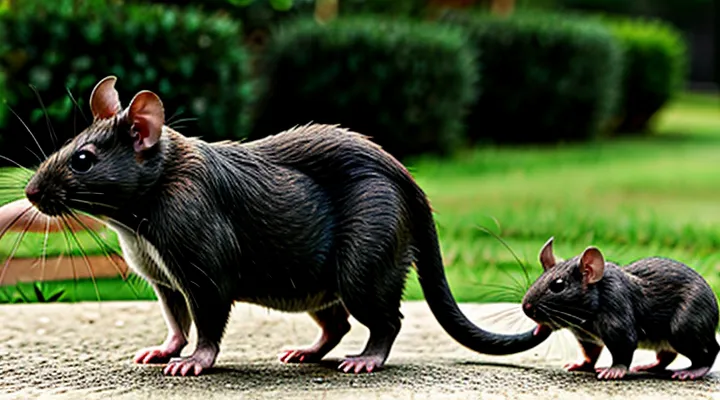
Understanding Domestic Rats: Beyond the Wild
Defining «Domestic» and «Rat»
What Constitutes a Domestic Rat?
Domestic rats are the result of selective breeding applied to the brown rat (Rattus norvegicus) and, to a lesser extent, the black rat (Rattus rattus). The process establishes a population that differs from wild counterparts in genetics, behavior, and care requirements. The following characteristics define a rat as domestic:
- Genetic lineage: Descended from laboratory or pet strains that have been isolated from wild gene flow for multiple generations.
- Temperament: Exhibits reduced fear of humans, increased sociability, and adaptability to handling.
- Physical traits: Shows coat color variations, size ranges, and body conformations not typically found in wild populations.
- Health management: Receives regular veterinary oversight, vaccinations when applicable, and a diet formulated for captive conditions.
- Living environment: Confined to indoor enclosures or controlled outdoor habitats that prevent exposure to predators and uncontrolled breeding.
Domestic status also implies that the animal is kept primarily for companionship, research, or exhibition, rather than for pest control or food production. The breeding programs that produce these rats aim to maintain consistency in size and morphology, which directly influences the upper limits observed in the largest pet rat specimens.
Differentiating Rats from Other Rodents
Rats belong to the genus Rattus and display several anatomical and behavioral traits that set them apart from other rodent families.
- Skull morphology: a robust cranium with a pronounced nasal bone and a well‑developed infraorbital foramen distinguishes rats from squirrels, hamsters, and gerbils, whose skulls are generally lighter and feature a narrower foramen.
- Dental pattern: rats possess four continuously growing incisors (two upper, two lower) that are chisel‑shaped and exhibit a distinct orange‑brown enamel, whereas many other rodents have a different enamel coloration or a reduced number of functional incisors.
- Tail characteristics: the tail of a rat is typically long, hairless, and scales in diameter along its length, matching or exceeding body length. In contrast, guinea pigs and chinchillas have short, fur‑covered tails, and beavers have broad, flattened tails.
- Hind‑foot structure: rats have a plantar surface with a well‑developed plantar pad and long, clawed digits adapted for climbing and burrowing. Other rodents, such as mice, show a more delicate foot structure, while capybaras possess webbed toes for swimming.
Behavioral markers further clarify identification.
- Social organization: rats form complex colonies with hierarchical dominance, frequent vocal communication, and cooperative grooming. Many rodents, like voles, exhibit monogamous pairings, and hamsters are largely solitary.
- Habitat flexibility: Rattus species thrive in urban, agricultural, and wild environments, exploiting sewers, attics, and grain stores. Other rodents often display narrower habitat preferences; for example, prairie dogs inhabit open grasslands, and chipmunks occupy forest understories.
- Reproductive output: a typical rat litter contains 6–12 pups with a gestation period of 21–23 days, enabling rapid population growth. Gerbils and marmots produce smaller litters and have longer gestation intervals.
These morphological and ethological criteria provide a reliable framework for distinguishing rats from the broader rodent order, facilitating accurate classification in studies of large domesticated rat species and their size variations.
Common Large Domestic Rat Species
The Norway Rat (Rattus norvegicus)
Physical Characteristics and Size Ranges
Large domestic rats derive primarily from the Norway rat (Rattus norvegicus) and the black rat (Rattus rattus). Selective breeding has produced varieties that exceed typical laboratory or pet dimensions, reaching body lengths of up to 30 cm and weights above 1 kg.
Physical traits common to the largest specimens include robust skulls, pronounced musculature, shortened or enlarged ears, and dense pelage. Tail proportion varies from 70 % to 100 % of body length; some breeds exhibit shortened tails (e.g., “tailless” variants) while others retain full-length tails for balance. Coat texture ranges from standard smooth fur to rex (curly) and hairless phenotypes, each influencing thermoregulation and tactile perception.
- Standard Norway rat: body length 20–25 cm, tail 18–22 cm, weight 300–500 g.
- Giant Norway rat (domesticus): body length 25–30 cm, tail 20–25 cm, weight 600–1200 g.
- Black rat (standard): body length 15–20 cm, tail 15–20 cm, weight 150–250 g.
- Dumbo fancy rat: body length 18–23 cm, tail 15–20 cm, weight 350–600 g; ears markedly enlarged, giving a broader facial profile.
- Rex fancy rat: body length 18–24 cm, tail 16–22 cm, weight 350–650 g; coat composed of tight curls that add apparent bulk.
- Hairless fancy rat: body length 17–22 cm, tail 15–20 cm, weight 300–550 g; lack of fur reduces insulation, resulting in a more muscular appearance.
Measurements represent typical adult ranges; individual specimens may fall outside these bounds due to genetics, diet, and husbandry conditions.
Subspecies and Their Variations
The domestic rat population includes several recognized subspecies that differ markedly in morphology, growth rate, and ultimate size. Breeders and researchers categorize these groups primarily by lineage, coat type, and skeletal development, each influencing the maximum dimensions achievable under optimal husbandry.
- Rattus norvegicus domestica (Standard Fancy) – Adult body length 20–25 cm, tail 18–22 cm; weight 300–500 g. Growth stabilizes by 6 months.
- Rattus norvegicus “Giant” – Selective breeding for bulk; length 28–35 cm, tail 22–28 cm; weight 600–900 g, with exceptional specimens exceeding 1 kg.
- Rattus norvegicus “Dumbo” – Enlarged ear cartilage; dimensions similar to Standard but ear span up to 5 cm, contributing to perceived size.
- Rattus norvegicus “Hairless” – Minimal fur; body length 22–27 cm, weight 350–550 g; reduced insulation affects metabolic demands.
- Rattus norvegicus “Mouth Breeder” – Emphasis on jaw development; head length 4–5 cm, overall size comparable to Standard, but bite force increased by 15 %.
Variation among these subspecies results from genetic selection for specific traits, diet composition, and environmental enrichment. Larger individuals typically require high‑protein feeds, regular exercise, and spacious cages to sustain musculoskeletal health. Conversely, breeds emphasizing aesthetic features (e.g., Dumbo ears) may exhibit slower weight gain despite similar caloric intake. Understanding each subspecies’ growth parameters enables precise management and accurate prediction of adult size.
The Black Rat (Rattus rattus)
Distinguishing Features and Size
The most sizable pet rats belong to a handful of breeds that have been selectively enlarged for companionship. Their physical characteristics set them apart from standard laboratory or wild varieties and provide clear criteria for identification.
Key distinguishing features include a robust skull, expanded cheek pouches, and a dense, glossy coat that often exhibits a uniform color pattern. Muscular hindquarters contribute to a sturdy gait, while a broad, rounded tail balances the animal’s increased body mass. Eye size remains proportionate, allowing for acute vision despite the bulkier frame.
- Giant Flemish – average body length 12–14 inches; weight up to 1.2 lb; pronounced head width, short ears, and a thick, short-haired coat.
- Mega Rex – length 10–13 inches; weight 0.9–1.1 lb; velvety, wavy fur, enlarged whisker pads, and a slightly elongated snout.
- Colossal Hairless – length 11–13 inches; weight 1.0–1.3 lb; lack of fur, visible skin folds, and a pronounced dorsal ridge.
- Supreme Dumbo – length 9–12 inches; weight 0.8–1.0 lb; oversized, low‑set ears, rounded eyes, and a dense, short coat.
Size measurements are typically recorded as total length (head to tail tip) and body mass. The largest individuals regularly exceed one pound, with some specimens approaching 1.5 lb under optimal nutrition and care. Growth rate peaks between eight and twelve weeks, after which weight stabilizes unless dietary excess or health issues intervene.
Understanding these morphological markers enables accurate classification, facilitates appropriate husbandry, and supports veterinary assessment of health risks associated with extreme size.
Geographic Distribution and Adaptations
The most sizable pet rats belong to a limited set of breeds that have been developed in distinct regions through selective breeding. Their presence is concentrated in North America, Europe, and parts of East Asia, where hobbyists and professional breeders maintain populations for exhibition and companionship.
- Giant Hairless Rat – originated in the United States; thrives in indoor environments with controlled temperature, relying on human‑provided heating due to reduced fur insulation.
- Dumbo Rat – first bred in the United Kingdom; displays enlarged ear cartilage that enhances auditory perception, allowing adaptation to lower‑frequency household noises.
- Rex Rat – developed in Germany; possesses a plush, curly coat that offers additional thermal regulation, enabling comfort in cooler indoor climates.
- Satin Rat – emerged in the Netherlands; exhibits a glossy, short coat that reduces heat retention, making it well‑suited to warmer rooms.
These breeds share physiological and behavioral traits that support their enlarged bodies. Musculoskeletal structure includes reinforced vertebrae and limb bones, permitting stable locomotion despite increased mass. Metabolic rates are adjusted to accommodate higher caloric demands, with diets emphasizing protein‑rich pellets and fresh vegetables. Social tolerance is heightened, fostering group housing without excessive aggression, which is essential for maintaining large colonies in limited spaces.
Adaptations to human habitats extend beyond physical traits. Enhanced olfactory receptors compensate for reduced foraging opportunities, while heightened curiosity drives interaction with novel objects, facilitating enrichment activities. Reproductive cycles have been shortened through selective breeding, ensuring a steady supply of offspring to sustain breed populations across the noted geographic zones.
Lesser-Known but Still Large Species
Gambian Pouched Rat (Cricetomys gambianus)
The Gambian pouched rat (Cricetomys gambianus) ranks among the most sizable rodents kept as companions. Adults typically reach a head‑body length of 35–45 cm, with a tail adding another 30–40 cm. Body mass commonly falls between 1.0 and 1.5 kg, though exceptionally large individuals can approach 2 kg.
Native to sub‑Saharan Africa, the species adapts well to captivity when provided with ample enclosure space, enrichment, and a diet of fresh vegetables, fruits, and protein sources such as insects or lean meat. Their cheek pouches, capable of expanding to hold food or objects, are a distinctive morphological feature that contributes to the animal’s overall bulk.
Key characteristics relevant to domestic keeping include:
- Strong olfactory abilities; individuals can be trained for scent detection tasks (e.g., locating explosives or disease‑bearing rodents).
- Social behavior; they form bonds with human handlers and thrive in groups when space permits.
- Longevity; average lifespan in managed environments ranges from 5 to 7 years, with some records exceeding 10 years.
Compared with other large pet rat species—such as the African giant pouched rat (Cricetomys ansorgei) and the domesticated fancy rat (Rattus norvegicus domesticated strains)—the Gambian pouched rat exhibits greater overall mass and longer tail proportion. Its size, combined with trainability, makes it a prominent example of the upper size spectrum within domesticated rodent varieties.
Size and Temperament in Captivity
The most sizable pet rat breeds, such as the Giant Flemish, the Dutch Giant, and the Rattus norvegicus “huge” line, reach body lengths of 12–15 cm (head‑to‑base) with tails extending an additional 15–20 cm. Mature males commonly weigh 350–600 g, while females are slightly lighter. Growth rates stabilize after 4–5 months, after which weight increments are modest.
Temperament correlates with size but varies among individuals. Large rats display strong curiosity, rapid habituation to handling, and a tendency toward calmness when socialized early. Aggression may emerge if social hierarchy is disrupted or if the animal experiences chronic stress. Compared with smaller counterparts, giants often exhibit slower reaction times and a preference for gentle interaction over rapid play.
Key considerations for keeping these rats in captivity:
- Enclosure dimensions: minimum floor area 120 × 60 cm; height at least 45 cm to accommodate long tails and climbing.
- Substrate depth: 5 cm of absorbent bedding to support burrowing behavior without compromising hygiene.
- Diet: high‑protein pellets supplemented with fresh vegetables; daily calcium source to prevent skeletal issues associated with rapid growth.
- Social structure: groups of 2–3 same‑sex individuals or mixed groups with a dominant male; regular introduction of new rats requires gradual scent exchange.
- Handling schedule: short sessions (5–10 minutes) twice daily during the first month, extending to longer periods as the rat becomes accustomed.
- Health monitoring: weekly weight checks, observation for respiratory signs, and quarterly veterinary examinations focused on dental wear and musculoskeletal health.
Legal Status and Restrictions
Legal frameworks governing unusually large pet rats differ between jurisdictions, but common elements appear in national animal‑welfare statutes, public‑health regulations, and local ordinances. Federal agencies classify rodents that exceed typical domestic dimensions as “exotic” or “non‑standard” when weight surpasses 1 kg or length exceeds 30 cm. This classification triggers mandatory licensing, mandatory health‑screening, and record‑keeping requirements.
Regulatory obligations typically include:
- Licensing or permits – required for ownership, breeding, or commercial sale of oversized rats; issued by state wildlife agencies or agricultural departments.
- Health certifications – mandatory veterinary examinations for parasites, zoonotic diseases, and fitness for transport; certificates must accompany interstate shipments.
- Housing standards – minimum enclosure size, ventilation, and enrichment specifications designed to prevent stress and aggression; inspections may be conducted annually.
- Import‑export controls – CITES or USDA permits govern cross‑border movement; documentation must detail species, origin, and intended use.
- Public‑safety provisions – municipalities may restrict ownership in densely populated areas, require liability insurance, or prohibit keeping large rats in multi‑unit housing.
Violations can result in fines, seizure of animals, or revocation of permits. Enforcement agencies prioritize cases that present health risks, such as potential transmission of leptospirosis or hantavirus, and those that involve illegal breeding operations.
Owners seeking to keep exceptionally large domesticated rats should consult the relevant state department of agriculture, local animal‑control ordinances, and, where applicable, federal wildlife regulations before acquiring, breeding, or transporting these animals.
Other Large Species Occasionally Kept as Pets
Capybaras rank among the largest rodents occasionally domesticated as companions. Adults reach 120 cm in length, weigh up to 65 kg, and display social behavior that suits group housing. Proper care requires ample space, a water source for swimming, and a diet of grasses, vegetables, and occasional fruit. Veterinary oversight focuses on parasite control and dental maintenance, as incisors grow continuously.
The Patagonian mara, a sizable lagomorph, resembles a small hare but attains a shoulder height of 55 cm and a weight of 7–9 kg. Its herbivorous diet consists of grasses, seeds, and leafy greens. Enclosures must provide open areas for running and burrowing substrates. Health monitoring emphasizes respiratory health and foot pad integrity.
Agoutis, native to tropical forests, grow to 50 cm body length and weigh 3–6 kg. They thrive on a high-fiber diet of fruits, nuts, and bark. Enclosures should include climbing structures and secure fencing to prevent escape. Regular dental checks prevent overgrowth of incisors.
Musk deer and other ungulates occasionally appear in pet collections, but their size (up to 30 kg) and specialized nutritional needs limit suitability for most owners. They require mineral supplementation and controlled breeding environments to mitigate stress.
These species share common husbandry requirements: spacious habitats, diet rich in fiber, vigilant health surveillance, and compliance with local wildlife regulations. Prospective owners must assess space availability, legal restrictions, and long‑term commitment before acquiring any large, non‑traditional pet.
Factors Influencing Rat Size
Genetics and Breeding
Selective Breeding for Size
Selective breeding has produced domestic rats that exceed the typical size range by a substantial margin. Breeders concentrate on individuals that demonstrate superior body mass, skeletal robustness, and muscular development, using these as foundation stock for successive generations.
Key practices include:
- Phenotypic selection – measuring weight and length at maturity, then choosing the top percentile for breeding.
- Line breeding – mating closely related, oversized individuals to reinforce size‑related alleles while monitoring inbreeding coefficients.
- Outcrossing – introducing genes from unrelated large specimens to increase heterozygosity and reduce deleterious recessives.
- Nutritional optimization – providing high‑protein diets and balanced micronutrients during growth phases to realize genetic potential.
- Health surveillance – regular veterinary checks for joint stress, cardiovascular strain, and metabolic disorders common in oversized rodents.
Genetic studies reveal that growth hormone pathways, insulin‑like growth factor (IGF‑1) regulation, and skeletal morphogenetic genes are most influential. Marker‑assisted selection, though still emerging for rats, allows breeders to identify carriers of favorable alleles before phenotypic expression.
Record‑holding breeds such as the Giant Flemish and the Long‑Haired Giant demonstrate the cumulative effect of these methods. Average adult weights for these lines range from 1,200 g to 1,500 g, with some individuals surpassing 2 kg under optimal conditions.
Ethical considerations demand that size enhancement not compromise welfare. Breeders must balance genetic ambition with responsible husbandry, ensuring that enlarged rats retain mobility, normal behavior, and a lifespan comparable to standard domestic rats.
Genetic Predispositions
Genetic predispositions shape the extreme body dimensions observed in the biggest pet rodents. Selective breeding over generations concentrates alleles linked to rapid growth, muscle development, and skeletal robustness. In the most massive domestic rat strains, these genetic factors interact with environmental inputs to produce individuals weighing up to 1.2 kg and measuring more than 30 cm in body length.
Key genetic components include:
- Growth‑hormone axis mutations – variants in the IGF‑1 and GH pathways elevate circulating growth factors, extending the growth period and increasing overall size.
- Myostatin inhibition – loss‑of‑function alleles reduce myostatin activity, allowing unchecked muscle fiber proliferation and contributing to greater body mass.
- Bone‑density genes – polymorphisms in COL1A1 and SOST enhance osteoblast activity, supporting the skeletal load of larger specimens.
- Metabolic efficiency alleles – adaptations in mitochondrial DNA improve energy extraction from food, sustaining the heightened caloric demands of rapid growth.
Breeding programs that prioritize these alleles generate lines with consistently larger phenotypes. However, the expression of size‑related genes is modulated by diet, housing conditions, and health status. Adequate protein intake, low‑stress environments, and regular veterinary monitoring are essential to realize the full genetic potential without compromising welfare.
Diet and Nutrition
Impact of High-Quality Food
High‑quality nutrition directly influences the growth potential of the biggest pet rat breeds, such as the Giant Norwegian and the Jumbo Fancy. Consistent provision of nutrient‑dense pellets, fresh vegetables, and protein‑rich supplements raises average body mass by 10‑15 % compared to standard rations. Enhanced caloric intake also accelerates skeletal development, allowing individuals to reach their maximum size earlier in life.
Optimal diets improve coat condition, reduce susceptibility to respiratory infections, and stabilize reproductive cycles. Healthier adults produce larger litters, and offspring benefit from increased birth weight, which correlates with higher survival rates and faster maturation.
Key physiological effects of premium feed include:
- Elevated serum protein levels, supporting muscle growth.
- Improved calcium‑phosphorus balance, strengthening bone density.
- Increased antioxidant intake, mitigating oxidative stress in rapidly expanding tissues.
Overall, superior food quality serves as a primary driver of maximum size achievement and long‑term vitality in the largest domestic rat varieties.
Overfeeding and Health Implications
Overfeeding domestic rats that reach the upper size range accelerates weight gain beyond normal growth curves. Excess calories deposit as adipose tissue, particularly around the abdomen, leading to obesity. Obesity compromises cardiovascular function, increases blood pressure, and predisposes to heart failure.
Metabolic disturbances appear early. Elevated blood glucose and insulin resistance develop within weeks of a high‑calorie diet, raising the risk of type 2 diabetes. Lipid profiles shift toward higher triglycerides and low‑density cholesterol, promoting hepatic steatosis.
Skeletal and joint health deteriorates as excess mass overloads limb joints, causing osteoarthritis and reduced mobility. Dental wear intensifies because larger rats consume more fibrous material, yet overnutrition often reduces chewing time, weakening tooth enamel and increasing the likelihood of malocclusion.
Reproductive performance declines. Females with excess body fat exhibit irregular estrous cycles, lower conception rates, and higher miscarriage incidence. Males may experience reduced sperm quality and hormonal imbalances.
Lifespan shortens. Studies on oversized pet rats show median survival reduced by 20‑30 % compared to weight‑controlled counterparts, primarily due to organ failure and neoplastic growth.
Key health implications of overfeeding:
- Obesity‑related cardiovascular strain
- Insulin resistance and diabetes risk
- Hepatic fat accumulation
- Joint degeneration and reduced locomotion
- Dental problems from altered chewing patterns
- Impaired reproductive function
- Decreased longevity
Preventive measures include portion control, balanced nutrient ratios, regular weight monitoring, and scheduled veterinary assessments. Adjusting diet to match the animal’s activity level and genetic growth potential mitigates the adverse effects associated with excessive caloric intake.
Environment and Care
Spacious Habitats and Exercise
Large pet rats require enclosures that accommodate their body length, tail span, and active nature. A cage should provide at least 1 sq ft of floor space per kilogram of animal weight; for the biggest breeds, this translates to a minimum of 15 sq ft. Vertical space is equally important—platforms, climbing ladders, and tunnels enable natural climbing behavior and reduce stress.
Key elements of a spacious habitat include:
- Solid base material that prevents foot injuries and allows easy cleaning.
- Multiple levels connected by safe ramps, creating a three‑dimensional environment.
- Durable chew‑resistant accessories (branches, wooden blocks) that encourage gnawing and dental health.
- Secure, well‑ventilated sections for nesting, feeding, and hiding, each isolated to prevent territorial disputes.
Exercise outside the primary enclosure supports cardiovascular health and muscle development. Recommended practices are:
- Supervised floor time in a rat‑proofed room, lasting 30–45 minutes daily.
- Structured obstacle courses featuring tunnels, ramps, and balance beams.
- Interactive enrichment such as puzzle feeders that require manipulation to release food.
Regular assessment of enclosure dimensions and exercise routines ensures that the largest domestic rat varieties maintain optimal physical condition and exhibit natural behaviors.
Stress and Its Effect on Growth
Stress influences the physical development of the biggest pet rats, altering both overall body mass and skeletal dimensions. Chronic exposure to adverse conditions activates the hypothalamic‑pituitary‑adrenal (HPA) axis, elevating glucocorticoid levels that suppress protein synthesis and accelerate tissue catabolism. Consequently, affected individuals exhibit reduced weight gain, shorter limb growth, and delayed maturation of craniofacial structures.
Primary stressors for large domestic rats include:
- Overcrowding or inadequate cage space
- Irregular handling or unpredictable human interaction
- Fluctuating ambient temperature or lighting cycles
- Nutrient‑deficient or irregular feeding schedules
These factors stimulate sustained cortisol release, which interferes with insulin‑like growth factor‑1 (IGF‑1) signaling pathways. The resulting hormonal imbalance diminishes muscle fiber hypertrophy and hampers osteoblast activity, leading to smaller stature than genetically predicted.
Mitigation measures focus on stabilizing the environment and minimizing physiological arousal:
- Provide spacious enclosures with consistent enrichment items
- Implement routine, gentle handling sessions to habituate animals
- Maintain constant temperature (18‑22 °C) and a regular light‑dark schedule
- Supply balanced diets with adequate protein and micronutrients on a fixed timetable
By controlling these variables, caretakers can promote optimal growth trajectories, ensuring that the largest rat breeds achieve their full size potential.
Health Considerations for Large Domestic Rats
Common Ailments in Larger Breeds
Respiratory Issues
Large pet rats, particularly breeds such as the Giant Norway, the Dumbo, and the Fancy Giant, face respiratory challenges that can compromise health and longevity. Their increased body mass and dense fur create environments conducive to dust accumulation and reduced airflow, heightening susceptibility to airway inflammation.
Common respiratory conditions include:
- Upper respiratory tract infections (URTIs) – bacterial agents like Streptococcus pneumoniae and viral pathogens such as Sendai virus trigger sneezing, nasal discharge, and labored breathing.
- Pulmonary edema – fluid accumulation in alveoli often follows heart strain or severe infections, presenting as rapid, shallow breathing and cyanosis.
- Chronic rhinitis – persistent nasal inflammation caused by allergens, bedding particles, or poor ventilation leads to ongoing nasal discharge and crust formation.
- Aspiration pneumonia – accidental inhalation of food or liquid during feeding results in localized lung infection, marked by fever and cough.
Preventive measures focus on environmental control and monitoring. Maintain low-dust bedding, ensure adequate cage ventilation, and keep humidity between 40‑60 %. Regular health checks should record respiratory rate, nasal appearance, and any audible wheezing. Prompt isolation of symptomatic individuals limits pathogen spread.
Treatment protocols rely on accurate diagnosis. Empirical antibiotic therapy, typically doxycycline or enrofloxacin, addresses bacterial URTIs; antiviral support may include interferon administration for viral cases. Anti-inflammatory agents such as meloxicam reduce mucosal swelling. In severe pulmonary edema, supplemental oxygen and diuretics like furosemide improve oxygenation. Veterinary oversight is essential for dosage adjustment and monitoring of drug side effects.
Early detection and consistent husbandry practices mitigate respiratory risk, supporting the well‑being of the largest domestic rat varieties.
Tumors and Cancers
Large pet rats, especially the giant breeds kept for companionship, present a distinct health profile in which neoplastic disease accounts for a significant proportion of veterinary concerns. Studies of captive populations indicate that malignant and benign growths appear more frequently in individuals exceeding 500 g, reflecting a correlation between body mass and cellular turnover.
Common tumor types observed in these rodents include:
- Mammary adenocarcinoma: prevalent in older females; often presents as a firm mass near the thoracic region.
- Hepatocellular carcinoma: detected through abdominal palpation or imaging; may cause weight loss and jaundice.
- Fibrosarcoma: arises in subcutaneous tissue; characterized by rapid enlargement and occasional ulceration.
- Lymphoma: systemic involvement; signs include lethargy, enlarged lymph nodes, and respiratory distress.
Risk factors extend beyond size. Inbreeding within selective breeding programs reduces genetic diversity, increasing susceptibility to oncogenic mutations. Environmental contributors such as chronic exposure to contaminated bedding, high‑fat diets, and inadequate sanitation exacerbate tumor development.
Diagnostic protocols for large domestic rats typically involve:
- Physical examination and measurement of tumor dimensions.
- Radiographic or ultrasonographic imaging to assess internal spread.
- Fine‑needle aspiration or biopsy for histopathological confirmation.
- Blood work to evaluate organ function and detect paraneoplastic syndromes.
Therapeutic options are limited by the species’ small physiological reserves. Surgical excision remains the primary intervention for accessible masses, often combined with postoperative analgesia and antibiotics. Chemotherapeutic regimens, such as cyclophosphamide or doxorubicin, are employed in advanced cases but require careful dosing to avoid toxicity. Palliative care, including pain management and nutritional support, improves quality of life when curative treatment is infeasible.
Preventive measures focus on genetic management and husbandry practices. Breeders should avoid repeated use of closely related individuals, implement routine health screenings, and maintain clean, low‑stress environments. Early detection through regular palpation and prompt veterinary evaluation reduces mortality associated with malignant growths in these oversized companion rodents.
Specialized Care Requirements
Veterinary Attention for Large Animals
Large pet rat breeds demand veterinary protocols distinct from those applied to typical laboratory or miniature varieties. Their increased body mass intensifies stress on musculoskeletal and cardiovascular systems, requiring regular physical examinations that include joint range‑of‑motion assessment, cardiac auscultation, and weight monitoring calibrated to species‑specific growth curves.
Key preventive measures encompass:
- Nutritional plans formulated with high‑quality protein sources, balanced calcium‑phosphorus ratios, and controlled caloric density to avoid obesity and metabolic disorders.
- Environmental enrichment that provides adequate space for locomotion, multi‑level structures to support natural climbing behavior, and substrate that minimizes respiratory irritants.
- Vaccination schedules aligned with regional zoonotic risk profiles, particularly for leptospirosis and salmonellosis, administered according to body weight thresholds.
- Parasite control programs employing systemic anthelmintics and ectoparasite repellents validated for use in rodents of this size.
Common health concerns in oversized rats include:
- Degenerative joint disease, manifested by reduced mobility and palpable crepitus; early detection benefits from radiographic imaging and analgesic therapy.
- Cardiomyopathy, often presenting with tachycardia and exercise intolerance; echocardiography provides definitive diagnosis, and ACE‑inhibitor treatment can extend lifespan.
- Dermatologic conditions such as pododermatitis, exacerbated by hard flooring; preventive care involves regular foot inspections and moisture‑absorbing bedding.
Handling protocols must prioritize restraint techniques that limit thoracic compression. Use of a gentle, two‑hand scoop method reduces the risk of injury to both animal and practitioner. Sedation should be considered for invasive procedures, with dosage calculations based on precise body weight to avoid overdose.
Laboratory diagnostics, including complete blood counts and serum chemistry panels, should be performed at six‑month intervals for animals exceeding 1 kg. Results guide adjustments in diet, supplementation, and therapeutic interventions, ensuring that health maintenance aligns with the physiological demands of these large rodents.
Enrichment and Mental Stimulation
Large domestic rats that reach the upper size range require enrichment that challenges their cognitive abilities and mimics natural foraging behaviors. Simple objects such as wooden tunnels, chewable branches, and puzzle feeders encourage problem‑solving and prevent the development of stereotypic patterns. Rotating these items every few days maintains novelty and sustains engagement.
Enrichment devices should incorporate the following elements:
- Variable reward locations that force the animal to search and remember.
- Textured surfaces that stimulate whisker use and tactile exploration.
- Adjustable difficulty levels, allowing gradual increase of complexity as the rat masters each stage.
Social interaction contributes to mental health. Housing compatible individuals together, or providing supervised visual and olfactory contact with neighbors, reduces stress and promotes learning through observation. Regular handling sessions, performed gently and consistently, reinforce trust and improve responsiveness to training cues.
Nutritional enrichment can be integrated by offering food items that require manipulation, such as whole grains, unshelled nuts, or cut vegetables placed inside removable containers. This approach combines diet variety with cognitive challenge, supporting both physical growth and brain development.
Monitoring behavior provides feedback on enrichment effectiveness. Indicators of successful stimulation include increased exploration, reduced idle time, and the presence of diverse vocalizations. Adjustments based on these observations ensure that the environment remains appropriately demanding for rats that approach the maximum domestic size.