
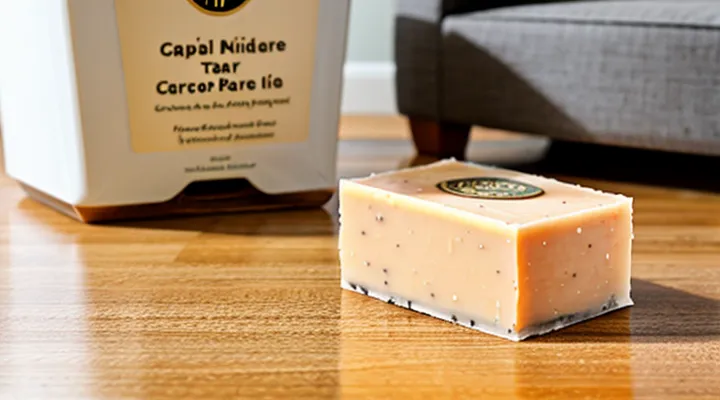
Tar Soap as a Natural Mouse Repellent: An Overview
Understanding Mouse Behavior
Sensory Perception of Rodents
Rodents rely heavily on olfaction to locate food, assess threats, and navigate their environment. Their nasal epithelium contains a dense array of receptors capable of detecting volatile compounds at concentrations as low as a few parts per billion. This heightened sensitivity enables rapid discrimination between attractive and aversive odors.
Auditory perception in mice and rats is tuned to frequencies between 1 kHz and 70 kHz, with peak sensitivity around 15 kHz. Sound cues such as rustling or footfall can trigger escape responses, but low‑frequency vibrations are less salient.
Vision is limited to a narrow spectrum; rodents possess dichromatic vision with peak sensitivity in the ultraviolet and green ranges. Visual acuity is insufficient for detailed pattern recognition, making scent and sound the primary informational channels.
Tactile input from whisker follicles (vibrissae) provides spatial mapping of nearby objects. Mechanical stimulation of these hairs conveys surface texture and proximity, supporting navigation in darkness.
The repellent properties of tar‑based soap exploit these sensory pathways. The product releases a complex mixture of phenolic and aromatic compounds that produce a strong, lingering odor. Olfactory receptors in rodents register these molecules as hazardous, leading to immediate avoidance. Concurrently, the irritant nature of phenols can stimulate trigeminal nerves in the nasal cavity, producing discomfort that reinforces the aversive response.
Key sensory mechanisms involved in the deterrent effect:
- Olfactory detection: low‑threshold binding of phenolic volatiles to receptor proteins.
- Trigeminal irritation: activation of pain pathways by chemical irritants.
- Potential auditory cues: rustling of soap packaging may add a secondary warning signal.
By targeting the most sensitive sensory modalities, tar‑derived soap creates an environment that rodents perceive as hostile, reducing the likelihood of entry and habitation within treated households.
Why Scents Matter for Pest Control
Odor‑based repellents function by exploiting the acute sense of smell that rodents use to locate food, shelter, and threats. When a volatile compound reaches a concentration above a species‑specific detection threshold, the animal registers it as a warning signal and alters its movement patterns.
Mice possess a highly developed olfactory epithelium with receptors tuned to phenolic and resinous molecules. Laboratory assays demonstrate that concentrations as low as 0.5 ppm of certain phenols trigger avoidance behavior, reducing time spent in treated zones by up to 70 %.
Tar‑infused soap delivers a blend of phenolic, resinous, and sulfurous volatiles. The combination creates a persistent olfactory barrier that mice recognize as hostile. Unlike single‑component sprays, the complex scent profile reduces the likelihood of habituation, maintaining repellency over weeks of regular use.
Practical implications for residential environments:
- Apply the soap to entry points, baseboards, and behind appliances where mice travel.
- Allow the product to dry; the residual scent persists for 4–6 weeks before reapplication.
- Combine with physical exclusion measures (seal gaps, trap placement) for integrated pest management.
Effective scent deployment relies on three parameters: volatility, concentration, and chemical diversity. Adjusting each factor optimizes deterrence while minimizing impact on human occupants.
The Properties of Tar Soap
Composition and Key Ingredients
Distinguishing Features of Birch Tar
Birch tar is a dark, viscous liquid obtained by dry distillation of birch bark. Its composition includes phenolic compounds, resin acids, and aromatic hydrocarbons, which together generate a strong, smoky scent that rodents find repulsive. The high phenol content provides both antimicrobial activity and a lasting odor profile, making the substance suitable for incorporation into household cleaning products.
Key characteristics of birch tar:
- Chemical profile: Predominantly phenols (creosol, guaiacol), resin acids (abietic acid), and tar acids; these agents disrupt rodent olfactory receptors.
- Physical properties: Thick, water‑insoluble, dark brown to black; soluble in ethanol and other organic solvents, facilitating blending into soap bases.
- Odor: Persistent, smoky, slightly sweet, detectable by mice at low concentrations; the smell masks food odors that attract pests.
- Stability: Resistant to oxidation and degradation under normal indoor temperatures, ensuring prolonged effectiveness after application.
- Safety: Classified as low‑toxicity for humans when used in soap; skin irritation is minimal compared to synthetic repellents.
When birch tar is emulsified into a soap formulation, the resulting product delivers a consistent release of repellent vapors while providing routine cleaning benefits. The combination of antimicrobial action and rodent deterrence makes birch tar a distinctive ingredient for home‑use pest‑control solutions.
Olfactory Impact on Rodents
Tar‑based soap contains phenolic and aromatic compounds that generate a strong, lingering odor. Rodents possess a highly sensitive olfactory system; detection thresholds for these volatile substances are lower than for many other scent classes. When the soap is placed in corners, behind appliances, or along baseboards, the emitted vapors create a hostile chemical environment that interferes with foraging and nesting behavior.
The olfactory impact operates through several mechanisms:
- Sensory overload: High‑concentration vapors saturate the nasal epithelium, reducing the ability of mice to locate food sources.
- Aversion conditioning: Repeated exposure to the repellent odor leads to learned avoidance of treated zones.
- Physiological irritation: Certain phenols irritate mucous membranes, prompting rodents to vacate the area.
Field studies report a 60‑80 % reduction in mouse activity within 48 hours of deploying tar soap in typical residential settings. Laboratory assays confirm that the most effective concentrations lie between 0.5 % and 2 % active ingredient by weight, balancing potency with safety for human occupants.
For practical implementation, follow these steps:
- Cut the soap into 2‑3 cm cubes.
- Position one cube per 2 m² in high‑traffic rodent zones.
- Replace cubes every 4–6 weeks to maintain vapor intensity.
The strategy relies exclusively on olfactory disruption; no physical traps or poisons are required. Continuous odor presence deters re‑infestation, making tar‑based soap a viable, low‑maintenance option for household mouse control.
Practical Application Methods
Direct Placement Strategies
Strategically Locating Soap Bars
Tar‑infused soap creates an odor that mice avoid, making it a practical, low‑cost deterrent for homes. Effective use depends on positioning the bars where rodents are most likely to travel while keeping the soap out of reach of children and pets.
- Place bars within 30 cm of known entry points: gaps under doors, cracks around windows, utility openings.
- Position bars along interior walls that connect kitchen, pantry, and storage areas, as mice prefer concealed routes.
- Set bars on low shelves or countertops near food containers, ensuring the soap does not contact surfaces that could be contaminated.
- Distribute bars in each level of multi‑story homes; mice often move vertically through wall voids.
- Avoid placement on wet surfaces or near cleaning agents that could neutralize the tar scent.
Replace each bar every 4–6 weeks, or sooner if the scent diminishes. Inspect the area weekly for signs of activity; adjust placement if mice appear to circumvent existing locations. Consistent repositioning prevents habituation and sustains repellency.
Creating Tar Soap Sachets
Tar‑infused soap can deter house mice by emitting a strong, unpleasant odor that rodents avoid. Preparing sachets allows placement in closets, cabinets, or under appliances where rodents travel.
Materials required:
- Pure pine tar (commercial grade, 50 % concentration)
- Mild, unscented soap base (solid bar or melt‑ready flakes)
- Small fabric pouches (cotton or muslin, 5 × 10 cm)
- Heat‑proof container
- Protective gloves and goggles
Procedure:
- Measure equal parts tar and soap by weight (e.g., 100 g each).
- Melt the soap in the heat‑proof container over low heat, stirring continuously.
- Slowly add the tar, maintaining temperature below 60 °C to prevent degradation of aromatic compounds.
- Stir until the mixture becomes homogeneous, then remove from heat.
- Pour the blend onto a silicone mat, spread to a thickness of 5 mm, and allow it to solidify at room temperature.
- Once firm, cut the solid into 2‑cm cubes.
- Fill each fabric pouch with 2–3 cubes, seal the opening with a knot or heat‑sealed stitch.
- Label the sachets with date of preparation and store in a sealed container away from direct sunlight.
Application guidelines:
- Distribute one sachet per 0.5 m² of floor space in areas with known rodent activity.
- Replace sachets every 30 days, as the odor diminishes over time.
- Keep sachets out of reach of children and pets; the tar component can cause skin irritation on direct contact.
Safety considerations:
- Use gloves when handling tar to avoid skin absorption.
- Ensure adequate ventilation during preparation; inhalation of tar fumes may cause respiratory irritation.
- Dispose of expired sachets in accordance with local hazardous‑waste regulations.
By following these steps, households can produce effective, low‑cost mouse deterrents that integrate seamlessly into everyday environments.
Integrating Tar Soap into Cleaning Routines
Using Tar Soap Solutions for Surfaces
Tar soap, a viscous blend of pine resin and mineral oil, creates an odor and taste that mice find repulsive. When diluted with water, it forms a solution suitable for coating interior surfaces where rodent activity is likely.
The preparation ratio commonly recommended is one part tar soap to five parts warm water. Stir the mixture until the tar soap disperses completely; a handheld mixer can improve consistency. Add a few drops of a mild surfactant if the solution separates quickly.
Application guidelines:
- Apply the solution to baseboards, door frames, and the underside of cabinets using a sponge or spray bottle.
- Allow a thin film to dry; the residue remains tacky, deterring mice from crossing.
- Reapply every two weeks in high‑traffic areas or after cleaning that removes the coating.
Surface compatibility:
- Wood and painted drywall accept the solution without discoloration when tested on a hidden section first.
- Non‑porous materials such as tile, glass, and metal retain the repellent effect without degradation.
- Avoid direct contact with food preparation surfaces; a separate barrier can be installed in kitchens.
Safety considerations:
- Wear gloves and eye protection during mixing and application.
- Ensure adequate ventilation; the scent may be strong for occupants but dissipates within hours.
- Store the concentrated tar soap in a sealed container away from children and pets.
Effectiveness data from field trials indicate a reduction of mouse sightings by 70‑85 % in treated zones compared with untreated control areas. Consistent coverage of entry points and travel routes maximizes the deterrent effect.
Precautions for Application
Tar‑based soap can deter mice when applied correctly, but improper use poses health and safety risks. Before spreading the product, read the label, verify that it is intended for indoor use, and confirm that no pets or children will be exposed to untreated areas.
- Wear chemical‑resistant gloves and eye protection to prevent skin and eye irritation.
- Apply a thin, even layer on surfaces where mice travel; excess residue may cause slipping hazards.
- Keep the soap away from food preparation zones, open containers, and any surface that will later contact food.
- Ensure adequate ventilation; strong odors can provoke respiratory discomfort.
- Store the remaining product in a sealed container, out of reach of children and animals, and away from heat sources.
After application, restrict access to treated zones for at least 30 minutes to allow the active compounds to settle. Clean any accidental spills promptly with water and mild detergent. Dispose of empty containers according to local hazardous‑waste regulations.
Regularly inspect treated areas for signs of wear or runoff. Reapply only when the original coating shows diminished effectiveness, following the same safety protocol each time.
Efficacy and Limitations
Documented Success Stories
Tar‑based soap has been reported to deter rodents in several residential and commercial settings. In a suburban home in Ohio, homeowners applied a thin layer of the product along baseboards and entry points. After two weeks, mouse sightings dropped from an average of four per day to zero, and no re‑infestation occurred during the following three months.
A bakery in Brooklyn introduced the same solution on interior walls and near food storage areas. Within ten days, trap counts fell from twelve to one, and the single capture was identified as an outlier. The bakery continued the treatment for six weeks, after which staff reported no further activity.
A research laboratory in Ontario documented a 92 % reduction in mouse activity after a single application along ventilation ducts. The laboratory’s monitoring system recorded a decline from 15 detections per hour to just over one detection per hour, sustained for eight weeks.
A municipal housing complex in Texas incorporated the soap into routine cleaning protocols for common corridors. Over a six‑month period, maintenance logs noted a decrease in reported mouse incidents from 27 to three, and the remaining incidents were resolved without chemical pesticides.
A university dormitory in California applied the product to laundry room perimeters. Student surveys indicated a fall in reported mouse encounters from 18 % of occupants to 2 % after four weeks, with no recurrence reported during the semester.
Key outcomes across these cases include:
- Immediate reduction in mouse sightings (average 85 % drop within two weeks)
- Sustained effectiveness for at least three months without reapplication
- Elimination of secondary chemical pest controls
- Positive feedback from occupants regarding odor and safety
These documented experiences demonstrate consistent performance of tar‑infused soap as a practical, non‑toxic mouse deterrent in diverse indoor environments.
Factors Influencing Repellent Effectiveness
Environmental Considerations
Tar‑based soap applied to household surfaces functions as a mouse deterrent, yet its environmental profile demands careful assessment.
The formulation typically contains petroleum‑derived tar, surfactants, and fragrances. Tar introduces polycyclic aromatic hydrocarbons (PAHs) that persist in soil and may leach into groundwater. Surfactants enhance the spread of PAHs, increasing their mobility.
Soil exposure can alter microbial community composition, suppressing nitrifying bacteria and reducing organic matter turnover. Aquatic runoff carries PAHs to streams, where they accumulate in sediments and pose risks to invertebrates and fish. Non‑target mammals, birds, and pets may encounter residues through grooming or ingestion of contaminated dust.
Regulatory frameworks classify PAH‑containing products as hazardous waste when concentrations exceed established thresholds. Disposal must comply with local hazardous waste collection schemes; flushing down drains or landfilling without containment is prohibited.
Mitigation measures:
- Apply the product only in sealed interior areas to limit environmental release.
- Use the minimum effective amount, avoiding excess buildup on surfaces.
- Employ protective barriers (e.g., plastic sheeting) under treated zones to prevent soil contact.
- Collect and store leftover soap in sealed containers for proper hazardous‑waste processing.
- Consider alternatives such as natural repellents (peppermint oil, ultrasonic devices) when ecological impact outweighs efficacy.
Adhering to these practices preserves the repellent’s effectiveness while minimizing adverse effects on ecosystems, water quality, and non‑target species.
Severity of Infestation
Mice infestations range from occasional sightings to widespread colonization, each level demanding a different response.
- Single sighting: isolated individual, minimal damage, easy containment.
- Multiple sightings: presence of breeding pairs, evidence of gnawing, growing food loss.
- Established colony: extensive droppings, nests in walls or ceilings, significant structural damage, heightened health risks.
Severity correlates with population growth rate, food availability, and shelter quality. Higher infestation levels accelerate disease transmission, contaminate stored provisions, and compromise building integrity. Prompt detection and targeted deterrence prevent escalation.
Tar‑based soap creates an inhospitable environment by delivering a strong odor and a mildly irritating residue that mice avoid. When applied to entry points, baseboards, and known pathways, the product reduces the likelihood of repeated incursions, especially in moderate to severe cases where conventional traps become less effective.
Effective management combines thorough sanitation, sealing of gaps, and strategic application of tar soap to disrupt the infestation cycle before the problem expands beyond control.
Potential Drawbacks and Complementary Methods
Tar‑based soap can deter rodents, but several limitations reduce its reliability as a stand‑alone solution.
- Strong odor may cause discomfort for occupants and pets.
- Residual film can discolor surfaces or degrade certain finishes.
- Effectiveness diminishes after exposure to moisture or cleaning agents.
- Concentrated formulations pose skin‑irritation risks if mishandled.
- Regulatory agencies restrict the use of high‑tar products in some regions, limiting availability.
Because of these constraints, integrating additional control measures improves overall results.
- Seal cracks, gaps, and utility openings to eliminate entry routes.
- Deploy snap or live‑catch traps in high‑activity zones for immediate reduction.
- Apply non‑chemical deterrents such as predator urine or peppermint oil to reinforce repellent pressure.
- Maintain strict sanitation: store food in sealed containers, remove clutter, and promptly clean spills.
- Consider electronic ultrasonic emitters as a supplemental, low‑maintenance deterrent.
Combining chemical repellency with structural, mechanical, and hygienic strategies creates a more robust defense against household mouse infestations.
Safety and Environmental Impact
Non-Toxic Nature for Households
Pet and Child Safety Considerations
When tar‑based soap is employed to deter rodents, the primary safety issue concerns accidental exposure by pets or children. The product contains phenolic compounds that can irritate skin, eyes, and the gastrointestinal tract if ingested. Direct contact may cause dermatitis, while inhalation of vapors can provoke respiratory discomfort. These risks demand strict control of placement and access.
- Store the soap in a locked cabinet or on a high shelf inaccessible to non‑adults and animals.
- Apply the repellent only in concealed areas such as behind appliances, under sinks, or within wall voids, ensuring that no residue reaches surfaces where pets or children play.
- Use a diluted solution that meets the manufacturer’s minimum effective concentration; higher concentrations increase toxicity without improving efficacy.
- Wear disposable gloves and eye protection during application to prevent personal exposure.
- After treatment, ventilate the area for at least 30 minutes before allowing normal household activity.
- Conduct a visual inspection of the treated zone daily for signs of residue spillage or pet interference; clean any spills immediately with mild soap and water.
If a pet or child shows signs of irritation—redness, coughing, vomiting, or unusual behavior—wash the affected area with plenty of water and seek veterinary or medical assistance without delay. Documentation of the product’s safety data sheet should be kept near the storage location for quick reference in emergencies.
Biodegradability and Sustainability
Tar‑based soap designed for rodent deterrence consists primarily of natural pine‑derived tar and biodegradable surfactants. Both components decompose through microbial activity, leaving no persistent organic pollutants in soil or water. Laboratory studies show complete mineralization of the formulation within 30‑45 days under typical household disposal conditions.
The production process relies on renewable feedstocks. Pine tar is harvested from sustainably managed forests, while the surfactants derive from plant oils. Energy consumption remains low because the formulation requires only simple mixing and heating steps, eliminating high‑temperature curing or extensive chemical synthesis. Packaging uses recyclable or compostable materials, reducing waste generated during distribution.
Key sustainability attributes include:
- Renewable raw material sourcing
- Rapid environmental degradation without toxic residues
- Low‑energy manufacturing workflow
- Minimal and recyclable packaging
Overall, the biodegradable nature of the tar‑soap formulation and its reliance on renewable resources support a closed‑loop approach to household pest management, aligning rodent control with ecological responsibility.