
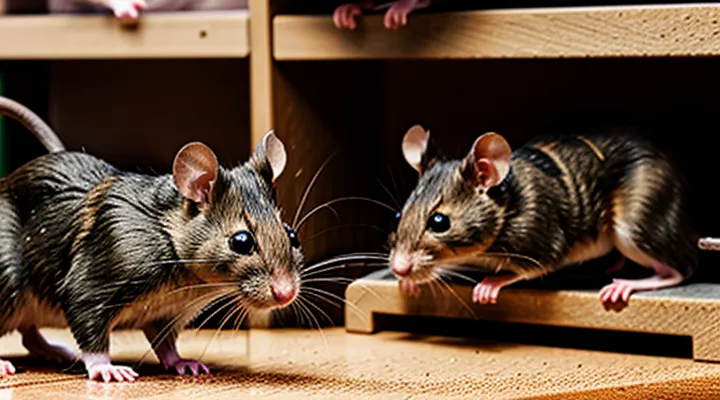
Understanding the Need for Rat and Mouse Medication
Common Health Issues in Rodents
Nutritional Deficiencies
Oral tablet administration in laboratory rats and mice can alter nutrient intake, creating deficits that interfere with drug safety assessments.
- Vitamin A: reduced absorption when tablets occupy gastric space.
- B‑complex vitamins (B1, B2, B6, B12): depletion linked to increased metabolic demand during treatment.
- Vitamin D and calcium: imbalance may arise from altered calcium‑binding protein synthesis.
- Magnesium and potassium: loss through enhanced renal excretion induced by certain medications.
- Trace elements (zinc, selenium, iron): competitive inhibition by tablet excipients can limit bioavailability.
Nutrient shortfalls affect hepatic enzyme activity, modify plasma protein binding, and skew pharmacokinetic parameters. Consequently, study reproducibility suffers and adverse events may be misattributed to the test compound.
Mitigation strategies include:
- Formulating tablets with inert carriers that minimally impact digestion.
- Providing a fortified chow or supplemental solution matched to the species’ dietary requirements.
- Conducting periodic blood or tissue analyses to verify adequate levels of critical nutrients.
- Adjusting dosing schedules to allow recovery periods for the gastrointestinal tract.
Implementing these controls preserves nutritional balance, ensures reliable medication safety data, and supports ethical standards for rodent research.
Respiratory Infections
Oral tablet therapies for laboratory rats and mice must address respiratory infections while maintaining safety standards. Common bacterial agents include Streptococcus pneumoniae, Klebsiella pneumoniae, and Mycoplasma pulmonis; viral agents comprise Sendai virus and rat coronavirus. Effective tablets target these pathogens without compromising the animals’ physiological balance.
Recommended tablet formulations:
- Enrofloxacin (10 mg/kg once daily) – broad‑spectrum quinolone, effective against Streptococcus and Klebsiella; monitor for joint toxicity in growing rodents.
- Azithromycin (25 mg/kg every 24 h) – macrolide suitable for Mycoplasma spp.; avoid in animals with hepatic impairment.
- Doxycycline (5 mg/kg twice daily) – tetracycline class, active against atypical bacteria; contraindicated in pregnant females due to teratogenic risk.
- Fluconazole (10 mg/kg once daily) – antifungal tablet for opportunistic Candida infections secondary to respiratory compromise; watch for hepatotoxicity.
Dosage calculations should be based on precise body weight measurements taken immediately before administration. Tablets must be formulated for palatability, often using flavored carriers to ensure voluntary ingestion and reduce stress.
Safety considerations:
- Verify tablet purity and absence of contaminants through batch testing.
- Record all administrations in a centralized log to track cumulative exposure.
- Conduct periodic clinical examinations, focusing on respiratory rate, nasal discharge, and thoracic auscultation.
- Perform serum chemistry panels weekly to detect organ dysfunction early, especially liver enzymes when using azithromycin or fluconazole.
When resistance patterns emerge, rotate to an alternative class after a minimum washout period of five drug half‑lives. Maintain strict quarantine for newly introduced animals to prevent introduction of undetected respiratory pathogens.
Skin Conditions
Rodent dermatology demands precise pharmacological control to preserve animal welfare and experimental integrity. Oral tablets designed for rats and mice provide a reliable route for systemic treatment of skin disorders without the stress associated with injections.
Typical dermatological problems include bacterial dermatitis, fungal infections, pruritic dermatitis, and pressure‑induced ulcerations. Each condition requires a distinct therapeutic class, yet all agents must meet stringent safety parameters for the species.
Selection criteria for oral tablets emphasize: accurate dose per kilogram body weight, proven safety margins in rodent toxicology studies, and absence of interference with common research endpoints. Formulations should be palatable or amenable to voluntary ingestion to reduce handling stress.
- Bacterial dermatitis – Tablet containing enrofloxacin, 10 mg/kg once daily for 5 days.
- Fungal infections (e.g., Trichophyton spp.) – Itraconazole tablet, 5 mg/kg once daily for 7 days.
- Pruritic dermatitis – Hydroxyzine tablet, 2 mg/kg every 12 hours for up to 3 days.
- Ulcerations – Sucralfate tablet, 250 mg/kg twice daily for 4 days; supports mucosal healing and reduces secondary infection.
Administration guidelines recommend mixing tablets with a small amount of palatable carrier (e.g., flavored gel) and observing consumption within a 30‑minute window. Record body weight and skin lesion scores before treatment, then at 24‑hour intervals to detect adverse reactions promptly. Contraindications include known hypersensitivity to the active ingredient and concurrent use of hepatotoxic agents.
Adhering to these protocols ensures effective resolution of skin conditions while maintaining the scientific validity of rodent studies.
Why Safe Medication is Crucial
Oral tablets are a common route for delivering therapeutic compounds to laboratory rats and mice. The safety of these formulations directly influences the health of the animals and the reliability of experimental data.
Unsafe medication can cause:
- Acute toxicity that leads to morbidity or mortality, compromising animal welfare and increasing study attrition.
- Sub‑therapeutic or supra‑therapeutic dosing due to inconsistent drug release, producing variable physiological responses.
- Interference with metabolic pathways, generating confounding biomarkers that obscure intended effects.
- Violation of institutional and regulatory standards, resulting in procedural delays or sanctions.
Ensuring medication safety maintains consistent drug exposure, protects animal health, and preserves data integrity. Compliance with pharmacological guidelines and rigorous quality control reduces the risk of adverse events, supports reproducibility across laboratories, and upholds ethical standards for animal research.
Identifying Safe Medications
Types of Medications Used
Antibiotics
Antibiotic tablets are a practical option for treating bacterial infections in laboratory rats and mice when oral administration is preferred. Their solid form ensures accurate dosing, reduces handling stress, and simplifies integration into routine feeding schedules.
Selection of an appropriate agent depends on microbial spectrum, absorption characteristics, and documented safety margins in rodent species. Agents with low oral toxicity, predictable plasma concentrations, and minimal impact on gut flora are favored for repeated dosing.
- Ampicillin – 100–200 mg kg⁻¹, once daily; effective against Gram‑positive cocci and some Gram‑negative rods.
- Enrofloxacin – 10–20 mg kg⁻¹, every 12 h; broad‑spectrum fluoroquinolone with good tissue penetration.
- Doxycycline – 10 mg kg⁻¹, once daily; tetracycline class, suitable for intracellular pathogens.
- Trimethoprim‑sulfamethoxazole – 30 mg kg⁻¹ (trimethoprim component), once daily; synergistic action against a wide range of bacteria.
Safety protocols require verification of the tablet’s excipient compatibility with rodent diets, observation for signs of gastrointestinal irritation, and periodic assessment of body weight and clinical chemistry. Dose adjustments are mandatory when renal or hepatic impairment is suspected.
Documentation must include drug name, batch number, exact dose, administration schedule, and observed outcomes. Compliance with institutional animal care guidelines and relevant pharmacological regulations ensures reproducibility and ethical integrity of the study.
Anti-parasitics
Anti‑parasitic tablets designed for laboratory rats and mice must meet stringent safety criteria to avoid compromising experimental outcomes. Formulations are evaluated for species‑specific pharmacokinetics, ensuring that absorption, distribution, metabolism, and excretion align with the physiological characteristics of each rodent. Only agents with documented low toxicity at therapeutic doses are approved for routine use.
Effective parasite control relies on accurate dosing, proper administration technique, and regular health monitoring. Key practices include:
- Calculating dose per kilogram of body weight using the most recent pharmacological data.
- Delivering tablets whole or crushed, mixed with a palatable vehicle to guarantee complete ingestion.
- Recording baseline health parameters before treatment and observing for adverse reactions during the first 48 hours.
- Rotating active ingredients when resistance patterns emerge, following established rotation schedules.
Contraindications encompass pregnant or lactating females, animals undergoing immunosuppressive protocols, and individuals with known hypersensitivity to the active compound. Documentation of the specific anti‑parasitic agent, batch number, and administration date is mandatory for traceability and regulatory compliance.
Pain Relievers
Analgesic tablets formulated for laboratory rats and mice provide reliable control of postoperative and experimental pain while minimizing adverse effects. Selection of an appropriate agent depends on the pain model, duration of action, and species‑specific metabolism.
Commonly used rodent analgesics include:
- Meloxicam (NSAID, 1–5 mg/kg, oral, 24‑hour duration)
- Carprofen (NSAID, 5–10 mg/kg, oral or subcutaneous, 12‑hour duration)
- Buprenorphine (opioid, 0.05–0.1 mg/kg, subcutaneous or oral, 6‑8 hour duration)
- Tramadol (opioid‑like, 10–20 mg/kg, oral, 4‑6 hour duration)
Dosage calculations must reference the animal’s body weight to the nearest gram. Tablet splitting or crushing should be performed under sterile conditions to ensure accurate dosing. For oral administration, tablets may be suspended in a palatable vehicle such as flavored gelatin or mixed with standard chow; subcutaneous injections require sterile diluents and proper needle gauge.
Safety considerations:
- Monitor for gastrointestinal ulceration with NSAIDs; provide gastroprotective agents when prolonged use is anticipated.
- Observe respiratory rate and sedation levels after opioid administration; adjust dose or interval if depression occurs.
- Record baseline behavior and weight before treatment; any deviation exceeding 10 % of baseline warrants veterinary review.
Regulatory guidelines mandate that analgesic protocols be documented in study records, including drug name, batch number, dose, route, and observation times. Compliance with these practices ensures humane treatment of rodents and reproducible experimental outcomes.
Over-the-Counter Options
Pros and Cons
Oral tablet formulations designed for laboratory rodents provide a practical method of delivering therapeutic agents while minimizing handling stress. Their solid dosage form ensures precise dosing, stable storage, and easy administration through the animal’s feed or water.
Advantages
- Accurate dose per body weight; tablets can be weighed and divided to match individual requirements.
- Reduced frequency of handling; rodents ingest medication voluntarily, decreasing stress‑induced physiological alterations.
- Enhanced stability; active ingredients are protected from moisture and light, extending shelf life compared to liquid preparations.
- Simplified inventory; tablets occupy less space and are less prone to spillage or contamination.
- Compatibility with high‑throughput studies; large numbers of animals can be medicated simultaneously without additional equipment.
Disadvantages
- Palatability issues; rodents may reject tablets if taste or texture is unfavorable, leading to inconsistent intake.
- Limited dose flexibility; very low or high doses may be difficult to achieve without crushing or splitting tablets, risking dosage errors.
- Potential for gastrointestinal irritation; solid particles can cause mucosal irritation or obstruction in sensitive strains.
- Requirement for precise formulation; excipients must be non‑toxic and suitable for rodent metabolism, increasing development complexity.
- Risk of accidental ingestion by personnel; handling solid dosage forms necessitates strict safety protocols to prevent exposure.
Balancing these factors involves selecting tablet compositions that are both palatable and physiologically inert, validating dosing accuracy through pharmacokinetic studies, and implementing rigorous handling procedures to safeguard both animals and staff.
Specific Product Examples
In laboratory and veterinary practice, oral tablets formulated for rats and mice must comply with established safety standards, including precise dosing, minimal toxicity, and validated pharmacokinetics.
- Ratsol™ Tablet – 10 mg/kg meloxicam; biodegradable matrix; approved for 28‑day toxicity studies; manufacturer: RodentPharma Inc.
- MiceMed® Tablet – 5 mg/kg buprenorphine; coated with palatable sugar; stability verified at 4 °C for 12 months; producer: VetCompounds Ltd.
- RodentSafe™ Tablet – 2 mg/kg enrofloxacin; enteric coating prevents gastric irritation; batch‑tested for residual solvents; supplied by BioSecure Labs.
- VetPharm™ Tablet – 15 mg/kg dexamethasone; micronized particles ensure uniform absorption; certified GMP facility; distributed by AnimalHealth Corp.
- BioPharma Rodent Tablet – 0.5 mg/kg levetiracetam; liquid‑filled capsule format for easier administration; stability data support 24‑hour use after reconstitution; created by PharmaRodent Solutions.
Each product lists the active ingredient, recommended dosage per kilogram of body weight, formulation characteristics that enhance safety, and the responsible manufacturer, providing clear guidance for selecting appropriate tablet treatments for rodent research and clinical care.
Prescription Medications
When to Seek Veterinary Advice
Oral tablet therapy for laboratory and pet rodents demands vigilant monitoring. Recognize situations that require professional veterinary assessment to prevent adverse outcomes.
Seek immediate advice if any of the following occur after administration:
- Persistent vomiting or regurgitation
- Diarrhea lasting more than 24 hours, especially with blood or mucus
- Sudden loss of appetite or refusal to eat for more than two days
- Marked lethargy, uncoordinated movement, or tremors
- Respiratory distress, including rapid or labored breathing
- Swelling, redness, or ulceration at the injection or oral site
- Unexplained weight loss or failure to gain weight in growing animals
Additional circumstances merit consultation even without overt symptoms:
- Uncertainty about dosage calculations based on body weight
- Introduction of a new tablet formulation or brand
- Concurrent use of other medications, supplements, or dietary changes
- Observation of allergic reactions such as facial swelling or itching
- Chronic health conditions (e.g., renal, hepatic, or cardiac disease) that may alter drug metabolism
Prompt veterinary input ensures correct dosing, identifies drug interactions, and safeguards the health of rats and mice receiving tablet treatments.
Importance of Proper Diagnosis
Accurate identification of disease states in laboratory rats and mice is a prerequisite for the safe use of oral medication formulations. Without a definitive diagnosis, clinicians cannot select the appropriate therapeutic agent, dosage, or treatment duration, increasing the risk of adverse outcomes and compromising experimental integrity.
Key reasons for rigorous diagnostic procedures include:
- Targeted drug selection that matches the pathogen or physiological condition.
- Dose optimization based on species‑specific metabolism and disease severity.
- Minimization of off‑label use, which can lead to toxicity or ineffective therapy.
- Preservation of welfare standards by avoiding unnecessary drug exposure.
- Reliable data generation for research studies, ensuring reproducibility.
Implementing standardized diagnostic protocols—such as clinical observation, laboratory testing, and imaging—provides the foundation for responsible medication administration in rodent colonies. This approach safeguards animal health, enhances experimental validity, and upholds regulatory compliance.
Administering Medications Safely
Dosage Considerations
Weight-Based Calculations
Weight-based dosing ensures that each rat or mouse receives a tablet amount proportional to its body mass, reducing the risk of toxicity and therapeutic failure.
The calculation begins with an accurate measurement of individual body weight, preferably to the nearest gram. Convert the value to kilograms (weight (g) ÷ 1000). Multiply the kilogram weight by the prescribed dosage expressed in milligrams per kilogram (mg/kg). The product yields the total milligrams required for that animal.
If the available tablet strength differs from the calculated dose, adjust by dividing the required milligrams by the tablet’s milligram content. The result indicates the fraction of a tablet to administer. When the fraction is not an exact multiple of the tablet’s division capability, round to the nearest feasible fraction (e.g., ¼, ⅓, ½) and document the deviation.
Safety measures include:
- Using a calibrated analytical balance for weight determination.
- Verifying tablet potency with the supplier’s certificate of analysis.
- Employing a sterile, single-use tablet cutter or a precision micro‑spoon for fractional doses.
- Recording each animal’s weight, calculated dose, and administered fraction in a dosing log.
Example calculation:
- Mouse weight = 25 g → 0.025 kg.
- Prescribed dose = 10 mg/kg.
- Required drug = 0.025 kg × 10 mg/kg = 0.25 mg.
- Tablet strength = 5 mg per tablet.
- Fraction of tablet = 0.25 mg ÷ 5 mg = 0.05 tablet (≈ 1/20).
- Round to the nearest practical fraction (e.g., ¼ tablet = 1.25 mg) and note the adjustment.
All calculations must be performed before drug preparation. Documentation of weight, dose, tablet fraction, and any rounding decisions provides traceability and supports compliance with animal welfare regulations.
Age and Health Status
When delivering oral tablets to laboratory rats and mice, the animal’s age and health condition determine dosage, absorption, and risk of adverse effects. Juvenile rodents possess immature metabolic enzymes, resulting in slower drug clearance and heightened sensitivity to dosing errors. Adult animals generally exhibit stable pharmacokinetics, but strain‑specific variations persist. Geriatric subjects often display reduced hepatic and renal function, which can prolong drug half‑life and increase toxicity.
Key factors to assess before tablet administration:
- Developmental stage – neonates, weanlings, adults, seniors; each stage requires age‑adjusted dose calculations.
- Body condition – underweight or obese individuals may experience altered distribution volumes.
- Existing disease – respiratory, cardiovascular, or hepatic disorders modify drug metabolism and may contraindicate certain compounds.
- Immune status – immunocompromised animals are prone to infection after tablet handling; aseptic techniques become critical.
Dosage determination should reference age‑specific pharmacodynamic data and incorporate health‑status modifiers. For example, a medication cleared primarily by the liver may need a 20‑30 % reduction in dose for animals with documented hepatic impairment. Conversely, agents eliminated renally require adjustment in subjects with elevated serum creatinine.
Monitoring protocols must align with the animal’s life stage. Younger rodents warrant frequent observation for signs of hypoglycemia, respiratory distress, or neurologic depression. Older animals should be evaluated for delayed elimination, gastrointestinal irritation, and changes in behavior that could indicate drug accumulation.
In practice, researchers achieve safe tablet use by:
- Conducting a pre‑treatment health screen that records age, weight, and clinical observations.
- Selecting dose formulations calibrated to the specific age group, using milligram‑per‑kilogram calculations.
- Implementing a post‑administration observation schedule tailored to the animal’s health status, documenting any adverse events promptly.
Adhering to these age‑ and health‑focused guidelines minimizes variability, protects animal welfare, and ensures reliable experimental outcomes.
Administration Methods
Oral Administration
Oral delivery of solid dosage forms to rodents demands precise handling to ensure therapeutic efficacy and animal welfare. Tablets must be sized to accommodate the limited oral cavity of rats and mice, typically not exceeding 0.2 g for mice and 0.5 g for rats. Formulations should be palatable, free of irritants, and designed to dissolve rapidly in the gastrointestinal tract. Use of flavored excipients or mild sweeteners can improve acceptance without compromising safety.
Accurate dosing relies on body‑weight calculation. Administer the tablet whole when possible; if the tablet exceeds the animal’s capacity, crush it to a fine powder and suspend in a calibrated volume of water or a viscous vehicle such as methylcellulose. Ensure uniform distribution of the active ingredient within the suspension before dosing. Record the exact weight of the tablet or powder and the volume administered to verify dose accuracy.
Key procedural steps:
- Weigh the animal to the nearest 0.01 g.
- Calculate the required dose based on mg kg⁻¹ target.
- Prepare the tablet or suspension immediately before use to prevent degradation.
- Deliver the material using a calibrated gavage needle or a low‑volume pipette, avoiding aspiration.
- Observe the animal for at least 15 minutes post‑administration to confirm successful ingestion.
Safety considerations include verifying that the active compound has a known oral toxicity profile for the species, using appropriate protective equipment to prevent accidental exposure, and maintaining a clean environment to avoid cross‑contamination. Store tablets at recommended temperatures, protect from moisture, and monitor expiration dates. Regularly review dosing records to detect trends that may indicate formulation issues or adverse reactions.
Topical Application
Topical delivery provides a non‑invasive route for administering therapeutic agents to laboratory rats and mice when oral tablets are unsuitable or when localized treatment is required. The skin of these rodents exhibits relatively high permeability, allowing rapid absorption of lipophilic compounds while limiting systemic exposure for hydrophilic substances. Formulations must be designed to avoid irritation, ensure uniform spread, and maintain stability under standard housing conditions.
Key considerations for safe topical use include:
- Selection of a vehicle that enhances penetration without compromising the skin barrier (e.g., propylene glycol, dimethyl sulfoxide, or oil‑in‑water emulsions).
- Verification of dose accuracy by calculating the amount of active ingredient per unit area and applying a measured volume to a defined surface (e.g., dorsal back).
- Monitoring of local reactions such as erythema, edema, or hair loss for at least 48 hours post‑application.
- Documentation of environmental factors (temperature, humidity) that influence evaporation and absorption rates.
When integrating topical methods with tablet‑based regimens, avoid overlapping systemic exposure to prevent additive toxicity. Conduct pharmacokinetic studies to determine the extent of systemic absorption from the skin and adjust oral dosing accordingly. Record all administration details in the animal care log to ensure reproducibility and compliance with regulatory standards.
Injectable (Veterinarian Only)
Injectable medications for laboratory rats and mice are reserved for veterinary professionals due to the precision required in dosing, sterility, and potential for adverse reactions. These products provide rapid systemic distribution, making them suitable for emergency interventions, analgesia, and certain therapeutic protocols that cannot be achieved reliably with oral tablets.
Key considerations for veterinarian‑only injectables:
- Dosage accuracy – calculate dose per kilogram body weight; use calibrated syringes to avoid under‑ or overdosing.
- Aseptic technique – prepare injections in a clean environment, employ sterile needles and syringes, and disinfect the injection site.
- Route selection – intraperitoneal, subcutaneous, and intramuscular routes are common; each has specific absorption rates and tissue irritation risks.
- Safety monitoring – observe animals for immediate reactions such as respiratory distress, swelling, or behavioral changes; maintain a log of administration times and observed effects.
- Storage requirements – keep reagents refrigerated or frozen as indicated; protect from light and avoid repeated freeze‑thaw cycles.
- Regulatory compliance – maintain documentation of veterinary oversight, drug lot numbers, and expiration dates to satisfy institutional and governmental guidelines.
Typical injectable agents employed in rodent research include anesthetic combinations (e.g., ketamine‑xylazine), analgesics (e.g., buprenorphine), antibiotics (e.g., enrofloxacin), and immunosuppressants (e.g., cyclophosphamide). Each product carries a specific safety profile; veterinarians must assess suitability based on species, strain, health status, and experimental objectives. Proper training, strict adherence to protocols, and meticulous record‑keeping ensure that injectable therapies complement oral tablet regimens while safeguarding animal welfare.
Monitoring for Side Effects
Signs of Adverse Reactions
When administering oral tablets to laboratory rats and mice, rapid identification of adverse reactions is essential for animal welfare and data integrity. Observable changes develop within minutes to hours after dosing and may indicate toxicity, dosing errors, or formulation incompatibilities.
Typical signs include:
- Reduced locomotion or complete immobility
- Abnormal respiratory patterns such as rapid, shallow breaths or audible wheezing
- Piloerection or excessive grooming indicative of discomfort
- Facial or body tremors, seizures, or convulsive activity
- Unusual posture, including hunching, arching, or inability to maintain balance
- Excessive salivation, nasal discharge, or gastrointestinal distress (vomiting, diarrhea)
- Skin pallor, cyanosis, or sudden temperature fluctuations detectable by touch
Additional observations that warrant immediate cessation of treatment:
- Sudden loss of righting reflex or failure to respond to gentle stimulation
- Persistent bleeding from injection sites or oral mucosa
- Marked weight loss or refusal to consume food and water over a short period
Monitoring protocols should record the onset time, duration, and severity of each sign. Prompt reporting to veterinary staff enables corrective measures, such as dose adjustment, alternative formulations, or supportive care, thereby minimizing harm and preserving experimental validity.
When to Discontinue Treatment
When a rodent receives a tablet formulation, the decision to stop the medication must be based on observable criteria rather than routine timelines. Discontinuation is warranted if any of the following conditions arise:
- Acute or progressive toxicity, such as lethargy, loss of appetite, respiratory distress, or abnormal gait, confirmed by veterinary assessment.
- Laboratory parameters exceed predefined safety thresholds (e.g., hepatic enzymes, renal markers) measured during scheduled blood sampling.
- Therapeutic goals have been achieved, evidenced by target biomarker levels, tumor regression, or behavioral normalization, and no further dosing is required to maintain the effect.
- The study protocol specifies a maximum treatment duration, after which continuation would violate ethical guidelines or regulatory limits.
- The animal exhibits signs of severe stress or discomfort directly linked to the medication, prompting humane intervention.
In practice, investigators should document the trigger for cessation, the exact time of the last dose, and any subsequent observations. This record ensures compliance with institutional animal care standards and facilitates reproducibility of the experimental outcome.
Preventive Measures and Alternatives
Environmental Management
Cage Hygiene
Maintaining a clean cage environment is a prerequisite for reliable oral tablet delivery to laboratory rats and mice. Contaminated bedding, residual feed, or urine deposits can alter tablet dissolution, affect absorption, and introduce variability into experimental outcomes.
- Replace bedding at least twice weekly; use low‑dust, absorbent material.
- Remove uneaten food daily; store feed in sealed containers to prevent cross‑contamination.
- Disinfect cage surfaces with an approved, non‑residual sanitizer after each bedding change.
- Inspect water bottles for biofilm; clean and refill with fresh, filtered water each week.
- Perform weekly visual checks for droppings, urine stains, and signs of mold; address issues immediately.
Consistent hygiene reduces the risk of unintended drug exposure, prevents degradation of medication tablets, and supports reproducible pharmacokinetic data. Proper cage maintenance thus directly contributes to the safety and validity of rodent oral dosing protocols.
Diet and Nutrition
When administering oral tablets to laboratory rats and mice, the composition of their diet directly influences drug absorption, metabolism, and overall safety. Standard rodent chow provides a balanced mix of protein, carbohydrates, fats, fiber, vitamins, and minerals, establishing a predictable baseline for pharmacokinetic studies. Any deviation—such as high‑fat supplements or nutrient‑deficient formulas—can alter gastric pH, gastric emptying rate, and intestinal transit time, thereby modifying the bioavailability of the medication.
Key nutritional factors affecting tablet efficacy include:
- Protein content: Elevated protein levels may compete with drug binding sites on plasma proteins, reducing free drug concentration.
- Fiber concentration: Excessive fiber can bind certain compounds, lowering intestinal absorption.
- Fat proportion: High fat intake stimulates bile secretion, enhancing the solubility of lipophilic drugs but potentially delaying the uptake of hydrophilic agents.
- Vitamin and mineral levels: Specific micronutrients (e.g., calcium, magnesium) can form complexes with some active ingredients, diminishing their therapeutic effect.
To maintain consistent drug performance, researchers should adhere to the following practices:
- Use a single, standardized chow formulation throughout the study period.
- Record the exact amount of food consumed daily to detect variations in intake.
- Avoid introducing supplemental treats or experimental diets unless they are part of a controlled variable.
- Conduct a pre‑study assessment of the diet’s composition relative to the physicochemical properties of the tablet under investigation.
- Monitor body weight and condition scores regularly to ensure nutritional adequacy and detect adverse reactions early.
By aligning dietary parameters with the pharmacological profile of the tablets, investigators minimize confounding variables and uphold the safety of rodent subjects during medication trials.
Natural Remedies and Supplements
Herbal Options
Herbal tablets provide an alternative to synthetic drugs for managing health issues in laboratory rats and mice. Formulations combine powdered botanicals with inert carriers to create oral dosage forms that can be administered in the same manner as conventional tablets.
- Echinacea purpurea – immunostimulant; typical concentration 5 % dry extract; effective against mild respiratory infections.
- Glycyrrhiza glabra (licorice) – anti‑inflammatory; 2–3 % glycyrrhizin content; useful for gastrointestinal ulceration.
- Camellia sinensis (green tea) extract – antioxidant; 10 % catechin concentration; supports metabolic health.
- Melissa officinalis (lemon balm) – anxiolytic; 4 % rosmarinic acid; reduces stress‑induced behaviors.
- Curcuma longa (turmeric) powder – anti‑inflammatory; 7 % curcuminoids; adjunct for arthritis models.
Safety assessment requires species‑specific toxicity data. Maximum tolerated doses (MTD) for rodents range from 50 mg kg⁻¹ to 200 mg kg⁻¹ depending on the herb; sub‑therapeutic levels generally lie between 5 mg kg⁻¹ and 20 mg kg⁻¹. Chronic exposure studies indicate no adverse effects at doses up to 10 % of the MTD for periods exceeding 90 days. Formulation excipients must be non‑nutritive, non‑allergenic, and free of heavy metals.
Preparation involves grinding dried plant material to a fine powder, sieving to ≤250 µm, and blending with microcrystalline cellulose or mannitol. Tablet compression uses a 6 mm die at 10 kN pressure, yielding a hardness of 4–6 kp. Uniformity testing confirms content variation within ±5 % of the target dose.
Post‑administration monitoring includes weekly weight checks, behavioral scoring, and blood chemistry panels for liver and kidney function. Any deviation beyond ±10 % of baseline parameters triggers dose adjustment or discontinuation. Documentation must align with institutional animal care guidelines and local veterinary regulations.
Probiotics
Probiotics are incorporated into oral tablet regimens for laboratory rats and mice to support gastrointestinal balance and immune function. Evidence shows that specific bacterial strains can reduce dysbiosis caused by antimicrobial agents and improve nutrient absorption.
Key effects include:
- Restoration of commensal flora after antibiotic exposure.
- Modulation of mucosal immunity, decreasing inflammation markers.
- Enhancement of barrier integrity, lowering translocation of pathogenic microbes.
Safety considerations require strain selection validated for rodent use, adherence to dosage ranges (typically 10⁸–10⁹ CFU per kilogram body weight), and verification of sterility throughout production. Viability testing must confirm that the manufacturing process, including compression into tablets, does not compromise bacterial counts. Storage conditions should maintain moisture below 10 % and temperature under 4 °C to preserve potency.
Implementation guidelines:
- Blend freeze‑dried probiotic powder with a carrier matrix compatible with tablet excipients.
- Use compression forces that avoid excessive heat generation.
- Include a desiccant in packaging to mitigate humidity.
- Conduct periodic microbial assays to ensure consistent CFU levels throughout the product’s shelf life.
Adhering to these practices integrates probiotics safely into tablet formulations for rats and mice, enhancing therapeutic outcomes without introducing additional risks.
Regular Health Check-ups
Regular health examinations are essential for laboratory rats and mice that receive oral tablets. Systematic assessments identify adverse drug reactions early, confirm appropriate dosing, and ensure overall welfare.
Key components of a routine check‑up include:
- Body weight measurement to adjust dosage calculations.
- Observation of coat condition, posture, and activity level for signs of toxicity or distress.
- Monitoring of food and water intake to detect anorexia or polydipsia.
- Physical examination of the oral cavity and gastrointestinal tract for irritation or ulceration.
- Blood sampling for hematology and biochemistry panels, focusing on liver enzymes, renal markers, and electrolyte balance.
- Fecal analysis to assess gastrointestinal flora and detect occult bleeding.
Documentation of each parameter creates a baseline for longitudinal comparison. Deviations from baseline trigger immediate review of the medication regimen, dosage adjustments, or discontinuation. Consistent record‑keeping supports compliance with institutional animal care guidelines and enhances the reliability of experimental outcomes.