
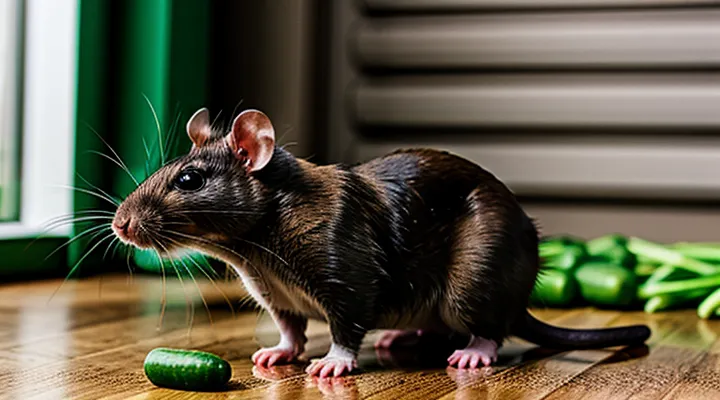
The Importance of Vegetables in a Rat’s Diet
Nutritional Benefits of Vegetables
Essential Vitamins and Minerals
Pet rats require a balanced intake of vitamins and minerals to support growth, reproduction, and immune function. Vegetables that supply these nutrients complement commercial rodent diets and reduce reliance on processed feeds.
Key nutrients and vegetable sources:
- Vitamin A (retinol, beta‑carotene) – carrots, sweet potatoes, kale, pumpkin.
- Vitamin C (ascorbic acid) – bell peppers (especially red), broccoli, peas. Rats synthesize this vitamin, but dietary sources aid stress resistance.
- Vitamin D3 – limited in plant foods; fortified mushroom varieties provide modest amounts.
- Vitamin E (tocopherol) – spinach, Swiss chard, zucchini.
- B‑complex vitamins – leafy greens (collard, mustard), green beans, corn.
- Calcium – bok choy, broccoli, kale; essential for bone density and dental health.
- Phosphorus – peas, corn, lentils; works with calcium to maintain skeletal integrity.
- Magnesium – spinach, beet greens, pumpkin; supports muscle contraction and nerve transmission.
- Potassium – cucumber, celery, zucchini; regulates fluid balance and cardiovascular function.
- Iron – spinach, beetroot, Swiss chard; required for hemoglobin synthesis.
- Zinc – pumpkin seeds (offered sparingly), mushrooms; involved in enzyme activity and wound healing.
- Selenium – broccoli, Brussels sprouts; contributes to antioxidant defenses.
When incorporating vegetables, provide a variety to cover the full spectrum of micronutrients. Offer fresh, washed produce in small, bite‑size pieces to prevent choking. Limit high‑oxalate items such as spinach to avoid calcium binding issues. Rotate selections daily to prevent nutrient excesses and maintain palate interest.
Hydration and Fiber
Water-rich vegetables contribute directly to a rat’s daily fluid intake, reducing reliance on supplemental water sources. High moisture content also softens stool, supporting smooth gastrointestinal transit. Fiber, primarily insoluble, adds bulk to digesta, stimulates peristalsis, and helps maintain a balanced gut microbiome.
- Cucumber (≈95 % water, 0.5 % fiber) – serve in thin slices, limit to 1 – 2 cm³ per day.
- Bell pepper, any color (≈92 % water, 1 % fiber) – offer raw, diced pieces, up to 2 – 3 cm³ daily.
- Zucchini (≈94 % water, 1 % fiber) – provide small, peeled chunks; 2 – 3 cm³ per day.
- Celery (≈95 % water, 1.5 % fiber) – cut into bite‑size sticks; 1 – 2 cm³ daily.
- Leafy greens such as romaine lettuce (≈95 % water, 1 % fiber) – supply loosely packed leaves, 2 – 3 cm³ daily.
Combining moisture‑dense vegetables with moderate‑fiber options ensures adequate hydration while promoting intestinal health. Rotate selections to prevent dietary monotony and monitor stool consistency; adjustments in portion size may be required if stools become overly soft or hard. Regular observation of water bottle consumption alongside vegetable intake provides a reliable gauge of overall fluid balance.
Safe and Healthy Vegetable Choices
Leafy Greens
Romaine Lettuce
Romaine lettuce is a leafy vegetable that fits well within a balanced diet for pet rats. Its crisp texture encourages chewing, and the high moisture content supports hydration.
Nutritional profile includes:
- Approximately 95 % water, aiding fluid intake.
- Vitamins A and K, contributing to eye health and blood clotting.
- Folate, supporting cell division.
- Dietary fiber, promoting gastrointestinal motility.
- Low caloric density, preventing excess weight gain.
Benefits for rats stem from the combination of hydration and nutrients. Water‑rich greens reduce the need for additional water sources, while fiber helps prevent constipation. Vitamin A assists in maintaining healthy retinal function, and vitamin K aids in normal coagulation.
Feeding guidelines:
- Rinse thoroughly under running water to remove soil and potential contaminants.
- Trim any damaged or wilted portions before offering.
- Provide 1–2 grams per 100 grams of body weight, split into two daily servings.
- Introduce gradually to monitor tolerance and avoid sudden changes in diet.
Potential concerns involve pesticide residue and oxalate content. Source organic or thoroughly washed lettuce to minimize chemical exposure. Excessive consumption may lead to loose stools; balance with other low‑water vegetables to maintain stool consistency. Avoid mixing with iceberg lettuce, which offers minimal nutritional value.
For storage, place washed leaves in a perforated plastic bag or wrap in damp paper towel, then refrigerate. Use within three to five days to preserve freshness and nutrient integrity.
Kale
Kale offers a dense source of vitamins A, C, and K, which support vision, immune function, and blood clotting in pet rats. The leafy vegetable also supplies calcium, potassium, and dietary fiber, contributing to bone health and digestive regularity.
Protein content in kale is modest but complements the protein supplied by commercial rat diets. Antioxidants such as beta‑carotene and lutein help mitigate oxidative stress, a factor in age‑related health decline.
When introducing kale, follow these guidelines:
- Wash thoroughly to remove pesticide residues.
- Remove thick stems; offer only tender leaves.
- Serve raw or lightly steamed for a few minutes to improve digestibility.
- Limit portions to 1–2 small leaves per rat per day to avoid excess calcium.
- Observe for signs of gastrointestinal upset and discontinue if symptoms appear.
Kale should be rotated with other greens to maintain a balanced nutrient profile and prevent mineral imbalances. Regular monitoring of the rat’s weight and coat condition will indicate whether kale is contributing positively to overall health.
Spinach «in moderation»
Spinach can be offered to pet rats, but only in limited quantities. The leafy green is rich in vitamins A, C, and K, and supplies iron and calcium, which support vision, immune function, and bone health. However, the high oxalic acid content interferes with calcium absorption and may promote kidney stone formation if fed excessively.
Guidelines for safe inclusion:
- Provide no more than one teaspoon of raw, washed spinach per rat per day.
- Serve fresh leaves, removing any wilted or damaged portions.
- Rotate spinach with other low‑oxalate greens such as kale, romaine lettuce, and collard greens.
- Observe the rat for signs of digestive upset, such as loose stools or reduced appetite, and discontinue if symptoms appear.
Regularly balancing spinach with a variety of vegetables ensures rats receive essential nutrients without the risk of mineral imbalances.
Root Vegetables
Carrots
Carrots are a viable vegetable option for pet rats, offering a blend of nutrients that support overall health. The root vegetable supplies beta‑carotene, which the animal converts to vitamin A, essential for vision and immune function. Additional components include dietary fiber, potassium, and small amounts of vitamin C and B‑complex vitamins.
Nutritional contribution per 100 g of raw carrot:
- Approximately 41 kcal
- 0.9 g protein
- 9.6 g carbohydrate (mostly sugars)
- 2.8 g fiber
- 0.2 g fat
- 828 mg potassium
- 828 µg beta‑carotene
Feeding guidelines:
- Offer raw carrot in small, bite‑size pieces; a typical serving is ½ to 1 cm cube, no more than 1 % of the rat’s daily caloric intake.
- Introduce gradually to monitor tolerance; observe for loose stool or reduced appetite.
- Remove any uneaten portions after two hours to prevent spoilage.
- Store fresh carrots in a sealed container in the refrigerator; discard if wilted or moldy.
Precautions:
- Excessive carrot consumption can lead to hypervitaminosis A due to high beta‑carotene levels; balance with low‑carotene vegetables.
- High sugar content may affect weight management; adjust other diet components accordingly.
- Ensure carrots are free from pesticide residues; wash thoroughly before serving.
Sweet Potatoes «cooked and plain»
Sweet potatoes, when cooked without added salt, butter, or seasoning, provide a balanced source of nutrients suitable for pet rats. The root vegetable is rich in complex carbohydrates, dietary fiber, and essential vitamins such as beta‑carotene (precursor to vitamin A), vitamin C, and several B‑vitamins. Minerals present include potassium, manganese, and small amounts of calcium and iron.
Nutritional profile per 100 g of boiled, unseasoned sweet potato:
- Energy: ~90 kcal
- Carbohydrates: 21 g
- Dietary fiber: 3 g
- Beta‑carotene: 850 µg
- Vitamin C: 2.4 mg
- Potassium: 337 mg
- Manganese: 0.3 mg
Benefits for rats include support for vision, immune function, and digestive health. The fiber aids peristalsis, reducing the risk of constipation, while the carbohydrate content supplies readily available energy for active rodents.
Feeding guidelines:
- Offer in small cubes or thin slices, sized to the rat’s mouth.
- Limit to 1–2 teaspoons (approximately 10–15 g) per rat, two to three times weekly.
- Ensure the sweet potato is fully cooled before presentation to avoid burns.
- Remove any uneaten portions after 30 minutes to prevent spoilage.
Potential concerns:
- Excessive portions may cause weight gain due to the carbohydrate density.
- Raw sweet potatoes contain solanine, a toxic compound; only cooked, plain preparations are safe.
- Monitor for signs of digestive upset, such as loose stools, when introducing the food.
Incorporating cooked, plain sweet potato into a varied diet enhances nutritional diversity while meeting the energy and micronutrient requirements of healthy pet rats.
Turnips
Turnips provide a balanced mix of carbohydrates, fiber, and vitamins that support the digestive health of pet rats. The root contains moderate levels of vitamin C, potassium, and calcium, while the leafy greens are rich in vitamin A and K. This combination offers essential nutrients without excessive sugar.
When offering turnips, present them in small, bite‑size pieces to prevent choking. Both the root and the greens are safe, but the greens should be washed thoroughly to remove soil and pesticide residues. Serve raw or lightly steamed; avoid adding salt, butter, or seasonings.
Feeding guidelines:
- Limit to 1–2 teaspoons of diced root per day for a typical adult rat.
- Provide a few leaflets of greens as a supplement, not a replacement for the main diet.
- Rotate turnips with other vegetables to ensure a varied nutrient intake.
- Observe the rat for any signs of digestive upset; reduce quantity if loose stools appear.
Turnips should not be the sole vegetable source. Their natural sugars can lead to weight gain if overfed, and excessive fiber may cause gastrointestinal irritation. Balance with low‑sugar vegetables such as leafy lettuce, cucumber, or bell pepper for optimal health.
Other Suitable Vegetables
Bell Peppers «all colors»
Bell peppers, regardless of hue, provide a balanced mix of vitamins, minerals, and fiber that support rat health. The red, orange, yellow, and green varieties differ slightly in nutrient density, with red peppers containing the highest levels of vitamin C and beta‑carotene, while green peppers retain more chlorophyll and a modest amount of vitamin K.
Key nutrients per 10‑gram serving (approximately one small bite):
- Vitamin C: 15 mg (about 20 % of daily requirement for a rat)
- Vitamin A (as beta‑carotene): 200 IU in red peppers, 120 IU in orange/yellow, 80 IU in green
- Vitamin B6: 0.1 mg
- Folate: 5 µg
- Potassium: 30 mg
- Dietary fiber: 0.3 g
Benefits include enhanced immune function, improved ocular health, and support for skin integrity. The low calorie and high water content of bell peppers also aid hydration and weight management.
Safe feeding practices:
- Wash thoroughly to remove pesticide residues. Organic produce is preferable but not mandatory if washed correctly.
- Remove stems and seeds; they add unnecessary bulk and may pose a choking hazard.
- Offer raw pieces no larger than 1 cm³ to prevent obstruction.
- Limit intake to 5–10 % of the total daily diet weight, adjusting based on the rat’s size and activity level.
- Observe for signs of digestive upset; discontinue if diarrhea or reduced appetite occurs.
Storage recommendations: keep whole peppers refrigerated in a sealed container for up to one week. Once cut, cover with plastic wrap and use within 48 hours to maintain freshness and nutrient stability.
Incorporating a variety of colored bell peppers ensures a broader spectrum of antioxidants while maintaining a balanced diet for pet rats.
Broccoli
Broccoli provides a balanced source of vitamins, minerals, and fiber that support rat health. It contains vitamin C, vitamin K, folate, and calcium, all of which contribute to bone strength, immune function, and blood clotting. The plant’s high fiber content aids digestion and helps maintain healthy gut flora.
When offering broccoli to pet rats, follow these guidelines:
- Serve only fresh, washed florets; discard any wilted or discolored parts.
- Cut florets into bite‑size pieces (approximately ½ cm) to prevent choking.
- Introduce gradually, starting with a single small piece per day, and observe for any adverse reactions.
- Limit portions to 1–2 grams per 100 g of body weight, ensuring vegetables do not exceed 10 % of the total diet.
Potential concerns include the presence of oxalic acid, which can interfere with calcium absorption if over‑consumed. To mitigate risk, rotate broccoli with other low‑oxalate vegetables such as kale, carrots, or cucumber. Avoid feeding cooked broccoli with added salt, butter, or seasonings, as these additives can harm rats.
In summary, raw broccoli, provided in modest, properly prepared amounts, serves as a nutritious component of a rat’s diet, delivering essential nutrients while supporting digestive health.
Peas
Peas are a safe vegetable choice for pet rats, providing a source of protein, fiber, and essential micronutrients.
- Protein content ranges from 5–6 % of fresh weight, supporting tissue growth.
- Dietary fiber aids gastrointestinal motility and helps prevent constipation.
- Vitamins A, C, and K contribute to vision, immune response, and blood clotting.
- Minerals such as iron, potassium, and magnesium support metabolic functions.
Including peas in a rat’s diet can promote healthy development, maintain digestive regularity, and enhance immune defenses.
Preparation requires washing fresh peas or rinsing frozen ones, then steaming for 3–5 minutes without added salt, oil, or seasoning. Cool before serving; peas may be offered whole or lightly mashed to facilitate chewing.
Moderate portions are essential. A typical adult rat should receive 1–2 teaspoons of cooked peas per day, integrated with a balanced diet of commercial pellets, other vegetables, and occasional fruit. Excessive intake may lead to soft stool or weight gain due to natural sugars.
Avoid canned peas, which often contain added sodium and preservatives.
Store fresh peas in a sealed container in the refrigerator for up to three days; frozen peas remain viable for six months when kept in airtight packaging.
Zucchini
Zucchini offers a low‑calorie source of moisture and fiber, making it a practical addition to a rat’s diet. The vegetable supplies vitamin C, potassium, and small amounts of vitamin A, which support immune function and muscle health. Its soft texture is easy for rats to chew, reducing the risk of dental strain.
Feeding guidelines
- Offer raw, unseasoned zucchini in bite‑size pieces.
- Limit portions to 1–2 cm cubes, no more than 10 % of the daily food intake.
- Provide fresh pieces daily; discard leftovers after a few hours to prevent spoilage.
Preparation tips
- Wash thoroughly to remove pesticide residues.
- Remove any stem or leaf material, as these can be tougher and less digestible.
- Slice or dice the flesh; do not cook, since heat diminishes vitamin C content.
Safety considerations
- Avoid zucchini that is wilted, moldy, or has a strong odor.
- Do not add salt, butter, or sauces, which can upset a rat’s digestive system.
- Monitor for signs of gastrointestinal upset after introduction; reduce or discontinue if symptoms appear.
Vegetables to Avoid or Feed with Caution
Harmful Vegetables
Onions and Garlic
Onions and garlic are unsuitable for pet rats. Both belong to the Allium family, which contains compounds that damage red blood cells in rodents. Ingestion can lead to hemolytic anemia, weakness, and, in severe cases, death.
Key points:
- Toxic agents: N-propyl disulfide and thiosulfate oxidize hemoglobin.
- Symptoms: Lethargy, pale gums, rapid breathing, dark urine.
- Dosage sensitivity: Even small amounts (a single bite) may cause adverse effects.
- Veterinary guidance: Immediate veterinary evaluation is recommended if exposure occurs.
Alternative vegetable choices for rats include leafy greens (e.g., kale, romaine lettuce), carrots, bell peppers, and broccoli, which provide essential nutrients without the risks associated with Allium species.
Raw Sweet Potato
Raw sweet potato offers a balanced source of carbohydrates, fiber, and micronutrients that support rat health. The tuber contains beta‑carotene, which the animal converts to vitamin A, essential for vision and immune function. It also supplies potassium, vitamin C, and modest amounts of calcium and iron, contributing to electrolyte balance and bone maintenance.
When offered raw, sweet potato should be washed thoroughly, peeled to remove the skin that may harbor pesticide residues, and cut into bite‑size cubes no larger than ½ inch. A daily portion of 1–2 grams per 100 g of body weight provides energy without excess calories. Rats typically accept the sweet taste, but monitor for any refusal that could indicate individual aversion.
Potential concerns include the presence of natural oxalates, which in large quantities may predispose to kidney stone formation. Limit raw servings to the recommended amount and alternate with other low‑oxalate vegetables. Additionally, ensure the sweet potato is fresh; discard any pieces that show discoloration, softness, or mold, as these indicate spoilage and possible bacterial growth.
Storage guidelines: keep peeled, cut pieces in an airtight container in the refrigerator for up to 24 hours. For longer preservation, freeze portions on a tray, then transfer to a sealed bag; thaw before serving and discard any that become mushy.
Key points for feeding raw sweet potato to pet rats
- Wash, peel, and cube into ≤½ inch pieces.
- Serve 1–2 g per 100 g body weight daily.
- Rotate with other vegetables to limit oxalate intake.
- Store refrigerated, use within 24 hours; freeze for extended storage.
- Remove any spoiled or discolored pieces before offering.
Rhubarb
Rhubarb often appears in discussions of vegetable choices for small mammals, yet its chemical composition makes it unsuitable for pet rats. The plant’s stalks contain oxalic acid, which binds calcium and can precipitate in the urinary system, leading to kidney stress and possible stone formation. Leaves contain higher concentrations of oxalic acid and additional toxins, rendering them definitively hazardous.
Feeding rhubarb to rats carries measurable risk. Even small quantities of raw stalks may cause gastrointestinal irritation; cooked stalks reduce fiber but do not eliminate oxalic acid. No scientific consensus supports a safe daily allowance, and the potential for cumulative toxicity outweighs any nutritional benefit.
Veterinary guidance recommends excluding rhubarb from a rat’s diet. Safer vegetable options include:
- Carrot slices, low in oxalates and high in beta‑carotene.
- Broccoli florets, providing vitamin C and fiber.
- Bell‑pepper strips, offering vitamin A and antioxidants.
These alternatives supply essential nutrients without the hazards associated with rhubarb. Maintaining a varied menu of approved vegetables ensures balanced nutrition and reduces the likelihood of metabolic complications.
Vegetables to Feed in Moderation
Corn
Corn provides a source of carbohydrates and dietary fiber suitable for pet rats when offered in moderation. Each ear of corn contains starch, small amounts of protein, and essential micronutrients such as vitamin C, thiamine, and folate, which support energy metabolism and immune function. The fiber content aids gastrointestinal motility, helping to maintain healthy digestion.
When incorporating corn into a rat’s diet, observe the following guidelines:
- Serve only fresh, cooked kernels; raw corn may be difficult to digest and can contain anti‑nutritional compounds.
- Limit portions to no more than one teaspoon of cooked kernels per day for an adult rat, adjusting for size and activity level.
- Avoid adding butter, salt, or seasonings, which can cause sodium overload and gastrointestinal irritation.
- Remove any husk or silk before cooking, as these parts are indigestible and may pose choking hazards.
Potential concerns include excessive sugar and starch, which can lead to obesity or blood‑glucose spikes if overfed. Monitor the rat’s weight and overall health, and balance corn with leafy greens, root vegetables, and a high‑quality pellet base to ensure a varied and nutritionally complete diet.
Cabbage
Cabbage provides a safe, nutrient‑dense option for pet rats when offered in moderation. It supplies essential vitamins, minerals, and fiber without excessive calories.
- Vitamin C – supports immune function
- Vitamin K – aids blood clotting
- Folate – contributes to cell growth
- Dietary fiber – promotes digestive health
Proper preparation is critical. Rinse thoroughly, discard wilted outer leaves, and cut into bite‑size pieces no larger than a pea. Offer raw cabbage for maximum vitamin retention; lightly steaming for one minute can reduce potential gas production for sensitive rats.
Recommended serving size is one to two small pieces per day, constituting no more than 5 % of the rat’s total diet. Rotate cabbage with other vegetables to ensure a balanced nutrient profile.
Potential concerns include excessive gas, which may cause abdominal discomfort, and the presence of oxalates that can affect calcium metabolism. Use pesticide‑free produce and monitor the rat for signs of digestive upset; discontinue if symptoms appear.
Incorporating cabbage alongside a varied diet of grains, proteins, and other vegetables maintains overall health and encourages natural foraging behavior.
Preparing Vegetables for Your Rats
Washing and Cutting
Removing Pesticides
When feeding vegetables to pet rats, pesticide residues pose a health risk. Removing those chemicals ensures the diet remains safe and nutritionally beneficial.
Effective pesticide removal includes several steps:
- Rinse each piece under running cold water for at least 30 seconds.
- Use a soft brush to scrub surfaces with visible soil or wax.
- Soak leafy greens in a bowl of cold water for 5–10 minutes, then repeat the rinse.
- Peel thick‑skinned vegetables such as carrots, cucumbers, and zucchini.
- Blanch root vegetables briefly (1 minute in boiling water) and immediately transfer to ice water; this reduces surface residues.
- Prefer produce labeled “organic” or sourced from pesticide‑free farms when possible.
Additional precautions:
- Avoid detergents, bleach, or commercial fruit‑wash products; they can leave harmful residues.
- Dry vegetables with a clean cloth or paper towel after washing to prevent mold growth.
- Store washed vegetables in airtight containers in the refrigerator, and use them within 24 hours.
Consistently applying these practices eliminates most pesticide traces, allowing pet rats to benefit from the full nutritional value of the vegetables without exposure to harmful chemicals.
Appropriate Portion Sizes
Providing vegetables to pet rats supports digestive health, hydration, and micronutrient intake, but only when portion sizes match the animal’s metabolic needs. Over‑feeding can cause diarrhea, obesity, or nutrient imbalances; under‑feeding limits the benefits of fiber and vitamins.
A typical adult rat (150–250 g) should receive 1–2 grams of fresh vegetable matter per day, equivalent to roughly 1–2 small bites. Juvenile rats require slightly less, about 0.5–1 gram, while highly active or breeding individuals may tolerate up to 3 grams. These amounts represent 5–10 % of the total daily food volume, with the remainder supplied by a balanced pellet or mash diet.
- Carrots: ¼ of a medium carrot (≈0.5 g) per day.
- Broccoli florets: One small tip (≈0.8 g) per day.
- Bell pepper strips: 1–2 thin strips (≈0.6 g) per day.
- Cucumber slices: One thin slice (≈0.5 g) per day.
- Leafy greens (e.g., romaine, kale): A single leaf torn into small pieces (≈1 g) per day.
Adjust portions when rats display signs of gastrointestinal upset or weight change. Increase gradually if the animal is growing, pregnant, or engaged in extensive exercise; decrease if stool becomes loose or the rat gains excess weight. Always wash vegetables thoroughly, remove any wilted or bruised sections, and present them raw to preserve natural enzymes.
Regular observation—daily weight checks, stool consistency, and activity level—guides fine‑tuning of vegetable servings. Recording these metrics allows owners to maintain a consistent, health‑promoting diet while preventing the risks associated with improper portion control.
Cooking Methods
Steaming
Steaming preserves the nutritional value of vegetables while eliminating harmful bacteria, making it a reliable method for preparing rat-friendly produce. The process involves heating water to produce steam, then exposing the vegetable pieces to the vapor for a brief period, typically 3–5 minutes for tender greens and up to 8 minutes for denser roots. This short exposure softens the fiber, facilitating digestion for pet rats without leaching water‑soluble vitamins such as vitamin C and B‑complex.
Key benefits of steaming for rat diets include:
- Retention of antioxidants and phytonutrients that degrade under prolonged boiling.
- Reduction of pesticide residues through surface heat treatment.
- Creation of a palatable texture that encourages regular consumption.
When selecting vegetables to steam, prioritize those with low oxalate and sugar content to avoid urinary or metabolic issues. Recommended options are:
- Carrots, sliced into ½‑inch pieces, steamed 4 minutes.
- Broccoli florets, steamed 5 minutes, cooled before serving.
- Zucchini, quartered, steamed 3 minutes.
- Spinach leaves, steamed 2 minutes, squeezed to remove excess moisture.
- Sweet potato cubes, steamed 7 minutes, cooled and mashed.
After steaming, allow the vegetables to reach room temperature before offering them to the rat. Serve in small portions, observing the animal’s acceptance and any signs of digestive upset. Regular inclusion of steamed vegetables complements a balanced pellet diet, contributing essential vitamins, minerals, and fiber while minimizing health risks associated with raw or overcooked produce.
Boiling
Boiling offers a reliable method for preparing vegetables that are safe and digestible for pet rats. The process eliminates surface bacteria, softens fibrous structures, and produces a texture that rats can readily chew. To preserve nutritional value, use a small volume of water, bring it to a gentle boil, and limit cooking time to the minimum required for tenderness—typically two to five minutes depending on the vegetable.
Preparation steps:
- Rinse each vegetable thoroughly under running water.
- Trim off inedible parts and cut into bite‑size pieces.
- Submerge the pieces in boiling water; maintain a steady simmer.
- Observe the texture; remove when the vegetable yields to gentle pressure.
- Drain immediately and cool to room temperature before offering to the rat.
Vegetables that retain most of their nutrients when boiled and are well tolerated by rats include:
- Carrots, sliced thinly
- Broccoli florets
- Green beans, trimmed
- Peas, shelled
- Zucchini, diced
- Spinach, chopped (brief boil to reduce oxalate content)
Avoid boiling vegetables that contain compounds harmful to rats, such as raw onions or garlic, even after cooking. Serve boiled vegetables plain, without added salt, oil, or seasoning, to maintain a health‑focused diet. Regular inclusion of these prepared vegetables contributes to balanced nutrition and supports the overall well‑being of pet rats.
Incorporating Vegetables into a Balanced Diet
Frequency and Quantity
Daily Small Servings
Pet rats thrive when their diet includes a variety of fresh vegetables offered in modest daily portions. A typical serving consists of ¼ to ½ cup of chopped produce, divided into two to three feedings to prevent overconsumption and maintain digestive health. Monitoring weight and stool consistency helps adjust portions to individual needs.
Suitable vegetables for regular inclusion are:
- Carrot – 1‑2 tablespoon pieces, rich in beta‑carotene.
- Broccoli – 1‑2 tablespoon florets, provides vitamin C and fiber.
- Bell pepper – 1‑2 tablespoon diced, supplies vitamin A.
- Zucchini – 1‑2 tablespoon cubes, low in sugar, high in moisture.
- Spinach – 1 tablespoon leaves, source of iron and calcium (limit to avoid oxalates).
Introduce new vegetables gradually, offering a small amount for three days before increasing. Remove uneaten portions after 24 hours to prevent spoilage. Consistent, measured servings support optimal growth, coat condition, and overall vitality.
Balancing with Other Foods
Pet rats thrive when their diet combines vegetables with protein sources, grains, and occasional fruit. Vegetables supply fiber, vitamins, and minerals, but they must be integrated into a balanced regimen to prevent nutritional gaps.
A typical daily allocation might include:
- 25‑30 % fresh vegetables, finely chopped or shredded for easy chewing.
- 40‑45 % high‑quality rodent pellets or formulated mash, providing essential protein, fat, and calcium.
- 15‑20 % whole‑grain items such as rolled oats, barley, or cooked brown rice, contributing complex carbohydrates and additional fiber.
- 5‑10 % fruit or occasional treats, limited to low‑sugar varieties to avoid gastrointestinal upset.
When selecting vegetables, prioritize those low in oxalates and soluble sugars. Examples include kale, bell pepper, cucumber, and carrot. Rotate varieties weekly to ensure a broad spectrum of nutrients and to reduce the risk of mineral imbalances, particularly excess potassium or phosphorus.
Supplementary considerations:
- Monitor calcium‑to‑phosphorus ratio; excessive leafy greens can skew the balance, necessitating a calcium‑rich pellet or a small calcium supplement.
- Provide fresh water at all times; high‑fiber vegetables increase water demand.
- Observe stool consistency; soft or watery feces may indicate too much vegetable moisture, prompting a slight reduction in the vegetable portion.
Consistent feeding schedules, measured portions, and regular health checks enable pet rats to benefit fully from the nutritional advantages of vegetables while maintaining overall dietary equilibrium.
Introducing New Vegetables
Gradual Introduction
Introducing new vegetables to pet rats requires a step‑by‑step approach to prevent digestive upset and encourage acceptance. Begin with a single, well‑tolerated vegetable, offering only a few bite‑sized pieces. Observe the animal for 24 hours; any signs of diarrhea, reduced appetite, or abnormal behavior indicate the need to pause and revert to the previous diet.
- Day 1–2: Offer 1–2 small pieces of the chosen vegetable.
- Day 3–4: If no adverse reaction, double the portion to 3–4 pieces.
- Day 5–7: Increase to a handful, maintaining the same vegetable.
- Week 2 onward: Add a second vegetable, repeating the same incremental schedule while continuing to monitor health.
Each addition should follow the same timeline, allowing the rat’s gut flora to adapt. Rotate vegetables weekly to provide a balanced nutrient profile and to prevent boredom. Prior to serving, wash produce thoroughly, peel or trim tough skins, and remove seeds or pits that could cause blockage. Select low‑oxalate, low‑sugar options such as broccoli florets, cucumber slices, or bell‑pepper strips; avoid high‑acid or high‑starch varieties until tolerance is established.
Consistent observation, controlled portion growth, and systematic rotation ensure that pet rats receive diverse, nutritious vegetables without compromising gastrointestinal health.
Monitoring for Reactions
When introducing new vegetables to a pet rat’s diet, systematic observation is essential to detect adverse responses promptly. Begin each feeding trial with a single, small portion of the chosen vegetable and record the exact type, quantity, and time of administration. Maintain a log that includes the rat’s baseline behavior, appetite, and stool characteristics for comparison.
Key indicators of a negative reaction include:
- Reduced food intake or refusal to eat
- Diarrhea, loose stools, or blood in feces
- Lethargy or uncharacteristic inactivity
- Respiratory distress, sneezing, or nasal discharge
- Skin irritation, swelling, or excessive grooming at the mouth
If any of these signs appear within 24‑48 hours, cease the vegetable immediately and revert to a known safe diet. Consult a veterinarian experienced with small mammals for further assessment, especially if symptoms persist beyond 48 hours or worsen. Document the outcome to refine future vegetable selections and ensure the rat’s nutritional regimen remains both varied and safe.