
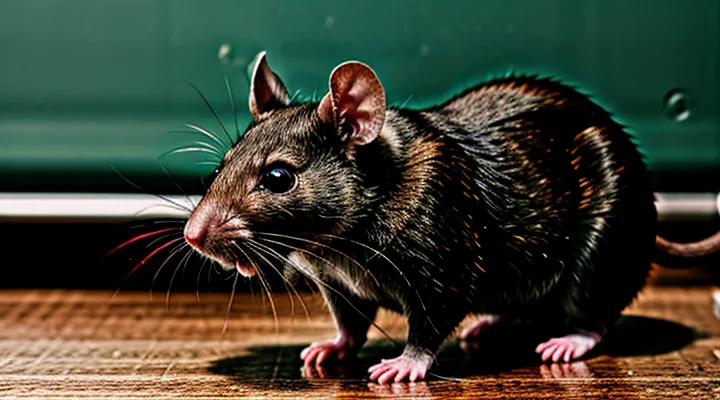
Understanding Subcutaneous Mites in Rats
What are Subcutaneous Mites?
Types of Mites Affecting Rats
Subcutaneous infestations in laboratory and pet rats involve several mite species. Each species exhibits distinct morphology, host preference, and pathogenic potential.
-
Ornithonyssus bacoti (tropical rat mite) – adult size 0.5–0.7 mm, reddish‑brown, rapid mover. Feeds on blood and tissue fluids, can penetrate the dermis, causing erythema, pruritus, and secondary bacterial infection. Transmission occurs via direct contact or contaminated bedding.
-
Laelaps echidnina – elongated body 0.4–0.6 mm, pale‑yellow. Predatory on other ectoparasites but also feeds on rat tissue. Infestation may produce localized swelling and ulceration, especially in immunocompromised animals.
-
Myobia musculi – microscopic (0.2 mm), translucent. Primarily inhabits the hair follicles of the ventral abdomen. Causes folliculitis, hair loss, and dermatitis. High infestation density correlates with severe skin lesions.
-
Demodex spp. (Demodex musculi) – thread‑like, 0.2–0.4 mm, resides within sebaceous glands. Generally low pathogenicity, but heavy loads can lead to nodular dermatitis and alopecia.
-
Tyrophagus putrescentiae – grain mite occasionally found on rats. Though not a true parasite, its presence can irritate the skin and exacerbate existing mite infestations.
Recognition of the specific mite type guides therapeutic choices. Blood‑feeding species such as O. bacoti respond well to systemic acaricides (e.g., ivermectin, selamectin) combined with environmental decontamination. Predatory or follicular mites may require topical agents (e.g., amitraz, fipronil) and supportive skin care. Accurate identification through microscopic examination ensures effective treatment and prevents recurrence.
Life Cycle of Mites
Mites that inhabit the subcutaneous tissue of rats progress through a predictable sequence of developmental stages. The cycle begins when a fertilized female deposits eggs on the host’s skin or in the immediate environment. Eggs hatch within 2–4 days, releasing six‑legged larvae that feed briefly on tissue fluids before molting. The larval stage lasts 3–5 days, after which the organism enters the first nymphal phase, acquiring eight legs and increasing in size. Nymphs undergo two successive molts—first and second nymphal stages—each lasting 4–7 days and characterized by intensified feeding and tissue penetration. The final molt produces the adult mite, which is capable of reproduction and can survive up to several weeks depending on temperature and humidity. Adult females lay 30–50 eggs over their lifespan, perpetuating the cycle.
Key parameters influencing the cycle include:
- Ambient temperature: 25–30 °C accelerates development; lower temperatures extend each stage.
- Relative humidity: 70–80 % supports egg viability and larval survival.
- Host condition: immunocompromised or stressed rats experience faster mite proliferation.
Understanding these temporal and environmental constraints enables timely intervention. Therapeutic regimens that target the mite during its vulnerable larval and early nymphal phases can interrupt reproduction before adult populations become established, reducing tissue damage and associated clinical signs.
Prevalence and Risk Factors
Environmental Contributions
Environmental conditions directly affect the prevalence of skin‑dwelling mites in rats and influence the severity of clinical signs. Overcrowding increases contact rates, facilitating mite transmission between individuals. Poor ventilation raises humidity, creating a microclimate favorable for mite development and egg survival. Contaminated bedding or nesting material serves as a reservoir, allowing larvae to persist after host removal. Inadequate sanitation permits accumulation of organic debris, which supports mite populations. Seasonal temperature shifts alter mite reproductive cycles, often leading to higher infestation rates during warm, moist periods.
Effective control strategies must address these factors. Recommendations include:
- Maintaining cage density below recommended limits to reduce direct transmission.
- Ensuring airflow that keeps relative humidity between 40‑60 % to hinder mite maturation.
- Replacing bedding regularly with sterile, low‑dust substrates.
- Implementing rigorous cleaning protocols for cages, equipment, and surrounding areas.
- Monitoring ambient temperature, adjusting heating or cooling to avoid prolonged periods above 25 °C.
When environmental measures are combined with appropriate pharmacological treatment, recurrence rates decline markedly, and affected rats exhibit faster recovery from dermatitis, alopecia, and pruritus.
Genetic Predisposition
Genetic predisposition influences the likelihood that laboratory rats develop subcutaneous mite infestations, affecting both disease severity and response to therapy. Specific alleles linked to immune regulation, such as variants of the major histocompatibility complex (MHC) class II genes, correlate with heightened susceptibility. Inbred strains that carry these alleles often exhibit earlier onset of dermal lesions and more extensive mite burdens compared to outbred populations.
Key genetic factors identified in recent studies include:
- MHC class II haplotypes associated with reduced antigen presentation efficiency.
- Polymorphisms in cytokine genes (e.g., IL‑4, IL‑10) that shift the Th2/Th1 balance toward an allergic response.
- Mutations in skin barrier proteins (e.g., filaggrin) that compromise epidermal integrity.
- Genes governing grooming behavior, where reduced activity facilitates mite colonization.
Understanding these hereditary components informs treatment protocols. Rats with known susceptibility markers may require prophylactic acaricide administration at lower dosages or more frequent monitoring. Genetic screening of breeding colonies enables the selection of individuals lacking high‑risk alleles, thereby decreasing overall infestation rates and minimizing the need for chemical interventions.
Integrating genetic data with conventional therapeutic measures—topical ivermectin, systemic milbemycin, and environmental decontamination—optimizes control outcomes. Tailoring regimens to the host’s genetic profile reduces treatment failures and limits the emergence of acaricide resistance within mite populations.
Recognizing Symptoms of Mite Infestation
Behavioral Changes
Excessive Grooming
Excessive grooming is a common behavioral response in rats harboring subcutaneous mites. The irritation caused by the parasites stimulates repetitive licking, scratching, and fur pulling, often leading to self‑induced wounds.
Visible signs include:
- Localized alopecia, especially on the back and flanks
- Crusty or ulcerated skin lesions where the animal concentrates grooming activity
- Redness and swelling around the affected sites
- Behavioral changes such as reduced activity and weight loss due to chronic discomfort
The mite’s mouthparts penetrate the dermis, releasing saliva that contains proteolytic enzymes. These secretions provoke inflammation, pruritus, and a heightened grooming drive. Continuous self‑trauma compromises the integumentary barrier, allowing secondary bacterial infections to develop.
Effective management requires simultaneous parasite elimination and wound care:
- Administer a systemic acaricide (e.g., ivermectin at 0.4 mg/kg subcutaneously) for three consecutive days.
- Apply a topical antiseptic (chlorhexidine solution) to lesions twice daily until epithelialization.
- Provide analgesic and anti‑inflammatory medication (meloxicam 0.2 mg/kg oral) to reduce pain and pruritus.
- Maintain a clean, low‑humidity environment to deter mite survival and prevent reinfestation.
- Monitor grooming frequency and lesion progression for at least two weeks post‑treatment; adjust therapy if lesions persist.
Prompt intervention curtails the grooming cycle, promotes tissue repair, and prevents long‑term dermatological damage.
Irritability and Restlessness
Irritability and restlessness frequently appear in rats infested with subcutaneous mites. The parasites embed just beneath the skin, causing localized inflammation that triggers discomfort and heightened sensitivity to handling. Affected animals often display sudden movements, frequent grooming, and aggressive reactions when approached. These behaviors can compromise experimental reliability and increase the risk of injury to personnel.
Key observations for identifying irritability and restlessness include:
- Rapid, erratic locomotion in the cage
- Persistent vocalizations or squeaking during routine care
- Aggressive biting or lunging when touched
- Excessive scratching or grooming focused on specific body regions
Underlying mechanisms involve the release of inflammatory mediators from the mite’s feeding site, which stimulate nociceptive pathways. The resulting pain perception lowers the animal’s threshold for stress, amplifying nervous system arousal.
Effective management requires both symptom mitigation and parasite eradication. Immediate steps:
- Administer a topical acaricide approved for rodent use, following the manufacturer’s dosage schedule.
- Provide analgesic agents, such as meloxicam, to reduce pain‑induced agitation.
- Adjust handling techniques—use gentle restraint and minimize unnecessary contact—to lower stress during treatment.
Long‑term control strategies involve regular health monitoring, environmental sanitation, and prophylactic treatment of breeding colonies to prevent re‑infestation. Prompt recognition of irritability and restlessness enables timely intervention, preserving animal welfare and experimental integrity.
Skin and Coat Manifestations
Hair Loss and Thinning Fur
Hair loss and thinning fur frequently appear as early indicators of a subcutaneous mite infestation in laboratory and pet rats. Mites burrow beneath the skin, disrupting follicular structures and causing localized alopecia. Affected areas often display a smooth, hair‑free patch that may expand over days, sometimes accompanied by a dull coat in surrounding regions. The condition can progress to generalized thinning if the parasite load remains unchecked.
Key aspects for recognition and management:
- Clinical signs: discrete bald spots, overall coat thinning, occasional crust formation, and mild skin irritation without overt inflammation.
- Diagnostic steps: visual inspection of affected skin, microscopic examination of skin scrapings, and confirmation through PCR or culture when available.
- Therapeutic measures: administer approved acaricides (e.g., ivermectin, selamectin) at recommended dosages; repeat treatment after 7–10 days to target newly hatched mites. Maintain strict hygiene by cleaning cages, replacing bedding, and isolating treated animals to prevent reinfestation.
- Preventive actions: regular health monitoring, quarantine of new arrivals, and routine environmental decontamination reduce the risk of mite transmission.
Prompt identification and appropriate treatment halt further fur loss, restore coat quality, and prevent secondary infections associated with mite‑induced skin damage.
Scabbing and Lesions
Scabbing and lesions appear where subcutaneous mites breach the skin of laboratory or pet rats. The mites inject saliva that provokes inflammatory reactions, leading to localized edema that soon crusts over. Lesions are usually round, 2–5 mm in diameter, and may coalesce into larger ulcerated areas if the infestation persists. The presence of serous or purulent exudate indicates secondary bacterial infection, which accelerates tissue breakdown.
Diagnosis relies on visual inspection of the scabbed sites and confirmation by skin scraping or dermal biopsy. Microscopic examination reveals mite larvae or eggs embedded in the dermis. Histopathology shows epidermal hyperplasia, necrosis, and infiltrates of neutrophils and macrophages surrounding the mite burrows.
Effective management includes:
- Topical acaricides: Apply a commercially approved mite‑killing ointment (e.g., selamectin or ivermectin gel) directly to each lesion twice daily for five days.
- Systemic therapy: Administer oral ivermectin at 0.2 mg/kg once daily for three consecutive days to eradicate mites that reside deeper in the subcutaneous tissue.
- Antibiotic coverage: Use a broad‑spectrum antibiotic (e.g., enrofloxacin 10 mg/kg subcutaneously) when purulent discharge is observed to control bacterial superinfection.
- Wound care: Clean lesions with sterile saline, debride necrotic tissue, and apply a non‑adherent dressing to maintain a moist healing environment.
- Environmental control: Replace bedding, disinfect cages with a mite‑effective sanitizer, and quarantine affected animals for at least two weeks to prevent reinfestation.
Monitoring should continue for three weeks after treatment completion. Resolution is indicated by the disappearance of crusts, restoration of normal fur, and absence of mite remnants on follow‑up skin scrapings. Persistent scabs or recurrent lesions warrant repeat systemic acaricide administration and a review of housing hygiene practices.
Redness and Inflammation
Redness and inflammation frequently appear at the site where subcutaneous mites penetrate the dermal tissue of rats. The mites inject saliva containing proteolytic enzymes, which provoke a localized vascular response. Blood vessels dilate, leading to erythema that may range from pale pink to deep crimson, depending on the severity of the reaction. Swelling accompanies the color change as inflammatory cells infiltrate the surrounding tissue, producing a palpable, often tender, nodule.
Clinical observation of these lesions provides an early indication of infestation. Typical features include:
- Sharp, well‑defined margins of redness.
- Warmth and firmness upon gentle palpation.
- Possible discharge if secondary bacterial infection develops.
Laboratory examination of skin scrapings or biopsy samples confirms mite presence, allowing differentiation from other dermatological conditions such as allergic dermatitis or bacterial cellulitis.
Effective management targets both the parasite and the inflammatory response. Recommended actions are:
- Administer a topical acaricide approved for rodents (e.g., ivermectin 1 % solution) directly onto the affected area, repeating the dose after 7 days to eradicate residual mites.
- Apply a mild corticosteroid ointment (e.g., hydrocortisone 0.5 %) to reduce edema and erythema, limiting use to a maximum of 5 days to avoid systemic effects.
- Provide systemic anti‑inflammatory medication, such as meloxicam at 0.2 mg/kg subcutaneously, once daily for 3 days, to control pain and swelling.
- Maintain a clean environment, replace bedding, and monitor cage mates for similar signs, preventing reinfestation.
Resolution of redness and inflammation typically occurs within 5–10 days after initiating treatment, provided that mite eradication is complete and secondary infections are managed promptly. Continuous observation is essential to detect recurrence early and adjust therapeutic protocols accordingly.
Advanced Stages of Infestation
Secondary Skin Infections
Secondary skin infections frequently develop in rats already infested with subcutaneous mites. The mites breach the dermal barrier, creating micro‑abrasions that serve as entry points for opportunistic bacteria such as Staphylococcus spp. and Pseudomonas spp. Resulting lesions are typically erythematous, moist, and may exude purulent material.
Clinical manifestations include:
- Localized swelling and heat
- Crusting or scabbing over ulcerated areas
- Foul odor indicating bacterial colonisation
- Pruritus that intensifies after mite activity peaks
Accurate diagnosis requires:
- Physical examination of the affected skin
- Cytological smear to identify bacterial morphology
- Culture and sensitivity testing for targeted antimicrobial selection
- Confirmation of mite presence through skin scrapings or dermatoscopy
Therapeutic protocol:
- Systemic antibiotics based on culture results; first‑line agents often include enrofloxacin or amoxicillin‑clavulanate
- Topical antiseptic ointments containing chlorhexidine or povidone‑iodine applied twice daily
- Continuation of acaricidal treatment (e.g., ivermectin or selamectin) to eliminate the primary mite infestation
- Supportive care with analgesics (meloxicam) and anti‑inflammatory agents to reduce discomfort
Preventive measures focus on environmental hygiene: regular cage cleaning, disinfection of bedding, and quarantine of new arrivals. Monitoring for early signs of mite activity reduces the risk of secondary bacterial invasion and promotes faster recovery.
Weight Loss and Lethargy
Weight loss and lethargy frequently indicate a subcutaneous mite infestation in laboratory or pet rats. The parasites embed beneath the skin, extract blood, and provoke chronic inflammation that diminishes appetite and reduces locomotor activity.
Mite feeding disrupts nutrient absorption, increases energy expenditure for immune responses, and creates discomfort that discourages normal foraging behavior. The combined effect produces measurable body‑mass decline and a noticeable reduction in exploratory or social movements.
Typical observations include:
- Progressive reduction of body weight over days to weeks.
- Diminished response to handling or environmental stimuli.
- Prolonged periods of immobility, especially during the active dark phase.
- Visible skin lesions or hair loss at attachment sites, often co‑occurring with the above signs.
Diagnostic confirmation relies on:
- Physical examination for characteristic papules or nodules.
- Microscopic identification of mites from skin scrapings or biopsies.
- Exclusion of alternative causes such as respiratory infection, gastrointestinal disease, or nutritional deficiency.
Effective management targets the ectoparasite and restores normal growth and activity:
- Administer a topical acaricide proven safe for rodents (e.g., selamectin or ivermectin) according to label dosage.
- Treat the environment with an appropriate insecticide to prevent re‑infestation.
- Provide a high‑calorie diet and ensure easy access to fresh water during recovery.
- Re‑evaluate weight and activity levels weekly; continue treatment until all mites are eradicated and the rat regains baseline body condition.
Resolution of the mite burden typically leads to rapid reversal of weight loss and normalization of behavior, confirming the direct link between the infestation and the observed clinical signs.
Diagnosis and Treatment Approaches
Veterinary Examination
Skin Scrapes and Microscopic Analysis
Skin scraping provides a direct method for confirming the presence of subcutaneous mites in laboratory rats. The procedure begins with gentle restraint of the animal, followed by sterilization of the target area with an alcohol swab. A sterile scalpel blade or fine curette is used to collect a thin layer of epidermal tissue from the lesion site, typically the dorsal neck or ventral abdomen where mite activity concentrates. Collected material is immediately transferred to a drop of physiological saline on a microscope slide.
Microscopic analysis proceeds in two stages. First, a wet mount is examined under low‑power (10–40×) illumination to detect motile mite larvae or adult forms. Characteristic features include elongated bodies, dorsal shield patterns, and the presence of chelicerae. Second, the same specimen is fixed with a drop of 70 % ethanol, stained with a rapid dye such as Lugol’s iodine, and examined at high‑power (400–1000×) to assess morphological details required for species identification.
Key observations that guide therapeutic decisions include:
- Presence of live mites: confirms active infestation, prompting immediate acaricide administration.
- Detection of eggs or larval stages only: indicates early infection; prophylactic treatment may suffice.
- Absence of mites but presence of inflammatory cells: suggests secondary dermatitis; anti‑inflammatory therapy may be indicated.
Accurate identification through skin scrapings and microscopy reduces reliance on presumptive treatment, supports targeted drug selection, and facilitates monitoring of treatment efficacy in subsequent examinations.
Differential Diagnosis
Subcutaneous mite infestation in rats produces skin lesions, pruritus, alopecia, and localized swelling. These signs overlap with several other conditions, making differential diagnosis essential before initiating therapy.
- Other ectoparasites: Sarcoptic mange, Cheyletiella spp., and fur mites generate similar crusted or erythematous patches. Identification requires microscopic examination of skin scrapings; mite morphology distinguishes each species.
- Bacterial skin infections: Staphylococcus aureus and Pseudomonas aeruginosa cause pustules, ulceration, and edema. Culture of swab samples and susceptibility testing confirm bacterial etiology.
- Fungal dermatitis: Dermatophytes such as Trichophyton mentagrophytes produce circular alopecic zones with scaling. Wood’s lamp examination and fungal culture differentiate these infections.
- Allergic dermatitis: Reactions to bedding, feed, or environmental chemicals lead to erythema and pruritus without detectable parasites. Elimination trials and histopathology showing eosinophilic infiltrates support this diagnosis.
- Nutritional deficiencies: Zinc or essential fatty‑acid shortages manifest as seborrheic dermatitis and hair loss. Serum biochemical analysis reveals deficient levels.
- Systemic diseases: Renal or hepatic insufficiency may produce peripheral edema and pruritus. Comprehensive blood chemistry and urinalysis identify organ dysfunction.
Diagnostic workflow:
- Collect skin scrapings from affected sites; examine under low‑ and high‑power microscopy for mite larvae, eggs, or bacterial colonies.
- Perform aerobic and anaerobic cultures on swab material; submit isolates for antimicrobial sensitivity.
- Conduct fungal cultures on Sabouraud agar; observe colony morphology and confirm with microscopic hyphae.
- Obtain blood samples for complete blood count, serum chemistry, and specific nutrient panels.
- When initial tests are inconclusive, employ PCR assays targeting mite DNA or perform skin biopsy for histopathological evaluation.
Accurate exclusion of these alternative diagnoses ensures that anti‑mite treatments are applied only when warranted, preventing unnecessary drug exposure and supporting optimal health outcomes for affected rodents.
Treatment Protocols
Topical Medications
Topical agents constitute a primary component of therapeutic protocols for rats afflicted with subcutaneous mite infestations. These products deliver active ingredients directly to the skin and underlying tissues, ensuring rapid concentration at the site of parasite activity while minimizing systemic exposure.
Commonly employed topical formulations include:
- Pyrethrin‑based sprays (e.g., permethrin 0.5 %); applied thinly over the entire dorsal surface, repeated after 48 hours to interrupt the mite life cycle.
- Macrocyclic lactone creams (e.g., ivermectin 1 %); massaged into the fur and skin, providing prolonged acaricidal action for up to 7 days.
- Sulfur ointments (5–10 %); spread across affected regions, useful when resistance to synthetic agents is suspected.
Application guidelines:
- Restrain the animal gently to prevent stress and injury.
- Shave a small area if fur density impedes product penetration; otherwise, part the coat to expose skin.
- Apply the precise dose measured in milliliters per kilogram of body weight; manufacturers’ instructions must be followed.
- Allow the medication to dry before returning the rat to its cage to avoid cross‑contamination.
Precautions:
- Avoid ocular and mucosal exposure; immediate irrigation with sterile saline is required if contact occurs.
- Monitor for dermal irritation, erythema, or behavioral changes indicating adverse reaction.
- Use protective gloves and a mask to reduce inhalation of aerosolized particles.
When topical therapy is combined with environmental decontamination—cleaning bedding, disinfecting cages, and treating co‑habiting animals—the likelihood of reinfestation declines markedly. Regular follow‑up examinations, conducted at 7‑day intervals, confirm eradication and guide any necessary retreatment.
Systemic Medications
Systemic medications are the primary pharmacologic option for controlling subcutaneous mite infestations in rats. They reach the parasite through the host’s bloodstream, ensuring exposure regardless of the mite’s location beneath the skin. Oral and injectable formulations provide reliable absorption, allowing treatment of deep‑tissue stages that topical agents cannot reach.
Common systemic agents and their key characteristics:
- Ivermectin – broad‑spectrum macrocyclic lactone; dosage 0.2 mg/kg orally or subcutaneously once, repeat after 7 days if needed; safe in adult rats, contraindicated in pregnant females.
- Milbemycin oxime – similar mode of action to ivermectin; dosage 0.5 mg/kg orally daily for three consecutive days; effective against resistant mite strains.
- Selamectin – topical formulation with systemic absorption; dosage 0.2 mg/kg applied to the dorsal neck area; single application sufficient for most infestations.
- Moxidectin – long‑acting macrocyclic lactone; dosage 0.1 mg/kg subcutaneously; provides protection for up to 30 days, useful for prophylaxis in colony settings.
Treatment protocols should include:
- Accurate weight measurement to calculate dose.
- Administration under minimal stress to prevent injury.
- Post‑treatment observation for adverse reactions such as tremors, ataxia, or gastrointestinal upset.
- Repeat dosing according to the drug’s pharmacokinetic profile to break the mite life cycle.
Monitoring involves periodic skin examinations and, when feasible, microscopic evaluation of skin scrapings to confirm parasite clearance. Adjustments to dosage may be required for juvenile or compromised animals. Systemic therapy, when applied correctly, eliminates the infestation and reduces the risk of secondary bacterial infections.
Environmental Disinfection
Effective control of subcutaneous mite infestations in rats requires rigorous environmental disinfection. Pathogen‑free surroundings reduce reinfestation risk and support therapeutic outcomes.
Disinfectant selection
- 0.5 % sodium hypochlorite solution, contact time ≥10 min, proven efficacy against mite eggs.
- 2 % povidone‑iodine, contact time ≥5 min, broad‑spectrum antimicrobial activity.
- 0.1 % benzalkonium chloride, contact time ≥10 min, compatible with plastic equipment.
- Commercial acaricidal sprays approved for laboratory use, applied according to manufacturer’s instructions.
Cage and bedding protocol
- Remove all animals and transfer to a clean holding area.
- Discard used bedding; replace with fresh, sterile material.
- Wash cages, water bottles, feeding trays with warm detergent; rinse thoroughly.
- Apply chosen disinfectant, ensure full surface coverage, maintain required contact time.
- Rinse with sterile water if disinfectant residue is contraindicated; dry completely before reuse.
Surface and equipment sanitation
- Clean workbench tops, floor sections, and shelving with detergent, followed by disinfectant spray.
- Treat ventilation grilles and humidifiers with aerosolized disinfectant to reach hidden niches.
- Autoclave reusable tools (tweezers, forceps) at 121 °C for 15 min.
Monitoring
- Perform weekly swab cultures of cage surfaces; compare colony counts to baseline.
- Inspect animals for new lesions; record any recurrence promptly.
- Document disinfectant batch numbers, dilution ratios, and exposure times for traceability.
Consistent application of these measures eliminates residual mites, prevents cross‑contamination, and reinforces pharmacological treatment efficacy.
Managing Recurrence
Regular Health Checks
Regular health examinations are essential for early detection of subcutaneous mite infestations in laboratory and pet rats. Systematic observation and testing reduce the risk of severe dermatological lesions, weight loss, and secondary infections.
A comprehensive health check should include:
- Visual inspection of the skin and fur for nodules, swelling, or alopecia, especially along the dorsal and ventral surfaces.
- Palpation of the subcutaneous tissue to identify firm, movable masses that may indicate mite burrows.
- Measurement of body weight and comparison with baseline growth curves to detect unexplained decline.
- Evaluation of behavior for signs of discomfort, reduced grooming, or altered activity levels.
- Collection of skin scrapings or fine‑needle aspirates from suspicious lesions for microscopic identification of mite stages.
- Recording of environmental parameters (temperature, humidity, bedding quality) that influence mite survival and transmission.
Frequency of examinations depends on colony size and risk factors. Minimum guidelines recommend:
- Weekly visual checks for breeding colonies or high‑density housing.
- Monthly comprehensive assessments, including palpation and sample collection, for all animals.
- Immediate full evaluation when any clinical abnormality appears.
Documentation of each inspection, with date, observer, and findings, creates a traceable health history. Prompt treatment decisions—such as topical acaricides, systemic medications, or environmental decontamination—rely on the accuracy of these records. Consistent monitoring therefore safeguards animal welfare and maintains the integrity of experimental data.
Maintaining a Clean Environment
A clean environment reduces the risk of skin‑penetrating mite infestations in laboratory and pet rats. Poor sanitation creates favorable conditions for mite survival and reproduction, increasing the likelihood of transmission among animals.
Key practices for maintaining hygiene:
- Remove soiled bedding daily; replace with fresh, low‑dust substrate.
- Clean cage walls, bars, and accessories with a mild detergent, then rinse thoroughly.
- Disinfect cages weekly using an approved veterinary sanitizer; follow manufacturer’s contact time.
- Wash feeding dishes and water bottles after each use; use hot water or a mild bleach solution.
- Inspect and replace filter material in ventilated cages according to manufacturer guidelines.
- Store bedding, feed, and enrichment items in sealed containers to prevent contamination.
Routine monitoring supports early detection. Perform visual checks of fur and skin for signs of mite activity during daily health examinations. Record any abnormalities and act promptly with veterinary treatment.
Consistent application of these measures limits mite populations, complements pharmacological interventions, and promotes overall rat health.