
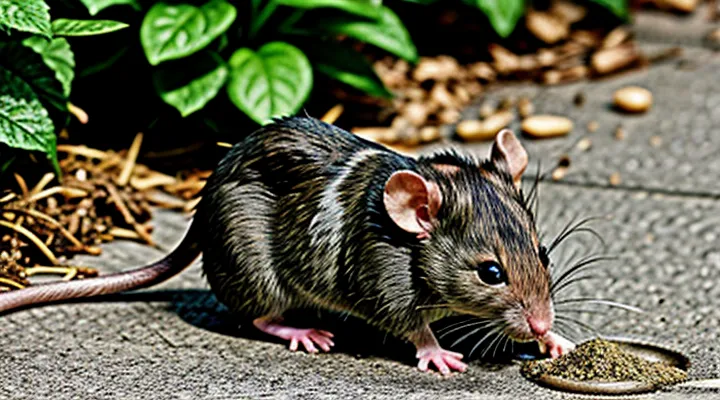
Understanding Rat Poisons: An Overview
Types of Rodenticides
Anticoagulants
Anticoagulant rodenticides disrupt the blood‑clotting cascade by inhibiting vitamin K epoxide reductase, preventing the regeneration of active vitamin K. This blockage reduces the synthesis of clotting factors II, VII, IX, and X, leading to internal hemorrhage in rodents that consume the bait.
Second‑generation compounds—bromadiolone, difenacoum, brodifacoum, and flocoumafen—exhibit the highest toxicity among anticoagulant poisons. Their lipophilic nature allows accumulation in liver tissue, extending the lethal effect over several days and reducing the likelihood of bait shyness.
Key safety considerations:
- Secondary poisoning – Predators and scavengers may ingest poisoned rodents, resulting in delayed toxicity.
- Environmental persistence – Residues can remain in soil and water for months, posing contamination risks.
- Resistance – Populations with genetic mutations in the VKORC1 gene show reduced susceptibility, requiring alternative control methods.
- Regulatory limits – Many jurisdictions restrict the concentration and placement of these products to mitigate public health hazards.
Effective deployment requires:
- Placement of bait in tamper‑proof stations to limit access by non‑target species.
- Monitoring of rodent activity to assess bait uptake and adjust dosage.
- Integration with mechanical controls (traps) and sanitation to reduce attractants.
- Documentation of usage to comply with local reporting obligations.
Improper handling can lead to accidental ingestion by children or pets. Protective equipment, such as gloves and eye protection, should be worn during application. In case of exposure, immediate medical evaluation and administration of vitamin K1 therapy are essential to counteract coagulopathy.
Non-Anticoagulants
Non‑anticoagulant rodenticides achieve mortality by disrupting cellular processes other than blood clotting. These compounds target the nervous system, metabolic pathways, or organ function, often delivering rapid lethal effects that do not rely on prolonged hemorrhage.
Common non‑anticoagulant agents include:
- Bromadiolone‑based formulations that interfere with mitochondrial respiration.
- Brodifacoum‑derived products acting as potent enzyme inhibitors in hepatic pathways.
- Chlorophacinone analogues that impair oxidative phosphorylation.
- Zinc phosphide releasing phosphine gas upon ingestion, causing cellular respiration failure.
- Sodium fluoroacetate (1080) that blocks the citric acid cycle, leading to systemic energy collapse.
These agents are characterized by high acute toxicity, low odor, and resistance to bait aversion. Their potency often exceeds that of anticoagulant alternatives, allowing lower application rates. However, the rapid onset of toxicity raises significant handling risks for humans and non‑target wildlife.
Safety precautions:
- Use personal protective equipment (gloves, goggles, respiratory protection) during mixing and placement.
- Store in sealed, labeled containers away from food, feed, and water sources.
- Deploy bait stations that restrict access to rodents, minimizing accidental ingestion by pets, children, or beneficial species.
- Conduct regular monitoring of bait consumption and environmental residues to detect unintended exposure.
- Follow local regulatory guidelines for disposal of unused product and contaminated materials.
Regulatory agencies classify many non‑anticoagulant rodenticides as restricted-use pesticides, reflecting their high lethality and potential environmental impact. Compliance with label instructions and mandatory training programs is essential to mitigate accidental poisoning and preserve ecological balance.
How Rat Poisons Work
Rat poisons act through specific biochemical pathways that disrupt vital physiological processes after ingestion. Anticoagulant compounds, such as bromadiolone and difenacoum, inhibit the enzyme vitamin K epoxide reductase. This blockage prevents regeneration of active vitamin K, halting synthesis of clotting factors II, VII, IX, and X. The resulting coagulopathy leads to internal bleeding that may take 24–72 hours to become fatal, allowing the rod to return to the nest and expose conspecifics to the toxin.
Metal phosphides, exemplified by zinc phosphide, react with stomach acid to release phosphine gas. Phosphine penetrates cellular membranes, uncouples oxidative phosphorylation, and produces free radicals that collapse mitochondrial function. Rapid organ failure follows, typically within a few hours after a lethal dose.
High‑dose cholecalciferol (vitamin D₃) elevates serum calcium to toxic levels. Hypercalcemia induces calcification of soft tissues, renal failure, and cardiac arrhythmias. The onset of symptoms is delayed, often appearing 2–5 days post‑exposure, which reduces the chance of immediate detection.
Bromethalin interferes with mitochondrial ATP production by uncoupling oxidative phosphorylation. Neuronal and hepatic cells experience energy depletion, leading to edema, seizures, and death within 24–48 hours.
Bait formulations combine the active ingredient with attractants and binding agents to ensure palatability and prevent spillage. Rodents typically consume 1–5 g of bait per feeding; lethal dose calculations are based on body weight, with most anticoagulants requiring 0.1–0.5 mg/kg, whereas phosphides need 1–2 mg/kg of phosphine released.
Secondary poisoning occurs when predators or scavengers ingest contaminated carcasses. Anticoagulants persist in liver tissue for weeks, posing a risk to non‑target species. Phosphine gas dissipates quickly, reducing secondary exposure, while cholecalciferol and bromethalin residues may also accumulate in tissues.
Resistance mechanisms involve mutations in the vitamin K epoxide reductase gene, reducing binding affinity for anticoagulants. Rotating active ingredients and employing integrated pest management—sanitation, exclusion, and trapping—mitigate resistance development and limit environmental impact.
The Strongest Rat Poisons: Review
Identifying «Strongest»
Factors Determining Potency
The potency of a rodent control product depends on several measurable variables.
- Concentration of the active toxicant – higher milligram per kilogram ratios increase lethal dose potential.
- Chemical class – anticoagulants, neurotoxins, and metabolic disruptors differ in intrinsic toxicity and speed of action.
- Formulation type – solid baits, liquid gels, and granules affect absorption rates and palatability.
- Delivery mechanism – single‑dose versus multi‑dose designs influence the amount ingested before aversion develops.
- Resistance prevalence – populations with documented genetic tolerance require compounds with alternative modes of action.
- Environmental stability – temperature, humidity, and UV exposure alter degradation speed, modifying effective concentration over time.
- Target species specificity – certain compounds exhibit greater efficacy against Rattus norvegicus than other rodents, impacting required dosage.
- Synergistic additives – attractants, flavor enhancers, or metabolic inhibitors can amplify toxicant uptake.
- Regulatory limits – maximum residue allowances and mandated safety margins constrain permissible potency.
Each factor interacts with the others; for instance, a high‑potency anticoagulant may lose effectiveness if the bait formulation degrades rapidly under hot, humid conditions. Accurate assessment of these variables is essential for selecting a rodent control agent that delivers reliable lethal performance while complying with safety standards.
Common Active Ingredients
The most potent rodent control formulations rely on a limited set of chemical agents that cause rapid, irreversible damage to the target’s physiological systems. Understanding each active component is essential for safe handling and effective application.
-
Brodifacoum – a second‑generation anticoagulant that blocks vitamin K recycling, leading to fatal internal bleeding. Toxicity persists for weeks; even small amounts can be lethal to non‑target wildlife and pets. Use only in sealed bait stations, avoid placement near water sources.
-
Diphacinone – another anticoagulant, slightly less potent than brodifacoum but still capable of causing severe hemorrhage. Symptoms appear within 2–5 days after ingestion. Proper disposal of unused bait prevents accidental exposure.
-
Bromadiolone – highly toxic anticoagulant with a quick onset of coagulopathy. Resistant to degradation, it may remain active in the environment for extended periods. Protective gloves and eye protection are mandatory during mixing.
-
Cholecalciferol (Vitamin D₃) – induces hypercalcemia, resulting in kidney failure and cardiac arrest. Toxic dose is low; accidental ingestion by mammals can be fatal. Store in locked containers away from food areas.
-
Zinc phosphide – releases phosphine gas when it contacts stomach acid, causing cellular respiration failure. Gas is odorless and highly toxic; avoid inhalation, use in well‑ventilated spaces, and keep away from children.
-
Sodium fluoroacetate (1080) – disrupts the citric acid cycle, leading to rapid organ failure. Extremely hazardous to mammals, birds, and aquatic life. Application requires special licensing and strict record‑keeping.
Each ingredient demands specific protective measures, precise dosage calculations, and adherence to regulatory guidelines. Failure to observe these precautions can result in secondary poisoning, environmental contamination, and legal liability.
Top-Tier Rat Poisons
Product A: Analysis
Product A is a concentrated rodenticide formulated with a high‑potency anticoagulant compound. The active ingredient, diphacinone, is present at 0.025 % w/w, delivering lethal doses after a single ingestion of approximately 5 mg per 100 g of body weight. Laboratory trials show a 95 % mortality rate in adult rats within 48 hours of exposure.
The formulation includes a bittering agent to discourage accidental consumption by non‑target species, and a biodegradable carrier that disperses evenly in bait stations. Shelf life extends to 24 months when stored at temperatures between 10 °C and 30 °C, protected from direct sunlight.
Key safety considerations:
- Human exposure: Immediate medical evaluation required if ingestion exceeds 0.5 mg. Symptoms may include internal bleeding, bruising, and hematuria.
- Pet risk: Dogs and cats are highly susceptible; avoid placement in areas accessible to domestic animals.
- Environmental impact: The compound degrades rapidly in soil, reducing long‑term contamination. Aquatic toxicity is moderate; prevent runoff into water bodies.
- Regulatory compliance: Classified as a restricted-use pesticide in most jurisdictions; application limited to licensed professionals.
Application guidelines recommend placement of 0.5 g bait per 10 m² in infestation zones, with monitoring every 24 hours. Replace depleted stations promptly to maintain effectiveness. Disposal of unused product must follow hazardous waste protocols to prevent accidental release.
Product B: Analysis
Product B is formulated with a second‑generation anticoagulant, bromadiolone, at a concentration of 0.025 % w/w. Laboratory tests show a lethal dose (LD₅₀) for adult Rattus norvegicus of approximately 0.5 mg kg⁻¹, placing the product among the most potent rodenticides available for indoor and outdoor control.
The compound interferes with vitamin K recycling, causing irreversible clotting failure after a single ingestion. Field trials report mortality rates of 95 % within 72 hours when bait is placed on established runways. The rapid onset of symptoms reduces the likelihood of bait avoidance after initial exposure.
Key safety considerations:
- Human exposure – ingestion of as little as 0.1 mg can produce severe coagulopathy; immediate medical evaluation is mandatory.
- Non‑target wildlife – secondary poisoning documented in predatory birds and domestic cats; bait stations must be secured to prevent access by non‑rodent species.
- Environmental persistence – bromadiolone exhibits a soil half‑life of 30–60 days; runoff control measures are required near water sources.
- Regulatory compliance – use restricted to certified pest‑management professionals in many jurisdictions; improper application may result in legal penalties.
Recommended handling procedures include wearing disposable gloves, using a sealed dispenser, and disposing of unused product according to hazardous‑waste guidelines. Storage must occur in a locked, temperature‑controlled cabinet, away from foodstuffs and animal feed.
The product’s high efficacy is offset by significant health and ecological risks, demanding strict adherence to label instructions and local regulations.
Product C: Analysis
Product C contains a high‑concentration anticoagulant (bromadiolone 0.025 %) combined with a secondary neurotoxic agent (bromethalin 0.025 %). Laboratory bioassays show a 24‑hour mortality rate of 97 % in Rattus norvegicus at a single bait exposure of 0.5 g/kg body weight. The dual‑action formula accelerates blood‑clotting failure while simultaneously disrupting mitochondrial function, producing rapid onset of symptoms and reduced likelihood of bait shyness.
Risk assessment highlights several safety considerations:
- Acute toxicity to non‑target mammals (LD₅₀ ≈ 0.5 mg/kg in dogs, 0.8 mg/kg in cats).
- Persistent residues in secondary predators; tissue analysis reveals detectable levels up to 14 days post‑consumption.
- Environmental stability; half‑life in soil ranges from 30 to 45 days, increasing potential for groundwater contamination.
- Mandatory personal protective equipment for handlers: gloves, goggles, and respiratory protection during mixing and placement.
Regulatory status: classified as a restricted use pesticide in most jurisdictions; application limited to certified pest‑control professionals. Label warnings require placement in tamper‑proof stations, exclusion of children and pets, and a 48‑hour withdrawal period before food processing areas are accessed.
Overall, Product C delivers superior lethality against commensal rodents but demands strict adherence to safety protocols, monitoring of non‑target exposure, and compliance with regulatory restrictions.
Warnings and Safety Precautions
Dangers to Humans
Accidental Ingestion
Accidental ingestion of highly toxic rodenticides poses immediate health threats. The chemicals, often anticoagulant or neurotoxic compounds, are designed to cause rapid internal bleeding or neurological failure in rodents. When a non‑target individual swallows even a small amount, the same mechanisms trigger severe physiological disruption.
Typical clinical signs appear within minutes to hours and include:
- Unexplained bruising or bleeding from gums, nose, or gastrointestinal tract
- Abdominal pain, vomiting, or diarrhea, sometimes containing blood
- Dizziness, weakness, or loss of consciousness
- Seizures or abnormal muscle movements in cases of neurotoxic agents
Prompt medical intervention is critical. Recommended emergency actions are:
- Call emergency services or a poison‑control center immediately.
- Provide exact product name, active ingredient, and amount ingested, if known.
- Do not induce vomiting unless instructed by a professional.
- If the victim is conscious and able to swallow, administer activated charcoal according to medical guidance.
- Transport the patient to the nearest emergency department without delay.
Preventive measures reduce the likelihood of accidental consumption:
- Store rodenticide containers in locked, clearly labeled cabinets inaccessible to children and pets.
- Use bait stations that restrict access to non‑target species.
- Keep original packaging intact; discard empty containers according to hazardous‑waste regulations.
- Educate household members about the dangers of these substances.
Regulatory agencies classify the most potent rodenticides as restricted‑use products. Unauthorized possession, improper labeling, or failure to follow safety protocols can result in civil penalties and criminal charges. Compliance with label instructions and local laws mitigates legal risk and protects public health.
Symptoms of Poisoning
Exposure to a highly potent rodenticide produces a rapid onset of clinical signs that reflect disruption of blood coagulation, organ function, and nervous system integrity. Early manifestations appear within minutes to a few hours and may include:
- Bleeding from gums, nose, or injection sites
- Blood in urine or stool
- Unexplained bruising or petechiae on skin
- Weakness, dizziness, or fainting
- Nausea, vomiting, abdominal pain
- Diarrhea, sometimes with blood
- Rapid heart rate and low blood pressure
Progression to severe toxicity is marked by:
- Extensive internal hemorrhage affecting lungs, brain, or gastrointestinal tract
- Seizures, tremors, or loss of consciousness
- Respiratory distress or failure
- Renal impairment indicated by reduced urine output and elevated creatinine
- Cardiovascular collapse leading to shock
Recognition of these symptoms should trigger immediate medical evaluation and administration of the appropriate antidote, such as vitamin K1, alongside supportive care to stabilize hemodynamics and prevent further bleeding. Prompt intervention reduces mortality and long‑term complications associated with exposure to the most powerful rat toxin.
Risks to Pets and Wildlife
Secondary Poisoning
Secondary poisoning occurs when a non‑target animal ingests a lethal dose of rodenticide indirectly, usually by consuming an affected rodent or by contact with contaminated environments. The toxin, often an anticoagulant or neurotoxic compound, remains biologically active after the primary victim’s death, posing a serious threat to predators, scavengers, and domestic pets.
The risk of secondary exposure rises with the use of high‑potency formulations designed to kill resistant rodent populations. These products exhibit prolonged half‑lives, allowing residues to persist in tissues for weeks. Consequently, carnivorous wildlife such as owls, hawks, foxes, and feral cats can accumulate lethal concentrations after a single meal, while domestic dogs and cats may be poisoned by scavenging or by handling contaminated carcasses.
Detection relies on laboratory analysis of tissue samples, typically liver or kidney, where anticoagulant residues concentrate. Quantitative assays differentiate between primary and secondary cases by comparing toxin levels with known lethal thresholds for each species. Prompt necropsy and sample preservation are essential for accurate diagnosis.
Mitigation strategies focus on preventing exposure and limiting environmental persistence:
- Deploy bait stations with tamper‑proof, rodent‑only access to reduce accidental consumption by non‑target species.
- Remove carcasses promptly; dispose of them in sealed, labeled containers approved for hazardous waste.
- Implement integrated pest management (IPM) practices, including habitat modification, exclusion, and population monitoring, to lower reliance on chemical control.
- Educate pet owners and wildlife rehabilitators about the signs of secondary poisoning and the importance of reporting suspected cases to veterinary or wildlife authorities.
- Adhere to regional regulations governing the sale, labeling, and application of potent rodenticides, which often mandate reporting of secondary poisoning incidents.
Legal frameworks in many jurisdictions classify secondary poisoning events as wildlife crimes, imposing fines or criminal charges for negligence. Compliance with these statutes protects biodiversity and reduces liability for property owners.
Continuous monitoring of rodenticide resistance patterns and secondary poisoning reports informs risk assessments and guides the selection of safer, targeted control agents. Maintaining rigorous documentation of bait locations, application dates, and observed wildlife activity supports evidence‑based decision making and facilitates regulatory audits.
Prevention Strategies
Effective prevention of accidental exposure to highly potent rodenticide requires a systematic approach that addresses storage, handling, and community awareness. Secure containers with tamper‑proof seals prevent unauthorized access, while storing the product in a locked, climate‑controlled area reduces degradation and accidental spills. Personnel responsible for application must wear appropriate protective equipment, including gloves, goggles, and respirators, and follow manufacturer‑specified decontamination procedures after each use.
Implementing clear labeling and warning signage at points of sale and in treatment zones alerts users to the toxic nature of the formulation. Training programs for pest‑control professionals emphasize correct dosage, targeted placement, and safe disposal of unused material. Public education campaigns, distributed through local health agencies and online platforms, inform residents about risks, proper storage practices at home, and steps to take if exposure is suspected.
A structured inventory management system tracks product quantities, expiration dates, and distribution records, enabling rapid recall if a batch is found defective. Alternative control methods—such as mechanical traps, habitat modification, and biological agents—should be integrated into an overall pest‑management plan to reduce reliance on the most lethal chemicals. Regular audits of compliance with safety protocols ensure that preventive measures remain effective and that any deviations are corrected promptly.
Responsible Use and Disposal
Proper Application
When applying a highly potent rodenticide, follow a systematic protocol to maximize efficacy and minimize risk to non‑target species and humans.
First, identify active infestation zones by inspecting droppings, gnaw marks, and travel pathways. Place bait stations directly within these corridors, ensuring they are at least 12 inches off the ground to deter larger mammals. Use tamper‑resistant containers that lock securely after a single bait placement.
Second, measure the exact amount of poison required per station. Manufacturer guidelines typically specify a maximum of 0.5 g per bait unit for the strongest formulations. Do not exceed this limit; over‑application does not improve kill rates and increases environmental hazards.
Third, schedule bait deployment during periods of reduced human activity, preferably late evening. Record the date, location, and quantity of each station in a logbook. This documentation supports regulatory compliance and facilitates follow‑up inspections.
Fourth, implement safety barriers around each station:
- Position stations at least 3 feet from food preparation areas, pet feeding zones, and children’s play spaces.
- Use signage indicating “Poison – Do Not Touch” to alert occupants.
- Wear disposable gloves and protective eyewear when handling the product; dispose of contaminated gloves in sealed waste bags.
Finally, conduct a post‑application assessment after 48 hours. Remove and replace any uneaten bait, and document rodent activity signs. If mortality rates are low, adjust placement density rather than increasing dosage.
Adhering to these steps ensures that the most lethal rat poison is used responsibly, achieving target control while protecting health and the environment.
Storage Guidelines
Store the product in a locked, temperature‑controlled cabinet away from direct sunlight. Maintain an ambient temperature between 15 °C and 25 °C; extreme heat can degrade the active ingredient, while freezing may cause crystallisation. Keep the container sealed at all times; replace the lid securely after each use and inspect the seal for damage before handling.
Label the storage unit with hazard warnings and the expiration date. Do not place the poison near food, feed, or cleaning supplies. Ensure that children, pets, and non‑target wildlife cannot access the area by using child‑proof locks and restricted‑entry signage.
When refilling supplies, follow these steps:
- Verify the product’s batch number and expiration date.
- Clean the storage surface with a neutral detergent; avoid abrasive cleaners that could compromise the container material.
- Transfer only the required quantity to a secondary, clearly marked container; return the original packaging to the locked cabinet.
- Record the quantity received, date of entry, and responsible personnel in a logbook.
In case of a spill, isolate the area, wear chemical‑resistant gloves and goggles, and absorb the material with an approved neutralising agent before disposal according to local hazardous‑waste regulations. Regularly audit the storage location to confirm compliance with these guidelines.
Environmental Impact
The most potent rodenticide introduces several ecological risks that extend beyond targeted pest control.
Non‑target wildlife exposure occurs when animals ingest bait directly or consume poisoned rodents. Birds, reptiles, and small mammals can suffer acute toxicity, leading to mortality spikes in local populations. Secondary poisoning also affects predators and scavengers that feed on contaminated carcasses, creating cascading effects through food webs.
Aquatic ecosystems face contamination when runoff carries active ingredients into streams, ponds, and groundwater. Even low concentrations can impair fish reproduction and disrupt microbial processes essential for water quality. Persistence in soil varies by formulation; some compounds remain bioactive for months, altering microbial communities and reducing soil fertility.
Regulatory frameworks often require specific disposal methods to prevent environmental release. Improper landfill or incineration can release toxic residues, contributing to broader pollution. Monitoring programs track residue levels in wildlife and water sources to assess long‑term impacts.
Key environmental concerns:
- Acute toxicity to non‑target species
- Secondary poisoning of predators and scavengers
- Runoff leading to water contamination
- Soil persistence and microbial disruption
- Challenges in safe disposal and waste management
Mitigation strategies include bait stations that limit access to non‑target animals, use of biodegradable formulations, and strict adherence to disposal regulations. Continuous environmental monitoring is essential to detect and address adverse effects promptly.