
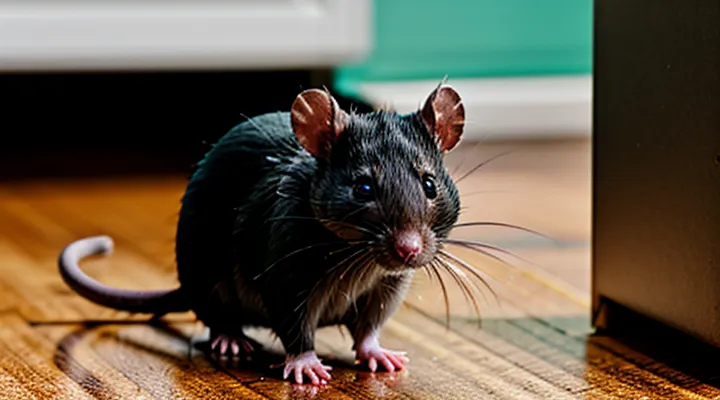
Understanding Sticky Traps
What Are Sticky Traps?
Sticky traps are adhesive devices designed to capture rodents by immobilizing them upon contact. The core component is a flat surface coated with a strong, non‑drying glue that remains tacky for extended periods. The adhesive is typically a petroleum‑based or synthetic polymer that resists temperature fluctuations and does not evaporate quickly.
The traps consist of three elements:
- Backing material – usually cardboard, plastic, or metal, providing structural support.
- Adhesive layer – a transparent or slightly tinted glue that covers the majority of the surface.
- Protective covering – a removable paper or foil that shields the glue until deployment.
When a rat steps onto the trap, its paws and body become stuck, preventing escape. The glue adheres to fur and skin, distributing the holding force across multiple points and reducing the likelihood of the animal breaking free. The design eliminates the need for bait, thereby avoiding attractants that could interfere with other pest‑control methods.
Operational considerations include placement at known travel routes, such as along walls, behind appliances, or near entry points. Proper positioning maximizes encounter rates while minimizing contact with non‑target species. Traps should be inspected regularly; once a rodent is captured, the device can be disposed of according to local regulations, and a fresh trap deployed if necessary.
Advantages:
- Immediate capture without reliance on poison.
- Simple installation and maintenance.
- Low cost per unit.
Limitations:
- Potential for non‑target captures if placed indiscriminately.
- Requirement for regular monitoring to prevent prolonged suffering.
- Effectiveness decreases as the adhesive becomes contaminated with debris.
Understanding these characteristics allows informed decisions about integrating sticky traps into broader rodent‑management strategies.
The Principle of Adhesion
Adhesion in rat glue boards relies on the molecular attraction between the trap surface and the rodent’s fur or skin. The adhesive layer consists of a polymer matrix that remains tacky at ambient temperatures. When a rat steps onto the surface, its weight creates a localized pressure that squeezes the polymer, increasing contact area and allowing van der Waals forces and capillary action to bind the animal instantly.
Key factors influencing the adhesive performance are:
- Polymer composition – synthetic resins with high surface energy provide strong initial grab.
- Viscoelasticity – the material must flow under pressure yet retain shape after the load is removed.
- Environmental conditions – temperature and humidity affect the tack; optimal range is 20‑30 °C and 40‑60 % relative humidity.
- Surface texture – microscale roughness enhances mechanical interlocking with fur.
- Load distribution – the rat’s weight concentrates force on a small area, maximizing adhesion.
The adhesion mechanism operates in two stages. First, the rat’s foot contacts the tacky layer, and intermolecular forces create a reversible bond. Second, the sustained pressure deforms the polymer, converting the reversible bond into a semi‑permanent lock that resists the animal’s attempts to pull free. Once the rat is immobilized, the adhesive retains its grip until manual removal.
Understanding these principles allows manufacturers to formulate traps that remain effective across varied environments while minimizing premature drying or loss of tack.
Components of a Sticky Trap
The Adhesive Layer
The adhesive layer is the functional surface that immobilizes rats when contact occurs. It consists of a high‑tack polymer matrix, typically a blend of natural rubber and synthetic resins, formulated to remain sticky under a wide temperature range (‑10 °C to 45 °C). The polymer is applied to a textured backing, usually a thick cardboard or plastic sheet, to increase surface area and prevent rats from slipping off.
Key properties of the adhesive layer include:
- Viscosity: engineered to flow minimally, ensuring a stable, non‑dripping surface that retains strength over weeks of exposure.
- Shear resistance: calibrated to exceed the force generated by a rat’s hind‑leg muscles, preventing escape once the animal is trapped.
- Environmental resilience: additives protect against humidity, dust, and minor contaminants that could otherwise diminish tack.
- Safety considerations: the formulation is non‑toxic to humans and pets when used as directed, with no volatile organic compounds released during normal operation.
Durability is achieved through a curing process that cross‑links polymer chains, creating a semi‑permanent bond that does not degrade significantly after repeated handling. Manufacturers perform accelerated aging tests to verify that adhesion remains above 80 % of initial strength after 30 days in typical indoor conditions.
Installation guidelines emphasize clean, dry placement surfaces. Any residue, oil, or moisture reduces effective tack and may lead to premature failure. Once a rat is captured, the adhesive layer retains the animal securely, allowing for humane disposal without risk of escape.
Overall, the adhesive layer functions as the decisive mechanism that converts a passive trap into an active capture device, delivering consistent performance across diverse environments.
The Base Material
The adhesive surface of rat glue traps consists primarily of a polymer matrix blended with tackifying agents. The polymer, usually a synthetic rubber such as polyisobutylene or a styrene‑butadiene copolymer, provides flexibility and durability. Tackifiers—often petroleum‑derived resins—enhance stickiness by lowering the surface tension of the polymer layer.
Key characteristics of the base material include:
- Viscosity control: Adjusted during manufacturing to ensure the surface remains tacky over a wide temperature range (‑10 °C to 40 °C).
- Chemical resistance: Formulated to resist degradation from urine, feces, and cleaning agents, preserving adhesion until the trap is removed.
- Non‑solvent composition: Eliminates volatile organic compounds that could repel rodents or pose health hazards.
The substrate supporting the adhesive is typically a thin, flexible polyester or polypropylene film. This film supplies structural integrity, allowing the trap to be folded or rolled without compromising the glue layer. The combination of polymer matrix, tackifiers, and reinforced film creates a reliable capture surface that remains effective throughout the product’s intended lifespan.
How Sticky Traps Work to Catch Rats
Attracting the Rodent
Effective placement of an adhesive rat trap depends on luring the target animal to the device. Rats are omnivorous and respond strongly to food odors, water sources, and shelter cues. Selecting an appropriate attractant maximizes capture rates and reduces the time required for control.
Common attractants include:
- Protein-rich foods: dried fish, canned tuna, or meat scraps emit strong scents that stimulate foraging behavior.
- Carbohydrate sources: peanut butter, cornmeal, or sugary cereal provide quick energy and are highly palatable.
- Fatty substances: animal fat or cheese releases volatile compounds that attract nocturnal feeders.
- Moisture: small water droplets or damp cloths appeal to rats seeking hydration, especially in dry environments.
- Nest material: shredded paper, cotton batting, or soft fabric mimics safe nesting sites and encourages exploratory activity.
When applying attractants, follow these guidelines:
- Apply a thin layer directly onto the adhesive surface to avoid contaminating the glue and compromising trap functionality.
- Use a minimal amount—just enough to emit a detectable odor without creating a mess that could deter the animal.
- Replace the bait every 24–48 hours in hot climates; cooler conditions allow longer effectiveness.
- Position the trap along known runways, near walls, or opposite corners where rats prefer to travel.
Environmental factors also influence attraction. Warm temperatures increase scent diffusion, while strong ventilation can disperse odors. Aligning the trap with these conditions ensures the scent remains concentrated where rats are most likely to encounter it.
The Trapping Mechanism
Adhesive rat traps rely on a high‑tack polymer surface that remains effective under varying temperature and humidity conditions. The surface is coated with a non‑drying, viscoelastic compound that adheres to a rodent’s fur and paws on first contact. Once the animal steps onto the surface, the polymer’s shear strength exceeds the tensile strength of the fur, causing the limbs to become immobilized almost instantly. The trap’s design typically incorporates a low‑profile base to prevent the rat from bypassing the adhesive area, and a rigid frame that maintains tension on the coating, preventing sagging and preserving consistent stickiness.
Key components of the mechanism include:
- Adhesive layer: a synthetic resin formulated for long‑term tack and resistance to dust accumulation.
- Attractant zone: a small compartment or scented pad that releases food‑based odors to lure rodents toward the adhesive surface.
- Containment rim: a raised edge that discourages escape once the rat is stuck, directing movement toward the adhesive zone.
When a rat encounters the trap, the attractant draws it forward, the adhesive captures its limbs, and the containment rim restricts movement, ensuring the animal cannot free itself without external intervention. The entire process occurs without mechanical parts, reducing failure points and allowing reliable operation in both residential and industrial environments.
Immobilization and Capture
Adhesive rat traps immobilize rodents by coating a surface with a high‑strength, non‑drying polymer that remains tacky under a wide temperature range. When a rat steps onto the surface, the polymer bonds to the pads of its feet and the fur on its tail, creating a permanent mechanical lock. The trap’s design typically includes a shallow, inclined platform that guides the animal toward the adhesive area while preventing escape.
The capture process relies on several physical principles. The polymer’s viscosity exceeds the shear force generated by the rat’s weight, while its surface energy ensures rapid wetting of fur and skin. Once contact occurs, the adhesive penetrates the microstructure of the animal’s footpads, forming a network of microscopic bonds that resist the rat’s attempts to pull free. The lock persists until the trap is removed from the environment.
Effective deployment requires strategic placement. Ideal locations include:
- Along walls where rats travel close to the baseboard.
- Near known entry points such as gaps under doors or vent openings.
- In areas with visible droppings or gnaw marks.
Each trap should be positioned with the adhesive side facing upward and protected from direct sunlight, which can degrade tackiness. Traps must be inspected regularly; captured rodents should be disposed of following local health regulations, and the adhesive surface replaced to maintain consistent performance.
Safety considerations include preventing accidental contact with children or non‑target animals. Traps are often encased in a rigid housing that limits exposure while allowing rats to enter from a single direction. Proper labeling and placement in restricted zones mitigate unintended harm.
Factors Influencing Effectiveness
Trap Placement
Effective deployment of adhesive rodent traps depends on precise positioning within the infestation zone. Rats travel close to walls, use concealed pathways, and frequent areas where food, water, or shelter are available. Placing traps directly along these routes maximizes capture rates.
Key placement zones include:
- Baseboards and wall junctions, where rats habitually run.
- Entry points such as gaps beneath doors, vent openings, and utility penetrations.
- Near stored food containers, pantry shelves, and trash receptacles.
- Dark corners of closets, crawl spaces, and under appliances.
- Areas with signs of activity, indicated by droppings, gnaw marks, or rub marks.
Additional considerations:
- Position traps away from direct sunlight and high humidity to preserve adhesive integrity.
- Avoid locations where pets or children may inadvertently contact the traps.
- Ensure a minimum distance of 12–18 inches between traps to cover a broader area without overlap.
- Rotate trap placement weekly; relocate captured devices to fresh sites based on observed movement patterns.
Strategic positioning aligns trap locations with rat behavior, reducing the time required to achieve population control.
Environmental Conditions
Adhesive rat traps rely on the physical properties of the glue surface to immobilize rodents. Environmental factors alter those properties, influencing capture rates and trap longevity.
Key conditions affecting trap performance include:
- Temperature: High heat softens the adhesive, reducing stickiness; low temperatures increase viscosity, slowing the trap’s ability to grip.
- Humidity: Excess moisture dilutes the glue, causing premature failure; very dry air can cause the adhesive to become brittle and crack.
- Dust and debris: Accumulated particles create a barrier between the rodent and the glue, diminishing effectiveness.
- Light exposure: Direct sunlight degrades the adhesive’s chemical composition, shortening usable life.
- Airflow: Strong drafts can disperse odor cues that attract rats, decreasing trap placement efficiency.
Optimal deployment requires selecting locations where temperature remains within the glue’s effective range (typically 15‑25 °C) and humidity stays moderate (40‑60 %). Regular inspection and replacement of traps in environments that exceed these thresholds maintain consistent capture performance.
Baiting Strategies
Effective baiting maximizes capture rates of adhesive rat traps by exploiting the species’ feeding preferences and sensory cues. Selecting an appropriate attractant aligns the trap’s purpose with the target’s behavior, ensuring rapid engagement with the glue surface.
Common attractants include:
- High‑protein foods such as dried fish or meat scraps.
- Carbohydrate sources like peanut butter, cornmeal, or sugary cereal.
- Strongly scented items, for example, vanilla extract or commercial rodent lures.
- Pheromone‑based formulations that mimic conspecific signals.
Placement strategies focus on rat movement patterns. Position traps along established runways, near wall edges, and in concealed corners where rodents travel unnoticed. Align the baited side of the trap with the anticipated direction of approach to encourage direct contact. Avoid locations with high foot traffic or where non‑target animals may encounter the device.
Maintenance protocols require regular inspection. Replace bait that dries or loses potency, and discard any trap that has captured a non‑target species. Clean surrounding surfaces to prevent residual odors from diminishing bait effectiveness. Proper rotation of attractant types reduces habituation and sustains trap performance over extended periods.
Ethical Considerations and Alternatives
Humane Concerns
Adhesive rat traps immobilize rodents by coating a surface with a strong, non‑elastic polymer that adheres to the animal’s feet and fur upon contact. The design eliminates the need for mechanical spring mechanisms, but the method raises several animal‑welfare issues.
The primary humane concerns include:
- Prolonged distress caused by the animal’s inability to free itself, leading to exhaustion, dehydration, and injury.
- High probability of severe skin damage or limb amputation when attempts to escape result in tearing.
- Capture of non‑target species such as birds, insects, or small mammals that inadvertently encounter the trap.
- Lack of immediate monitoring; traps often remain unattended for extended periods, increasing suffering.
- Disposal challenges, as the adhesive surface retains biological material, complicating humane disposal and sanitation.
Addressing these concerns requires alternative control methods, regular trap checks, and designs that minimize non‑target capture while providing rapid, painless incapacitation.
Risks to Non-Target Animals
Sticky traps for rats consist of a coated surface that immobilizes rodents when they step onto the adhesive. The glue remains effective for weeks, allowing captured animals to remain trapped until removal.
Non‑target animals encounter these devices unintentionally, leading to injury or death. Risks include:
- Small mammals such as field mice, voles, and shrews become entangled while foraging near trap locations.
- Ground‑dwelling birds, including sparrows and quails, may land on traps while searching for insects.
- Reptiles and amphibians, especially lizards and frogs, can be caught when crossing paths used by rodents.
- Domestic pets, chiefly cats and small dogs, may step on traps placed in yards or basements.
Mitigation requires strategic placement and regular inspection. Position traps along established rodent pathways, away from wildlife corridors and pet zones. Use bait that attracts only rats, limit exposure time, and replace traps promptly after capture. Incorporating alternative control methods—such as snap traps, exclusion, or habitat modification—reduces reliance on adhesive devices and lowers the probability of collateral capture.
Alternative Rodent Control Methods
Snap Traps
Snap traps are mechanical devices that capture rats by delivering an instantaneous, high‑force closure. The mechanism consists of a spring‑loaded bar that rests against a trigger plate; when a rat contacts the plate, the spring releases, driving the bar down within milliseconds and killing the animal through blunt force trauma. This rapid action eliminates the need for prolonged contact, which distinguishes snap traps from adhesive solutions that rely on the rodent remaining immobilized on a sticky surface.
Design elements that affect performance include:
- Bait positioning: placement at the rear of the trigger plate encourages the rat to apply pressure from the optimal angle.
- Trigger sensitivity: adjustable tension allows calibration for different rodent sizes, reducing false releases.
- Safety features: insulated handles and shielded bars minimize accidental injury during setup and disposal.
When evaluated against glue‑based devices, snap traps offer several operational benefits:
- Immediate lethality shortens exposure time for the pest.
- Reusability after each catch lowers long‑term cost.
- Placement flexibility permits use in concealed locations where adhesive surfaces would be impractical.
Limitations of snap traps involve:
- Potential for non‑target captures if placed indiscriminately.
- Requirement for careful disposal of dead rodents to prevent disease spread.
- Need for regular inspection to ensure the spring remains functional.
Integrating snap traps into a broader rodent‑management strategy enhances overall effectiveness. Position snap traps along established runways and near entry points, while deploying adhesive stations in secondary zones to monitor activity levels. Regularly rotate trap locations based on observed patterns to prevent habituation. This combined approach maximizes capture rates, reduces reliance on a single method, and supports sustainable control of rat infestations.
Live Traps
Live traps capture rats without lethal injury, offering a humane alternative to adhesive devices. The trap consists of a cage with a trigger mechanism that closes the door when the rodent enters, preventing escape.
Effective use requires strategic placement near walls, behind appliances, or along established runways. Bait such as peanut butter, dried fruit, or commercial rodent attractant increases capture rates. Check traps at least twice daily to reduce stress on captured animals and to prevent secondary injuries.
Advantages of live traps include:
- Reusability after cleaning and disinfecting
- Elimination of chemical residues associated with glue surfaces
- Compatibility with relocation programs or laboratory observation
Limitations involve:
- Necessity for frequent monitoring
- Potential for release of captured rats back into the same environment if not relocated properly
- Higher initial cost compared to disposable adhesive units
When integrating live traps with adhesive strategies, coordinate deployment to cover multiple entry points and reduce overall infestation. Ensure compliance with local regulations regarding the handling and release of captured rodents.
Baits and Repellents
Baits enhance the attractiveness of adhesive traps for rats, increasing capture rates. Common attractants include:
- Peanut butter or nut paste, providing strong olfactory cues.
- Grain mixtures such as wheat or corn, mimicking natural food sources.
- Commercial rodent lures formulated with pheromones and protein extracts.
Placement of bait should follow these steps: apply a thin layer directly on the trap surface, avoid excess that could smear, and position the trap along established runways or near entry points.
Repellents serve to deter unwanted species while focusing traps on rats. Effective repellents consist of:
- Capsaicin-based sprays, which irritate the nasal passages of non-target mammals.
- Ultrasonic devices emitting frequencies above human hearing, discouraging squirrels and birds.
- Herbal formulations containing peppermint oil or eucalyptus, creating an unpleasant scent for many animals.
When integrating repellents with sticky traps, maintain a clear separation between baited zones and repellent zones to prevent interference with the trap’s adhesive properties. Use repellents sparingly; over-application can reduce the trap’s effectiveness against rats.
Safety considerations include wearing gloves during bait application, disposing of captured rodents according to local regulations, and storing repellents out of reach of children and pets. Regular inspection—at least once daily—ensures timely removal of trapped rats and replacement of baits or repellents as needed.
Proper Use and Disposal
Safe Handling Practices
When using adhesive rat traps, personal safety begins with proper protective equipment. Wear disposable gloves made of nitrile or latex to prevent direct skin contact with the glue and any bodily fluids the rodent may carry. Use safety goggles if the trap is positioned at eye level to shield against accidental splashes of adhesive.
Before handling a trap, inspect it for damage. A torn seal can release glue, creating a slip hazard. If the seal is compromised, discard the trap in a sealed bag before disposal. When removing a captured rodent, place the trap inside a heavy‑duty plastic bag, close the bag securely, and label it as biohazard waste. Do not attempt to free the animal; the glue is designed for humane containment and the animal should be disposed of according to local regulations.
After each use, wash hands thoroughly with soap and water, even if gloves were worn. Clean work surfaces with a detergent solution to remove residual adhesive. Store unused traps in a cool, dry location away from food preparation areas to avoid accidental contamination.
Key safe‑handling steps:
- Wear disposable gloves and eye protection.
- Verify trap integrity before use.
- Contain and seal traps with captured rodents in biohazard bags.
- Follow local disposal guidelines for rodent carcasses and used traps.
- Perform hand hygiene and surface cleaning after each operation.
Post-Capture Protocols
After a rodent becomes immobilized on an adhesive board, the first step is to secure the area to prevent accidental contact. Place a disposable barrier—such as a plastic sheet—over the trap, then approach wearing nitrile gloves. The barrier protects both the handler and any non‑target animals that might wander nearby.
The handling procedure consists of the following actions:
- Verify that the animal is fully trapped and not straining to escape.
- Apply a humane euthanasia method approved by local regulations, if required.
- Using a disposable tool, lift the trap and place it in a sealed, puncture‑proof container.
- Disinfect the container exterior with an EPA‑registered sanitizer before transport.
- Dispose of the sealed container in accordance with municipal hazardous‑waste guidelines.
Safety considerations extend beyond personal protection. Work in a well‑ventilated space, avoid inhaling adhesive fumes, and wash hands thoroughly after glove removal. If the trap contains multiple captures, repeat the containment steps for each board to prevent cross‑contamination.
Maintain a capture log that records date, location, trap identifier, and species observed. This data supports trend analysis, informs future trap placement, and validates compliance with pest‑management protocols.
Environmentally Responsible Disposal
When a glue‑based rat trap has captured a pest, the trap must be removed and discarded in a manner that prevents secondary contamination and protects wildlife. The first step is to isolate the trap in a sealed, puncture‑resistant container—such as a heavy‑wall plastic bag or a rigid box with a zip‑lock closure. This containment stops residual adhesive from contacting other surfaces and eliminates the risk of escaped rodents.
- Place the sealed container in a dedicated waste bin labeled “hazardous pest control waste.”
- Contact local municipal services or licensed pest‑management firms to confirm the accepted disposal method for sticky traps in your jurisdiction.
- If a collection program is unavailable, store the container in a secure, temperature‑controlled area until a licensed hazardous‑waste carrier can retrieve it.
- Maintain records of the disposal date, quantity, and carrier details for regulatory compliance.
The ultimate goal of responsible disposal is to avoid introducing toxic glue residues into landfills, waterways, or compost streams. By following the outlined protocol, property owners and pest‑control professionals ensure that the environmental impact of rat trapping remains minimal while complying with health and safety regulations.