
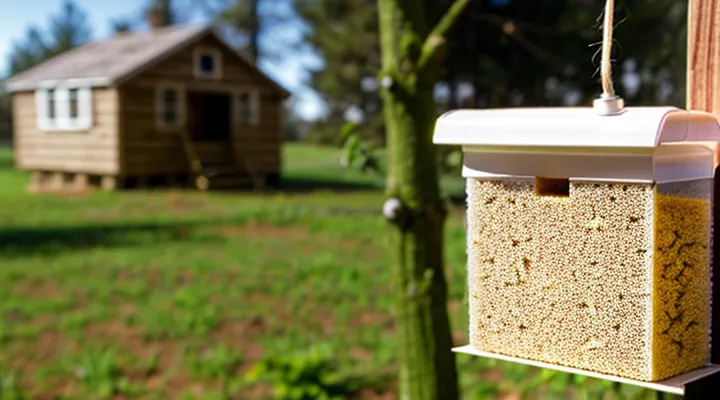
The Science Behind Sticky Traps
Adhesives and Their Properties
Types of Adhesives Used
Adhesive selection determines the capture efficiency of mouse glue boards.
-
Natural resins – derived from plant sap or animal hide, these adhesives harden upon exposure to air. They provide strong initial tack but lose effectiveness in humid environments and may degrade at temperatures above 30 °C.
-
Synthetic polyacrylate polymers – formulated as a clear, viscous gel, they maintain elasticity across a wide temperature range (‑10 °C to 50 °C). Polyacrylates resist moisture, ensuring consistent stickiness in damp basements or kitchens.
-
Silicone‑based adhesives – characterized by low surface tension and high thermal stability, silicone gels remain tacky from ‑20 °C to 70 °C. Their inert chemistry reduces the risk of chemical contamination, making them suitable for food‑storage areas.
-
Epoxy‑type glues – two‑component systems that cure into a rigid, high‑strength matrix. Once set, they provide permanent immobilization of captured rodents but require precise mixing and have limited flexibility, which can cause breakage under sudden impact.
-
Petroleum‑derived tackifiers – oil‑based formulations that offer rapid initial adhesion. They perform well at moderate temperatures (5 °C–40 °C) but can soften in high heat, reducing holding power.
Each adhesive type balances factors such as stick strength, temperature tolerance, moisture resistance, and safety. Selecting the appropriate formulation aligns the trap’s performance with the specific environmental conditions where mouse control is required.
Factors Affecting Adhesion Strength
Adhesion strength determines whether a mouse remains captured on a glue‑based trap. Several variables influence this property, and understanding them is essential for reliable performance.
- Type of adhesive polymer – Polyacrylate, silicone, and natural rubber formulations differ in tack, cohesion, and resistance to environmental degradation. Polyacrylate typically provides the highest initial stickiness, while silicone retains elasticity under temperature fluctuations.
- Viscosity and thickness of the coating – A thicker, more viscous layer increases contact area but may reduce surface uniformity, leading to uneven grip. Optimal thickness balances rapid immobilization with consistent coverage.
- Surface texture of the trap – Micro‑textured or embossed surfaces create mechanical interlocks that augment chemical adhesion, especially on fur or wet paws. Smooth surfaces rely solely on the glue’s tack, which can be compromised by contaminants.
- Temperature and humidity – Elevated temperatures lower the polymer’s viscosity, enhancing tack but accelerating drying and loss of elasticity. High humidity can cause moisture absorption, reducing adhesion and promoting premature release.
- Age of the adhesive – Over time, polymer chains undergo oxidation and cross‑linking, diminishing stickiness. Shelf‑life specifications usually account for a gradual decline, but storage conditions (cool, dry, dark) extend functional lifespan.
- Presence of contaminants – Dust, oils, or residues on the mouse’s fur interfere with molecular bonding. Traps positioned in clean environments or pre‑treated with a light dusting of talc maintain higher capture rates.
- Chemical additives – Plasticizers, tackifiers, and anti‑microbial agents modify flexibility and resistance to mold, affecting both immediate adhesion and long‑term durability.
By controlling these factors—selecting appropriate polymer chemistry, applying a uniform coating, ensuring suitable texture, and managing environmental conditions—manufacturers can produce traps with predictable, high‑strength adhesion that reliably immobilizes rodents.
How Traps Lure and Capture
Attractants and Scents
Attractive substances are essential for the success of adhesive mouse traps. The primary purpose of an attractant is to lure a rodent onto the sticky surface, where it becomes immobilized.
Common attractants include:
- Food‑based baits such as grain, peanut butter, or dried fruit, which provide a familiar nutritional cue.
- Protein sources like dried fish or meat powders, appealing to omnivorous feeding habits.
- Synthetic pheromones that mimic mouse urine or glandular secretions, triggering innate territorial or mating responses.
Scent delivery methods vary. Some traps embed the attractant within a porous pad, allowing gradual diffusion. Others coat the adhesive surface with a thin layer of flavored oil, ensuring immediate exposure upon contact. The concentration of the scent must be sufficient to overcome the mouse’s natural wariness but not so strong as to cause aversion.
Effectiveness depends on several factors:
- Placement – positioning traps along walls, near entry points, or in areas of recent activity maximizes exposure to the attractant plume.
- Timing – refreshing baits every 3–5 days maintains potency, as volatile compounds degrade over time.
- Environmental conditions – temperature and humidity influence scent volatility; cooler, dry environments may require more frequent bait replacement.
Safety considerations include selecting non‑toxic, food‑grade attractants to prevent secondary poisoning of pets or humans. Synthetic pheromones, while potent, should be sourced from reputable manufacturers to ensure purity and consistent performance.
In practice, combining a high‑palatability food bait with a low‑dose pheromone often yields the highest capture rates, as the dual stimulus addresses both nutritional drive and innate chemical communication.
The Mechanics of Entrapment
Adhesive mouse traps consist of a flat substrate coated with a high‑viscosity polymer that remains tacky under ambient conditions. The surface is engineered to retain strength when a rodent’s paws or tail contact it, preventing slippage.
The trap’s effectiveness relies on three mechanical elements:
- Attractant placement – food‑based lures or scent pads positioned centrally to draw the animal onto the adhesive zone.
- Tactile resistance – a semi‑rigid backing that distributes the animal’s weight evenly, ensuring the glue does not fail under load.
- Entanglement geometry – a patterned surface (e.g., ridges or micro‑fibers) that increases contact area, accelerating immobilization.
Capture proceeds in a defined sequence. The mouse detects the attractant and approaches, stepping onto the sticky layer. Immediate adhesion of the pads creates a shear force that exceeds the animal’s grip strength, causing loss of balance. As the mouse struggles, additional body parts contact the patterned surface, forming a network of bonds that lock limbs and tail. The resulting immobilization persists until manual removal or disposal.
Design considerations include adhesive composition (silicone‑based polymers for long‑term tack), temperature tolerance (maintaining viscosity across seasonal ranges), and safety features (non‑toxic ingredients to prevent secondary hazards). Proper placement—along walls, near entry points, and in concealed pathways—maximizes encounter rates and ensures rapid entrapment.
Practical Aspects of Sticky Traps
Proper Placement and Usage
Optimal Locations for Traps
Adhesive mouse traps achieve maximum efficacy when placed along established rodent pathways and near resources that attract mice. Position traps where activity signs such as droppings, gnaw marks, or nesting material are evident. Secure traps on flat surfaces to ensure full contact with the adhesive surface.
Key placement areas include:
- Along walls, within 12 inches of the baseboard, where mice travel close to the perimeter.
- Behind appliances, cabinets, and furniture that provide shelter.
- Near food storage locations, including pantry shelves, pantry doors, and trash receptacles.
- In utility spaces such as basements, crawlspaces, and attics, especially near entry points.
- At the junction of interior and exterior walls, close to potential entry holes.
Avoid locations with high foot traffic or where pets might encounter the traps. Regularly inspect and replace traps that become saturated or lose adhesion. This systematic positioning aligns trap function with mouse behavior, enhancing capture rates.
Installation Techniques
Effective use of adhesive mouse traps depends on precise installation. Begin by selecting a flat, dry surface free of dust or grease; clean the area with an alcohol wipe and allow it to dry completely. This preparation ensures maximum adhesion and prevents premature detachment.
Place traps along established rodent pathways. Typical locations include walls, behind appliances, under cabinets, and near entry points. Position each trap perpendicular to the wall, with the sticky side facing outward, so that mice encounter the surface as they travel along the edge.
Installation steps:
- Identify high‑traffic zones by observing droppings, gnaw marks, or grease trails.
- Clean the chosen spot with a solvent that evaporates quickly.
- Peel the protective backing from the trap’s adhesive surface.
- Press the trap firmly onto the substrate for at least five seconds to secure contact.
- Mark the placement with a discreet label for later inspection.
After setting the traps, inspect them daily. Replace any compromised units promptly, and dispose of captured rodents according to local health regulations. Proper placement and maintenance minimize escape risk and maximize capture efficiency.
Advantages and Disadvantages
Benefits of Using Sticky Traps
Sticky traps for mice provide several practical advantages.
- Immediate capture: adhesive surfaces immobilize rodents on contact, eliminating the waiting period required for poison to act.
- No chemical exposure: the absence of toxins reduces health risks for humans, children, and non‑target animals.
- Simple deployment: traps require only placement in suspected pathways; no bait preparation or calibration is necessary.
- Low cost: production materials are inexpensive, allowing extensive coverage without significant expense.
- Easy monitoring: trapped mice are visible, enabling quick assessment of infestation levels and targeted adjustment of trap locations.
- Minimal maintenance: once the adhesive loses effectiveness, the trap is discarded and replaced, avoiding the need for cleaning or resetting mechanisms.
These attributes make glue‑based mouse traps a reliable component of integrated pest‑management strategies, especially in environments where safety and rapid results are priorities.
Potential Drawbacks and Limitations
Adhesive mouse traps rely on a surface coated with a strong, non‑drying glue that immobilizes rodents upon contact. While effective for quick capture, several drawbacks limit their practicality.
- Non‑target captures – insects, small reptiles, and even beneficial arthropods may become stuck, leading to unintended ecological impact.
- Humane concerns – immobilized mice experience prolonged suffering before death, raising ethical objections and potential regulatory restrictions.
- Sensitivity to environmental conditions – high humidity or dust can reduce adhesive strength, while extreme cold may cause the glue to harden, rendering the trap ineffective.
- Limited placement flexibility – traps must be positioned where mice travel, often requiring multiple units in concealed areas; improper placement reduces success rates.
- Disposal challenges – dead or dying rodents remain adhered to the trap, necessitating careful handling to avoid contamination and odor issues.
These factors diminish the overall reliability of glue‑based rodent control solutions, especially in settings demanding humane treatment, environmental safety, or consistent performance across varied climates. Alternative methods, such as snap traps or live‑catch devices, may address many of these limitations.
Ethical Considerations and Alternatives
Animal Welfare Concerns
Humane Considerations
Adhesive mouse traps raise ethical questions because they cause prolonged distress before death. The glue surface immobilizes rodents, preventing escape while they experience dehydration, starvation, or injury. Humane practice requires evaluating whether such devices align with animal welfare standards and legal regulations.
Key considerations include:
- Pain and suffering – The trap does not deliver an instantaneous kill; captured mice remain conscious and may struggle for hours.
- Non‑lethal alternatives – Live‑catch traps allow release of unharmed animals, reducing cruelty while still controlling populations.
- Trap placement – Positioning devices in concealed areas limits exposure of non‑target species, such as insects or small reptiles.
- Disposal protocols – Prompt, humane euthanasia of captured mice, followed by sanitary disposal, prevents unnecessary prolongation of suffering.
- Regulatory compliance – Many jurisdictions classify adhesive traps as inhumane, restricting or prohibiting their sale and use.
Implementing these guidelines helps balance pest management objectives with responsible treatment of wildlife.
Legal and Ethical Debates
Adhesive mouse traps raise questions under animal‑welfare statutes that classify rodents as protected wildlife in many jurisdictions. Legislation in the United States, the European Union, and several Commonwealth countries restrict or ban devices that cause prolonged suffering, requiring pest‑control products to meet humane‑treatment standards. Failure to comply can result in civil penalties, product recalls, or criminal prosecution for animal‑cruelty violations.
Ethical analysis focuses on the degree of distress inflicted when a mouse becomes immobilized on a sticky surface. Critics argue that the device produces prolonged pain, loss of mobility, and eventual death by dehydration, contravening the principle of minimizing unnecessary suffering. Proponents cite the need for effective, low‑cost control in residential and agricultural settings, asserting that alternative methods may pose greater ecological risks or require more invasive extermination techniques.
Regulatory bodies respond with guidelines that mandate clear labeling, consumer warnings, and, where applicable, the provision of escape mechanisms such as detachable surfaces. Manufacturers increasingly adopt designs that allow rapid release of captured rodents, thereby reducing the duration of distress and aligning products with humane‑pest‑control codes.
Industry compliance strategies include:
- Conducting independent toxicity and welfare assessments before market entry.
- Implementing product‑testing protocols that measure capture time and physiological stress indicators.
- Offering educational materials that instruct users on proper placement, monitoring, and humane disposal.
Legal and ethical considerations converge on the requirement that adhesive traps balance efficacy with respect for animal welfare, adhere to statutory standards, and provide transparent information to end‑users.
Alternative Pest Control Methods
Live Traps
Live traps capture mice without killing them, allowing for later release. The device consists of a cage or box with a trigger mechanism that closes the door when the animal enters. Bait—typically grain, peanut butter, or commercial attractant—draws the mouse onto a platform; stepping on the platform releases a latch that seals the enclosure.
Key characteristics of live traps:
- Construction from durable plastic or metal, resistant to chewing.
- Spring‑loaded or magnetic latch providing rapid closure.
- Transparent front panel for visual monitoring.
- Adjustable entrance size to accommodate different rodent species.
Effective deployment requires placement along walls, behind appliances, or in areas with visible droppings. Position traps perpendicular to the wall, with the entrance facing the baseboard, because mice travel close to surfaces. Check traps at least twice daily to prevent stress or dehydration of captured animals.
Release guidelines dictate humane handling: transport the trap to a location at least 100 meters from the original site, preferably in a wooded or field area with natural cover. Open the cage gently, allowing the mouse to exit on its own. Use gloves to avoid scent transfer that could deter future captures.
Advantages of live traps include avoidance of poison, compliance with regulations that restrict lethal methods, and suitability for households with pets or children. Limitations involve the need for regular monitoring, potential for escape if the latch fails, and the requirement to manage captured rodents responsibly.
Baits and Poisons
Adhesive mouse traps rely on a powerful glue surface to immobilize rodents. When combined with attractants, they become more effective at capturing target pests. Baits applied to the glue layer serve two functions: they lure mice from hiding places and increase the likelihood of contact with the adhesive.
Common bait categories include:
- Grain‑based products (wheat, corn, oats) that match natural rodent diets.
- Protein sources (peanut butter, dried fish, meat scraps) that stimulate strong foraging behavior.
- Commercially formulated attractants containing pheromones or flavor enhancers designed for rapid detection.
Poison‑infused baits are rarely used with sticky traps because the adhesive immobilizes the animal before ingestion. When poison is necessary, it is applied to separate bait stations, not directly onto the glue surface, to prevent contamination of the trap and reduce risk to non‑target species. Typical rodenticides such as anticoagulants (warfarin, bromadiolone) or neurotoxins (bromethalin) require ingestion, making them unsuitable for adhesive capture methods.
Safety considerations demand precise placement of baited traps away from food preparation areas, children, and pets. Regular inspection of traps ensures timely removal of captured rodents, preventing decomposition odors and secondary attraction. Proper disposal involves sealing captured specimens in a plastic bag and discarding according to local regulations.
Prevention Strategies
Adhesive mouse traps are most effective when integrated into a comprehensive prevention plan. Reducing attraction sources, limiting access points, and maintaining appropriate trap conditions prevent reinfestation and improve capture rates.
- Eliminate food residues: store dry goods in sealed containers, clean crumbs promptly, and dispose of waste in tightly closed bins.
- Seal structural gaps: install steel wool or silicone caulk around openings larger than ¼ inch, focusing on utility penetrations, foundation cracks, and door sweeps.
- Manage vegetation: trim shrubs, keep grass short, and remove debris that provides shelter near building perimeters.
- Control moisture: repair leaks, use dehumidifiers in damp areas, and ensure proper drainage to discourage rodent activity.
- Position traps strategically: place adhesive devices along walls, behind appliances, and near known runways, aligning the sticky surface perpendicular to the rodent’s travel direction.
- Rotate trap locations: relocate boards weekly to disrupt habituation and target new movement patterns.
Consistent implementation of these measures creates an environment hostile to mice, allowing adhesive traps to function as a decisive control tool rather than a sole solution.