
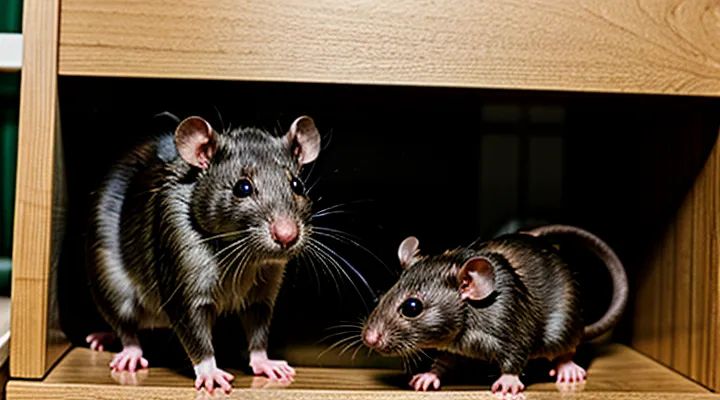
Understanding Rat Behavior and Needs
Socialization and Companionship
The Importance of Multiple Rats
Keeping rodents as household companions demands attention to their social nature. Rats thrive in groups; isolation often leads to stress, reduced activity, and health complications. Providing multiple individuals satisfies innate requirements for interaction and establishes a stable environment.
- Social bonding prevents loneliness and promotes natural grooming behaviors.
- Group living encourages mental stimulation through play, exploration, and hierarchy formation.
- Presence of a conspecific facilitates early detection of illness; changes in group dynamics alert caretakers to potential problems.
- Multiple rats share resources such as nesting material and enrichment items, reducing competition when proper space is provided.
- Pairing or small groups enhance reproductive success for responsible breeding programs, ensuring genetic diversity.
Practical guidance recommends a minimum of two same‑sex rats or a male‑female pair, housed together from a young age. Provide at least 0.5 sq ft (0.05 m²) of floor space per animal, supplemented with tunnels, chew toys, and climbing structures. Observe interactions regularly; aggressive behavior may indicate incompatibility, requiring re‑grouping. Consistent companionship yields healthier, more content rodents and simplifies long‑term care.
Introducing New Rats
Introducing new rats into an established colony requires careful preparation to minimise stress, prevent aggression and protect health. Prior to arrival, the enclosure must be thoroughly cleaned, disinfected with a rodent‑safe solution, and allowed to dry completely. All food, water bottles and nesting material should be refreshed to eliminate residual scents that could trigger territorial behaviour.
Quarantine is non‑negotiable. Separate the newcomers in a secure, well‑ventilated cage for a minimum of two weeks. During this period, monitor weight, coat condition and signs of illness such as nasal discharge or respiratory sounds. Conduct a health check, including a fecal examination, before any interaction with resident rats.
Key steps for a successful introduction:
- Place the quarantine cage adjacent to the main enclosure; allow visual and olfactory contact without physical interaction for several days.
- Exchange bedding between cages to blend scents, reducing perceived foreignness.
- Introduce a neutral, empty enclosure where both groups can explore together under supervision.
- Observe behaviour closely; retreat the process if dominant individuals display persistent aggression.
- Gradually increase shared time, maintaining separate feeding stations until harmony is evident.
Following these protocols creates a stable, harmonious community and safeguards the wellbeing of all animals involved.
Environmental Enrichment
Cage Size and Setup
A suitable enclosure for domestic rats must provide ample floor space; a minimum of 2 sq ft (≈0.19 m²) per adult animal prevents overcrowding and supports natural foraging behavior. For a pair, a cage measuring at least 30 in × 18 in × 12 in (≈76 cm × 46 cm × 30 cm) satisfies this requirement, while larger groups benefit from proportional increases in length rather than height.
Vertical dimensions should allow climbing without compromising ventilation. A height of 12–15 in (30–38 cm) accommodates multi‑level platforms and exercise wheels while preserving adequate airflow. Clear, mesh side panels enhance ventilation and enable visual inspection without disturbing the occupants.
Material selection influences hygiene and durability. Stainless‑steel wire frames resist rust and are easy to disinfect. Plastic bases must be chemically inert and free of sharp edges. Bedding such as paper‑based “«cage» liner” or aspen shavings absorbs moisture, reduces odor, and minimizes respiratory irritation.
Essential accessories improve welfare and simplify maintenance:
- “«Hideout»” – enclosed shelter covering 10–15 % of floor area.
- “«Chewable»” items – untreated wood blocks or safe toys refreshed weekly.
- “«Exercise wheel»” – solid surface, diameter ≥ 8 in (20 cm), mounted securely.
- “«Feeding station»” – elevated dish preventing bedding contamination.
- “«Water bottle»” – sipper with stainless‑steel nozzle, checked daily for leaks.
Regular cleaning cycles involve spot‑cleaning waste daily and full substrate replacement weekly. Disinfection with a diluted, rat‑safe solution (e.g., 10 % white vinegar) preserves enclosure integrity while eliminating pathogens.
Toys and Stimulation
Providing appropriate enrichment is essential for domestic rats. Toys should encourage natural behaviors such as gnawing, climbing, and foraging. Durable chew items made of untreated wood, safe plastics, or cardboard prevent dental problems and satisfy instinctive gnawing. Vertical space, including shelves or hammocks, allows climbing and exploration, reducing stress and promoting muscular development. Interactive toys that dispense treats when manipulated stimulate problem‑solving abilities and keep the animal mentally active.
Effective enrichment programs incorporate variety and rotation. A typical schedule might include:
- A chew block or wooden tunnel for daily use.
- A puzzle feeder or treat‑dispersing ball introduced two to three times per week.
- A set of climbing ropes or fabric hammocks swapped every few days.
- A DIY foraging box containing shredded paper and hidden vegetables, offered weekly.
Safety considerations remain paramount. All items must be free of toxic coatings, small detachable parts, or sharp edges. Regular inspection identifies wear that could cause injury. Combining physical toys with sensory stimulation—such as safe scents or background sounds—enhances overall welfare and supports a healthy, contented pet rat.
Hiding Spots and Tunnels
Providing concealed areas and passageways satisfies rats’ instinct to explore and retreat from perceived threats. Enclosed spaces reduce stress, support natural foraging patterns, and encourage exercise.
Typical hiding locations include:
- Small wooden boxes with ventilation slots, positioned low to the cage floor.
- Cardboard tubes cut to lengths of 15–20 cm, allowing entry from both ends.
- Fabric pouches sewn from breathable material, anchored to cage walls.
Tunnels extend the utility of hiding spots by linking separate zones. Recommended specifications are:
- Internal diameter of 4–5 cm, matching adult rat shoulder width.
- Lengths of 20–30 cm to promote movement without excessive confinement.
- Construction from untreated PVC, flexible silicone, or thick natural fibers; all surfaces must be smooth to prevent injury.
Placement strategy: locate tunnels near food stations and nesting areas, creating a continuous route that mimics burrow networks. Secure connections to prevent accidental detachment.
Maintenance protocol: inspect all structures weekly for wear, replace damaged sections, and clean surfaces with mild, unscented detergent followed by thorough rinsing. Ensure no loose fibers or sharp edges remain.
Implementing these elements creates a habitat that reflects wild environments, fostering healthy behavior and overall well‑being.
Health and Wellness
Nutrition
Balanced Diet Essentials
A healthy diet for domestic rats requires precise proportions of protein, fat, fiber, vitamins and minerals. Protein should represent 20‑25 % of total calories, sourced from high‑quality animal or plant proteins such as boiled egg, cooked chicken or soy‑based pellets. Fat content must stay below 5 % to prevent obesity; safe sources include small amounts of unsalted nuts or seeds. Fiber, essential for gastrointestinal motility, should constitute at least 15 % of the diet, supplied by fresh vegetables like carrots, broccoli and leafy greens.
Vitamins and minerals are critical for skeletal development and immune function. Calcium‑phosphorus ratio must approximate 1:1; supplementation can be achieved with mineral blocks or fortified pellets. Vitamin C is not required because rats synthesize it internally, but vitamin D and B‑complex vitamins must be present in adequate amounts, typically provided by a balanced commercial mix.
Feeding schedule influences metabolic health. Offer measured portions two to three times daily, removing uneaten fresh food after four hours to prevent spoilage. Water must be continuously available in a bottle with a metal spout to avoid contamination.
Key practices for diet management include:
- Selecting a reputable commercial rat pellet as the staple, ensuring it meets nutritional standards.
- Rotating fresh vegetables to provide variety and prevent nutrient deficiencies.
- Monitoring body condition regularly; a thin or overweight rat indicates the need to adjust portion size or nutrient balance.
- Avoiding sugary treats, processed human foods, and foods toxic to rodents such as chocolate, caffeine or raw beans.
Consistent application of these principles supports optimal growth, reproductive health and longevity for rats kept in a household environment.
Foods to Avoid
Rats require a balanced diet to maintain health and prevent disease. Certain foods can cause digestive upset, nutritional deficiencies, or toxic reactions and should be excluded from their daily intake.
- Chocolate and cocoa products: contain theobromine, which is toxic to rodents.
- Citrus fruits and juices: high acidity can irritate the gastrointestinal tract.
- Raw beans and legumes: contain lectins that interfere with nutrient absorption.
- Processed meats and salty snacks: excess sodium and preservatives strain kidneys.
- Dairy products: rats lack sufficient lactase, leading to diarrhea.
- Sugary treats and candy: promote obesity and dental problems.
- Avocado flesh: contains persin, a compound harmful to small mammals.
- Onions, garlic, and related Allium species: cause hemolytic anemia.
- High‑fat fried foods: contribute to fatty liver disease and weight gain.
Feeding practices that omit these items reduce the risk of acute poisoning and chronic health issues, supporting a longer, more active life for the pet. Regularly reviewing ingredient lists and avoiding human snack foods are essential components of responsible rat care.
Common Health Issues
Respiratory Problems
Respiratory problems are a common health issue for pet rats kept indoors. Inadequate ventilation, dust from bedding, and exposure to strong odors can irritate the nasal passages and lungs, leading to conditions such as rhinitis, pneumonia, and chronic bronchitis.
Typical clinical signs include:
- Nasal discharge, often clear or mucous‑colored
- Sneezing or audible wheezing
- Labored breathing, especially during activity
- Decreased appetite and lethargy
Risk factors arise from environmental management. Poor air circulation allows ammonia from urine to accumulate, while dusty substrates increase particulate inhalation. Aromatic cleaning agents, scented bedding, and cigarette smoke further compromise airway health.
Preventive measures focus on maintaining a clean, well‑ventilated habitat:
- Provide at least 10 L of fresh air per hour for each cage, using a fan or open window with a secure screen.
- Choose low‑dust bedding such as paper‑based products; replace it weekly.
- Clean cages with mild, unscented soap and rinse thoroughly; avoid aerosol sprays.
- Monitor humidity, keeping it between 40 % and 60 % to prevent mold growth.
If respiratory symptoms appear, prompt veterinary assessment is essential. Diagnostic steps typically involve physical examination, radiography, and possibly bacterial culture. Treatment may include:
- Antibiotics targeted to identified pathogens
- Nebulized saline or bronchodilators to relieve airway inflammation
- Supportive care such as warmed environments and easy access to food and water
Regular health checks, diligent hygiene, and proper airflow significantly reduce the incidence of respiratory disorders in domesticated rats.
Tumors and Cysts
Tumor development and cyst formation are common health concerns in domesticated rats. Both conditions can arise spontaneously or be linked to genetic predisposition, chronic inflammation, or exposure to carcinogenic agents in the environment. Early identification reduces the risk of severe complications and improves the likelihood of successful treatment.
Observable indicators include:
- Unexplained weight loss or rapid weight gain
- Palpable masses in the abdomen, tail, or subcutaneous tissue
- Changes in grooming behavior or reluctance to move
- Bleeding from the mouth, nose, or any ulcerated skin lesion
Routine health checks should incorporate manual palpation of the body cavity and tail, observation of appetite and activity levels, and periodic veterinary examinations. Imaging techniques such as ultrasound or radiography provide definitive assessment of internal «tumors» and «cysts», while fine‑needle aspiration offers cytological confirmation.
Management strategies depend on tumor type, location, and stage. Surgical excision remains the primary option for accessible masses; adjunctive chemotherapy may be indicated for malignant growths. Cystic lesions often respond to drainage and sterilization, followed by monitoring for recurrence. Veterinary professionals recommend a balanced diet, minimal exposure to toxic substances, and a clean, stress‑free habitat to mitigate the incidence of these disorders.
Parasites
Parasite infestations pose a significant health risk for domesticated rats, potentially leading to anemia, dermatitis, and gastrointestinal distress. Effective management requires early detection, strict hygiene, and regular veterinary supervision.
Common ectoparasites and endoparasites include:
- Fleas (Ctenocephalides spp.) – blood‑feeding insects that cause itching and transmit bacterial agents.
- Mites (Myobia, Radfordia) – microscopic arachnids that irritate skin and may provoke secondary infections.
- Lice (Polyplax spp.) – wingless insects that feed on blood and spread rapidly in crowded cages.
- Pinworms (Syphacia muris) – intestinal nematodes producing perianal irritation and weight loss.
- Coccidia (Eimeria spp.) – protozoan parasites causing diarrhoea and dehydration.
- Tapeworms (Hymenolepis spp.) – flatworms acquired through ingestion of infected intermediate hosts.
Detection relies on routine visual inspection of fur and skin, observation of scratching or hair loss, and periodic fecal examinations performed by a veterinarian. Microscopic analysis of stool samples identifies eggs or oocysts, while skin scrapes reveal mites or lice.
Preventive actions consist of:
- Maintaining cage cleanliness with daily removal of waste and weekly thorough disinfection using rodent‑safe agents.
- Providing nesting material that can be washed or replaced regularly.
- Isolating new arrivals for a minimum of two weeks, monitoring for signs of infestation before integration.
- Limiting exposure to wild rodents, insects, and contaminated food sources.
- Implementing a structured deworming schedule recommended by a veterinary professional.
When parasites are confirmed, treatment protocols involve:
- Administering approved ectoparasitic sprays or topical solutions for fleas, mites, and lice, following dosage guidelines precisely.
- Providing oral anthelmintics such as pyrantel pamoate for pinworms or praziquantel for tapeworms, under veterinary prescription.
- Re‑evaluating the cage environment after treatment to prevent re‑infestation, including replacement of bedding and thorough cleaning of accessories.
- Scheduling follow‑up examinations to verify eradication and adjust preventive measures as needed.
Veterinary Care
Finding an Exotic Vet
Keeping pet rats presents unique challenges that often require veterinary expertise beyond the scope of standard small‑animal clinics. Many general practitioners lack experience with rodent physiology, disease presentation, and specific medication dosages. Consequently, locating a veterinarian qualified in exotic or laboratory animal medicine becomes a critical component of responsible rat ownership.
Key actions for identifying an appropriate specialist:
- Search professional directories of veterinary schools, research institutions, or accredited exotic‑pet associations.
- Verify credentials by confirming board certification in exotic animal practice or documented experience with rodents.
- Contact the clinic to inquire about available diagnostic tools, such as radiography and laboratory testing, that are suitable for small mammals.
- Evaluate emergency coverage, including after‑hours availability and proximity to the home environment.
Establishing a relationship with a qualified exotic vet ensures timely diagnosis, accurate treatment, and preventive health planning, thereby reducing the risk of complications and supporting the long‑term well‑being of domesticated rats.
Regular Check-ups
Regular veterinary examinations are a cornerstone of responsible rat ownership. Professional assessment identifies health issues that owners may overlook, such as respiratory infections, dental overgrowth, or skin conditions. Early detection reduces the risk of severe complications and supports a longer, healthier lifespan for the animal.
Key elements of an effective check‑up schedule include:
- Frequency: Annual examinations for adult rats; semi‑annual visits for seniors or rats with known health problems.
- Physical evaluation: Inspection of eyes, ears, nose, and teeth; palpation of the abdomen to detect masses or organ enlargement.
- Weight monitoring: Precise measurement to track growth in juveniles and detect weight loss in adults, which often signals illness.
- Vaccination and parasite control: Administration of recommended vaccines where available; prophylactic treatment for ectoparasites and internal parasites.
- Laboratory testing: Blood work and fecal analysis when clinical signs suggest systemic disease.
Owners should maintain detailed records of each visit, noting observations, treatments, and any changes in behavior or appearance. Consistent documentation enables veterinarians to recognize trends and adjust care plans promptly.
In addition to scheduled visits, prompt veterinary attention is warranted for acute symptoms such as nasal discharge, wheezing, lethargy, or sudden weight loss. Immediate intervention can prevent rapid deterioration, which is common in small rodents.
By adhering to a disciplined check‑up regimen, caretakers ensure that rats receive the medical attention required to thrive in a domestic environment.
Recognizing Illness Symptoms
Monitoring the health of pet rats requires vigilance for deviations from normal behavior and appearance. Early detection of disease reduces the risk of severe complications and improves the chances of successful treatment.
Typical signs of illness include:
- Lethargy or reduced activity levels
- Loss of appetite or refusal to eat
- Weight loss evident by a noticeable decrease in body mass
- Discharge from eyes, nose, or ears
- Abnormal respiratory sounds such as wheezing or labored breathing
- Diarrhea or abnormal stool consistency
- Scruffy or unkempt fur, especially around the head and tail
- Swelling or redness of limbs, paws, or tail
- Unusual vocalizations, including high‑pitched squeaks or prolonged silence
- Changes in grooming habits, such as excessive licking of a specific area
When any of these symptoms appear, isolate the affected rat to prevent transmission, consult a qualified veterinarian promptly, and provide a clean, stress‑free environment. Maintain a record of observations, including onset time and progression, to assist the veterinary assessment. Regular health checks, combined with proper nutrition and habitat hygiene, form the foundation of responsible rat ownership.
Daily Care and Management
Cleaning and Hygiene
Cage Cleaning Schedule
A consistent cleaning routine is essential for maintaining a healthy environment for pet rats. Regular removal of waste and replacement of bedding prevents odor buildup, reduces the risk of respiratory infections, and discourages parasite proliferation.
Cleaning frequency should align with cage size, number of occupants, and bedding type. A practical schedule includes:
- Daily: Spot‑clean droppings, replace soiled food dishes, and refresh water bottles.
- Every 2–3 days: Stir or replace a portion of the bedding to preserve moisture balance.
- Weekly: Perform a thorough cage wipe‑down, discard all used bedding, disinfect surfaces with a rat‑safe cleaner, and introduce fresh bedding.
- Monthly: Inspect and clean accessories such as tunnels, wheels, and chew toys; replace any worn items.
When disinfecting, choose products free of strong fragrances or harsh chemicals. Diluted white vinegar (1 part vinegar to 4 parts water) or a mild, pet‑approved enzymatic cleaner effectively eliminates pathogens without harming rodents. Rinse all surfaces with clean water and allow them to dry completely before re‑adding bedding.
Record keeping supports adherence to the schedule. A simple log, noting the date and tasks completed, highlights any missed intervals and helps identify patterns that may affect rat health. Consistency in these practices sustains a hygienic habitat and promotes the well‑being of the animals.
Bedding Choices
Choosing appropriate bedding directly affects the health, comfort, and odor control of pet rats kept indoors. Proper substrate absorbs moisture, limits ammonia buildup, and provides a safe surface for chewing and nesting.
- Paper‑based bedding – highly absorbent, dust‑free, and easy to replace; suitable for small cages.
- Aspen shavings – low‑resin wood, minimal dust, offers natural chewing material; avoid aromatic woods such as pine or cedar.
- Fleece liners – washable fabric that retains warmth and reduces waste; requires regular laundering to prevent bacterial growth.
- Coconut fiber (coir) – biodegradable, offers texture for nesting; may retain moisture if not layered with an absorbent base.
Materials that pose risks should be excluded:
- Pine or cedar shavings – contain volatile oils that irritate respiratory passages.
- Dusty or scented litters – increase airborne particles, leading to respiratory stress.
- Loose straw – can cause impaction if ingested.
Maintenance practices ensure bedding remains effective:
- Replace the entire substrate weekly for paper‑based or wood options; increase frequency if odor intensifies.
- Spot‑clean soiled sections of fleece daily; wash the entire liner at 60 °C every two weeks.
- Monitor humidity levels; maintain ambient humidity between 40 % and 60 % to prevent mold growth in coir.
- Provide a separate nesting area with untreated, soft material such as tissue paper to reduce wear on the primary bedding.
By adhering to these guidelines, caretakers create a hygienic environment that supports the well‑being of indoor rats.
Handling and Training
Building Trust
Establishing a reliable bond with a pet rat requires consistency, patience, and respect for the animal’s natural behavior. Regular, gentle handling sessions teach the rat that human contact is predictable and safe. Begin with short periods of interaction, gradually extending duration as the rat shows signs of comfort, such as relaxed posture and exploratory movements.
Key practices that reinforce trust include:
- Offering treats directly from the hand to associate the owner’s presence with positive reinforcement.
- Maintaining a quiet environment during handling to reduce stress‑inducing stimuli.
- Observing the rat’s body language and ceasing interaction if signs of agitation appear, thereby preventing negative associations.
- Providing enrichment items that encourage voluntary exploration of the owner’s vicinity, such as tunnels that lead to a hand‑placed treat.
Consistent routine further solidifies confidence. Scheduled feeding, cleaning, and playtimes create a temporal framework that the rat can anticipate. Predictable schedules diminish anxiety and promote a sense of security, encouraging the rat to seek interaction proactively.
Long‑term trust manifests in behaviors such as voluntary climbing onto the owner’s hand, gentle nibbling without aggression, and vocalizations that indicate contentment. These indicators confirm that the rat perceives the caretaker as a reliable partner in its domestic environment.
Basic Training Techniques
Basic training establishes predictable behavior, reduces stress, and enhances safety for both rats and owners. Consistent routines and clear signals are essential components.
Training sessions should be brief, lasting no more than five minutes, and conducted several times daily. Positive reinforcement, such as small food rewards, encourages repeat performance. Avoid punishment; it creates fear and may lead to aggression.
Key techniques include:
- Target training: hold a stick or fingertip, reward the rat for touching it, then use the target to guide movement.
- Clicker conditioning: pair a distinct click sound with a treat, creating a reliable marker for desired actions.
- Leash introduction: attach a lightweight harness, allow the rat to explore while supervised, gradually increase distance.
- Cue association: teach simple verbal or hand signals for actions like “come,” “stay,” and “step up” by pairing each cue with a reward.
Environmental enrichment supports training outcomes. Provide tunnels, climbing structures, and nesting material to stimulate natural behaviors. Rotate items regularly to maintain interest.
Progress monitoring involves noting response latency, accuracy, and the rat’s willingness to engage. Adjust reward size or frequency if motivation declines. Consistent documentation helps identify patterns and refine methods.
Overall, systematic training integrates seamlessly with home rat care, promoting a harmonious living environment.
Safety Precautions
Rat-Proofing Your Home
Rat‑proofing a residence begins with a systematic inspection of the building envelope. Identify gaps larger than ¼ inch in walls, foundations, doors, windows, and utility penetrations; seal them with steel wool, cement, or metal flashing to prevent rodent intrusion.
Secure all food sources. Store dry goods in airtight containers made of glass or heavy‑wall plastic. Keep pet feed in sealed bins and avoid leaving crumbs on countertops or floors. Dispose of waste in bins equipped with tight‑fitting lids and remove trash from the interior daily.
Manage moisture. Repair leaky pipes, faucets, and roof sections promptly. Eliminate standing water in basements, crawl spaces, and pet water dishes after each use. Dry environments discourage nesting and breeding.
Reinforce structural components. Install hardware cloth with a ¼‑inch mesh over vents, chimneys, and crawl‑space openings. Replace damaged screens on doors and windows with metal or reinforced mesh. Trim vegetation that contacts the building, creating a barrier between trees, shrubs, and the roof.
Implement ongoing monitoring. Place snap traps or electronic detectors in concealed areas such as attics, garages, and storage closets. Check devices regularly and record any activity to assess the effectiveness of preventive measures.
Maintain cleanliness. Sweep floors, vacuum carpets, and clean behind appliances weekly. Remove clutter that can serve as hiding places, focusing on cardboard boxes, piles of fabric, and unused furniture.
By integrating these actions, a household can achieve a robust defense against rat incursions, ensuring a safe and hygienic living environment.
Protecting Against Predators
Rats kept as indoor companions face threats from external predators such as cats, dogs, birds of prey and rodents that may infiltrate the home environment. These animals can cause injury, stress or death, undermining the health and well‑being of pet rats.
Key protective actions include:
- Secure the cage with a lockable latch and a solid base that prevents digging or climbing.
- Position the enclosure on a stable surface away from windows, doors and vents that wildlife could access.
- Install pet‑proof screens on all openings, ensuring no gaps larger than ½ inch.
- Keep food and water containers sealed; discard leftovers promptly to avoid attracting stray cats or rodents.
- Use a dedicated room or area where other pets are restrained or separated when rats are out of their cage.
- Conduct regular inspections for signs of intrusion, such as torn bedding, droppings or scratches on the cage.
Maintain a routine of checking the integrity of the enclosure, replacing worn mesh or hinges, and monitoring the surrounding environment for signs of predator activity. Promptly addressing vulnerabilities preserves a safe habitat and supports the long‑term health of domesticated rats.