
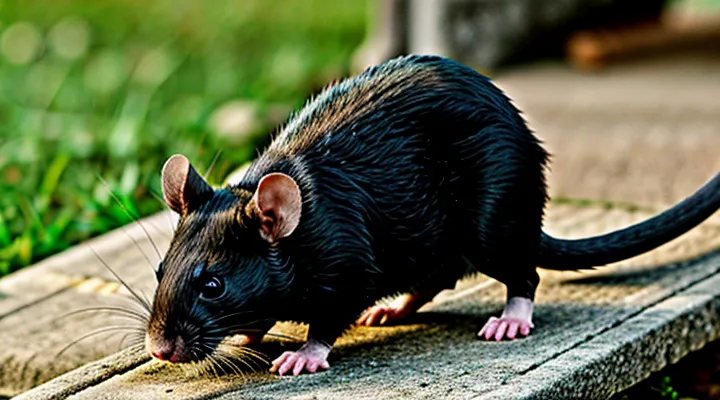
Overview of South American Rat Diversity
Geographical Distribution and Habitats
Andean Regions
The Andean highlands shape the biology of the native rat species across the continent. Elevation above 2,500 m imposes hypoxic conditions that the rodents meet with increased lung surface area and hemoglobin affinity for oxygen. Dense, insulating fur reduces heat loss in the cold, dry climate; dorsal pelage often displays a muted gray‑brown coloration that blends with rocky outcrops.
Dietary habits reflect the limited vegetation of the altiplano. The rats exploit:
- Seed and tuber caches stored by native grasses and Andean quinoa.
- Insects and arachnids that emerge during brief summer rains.
- Small amounts of carrion found near livestock corrals.
Reproductive timing aligns with seasonal precipitation. Breeding peaks in the wet season (December–March), when food availability rises, and gestation periods shorten to maximize offspring survival before the dry months.
Behavioral adaptations include:
- Burrow construction at depths of 30–60 cm to maintain stable temperature and humidity.
- Social structuring into small, cooperative colonies that share foraging routes and predator alerts.
- Increased vigilance and rapid escape responses triggered by the presence of raptors and terrestrial predators common in the Andean ecosystem.
These physiological, dietary, reproductive, and behavioral traits demonstrate the direct influence of the Andean environment on the rat species that inhabit it.
Lowland Areas
Lowland ecosystems across the Amazon basin, the Gran Chaco, and the Atlantic forest provide the primary habitat for the South American rat. These areas are characterized by warm temperatures, high humidity, and dense ground cover that supports the species’ foraging and nesting behavior.
The rodents exploit several lowland features:
- Abundant seed and fruit resources from understory vegetation, enabling a diet rich in carbohydrates and lipids.
- Soft, moist soils that facilitate burrow construction and provide refuge from predators.
- Seasonal floodplains that create temporary water bodies, allowing the rats to expand their range during the rainy season.
- Dense leaf litter and fallen logs that offer concealment and nesting sites.
Physiological adaptations align with lowland conditions. The species exhibits a high metabolic rate to cope with constant heat exposure, while a well‑developed olfactory system assists in locating food within the complex understory. Fur coloration varies from reddish‑brown to gray, providing camouflage against the forest floor.
Reproductive cycles correspond to the region’s climatic pattern. Breeding peaks during the early wet season when food availability rises, resulting in litters of three to six offspring. Rapid juvenile growth ensures that young individuals reach independence before the onset of the dry period.
Population density is highest in undisturbed lowland tracts, where resource abundance and limited human disturbance sustain stable communities. In fragmented lowland patches, numbers decline due to reduced habitat complexity and increased predation pressure.
Overall, the lowland environment shapes the ecological niche of these South American rodents, influencing diet, shelter, reproduction, and population dynamics.
Common Physical Traits
Size and Weight Variations
The South American rat exhibits notable variation in body dimensions across its range. Adult head‑body length typically spans 120–210 mm, while tail length ranges from 100 to 180 mm, often proportionate to the torso. Weight fluctuates between 45 g and 110 g, reflecting differences in food availability, altitude, and climate.
Key factors influencing size and weight:
- Geographic location – individuals inhabiting lowland rainforests tend to be larger than those in high‑elevation cloud forests.
- Sexual dimorphism – males generally exceed females by 10–15 % in both length and mass.
- Seasonal resource cycles – periods of abundant fruit and seed production correspond with temporary weight gains of up to 20 %.
- Genetic lineages – distinct population clusters display consistent morphological offsets, supporting subspecies delineation.
Morphometric data collected from museum specimens and field captures confirm that size and weight are reliable indicators of ecological adaptation within this rodent species.
Fur Coloration and Texture
The fur of the South American rat exhibits a consistent pattern of coloration and texture that aids taxonomic identification and ecological adaptation. Dorsal pelage ranges from medium‑brown to reddish‑ochre, often interspersed with darker speckles that break up the outline against leaf litter. Ventral regions are uniformly lighter, typically pale gray or creamy white, providing contrast that may reduce predator detection from below. Tail fur mirrors dorsal tones but may display a subtle gradient toward a paler tip. Seasonal shedding can introduce a temporary duller hue during the wet period, while the dry season accentuates pigment intensity.
- Dorsal shade: medium brown, reddish‑ochre, occasional dark speckles
- Ventral shade: pale gray, creamy white, uniform across individuals
- Tail coloration: dorsal‑matched with lighter terminal segment
- Seasonal variation: reduced saturation in wet season, heightened contrast in dry season
Hair texture combines two distinct layers. The outer guard hairs are coarse, stiff, and relatively long (up to 12 mm), forming a protective barrier against debris and parasites. Beneath them, a dense undercoat of fine, soft fibers (3–5 mm) provides insulation and moisture resistance. The overall pelage density averages 45 hairs mm⁻², creating a plush yet resilient surface. Whisker length averages 30 mm, serving as tactile sensors for navigation in dense undergrowth.
Fur characteristics influence habitat utilization. Dark dorsal pigments enhance camouflage among forest floor detritus, while the light ventral surface reduces silhouette visibility when the animal moves beneath foliage. The dual‑layered coat maintains body temperature across fluctuating altitudes, from lowland rainforests to high‑elevation grasslands. Guard hair rigidity contributes to protection against abrasive vegetation, whereas the soft undercoat preserves thermal balance during nocturnal activity.
Tail Morphology
The tail of the South American rat exhibits several distinct morphological traits that support its ecological niche.
Length typically exceeds body length, ranging from 120 % to 150 % of head‑body measurement. This proportion enhances balance during arboreal locomotion and facilitates rapid directional changes.
Surface characteristics include a dense dorsal pelage transitioning to a sparsely haired ventral margin. The dorsal fur is coarse, providing protection against abrasion, while the ventral side reveals a thin layer of keratinized scales that improve grip on rough substrates.
Coloration varies among populations, often reflecting habitat background: darker tones dominate in forested regions, whereas lighter shades appear in open savanna environments. Pigmentation patterns may assist in predator avoidance.
Sensory structures consist of mechanoreceptive vibrissae concentrated near the tail tip. These tactile hairs detect substrate texture and aid in spatial orientation during nocturnal foraging.
Musculature is highly developed, enabling partial prehensility. The distal third of the tail can curl around branches, supporting weight-bearing activities up to 30 % of the animal’s body mass.
Key functional attributes:
- Balance: elongated form lowers the center of gravity.
- Grip: keratinized scales increase friction.
- Sensation: vibrissae provide environmental feedback.
- Prehensility: muscular control permits limited grasping.
These morphological features collectively enhance locomotor performance, thermoregulation, and predator evasion in the diverse habitats occupied by the species.
Cranial Features
The cranial anatomy of South American rats exhibits distinct morphological traits that facilitate their ecological niche. The skull is compact, with a relatively broad rostrum and a flattened dorsal profile, allowing efficient burrowing and seed handling. The facial region displays enlarged infraorbital foramen, indicating strong masticatory muscles and enhanced tactile sensation.
Key cranial characteristics include:
- Dental formula: 1/1, 0/0, 0/0, 3/3, reflecting a single pair of incisors and three molar pairs per quadrant.
- Zygomatic arch: robust and laterally extended, providing attachment for powerful jaw-closing musculature.
- Braincase: proportionally large, housing well-developed olfactory bulbs and a sizable neocortex associated with complex foraging behavior.
- Nasal cavity: expanded, with intricate turbinate structures that increase surface area for scent detection.
- Auditory bullae: thick-walled and inflated, enhancing low-frequency sound perception in dense vegetation.
The combination of these features supports the species’ adaptability to diverse habitats across the continent, from grasslands to forest understories.
Behavioral and Ecological Adaptations
Dietary Habits
Herbivory
The rat species native to South America exhibit a diet that includes a substantial proportion of plant material. Their gastrointestinal tract shows adaptations for processing fibrous matter, such as an elongated cecum and increased microbial fermentation capacity. These anatomical features enable efficient breakdown of cellulose and hemicellulose, supporting nutrient extraction from leaves, stems, and seeds.
Key physiological traits associated with herbivory in these rodents are:
- High cellulolytic enzyme activity in the intestinal mucosa.
- Enlarged salivary glands that secrete enzymes facilitating initial starch digestion.
- Dental morphology characterized by sharp, continuously growing incisors and well‑developed molars with complex occlusal surfaces for grinding plant tissue.
Behaviorally, individuals preferentially forage on herbaceous understory vegetation and fruiting bodies during the wet season, while shifting to bark and woody shoots when herbaceous resources decline. Seasonal dietary flexibility reduces competition with omnivorous and carnivorous sympatric mammals.
Reproductive output correlates with plant resource availability; litter size and weaning success increase when high‑quality foliage is abundant. This link underscores the ecological dependence of the species on stable vegetative habitats and informs conservation strategies that prioritize the preservation of native forest understories.
Omnivory
The South American rat exhibits a flexible feeding strategy that incorporates plant and animal matter, allowing it to exploit a wide range of resources across diverse habitats. Its dentition combines sharp incisors for cutting vegetation with flattened molars suited for grinding insects and soft tissues, supporting efficient processing of varied food types.
Key components of the diet include:
- Seeds and grains from grasses and cultivated crops
- Fruits and berries, especially during the wet season
- Invertebrates such as beetles, larvae, and spiders
- Small vertebrates, including amphibian juveniles and nestling birds
- Carrion and organic detritus when available
Foraging activity peaks at night, with individuals displaying opportunistic behavior that shifts in response to seasonal fluctuations in resource availability. During periods of fruit abundance, the species increases frugivory, whereas dry seasons see a higher intake of seeds and insects. Digestive enzymes adapt to the changing diet, enhancing carbohydrate absorption from plant material and protein breakdown from animal sources.
The omnivorous habit influences ecosystem dynamics by dispersing seeds, regulating insect populations, and contributing to the decomposition of organic matter. These functions integrate the rodent into nutrient cycles and trophic networks, reinforcing its role as a versatile consumer within South American ecosystems.
Reproductive Strategies
Breeding Seasons
The South American rat exhibits a distinct reproductive calendar aligned with regional climate patterns. Breeding activity intensifies during the rainy season, typically from November to March in the southern cone and from May to October in tropical lowlands. Increased precipitation raises food availability, prompting females to enter estrus earlier and more frequently.
Key reproductive parameters include:
- Gestation period: 21–23 days.
- Litter size: 4–9 pups, with larger litters common in nutrient‑rich habitats.
- Post‑natal development: pups achieve independence within three weeks, enabling rapid population turnover.
Males attain sexual maturity at approximately eight weeks, while females mature slightly later, around ten weeks. Seasonal photoperiod shifts influence hormone cycles, but temperature fluctuations exert a secondary effect. In areas where rainfall is irregular, breeding may become opportunistic, with females capable of multiple estrous cycles throughout the year.
Population surveys indicate that reproductive output peaks when food resources, such as seeds and insects, are most abundant. Consequently, management strategies targeting pest control should concentrate efforts during the early rainy months, when juvenile recruitment is highest.
Litter Size
The South American rat typically produces litters of three to seven offspring. Average litter size across the species is five, with slight variation among populations inhabiting different ecological zones.
Reproductive output correlates with maternal body condition; well‑nourished females tend toward the upper end of the range, while individuals experiencing food scarcity often bear fewer young. Seasonal breeding cycles influence litter size as well, with peak births occurring during the rainy season when resource availability is highest.
Key parameters of litter characteristics:
- Mean number of pups: 5
- Observed range: 3–7
- Maximum recorded litter: 8 (rare, documented in a high‑latitude population)
- Factors affecting size: maternal nutrition, habitat productivity, photoperiod
Gestation lasts approximately 21 days, after which the neonates are altricial and remain with the mother for about four weeks before weaning. High litter numbers contribute to the species’ rapid population turnover and resilience in fluctuating environments.
Social Structures
Solitary vs. Colonial
The South American rat exhibits two distinct social strategies that shape its ecology and life history. Individuals may adopt a solitary existence, maintaining exclusive territories that provide continuous access to food caches and nesting sites. Solitary rats typically display heightened vigilance, reduced intra‑specific competition, and a lower incidence of disease transmission. Reproductive output is often concentrated in a single breeding season, with females producing a limited litter size to match the resource constraints of isolated habitats.
Conversely, colonial populations form dense aggregations in environments where food and shelter are abundant and predictable. Colonies benefit from collective defense against predators, shared burrow maintenance, and accelerated juvenile development due to communal nursing. Social hierarchy within colonies regulates breeding access, allowing dominant females to produce larger clutches while subordinate members assist in offspring care. The proximity of individuals facilitates rapid pathogen spread, necessitating robust immune responses.
Key contrasts between the two strategies include:
- Territory use: exclusive vs. shared
- Reproductive pattern: single large litter vs. multiple smaller litters distributed among members
- Predator avoidance: individual vigilance vs. group alarm signaling
- Disease dynamics: limited exposure vs. heightened transmission risk
- Resource allocation: personal caching vs. communal storage
Environmental conditions dictate which strategy predominates. Arid or fragmented landscapes favor solitary behavior, whereas humid, resource‑rich regions support colonial organization. Understanding these divergent patterns enhances predictions of population density, dispersal potential, and ecosystem impact for rat species across South America.
Predation and Defense Mechanisms
The South American rat inhabits diverse habitats ranging from lowland rainforests to Andean foothills, exposing it to a broad spectrum of predators. Mammalian hunters include ocelots, tayras, and small canids, while avian predators such as barn owls and raptors capture individuals during nocturnal foraging. Reptilian threats consist of large snakes, notably boas and pit vipers, and opportunistic amphibians in flooded areas.
Defensive adaptations combine behavioral, morphological, and physiological traits:
- Vigilance and cryptic activity: individuals maintain low profiles, retreating to burrows or dense cover at the first sign of disturbance.
- Rapid escape responses: powerful hind limbs generate bursts of speed exceeding 10 m s⁻¹, enabling swift traversal of open ground.
- Tail autotomy: in extreme encounters, the tail can detach, distracting predators while the rat flees.
- Scent masking: specialized glandular secretions reduce olfactory detection by mammalian predators.
- Aggressive biting: incisors deliver puncture wounds capable of deterring smaller carnivores and causing infection in larger attackers.
These mechanisms collectively enhance survival rates across the species’ extensive range, balancing predation pressure with reproductive output.
Key South American Rat Genera
Genus «Akodon»
Species-Specific Characteristics
The South American rat, a murid rodent native to the continent’s lowland and montane ecosystems, exhibits a suite of adaptations that distinguish it from other members of the family.
Morphologically, the species possesses a compact body measuring 120–180 mm in head‑body length, a robust skull with pronounced zygomatic arches, and densely haired, often spiny, dorsal pelage that provides protection against abrasive vegetation. The tail is semi‑prehensile, covered with coarse fur, and accounts for 80–100 % of total length, facilitating arboreal navigation. Dental formula I 1/1 C 0/0 P 0/0 M 3/3 reflects a strict herbivorous diet, while enlarged masseter muscles support gnawing on tough plant material.
Ecologically, the rodent occupies a range of habitats, from tropical rainforests to paramo grasslands, showing tolerance for altitudes up to 3,500 m. Its activity pattern is primarily nocturnal, with peak foraging occurring during the first three hours after sunset. Burrowing behavior includes the construction of shallow tunnel systems lined with leaf litter, which serve both as shelter and as sites for food storage.
Reproductive traits are characterized by:
- Seasonal breeding synchronized with the onset of the rainy period.
- Litter sizes of 2–5 offspring, born after a gestation of approximately 22 days.
- Rapid juvenile growth, reaching sexual maturity at 3–4 months.
Dietary specialization includes:
- Consumption of seeds, fruits, and young shoots of native flora.
- Opportunistic ingestion of fungi and insects during periods of scarcity.
- Utilization of a cecum for microbial fermentation of fibrous plant matter.
Conservation assessments indicate stable populations across most of the species’ distribution, although localized threats such as habitat fragmentation and agricultural expansion have prompted monitoring in certain ecoregions. Protective measures focus on preserving contiguous forest corridors and maintaining native vegetation buffers.
Genus «Oligoryzomys»
Habitat Preferences
The South American rat occupies a variety of ecosystems across its range, showing distinct preferences for environmental conditions that support foraging, shelter, and reproduction.
In lowland tropical rainforests, the species favors the forest floor where dense leaf litter and decaying wood provide cover and a rich supply of seeds, insects, and fungi. Moist, shaded microhabitats reduce exposure to predators and extreme temperatures.
Riparian zones constitute another core habitat. Proximity to streams and rivers offers elevated humidity, abundant aquatic invertebrates, and soft soil for burrowing. Banks with overhanging vegetation create protective corridors that facilitate movement between feeding sites.
Grassland and savanna margins are utilized when vegetation structure includes tall grasses and scattered shrubs. These areas supply seeds and arthropods while allowing quick escape routes. The rat prefers elevations below 1,200 m, where temperature and oxygen levels remain within physiological tolerances.
Human‑altered landscapes are occasionally occupied, particularly agricultural fields and peri‑urban gardens that provide supplemental food resources. However, the species shows a marked preference for natural habitats with minimal disturbance, avoiding heavily paved or industrial zones.
Key habitat attributes can be summarized:
- Dense ground cover (leaf litter, fallen logs) for concealment and nesting.
- High humidity levels, typically above 70 % relative humidity.
- Access to water sources within 50 m of foraging areas.
- Soft, well‑drained soils suitable for burrow construction.
- Vegetation complexity offering vertical and horizontal refuge.
These preferences guide distribution patterns and influence population density across the continent.
Genus «Rattus» (Introduced Species)
Impact on Native Ecosystems
The South American rat, a medium‑sized rodent native to tropical and subtropical regions of the continent, occupies a range of habitats from lowland forests to agricultural margins. Its diet includes seeds, fruits, insects, and small vertebrates, positioning it as both a consumer and a seed disperser within these ecosystems.
Impact on native ecosystems manifests through several mechanisms:
- Predation pressure: The species consumes ground‑dwelling invertebrates and amphibian larvae, reducing populations of native prey and potentially altering food‑web dynamics.
- Seed predation and dispersal: By harvesting seeds of native flora, the rat influences plant regeneration patterns; excessive seed consumption can suppress recruitment of certain tree species, while occasional caching promotes germination of others.
- Habitat modification: Burrowing activity aerates soil, affects moisture retention, and creates microhabitats utilized by other organisms, contributing to soil turnover and nutrient cycling.
- Disease vector potential: The rodent can harbor parasites and pathogens transmissible to wildlife, increasing disease incidence among sympatric species.
These interactions collectively shape community composition, affect biodiversity metrics, and modify ecosystem processes such as nutrient fluxes and regeneration cycles. Monitoring population density and behavior remains essential for managing the balance between the rat’s ecological functions and the preservation of native biota.
Conservation Status and Threats
Habitat Loss and Fragmentation
The South American rat occupies a range of forested and savanna habitats across the continent, relying on dense ground cover for foraging and shelter. Its physiological adaptations, such as a robust dentition and flexible diet, enable survival in varied microhabitats, but the species remains dependent on continuous vegetation structures.
Deforestation for timber, agricultural conversion, and expanding urban areas have removed large tracts of native ground cover. Satellite analyses indicate a decline of approximately 12 % in suitable habitat over the past two decades, with the most pronounced losses occurring in the Amazonian fringe and the Gran Chaco region.
Fragmentation isolates populations, limiting dispersal and gene exchange. Consequences include:
- Reduced genetic diversity, heightening susceptibility to diseases.
- Increased edge exposure, leading to higher predation rates and altered microclimates.
- Smaller local population sizes, which elevate extinction risk under stochastic events.
- Disruption of social structures, affecting breeding success and juvenile survival.
Mitigation measures focus on preserving remaining habitat blocks, establishing ecological corridors, and implementing land‑use policies that limit further conversion. Continuous monitoring of population genetics and habitat connectivity is essential to assess the effectiveness of these interventions.
Climate Change Effects
The rodent native to the southern part of the continent exhibits a compact body, dense fur, and a diet that combines seeds, insects, and occasional fruit. Its burrowing behavior creates microhabitats that influence soil aeration and seed dispersal, while its reproductive cycle yields multiple litters per year under favorable conditions.
Climate change alters these ecological functions through several mechanisms:
- Rising temperatures expand the species’ elevational range, forcing populations to relocate to higher altitudes where suitable burrowing substrate may be limited.
- Shifts in precipitation patterns reduce seed production in lowland ecosystems, decreasing food availability and increasing reliance on insect prey.
- Increased frequency of extreme weather events elevates mortality rates, especially among juveniles that lack shelter during floods or droughts.
- Altered pathogen dynamics favor parasites and diseases previously constrained by cooler climates, leading to higher infection prevalence.
- Phenological mismatches emerge as breeding cycles desynchronize from peak food abundance, reducing offspring survival and overall population growth.
These impacts collectively threaten the species’ ecological role and may trigger cascading effects on the broader savanna and forest communities where it operates.
Disease Transmission
The South American rat, a rodent native to tropical and subtropical regions of the continent, serves as a reservoir for several zoonotic pathogens. Its ecological adaptability and proximity to human settlements facilitate the exchange of infectious agents between wildlife, domestic animals, and people.
Key pathogens associated with this species include:
- Hantavirus – causes hemorrhagic fever with renal syndrome; transmission occurs through inhalation of aerosolized rodent excreta.
- Leptospira spp. – responsible for leptospirosis; bacteria are shed in urine and contaminate water sources.
- Salmonella enterica – leads to gastroenteritis; spread through contaminated food or direct contact with feces.
- Yersinia pestis – the causative agent of plague; fleas feeding on infected rats transmit the bacterium to humans and other mammals.
Factors influencing disease spread:
- High population densities in agricultural and peri‑urban areas increase contact rates.
- Seasonal rainfall expands habitats, promoting movement into new territories.
- Human activities such as deforestation and waste accumulation create favorable conditions for rodent colonization.
Surveillance programs targeting these rodents should incorporate trapping, serological testing, and molecular diagnostics to detect pathogen presence early. Integrated pest management, habitat modification, and public education reduce exposure risk and interrupt transmission cycles.
Conservation Efforts
The South American rat faces habitat loss, fragmentation, and pressure from agricultural expansion, which reduce population connectivity and increase vulnerability to local extinction. Climate variability further stresses the species by altering food availability and shelter conditions.
Current conservation actions include:
- Protection of riparian corridors through legal designations and enforcement of existing reserves.
- Restoration of degraded forest patches using native vegetation to reestablish foraging and nesting sites.
- Community-based monitoring programs that train local residents to record sightings, track population trends, and report illegal activities.
- Development of captive‑breeding protocols aimed at supplementing wild populations and preserving genetic diversity.
- Implementation of land‑use policies that incentivize sustainable agricultural practices, reducing pesticide runoff and soil erosion.
Government agencies, non‑governmental organizations, and academic institutions coordinate efforts under regional biodiversity strategies. Recent assessments indicate a stabilization of population numbers in protected areas, while ongoing habitat connectivity projects show measurable improvements in gene flow across fragmented landscapes.