
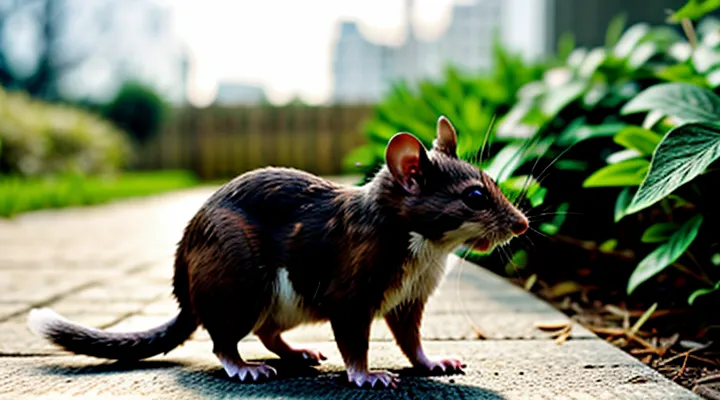
Understanding Rodent Hearing and Behavior
How Mice Perceive Sound
Mice possess a highly developed auditory system that detects a wide spectrum of frequencies, far beyond the range of human hearing. Their cochlea contains hair cells tuned to ultrasonic vibrations, allowing perception of sounds up to 100 kHz, with peak sensitivity between 12 kHz and 20 kHz. Sound pressure levels as low as 10 dB SPL can elicit neural responses, indicating an acute threshold for airborne noise.
The auditory pathway includes large, mobile pinna that funnels sound toward the tympanic membrane, enhancing directionality. Interaural time differences as small as 10 µs enable mice to triangulate sources, while the tonotopic organization of the auditory cortex processes frequency-specific information with millisecond precision.
Effective acoustic deterrents must exploit these physiological traits. Frequency bands that align with the mouse’s most sensitive range, delivered at intensities above the behavioral avoidance threshold (approximately 70 dB SPL), produce the strongest aversive reaction. Randomized modulation prevents habituation; continuous tones risk desensitization within minutes.
Key parameters for designing repellent noise:
- Frequency: 12 kHz – 20 kHz (primary sensitivity) and 30 kHz – 50 kHz (ultrasonic range)
- Intensity: ≥ 70 dB SPL at the target location
- Temporal pattern: irregular pulses, frequency sweeps, or chirps
- Duration: short bursts (1–3 seconds) repeated every 30–60 seconds
By matching the acoustic profile to the mouse’s perceptual capabilities, noise devices achieve reliable repulsion without reliance on chemical agents.
Natural Predators and Alarm Cries
Ultrasonic Communication in Rodents
Rodents use ultrasonic vocalizations (USVs) for social coordination, predator avoidance, and territory marking. Emissions typically occupy 20–100 kHz, with peak energy around 40–60 kHz for most species. The signals convey information about emotional state, reproductive status, and environmental threats.
Effective acoustic deterrents exploit the same frequency band that rodents monitor for conspecific cues. By delivering non‑biological sounds within the USV range, devices trigger a perceived intrusion, prompting avoidance behavior. The principle relies on overriding natural communication with artificial noise that the animal interprets as a potential competitor or predator.
Critical parameters for repellent sound design include:
- Frequency: 30–70 kHz, matching the most sensitive region of the rodent auditory spectrum.
- Amplitude: 80–100 dB SPL at the source, sufficient to be detectable after attenuation by walls or insulation.
- Modulation: irregular pulse patterns (e.g., 5 ms on, 10 ms off) prevent habituation.
- Duration: continuous operation for at least 30 minutes per exposure cycle, followed by a 10‑minute rest interval.
Implementation guidelines:
- Position emitters near entry points, concealed within wall cavities or under flooring to maximize coverage.
- Ensure airtight sealing around the transducer to prevent acoustic leakage and maintain intensity.
- Integrate a timer that cycles the pulse pattern every 2–3 hours during active nocturnal periods, aligning with peak rodent activity.
- Verify field performance with a calibrated ultrasonic meter, adjusting gain to maintain target SPL at the furthest point of the protected zone.
Understanding rodent USV characteristics enables precise calibration of repellent audio devices, resulting in reliable deterrence without reliance on chemicals or physical barriers.
Types of Repellent Sounds
Ultrasonic Devices
How Ultrasonic Repellents Work
Ultrasonic repellents emit sound waves above 20 kHz, a range inaudible to humans but well within the hearing capacity of mice. The devices contain piezoelectric transducers that convert electrical energy into rapid vibrations, producing a focused acoustic field.
Mice detect ultrasonic frequencies through specialized cochlear hair cells. When exposed to sustained tones between 25 kHz and 50 kHz, the auditory system registers intense pressure fluctuations that interfere with normal communication signals and provoke a stress response. The resulting discomfort discourages rodents from remaining in the treated area.
The emission cycle typically alternates frequencies and modulates amplitude to prevent adaptation. Continuous, single‑frequency output allows mice to habituate, reducing efficacy. By varying the signal, the repellent maintains a perceived threat level without causing permanent hearing damage.
Effective deployment depends on several variables:
- Frequency range matched to target species’ hearing peaks
- Coverage area calculated from transducer power and room geometry
- Placement at entry points, corners, and elevated positions to maximize line‑of‑sight propagation
- Power source stability to ensure uninterrupted operation
When these parameters are optimized, ultrasonic devices generate a persistent, non‑lethal deterrent that exploits the auditory sensitivity of mice, thereby reducing infestation risk without chemical intervention.
Scientific Evidence and Limitations
Scientific investigations of acoustic deterrents for rodents rely on controlled laboratory trials, field experiments, and meta‑analyses of published data. Researchers measure mouse activity with motion sensors, video tracking, or capture rates before, during, and after exposure to specific sound frequencies.
Results indicate that ultrasonic emissions between 20 kHz and 50 kHz can reduce mouse presence by 30 %–70 % in short‑term tests. Effectiveness peaks at frequencies near 25 kHz, pulse durations of 0.2–0.5 seconds, and intervals of 10–30 seconds. Longer exposure (≥ 8 hours) often yields greater suppression, but the magnitude declines after the first 24 hours.
Limitations documented across studies include:
- Habituation: Mice acclimate after 2–3 days, diminishing avoidance behavior.
- Environmental interference: Absorption by soft furnishings and reflection from hard surfaces alter sound distribution.
- Species variability: Laboratory strains respond differently from wild populations, limiting extrapolation.
- Measurement bias: Small‑scale arenas may overstate efficacy compared with multi‑room or outdoor settings.
- Device reliability: Power fluctuations and speaker degradation reduce output consistency over time.
Application guidelines derived from the evidence advise intermittent scheduling (e.g., 15 minutes on, 45 minutes off) to mitigate habituation, placement of emitters near entry points, and periodic verification of acoustic output with calibrated meters. Users should combine acoustic methods with physical barriers and sanitation practices to achieve sustained control.
Auditory Deterrents
High-Frequency Sounds
High-frequency sound waves, typically above 20 kHz, fall outside the audible range for most humans but are well within the hearing capabilities of rodents. Mice detect these frequencies with acute sensitivity, causing discomfort that can deter them from entering or remaining in a treated area.
The effectiveness of ultrasonic deterrence depends on several measurable parameters:
- Frequency band: 25 kHz – 45 kHz yields the strongest aversive response; frequencies above 60 kHz lose potency because mouse auditory receptors are less responsive.
- Intensity: Sound pressure levels of 80 dB SPL at the source, decreasing to 60 dB SPL at the target location, ensure sufficient stimulus without damaging surrounding electronics.
- Modulation pattern: Pulsed or sweeping tones prevent habituation; a cycle of 1 second on, 1 second off is commonly recommended.
- Coverage area: Devices should be spaced no more than 3 m apart to maintain the required intensity across the entire zone.
Implementation guidelines:
- Install ultrasonic emitters at ceiling height or near entry points, directing the transducers toward open spaces.
- Verify continuous operation with a power source that supplies at least 12 V DC; battery backup is advisable for power outages.
- Conduct periodic field checks using a calibrated ultrasonic meter to confirm that target SPL levels are maintained.
- Replace units every 12 months, as piezoelectric elements degrade and output diminishes over time.
Safety considerations:
- Human exposure to frequencies above 20 kHz is negligible; however, pets such as cats and dogs may perceive the sound, potentially causing stress. Position emitters away from pet resting areas.
- Avoid placing devices near sensitive equipment that could be affected by high-frequency electromagnetic interference.
By adhering to these specifications, high-frequency sound can be deployed as a reliable, non‑chemical method for discouraging mouse activity in residential and commercial settings.
Infrasound and Low-Frequency Vibrations
Infrasound and low‑frequency vibrations constitute the acoustic spectrum below 20 Hz, extending to roughly 200 Hz. Rodents possess heightened sensitivity to these frequencies, detecting minute pressure fluctuations that lie outside the range of human hearing. Exposure to sustained infrasound induces discomfort, disorientation, and avoidance behavior, making it a viable component of acoustic deterrent systems for mice.
Mechanisms of repellent action include disruption of vestibular function and interference with communication signals used for nesting and foraging. Laboratory studies show that continuous tones at 15–30 Hz, with sound pressure levels of 85–95 dB SPL, produce measurable reductions in mouse activity within treated zones. The effect persists while the source operates; removal of the stimulus restores normal behavior.
Practical implementation requires generating stable low‑frequency output without excessive mechanical vibration of the environment. Effective devices incorporate:
- Dedicated sub‑woofer drivers or piezoelectric transducers calibrated to 15–30 Hz.
- Amplifiers capable of delivering 85–95 dB SPL at the target frequency.
- Isolation mounts to prevent structural transmission that could damage building components.
- Continuous operation timers or motion‑activated controls to maintain exposure only when rodents are present.
Safety considerations mandate monitoring human exposure, as prolonged high‑level infrasound may cause discomfort or health effects. Proper enclosure of the source, placement outside occupied living spaces, and adherence to occupational noise guidelines mitigate risk while preserving repellent efficacy.
Bioacoustic Repellents
Predator Sounds
Predator recordings exploit rodents’ innate avoidance of natural hunters. When a mouse detects the acoustic signature of a cat, owl, or snake, its stress response triggers flight or freeze behavior, reducing the likelihood of entry into treated spaces.
Typical predator sound sources include:
- Feline vocalizations – low‑frequency growls, hisses, and sudden yowls mimic a cat’s presence.
- Avian calls – sharp screeches and hoots of hawks or owls simulate aerial threats.
- Reptilian hisses – high‑pitched, rapid vibrations resemble a snake’s warning sound.
Effective deployment follows three principles:
- Frequency range – mouse hearing peaks between 1 kHz and 70 kHz; select recordings that concentrate energy within this band, especially 5–20 kHz where predator calls are most audible.
- Temporal pattern – irregular intervals prevent habituation; alternate bursts of 10–30 seconds with silent periods of 2–5 minutes.
- Amplitude – maintain sound pressure levels between 70 and 85 dB at the source; higher levels risk structural damage, lower levels fail to trigger avoidance.
Installation recommendations:
- Position speakers near entry points, concealed behind obstacles to avoid direct visual cues.
- Use battery‑powered units with automatic timers to ensure continuous operation without manual oversight.
- Replace recordings weekly; rodents quickly learn to ignore static audio tracks.
Limitations to consider:
- Prolonged exposure may lead to desensitization; rotate predator species or combine with ultrasonic emitters.
- Sound propagation is reduced by thick walls and insulation; verify coverage with a decibel meter.
- Non‑target species, such as pets, can experience stress; select volume settings that balance efficacy and comfort.
Overall, predator sound emissions constitute a biologically grounded deterrent. Proper frequency selection, irregular timing, and adequate amplitude generate a credible threat perception, compelling mice to avoid treated environments.
Distress Calls of Mice
Mice emit high‑frequency distress vocalizations when threatened, captured, or injured. These calls typically range from 10 to 30 kHz, exceed 70 dB at the source, and consist of brief, sharp pulses. The acoustic pattern conveys urgency to conspecifics, prompting nearby individuals to flee or seek shelter.
The physiological basis of the signal involves rapid laryngeal muscle contraction, generating broadband noise with a dominant peak near 20 kHz. Auditory receptors in mice are tuned to this range, allowing detection at distances of up to several meters in quiet environments. The response is innate: exposure to distress calls triggers heightened vigilance, increased locomotor activity, and avoidance of the perceived danger zone.
When considering acoustic deterrents, distress calls present several limitations:
- Species specificity – only mice and closely related rodents recognize the signal; other pests remain unaffected.
- Habituation risk – repeated playback leads to diminished response as individuals learn that no actual threat follows.
- Limited spatial coverage – effective radius shrinks in cluttered spaces where sound attenuation is high.
- Potential attraction – some mice may interpret calls as a sign of conspecific presence, encouraging aggregation rather than dispersal.
To incorporate distress vocalizations into a broader repellent strategy, they must be combined with additional stimuli that sustain aversion, such as predator noises, ultrasonic bursts outside the distress frequency band, or irregular timing patterns that prevent habituation. Proper speaker placement, volume calibration to exceed the natural call intensity, and intermittent playback schedules improve efficacy while minimizing the risk of counterproductive attraction.
Implementing Sound-Based Repellents Effectively
Choosing the Right Device
Coverage Area and Power Output
Effective acoustic deterrents rely on two technical parameters: the spatial reach of the emitted signal and the energy level of the source. The spatial reach, often expressed as a radius or square‑meter coverage, determines how many entry points a single unit can protect. Manufacturers typically rate devices for a circular area ranging from 30 m² for compact models to over 150 m² for high‑capacity units. Proper placement—central to the target zone, unobstructed by walls or furniture—maximizes the covered surface and prevents dead zones where the signal weakens.
The energy level, quantified by power output, governs the intensity of the sound and its ability to penetrate barriers. Power is measured in watts for the transducer and in decibels (dB SPL) at a standard distance of one meter. Common specifications include:
- 0.5 W transducer delivering 85 dB SPL, suitable for small rooms.
- 1.2 W transducer delivering 95 dB SPL, covering medium‑sized areas.
- 2.5 W transducer delivering 105 dB SPL, intended for large, open spaces.
Higher power output increases the effective range but also raises the risk of audible leakage for humans and pets. Selecting a device involves matching the required coverage area with a power level that sustains the target frequency band—typically ultrasonic frequencies between 20 kHz and 30 kHz—throughout that area. Proper alignment of these parameters ensures consistent deterrent performance across the intended environment.
Battery-Powered vs. Plug-In Options
Battery‑powered ultrasonic devices offer portability, allowing placement in locations without nearby outlets. Their limited runtime depends on battery capacity; high‑frequency emitters drain power quickly, requiring replacement or recharging every few weeks. Most models include low‑energy standby modes that extend life when mice are absent. Because they operate independently of the electrical grid, they remain functional during power outages, a critical factor for continuous deterrence.
Plug‑in units draw constant electricity, delivering uninterrupted sound output. They typically provide higher acoustic intensity, which can cover larger areas and maintain a stable frequency spectrum. Continuous power eliminates the need for battery management, reducing long‑term maintenance costs. However, reliance on wall sockets restricts placement to areas with accessible outlets and introduces vulnerability to outages unless backed by an uninterruptible power supply.
Choosing between the two options requires evaluating installation constraints, desired coverage, and maintenance capacity. Portable models suit temporary setups, multi‑room deployment, or locations lacking wiring. Fixed, mains‑connected devices excel in permanent installations where maximum coverage and reliability outweigh the need for mobility. Align the selection with the specific environment to ensure the repellent noise remains active wherever rodent activity is detected.
Strategic Placement
Optimizing Sound Wave Propagation
Effective acoustic deterrents rely on precise control of sound wave behavior. Successful repellent systems transmit frequencies that trigger aversive responses in rodents while maintaining sufficient intensity across the target area. Engineering the propagation path ensures that the signal reaches hidden nesting zones and travel corridors without excessive attenuation.
Key parameters for optimizing wave transmission include:
- Frequency band: Ultrasonic ranges (20–50 kHz) produce discomfort in mice; lower frequencies (10–15 kHz) penetrate obstacles more effectively but may require higher sound pressure levels.
- Amplitude: Sound pressure must exceed the species‑specific discomfort threshold (typically 80–90 dB SPL) yet stay below levels that cause structural fatigue or human hearing damage.
- Beam shaping: Directional transducers focus energy toward concealed spaces, reducing reflections and standing‑wave formation that can create null zones.
- Medium characteristics: Temperature, humidity, and air density influence attenuation; monitoring these variables allows real‑time adjustment of output power.
- Placement strategy: Align emitters with architectural features—wall junctions, ceiling gaps, and floor vents—to exploit natural waveguides and reach concealed habitats.
Implementing adaptive control loops further refines performance. Sensors detect ambient noise and rodent activity, prompting automatic modulation of frequency and amplitude to sustain deterrent efficacy while conserving energy. Integration with building management systems enables scheduled activation during peak infestation periods, enhancing overall reliability.
Avoiding Obstructions
Effective rodent deterrence relies on unimpeded sound transmission. Physical barriers such as walls, furniture, and décor can absorb or reflect ultrasonic waves, reducing the reach of the repellent signal. Position devices where the emitted frequencies travel directly through open space. Avoid placing units behind solid objects, inside closed cabinets, or beneath thick carpets that trap vibrations.
Key considerations for unobstructed deployment:
- Locate emitters at ceiling height or on open shelves to maximize coverage.
- Ensure a minimum clearance of 12 inches from walls, doors, and large appliances.
- Keep the line of sight between the device and target areas free of shelving units or decorative panels.
- Remove or thin dense curtains and heavy drapes that hinder acoustic propagation.
- Verify that flooring material does not dampen vibrations; hardwood or tile surfaces are preferable to thick carpet.
Regularly inspect the environment for newly introduced items that could create acoustic shadows. Adjust placement promptly to maintain a clear path for the deterrent frequencies, preserving their efficacy throughout the treated zone.
Combining Sound with Other Methods
Trapping and Exclusion
Acoustic deterrents create an environment that discourages rodent activity, but sound alone rarely eliminates an established population. Effective control combines auditory repulsion with physical barriers and capture devices to prevent entry and remove individuals that have already infiltrated a space.
Physical exclusion begins with sealing gaps larger than ¼ inch. Inspect foundations, wall voids, utility penetrations, and vent openings. Install steel wool, copper mesh, or silicone caulk to block passages. Reinforce doors and windows with weather stripping that compresses tightly when closed. For crawl spaces and attics, apply rigid metal flashing around joist bays and pipe sleeves to eliminate hidden routes.
Trapping complements acoustic measures by targeting mice that ignore or habituate to sound. Choose traps that match the infestation level:
- Snap traps: immediate kill, high success rate, low maintenance.
- Live‑catch traps: allow relocation, require frequent checking to prevent stress.
- Electronic traps: deliver a lethal shock, reduce mess, operate silently.
Place traps along walls, behind appliances, and near identified pathways. Align trap placement with the direction of the emitted noise, as rodents tend to travel away from the source. Maintain a consistent sound frequency—typically ultrasonic tones between 20 kHz and 50 kHz—for at least 48 hours before evaluating trap performance, then adjust intensity if capture rates decline.
Integrate the three components—sound emission, sealed entry points, and strategically positioned traps—to form a comprehensive deterrent system. Continuous monitoring, periodic replacement of barrier materials, and periodic recalibration of acoustic devices ensure long‑term effectiveness and prevent re‑infestation.
Sanitation and Food Storage
Effective acoustic deterrents work best when the environment offers no easy food sources or shelter for rodents. Maintaining rigorous cleanliness eliminates the incentives that otherwise undermine the impact of repellent frequencies.
- Sweep and vacuum daily to remove grain, crumbs, and debris.
- Wipe countertops and appliance surfaces after each use.
- Store waste in sealed containers and remove it from the premises at least twice weekly.
- Repair leaks promptly; moisture attracts insects that support mouse populations.
Secure food storage further reduces the need for constant high‑volume noise. Use containers with gasketed lids, label each item with a purchase date, and practice a first‑in‑first‑out rotation. Keep pantry shelves organized to prevent hidden pockets where rodents could hide, and maintain cooler temperatures to slow spoilage.
Position sound‑emitting devices near storage areas, ensuring that clutter does not block sound propagation. Verify that speakers are level with the floor to maximize coverage, and schedule monthly checks of battery life or power connections. By pairing disciplined sanitation and airtight storage with strategically placed acoustic emitters, the repellent effect remains consistent and requires fewer adjustments.
Potential Drawbacks and Considerations
Acclimation and Habituation
Changing Frequencies and Locations
Effective mouse deterrence through acoustic methods depends on precise manipulation of sound frequency and strategic placement of emitters. Changing frequencies alters the auditory perception of rodents, while adjusting locations determines exposure intensity across target zones.
Frequency modulation
- Rodents detect ultrasonic ranges (20‑45 kHz) more readily than lower tones; shifting emitters within this band creates continuous novelty, preventing habituation.
- Alternating between narrow bands (e.g., 22 kHz, 28 kHz, 34 kHz) every 5‑10 minutes disrupts pattern recognition, sustaining aversive response.
- Incorporating intermittent low‑frequency pulses (2‑5 kHz) adds a secondary stressor, enhancing overall deterrent effect.
Location optimization
- Position devices at entry points such as doorways, vents, and gaps in foundation; proximity ensures the sound field reaches approaching mice before they enter.
- Mount emitters at 12‑18 inches above floor level to align with typical rodent travel height, maximizing acoustic exposure.
- Overlap coverage zones by spacing units 4‑6 ft apart; overlapping fields prevent acoustic dead zones where mice could acclimate.
- Avoid placement near reflective surfaces (metal cabinets, glass) that may cause standing waves, reducing effective intensity.
Implementation protocol
- Survey the area to identify all potential ingress routes and nesting sites.
- Install ultrasonic emitters at each identified point, adhering to the height and spacing guidelines.
- Program a frequency‑rotation schedule covering the specified ultrasonic bands, with optional low‑frequency bursts.
- Verify sound pressure levels (SPL) at ground level; maintain SPL above 65 dB within the target zone.
- Conduct weekly checks to ensure devices remain functional and adjust positions if structural changes occur.
By systematically varying acoustic frequencies and deploying emitters at critical locations, the deterrent system remains unpredictable to mice, reducing the likelihood of habituation and maintaining long‑term efficacy.
Impact on Pets and Humans
Hearing Range of Domestic Animals
Domestic animals possess hearing capabilities that differ markedly from those of house mice, influencing the selection of acoustic deterrents. Mice detect frequencies roughly between 1 kHz and 80 kHz, with peak sensitivity around 10–20 kHz. In contrast, common pets exhibit narrower upper limits.
- Cats: 48 Hz – 85 kHz; most responsive to ultrasonic sounds up to 60 kHz.
- Dogs: 40 Hz – 60 kHz; audible ultrasonic range extends to about 45 kHz.
- Rabbits: 30 Hz – 50 kHz; limited response above 30 kHz.
- Guinea pigs: 70 Hz – 50 kHz; reduced sensitivity beyond 30 kHz.
Effective rodent‑repelling noise should occupy a frequency band that is clearly audible to mice yet falls below the discomfort threshold for pets. Frequencies between 12 kHz and 25 kHz satisfy this criterion, providing strong stimulation for mice while remaining largely imperceptible to cats and dogs. For environments with rabbits or guinea pigs, the upper limit should be reduced to 15 kHz to avoid distress.
When implementing acoustic devices, calibrate sound pressure levels to 80–90 dB SPL at the source. This intensity ensures sufficient reach for mouse deterrence without exceeding the auditory safety limits for domestic animals. Continuous monitoring of pet behavior can verify that the chosen frequency range remains non‑intrusive.
Human Sensitivity to High Frequencies
Humans detect frequencies up to approximately 20 kHz, with sensitivity peaking between 2 kHz and 5 kHz. Above this range, the auditory threshold rises sharply; most adults cannot perceive tones louder than 18–20 kHz, even at high sound pressure levels. Age‑related decline, known as presbycusis, reduces the upper limit further, often to 15 kHz or lower after the third decade of life.
The ear’s mechanical structure limits high‑frequency transmission. The basilar membrane’s stiffness decreases toward its base, where only short‑wavelength vibrations—corresponding to high frequencies—are resolved. Hair cells in this region are fewer and more vulnerable to damage, which explains the rapid loss of ultra‑high‑frequency hearing after prolonged exposure to loud sounds.
When designing ultrasonic deterrents for rodents, the following human‑related constraints must be observed:
- Emission levels should not exceed 85 dB SPL at 1 m to prevent auditory discomfort or permanent threshold shifts.
- Frequencies above 20 kHz are effectively inaudible for most adults, reducing the risk of nuisance for occupants.
- Continuous operation may cause fatigue in the auditory system; intermittent duty cycles (e.g., 10 seconds on, 20 seconds off) mitigate this risk.
Understanding these physiological limits ensures that high‑frequency noise can be employed against pests without compromising human auditory health.
Cost-Effectiveness and Long-Term Solutions
Acoustic deterrents offer a measurable return on investment when compared with chemical or mechanical rodent controls. Initial purchase prices range from $20 for basic ultrasonic emitters to $150 for programmable units with variable frequency settings. Devices that allow frequency modulation reduce the risk of habituation, extending the effective lifespan of each unit and lowering the cost per year of operation.
Key financial factors include:
- Capital outlay: one‑time expense for the device.
- Energy consumption: most models draw less than 5 W, resulting in annual electricity costs below $5.
- Replacement cycle: durable housings and sealed electronics typically last 3–5 years, minimizing repeat purchases.
Long‑term performance depends on consistent coverage and proper placement. Units should be positioned near entry points, food storage areas, and wall voids where mice travel. Regular verification of signal emission—using a calibrated detector or smartphone app—ensures the device remains active. Maintenance involves cleaning dust from speaker grills and checking battery health for cordless models; these tasks require less than ten minutes per quarter.
When scaling a property, bulk procurement reduces unit price by up to 30 %. Integrating acoustic deterrents with sealing of structural gaps creates a synergistic effect, allowing fewer devices to achieve comprehensive protection. The combined approach lowers overall expenditure while sustaining rodent suppression for years without chemical re‑applications or trap servicing.