
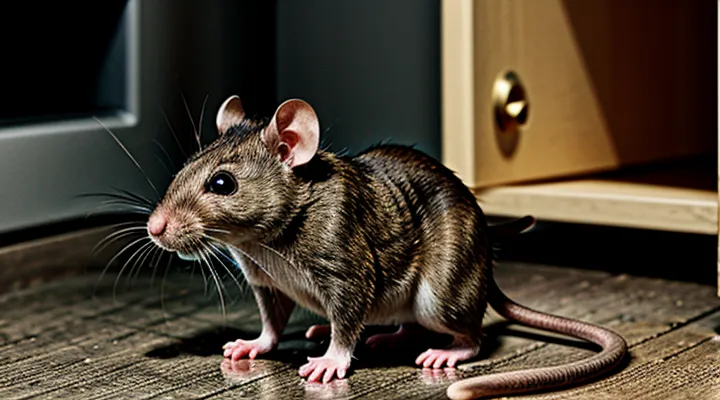
The Auditory World of Rodents
Decoding Rodent Vocalizations
Ultrasonic Communication in Rats
Rats emit vocalizations above the human hearing threshold, typically ranging from 20 kHz to 80 kHz. These ultrasonic calls originate from rapid vibrations of the laryngeal membranes driven by high‑frequency airflow.
During social interactions, rats produce distinct call types:
- Contact calls: brief, flat‑frequency bursts that maintain group cohesion.
- Distress calls: high‑amplitude, frequency‑modulated sweeps emitted when trapped or injured.
- Maternal calls: low‑frequency ultrasonic tones used by pups to solicit nursing and by dams to locate offspring.
Ultrasonic communication supports territory defense, mating rituals, and predator avoidance. Studies show that exposure to predator‑generated ultrasound triggers freezing and escape behaviors, indicating an innate threat detection system.
Researchers record rat ultrasound with specialized microphones and analyze spectrograms to classify call structures. Playback experiments demonstrate that specific call patterns elicit predictable behavioral responses, confirming functional relevance.
The physiological basis involves specialized auditory hair cells tuned to ultrasonic frequencies, allowing rats to both emit and perceive these signals with high temporal precision. Understanding this communication channel informs models of mammalian social cognition and aids the development of humane pest‑control technologies.
Audible Sounds in Mice
Mice generate a diverse repertoire of sounds that can be detected by the human ear. These vocalizations serve specific functions in communication, predator avoidance, and physiological regulation.
Typical audible emissions include:
- Squeaks (3–10 kHz): brief, high‑frequency bursts produced during handling, social interaction, or mild stress.
- Chirps (10–20 kHz): rhythmic series emitted by males during courtship and territorial displays.
- Whines (2–5 kHz): prolonged tones associated with maternal distress or separation anxiety.
- Grunts (1–4 kHz): low‑amplitude sounds accompanying feeding or grooming activities.
Acoustic characteristics such as duration, frequency modulation, and amplitude pattern differentiate each call type. Playback experiments demonstrate that conspecifics respond selectively to these parameters, confirming their role in intra‑species signaling. Recording equipment calibrated for the 1–20 kHz range reliably captures these sounds, enabling quantitative analysis of call frequency, inter‑call interval, and context‑dependent variation.
Common Rodent Sounds and Their Meanings
Squeaks and Chirps
Alarm Calls
Rodent alarm calls are brief, high‑frequency vocalizations emitted when individuals detect predators or sudden disturbances. In laboratory and field observations, both laboratory rats (Rattus norvegicus) and house mice (Mus musculus) produce these sounds to alert conspecifics, prompting immediate cessation of activity or rapid retreat.
Typical acoustic features include a rapid rise in frequency, a duration of 10–50 ms, and an amplitude that exceeds that of routine exploratory squeaks. The calls often contain a harmonic structure that enhances detectability over background noise. Variations in pitch and temporal pattern correlate with the type of threat: aerial predators elicit higher‑frequency, shorter calls, whereas ground‑based predators provoke longer, lower‑frequency emissions.
Research identifies several functional aspects:
- Immediate behavioral freezing or escape in nearby rodents.
- Synchronization of group vigilance, increasing overall predator detection.
- Modulation of call intensity according to the distance of the threat, allowing graded alarm signaling.
- Rapid habituation when threats are absent, preventing chronic stress responses.
Neurophysiological studies reveal that alarm calls activate the auditory cortex and the amygdala, linking perception to the fear circuitry. Pharmacological blockade of the amygdala reduces the behavioral response to these calls, confirming the central role of emotional processing in alarm communication.
Distress Signals
Rats and mice emit a variety of vocalizations; distress calls constitute a distinct acoustic category produced when individuals encounter pain, predation risk, or social isolation.
These signals are typically ultrasonic, spanning 20–80 kHz, with brief bursts (10–150 ms) and a rapid rise–fall envelope. Some calls include harmonic components that extend into the audible range, allowing human observers to detect them with specialized equipment.
Distress emissions serve several functions:
- Immediate warning to nearby conspecifics, prompting freezing or escape behavior.
- Deterrence of predators through startling acoustic bursts.
- Synchronization of group movement away from a threat source.
Laboratory recordings demonstrate that the intensity of distress calls correlates with physiological stress markers such as elevated corticosterone levels. Playback experiments reveal that naïve rodents exhibit increased vigilance and reduced exploratory activity when exposed to recorded distress calls, confirming the communicative efficacy of these sounds.
Application of ultrasonic monitoring systems enables real‑time assessment of rodent welfare in research facilities and improves early detection of infestations in urban environments. Acoustic profiling of distress signals provides a non‑invasive metric for evaluating the impact of environmental stressors on rodent populations.
Bruxing and Tooth Grinding
Contentment and Relaxation
Rats and mice produce a limited repertoire of vocalizations that reliably signal a state of contentment and relaxation. These acoustic cues emerge when the animals are resting, grooming, or engaged in low‑stress social interactions.
- High‑frequency chirps (≈ 50 kHz) emitted during gentle grooming bouts.
- Soft, low‑amplitude squeaks (≈ 10–20 kHz) heard when the animal is settled in a familiar nest.
- Subtle, rhythmic purr‑like pulses (≈ 5 kHz) recorded during prolonged periods of immobility.
Physiological measurements show that each of these sounds coincides with reduced heart rate, lowered plasma corticosterone, and increased parasympathetic activity. The acoustic patterns are consistent across laboratory strains and wild‑derived populations, indicating a conserved mechanism for expressing peace.
Researchers employ automated sound‑analysis software to monitor these vocalizations, allowing real‑time assessment of animal welfare in experimental settings. Pet owners can recognize the described sounds to gauge the comfort level of their rodents, adjusting cage conditions accordingly.
Stress and Agitation
Rats and mice emit a range of vocalizations that reflect their internal state. When exposed to threats, crowding, or abrupt environmental changes, they increase the production of high‑frequency ultrasonic calls. These calls accompany elevated heart rate and cortisol levels, indicating acute stress. Simultaneously, lower‑frequency audible squeaks appear during intense agitation, often preceding escape attempts or aggressive encounters.
The acoustic profile of stress‑related emissions includes:
- Ultrasonic chirps (≈ 20–50 kHz) with rapid onset, lasting 10–100 ms.
- Audible squeaks (≈ 4–8 kHz) of higher amplitude, irregular rhythm.
- Combined sequences where ultrasonic bursts precede or follow audible squeaks during prolonged disturbance.
Experimental observations show that removal of a familiar conspecific or introduction of a novel predator scent triggers a measurable rise in both call types within seconds. Pharmacological suppression of the hypothalamic‑pituitary‑adrenal axis reduces call frequency, confirming hormonal mediation.
Monitoring these sounds provides a non‑invasive index of rodent welfare. Real‑time acoustic analysis can detect early signs of agitation, allowing timely intervention in laboratory and husbandry settings. Continuous recording also yields data on the temporal dynamics of stress responses, facilitating comparative studies across species and experimental conditions.
Hissing and Chattering
Defensive Postures
Rats and mice emit distinct vocalizations when they adopt defensive stances, providing researchers with reliable indicators of threat perception. High‑frequency squeaks, often termed “alarm calls,” accompany a crouched posture, flattened ears, and a rigid spine. These sounds rise sharply in pitch and increase in amplitude as the animal prepares to flee or confront a predator.
Low‑frequency chirps accompany a side‑lying position with limbs tucked close to the body, a behavior that reduces visibility and facilitates rapid escape. The chirps are brief, repetitive, and maintain a constant frequency, signaling a heightened state of vigilance without immediate aggression.
A series of short, harsh clicks are produced during a fully extended posture, where the rodent arches its back, raises its tail, and spreads its forepaws. This configuration maximizes the animal’s defensive surface area and the clicks serve as a warning to conspecifics and potential threats.
- Crouched stance → high‑frequency alarm squeaks
- Side‑lying posture → low‑frequency vigilance chirps
- Extended arch → short, harsh defensive clicks
These acoustic‑behavioral pairings enable precise assessment of stress levels and defensive strategies in laboratory and field studies.
Territorial Displays
Rats and mice rely on acoustic signals to assert and maintain territory. Vocalizations are emitted when an individual encounters a conspecific near the perimeter of its home range, when intruders approach a nest, or during brief encounters at feeding sites. These sounds serve as immediate warnings, deterrents, and markers of occupancy.
Typical territorial calls include:
- High‑frequency ultrasonic squeaks (30–80 kHz) that convey aggression and are undetectable to many predators.
- Low‑frequency chirps (5–15 kHz) audible to humans, often produced during close‑range confrontations.
- Pulsed trills with rapid amplitude modulation, used to signal escalation and readiness to fight.
Acoustic structure varies with body size, sex, and social status. Larger males generate lower‑frequency components, enabling receivers to assess opponent strength. Females produce shorter, higher‑frequency bursts, primarily to repel rival females from nesting chambers.
Experimental observations show that playback of territorial calls reduces intrusion rates by up to 70 % in laboratory arenas. In field studies, individuals exposed to recorded ultrasonic squeaks increase patrol frequency and reinforce burrow entrances, indicating that the sounds function as both deterrents and cues for heightened vigilance.
Neurophysiological recordings reveal that the auditory cortex of rodents exhibits heightened sensitivity to the specific frequency bands used in territorial displays. This specialization facilitates rapid discrimination between neutral social calls and aggressive signals, allowing immediate behavioral adjustments.
Overall, acoustic territorial displays constitute a concise, efficient mechanism for spatial dominance, reducing physical conflict and conserving energy in densely populated environments.
Factors Influencing Rodent Sound Production
Social Context and Hierarchy
Dominance and Submission
Rodent vocalizations provide a rapid channel for establishing and maintaining social rank. In laboratory and field observations, specific acoustic patterns correlate consistently with dominant or submissive status.
Dominant individuals emit broadband ultrasonic squeaks (approximately 20–50 kHz) during territorial patrols, resource acquisition, and when confronting rivals. These calls are characterized by high amplitude, sudden onset, and a duration of 100–300 ms. In addition, low‑frequency thumps (5–10 kHz) accompany aggressive postures, reinforcing visual threats.
Submissive members produce brief, high‑pitch chirps (above 60 kHz) when approached by a higher‑ranking conspecific. The chirps are low in intensity, last 30–80 ms, and are often followed by silent withdrawal. When experiencing defeat, rats and mice emit prolonged ultrasonic distress calls (45–70 kHz) that signal vulnerability and elicit tolerance from the dominant partner.
The exchange of these sounds shapes hierarchical stability:
- Dominant calls suppress rival aggression, reduce the likelihood of escalated fights.
- Submissive chirps signal acknowledgment of rank, prompting the dominant animal to cease attack.
- Distress calls after defeat facilitate grooming or food sharing, reinforcing the social order.
Neurophysiological studies show that auditory cortex neurons respond selectively to the frequency ranges of dominant versus submissive calls, enabling rapid discrimination and appropriate behavioral adjustment. Consequently, acoustic signaling functions as a primary mechanism for rank assessment and conflict resolution among rats and mice.
Mating Behaviors
Rodent acoustic communication is integral to reproductive interactions. Male rats emit ultrasonic vocalizations (USVs) during courtship, typically ranging from 50 to 80 kHz, with peak intensity coinciding with the approach to a receptive female. These calls serve to attract and stimulate the female, enhancing the likelihood of copulation.
Female mice produce distinct vocal patterns when receptive, characterized by brief, low‑amplitude chirps around 30 kHz. The presence of these signals prompts males to increase pursuit behavior and to emit additional USVs, creating a reciprocal exchange that synchronizes mating activity.
Key acoustic features associated with mating include:
- Frequency modulation: Rapid changes in pitch convey urgency and male fitness.
- Temporal structure: Call bouts lasting 0.5–2 seconds align with female investigation periods.
- Amplitude variation: Higher intensity signals correlate with dominant males during competitive encounters.
In competitive settings, dominant males amplify USV output and introduce complex syllable sequences, which can suppress rival advances and secure access to the female. The acoustic repertoire thus functions as both an attractant and a deterrent, shaping mating success among rats and mice.
Environmental Stimuli
Predator Presence
Rodent acoustic activity intensifies when predators are detected. Rats and mice emit short, high‑frequency chirps, low‑frequency squeals, and prolonged distress calls that serve to alert conspecifics and to coordinate escape. These vocalizations differ in duration, pitch, and repetition rate, reflecting the immediacy of threat.
- Immediate alarm chirps: 8–12 kHz, burst of 5–10 ms, produced within seconds of predator cue.
- Sustained distress squeals: 3–6 kHz, lasting up to several seconds, accompany rapid fleeing.
- Contact calls: 12–20 kHz, brief pulses used after regrouping to re‑establish social proximity.
Predator presence also suppresses routine communication. Baseline grooming‑related squeaks and exploratory chirps decline by 30–50 % in environments where predator scent or silhouette is introduced. The shift from routine to alarm signaling maximizes survival by reducing conspicuousness to predators while ensuring group awareness of danger.
Resource Availability
Rodent vocalizations are closely linked to the availability of essential resources. When food, water, or suitable nesting sites become limited, individuals emit high‑frequency chirps and short, sharp squeaks that signal agitation and competition. These calls increase in frequency and amplitude as scarcity intensifies, prompting conspecifics to locate alternative resources or establish dominance hierarchies.
Conversely, abundant supplies correlate with a reduction in alarm‑type sounds. In well‑fed populations, low‑intensity squeals dominate, serving primarily for social cohesion rather than warning. Stable environments also encourage the production of ultrasonic contact calls that facilitate group coordination without attracting predators.
Key relationships between resource conditions and acoustic output:
- Resource scarcity – elevated chirp rate, higher amplitude, broader frequency range.
- Resource abundance – predominance of low‑intensity squeals, increased ultrasonic contact calls.
- Fluctuating supply – intermittent bursts of alarm calls interspersed with regular social vocalizations.
Understanding these patterns aids in interpreting rodent behavior and assessing ecosystem health through acoustic monitoring.
Age and Health Considerations
Young vs. Adult Vocalizations
Rodent vocal output varies markedly between juveniles and mature individuals, reflecting developmental changes in anatomy, neural control, and behavioral function. In neonates, ultrasonic vocalizations (USVs) appear within hours of birth and consist of short, high‑frequency bursts (approximately 40–80 kHz) emitted during isolation or maternal separation. These calls exhibit low harmonic content and rapid rise‑time, serving primarily to elicit maternal retrieval. Adult rats and mice produce a broader repertoire: longer, frequency‑modulated syllables (20–100 kHz), multi‑syllable sequences, and audible squeaks (1–10 kHz) associated with aggression, mating, and territorial displays. Mature vocalizations display greater temporal complexity, including variable inter‑call intervals and patterned sequences that convey nuanced social information.
Key acoustic distinctions include:
- Frequency range: Juvenile USVs concentrate in a narrow high‑frequency band; adults expand into lower ultrasonic and audible ranges.
- Duration: Neonatal calls average 10–30 ms; adult syllables extend to 100 ms or more.
- Modulation: Juvenile calls are typically flat; adult calls show frequency sweeps, jumps, and harmonic stacks.
- Contextual specificity: Infant calls are triggered by distress; adult calls are emitted in mating, dominance, and predator‑avoidance scenarios.
Physiological factors underpin these differences. Laryngeal growth and changes in vocal fold tension during puberty shift resonant properties, while maturation of brainstem respiratory‑vocal circuits enhances temporal precision. Hormonal influences, particularly testosterone, modulate adult male courtship songs, introducing stereotyped patterns absent in juveniles.
Behavioral experiments demonstrate functional outcomes. Playback of juvenile USVs reliably induces maternal approach, whereas adult male courtship syllables increase female receptivity and synchronize estrous cycles. Conversely, adult aggressive vocalizations suppress rival approach and facilitate territory defense. These findings confirm that vocal development in rats and mice progresses from a simple, distress‑oriented signal system to a complex, socially driven communication network.
Illness-Related Sounds
Rats and mice emit distinct vocalizations when experiencing disease or injury. These sounds differ in frequency, duration, and pattern from normal communication calls, providing observable cues of physiological distress.
Common illness‑related acoustic signals include:
- High‑frequency squeaks (30–80 kHz): abrupt, short bursts produced during acute pain or tissue inflammation.
- Low‑frequency chirps (5–15 kHz): sustained tones associated with respiratory distress or fever.
- Irregular ultrasonic chatter: variable‑rate pulses that appear during severe systemic infection or sepsis.
Research shows that the acoustic profile correlates with specific pathologies. For example, elevated ultrasonic chatter frequency aligns with bacterial pneumonia, while prolonged low‑frequency chirps accompany gastrointestinal obstruction. Quantitative analysis of these sounds enables early detection and monitoring of health status in laboratory colonies.
Monitoring equipment calibrated to the appropriate frequency ranges can capture these vocalizations reliably. Automated algorithms classify the recordings, distinguishing normal social calls from pathological emissions, thereby supporting humane animal care and experimental validity.
Differentiating Rat and Mouse Sounds
Frequency and Pitch Variations
Species-Specific Frequencies
Rodents emit ultrasonic vocalizations that differ markedly among species, allowing precise identification of the emitter based solely on acoustic parameters.
Typical frequency bands for commonly studied species are:
- Norway rat (Rattus norvegicus): 20–30 kHz during social interaction, 30–50 kHz in distress calls.
- House mouse (Mus musculus): 50–70 kHz in mating contexts, 70–90 kHz during pup isolation.
- Black rat (Rattus rattus): 18–25 kHz in aggression, 25–35 kHz in exploratory behavior.
These ranges reflect evolutionary adaptation to the species’ ecological niche and communication needs. Higher frequencies convey short-range, high-information content, while lower bands support longer-distance signaling. Frequency modulation patterns—such as rapid sweeps or steady tones—encode specific behavioral states, including courtship, alarm, and territoriality.
Detection relies on ultrasonic microphones and spectrographic analysis. Sampling rates above 200 kHz capture the full bandwidth, while Fourier transform algorithms isolate peak frequencies and temporal structures. Comparative datasets enable cross‑species classification and inform neurophysiological studies of auditory processing in rodents.
Hearing Range Differences
Rats and mice generate ultrasonic vocalizations that exceed the audible spectrum of humans. Their auditory systems are tuned to detect these high‑frequency sounds, but the specific hearing limits differ between the two species.
- Rats: auditory threshold extends from approximately 200 Hz to 80 kHz, with peak sensitivity between 10 and 20 kHz.
- Mice: auditory threshold spans roughly 1 kHz to 100 kHz, with optimal sensitivity near 15 kHz.
The broader upper limit in mice enables detection of conspecific calls that reach 100 kHz, whereas rats respond most effectively to frequencies below 80 kHz. These differences influence social communication, predator avoidance, and foraging behavior. Mice can perceive finer acoustic details in ultrasonic calls, facilitating nuanced social interactions, while rats rely on a slightly lower frequency band for alarm and mating signals.
Auditory thresholds are established through auditory brainstem response (ABR) recordings and behavioral conditioning tests. ABR measures electrical activity in the auditory pathway in response to controlled tone bursts, yielding precise frequency‑threshold curves. Behavioral assays, such as conditioned avoidance of specific tones, corroborate physiological data and reveal species‑specific perceptual limits.
Understanding the distinct hearing ranges clarifies why rats and mice produce and respond to different subsets of ultrasonic sounds, shaping their communication strategies and ecological adaptations.
Behavioral Context Clues
Rat Social Structures
Rats live in structured groups that combine dominance hierarchies with cooperative bonds. A dominant individual typically secures priority access to food and nesting sites, while subordinate members maintain proximity to the leader and engage in grooming or sentinel behavior. Group size varies with species and habitat, ranging from small family units of three to five individuals to larger colonies exceeding twenty members.
Vocal communication underpins these social dynamics. Specific acoustic signals convey status, aggression, and affiliation, allowing rapid assessment of group composition without visual contact. Common categories include:
- High‑frequency ultrasonic chirps emitted during playful interactions or when juveniles solicit attention.
- Low‑frequency broadband squeaks produced in response to threats or during territorial disputes.
- Short, pulsed calls associated with grooming bouts that reinforce affiliative ties.
These sounds are produced by specialized laryngeal muscles and modulated by the rat’s emotional state, providing a reliable indicator of intent. Recordings demonstrate that dominant rats generate longer, lower‑pitch calls during confrontations, whereas subordinates favor brief, high‑pitch emissions when seeking tolerance.
Understanding rat social structures through their acoustic repertoire informs laboratory housing standards and enhances interpretation of behavioral assays. Precise monitoring of vocal patterns enables early detection of stress, facilitates welfare assessment, and supports comparative studies on the evolution of mammalian communication.
Mouse Colony Dynamics
Acoustic emissions of rodents provide a direct window into the organization and stability of mouse colonies. Specific vocal patterns correspond to social status, reproductive condition, and stress levels, allowing researchers to infer colony health without invasive observation.
Mice generate a spectrum of sounds, including ultrasonic vocalizations (USVs) above 20 kHz, audible squeaks, and brief chirps. USVs accompany courtship and mother‑infant interactions, while low‑frequency squeaks often signal aggression or alarm. Chirps appear during exploratory behavior and can indicate curiosity or novelty detection.
Sound influences colony dynamics through several mechanisms:
- Territory establishment: dominant individuals emit characteristic calls that deter rivals and define spatial boundaries.
- Reproductive coordination: females emit USVs that attract males and synchronize mating activity.
- Maternal care: pups produce distress calls that trigger nursing behavior, affecting offspring survival.
- Stress modulation: heightened alarm vocalizations correlate with increased cortisol levels and can suppress breeding efficiency.
Key factors shaping these acoustic interactions include population density, age structure, sex ratio, ambient noise, and breeding cycle stage. Adjusting any of these variables can alter vocal frequency, intensity, and pattern, thereby reshaping social hierarchies and reproductive output.
Monitoring relies on ultrasonic microphones, real‑time spectrogram analysis, and automated call classification algorithms. Continuous recording captures temporal trends, while spectral profiling distinguishes between affiliative and aggressive contexts.
Effective colony management incorporates acoustic data to regulate environmental noise, optimize enrichment protocols, and schedule breeding pairs. By aligning housing conditions with the natural vocal repertoire of mice, facilities can maintain stable populations, reduce stress‑induced attrition, and improve experimental reproducibility.
Implications for Pest Control and Research
Identifying Infestations through Sound
Acoustic Monitoring Techniques
Acoustic monitoring of rodent vocalizations relies on specialized hardware and analytical software to capture, isolate, and interpret ultrasonic emissions. High‑frequency microphones, typically with a response range of 20–100 kHz, record signals that exceed the human auditory threshold. These devices are paired with low‑noise preamplifiers to preserve signal integrity in environments with ambient sound.
Signal processing pipelines include:
- Band‑pass filtering to remove frequencies outside the target ultrasonic window.
- Fast Fourier Transform (FFT) analysis for spectral decomposition.
- Automated call detection algorithms that apply amplitude and duration thresholds to identify relevant events.
- Machine‑learning classifiers trained on labeled datasets to differentiate species‑specific call types.
Field deployment often utilizes autonomous recording units (ARUs) powered by rechargeable batteries or solar panels. Data storage solutions range from high‑capacity SD cards to cloud‑based repositories, enabling long‑term monitoring without frequent retrieval. Calibration procedures involve generating synthetic ultrasonic tones to verify microphone sensitivity and system linearity before each recording session.
Interpretation of the acoustic data informs behavioral studies, population assessments, and pest‑management strategies. Temporal patterns, such as increased call rates during mating seasons, can be quantified by aggregating detection counts over hourly or nightly intervals. Spatial mapping of call locations, achieved through triangulation of multiple synchronized microphones, reveals movement corridors and habitat preferences.
Advancements in real‑time processing allow on‑board detection of specific call signatures, triggering immediate alerts for researchers or automated deterrent systems. Integration with complementary sensors—temperature, humidity, and infrared cameras—enhances contextual understanding of the environmental factors influencing vocal activity.
Early Detection Strategies
Rodent vocalizations provide a reliable indicator of population activity long before visual signs appear. Early detection relies on capturing these emissions and converting them into actionable data.
Acoustic acquisition requires equipment capable of recording ultrasonic frequencies up to 100 kHz. Placement strategies include ceiling‑mounted arrays in storage areas and floor‑level sensors near potential nesting sites. Shielding against ambient noise improves signal‑to‑noise ratios.
Signal processing follows a standard pipeline:
- Band‑pass filtering isolates rodent‑specific frequency bands.
- Fast Fourier Transform generates spectrograms for each recording segment.
- Feature extraction identifies peak frequency, call duration, and harmonic structure.
Classification models differentiate between species, behavioral states, and infestation levels. Supervised algorithms such as support vector machines or convolutional neural networks achieve accuracy above 90 % when trained on curated datasets. Thresholds for alert generation are calibrated to minimize false positives while ensuring timely response.
Operational deployment integrates continuous monitoring with pest‑management software. Real‑time alerts trigger targeted interventions, reducing chemical usage and limiting structural damage. System maintenance involves periodic recalibration of sensors and periodic retraining of classification models to accommodate environmental changes.
Ethical Considerations in Research
Understanding Rodent Welfare
Research on rodent vocalizations supplies quantifiable indicators for assessing welfare. Acoustic emissions reflect physiological and emotional states, allowing objective evaluation without invasive procedures.
- Ultrasonic vocalizations (USVs) emitted above 20 kHz, commonly associated with social interaction and positive affect.
- Audible squeaks in the 1–5 kHz range, often linked to discomfort, pain, or threat perception.
- Distress calls characterized by irregular patterns and increased amplitude, signaling acute stress or injury.
- Maternal pup calls, high‑frequency bursts that facilitate nursing and indicate neonatal health.
Frequency, duration, and temporal structure of these sounds correlate with specific welfare conditions. Elevated USV rates during enrichment activities suggest reduced anxiety, whereas prolonged high‑amplitude squeaks during handling imply heightened stress. Sudden spikes in distress calls after environmental changes serve as early warnings of maladaptation.
Implementation of acoustic monitoring in laboratory and breeding facilities enhances real‑time welfare assessment. Continuous recording devices capture baseline vocal profiles, enabling deviations to trigger corrective actions. Calibration against validated behavioral and physiological markers ensures reliable interpretation.
Effective welfare programs incorporate the following steps:
- Establish species‑specific acoustic baselines under optimal conditions.
- Deploy calibrated microphones capable of detecting both ultrasonic and audible ranges.
- Integrate automated analysis software to quantify call parameters.
- Train personnel to recognize acoustic patterns indicative of distress.
- Adjust housing, handling, and enrichment protocols based on acoustic feedback.
By translating rodent sounds into measurable welfare metrics, practitioners achieve consistent, evidence‑based improvements in animal care.
Minimizing Stress Responses
Research on rodent vocalizations requires careful control of stress to obtain reliable acoustic data. Elevated stress alters call frequency, duration, and amplitude, obscuring the relationship between signal structure and behavioral state. Implementing the following measures reduces physiological arousal and improves signal fidelity.
- House animals in stable, low‑noise environments; limit sudden loud sounds and vibrations.
- Acclimate subjects to recording chambers through gradual exposure sessions lasting several minutes before data collection.
- Use gentle handling techniques; avoid tail lifts and restraining devices that trigger fight‑or‑flight responses.
- Provide consistent lighting cycles and temperature; maintain humidity within the species‑specific comfort range.
- Schedule recordings during periods of natural activity (e.g., early night for nocturnal species) to align with intrinsic vocal production peaks.
- Employ non‑invasive microphones positioned at a distance that captures sound without requiring proximity that may stress the animal.
- Monitor physiological indicators such as heart rate or corticosterone levels; pause experiments if markers exceed baseline thresholds.
By integrating these protocols, investigators can minimize stress‑induced variability, ensuring that the acoustic characteristics recorded reflect authentic rodent communication rather than artefacts of experimental disturbance.