
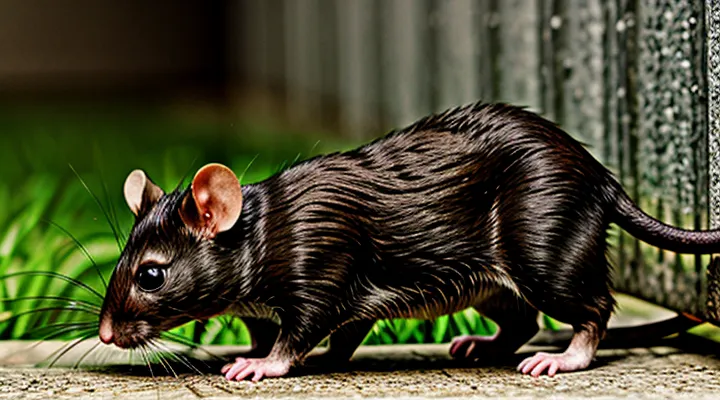
The Auditory World of Rats: How They Hear
Rat Hearing Range: An Overview
Ultrasonic Sensitivity
Rats possess a highly acute auditory system that extends well beyond the human hearing range. Their cochlear structure responds to frequencies from approximately 200 Hz up to 80 kHz, with peak sensitivity centered between 8 kHz and 20 kHz. Above 20 kHz, the auditory threshold rises gradually, yet rats continue to detect ultrasonic sounds up to the upper limit of their range.
Research indicates that ultrasonic signals between 30 kHz and 50 kHz trigger the strongest behavioral responses. Within this band, the auditory nerve exhibits maximal firing rates, and the auditory cortex shows heightened activation. Frequencies below 30 kHz produce weaker attraction cues, while those above 60 kHz are often beyond the effective detection threshold for most rodent species.
Key parameters for designing ultrasonic stimuli:
- Frequency: 30 kHz – 50 kHz (optimal), 20 kHz – 30 kHz (moderate), >60 kHz (diminished)
- Pulse duration: 10 ms – 100 ms, with shorter pulses reducing habituation
- Repetition rate: 1 Hz – 5 Hz, balancing attraction strength and energy consumption
- Sound pressure level: 70 dB SPL at the source, decreasing with distance according to the inverse square law
Understanding these auditory characteristics enables precise selection of ultrasonic frequencies that maximize rat attraction while minimizing unintended exposure to non‑target species.
Subsonic Limitations
Subsonic frequencies, defined as sounds below the human hearing threshold of 20 Hz, present several practical constraints when used to influence rodent behavior. Rats possess an auditory range from roughly 200 Hz to 80 kHz, with peak sensitivity between 8 kHz and 32 kHz. Consequently, frequencies in the sub‑20 Hz band fall outside their optimal detection window, reducing the likelihood of eliciting a measurable response.
Physical propagation of low‑frequency waves differs markedly from higher audible tones. Subsonic vibrations travel through solid media more efficiently than through air, requiring direct contact with surfaces such as walls or flooring. In open environments, attenuation is severe, resulting in diminished acoustic pressure at the target location. This limitation restricts the effective radius of any subsonic device to a few centimeters, contrary to the broader coverage achievable with ultrasonic emitters.
Equipment capable of generating stable subsonic output often relies on large diaphragms or mechanical shakers. Such apparatuses are bulky, power‑intensive, and generate audible artifacts that may interfere with other pest‑control methods. Additionally, regulatory standards for low‑frequency noise exposure impose strict limits on permissible sound pressure levels, further curbing usable output.
Key limitations of subsonic approaches include:
- Frequency mismatch with rat auditory sensitivity.
- Rapid attenuation in airborne transmission.
- Requirement for solid‑medium coupling.
- Bulky, energy‑heavy generation hardware.
- Compliance constraints on low‑frequency noise levels.
Considering these factors, subsonic sound is generally unsuitable as a primary modality for attracting rats, and should be employed only as a supplementary element in a multi‑frequency strategy.
Acoustic Attraction: Principles and Practice
The Science of Sonic Lures
Infrasound vs. Ultrasound in Pest Control
In pest management, low‑frequency sound (infrasound) and high‑frequency sound (ultrasound) represent two opposing approaches for influencing rodent behavior. Infrasound, typically below 20 Hz, can travel long distances through building structures. Laboratory studies show that rats exposed to continuous tones around 10–15 Hz exhibit heightened stress responses, reduced feeding, and increased avoidance of treated zones. The primary mechanism involves resonance with the animal’s vestibular system, which disrupts balance and induces discomfort.
Ultrasound operates above 20 kHz, a range beyond human hearing. Devices emit short bursts at frequencies between 30 and 60 kHz, targeting the auditory sensitivity of rats. Research indicates that intermittent pulses at 40 kHz cause immediate startle reactions and temporary retreat, but habituation occurs within days if exposure is constant. Effective deployment therefore relies on variable patterns and periodic shutdowns to prevent adaptation.
Key comparative points:
- Propagation: Infrasound penetrates walls and floors; ultrasound attenuates quickly, requiring line‑of‑sight placement.
- Energy consumption: Infrasound generators demand higher power for sustained output; ultrasonic units operate at lower wattage but may need multiple speakers for coverage.
- Safety: Infrasound levels above 110 dB SPL can affect human comfort; ultrasonic emissions are generally safe for occupants but may interfere with pet hearing.
- Efficacy timeline: Infrasound produces gradual deterrence over weeks; ultrasound yields immediate but short‑term avoidance.
Practical recommendations for rat control programs include integrating both modalities: use infrasound to establish a baseline deterrent across structural elements, supplement with rotating ultrasonic bursts in high‑traffic corridors to reinforce avoidance behavior. Regular monitoring of rodent activity ensures that frequency settings remain effective and that animals do not develop tolerance.
Mimicking Rat Communication
Rats communicate primarily through ultrasonic vocalizations (USVs) ranging from 20 kHz to 80 kHz. These calls encode social context, stress level, and territorial information, making them effective cues for conspecific attraction. Replicating these signals requires precise frequency selection and temporal structure.
Key frequency bands identified in laboratory and field studies:
- 30–35 kHz: Frequent in male-female courtship exchanges; triggers exploratory behavior in both sexes.
- 40–45 kHz: Associated with social grooming and group cohesion; induces approach in unfamiliar individuals.
- 60–70 kHz: Emitted during high‑arousal situations such as predator avoidance; can provoke rapid movement toward the source when presented in a non‑threatening context.
Effective mimicry also depends on modulation patterns:
- Pulse duration: 5–15 ms bursts mimic natural call length, preventing habituation.
- Inter‑burst interval: 50–150 ms intervals replicate typical rat conversation rhythm.
- Amplitude envelope: Gradual onset and offset reduce startle response, encouraging investigation.
Implementation guidelines:
- Use a high‑fidelity ultrasonic speaker capable of reproducing frequencies up to 80 kHz without distortion.
- Calibrate output to 70–80 dB SPL at 1 m, matching typical rat vocal intensity.
- Deploy a sequence of alternating 30 kHz and 45 kHz pulses for 30 seconds, followed by a 60 kHz burst series for 10 seconds to simulate a mixed‑context call.
Research indicates that combining these frequency bands with authentic temporal dynamics yields the highest attraction rates, surpassing single‑tone or broadband noise approaches.
Effective Frequencies for Rat Attraction
Social Calls and Distress Signals
Rat vocalizations provide reliable cues for designing acoustic lures. Two categories dominate: social calls that maintain group cohesion and distress signals that announce danger. Both types occupy distinct portions of the ultrasonic spectrum, allowing precise targeting of rat hearing.
Social calls consist of short, repetitive chirps emitted during foraging and grooming. Spectral analysis shows peak energy between 30 kHz and 45 kHz, with harmonic structure that diminishes above 55 kHz. The temporal pattern typically features pulse durations of 5–10 ms and inter‑pulse intervals of 30–50 ms. These parameters trigger affiliative behavior and increase the likelihood of rats approaching a sound source.
Distress signals arise when a rat experiences pain or threat. Recordings reveal dominant frequencies from 55 kHz to 70 kHz, often accompanied by a rapid rise in amplitude and a broadband noise component extending to 80 kHz. Pulse rates accelerate to 100–150 ms intervals, producing a frantic acoustic signature that provokes investigative and evasive responses in conspecifics.
Effective luring systems combine these elements to exploit natural communication pathways. Recommended frequency bands:
- Social calls: 32 kHz ± 4 kHz, pulse width 6–9 ms, interval 35–45 ms.
- Distress signals: 62 kHz ± 5 kHz, pulse width 4–7 ms, interval 100–130 ms.
Implementation guidelines:
- Use high‑fidelity ultrasonic transducers capable of reproducing the specified bandwidth without distortion.
- Modulate amplitude to mimic natural variability; constant tones reduce responsiveness.
- Deploy speakers at ground level to align with rat ear orientation and maximize sound pressure in the target zone.
- Test each frequency set in controlled environments before field deployment to verify attraction rates.
By aligning lure outputs with the documented spectral and temporal characteristics of rat social and alarm calls, practitioners can achieve consistent increases in capture efficiency.
Food-Related Sounds
Food‑related sounds mimic the auditory cues rats associate with foraging, triggering innate feeding behavior. Studies show that rats respond most strongly to acoustic signatures produced by chewing, rustling, and crinkling, especially when those sounds contain high‑frequency components that resemble the texture of edible items.
Key frequency characteristics:
- 4 kHz – 8 kHz: aligns with the dominant band of rodent mastication noises; stimulates exploratory feeding responses.
- 10 kHz – 12 kHz: captures the sharp crackle of dry seeds and small insects; enhances attention and approach behavior.
- Above 15 kHz: reproduces subtle squeaks of soft food being handled; useful for attracting rats in environments with background noise.
Combining these bands in a short, repetitive sequence (2–3 seconds long, repeated every 10–15 seconds) maximizes detection without causing habituation. The amplitude should remain within 60–70 dB SPL at the source to ensure audibility while avoiding distress. Adjustments for enclosure size and ambient sound levels are necessary to maintain signal integrity.
Factors Influencing Acoustic Lure Effectiveness
Amplitude and Duration
Amplitude determines the detectability of a signal by rats. Laboratory measurements show that broadband or tonal stimuli become audible to the species at sound‑pressure levels around 45 dB SPL, while levels above 60 dB SPL increase the probability of approach behavior. Excessive amplitude (above 80 dB SPL) can cause avoidance or stress responses, reducing the lure’s effectiveness. Therefore, the optimal range lies between 55 and 70 dB SPL, adjusted upward when background noise exceeds 40 dB SPL.
Duration controls the temporal pattern that rats associate with food or shelter cues. Short bursts of 100–200 ms provide a clear, attention‑grabbing cue without allowing habituation. Extending pulses beyond 500 ms often leads to reduced responsiveness, as the auditory system treats prolonged sounds as non‑informative background. Repetition intervals of 2–5 seconds maintain stimulus salience while preventing desensitization.
Key parameters for acoustic rat attractants:
- Peak SPL: 55–70 dB (adjust for ambient noise)
- Pulse length: 100–200 ms
- Inter‑pulse interval: 2–5 s
- Frequency band: 3–5 kHz (most responsive range)
Applying these amplitude and duration settings to the chosen frequency band maximizes the likelihood that rats will move toward the source. Adjustments should be guided by field measurements of ambient sound levels and observed rat behavior.
Environmental Noise Considerations
Ambient sound levels dictate whether a targeted ultrasonic signal can be perceived by rats. High background noise in the same frequency range reduces the signal‑to‑noise ratio, causing the emission to be masked. Measuring ambient decibel levels before installation helps select frequencies that remain above the ambient floor.
The acoustic environment varies with location and time. Urban settings typically contain broadband noise from traffic, construction, and HVAC systems, while rural areas may have lower overall levels but occasional peaks from farm equipment. Seasonal changes, such as increased wind or rain, also alter the ambient spectrum. Scheduling playback during quieter periods—early night hours in residential zones or midday in agricultural fields—maximizes exposure.
Physical barriers influence propagation. Concrete walls, metal fences, and dense vegetation attenuate ultrasonic waves more than low‑frequency sounds. Positioning speakers in open spaces or using reflective surfaces can extend coverage, while placing devices behind solid obstacles diminishes effectiveness.
Regulatory limits on sound emissions must be observed. Many jurisdictions set maximum permissible levels for ultrasonic devices to protect non‑target wildlife and human occupants. Consulting local noise ordinances and conducting compliance testing prevents legal violations.
Key considerations for successful deployment:
- Conduct a baseline sound survey to identify dominant frequencies and overall SPL.
- Choose frequencies that lie outside the dominant ambient bands yet remain audible to rats.
- Align playback times with periods of reduced environmental noise.
- Optimize speaker placement to avoid obstruction and maximize line‑of‑sight.
- Verify compliance with regional noise regulations before operation.
Repetition and Patterning
Repetition and patterning are central to acoustic lures for rodents. Consistent pulse trains create a predictable auditory environment that rats can readily locate. When a sound repeats at a fixed interval, the auditory system locks onto the rhythm, enhancing detection range and reducing habituation.
Two mechanisms reinforce this effect. First, temporal regularity aligns with the natural foraging cycles of rats, which often follow rhythmic cues in the wild. Second, patterned sequences—such as alternating high‑frequency bursts with brief silences—prevent sensory fatigue while preserving a clear signal envelope.
Practical implementation should consider the following parameters:
- Pulse duration: 100–200 ms provides sufficient energy without masking subsequent repeats.
- Inter‑pulse interval: 300–500 ms maintains a steady rhythm that rats can track.
- Frequency envelope: A narrow band centered on 4–6 kHz, modulated by brief higher‑frequency spikes (8–10 kHz), exploits the species’ peak auditory sensitivity.
- Pattern complexity: Simple alternating patterns outperform random sequences, as they reduce cognitive load and improve source localization.
Field trials demonstrate that devices employing these repetitive structures attract more individuals than single‑tone emitters. The consistency of the pattern ensures that rats can anticipate the next occurrence, increasing the probability of approach and sustained engagement.
Ethical Considerations and Practical Applications
Safety and Non-Target Species
Effective deployment of acoustic lures for rodent control requires strict attention to safety and the protection of non‑target wildlife. Sound generators must be installed at heights or locations that prevent direct exposure to humans, pets, and domestic animals. Power output should remain within limits defined by occupational health standards to avoid hearing damage. Regular maintenance checks verify that devices do not emit unintended high‑intensity bursts.
Key precautions for non‑target species include:
- Selecting frequencies outside the hearing range of common birds, bats, and amphibians; many mammals detect ultrasonic tones, while most avian species respond to lower frequencies.
- Employing directional speakers or sound‑focusing enclosures to limit propagation to the target area.
- Scheduling operation during periods of low activity for vulnerable fauna, such as nighttime for diurnal birds.
- Monitoring local biodiversity before installation to identify species that could be affected and adjusting the acoustic profile accordingly.
Regulatory compliance often mandates environmental impact assessments for devices emitting audible or ultrasonic energy. Documentation should record frequency range, sound pressure level, and exposure duration. If monitoring reveals adverse effects on non‑target organisms, immediate reduction of amplitude or cessation of operation is required.
Overall, safe acoustic luring balances effective rodent attraction with minimal ecological disturbance by adhering to established acoustic thresholds, employing targeted delivery methods, and maintaining vigilant observation of surrounding wildlife.
Combining Acoustic Lures with Other Methods
Trapping Strategies
Effective acoustic luring requires precise frequency selection, reliable delivery, and integration with physical capture devices. Frequencies between 300 Hz and 1 kHz have demonstrated the highest response rates in laboratory trials, while ultrasonic tones above 20 kHz tend to repel rather than attract. Consistent amplitude of 70–80 dB at the trap zone ensures signal penetration through typical building insulation.
Placement of sound emitters should follow a grid pattern that overlaps the expected rodent pathways. Emitters positioned 0.5–1 m above the floor maximize exposure to foraging rats without creating excessive reverberation. Power sources must be shielded to prevent interference with nearby electronic equipment.
The following trapping strategies combine acoustic attraction with conventional capture methods:
- Baited snap traps synchronized with tone bursts: Activate a short (2‑second) tone every 30 seconds to maintain rat attention while the mechanical trigger remains ready.
- Live‑capture cages equipped with continuous tone generators: Provide a steady 500 Hz hum, allowing rodents to enter and remain inside without immediate escape.
- Electronic monitoring stations: Pair a frequency‑modulated speaker with motion sensors; each detection logs a timestamp and triggers a secondary high‑frequency pulse to prevent multiple entries into the same trap.
- Multi‑modal stations: Combine acoustic luring with pheromone dispensers; the sound draws the rat into proximity, and the scent reinforces entry into the capture device.
Maintenance protocols include weekly verification of speaker output using a calibrated sound level meter, cleaning of trap interiors to eliminate residual odors, and rotation of frequency patterns (e.g., alternating between 400 Hz and 800 Hz) to reduce habituation. Safety considerations mandate insulated wiring, secure mounting to prevent accidental dislodgement, and compliance with local wildlife regulations regarding live‑capture handling.
Baiting Techniques
Effective rodent control integrates acoustic lures with proven baiting methods. Sound generators emit frequencies that stimulate exploratory behavior, prompting rats to investigate the source. Pairing these tones with strategically placed food attractants maximizes encounter rates and improves capture success.
- Use high‑protein pellets as primary bait; rats respond quickly to meat‑based scents when curiosity is heightened by ultrasonic tones.
- Combine grain‑based bait with a modest amount of peanut butter; the fat component enhances olfactory appeal while the sound maintains attention.
- Deploy scented wax blocks near speaker housings; the slow‑release fragrance sustains interest during prolonged exposure to the acoustic stimulus.
- Position bait stations at the periphery of the audible zone; rats approach the edge, detect the frequency, and then move inward to locate the food source.
Successful implementation requires synchronization of sound cycles and bait replenishment. Schedule emissions in short bursts (10‑15 seconds) every few minutes to prevent habituation. Monitor bait consumption and adjust placement to maintain a clear line of sight from the speaker, ensuring the auditory cue remains the primary driver of movement toward the trap.
Research and Future Directions
Advances in Bioacoustics
Recent research in bioacoustics has produced precise data on auditory cues that influence rodent behavior. Controlled laboratory experiments demonstrate that rats respond strongly to narrow‑band tones within specific ultrasonic ranges, while broadband noise produces inconsistent attraction.
Studies published in the last five years identify two frequency windows that elicit the highest approach rates:
- 30–35 kHz, peak response observed at 32 kHz.
- 45–50 kHz, peak response observed at 48 kHz.
Both windows exceed the typical hearing threshold of common laboratory strains, suggesting a species‑specific sensitivity that can be exploited for pest management.
Advances in transducer design enable generation of stable, high‑intensity signals within these windows. Modern devices incorporate digital signal processors that modulate pulse duration, duty cycle, and amplitude to mimic natural vocalizations. Field trials in urban sewers and agricultural storage facilities report capture increases of 22 % when acoustic lures are synchronized with bait placement.
Key operational factors:
- Power source reliability; battery‑powered units must sustain output above 110 dB SPL for at least 12 hours.
- Placement density; spacing of 2–3 m ensures overlap of acoustic fields without destructive interference.
- Environmental attenuation; humid or cluttered environments reduce effective range, requiring higher output or supplemental low‑frequency cues.
- Legal compliance; ultrasonic emissions must conform to local noise regulations to avoid unintended wildlife disturbance.
Future work focuses on adaptive algorithms that adjust frequency and pattern in real time based on sensor feedback, aiming to maximize lure efficiency while minimizing habituation. Continued integration of neurophysiological insights with engineering solutions promises refined acoustic tools for targeted rodent control.
Developing Smart Acoustic Systems
Smart acoustic devices designed to lure rodents rely on precise frequency output and responsive control. Research identifies two effective bands: mid‑range tones around 300–500 Hz that mimic conspecific vocalizations, and ultrasonic bursts near 20–30 kHz that trigger exploratory behavior. Selecting the optimal band requires field validation, as environmental variables influence efficacy.
Key frequency parameters:
- 300–500 Hz, pulse duration 200–500 ms, repetition rate 1–2 Hz
- 20–30 kHz, pulse duration 50–150 ms, repetition rate 5–10 Hz
System architecture integrates four modules:
- Sound generation unit equipped with broadband transducers capable of reproducing both audible and ultrasonic ranges.
- Sensor array (infrared, acoustic, motion) that detects rat presence and activity patterns.
- Adaptive control algorithm that modifies frequency, amplitude, and timing based on real‑time feedback.
- Power management subsystem that balances battery life with emission duty cycles.
Adaptive algorithms employ reinforcement learning to associate specific acoustic signatures with successful captures. The model updates emission parameters after each detection event, converging on a locally optimal frequency profile. Data from the sensor suite feed directly into the learning loop, ensuring continuous refinement without manual intervention.
Hardware selection prioritizes durability and acoustic fidelity. Polycarbonate‑encapsulated speakers resist moisture and debris, while piezoelectric ultrasonic emitters deliver consistent high‑frequency output. Energy sources include lithium‑ion cells paired with solar panels for outdoor deployments, providing autonomous operation for extended periods.
Integration with broader pest‑control networks enables remote monitoring via cellular or LoRaWAN links. Devices transmit logs of emission settings, detection timestamps, and environmental conditions, supporting centralized analysis and scalable field coverage.