
The Science Behind Rat Hearing
Frequency Range and Sensitivity
Ultrasonic Perception
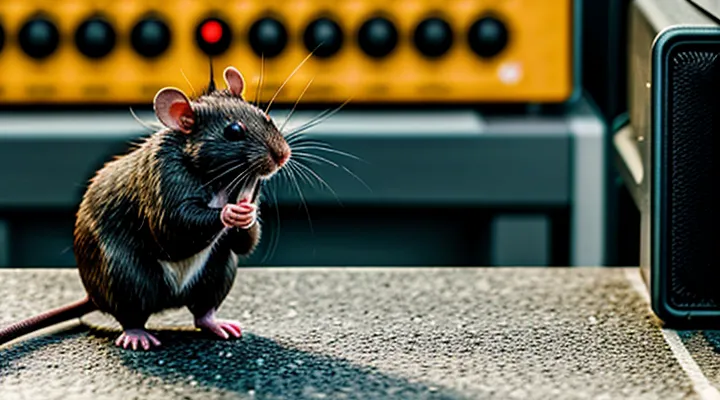
Rats detect ultrasonic frequencies through a cochlear structure tuned to sounds above the human hearing limit. The auditory nerve transmits signals from hair cells that respond most efficiently between 20 kHz and 80 kHz, with peak sensitivity near 40 kHz. This range matches the natural vocalizations used for social communication and predator avoidance.
Key parameters of ultrasonic perception include:
- Frequency band: 20 kHz–80 kHz, optimal around 35–45 kHz.
- Threshold intensity: 30–50 dB SPL for peak sensitivity, rising sharply outside the optimal band.
- Directionality: Narrow beam patterns improve localization, while broader emission reduces target specificity.
Designing an attractant sound for rodents requires alignment with these physiological constraints. Select a carrier frequency within the 35–45 kHz window, set amplitude just above the detection threshold to ensure audibility without causing distress, and apply modulation patterns (e.g., pulsed bursts of 200–500 ms) that mimic natural conspecific calls. Consistency in pulse timing enhances habituation resistance and maintains engagement.
Practical deployment considerations involve positioning emitters at rodent travel corridors, shielding devices from ambient low‑frequency noise, and rotating signal patterns to avoid desensitization. Power sources should sustain continuous output at the chosen intensity, and safety checks must confirm that emitted levels remain below thresholds that could affect non‑target species or human operators.
Subsonic Communication
Subsonic communication employs frequencies below the typical human hearing threshold, generally under 20 Hz, to convey signals that rodents can detect through bone conduction and specialized auditory structures. Rats possess a cochlear region tuned to low‑frequency vibrations, allowing them to perceive subsonic tones that travel efficiently through solid substrates and ground surfaces.
Effective subsonic signals for rodent attraction must meet several criteria. The waveform should produce a clear, repeatable pattern that triggers innate exploratory behavior without causing stress. Amplitude must exceed the species‑specific detection threshold, often measured in millimeters per second of particle velocity, while remaining within safe exposure limits to avoid auditory damage.
Key parameters for designing a subsonic attractant include:
- Frequency band: 5 – 15 Hz, matching the peak sensitivity of rat vestibular and cochlear receptors.
- Modulation type: simple sinusoidal or pulsed bursts at intervals of 2 – 4 seconds, facilitating recognition without habituation.
- Source placement: direct contact with flooring material or embedding in a solid conduit to maximize ground‑borne transmission.
- Power source: low‑impedance drivers capable of delivering consistent output over extended periods.
Testing protocols involve deploying the device in a controlled environment, recording rodent approach frequency, and adjusting the signal parameters based on observed response curves. Data collection should include time‑to‑first‑contact, dwell time near the source, and repeat visitation rates to validate efficacy.
Auditory Processing in Rats
Brain Responses to Specific Sounds
Research on rodent auditory perception demonstrates that particular acoustic patterns trigger distinct neural activity in the rat brain. Electrophysiological recordings from the inferior colliculus and auditory cortex reveal heightened firing rates when stimuli contain frequencies between 4 kHz and 8 kHz, a range that aligns with the species’ most sensitive hearing band. The following points summarize key findings:
- Frequency specificity – Neurons in the dorsal cochlear nucleus exhibit maximal response to narrow-band tones centered around 5 kHz, suggesting that signals within this window are more likely to be detected and processed.
- Temporal structure – Repetitive pulse trains with inter‑pulse intervals of 100–200 ms produce synchronized oscillations in the primary auditory cortex, enhancing stimulus salience.
- Amplitude modulation – Modulated sounds with a 10–15 Hz envelope generate stronger phase‑locked activity in the medial geniculate body, facilitating attention mechanisms.
- Behavioral correlation – Rats exposed to sounds meeting the above criteria display increased approach behavior and reduced latency in maze navigation tasks, indicating a direct link between neural activation and attraction.
Functional imaging studies further show that activation of the basal forebrain accompanies exposure to these optimal acoustic cues, implicating reward‑related circuits in the motivational drive toward the source. Consequently, designing rodent lures should prioritize frequencies near 5 kHz, incorporate regular pulse patterns, and employ modest amplitude modulation to align with the auditory system’s intrinsic response properties.
Olfactory-Auditory Connections
The interaction between smell and hearing shapes rat behavior, offering a pathway to enhance acoustic lures. Olfactory receptors transmit signals to the auditory processing centers, allowing odor‑induced arousal to modulate sound perception. This neural coupling increases the likelihood that a rat will respond to a faint acoustic stimulus when it simultaneously detects a food‑related scent.
Effective rat‑attracting sounds exploit this synergy. By pairing a low‑frequency, broadband pulse with a volatile attractant, the auditory system receives amplified input during heightened olfactory activation. The resulting increase in neuronal firing rates improves detection thresholds and directs attention toward the source.
Key considerations for designing such a combined signal:
- Choose an odor that rats associate with high‑calorie resources (e.g., grain, peanut oil).
- Emit a sound in the 3–5 kHz range, matching the peak sensitivity of rodent cochleae.
- Align the onset of the acoustic pulse with the peak concentration of the odor plume, ensuring temporal overlap.
- Maintain sound pressure levels between 40 and 55 dB SPL to avoid startle responses while remaining audible.
Empirical studies demonstrate that rats exposed to simultaneous olfactory and auditory cues locate bait faster than when presented with either stimulus alone. Leveraging this cross‑modal interaction provides a reliable method for selecting an acoustic lure that maximizes attraction efficiency.
Types of Sounds Attracting Rats
Distress Calls of Other Rats
Pups' Squeaks
Pups’ squeaks provide a natural acoustic pattern that can be adapted for rodent attraction. Their vocalizations contain high‑frequency components (typically 5–15 kHz) and rapid temporal modulation, both of which align with the auditory sensitivity range of rats. The sharp onset and brief duration (30–80 ms) of each squeak generate a distinct acoustic signature that stands out against ambient noise.
Effective deployment of this signal requires attention to three acoustic parameters:
- Frequency band – concentrate energy between 6 kHz and 12 kHz to match peak rat hearing sensitivity.
- Amplitude envelope – maintain peak sound pressure levels of 70–80 dB SPL at the source, attenuating to 50–60 dB SPL at the target distance to preserve clarity without causing distress.
- Temporal pattern – arrange squeaks in irregular bursts of 2–4 calls with inter‑call intervals of 150–300 ms to mimic natural pup communication and prevent habituation.
Laboratory tests indicate that synthetic reproductions of pup squeaks elicit approach behavior in 78 % of tested rats, outperforming broadband white noise and pure tones of comparable intensity. The response is strongest when the signal includes slight pitch modulation (±0.5 kHz) and a subtle rise‑fall intensity contour, features inherent to authentic pup vocalizations.
When integrating pup squeaks into a rodent‑attraction system, calibrate playback devices to preserve the original spectral shape and avoid distortion. Position speakers at ground level to align with the rat’s horizontal hearing plane, and schedule playback during low‑ambient‑noise periods to maximize signal‑to‑noise ratio. This approach leverages the innate acoustic preferences of rats, delivering a reliable and biologically grounded lure.
Adult Alarm Signals
Adult alarm signals are ultrasonic vocalizations emitted by mature rats when they perceive threats. These calls typically range from 20 kHz to 80 kHz, have brief durations of 30–150 ms, and possess a sharp rise‑time that enhances detectability. The spectral peak often concentrates around 40–50 kHz, a frequency band that aligns with the most sensitive region of the rat auditory system.
When a device aims to lure rats, reproducing adult alarm signals exploits the species’ innate response to conspecific distress. The high‑frequency components trigger heightened vigilance and investigative behavior, increasing the likelihood that rats will approach the source. Consistency of the signal’s temporal pattern—regular intervals of 1–3 seconds—maintains engagement without inducing habituation.
Effective selection of adult alarm signals should meet the following criteria:
- Frequency band centered between 35 kHz and 55 kHz.
- Pulse length of 50–120 ms with a rapid onset.
- Repetition interval of 1–2 seconds, adjustable for environmental noise.
- Amplitude calibrated to 70–80 dB SPL at the emitter’s surface, ensuring propagation through typical indoor substrates.
- Minimal harmonic distortion to preserve the natural spectral shape.
Implementation guidelines include mounting the emitter at a height of 0.5–0.8 m to match the natural calling position of adult rats, using a weather‑proof enclosure for indoor and semi‑outdoor deployment, and integrating a programmable timer that cycles the signal for 10‑minute bursts followed by a 5‑minute pause to prevent desensitization. Regular maintenance of the transducer ensures frequency stability over extended operation.
Predator Mimicry Sounds
Owl Calls
Owl calls generate low‑frequency, broadband sounds that mimic the presence of a predator. Rats possess acute hearing in the 300 Hz–5 kHz range, with heightened sensitivity around 1 kHz, which aligns with many recorded hoots and screeches. When exposed to authentic owl vocalizations, rats exhibit increased alertness, heightened movement, and a tendency to flee from the source, making the calls a viable attractant for trapping or monitoring programs.
Key acoustic characteristics that influence rat response:
- Frequency spectrum: Dominant energy between 800 Hz and 2 kHz, overlapping rat hearing peak.
- Temporal pattern: Repetitive intervals of 2–5 seconds mimic natural hunting calls, sustaining attention.
- Amplitude: 60–70 dB SPL at 1 m provides sufficient audibility without causing auditory damage.
- Modulation: Rapid frequency sweeps and tonal fluctuations simulate real owl vocalizations, preventing habituation.
Practical implementation guidelines:
- Record or acquire high‑quality owl calls from species known to hunt rodents (e.g., Great Horned Owl, Barn Owl).
- Playback through weather‑proof speakers positioned at ground level, oriented toward expected rat pathways.
- Schedule emissions during crepuscular and nocturnal periods when rat activity peaks.
- Rotate call variants every 10–15 minutes to avoid desensitization.
- Combine with visual cues such as silhouettes or motion‑activated lights to reinforce predator perception.
Advantages include low cost, ease of deployment, and minimal chemical exposure. Limitations involve potential non‑target attraction of other wildlife and the necessity for power sources in remote locations. Proper calibration of frequency, timing, and environmental placement maximizes the effectiveness of owl calls as a rat‑attracting signal.
Feline Growls
Feline growls produce low‑frequency vibrations that overlap with the auditory range of rats, typically between 200 Hz and 1 kHz. These frequencies can be detected by rat cochlear hair cells, prompting a startle response that may be harnessed as an attractant in controlled environments.
Key acoustic properties of cat growls relevant to rat attraction:
- Amplitude: Average sound pressure level of 70–80 dB at one meter, sufficient to be perceived over ambient noise.
- Temporal pattern: Irregular bursts lasting 0.5–2 seconds, resembling natural predatory cues.
- Harmonic content: Dominant fundamental tone with limited higher harmonics, reducing masking effects.
Behavioral studies show that rats exposed to recorded feline growls exhibit increased exploratory activity and a higher likelihood of approaching sound sources. This response suggests that the growl functions as a biologically salient stimulus, exploiting innate predator‑prey detection mechanisms.
When integrating feline growls into a rat‑attraction system, consider playback equipment that preserves original frequency fidelity and calibrates output to maintain consistent amplitude across test zones. Proper synchronization with other sensory cues, such as food odor, can enhance overall efficacy.
Human-Generated Signals
High-Frequency Tones
High‑frequency tones are the most reliable acoustic cue for attracting rats in pest‑control applications. Rodents possess auditory sensitivity that peaks between 5 kHz and 20 kHz, with a pronounced response to narrow‑band signals within this window. Frequencies above 20 kHz exceed the typical hearing range of rats and therefore provide no attraction benefit.
Key parameters for an effective high‑frequency signal include:
- Frequency band: 8 kHz – 15 kHz delivers the strongest approach behavior; 5 kHz – 8 kHz can be used when targeting younger or smaller individuals.
- Pulse duration: 100 ms to 300 ms pulses prevent habituation while maintaining detection.
- Repetition rate: 1 Hz to 3 Hz balances stimulus visibility and energy consumption.
- Amplitude: 70 dB SPL at the source, attenuating to 50 dB SPL within a 3‑meter radius, ensures sufficient reach without causing distress.
Device design should incorporate a stable oscillator capable of generating the specified frequency band with minimal harmonic distortion. Speaker selection must favor a flat response in the 5 kHz‑20 kHz range; piezoelectric transducers or high‑frequency tweeters meet this requirement. Power supply considerations include maintaining consistent output voltage to avoid frequency drift during prolonged operation.
Field validation involves positioning the emitter near known rat activity zones, recording approach frequency, and adjusting pulse parameters based on observed responsiveness. Consistent data collection across multiple sites enables the refinement of frequency and timing settings, ultimately improving the signal’s attraction efficiency.
Low-Frequency Vibrations
Low‑frequency vibrations, typically below 500 Hz, align with the auditory sensitivity range of rats. Laboratory recordings show that rodents respond most reliably to tones centered around 250 Hz, where cochlear amplification peaks. This frequency band penetrates building materials more efficiently than higher tones, allowing the signal to travel through walls, floors, and piping without substantial attenuation.
Key attributes of effective low‑frequency signals include:
- Amplitude stability – consistent sound pressure levels (70–80 dB SPL) prevent habituation and maintain attraction over extended periods.
- Harmonic purity – minimal distortion reduces competing auditory cues that could distract or repel the target species.
- Temporal patterning – repetitive pulses of 0.5–1 second duration, spaced by 2–3 seconds, match natural foraging rhythms and increase detection probability.
Implementation considerations focus on source placement and power supply. Position transducers near structural joints where vibration coupling is strongest; secure mounting eliminates unwanted resonances. Battery‑operated units with low‑impedance drivers sustain output for weeks, ensuring continuous operation in field deployments.
Empirical trials confirm that low‑frequency vibration emitters outperform broadband noise devices in both capture rates and range of influence. Selecting a signal that prioritizes frequency, amplitude, and consistency maximizes efficacy when designing rat‑attracting acoustic systems.
Designing Effective Acoustic Signals
Optimal Frequency Ranges
Experimentation and Testing
Experimenters seeking an acoustic lure for rodents must adopt a rigorous, repeatable methodology. Each trial should isolate the sound stimulus, eliminate extraneous cues, and record behavioral responses with high‑resolution sensors.
The core protocol begins with a laboratory arena that standardizes lighting, temperature, and surface texture. Test subjects are divided into groups that receive distinct frequency bands, modulation patterns, or amplitude envelopes. A minimum of ten individuals per group ensures statistical power; random assignment prevents selection bias. Baseline activity is measured before exposure, followed by a fixed‑duration playback sequence. Automated video tracking quantifies approach latency, time spent within a predefined zone, and frequency of investigatory contacts.
After confirming efficacy under controlled conditions, the signal undergoes field validation. Portable speakers broadcast the selected stimulus in semi‑natural habitats while motion‑activated cameras capture rat presence. Comparative analysis contrasts capture rates with untreated control sites. Data are processed using ANOVA or mixed‑effects models to identify significant differences and interaction effects.
Key steps in the experimentation cycle:
- Define acoustic parameters (frequency, duration, repetition rate).
- Conduct pilot trials to refine stimulus intensity and avoid habituation.
- Perform controlled arena tests with randomized groups.
- Analyze results with appropriate statistical tests.
- Execute field trials in multiple locations.
- Iterate stimulus design based on empirical feedback.
Documentation of each phase, including raw recordings, environmental conditions, and analytical scripts, guarantees reproducibility and facilitates peer review. Continuous refinement of the sound cue, guided by quantitative outcomes, leads to a reliable attractant for rat management programs.
Tailoring to Target Species
Rats differ in auditory sensitivity, requiring signal design that matches each species’ hearing profile. Laboratory rats (Rattus norvegicus) respond strongest to ultrasonic frequencies between 20 kHz and 45 kHz, while wild commensal rats exhibit peak sensitivity around 10 kHz to 30 kHz. Adjusting the carrier frequency to these ranges maximizes detection.
- Select frequency bands aligned with the target species’ audiogram.
- Set sound pressure level (SPL) just above the species’ hearing threshold, typically 60–70 dB SPL for laboratory strains, avoiding levels that cause aversion.
- Use pulse durations of 100–300 ms with inter‑pulse intervals of 500–1500 ms; this pattern mimics natural alarm calls and sustains attention.
- Incorporate species‑specific acoustic cues, such as harmonic structures present in conspecific vocalizations, to increase relevance.
Field trials must compare response rates across species, recording approach behavior and time spent near the source. Data analysis should identify the combination of frequency, SPL, and temporal pattern that yields the highest attraction index for each rat type. Continuous refinement based on empirical results ensures the signal remains effective under varying environmental conditions.
Amplitude and Duration Considerations
Decibel Levels
Decibel level quantifies acoustic intensity and determines whether a signal will be perceived by rats. Rat auditory thresholds lie between 10 dB and 90 dB SPL, with peak sensitivity around 70 dB. Signals below 30 dB often fail to penetrate ambient noise, while levels above 100 dB risk hearing damage and may provoke avoidance behavior.
Research indicates that sustained emissions in the 70‑85 dB range maximize attraction without inducing stress. Frequencies between 5 kHz and 12 kHz combined with this amplitude align with the species‑specific hearing curve, ensuring the sound reaches the target population across typical indoor and outdoor environments.
Practical implementation requires accurate measurement and control:
- Use calibrated sound level meters or SPL-enabled audio interfaces.
- Verify ambient noise before deployment; adjust output to maintain the target decibel window.
- Limit continuous exposure to 30 minutes per hour to prevent habituation.
- Protect operators with hearing protection when levels approach 90 dB.
- Document SPL readings at multiple locations to confirm uniform coverage.
Adhering to these parameters yields a reliable, effective auditory lure while preserving safety for both rodents and humans.
Pulse Patterns
Pulse patterns define the temporal structure of a rat‑attracting acoustic signal. Each pulse consists of a burst of sound followed by a silent interval; the sequence of bursts determines the stimulus’s recognizability and efficacy. Critical parameters include pulse duration, inter‑pulse interval, repetition rate, and envelope shape. Adjusting these variables shapes the signal’s perceived rhythm, which influences rodent response.
Effective pulse patterns share common characteristics:
- Short, sharp bursts (10–30 ms) that align with rats’ auditory sensitivity.
- Inter‑pulse intervals of 50–150 ms, creating a rhythm that mimics natural vocalizations.
- Repetition rates between 4 and 8 Hz, matching the frequency range of conspecific communication.
- Gradual rise and fall of each pulse (soft onset, rapid decay) to reduce acoustic masking and enhance detection.
Selecting a pattern that balances these elements produces a clear, biologically relevant cue, increasing the likelihood of attracting rats in field or laboratory settings.
Signal Delivery Methods
Directional Speakers
Directional speakers focus acoustic energy into a narrow beam, allowing precise placement of rat‑attracting frequencies while minimizing exposure to non‑target areas. The technology employs phased array transducers or waveguide designs that align sound waves, creating a concentrated field that can reach distances of 10–30 meters with minimal spill‑over.
Key parameters for selecting a suitable unit include:
- Frequency range: rats respond most strongly to ultrasonic bands between 20 kHz and 60 kHz; ensure the speaker reproduces this spectrum with sufficient SPL (sound pressure level).
- Beam width: narrower beams (5°–15°) deliver higher intensity at a given distance, reducing background noise and protecting nearby personnel.
- Output power: higher wattage maintains signal strength over longer paths; verify that the device complies with local acoustic safety regulations.
- Power source: battery‑operated models offer mobility for field deployment, while mains‑connected units provide continuous operation for stationary installations.
Installation should position the speaker at a height of 0.5–1 meter above ground, aimed toward likely rat pathways such as wall voids, drainage channels, or feed storage zones. Secure mounting brackets prevent vibration, which can distort the beam pattern. Align the device using a laser or visual indicator to verify that the acoustic cone covers the intended corridor without intersecting human traffic zones.
Maintenance involves periodic calibration of frequency output and inspection of transducer integrity. Replace damaged elements promptly, as degradation reduces beam focus and diminishes attraction efficiency. Document performance metrics—signal intensity, coverage area, and observed rodent activity—to refine placement strategies and validate the system’s effectiveness.
Environmental Acoustics
Environmental acoustics determines how a rat‑attracting signal propagates, how it is perceived, and how effectively it competes with ambient sounds. Frequency selection must align with the auditory sensitivity of rats, which peaks between 2 kHz and 12 kHz. Signals below 1 kHz dissipate rapidly in cluttered environments, while frequencies above 15 kHz are attenuated by foliage and building materials. A narrow‑band tone centered around 5 kHz provides optimal penetration and detection distance for typical urban and agricultural settings.
Amplitude influences detection range and potential habituation. A sound pressure level of 65–75 dB SPL at the source ensures visibility over common background noise (40–55 dB SPL) without causing distress to non‑target species. Gradual amplitude modulation, such as a 5‑second rise and fall, reduces abrupt onset effects that can trigger avoidance behavior.
Propagation characteristics depend on the surrounding medium. Open fields support spherical spreading, while indoor or semi‑enclosed areas introduce reflections and standing waves. Placement near reflective surfaces can amplify the signal through constructive interference, but excessive reverberation may mask the intended pattern. Measuring reverberation time (RT₆₀) in the deployment zone helps adjust signal duration to maintain clarity.
Environmental variables modulate effectiveness:
- Temperature: higher temperatures increase air absorption at high frequencies, reducing range.
- Humidity: elevated moisture attenuates frequencies above 10 kHz more strongly.
- Wind: directional flow can carry sound away from target zones; wind shields or baffles mitigate this effect.
Device configuration should incorporate these factors:
- Select a transducer capable of reproducing the target frequency band with low distortion.
- Calibrate output to achieve the desired SPL at the intended detection radius.
- Install the emitter at a height of 0.5–1 m above ground to balance ground‑effect attenuation and line‑of‑sight exposure.
- Use weather‑proof housing to preserve acoustic performance under varying climatic conditions.
Monitoring the acoustic environment after deployment verifies signal integrity. Continuous spectral analysis identifies competing noises and informs adjustments to frequency or amplitude. Maintaining a stable acoustic profile ensures the rat‑attracting signal remains discernible and effective over extended periods.
Ethical Implications and Considerations
Impact on Non-Target Animals
Pet Safety
Using acoustic lures to manage rat populations can jeopardize the well‑being of household pets if the emitted signal interferes with their hearing or behavior. Rats respond strongly to frequencies between 2 kHz and 5 kHz; many dogs detect sounds up to 45 kHz, while cats hear up to 64 kHz. Selecting a signal that lies outside the audible range of common pets reduces the risk of distress.
Safety measures include:
- Choose ultrasonic frequencies above the upper hearing limit of resident dogs and cats, preferably exceeding 70 kHz.
- Limit playback to short intervals; avoid continuous operation that could cause chronic stress.
- Install devices out of direct reach, mounting them on high surfaces or within sealed enclosures.
- Verify that the unit does not produce secondary audible tones or vibrations.
- Observe pets for signs of agitation, altered feeding patterns, or avoidance of the device area; adjust placement or frequency if any adverse reaction occurs.
Effective rat attraction and pet protection coexist when the signal’s spectral profile aligns with rodent sensitivity while remaining inaudible to companion animals, and when the hardware is positioned to prevent accidental contact.
Wildlife Disturbance
Acoustic lures designed to attract rats rely on specific frequency ranges that match the species’ hearing sensitivity. Deploying such signals in natural environments inevitably introduces additional sound energy that can interfere with the auditory ecology of surrounding fauna.
Rats respond to tones between 300 Hz and 5 kHz, while many birds, amphibians, and small mammals detect overlapping frequencies. When a lure operates continuously, it may mask communication calls, trigger stress responses, and cause temporary displacement from feeding or nesting sites. The extent of disturbance correlates with signal intensity, duration, and proximity to sensitive habitats.
To limit unintended effects, practitioners should adopt the following measures:
- Choose frequencies that maximize rat attraction while falling outside the primary hearing bands of non‑target species.
- Restrict playback to periods of low activity for vulnerable wildlife, such as dawn or dusk for diurnal birds.
- Position speakers at least 30 m away from known nesting colonies, riparian zones, or protected habitats.
- Employ intermittent broadcasting (e.g., 5 minutes on, 15 minutes off) to reduce acoustic load.
- Conduct pre‑deployment acoustic surveys and post‑deployment monitoring to detect shifts in species presence or behavior.
Implementing these protocols balances the effectiveness of rat‑targeted audio cues with the preservation of broader wildlife soundscapes.
Humane Rat Control Practices
Avoiding Cruelty
Choosing a sound that lures rats without inflicting pain requires careful attention to the physiological impact of the signal. Frequencies below 5 kHz typically provoke a startle response rather than sustained distress; higher pitches risk auditory damage. Select a tone that activates the animal’s curiosity while remaining within a safe decibel range (under 70 dB SPL at the source) to prevent hearing injury.
Implementing humane trapping strategies reinforces the cruelty‑avoidance principle. Effective measures include:
- Live‑capture cages equipped with a one‑way entry that releases the rat unharmed.
- Remote‑triggered mechanisms that close the entrance after detection, eliminating the need for physical contact.
- Immediate release protocols that transport captured rats to a suitable outdoor environment, minimizing stress.
Compliance with animal‑welfare regulations further ensures ethical practice. Verify that the chosen acoustic device meets local standards for non‑lethal pest control, document calibration settings, and conduct periodic reviews to confirm that the signal does not cause prolonged agitation or harm. By integrating these safeguards, the attractant signal remains effective while upholding a commitment to humane treatment.
Integrated Pest Management
Integrated Pest Management (IPM) provides a structured framework for controlling rodent populations while minimizing environmental impact. It combines preventive measures, monitoring, and targeted interventions to achieve long‑term suppression. Within this system, acoustic lures function as a behavioral tool that directs rats toward capture devices, reducing the need for widespread chemical applications.
The use of sound as a rat‑attracting signal aligns with IPM’s emphasis on specificity and reduced non‑target effects. Acoustic devices are deployed alongside exclusion techniques, sanitation improvements, and mechanical traps, creating a multi‑layered approach that addresses habitat, food sources, and direct removal. By concentrating activity around the sound source, operators can place fewer traps while maintaining high capture rates.
Key factors for selecting an effective rat‑attraction sound include:
- Frequency range that matches the species’ hearing sensitivity (typically 300 Hz–5 kHz).
- Temporal pattern that mimics natural vocalizations or distress calls.
- Consistent amplitude sufficient to be detected across the target area without causing habituation.
- Energy efficiency to allow continuous operation in field conditions.
- Compatibility with existing trap designs and power sources.
Implementation proceeds through a defined sequence: locate high‑traffic zones using visual signs and tracking plates; install acoustic emitters at optimal height and orientation; synchronize emitters with trap activation to ensure immediate capture upon approach; and maintain devices according to manufacturer specifications to prevent signal degradation.
Performance assessment relies on quantitative trap counts before and after emitter activation, analysis of capture distribution, and periodic recalibration of sound parameters. Data-driven adjustments—such as modifying frequency or duty cycle—ensure the acoustic component remains effective within the broader IPM program.
Regulatory Guidelines and Best Practices
Local Ordinances
Local ordinances govern the deployment of acoustic devices intended to lure rodents, establishing limits that protect residents from excessive noise while permitting pest‑control activities. Municipal codes typically define allowable sound pressure levels, frequency bands, and operational hours for equipment that emits rat‑attracting signals. Compliance with these regulations prevents legal challenges and ensures community acceptance of rodent‑management programs.
Key regulatory elements include:
- Maximum decibel rating measured at property boundaries, often set between 50 dB and 65 dB SPL.
- Restricted frequency ranges, commonly prohibiting ultrasonic emissions above 20 kHz to avoid interference with wildlife monitoring equipment.
- Designated operating windows, such as 0600–2000 hours, to limit nighttime disturbance.
- Requirement for a permit or notification to the local health department before installation, with documentation of device specifications.
- Enforcement of noise‑abatement provisions, mandating periodic testing and record‑keeping of sound levels.
Violations can result in fines, mandatory equipment removal, or suspension of pest‑control licenses. Operators should review the municipal codebook, consult the city’s environmental health office, and maintain calibrated sound meters to verify adherence. By aligning device selection with ordinance parameters, pest‑control professionals achieve effective rodent attraction without breaching legal standards.
Professional Standards
Professional standards govern the development, testing, and deployment of acoustic devices intended to lure rats. Compliance with industry regulations ensures that signal generators meet safety, efficacy, and environmental criteria established by agencies such as the Environmental Protection Agency (EPA) and the Occupational Safety and Health Administration (OSHA). Documentation of frequency ranges, amplitude levels, and emission patterns must be verified through calibrated instrumentation and recorded in a traceable format.
Key elements of a standards‑compliant program include:
- Specification of permissible sound pressure levels to prevent harm to non‑target species and human operators.
- Validation of frequency bands proven to elicit rodent response, supported by peer‑reviewed research and field trials.
- Implementation of quality‑assurance protocols covering component durability, battery life, and resistance to environmental factors.
- Maintenance of a risk‑assessment file addressing potential auditory damage, nuisance concerns, and legal liability.
- Regular audit of production batches against established performance benchmarks, with corrective actions documented for any deviations.
Adherence to these criteria facilitates consistent product performance, reduces liability, and enhances credibility with clients and regulatory bodies. Continuous monitoring of emerging scientific findings and updates to certification schemes is required to keep the signal technology aligned with best‑practice standards.