
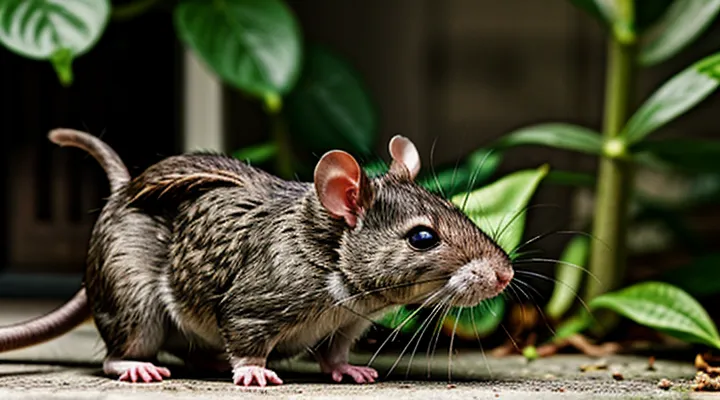
Understanding the «Dead Rat Smell» Phenomenon
Why a Dead Rat Smells So Badly
The Decomposition Process
The decay of a dead rodent proceeds through a predictable sequence of biochemical events that generate the characteristic foul odor. Initially, autolysis releases intracellular enzymes, breaking down cells and producing simple compounds such as amino acids and sugars. Within hours, bacteria colonize the corpse, fermenting these substrates and emitting volatile organic compounds (VOCs) including putrescine, cadaverine, indole, and sulfur‑containing molecules. These VOCs are responsible for the intense, rancid smell that permeates the surrounding area.
As decomposition advances, the following stages become evident:
- Putrefaction (1‑3 days): Rapid bacterial growth produces high concentrations of amines and sulfides; odor peaks.
- Black putrefaction (3‑5 days): Tissue liquefaction intensifies, releasing additional fatty acids and phenols.
- Butyric fermentation (5‑10 days): Anaerobic microbes generate short‑chain fatty acids; odor shifts toward a cheesy, rancid profile.
- Dry decay (10+ days): Moisture loss slows microbial activity; VOC production declines, and the smell gradually dissipates.
Understanding this timeline clarifies why the odor becomes most offensive during the early putrefaction phase. Effective odor control therefore targets the microbial processes responsible for VOC emission. Strategies include:
- Removing the carcass promptly to halt enzymatic and bacterial activity.
- Applying antimicrobial agents (e.g., diluted bleach or enzymatic cleaners) to the contaminated surface to suppress bacterial metabolism.
- Introducing absorbent materials such as activated charcoal or baking soda to capture VOCs.
- Ensuring adequate ventilation to dilute airborne odorants.
By interrupting the biochemical cascade at its source, the unpleasant smell associated with a deceased rat can be minimized and eventually eliminated.
Chemical Compounds Responsible for the Odor
The foul scent emitted by a deceased rodent results from a mixture of low‑molecular‑weight, highly volatile substances released as tissues break down. These compounds are produced by bacterial enzymatic activity and by chemical reactions of tissue proteins and fats.
- Putrescine (1,4‑diamine‑butane) – formed by bacterial decarboxylation of amino acids; contributes a sharp, rancid odor detectable at concentrations as low as 0.1 ppm.
- Cadaverine (1,5‑diamine‑pentane) – similar origin to putrescine; adds a strong, putrid note, detectable at 0.05 ppm.
- Indole – derived from tryptophan degradation; imparts a fecal, slightly floral nuance, perceivable at 0.02 ppm.
- Skatole (3‑methyl‑indole) – also a tryptophan metabolite; produces a fecal, animal‑like smell, detectable at 0.01 ppm.
- Hydrogen sulfide (H₂S) – released from sulfur‑containing amino acids; yields a rotten‑egg aroma, noticeable at 0.0005 ppm.
- Dimethyl sulfide (DMS) – generated by bacterial reduction of methionine; adds a sweet, cabbage‑like odor, detectable at 0.02 ppm.
- Phenolic compounds (e.g., phenol, cresol) – arise from degradation of aromatic amino acids; contribute a medicinal, antiseptic scent, perceivable at 0.001 ppm.
- Ammonia (NH₃) – produced by deamination of proteins; adds a sharp, irritating note, detectable at 0.02 ppm.
The human nose is highly sensitive to these molecules; many have odor thresholds far below their concentrations during decomposition, which explains the intense perception of rot. Recognizing the specific volatile profile enables targeted odor control, such as employing activated carbon filters tuned to adsorb amines and sulfur compounds, or applying enzymatic cleaners that neutralize amine groups. Understanding the chemical basis of the odor thus informs effective remediation strategies.
Health Risks Associated with the Odor
Bacterial and Viral Contamination
The decomposition of a dead rodent releases organic material that becomes a breeding ground for microorganisms. Bacteria such as Salmonella, E. coli, and Clostridium species proliferate rapidly, while viruses like hantavirus can persist in tissues for weeks. Exposure to these agents occurs through inhalation of aerosolized particles, direct contact with contaminated surfaces, or ingestion of residues that have settled on food or utensils.
Health risks associated with bacterial contamination include gastroenteritis, septicemia, and wound infections. Viral exposure may lead to severe respiratory illness, hemorrhagic fever, or kidney failure, depending on the pathogen. The odor itself signals the presence of volatile organic compounds (VOCs) that accompany microbial activity, indicating that remediation must address both smell and microbial load.
Effective control measures:
- Wear disposable gloves, face masks with N95 filtration, and eye protection before handling the carcass.
- Place the dead animal in a sealed, leak‑proof bag; double‑bag for added containment.
- Disinfect the surrounding area with a solution containing at least 1 % sodium hypochlorite or a EPA‑registered disinfectant effective against bacteria and enveloped viruses.
- Apply an enzymatic cleaner to break down organic residues; follow with a high‑efficiency particulate air (HEPA) vacuum to remove settled particles.
- Ventilate the space for a minimum of 30 minutes using exhaust fans; consider portable air purifiers equipped with HEPA and activated carbon filters to reduce VOC concentration.
Post‑remediation monitoring should include visual inspection for residual stains, olfactory assessment for lingering odor, and, if available, surface swab testing for bacterial colony counts or viral RNA. Documentation of the cleaning protocol and disposal method ensures compliance with public health regulations and provides a reference for future incidents.
Respiratory Issues
The decomposition of a rodent releases volatile organic compounds (VOCs) such as putrescine, cadaverine, and ammonia. Inhalation of these chemicals can irritate the upper and lower respiratory tract, leading to acute symptoms and, in susceptible individuals, longer‑term complications.
Typical respiratory reactions include:
- Burning sensation in the nose, throat, or lungs
- Persistent coughing or wheezing
- Shortness of breath, especially during physical activity
- Exacerbation of asthma or chronic obstructive pulmonary disease (COPD)
VOCs may also trigger inflammatory responses in the alveolar tissue, increasing the risk of bronchitis or pneumonia if exposure is prolonged. Individuals with pre‑existing respiratory conditions, the elderly, and children are most vulnerable.
Effective mitigation steps:
- Remove the source promptly; wear a certified respirator (NIOSH‑approved N95 or higher) during cleanup.
- Ventilate the area by opening windows and using exhaust fans to disperse airborne contaminants.
- Employ air purifiers equipped with activated carbon filters to adsorb VOCs.
- Limit exposure time; keep occupants out of the contaminated space until air quality measurements return to safe levels (below 0.5 ppm for ammonia, according to OSHA guidelines).
If respiratory symptoms develop, seek medical evaluation without delay. Clinicians may prescribe bronchodilators, anti‑inflammatory medication, or supplemental oxygen based on the severity of airway irritation. Monitoring lung function through spirometry can identify early declines and guide treatment adjustments.
Preventive measures include regular inspection of storage areas, sealing entry points to deter rodent infestations, and maintaining cleanliness to avoid carcass accumulation. These practices reduce the likelihood of exposure to harmful decomposition gases and protect respiratory health.
Locating the Source of the Odor
Common Hiding Spots for Dead Rodents
Walls and Ceilings
Dead rodents often deposit fluids that seep into porous building surfaces, allowing the odor to linger long after the source is removed. Walls and ceilings act as reservoirs, especially when finished with drywall, plaster, or acoustic tiles, because these materials absorb volatile compounds and release them slowly into indoor air.
Identify affected areas. Use a handheld odor detector or simply follow the strongest scent to locate the most contaminated sections. Once identified, take the following actions:
- Remove surface coverings (paint, wallpaper, ceiling tiles) that show discoloration or moisture.
- Clean exposed substrate with a solution of warm water and an enzymatic cleaner designed for organic stains; allow the surface to stay wet for at least 10 minutes before rinsing.
- Apply a sealant or primer containing odor‑blocking agents (e.g., zinc oxide or activated charcoal) to prevent residual molecules from migrating through the material.
- Repaint or reinstall ceiling tiles using low‑VOC, antimicrobial paint formulated for odor control.
- Install or improve ventilation in the treated zone; exhaust fans or portable air purifiers equipped with activated carbon filters accelerate removal of remaining vapors.
If the odor persists after thorough cleaning and sealing, consider replacing the affected drywall or plaster sections. Replacement eliminates trapped residues and restores structural integrity. After reconstruction, repeat the sealing and painting steps to ensure a durable barrier against future contamination.
Attics and Basements
Attics and basements often become traps for dead rodents, generating a potent, lingering odor that spreads through a home. The confined nature of these spaces restricts airflow, allowing decomposition gases to accumulate and seep into living areas. Identifying the source quickly prevents long‑term damage to finishes, insulation, and structural components.
First, isolate the affected area. Seal doors and vents to contain the smell while you work. Next, locate the carcass. Typical signs include a concentrated foul scent, discoloration of insulation, or visible droppings. Use a flashlight and a mirror to examine hidden corners, joist spaces, and pipe cavities.
Once the body is removed, follow these steps:
- Wear disposable gloves, a mask, and eye protection.
- Place the carcass in a sealed plastic bag, then in a second bag for double containment.
- Dispose of the sealed bags according to local hazardous waste regulations.
- Clean the surrounding area with a solution of warm water and an enzymatic cleaner; enzymatic agents break down residual proteins that perpetuate the odor.
- Rinse with clean water and dry thoroughly to prevent mold growth.
- Apply an odor‑neutralizing agent, such as activated charcoal or a commercial odor absorber, directly to insulation and joist spaces.
- Improve ventilation by installing a low‑speed exhaust fan or opening existing vents for several hours.
- Inspect for entry points—gaps around pipes, vent shafts, or foundation cracks—and seal them with steel wool and caulk to stop future infestations.
Finally, schedule periodic inspections of attic and basement spaces, especially after seasonal changes, to detect early signs of rodent activity. Regular maintenance of insulation and sealing of potential entryways reduces the risk of recurrence and maintains a healthy indoor environment.
Vents and Ducts
The odor from a deceased rodent can infiltrate a building’s ventilation network, spreading through supply, return, and exhaust ducts. Air movement carries volatile compounds from the source to distant rooms, making the smell difficult to isolate.
Identify the contaminated sections, then follow a systematic remediation process:
- Remove the carcass and any surrounding debris.
- Open duct access panels; inspect for residue on interior surfaces.
- Clean interior surfaces with an enzymatic cleaner that breaks down organic matter.
- Apply a hospital‑grade disinfectant to eliminate bacteria and lingering odor molecules.
- Replace or clean all HVAC filters; consider HEPA filters for enhanced capture.
- Seal any gaps or cracks in duct joints with appropriate mastic or foil tape.
After cleaning, re‑pressurize the system to verify airflow integrity. Conduct a smell test at multiple outlets to confirm elimination.
Prevent recurrence by implementing routine maintenance: schedule quarterly duct inspections, install UV‑C lamps in high‑traffic ducts, and ensure all vent covers remain intact. Regularly monitor for signs of pest activity and address infestations promptly.
Appliances and Furniture
Dead‑rat odor can permeate kitchen appliances, bathroom fixtures, and upholstered furniture, making removal difficult without systematic action. Identify the source promptly; a concealed carcass inside a refrigerator, oven, or sofa cavity releases volatile compounds that cling to surfaces and fabrics.
Begin with appliances.
- Disconnect power and remove all removable components.
- Clean interior walls and shelves with a solution of one part white vinegar to four parts water; let it sit for ten minutes, then wipe thoroughly.
- For stainless steel or enamel surfaces, apply a mild degreaser, rinse, and dry with a lint‑free cloth.
- Place an open box of baking soda or a bowl of activated charcoal inside the empty appliance for 24‑48 hours to absorb lingering smells.
- Reassemble only after confirming the odor has vanished; otherwise repeat cleaning.
Proceed to furniture.
- Extract cushions, mattresses, or removable covers; launder according to manufacturer instructions using hot water and a cup of white vinegar.
- Vacuum all fabric surfaces with a HEPA‑rated attachment to remove hair, debris, and odor particles.
- Spray a mixture of 30 % isopropyl alcohol and water onto non‑leather upholstery; allow to dry completely.
- Insert odor‑absorbing packets (e.g., activated charcoal or zeolite) into crevices and leave for several days.
- For non‑removable pieces, steam‑clean the fabric, then apply a neutral‑pH upholstery cleaner; rinse, extract excess moisture, and dry in a well‑ventilated area.
Finally, treat the surrounding environment. Open windows, run exhaust fans, and use an air purifier equipped with a HEPA filter and activated carbon to capture airborne odor molecules. Regular maintenance—cleaning appliance gaskets, checking for leaks, and rotating sofa cushions—prevents future infestations and preserves a fresh indoor atmosphere.
Methods for Pinpointing the Location
Using Your Sense of Smell
The human olfactory system can pinpoint the source of a decaying rodent, guide ventilation efforts, and verify the effectiveness of remediation. When the smell first becomes noticeable, isolate the area by sealing doors and windows to prevent spread. Use a fresh, neutral‑scented cloth to sample air at various points; the strongest odor indicates proximity to the carcass.
Identify the exact location:
- Follow the gradient of intensity; move in small increments.
- Check hidden spaces under appliances, inside wall cavities, and beneath flooring.
- Employ a portable odor detector if available for quantitative confirmation.
Once the source is confirmed, eliminate the odor through a three‑phase approach:
- Removal – Dispose of the carcass using sealed bags and protective gloves; place the bag in an outdoor trash container.
- Sanitization – Apply enzymatic cleaners to break down organic residues; let the solution sit for the manufacturer‑specified dwell time before wiping.
- Ventilation and neutralization – Install fans to draw fresh air through the affected zone; introduce activated charcoal or ozone generators for a limited period, monitoring concentration levels to stay within safety thresholds.
After treatment, re‑evaluate the environment. Conduct a final olfactory sweep, noting any lingering hints of decay. If traces persist, repeat the sanitization step or consider professional decontamination services. Continuous monitoring prevents re‑emergence of the foul scent and ensures a safe, odor‑free living space.
Visual Inspection Techniques
Visual inspection provides the first line of defense when confronting the foul smell produced by a deceased rodent. Direct observation identifies the exact location, assesses the extent of decomposition, and guides subsequent remediation measures.
Before beginning, equip yourself with disposable gloves, a mask rated for organic vapors, and appropriate lighting. Ensure the area is well‑ventilated to reduce inhalation risk. Use a flashlight or headlamp to illuminate hidden corners and crevices.
Adopt a systematic search pattern:
- Examine wall cavities, baseboards, and insulation for discoloration, moisture, or tissue remnants.
- Inspect under appliances, behind cabinets, and inside ductwork where rodents commonly nest.
- Check floor joists and attic spaces for signs of entry holes, droppings, or foul stains.
- Look for bulging or soft spots in drywall that may indicate fluid accumulation.
- Record findings with photographs or notes to document progress and inform removal teams.
If visual cues reveal an intact carcass, isolate the area, seal off ventilation, and schedule professional disposal. When only tissue fragments or fluid stains are present, clean the surface with an enzymatic cleaner, then apply a neutralizing odor absorber. Repeat the inspection after treatment to confirm that no additional sources remain.
Professional Assistance for Difficult Cases
Professional assistance becomes essential when a dead rodent has produced a persistent, malodorous environment that exceeds typical household cleaning capabilities. The odor compounds emitted by decomposition penetrate porous materials, linger in ventilation systems, and may trigger health concerns such as respiratory irritation. Immediate engagement of specialized odor‑remediation firms prevents prolonged exposure and eliminates the source more efficiently than DIY attempts.
Key functions provided by qualified remediation teams include:
- Identification of concealed carcasses using moisture meters, infrared cameras, or trained detection dogs.
- Extraction of the source through safe removal techniques that avoid further contamination.
- Application of enzymatic cleaners or ozone treatments calibrated to neutralize volatile organic compounds.
- Decontamination of affected furnishings, carpets, and HVAC components to ensure complete eradication.
When selecting a service provider, verify certifications in environmental health, documented success with rodent‑related incidents, and transparent cost structures. Request a written scope of work outlining inspection methods, treatment modalities, and post‑treatment verification procedures. Contracts should include guarantees of odor‑free results within a defined timeframe.
Engaging professionals minimizes downtime, reduces the risk of secondary infestations, and restores indoor air quality to acceptable standards. Prompt action, combined with expert intervention, offers the most reliable resolution for challenging odor scenarios.
Removing the Deceased Rodent
Safety Precautions Before Removal
Protective Gear
When confronting the foul stench emitted by a decomposing rodent, personal protection must precede any remediation effort. Respiratory filters prevent inhalation of volatile organic compounds and ammonia released during decay. Choose a half‑mask equipped with organic vapor cartridges, ensuring a proper seal around the nose and mouth. A full‑face respirator offers additional eye protection and reduces the risk of skin irritation from aerosolized particles.
Skin exposure is mitigated by chemically resistant gloves and disposable coveralls. Nitrile or neoprene gloves resist permeation by corrosive gases and liquid contaminants. Coveralls constructed from Tyvek or similar non‑woven material provide a barrier against splashes while allowing breathability. Secure all seams and cuffs with tape to eliminate gaps.
Footwear protection includes rubber boots with sealed seams. Pair boots with disposable shoe covers for added containment. If the work area involves standing water or cleaning solutions, select boots with slip‑resistant soles.
After each session, decontaminate equipment promptly:
- Remove gloves and coveralls without touching the exterior surface.
- Dispose of single‑use items in sealed biohazard bags.
- Clean reusable respirators with a mild detergent, rinse thoroughly, and allow to air dry.
- Store gloves, coveralls, and boots in a designated clean area, away from food or living spaces.
Regular inspection of protective gear detects wear, punctures, or compromised seals. Replace any damaged component before the next exposure to maintain effectiveness.
Ventilation
The foul odor produced by a deceased rodent can linger in enclosed spaces, compromising comfort and health. Effective air movement removes volatile compounds before they saturate surrounding areas.
Ventilation works by replacing contaminated air with fresh external air, diluting odor concentration and accelerating the breakdown of smelly molecules. Mechanical systems—exhaust fans, portable air movers, and HVAC units—create pressure differentials that drive this exchange. Natural ventilation relies on opening windows and doors to facilitate cross‑drafts, allowing warm, odor‑laden air to rise and escape while cooler, clean air enters.
Practical steps to mitigate the smell through ventilation:
- Install an exhaust fan near the source; run it continuously for at least 24 hours.
- Open all windows and doors on opposite sides of the room to establish a cross‑flow.
- Position a portable fan to direct air from the affected area toward the open exit.
- Increase HVAC fan speed; replace filters with high‑efficiency particulate air (HEPA) or activated‑carbon models.
- After the initial purge, maintain a low‑level airflow for several days to prevent re‑accumulation.
Monitor air quality by noting the disappearance of the characteristic rancid scent. If the odor persists, combine ventilation with odor‑absorbing agents such as activated charcoal or enzymatic cleaners while maintaining airflow.
Step-by-Step Removal Process
Securing the Carcass
When a dead rodent is discovered, immediate containment prevents the smell from spreading and reduces health risks.
First, protect yourself. Wear disposable gloves, a mask, and, if available, a disposable gown. Avoid direct contact with the body or any fluids.
Second, isolate the carcass. Place the animal in a sealable plastic bag, press out excess air, and tie the knot tightly. For larger specimens, double‑bagging is advisable.
Third, transport the sealed bag to a proper disposal point. Options include:
- Municipal waste collection that accepts animal carcasses, following local regulations.
- Professional pest‑control services that provide pickup and incineration.
- A sealed outdoor trash container placed in a shaded, ventilated area for immediate removal.
Fourth, clean the area. Disinfect surfaces with a solution of 1 part bleach to 9 parts water or a commercial disinfectant approved for biohazard cleanup. Wipe down floors, countertops, and any tools used.
Fifth, ventilate the space. Open windows and use fans to circulate fresh air for at least 30 minutes. Replace or clean HVAC filters if the odor may have entered the ventilation system.
Finally, monitor for lingering odor. If the smell persists, repeat the cleaning step with an enzymatic odor‑neutralizing product, focusing on hidden crevices and upholstery.
Following these actions secures the carcass, eliminates the source of the foul scent, and minimizes exposure to pathogens.
Cleaning the Affected Area
The odor left by a deceased rodent must be eliminated promptly to prevent health risks and lingering smell.
Begin by securing the area. Wear disposable gloves, a mask rated for organic vapors, and eye protection. Open windows and place fans to create cross‑ventilation, directing airflow outward.
- Locate and remove the carcass using a sealed plastic bag; seal the bag and discard it in a trash container with a tight‑fitting lid.
- Scrape any organic residue from surfaces; place debris in a separate sealed bag.
- Apply a hot‑water solution (minimum 60 °C) with a mild detergent to all contaminated surfaces; scrub thoroughly.
- Rinse with clean water and dry with disposable towels.
- Disinfect using a 10 % bleach solution or an EPA‑approved disinfectant; allow the contact time specified by the product label.
- Treat remaining odor with an enzymatic cleaner or activated charcoal; follow manufacturer instructions for application and dwell time.
- Dispose of all cleaning materials in sealed bags; wash reusable gear according to safety guidelines.
After cleaning, verify the absence of odor by inspecting the space and, if possible, using a portable air‑quality meter. Repeat the decontamination cycle if any trace of the smell persists.
Eliminating the Lingering Odor
Initial Cleaning and Disinfection
Using Enzymatic Cleaners
Enzymatic cleaners break down the organic compounds that produce the foul odor of a deceased rodent. The enzymes target proteins, fats, and carbohydrates, converting them into harmless substances that no longer emit a strong smell.
Selection criteria
- Products containing protease, lipase, and amylase enzymes.
- pH range suitable for the affected surface (neutral to slightly acidic).
- Certified non‑toxic formulation for indoor use.
Application procedure
- Remove visible debris and absorb excess fluids with disposable towels.
- Saturate the contaminated area with the enzymatic solution, ensuring complete coverage.
- Allow the product to work for the manufacturer‑specified contact time, typically 10–30 minutes.
- Agitate the surface gently with a soft brush to enhance penetration.
- Rinse with clean water or wipe dry, depending on the material.
Safety considerations
- Wear disposable gloves and eye protection to avoid direct contact.
- Test the cleaner on an inconspicuous spot to confirm material compatibility.
- Store unopened containers in a cool, dry place away from children and pets.
Additional tips
- Repeat the treatment if the odor persists after the first cycle.
- Combine enzymatic cleaning with thorough ventilation to speed odor dissipation.
- Dispose of used absorbent materials in sealed bags to prevent re‑contamination.
Bleach Solutions for Hard Surfaces
Bleach is a potent disinfectant capable of neutralizing the foul odor left by decomposing rodents on non‑porous surfaces such as tile, laminate, stainless steel, and sealed wood. A solution of 5–6 % sodium hypochlorite diluted to 1 % (approximately one part bleach to nine parts water) provides sufficient oxidative power to break down odor‑causing compounds without damaging most hard finishes.
Application procedure
- Ventilate the area by opening windows and using fans.
- Wear protective gloves and eye protection; avoid inhaling vapors.
- Mix the diluted bleach in a clean bucket; never combine with ammonia or acidic cleaners.
- Apply the solution with a mop, sponge, or spray bottle, ensuring full coverage of the affected surface.
- Allow the liquid to remain for 5–10 minutes to achieve maximum oxidation.
- Rinse the surface with plain water and dry with a clean cloth or towel.
Safety considerations
- Test a small, inconspicuous spot to confirm that the bleach does not discolor or degrade the material.
- Store diluted solution for no longer than 24 hours; discard any leftover mixture.
- Dispose of rinse water according to local regulations to prevent environmental harm.
Effectiveness
The oxidative reaction of hypochlorite destroys volatile organic compounds responsible for the rancid smell, while simultaneously killing bacteria and mold that may proliferate in the aftermath of a dead animal. Regular cleaning with the described bleach solution eliminates residual odor and reduces the risk of secondary contamination.
When bleach is unavailable or unsuitable for a particular substrate, consider alternatives such as hydrogen peroxide (3 % solution) or enzymatic cleaners, but maintain the same safety protocols and thorough rinsing steps.
Odor Neutralization Techniques
Activated Charcoal
The decay of a rodent releases volatile compounds that linger in confined spaces, creating a strong, unpleasant smell that resists ordinary cleaning. Effective odor control requires a material capable of trapping these molecules rather than merely masking them.
Activated charcoal possesses an extensive porous structure that provides a large surface area for adsorption. Molecules of putrescine, cadaverine, and other amines attach to the charcoal surface through physical forces, removing them from the air and reducing the perceived odor.
To employ activated charcoal for this purpose:
- Choose granular or pelletized charcoal with a minimum surface area of 800 m²/g.
- Place the material in breathable containers (e.g., mesh bags, perforated boxes) to allow air flow.
- Distribute containers evenly throughout the affected area, focusing on corners, closets, and ventilation ducts.
- Allow the charcoal to work for at least 24 hours; replace or reactivate the material after 5–7 days for sustained performance.
- Keep the containers away from open flames and moisture to maintain adsorption capacity.
Supplementary measures improve results: increase airflow with fans or open windows, remove any residual tissue or waste, and clean surfaces with an enzymatic cleaner that breaks down organic matter. Combining these actions with activated charcoal eliminates the foul odor more quickly than ventilation alone.
Baking Soda
Baking soda neutralizes acidic compounds that cause the foul odor released by decomposing rodents. Its alkaline nature interrupts the chemical reactions responsible for the smell, making it a practical, low‑cost solution for indoor and garage environments.
To apply baking soda effectively:
- Remove the carcass and any contaminated material; dispose of them according to local regulations.
- Sweep or vacuum the area to eliminate loose debris.
- Sprinkle a generous layer of baking soda over the affected surface, ensuring coverage of cracks, corners, and porous materials.
- Allow the powder to sit for at least 12 hours; longer exposure increases absorption.
- Vacuum or sweep up the residue, then wash the area with warm water and a mild detergent to remove any remaining particles.
For persistent odor, repeat the process daily until the smell dissipates. Combine baking soda with activated charcoal in a sealed container to enhance absorption if the source is confined, such as a wall cavity.
Safety considerations: wear gloves and a mask to avoid inhaling dust; test a small, hidden area first to confirm that the material will not be damaged by the alkaline powder. Baking soda does not react dangerously with most household surfaces, making it suitable for wood, tile, and fabric. If the odor remains after several applications, consider professional remediation, as the source may be hidden or the decay advanced.
Commercial Odor Eliminators
Decomposing rodent tissue releases sulfur‑containing compounds, amines, and fatty acids that create a persistent, foul smell. Professional odor‑control products are required to neutralize these molecules rather than merely mask them.
- Aerosol sprays formulated with oxidizing agents (e.g., hydrogen peroxide, potassium peroxymonosulfate)
- Fogging systems that disperse fine droplets of neutralizing chemistry throughout enclosed spaces
- Ozone generators that convert oxygen to ozone, breaking down odor molecules at the molecular level
- Enzymatic cleaners that catalyze the breakdown of organic residues, eliminating source odors
- Activated‑carbon filters that adsorb volatile organic compounds from the air
- UV‑C air purifiers that degrade odor‑causing microorganisms and volatile compounds
Aerosol sprays and foggers deliver reactive chemicals directly onto contaminated surfaces, oxidizing odorants into harmless by‑products. Ozone generators introduce highly reactive ozone, which oxidizes odor molecules in the gas phase. Enzymatic cleaners contain lipases and proteases that hydrolyze fatty acids and proteins, removing the odor source. Activated carbon traps volatile compounds through physical adsorption, while UV‑C devices disrupt molecular bonds, rendering odorants inert.
When choosing a commercial solution, consider:
- Spectrum of action – ability to address sulfur, amine, and fatty‑acid odors.
- Concentration of active ingredient – higher potency reduces treatment cycles.
- Residue – products that leave no toxic film are preferable for occupied areas.
- Compatibility with building materials – avoid corrosive formulations on metal or painted surfaces.
Effective treatment follows a defined sequence: locate and remove the carcass, clean the immediate area with a detergent, ventilate the space to lower ambient concentrations, apply the selected odor‑eliminator according to manufacturer instructions, and repeat application after a prescribed dwell time. Verify odor reduction with a calibrated olfactometer or by sensory assessment before concluding treatment.
Safety protocols require personal protective equipment (gloves, goggles, respirator) and adequate ventilation during application. Do not combine oxidizers with ammonia‑based cleaners, as hazardous gases may form. Follow manufacturer‑specified exposure limits and allow sufficient decay time for ozone or other reactive agents before re‑occupancy.
Post‑treatment monitoring includes periodic air sampling and visual inspection of surfaces. If residual odor persists, schedule a follow‑up application using a complementary technology (e.g., enzymatic cleaner after an ozone cycle) to ensure complete eradication.
Airing Out the Area
Ventilation Strategies
Effective ventilation eliminates foul odors by replacing contaminated air with fresh circulation. Identify the source, seal it if possible, and then apply one or more of the following methods.
- Install a high‑capacity exhaust fan near the affected area; position the inlet to draw air directly from the space where the odor originates.
- Use a window fan set to exhaust mode, directing airflow outward while keeping doors closed to prevent recirculation.
- Deploy portable air movers with ducting to channel air through a charcoal or HEPA filter, capturing volatile compounds before they disperse.
- Incorporate a whole‑house ventilation system with balanced supply and exhaust, ensuring continuous air exchange without creating pressure imbalances.
For optimal results, combine mechanical extraction with natural ventilation. Open windows on opposite sides of the room to create a cross‑draft, allowing fresh air to sweep through while the exhaust removes odor‑laden air. Maintain airflow for at least 30 minutes after removal of the source, then monitor the environment and repeat the process if the smell persists. Regular filter replacement and fan maintenance preserve efficiency and prevent secondary contamination.
Using Fans and Air Purifiers
The persistent stench from a deceased rodent can be mitigated with controlled airflow and filtration. Position a high‑capacity fan to draw contaminated air away from the source and toward an open window or exhaust vent. Keep the fan running continuously until the odor diminishes, then reduce speed to prevent re‑circulation of residual particles.
Select an air purifier equipped with activated carbon and HEPA filters. Carbon media adsorbs volatile compounds responsible for the smell, while HEPA captures airborne particles that may carry odor molecules. Place the unit in the room where the odor is strongest, ensuring a minimum clearance of 12 inches from walls to allow unrestricted airflow.
Key actions for effective odor control:
- Set fan direction outward, pointing from the affected area to fresh air.
- Use a fan speed that creates steady, laminar flow without causing turbulence.
- Operate the purifier on the highest carbon‑filter setting for at least 24 hours.
- Replace HEPA and carbon filters according to manufacturer recommendations, typically every 3–6 months.
- Verify that doors and windows remain open during treatment to maintain ventilation pathways.
Preventing Future Infestations
Sealing Entry Points
A dead rodent releases volatile compounds that travel through any opening in the building envelope. Preventing the odor from spreading requires eliminating those pathways.
Typical entry points include gaps around plumbing and electrical penetrations, cracks in the foundation, unsealed window frames, door sweeps, attic vents, and gaps beneath HVAC ducts. Each opening allows contaminated air to move from the hidden carcass into occupied spaces.
Steps to seal entry points
- Conduct a visual inspection; use a flashlight and, if available, a smoke pen to locate drafts.
- Remove debris, dust, and moisture from the gap to ensure adhesion.
- Select a sealant appropriate for the material: silicone caulk for flexible joints, polyurethane foam for larger voids, expanding epoxy for structural cracks.
- Apply the sealant according to the manufacturer’s instructions, pressing it firmly into the opening.
- Allow the product to cure fully before re‑exposing the area to airflow.
After sealing, re‑inspect the area after 24‑48 hours to confirm that no odor persists. Schedule quarterly checks of high‑traffic seams, especially after seasonal temperature changes, and reapply sealant where shrinkage or cracking occurs. For extensive foundation cracks or inaccessible attic spaces, engage a qualified contractor to ensure a durable, airtight finish.
Rodent Control Measures
The presence of a foul odor from a deceased rodent signals an active infestation that requires swift intervention. Effective rodent control begins with eliminating access points; seal cracks, gaps around pipes, and openings in foundations using steel wool, caulk, or metal flashing. Maintain a clean environment by storing food in airtight containers, removing clutter, and disposing of garbage regularly to deny rodents shelter and sustenance.
Implement direct control strategies to remove existing pests. Options include:
- Snap traps positioned along walls and near activity zones.
- Electronic traps delivering rapid, humane termination.
- Bait stations containing anticoagulant or non‑anticoagulant rodenticides, placed in concealed locations.
- Professional exterminators for large or resistant populations, employing integrated pest management (IPM) techniques.
After removal, address lingering odor. Clean the affected area with a detergent solution, then apply a disinfectant containing quaternary ammonium compounds. Enhance ventilation by opening windows or using exhaust fans. Deploy activated charcoal, baking soda, or commercial odor neutralizers to absorb residual smells.
Sustained vigilance—regular inspections, prompt repair of structural breaches, and consistent sanitation—prevents recurrence and maintains a odor‑free environment.
Regular Inspections
Regular inspections provide the earliest opportunity to locate a deceased rodent before the odor spreads throughout a building. Detecting the source promptly limits the need for extensive decontamination and protects occupants from health risks associated with bacterial growth.
Effective inspection routines include:
- Visual sweep of concealed areas such as wall voids, crawl spaces, attics, and under floorboards.
- Use of a handheld infrared camera to reveal heat signatures that indicate decay.
- Placement of odor‑detecting sensors near potential entry points to trigger alerts.
- Documentation of findings in a standardized log, noting location, date, and condition of any carcass.
Inspection frequency should match the risk level of the environment. High‑traffic food service facilities require weekly checks, while residential properties may be inspected monthly. Seasonal adjustments are advisable; humidity increases in summer accelerate decomposition, demanding more frequent monitoring.
When a dead rat is discovered, immediate isolation of the affected zone prevents cross‑contamination. Protective gloves and respirators must be worn during removal. After extraction, thorough cleaning with enzymatic cleaners neutralizes residual smells, and the area should be ventilated for at least 24 hours before reoccupation.
Consistent application of these procedures reduces the likelihood that a foul odor will develop, ensuring a healthier indoor environment.