
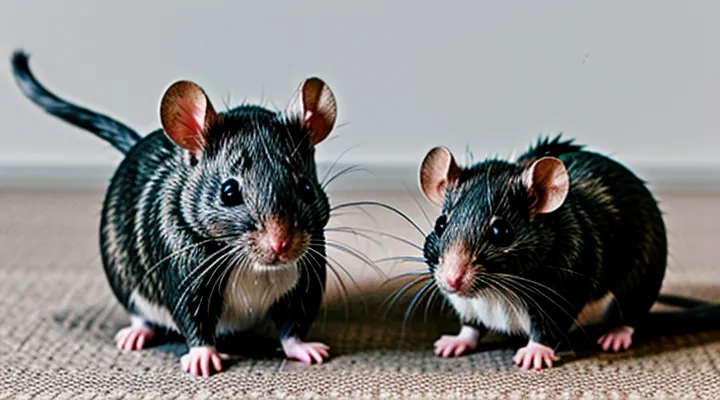
Introduction to Decorative Rats
What are Decorative Rats?
History of Domestication
The domestication of rats for ornamental use began with early human societies that kept wild specimens for ritual and symbolic purposes. Archaeological evidence from ancient Egypt shows rat skulls placed in burial contexts, indicating selective capture and limited breeding.
Key milestones in the development of decorative rat keeping include:
- Classical antiquity: Greeks and Romans documented the presence of pet rats in domestic settings, primarily for amusement.
- Medieval Europe: Monastic records describe the training of rats to perform simple tricks, reflecting early attempts at behavioral control.
- Late 19th century: Dedicated breeders in England established the first formal lines, emphasizing size reduction and coat coloration.
- Early 20th century: Hobbyist clubs emerged in North America, standardizing breed criteria and promoting exhibitions.
Contemporary practice relies on controlled breeding programs that prioritize temperament, aesthetic traits, and health. International societies maintain registries, publish guidelines, and organize competitive shows, ensuring the continuity of the decorative rat tradition.
Comparison to Wild Rats
Small decorative rats differ markedly from their wild counterparts in morphology, behavior, and care requirements. Decorative varieties are selectively bred for aesthetic traits such as coat color, pattern, and size, resulting in a range of appearances not found in natural populations. Wild rats retain camouflage coloration and body proportions optimized for survival in diverse habitats.
Key distinctions include:
- Physical characteristics: Decorative rats often exhibit elongated fur, distinct markings, and reduced body mass, whereas wild rats possess coarse fur, uniform brown or gray tones, and robust musculature.
- Temperament: Selective breeding produces docile, sociable individuals accustomed to human interaction; wild rats display heightened wariness, aggression, and strong territorial instincts.
- Health considerations: Decorative lines may carry genetic predispositions to specific ailments, requiring targeted veterinary monitoring; wild rats face parasites, zoonotic diseases, and environmental stressors inherent to uncontrolled settings.
- Lifespan and nutrition: Captive decorative rats typically live longer, benefitting from balanced diets and controlled environments; wild rats experience shorter lifespans due to predation, food scarcity, and disease exposure.
Overall, decorative rats represent a domesticated subset engineered for visual appeal and companionship, contrasting with the adaptive, survival‑oriented traits of wild rat populations.
Breeds and Varieties
Common Breeds
Standard
Small decorative rats serve as compact, aesthetically pleasing additions to interior spaces. Their size typically ranges from eight to ten centimeters in length, allowing placement on shelves, desks, or windowsills without imposing on surrounding décor. The standard model includes a smooth, hand‑painted finish that emphasizes natural fur patterns while providing resistance to dust and minor scratches.
Key characteristics of the standard version:
- Material: non‑porous polymer base with a lightweight interior frame.
- Color palette: muted earth tones, pastel shades, and occasional accent hues.
- Assembly: snap‑fit components requiring no adhesives or tools.
- Maintenance: surface cleaning with a soft, dry cloth; no chemical cleaners needed.
Design considerations prioritize minimal visual intrusion and ease of integration. The compact footprint aligns with contemporary trends favoring versatile, modular accessories. Durability specifications indicate a lifespan of three to five years under normal indoor conditions, supported by a manufacturer warranty covering material defects.
Applications extend to retail displays, educational environments, and personal collections. The standard variant offers a balance between visual appeal and functional resilience, making it suitable for a broad range of settings without specialized installation requirements.
Rex
Rex represents a distinct model within the niche of miniature ornamental rodents. The figure typically measures between 5 cm and 8 cm in height, crafted from high‑grade polymer resin that permits fine detailing. Surface treatment includes a matte finish that reduces glare while preserving the subtle texture of fur‑like patterns.
Key characteristics:
- Design: Anatomically stylized with exaggerated ears and a tapered tail, enhancing visual appeal for display cases.
- Color palette: Available in three standard hues—charcoal, ivory, and ochre—each applied using UV‑cured pigments for lasting vibrancy.
- Packaging: Individually boxed in recyclable cardboard, featuring a clear window that showcases the product without removal.
Collectors value Rex for its compatibility with themed arrangements, such as vintage apothecary shelves or modern minimalist interiors. The model’s weight, approximately 30 g, ensures stability on various surfaces while remaining lightweight for transport.
Market data indicates a steady demand across online specialty retailers, with average monthly sales ranging from 120 to 150 units in North America and Europe. Price points hover around US $24.99, reflecting production costs and the premium positioning of the item.
Maintenance guidelines advise dusting with a soft microfiber cloth and occasional application of a mild silicone spray to sustain the matte finish. Direct exposure to sunlight should be avoided to prevent discoloration.
Overall, Rex exemplifies the convergence of artistic craftsmanship and functional décor, offering enthusiasts a reliable option for enhancing miniature animal collections.
Hairless
Hairless miniature decorative rats attract attention for their smooth coat and distinct appearance. Absence of fur highlights skeletal structure, facial features, and coloration, creating a striking visual effect suitable for exhibition and companionship.
Genetic mutation responsible for hairlessness involves a recessive allele that eliminates hair growth while preserving normal organ development. Carrier individuals display normal fur; only homozygous offspring exhibit the hairless phenotype. Health monitoring focuses on skin integrity, as lack of fur reduces natural protection against abrasions and temperature fluctuations.
Proper care emphasizes environmental control and skin management. Key points include:
- Maintaining ambient temperature between 20 °C and 24 °C to prevent hypothermia;
- Providing low‑humidity housing to reduce skin drying;
- Applying veterinary‑approved moisturizers daily to prevent cracking;
- Inspecting skin for lesions or infections during routine handling;
- Offering enrichment items with smooth surfaces to avoid abrasions.
Breeding programs require careful selection of genetically compatible pairs to avoid inadvertent propagation of deleterious traits. Ethical standards demand transparent documentation of lineage and health status, ensuring that hairless specimens receive appropriate veterinary oversight throughout development.
Aesthetic presentation benefits from strategic lighting that accentuates the sleek silhouette, while background colors contrasting with the animal’s skin enhance visual impact. Grooming accessories are unnecessary; focus remains on maintaining clean, well‑conditioned skin to preserve the decorative value of the hairless variety.
Dumbo
Dumbo is a miniature decorative rat crafted from polymer clay, finished with a glossy enamel coat. The figurine measures approximately 5 cm in height, making it suitable for display on shelves, desks, or within themed collections. Its design emphasizes exaggerated ears and a friendly expression, aligning with popular aesthetic trends in small animal ornaments.
Key attributes include:
- Hand‑painted details that highlight subtle color gradients on the fur and ears.
- A sturdy base that prevents tipping, ensuring stability on various surfaces.
- Compatibility with other miniature rodent accessories, allowing mixed‑media arrangements.
Collectors value Dumbo for its distinctive visual appeal and the ease with which it integrates into broader assortments of decorative rodents. The piece serves both as an eye‑catching focal point and as a complementary element within curated displays of small animal figurines.
Coat Types
Standard Fur
Standard fur refers to the natural‑looking, short‑to‑medium hair used on miniature decorative rodents. It mimics the pelage of real rats while remaining lightweight and easy to shape for artisans.
Key characteristics include:
- Fine, pliable fibers that retain shape after molding.
- Low shedding properties, reducing debris in display cases.
- Compatibility with common adhesive and paint systems employed in miniature crafting.
Typical color palette covers shades found in wild and domestic species: brown, gray, black, white, and mottled patterns. Pigmentation is achieved through dye‑resistant inks applied before the fur is set, ensuring longevity under ambient lighting.
Manufacturing process begins with synthetic or ethically sourced animal fibers, which are combed, trimmed, and heat‑set onto a backing material. Quality control measures verify uniform fiber length and absence of clumps, preserving a smooth surface for detailed work.
Maintenance guidelines:
- Dust removal with a soft brush or low‑speed air stream.
- Spot cleaning using a damp, lint‑free cloth; avoid immersion.
- Periodic inspection for loose fibers, re‑adhere with appropriate clear‑drying glue if needed.
«Standard fur provides a realistic texture for miniature rodent displays», enhancing visual appeal while supporting durability in decorative applications.
Satin
Satin, a smooth woven fabric with a glossy surface, offers several advantages for miniature ornamental rodents. Its lightweight structure prevents excessive weight on the animal, while the reflective finish enhances visual appeal in display settings.
Key characteristics relevant to decorative rat accessories include:
- High sheen that accentuates fine detailing of small sculptures.
- Low friction surface reduces the risk of scratches on delicate fur.
- Breathable weave minimizes heat retention during prolonged exhibition.
When integrating satin into habitats, select tightly woven grades to avoid fraying, and secure edges with non‑toxic adhesives. Regular cleaning with mild detergent preserves luster without compromising material integrity. Proper maintenance extends the lifespan of decorative elements and maintains a consistent aesthetic quality.
Fuzz
Fuzz denotes the fine, soft covering applied to miniature ornamental rodents to enhance visual appeal and tactile experience. The material typically consists of synthetic fibers, natural hair, or blended textiles selected for durability and resistance to shedding.
Application methods include adhesive bonding, stitching, or embedding within a sculpted body. Each technique influences the final texture, allowing creators to achieve a range of effects from velvety smoothness to plush loftiness.
Key characteristics of fuzz:
- Fiber density determines perceived softness and structural stability.
- Colorfastness ensures long‑term vibrancy despite exposure to light.
- Moisture resistance reduces the risk of mold or deformation.
Maintenance recommendations focus on gentle cleaning with mild detergent, avoidance of excessive heat, and periodic brushing to preserve uniformity.
In design contexts, fuzz contributes to thematic coherence, supporting motifs such as woodland creatures, whimsical décor, or vintage collectors’ items. Its presence can differentiate product lines, offering a tactile dimension that complements visual detailing.
Selection criteria for fuzz prioritize compatibility with the rodent’s scale, intended display environment, and target audience preferences. By aligning material properties with aesthetic goals, manufacturers achieve a cohesive, high‑quality decorative piece.
Markings and Colors
Self
Small decorative rat figures serve as tangible reflections of personal identity. Their miniature scale allows owners to project individual tastes, cultural references, or emotional connections onto a compact object. Design elements—such as posture, coloration, and accessory details—encode aspects of the creator’s self‑perception, translating abstract self‑concepts into visual form.
Key characteristics that convey self‑expression include:
- Pose selection, ranging from alert stance to relaxed recline, indicating mood or attitude.
- Material choice, with porcelain suggesting refinement, while polymer resin implies accessibility.
- Decorative accents, such as miniature scarves or hats, referencing personal hobbies or affiliations.
The production process reinforces self‑association. Artists often solicit client input on specific features, ensuring the final figure aligns with the individual’s envisioned representation. This collaborative approach embeds personal narrative within the object, making the rat not merely a decorative item but a miniature embodiment of the owner’s self‑image.
Collecting and displaying these figures further solidifies self‑identification. Placement within a personal space—on a desk, shelf, or mantel—creates a visual anchor that constantly reminds observers of the underlying personal narrative. Consequently, small decorative rats function as concise, materialized symbols of self, merging aesthetic appeal with individualized meaning.
Hooded
The term «hooded» identifies a specific stylistic element applied to miniature ornamental rodents. In this context, a hooded rat features a fabric or sculpted covering that extends over the head and shoulders, creating a distinctive silhouette. The covering may be woven textile, faux fur, or a molded polymer, each material offering varying degrees of realism and durability.
Key characteristics of hooded decorative rats include:
- Integrated headpiece that conceals the ears and upper facial features, enhancing the illusion of a small animal wrapped in a garment.
- Color palettes ranging from neutral earth tones to vibrant hues, allowing the piece to complement diverse interior décors.
- Attachment methods such as hidden magnets, snap-fit joints, or adhesive backs, facilitating secure placement on shelves or display boards.
Manufacturers often select materials based on target audience preferences. Textile options provide tactile appeal and can be laundered gently, while molded polymers resist moisture and are suitable for outdoor exhibitions. The choice of attachment influences stability; magnetic fixtures enable repositioning without damage, whereas adhesive solutions offer permanent mounting.
Collectors typically consider the following factors when evaluating hooded miniature rats:
- Craftsmanship of the hood, including seam precision and texture fidelity.
- Compatibility of the base with existing display systems.
- Longevity of the covering material under ambient lighting and temperature variations.
Maintenance recommendations focus on dust removal with a soft brush, periodic inspection of attachment points, and storage in a low-humidity environment to preserve material integrity. By adhering to these guidelines, the aesthetic and structural qualities of hooded decorative rats remain consistent over time.
Berkshire
Berkshire rats represent a distinct line within the category of miniature ornamental rodents, valued for their compact size and refined appearance. Originating from the historic Berkshire region, these animals display a uniform coat color ranging from deep sable to soft gray, with a smooth texture that enhances their decorative appeal.
Physical characteristics include a body length of 4–5 inches, a weight of 80–120 grams, and a proportionally short tail. The head features a rounded skull, small ears, and bright, alert eyes. Fur density remains consistent throughout the year, reducing the need for seasonal grooming adjustments.
Genetic selection focuses on coat uniformity, temperament stability, and skeletal integrity. Breeders prioritize homozygous alleles responsible for the signature coat hue, while monitoring for hereditary conditions such as dental malocclusion. Controlled line breeding maintains the breed’s distinct visual profile without compromising health.
Care requirements emphasize a balanced diet, regular cage cleaning, and environmental enrichment. Recommended practices:
- Provide a high‑quality pellet base supplemented with fresh vegetables and occasional protein treats.
- Maintain cage humidity between 40 % and 60 % to prevent skin dryness.
- Include climbing structures and chew toys to stimulate natural behaviors.
- Conduct weekly health checks for signs of respiratory distress or coat deterioration.
«Berkshire rats are prized for their sleek coats and steady disposition», notes a leading small‑rodent specialist. Their combination of aesthetic consistency and manageable temperament makes them a preferred choice for collectors seeking refined decorative specimens.
Himalayan
The Himalayan variety represents a distinct color morph within miniature ornamental rodents prized for their compact size and decorative appeal. This form exhibits a white body with dark gray to black points on the ears, tail, and feet, mirroring the classic Himalayan pattern found in other species. Adult specimens typically measure 5–7 cm in length and weigh 10–15 g, making them suitable for display in confined ornamental settings. Their calm temperament and low activity level contribute to ease of handling and visual presentation.
Key considerations for maintaining Himalayan miniature decorative rats:
- Habitat: Provide a ventilated enclosure measuring at least 30 × 30 × 30 cm, lined with absorbent bedding to control odor.
- Temperature: Maintain ambient temperature between 18 °C and 22 °C; avoid drafts that may stress the animal.
- Nutrition: Offer a balanced diet of high‑quality rodent pellets supplemented with small portions of fresh vegetables and occasional protein treats.
- Health monitoring: Observe daily for signs of respiratory distress, hair loss, or abnormal behavior; schedule veterinary check‑ups at six‑month intervals.
- Social environment: House individuals in pairs or small groups to satisfy natural sociability, ensuring compatible temperaments.
By adhering to these guidelines, collectors can preserve the aesthetic and physiological integrity of the Himalayan type, enhancing its role as a sought‑after element in decorative rodent collections.
Care and Maintenance
Housing Requirements
Cage Size and Type
Appropriate cage dimensions and construction directly influence the health and activity of small decorative rats. Insufficient space can limit movement, increase stress, and hinder natural behaviors.
- Minimum floor area: 1 ft² (≈ 0.09 m²) per animal; larger groups require proportionally more space.
- Height: at least 12 in (30 cm) to accommodate climbing and vertical enrichment.
- Length: 18 in (45 cm) or greater for a single rat; add 6 in (15 cm) per additional rat.
- Bar spacing: no more than ½ in (12 mm) to prevent escape and injury.
Cage types fall into three primary categories. Wire cages provide ventilation but demand solid flooring to avoid foot injuries. Glass terrariums offer clear visibility and easy cleaning but require adequate airflow and sturdy lids. Plastic enclosures combine lightweight design with modular accessories; durability varies by manufacturer, so material quality must be verified. Hybrid models integrate wire sides with acrylic fronts, balancing ventilation and observation.
Additional considerations include:
- Ventilation: continuous airflow prevents ammonia buildup; mesh panels should cover at least 30 % of side surfaces.
- Flooring: solid, non‑slippery material such as reclaimed wood or coated plastic reduces foot problems; avoid wire floors.
- Enrichment attachment points: sturdy corners or bars allow secure placement of tunnels, ladders, and chew toys.
- Accessibility: doors or panels wide enough for safe handling and cleaning reduce stress during maintenance.
Compliance with these specifications ensures a stable environment that supports the well‑being of ornamental rats.
Bedding Options
Choosing an appropriate substrate is essential for the health and comfort of small ornamental rats. The material must absorb moisture, control odor, and provide a safe environment free from harmful particles.
- Paper‑based bedding (recycled, shredded, or compressed) offers high absorbency, low dust, and easy disposal.
- Aspen wood shavings present a balance between softness and absorbency; avoid cedar or pine due to aromatic oils.
- Coconut fiber (coir) supplies natural texture and moderate moisture control but may retain humidity if not layered properly.
- Fleece liners eliminate waste absorption issues; require regular cleaning and spot‑washing to prevent bacterial growth.
- Sand, especially fine‑grained varieties, is unsuitable because it can cause respiratory irritation and ingestion hazards.
Maintenance practices influence substrate performance. Replace soiled bedding weekly, monitor humidity levels, and clean the enclosure with mild, unscented disinfectant. Rotate bedding types periodically to observe individual preference and health responses.
Overall, paper‑based products and fleece liners deliver the most reliable combination of hygiene, comfort, and ease of upkeep for decorative rats. Selecting one of these options aligns with best practices for small‑rodent husbandry.
Enrichment and Toys
Small decorative rats benefit from targeted enrichment that stimulates natural behaviors and supports physiological health. Appropriate toys introduce opportunities for exploration, problem‑solving, and physical activity, reducing stress and preventing stereotypic patterns.
Key categories of enrichment include:
- Chewable items such as untreated wood blocks, mineral sticks, or paper tubes that promote dental wear and satisfy gnawing instincts.
- Manipulable objects like plastic tunnels, climbing ladders, and small rolling balls that encourage locomotion and spatial navigation.
- Puzzle devices featuring hidden compartments or treat dispensers that require dexterous handling and reward exploration.
- Sensory accessories such as textured fabrics, scent‑infused pads, and auditory stimuli that engage olfactory and auditory systems.
Effective implementation follows a rotation schedule, introducing new items weekly while retiring used objects to maintain novelty. Placement should consider safety: items must be free of sharp edges, toxic coatings, or small parts that could be ingested. Monitoring for wear and adjusting size to the rat’s dimensions prevents injury.
Regular assessment of interaction patterns informs adjustments. Increased activity levels, consistent use of toys, and reduced signs of agitation indicate successful enrichment. Conversely, neglect or avoidance signals the need for alternative stimuli or environmental modifications.
Diet and Nutrition
Commercial Rat Food
Commercial rat food for ornamental rodents is formulated to meet the specific nutritional demands of small decorative breeds. The diet typically contains a balanced mix of protein, fat, fiber, vitamins and minerals, ensuring healthy growth, coat condition and reproductive performance.
Key components of standard commercial formulations include:
- High‑quality animal‑derived protein sources such as soy, fish meal or dried insects, providing essential amino acids.
- Digestible fat from vegetable oils or animal fats, supplying energy and supporting skin health.
- Fiber‑rich ingredients like wheat bran, oat hulls or beet pulp, promoting gastrointestinal motility.
- Vitamin and mineral premixes delivering calcium, phosphorus, vitamin A, D3 and B‑complex vitamins in bioavailable forms.
- Palatable binders and flavor enhancers that encourage consistent intake without excessive waste.
Product categories are differentiated by form and purpose:
- Pelleted diets – compact, low‑dust pellets that reduce spillage and allow precise portion control.
- Extruded kibble – larger, crunchy pieces designed for dental wear and enrichment.
- Soft mash – moist formulations suitable for juveniles, lactating females or individuals with dental issues.
- Specialized blends – formulations enriched with omega‑3 fatty acids, antioxidants or probiotics for targeted health benefits.
Labeling requirements mandate clear statements of guaranteed analysis, ingredient list, recommended feeding rates and storage instructions. Packaging typically employs airtight containers to preserve freshness and prevent moisture ingress, extending shelf life to twelve months under ambient conditions.
Proper feeding practice involves offering the recommended daily amount, divided into two to three meals, and monitoring body condition to adjust portions. Supplementary treats should not exceed ten percent of total caloric intake, preventing nutrient imbalance. Regular rotation of commercial brands can mitigate the risk of ingredient sensitivities while maintaining dietary diversity.
Fresh Fruits and Vegetables
Fresh fruits and vegetables provide essential nutrients for small decorative rodents, supporting growth, coat health, and immune function. Nutrient-dense items such as apples, carrots, and leafy greens deliver vitamins A, C, and K, which contribute to ocular health and tissue repair. Incorporating a variety of produce reduces the risk of dietary deficiencies common in captive environments.
- Apples, pears, and berries: source of natural sugars and fiber, aid digestive motility.
- Carrots, broccoli, and spinach: rich in beta‑carotene and calcium, promote skeletal strength.
- Bell peppers and cucumbers: high water content, assist hydration and skin elasticity.
Selection criteria prioritize organic, pesticide‑free produce, trimmed to remove seeds and cores that may cause obstruction. Portion sizes should align with the animal’s body weight, typically 10–15 % of daily caloric intake. Regular rotation of items prevents monotony and encourages natural foraging behavior, enhancing mental stimulation.
Prohibited Foods
Small decorative rats require a balanced diet that emphasizes fresh vegetables, high‑quality pellets, and occasional protein sources. Certain items can cause digestive disturbances, toxic reactions, or long‑term health issues and must be excluded from their feeding regimen.
- Chocolate and cocoa products
- Caffeine‑containing beverages or foods
- Alcoholic substances
- Raw or undercooked beans, especially kidney beans
- Avocado flesh and pits
- Citrus fruits in large quantities
- Processed foods with high salt or sugar content
- Artificial sweeteners, particularly xylitol
- Moldy or spoiled produce
- Dairy products beyond minimal cheese treats
Providing only approved foods supports optimal weight management, dental health, and overall vitality for these ornamental rodents.
Health and Wellness
Common Health Issues
Small ornamental rats frequently encounter health problems that can compromise longevity and quality of life. Recognizing typical conditions enables timely intervention and reduces the likelihood of severe complications.
- Respiratory infections: Symptoms include nasal discharge, labored breathing, and reduced activity. Prompt veterinary assessment and appropriate antibiotics are essential.
- Skin parasites: Mites and fur mites cause itching, hair loss, and skin inflammation. Effective treatment involves topical acaricides and environmental sanitation.
- Dental overgrowth: Continuous incisor growth can lead to malocclusion, difficulty eating, and facial deformities. Regular dental examinations and provision of chewable objects help maintain proper tooth length.
- Gastrointestinal disturbances: Diarrhea, constipation, and ulceration often result from dietary imbalances or stress. Adjusting fiber content, ensuring fresh water, and monitoring for signs of pain mitigate risks.
- Metabolic disorders: Obesity and fatty liver disease arise from excessive calorie intake and lack of exercise. Controlled feeding schedules and enrichment activities support healthy weight management.
Prevention relies on consistent husbandry practices: clean bedding, balanced nutrition, regular health checks, and environmental enrichment. Early detection of abnormal behavior or physical changes should prompt veterinary consultation to confirm diagnosis and initiate treatment.
Veterinary Care
Small decorative rats require veterinary attention tailored to their size and unique physiology. Their average lifespan of two to three years necessitates regular health monitoring to detect early signs of disease.
Preventive care includes:
- Balanced diet rich in protein and low in fat, supplemented with fresh vegetables.
- Daily cleaning of cage bedding to reduce bacterial load.
- Quarterly examinations by a veterinarian experienced with exotic rodents.
- Vaccination against common pathogens only when recommended by a specialist.
Typical health concerns involve respiratory infections, dental overgrowth, skin lesions, and neoplasms. Early identification of nasal discharge, abnormal chewing behavior, alopecia, or abdominal swelling guides timely intervention.
Treatment strategies consist of:
- Targeted antibiotic therapy for bacterial infections, administered according to culture sensitivity.
- Dental trimming under anesthesia to prevent malocclusion and associated pain.
- Surgical removal of accessible tumors, followed by postoperative analgesia.
- Supportive fluid therapy and nutritional supplementation for systemic illnesses.
Owners must observe daily activity patterns, record body weight, and maintain a clean environment. Prompt referral to a qualified exotic animal practitioner ensures optimal outcomes for these miniature ornamental rodents.
Signs of Illness
Small ornamental rats require regular health observation to ensure longevity and aesthetic appeal. Early detection of disease relies on recognizing behavioral and physical alterations that deviate from normal activity patterns.
Typical indicators of illness include:
- Reduced appetite or refusal of food
- Lethargy, prolonged inactivity, or reluctance to explore
- Unusual vocalizations, such as persistent squeaking or whimpering
- Discharge from eyes, nose, or ears
- Abnormal fur condition, including loss of sheen, bald patches, or excessive matting
- Respiratory sounds like wheezing, coughing, or labored breathing
- Swelling of limbs, abdomen, or facial area
- Diarrhea or abnormal fecal consistency
- Unsteady gait, tremors, or loss of coordination
When any of these signs appear, immediate veterinary consultation is advised. Prompt treatment can prevent progression to severe conditions and preserve the decorative value of the animal. Continuous monitoring, combined with a balanced diet and clean enclosure, forms the foundation of effective health management for these miniature companions.
Behavior and Socialization
Temperament
Intelligence
Small decorative rats are miniature rodents bred for aesthetic appeal and suitability as household companions. Their compact size, varied coat patterns, and gentle temperament make them popular in confined living environments.
The cognitive capacity of these ornamental rodents, referred to as «Intelligence», manifests in several measurable behaviors. Laboratory observations reveal rapid acquisition of maze navigation tasks, retention of spatial cues after delays, and ability to solve simple mechanical puzzles. Social interaction enhances problem‑solving efficiency, indicating that peer observation contributes to learning speed.
Key aspects of rat cognition include:
- Memory retention of up to several days for specific routes and object locations.
- Social learning that reduces trial‑and‑error when new tasks are introduced.
- Behavioral flexibility allowing adaptation to novel enrichment devices.
- Trainability for basic commands such as target touch or lever press.
Owners seeking to maximize cognitive development should provide varied enrichment, regular training sessions, and opportunities for controlled social contact. Structured challenges stimulate neural pathways, supporting overall health and prolonging active lifespan.
Trainability
Small decorative rats exhibit a high capacity for learning simple tasks when training employs consistent cues and positive reinforcement. Their natural curiosity and social orientation facilitate rapid acquisition of behaviors such as target touching, maze navigation, and basic trick performance.
Effective training strategies include:
- Use of food rewards immediately after the desired response to strengthen the association.
- Implementation of short, frequent sessions lasting no more than five minutes to match the animal’s attention span.
- Application of clear, distinct signals—auditory clicks or visual hand gestures—to differentiate commands.
- Gradual increase in task complexity, ensuring each step is mastered before progressing.
Key factors influencing trainability are environmental stability, health status, and the presence of a trusted handler. Stressful conditions, irregular feeding schedules, or inadequate housing diminish motivation and hinder learning. Regular handling from a young age enhances confidence, allowing the rat to focus on tasks rather than reacting defensively.
Assessment of progress should rely on objective measures, such as the percentage of correct responses over consecutive trials. Documenting these metrics provides a reliable benchmark for adjusting training protocols and maintaining the animal’s welfare.
Social Needs
Group Housing
Group housing is essential for small ornamental rats due to their intrinsic social structure. Individual isolation can lead to stress‑induced behaviors, reduced activity, and compromised immune function. Properly designed communal enclosures promote natural interaction, facilitate grooming, and support hierarchical organization.
Key parameters for successful group housing include:
- Minimum floor area of 0.5 sq ft per animal; larger spaces reduce competition and allow simultaneous exploration.
- Vertical enrichment such as climbing ladders, platforms, and tunnels; these structures accommodate the species’ propensity for vertical movement.
- Multiple nesting zones with soft bedding; separate nests enable subordinate individuals to withdraw without disrupting dominant members.
- Adequate ventilation combined with controlled humidity to prevent respiratory issues while maintaining a stable microclimate.
- Regular health inspections focusing on coat condition, dental wear, and signs of aggression; early detection prevents the spread of disease within the group.
Compatibility assessment should precede introduction. Observe temperament during a neutral‑zone trial, noting signs of dominance, avoidance, or aggression. Gradual integration, beginning with a shared enclosure for short periods, reduces the risk of injury.
Feeding stations must be duplicated to prevent monopolization. Providing a balanced diet of high‑quality pellets, occasional fresh vegetables, and protein sources supports growth and fur quality, which are critical for decorative purposes.
Routine cleaning schedules, involving spot cleaning daily and full substrate replacement weekly, maintain hygiene and limit odor accumulation. Use dust‑free bedding materials to protect the delicate respiratory system.
Overall, a well‑structured group environment enhances welfare, preserves the aesthetic attributes of decorative rats, and facilitates long‑term observation of social dynamics.
Interaction with Humans
Small decorative rats serve as visual accents in interior settings, yet their relationship with people extends beyond mere aesthetics. Interaction typically involves direct handling, observation, and environmental integration.
Handling requires gentle grasping of the animal’s torso, supporting the hindquarters to prevent stress. Regular contact acclimates the rat to human presence, reducing defensive reactions and encouraging calm behavior during display.
Observation offers insight into natural activity cycles. When placed in a well‑ventilated enclosure with climbing structures, rats exhibit exploratory movements that can be monitored for signs of health and contentment. Consistent visual monitoring aids in early detection of illness or injury.
Environmental integration focuses on aligning the rat’s habitat with human spaces. Key considerations include:
- Placement of the enclosure at eye level to facilitate engagement without compromising safety.
- Use of transparent barriers that allow clear sight while preventing accidental escape.
- Inclusion of scent‑neutral materials to avoid allergic reactions in occupants.
Training, though limited, can shape basic responses. Positive reinforcement with small food rewards encourages the animal to approach a hand or perform simple movements, enhancing interactive appeal.
Safety protocols protect both parties. Hands should be washed before and after contact to maintain hygiene. Enclosures must be secured with latch mechanisms that prevent unintended opening. Regular cleaning with mild, non‑toxic solutions preserves a healthy environment for the rat and the surrounding occupants.
Overall, the dynamic between these ornamental rodents and people relies on respectful handling, attentive observation, and thoughtful habitat design, fostering a mutually beneficial presence in decorative contexts.
Enrichment Activities
Playtime
Small decorative rats serve as miniature companions designed for interactive play sessions. Their compact size and detailed craftsmanship allow users to engage in tactile exploration, fostering fine‑motor development and imaginative scenarios. The materials—often non‑toxic polymer or resin—ensure durability while meeting safety standards for handling by children and collectors alike.
Typical playtime activities include:
- Positioning the figurines in themed dioramas to create narrative vignettes.
- Incorporating the rats into board‑game setups as movable tokens or markers.
- Using the pieces in educational drills that teach spatial reasoning and pattern recognition.
- Arranging the models for photographic storytelling, emphasizing lighting and composition.
Maintenance guidelines recommend cleaning each piece with a soft, damp cloth and storing them in a dust‑free container when not in use. Regular inspection for cracks or wear prevents damage that could compromise the visual appeal and functional integrity of the decorative rats during active play.
Exploration
Small ornamental rodents represent a niche within decorative art, characterized by miniature scale, attention to anatomical detail, and aesthetic embellishment. These objects serve primarily as visual accents for interior spaces, tabletop arrangements, or themed collections.
The emergence of these pieces dates to the late‑19th century, when artisans began reproducing household pets in porcelain and metal. Early examples catered to Victorian tastes for whimsical domestic motifs, later evolving through Art Nouveau and contemporary design movements.
Craftsmen employ a limited palette of materials, each contributing distinct visual and tactile qualities:
- Porcelain, glazed for smooth finish and subtle sheen.
- Bronze, cast for durability and patina development.
- Resin, molded for intricate coloration and lightweight handling.
- Wood, carved for natural grain integration.
Designs range from realistic representations, emphasizing fur texture and posture, to stylized forms that abstract the animal’s silhouette. Decorative elements such as miniature accessories, patterned fabrics, or gemstone eyes enhance thematic relevance and visual impact.
Collectors prioritize provenance, rarity, and condition. Documentation of artist signatures, production marks, and edition numbers assists in authentication. Display strategies include dedicated shelving, glass‑covered vitrines, or integrated settings within larger decorative ensembles.
Preservation requires routine dust removal with a soft brush, avoidance of direct sunlight to prevent fading, and controlled humidity to deter material degradation. Periodic inspection for structural integrity ensures longevity of both aesthetic and structural attributes.
Considerations Before Adoption
Time Commitment
Small ornamental rats require a predictable allocation of time to maintain health and appearance. Daily responsibilities include feeding, water refreshment, and brief enclosure inspection for signs of stress or contamination. These tasks typically consume 10–15 minutes per day.
- Provide a measured portion of high‑quality rodent pellets and fresh vegetables.
- Replace water using a clean bottle or bowl.
- Scan bedding for excess moisture, droppings, or damaged structures.
- Offer short handling sessions to reinforce habituation, lasting 5 minutes per individual.
Weekly duties extend beyond daily care. Cleaning the cage thoroughly, swapping bedding, and sanitizing accessories demand approximately 30 minutes. Additionally, grooming sessions—brushing coat and trimming nails when necessary—add another 10–15 minutes.
Monthly or seasonal activities address longer‑term welfare. Rotating enrichment items, checking ventilation, and performing health assessments, such as weight measurement and coat condition evaluation, require 20–25 minutes. Seasonal adjustments may involve modifying ambient temperature and humidity to align with the rats’ natural preferences.
Overall, a structured schedule of 1–2 hours per week ensures that small decorative rats remain vibrant and disease‑free, supporting their role as attractive, low‑maintenance companions.
Financial Costs
Small ornamental rodents present a distinct cost structure that separates initial outlay from recurring expenses. The purchase price for a miniature decorative rat typically ranges from $30 to $80, depending on breed rarity, coloration, and source reputation. Additional acquisition fees may include shipping, quarantine, and certification, adding roughly $10 to $25 per animal.
Ongoing costs encompass nutrition, habitat, health care, and accessories. A balanced diet of premium rodent pellets, fresh vegetables, and occasional treats averages $15 to $25 per month. Enclosure requirements involve a secure cage, bedding, and enrichment items; initial setup costs fall between $50 and $120, with periodic replacement of bedding and toys amounting to $5 to $10 monthly.
Veterinary care constitutes a significant recurring expense. Routine examinations, vaccinations, and parasite prevention typically cost $30 to $50 per year, while unexpected illnesses or injuries can raise the annual budget by $100 to $300. Insurance policies for small pets are available, with premiums ranging from $5 to $12 per month, providing financial mitigation for high‑cost medical events.
A concise cost summary:
- Purchase price: $30 – $80
- Shipping/quarantine: $10 – $25
- Initial enclosure: $50 – $120
- Monthly diet: $15 – $25
- Monthly bedding/toys: $5 – $10
- Annual veterinary care: $30 – $50
- Optional insurance: $5 – $12 per month
Understanding these financial components enables accurate budgeting for owners of small decorative rats, ensuring sustainable care without unforeseen expenditures.
Lifespan
Small decorative rats typically live between two and three years when provided with optimal care. Healthier individuals may reach three and a half years, while those exposed to substandard conditions often experience shorter lifespans.
Key determinants of longevity include:
- Genetics: selective breeding for robust health extends average lifespan.
- Nutrition: balanced diets rich in protein, fiber, and essential vitamins support organ function.
- Habitat: spacious cages, regular cleaning, and temperature control reduce stress and disease risk.
- Veterinary oversight: routine health checks and prompt treatment of ailments prevent complications.
To maximize lifespan, maintain a consistent feeding schedule, provide enrichment items that encourage natural behaviors, and monitor weight and activity levels for early signs of illness. Regular veterinary examinations, including dental assessments, contribute to sustained health and extended vitality.
Ethical Ownership
Responsible Breeding
Responsible breeding of ornamental rats demands adherence to health, genetics, and welfare standards. Breeders must select animals with proven sound health records, avoiding carriers of hereditary diseases that compromise longevity or quality of life. Genetic diversity is preserved by tracking lineage and preventing close inbreeding, which reduces the risk of recessive disorders.
Key practices include:
- Maintaining detailed health logs for each animal, documenting vaccinations, parasite treatments, and veterinary examinations.
- Implementing a systematic pedigree registry to verify unrelated pairings and monitor trait inheritance.
- Providing environments that meet species‑specific enrichment needs, such as nesting materials, climbing structures, and opportunities for social interaction.
- Conducting regular health screenings, including dental checks and respiratory assessments, to identify issues early.
- Ensuring that breeding pairs are of appropriate age, weight, and condition, thereby reducing stress and enhancing reproductive success.
Outcomes of disciplined breeding programs are robust offspring with stable temperaments and physical characteristics suited to decorative purposes. Consistent application of these protocols supports the overall reputation of the hobby, promotes animal welfare, and sustains the market demand for high‑quality ornamental rats.
Rescue and Adoption
Rescue initiatives for miniature ornamental rodents focus on removing animals from neglectful environments, providing immediate veterinary assessment, and stabilizing health conditions. Veterinary professionals conduct thorough examinations, administer vaccinations, and treat injuries before transitioning rats to temporary care facilities.
Adoption processes involve screening prospective caretakers, verifying suitability through questionnaires, and conducting home visits when feasible. Criteria emphasize experience with small rodents, commitment to daily interaction, and provision of appropriate enrichment. Successful placements result in long‑term welfare and reduced turnover rates.
Key steps in the rescue‑to‑adoption pipeline:
- Intake assessment and quarantine
- Medical treatment and nutritional support
- Behavioral evaluation and socialization
- Caretaker screening and education
- Post‑adoption follow‑up and support
Organizations maintain records of each rat’s lineage, health history, and temperament to match individuals with compatible owners. Continuous monitoring ensures that adopted rats receive optimal care and that any issues are promptly addressed.