
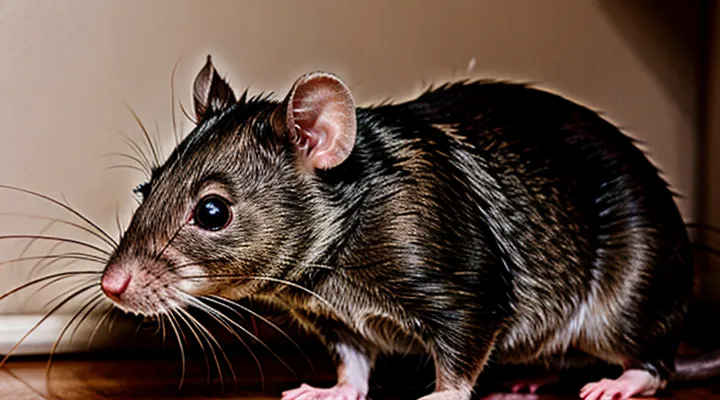
Understanding Rat Skin Anatomy and Physiology
Normal Skin Characteristics
Rats possess a compact integumentary system adapted for rapid growth and efficient thermoregulation. The exterior consists of a dense hair coat overlaying a multilayered skin structure that provides mechanical protection, barrier function, and sensory input.
- Epidermis: thin, stratified squamous epithelium; keratinized outermost layer; continuous renewal via basal cell proliferation.
- Dermis: dense connective tissue rich in collagen and elastin fibers; houses blood vessels, lymphatics, and mechanoreceptors; supports hair follicles and glands.
- Subcutis (hypodermis): loose adipose tissue; serves as energy reserve and insulator; connects skin to underlying musculature.
Additional normal features include:
- Pigmentation: melanin distribution varies among strains, producing coat colors from albino to agouti; epidermal melanin granules protect against UV exposure.
- Hair follicles: numerous, cyclically active; each follicle associated with a sebaceous gland that secretes lipid-rich sebum, maintaining coat pliability.
- Sweat glands: limited to footpads; facilitate traction and minor thermoregulatory cooling.
- Vascular network: superficial plexus supplies nutrients and facilitates heat dissipation; capillary density higher in ventral skin.
- Sensory innervation: dense array of nociceptors, thermoreceptors, and mechanoreceptors enables precise environmental detection.
These characteristics define the baseline condition against which pathological alterations are evaluated in laboratory rodent dermatology.
Factors Affecting Skin Health
Skin integrity in rats directly influences the incidence and severity of dermal disorders. Maintaining optimal cutaneous conditions requires attention to multiple biological and environmental variables.
- Genetic background: specific strains exhibit differing epidermal thickness, hair follicle density, and immune responsiveness, affecting lesion development.
- Nutrition: deficiencies in essential fatty acids, vitamins A, E, and zinc impair barrier function and delay wound healing.
- Microbiome: imbalanced skin flora predisposes to opportunistic infections and inflammatory reactions.
- Hygiene and bedding: accumulation of moisture, ammonia, and fecal material compromises the stratum corneum and facilitates bacterial overgrowth.
- Housing density: overcrowding increases stress hormones, which suppress cutaneous immunity and promote dermatitis.
- Chemical exposure: disinfectants, rodent chow additives, and cage materials can cause irritant or allergic contact dermatitis.
- Age: neonatal and aged rats display reduced regenerative capacity, making them more vulnerable to ulceration.
- Immunological status: immunosuppressed individuals, whether due to disease or experimental manipulation, show heightened susceptibility to viral, fungal, and parasitic skin infections.
- Grooming behavior: excessive or insufficient self‑grooming alters mechanical protection and can introduce trauma.
Interactions among these factors often amplify risk; for example, poor nutrition can exacerbate the effects of a contaminated environment, while genetic predisposition may magnify inflammatory responses to chemical irritants. Effective management of rat colonies therefore demands integrated control of diet, housing conditions, hygiene protocols, and strain selection to preserve cutaneous health and reduce the prevalence of dermal pathology.
Common Skin Diseases in Rats
Parasitic Skin Conditions
Mites («Scabies»)
Mites, commonly referred to as scabies, represent a significant cause of cutaneous disorder in laboratory and pet rats. Infestation is primarily due to the ectoparasite Radfordia affinis (formerly Sarcoptes spp.) and occasionally Myobia musculi. These arthropods reside in the stratum corneum, feeding on epidermal tissue and inducing inflammatory responses.
Clinical manifestations include:
- Intense pruritus, especially during the night
- Erythema and papular eruptions along the ventral abdomen, ears, and tail base
- Crusting and alopecia in severe cases
- Secondary bacterial infection secondary to skin damage
Diagnosis relies on direct microscopic examination of skin scrapings, revealing characteristic mites with a rounded body and short legs. Histopathology may show hyperkeratosis and eosinophilic infiltrates. Serological tests are not routinely employed.
Effective management combines acaricidal therapy and environmental sanitation. Recommended agents are:
- Topical ivermectin (0.2 % solution) applied to affected areas daily for three consecutive days
- Oral selamectin (6 mg/kg) administered once, with a repeat dose after two weeks
- Thorough cleaning of cages, bedding, and feeding equipment; heat treatment of reusable items at 60 °C for 30 minutes
Preventive measures include routine health monitoring, quarantine of new arrivals for at least two weeks, and regular application of prophylactic acaricides in high‑density colonies. Monitoring treatment efficacy through follow‑up skin scrapings ensures eradication and reduces recurrence risk.
Fleas and Lice
Fleas and lice represent common ectoparasites that affect rat dermatological health. Adult fleas (Siphonaptera) feed on blood, while lice (Phthiraptera) consume skin debris and blood. Both species can establish infestations on laboratory and pet rats, leading to irritation, secondary infection, and potential transmission of bacterial agents.
Clinical manifestations include intense scratching, hair loss, reddened skin, and the presence of small dark motile insects or nits attached to the fur. Infested rats may develop localized dermatitis, ulceration, or systemic signs such as anemia in severe cases. A concise list of observable signs:
- Excessive grooming or fur pulling
- Small, dark, fast‑moving insects on the coat (fleas)
- Cemented eggs or nymphs attached to hair shafts (lice)
- Red or inflamed skin patches
- Scabs or ulcerated lesions
Diagnosis relies on visual examination, combing with fine‑toothed brushes, and microscopic identification of specimens. Laboratory confirmation may involve mounting collected insects for species determination, which guides therapeutic choices.
Effective control combines chemical and environmental measures. Recommended actions include:
- Topical or systemic insecticides approved for rodents (e.g., ivermectin, selamectin).
- Thorough cleaning of cages, bedding, and equipment with hot water or disinfectants.
- Isolation of affected individuals to prevent cross‑contamination.
- Routine monitoring of all animals for early detection of reinfestation.
Prompt treatment reduces tissue damage, limits pathogen spread, and supports overall rat welfare.
Ringworm
Ringworm, also known as dermatophytosis, is a common fungal infection affecting the integumentary system of laboratory and pet rats. The disease is caused primarily by the dermatophyte Trichophyton mentagrophytes and, less frequently, by Microsporum spp. Infection occurs through direct contact with contaminated fur, bedding, or environments, and the pathogen can survive on surfaces for several weeks.
Clinical manifestations include:
- Circular, alopecic plaques with raised, scaly margins
- Reddened or crusted skin within the lesion
- Pruritus that may be mild or absent
- Secondary bacterial infection in severe cases
Diagnosis relies on a combination of visual assessment and laboratory confirmation. Skin scrapings examined under a microscope reveal hyaline, septate hyphae. Culturing the material on Sabouraud dextrose agar yields characteristic colony morphology, confirming the specific dermatophyte species.
Therapeutic management consists of topical and systemic antifungal agents. Effective options are:
- Topical miconazole or clotrimazole applied twice daily for 2–4 weeks
- Oral itraconazole at 5 mg/kg once daily for 7–14 days, adjusted for weight and renal function
- Environmental decontamination using diluted bleach (1 % sodium hypochlorite) or steam cleaning to eradicate spores from cages, bedding, and accessories
Preventive measures focus on hygiene and quarantine. New arrivals should be isolated for at least 14 days, with weekly fungal cultures of skin swabs. Regular replacement of bedding, disinfection of cage components, and avoidance of overcrowding reduce transmission risk.
Epidemiologically, ringworm outbreaks are more frequent in breeding colonies where high animal density and humid conditions favor fungal growth. Monitoring programs that incorporate routine health checks and prompt treatment limit morbidity and preserve research integrity.
Bacterial Skin Infections
Staphylococcus Aureus Infections
Staphylococcus aureus is a Gram‑positive bacterium that frequently colonizes the skin of laboratory and pet rats, where it can progress to overt infection under conditions of immunosuppression, trauma, or poor husbandry. The organism adheres to epidermal keratinocytes via surface proteins, proliferates in the superficial dermis, and produces exotoxins and enzymes that degrade tissue, leading to characteristic lesions.
Typical manifestations include localized erythema, papules, pustules, and ulcerative crusts. In severe cases, multifocal abscesses develop, often accompanied by edema and secondary bacterial colonization. Systemic spread may result in septicemia, with fever, lethargy, and weight loss.
Diagnostic confirmation relies on:
- Direct microscopic examination of exudate for Gram‑positive cocci in clusters.
- Culture on blood agar, yielding beta‑hemolytic colonies.
- Biochemical identification (coagulase positivity, catalase activity).
- Molecular methods such as PCR for species‑specific genes when rapid results are required.
Effective therapy combines antimicrobial agents with supportive care. First‑line treatment employs agents to which the isolate is susceptible, commonly oxacillin, clindamycin, or linezolid, guided by susceptibility testing. Topical antiseptics (e.g., chlorhexidine) reduce surface bacterial load, while systemic analgesics and anti‑inflammatories mitigate pain and swelling.
Prevention focuses on environmental hygiene and colony management:
- Regular cleaning and disinfection of cages, bedding, and feeding equipment.
- Minimization of overcrowding to reduce stress‑induced immunosuppression.
- Routine health monitoring with periodic cultures to detect carrier states.
- Use of barrier methods (gloves, gowns) during handling to limit cross‑contamination.
Understanding the pathogen’s virulence mechanisms and maintaining rigorous husbandry practices are essential for controlling Staphylococcus aureus–related skin disease in rat populations.
Abscesses and Cellulitis
Abscesses in rats are localized collections of pus surrounded by a fibrous capsule, typically resulting from bacterial invasion following skin trauma or bite wounds. The most common pathogens are Staphylococcus aureus and Streptococcus spp., which proliferate in the subcutaneous tissue, incite inflammation, and produce necrotic debris. Cellulitis refers to diffuse inflammation of the dermis and subcutaneous layers without a well‑defined cavity, often accompanying or preceding abscess formation. Both conditions frequently arise in environments with poor hygiene, high animal density, or inadequate wound care.
Clinical presentation includes swelling, heat, pain on palpation, and erythema. Additional signs may be:
- Purulent discharge from a focal point (abscess)
- Induration extending beyond the visible lesion (cellulitis)
- Reduced grooming, lethargy, and decreased food intake
- Fever or elevated body temperature in advanced cases
Diagnosis relies on physical examination, aspiration of purulent material for cytology and culture, and, when necessary, ultrasonography to assess depth and extent of the lesion. Radiographs help identify underlying bone involvement or foreign bodies that may perpetuate infection.
Effective management combines antimicrobial therapy and local wound care. Empirical treatment often starts with a broad‑spectrum injectable antibiotic such as enrofloxacin or ampicillin, adjusted according to culture results. Abscesses require incision and drainage, thorough lavage with sterile saline, and placement of a loose drainage tube if needed. Adjacent cellulitis is treated with systemic antibiotics and anti‑inflammatory agents, typically meloxicam, to reduce edema. Supportive measures include maintaining ambient temperature, providing easily accessible nutrition, and isolating affected individuals to prevent spread.
Prevention emphasizes regular cage cleaning, prompt treatment of skin injuries, and monitoring for early signs of infection. Use of antimicrobial‑impregnated bedding and routine health checks reduce the incidence of both abscesses and cellulitis in laboratory and pet rat populations.
Ulcerative Pododermatitis («Bumblefoot»)
Ulcerative pododermatitis, commonly called bumblefoot, is a painful inflammatory condition of the plantar surface of the hind feet in rats. The disease originates from a breach in the epidermal barrier, allowing bacterial invasion and subsequent necrosis of underlying tissues.
Primary predisposing factors include:
- Hard or abrasive flooring that concentrates pressure on the toes
- Poor cage hygiene leading to increased bacterial load
- Nutritional deficiencies, particularly low protein or vitamin C
- Immobility or obesity that reduces weight distribution
- Genetic susceptibility observed in certain strains
Clinical presentation typically involves swelling, erythema, and ulcer formation on the metatarsal pads. Lesions may progress to abscesses, exposing bone and causing lameness. Palpation reveals fluctuance or firm induration, and affected rats often avoid using the affected limb.
Diagnosis relies on visual inspection, measurement of lesion dimensions, and microbiological culture of exudate to identify opportunistic pathogens such as Staphylococcus aureus or Pseudomonas spp. Radiographs are indicated when osteomyelitis is suspected, revealing cortical irregularities or sequestra.
Therapeutic protocol comprises:
- Environmental modification: replace hard bedding with soft, absorbent material and ensure regular cleaning.
- Systemic antimicrobial therapy based on culture sensitivity; broad‑spectrum agents may be initiated empirically.
- Local wound care: gentle debridement, antiseptic irrigation, and application of non‑adhesive dressings.
- Analgesia: non‑steroidal anti‑inflammatory drugs administered according to weight.
- Nutritional support: high‑protein diet supplemented with vitamin C.
Prognosis depends on early intervention and severity of tissue damage. Superficial lesions respond rapidly, while deep infections involving bone may require prolonged treatment and carry a risk of chronic impairment.
Prevention focuses on maintaining dry, clean housing, providing appropriate substrate, monitoring body condition, and conducting routine foot examinations to detect early changes before ulceration develops.
Fungal Skin Infections
Dermatophytosis
Dermatophytosis, commonly known as ringworm, is a contagious fungal infection affecting the epidermis, hair follicles, and keratinized structures of rats. The causative agents belong to the genera Trichophyton, Microsporum, and Epidermophyton, with Trichophyton mentagrophytes and Microsporum canis reported most frequently in laboratory and pet populations.
Clinical presentation includes circular alopecic lesions with raised, scaling margins, often accompanied by mild pruritus. Lesions may appear on the dorsal trunk, limbs, or facial region and can coalesce into larger areas of hair loss. In severe cases, secondary bacterial infection may develop, leading to erythema and exudate.
Diagnosis relies on direct microscopic examination of hair and skin scrapings using potassium hydroxide preparation, which reveals hyaline, septate hyphae. Culturing on Sabouraud dextrose agar confirms the species, while Wood’s lamp examination may aid rapid screening for Microsporum spp. Histopathology is reserved for atypical presentations.
Management consists of systemic and topical antifungal therapy, environmental decontamination, and isolation of affected individuals. Recommended actions include:
- Administration of oral itraconazole (5 mg/kg once daily) for 3–4 weeks.
- Application of 1 % terbinafine cream to lesions twice daily.
- Cleaning cages with a 1 % sodium hypochlorite solution, followed by thorough drying.
- Replacing bedding and providing disposable enrichment items.
- Monitoring colony members for new lesions weekly for at least 6 weeks.
Prevention emphasizes strict biosecurity, regular health surveillance, and prompt removal of infected animals. Maintaining low humidity, adequate ventilation, and routine disinfection of equipment reduces spore viability and limits outbreak potential.
Allergic and Immune-Mediated Skin Diseases
Allergic Dermatitis
Allergic dermatitis in rats is an immune‑mediated cutaneous reaction triggered by contact with environmental allergens such as bedding materials, feed additives, or ectoparasite saliva. Sensitization involves IgE or IgG antibody production, leading to mast cell degranulation and subsequent inflammation of the epidermis and dermis.
Typical manifestations include erythema, papules, vesicles, or crusted lesions concentrated on the ventral abdomen, ears, and facial region. Affected animals often exhibit pruritus, excessive grooming, and secondary excoriations. Lesions may progress to ulceration if left untreated.
Diagnostic work‑up combines a thorough history, visual assessment, and laboratory confirmation. Skin scrapings rule out parasitic infestations; histopathology reveals eosinophilic infiltrates and epidermal hyperplasia; intradermal or serum allergen testing identifies specific sensitizers.
Management strategies focus on eliminating the offending allergen, controlling inflammation, and preventing recurrence:
- Remove or replace contaminated bedding and diet components.
- Apply topical corticosteroids or calcineurin inhibitors to reduce local inflammation.
- Administer systemic antihistamines or short‑course oral glucocorticoids for severe pruritus.
- Implement environmental hygiene protocols to minimize exposure to potential allergens.
Regular monitoring of lesion resolution and periodic re‑evaluation of housing conditions ensure long‑term control of the condition.
Autoimmune Skin Conditions
Autoimmune skin conditions in rats arise when the immune system targets self‑antigens within the integumentary system, leading to chronic lesions, hair loss, or pigment alteration. Genetic predisposition, environmental triggers, and dysregulated cytokine networks contribute to loss of tolerance.
Common manifestations include:
- Autoimmune alopecia characterized by symmetrical hair loss and follicular inflammation.
- Pemphigus‑like disease with epidermal blister formation and circulating anti‑desmoglein antibodies.
- Lupus‑associated cutaneous lesions presenting as erythematous plaques, ulceration, and interface dermatitis.
- Vitiligo‑type depigmentation caused by melanocyte‑directed autoimmunity.
Pathogenesis centers on T‑cell activation against cutaneous epitopes, production of autoantibodies, and complement deposition. Cytokines such as IFN‑γ, IL‑17, and TNF‑α amplify inflammatory cascades, while regulatory T‑cell deficits fail to suppress autoreactive clones.
Diagnosis relies on a combination of clinical observation and laboratory techniques:
- Histopathological examination revealing interface changes, basal cell vacuolization, or intraepidermal clefts.
- Direct immunofluorescence detecting IgG or C3 deposits along the dermal‑epidermal junction.
- Serological assays measuring specific autoantibodies (e.g., anti‑nuclear, anti‑desmoglein).
- Flow cytometry profiling of T‑cell subsets and cytokine expression.
These rodent models serve as preclinical platforms for evaluating immunomodulatory therapies, elucidating mechanisms applicable to human autoimmune dermatology, and testing gene‑editing strategies aimed at restoring immune tolerance.
Nutritional Deficiencies Affecting Skin
Zinc Deficiency
Zinc deficiency predisposes laboratory and pet rats to a distinct pattern of cutaneous abnormalities. The mineral is essential for epidermal cell proliferation, keratinocyte differentiation, and collagen synthesis; inadequate intake disrupts these processes and compromises barrier integrity.
Typical dermatological manifestations include:
- Crusty, alopecic patches on the dorsal and ventral surfaces
- Hyperkeratotic plaques around the ears, tail base, and paws
- Ulcerative lesions that may coalesce into larger erosions
- Delayed wound healing and secondary bacterial infection
Biochemical analysis frequently reveals serum zinc concentrations below 70 µg/dL, accompanied by reduced activity of zinc‑dependent enzymes such as alkaline phosphatase. Histopathology shows epidermal thinning, disorganized keratin layers, and inflammatory infiltrates.
Differential diagnosis must consider parasitic dermatitis, nutritional imbalances (e.g., vitamin A deficiency), and genetic skin disorders. Confirmation relies on dietary assessment, laboratory measurement of trace elements, and response to supplementation.
Therapeutic protocol typically involves:
- Oral zinc gluconate or zinc methionine at 30–50 mg/kg daily for 7–10 days
- Gradual reintroduction of a balanced diet containing 80–120 ppm zinc
- Topical antiseptics for infected lesions
- Monitoring of serum zinc levels until normalization
Preventive measures include formulating rodent chow with adequate zinc content, avoiding prolonged feeding of low‑zinc treats, and periodic trace element screening in breeding colonies. Prompt correction of the deficiency restores skin integrity and reduces morbidity.
Essential Fatty Acid Deficiency
Essential fatty acid (EFA) deficiency precipitates characteristic dermatological manifestations in laboratory rats. The condition arises when dietary intake of linoleic and α‑linolenic acids falls below metabolic requirements, impairing the synthesis of epidermal lipids that maintain barrier integrity.
Clinical presentation includes:
- Dry, flaky skin (xerosis) with a dull appearance.
- Alopecia, often beginning at the dorsal midline and spreading peripherally.
- Hyperkeratosis and scaling, especially on the tail and footpads.
- Pruritus leading to self‑trauma and secondary bacterial infection.
Pathophysiology centers on disrupted ceramide production, resulting in increased transepidermal water loss and compromised barrier function. Reduced prostaglandin precursors also diminish anti‑inflammatory mediators, exacerbating cutaneous inflammation.
Diagnostic approach comprises:
- Detailed dietary history confirming low EFA content.
- Histopathological examination revealing epidermal thinning, reduced lipid vacuoles, and hyperkeratotic plaques.
- Serum analysis showing decreased levels of linoleic and α‑linolenic acids.
Therapeutic management involves:
- Immediate supplementation with a balanced source of linoleic and α‑linolenic acids, typically via enriched rodent chow or oral oil emulsions.
- Gradual rehydration of the epidermis using topical emollients containing lanolin or mineral oil.
- Monitoring for resolution of lesions; improvement generally occurs within 7–10 days of adequate supplementation.
Prevention requires formulation of diets that meet or exceed the National Research Council recommendations for EFAs, regular assessment of feed composition, and periodic health checks to detect early cutaneous changes.
Neoplastic Skin Conditions
Benign Skin Tumors
Benign cutaneous neoplasms are common findings in laboratory and pet rats. They arise from epidermal, dermal, or subcutaneous structures and rarely progress to malignancy.
Typical forms include:
- Papilloma – exophytic, keratinizing growths derived from epidermal keratinocytes; often appear on the ventral abdomen or facial skin.
- Fibroma – well‑circumscribed, collagen‑rich masses originating in the dermis; frequently located on the dorsal trunk.
- Lipoma – encapsulated adipose tissue nodules situated in the subcutis; usually soft and mobile.
- Histiocytoma – proliferations of dermal histiocytes; may mimic inflammatory lesions.
- Dermal cysts – keratin or sebaceous material‑filled sacs; occasionally confused with neoplastic nodules.
Epidemiology shows higher incidence in aged animals and in specific strains predisposed to tumor development. Genetic factors, chronic irritation, and hormonal influences contribute to tumorigenesis, while viral agents are not implicated.
Clinical presentation consists of solitary or multiple nodules, varying from a few millimeters to several centimeters in diameter. Surface characteristics range from smooth, hair‑covered lesions to ulcerated, keratinized plaques. Pain is uncommon unless secondary infection occurs.
Diagnostic workflow:
- Physical examination and measurement of lesion dimensions.
- Fine‑needle aspiration or biopsy for cytologic and histologic assessment.
- Histopathology with hematoxylin‑eosin staining to confirm benign architecture, lack of invasive margins, and low mitotic index.
- Immunohistochemical markers (e.g., Ki‑67) may assist in distinguishing low‑grade malignancies.
Management strategies depend on lesion size, location, and impact on the animal’s welfare:
- Surgical excision – complete removal with a margin of normal tissue; preferred for accessible tumors.
- Cryotherapy – effective for superficial papillomas.
- Observation – acceptable for small, asymptomatic lipomas or cysts.
Prognosis is favorable after complete excision; recurrence rates remain low (<5 %). Malignant transformation is rare but warrants periodic monitoring, especially in long‑lived or genetically susceptible colonies.
Preventive measures focus on minimizing chronic skin irritation, maintaining optimal husbandry conditions, and implementing routine health surveillance to detect early tumor development.
Malignant Skin Tumors
Malignant skin tumors constitute a significant portion of neoplastic lesions observed in laboratory rats. These neoplasms arise from epidermal, dermal, or subcutaneous origins and display aggressive growth, local invasion, and potential metastasis.
Epidemiology indicates a higher incidence in aged animals and in strains predisposed to oncogenic mutations. Environmental factors such as chronic irritation, chemical carcinogens, and ultraviolet exposure increase tumor frequency.
Common histological types include:
- Squamous cell carcinoma: originates from keratinizing epithelium, often presents as ulcerated masses.
- Basal cell carcinoma: arises from basal cells, typically forms well‑circumscribed nodules.
- Fibrosarcoma: derives from dermal fibroblasts, exhibits spindle‑cell morphology.
- Malignant melanoma: develops from melanocytes, characterized by pigmented lesions and rapid dissemination.
Diagnostic procedures rely on:
- Visual inspection and palpation to locate lesions.
- Biopsy with histopathological evaluation to confirm malignancy and determine grade.
- Immunohistochemical staining for markers such as cytokeratin, vimentin, and S100 protein.
- Imaging modalities (e.g., MRI, CT) for assessing depth of invasion and metastatic spread.
Therapeutic interventions comprise surgical excision with clear margins, adjunctive radiotherapy, and chemotherapy agents like doxorubicin or cyclophosphamide. Experimental protocols often incorporate targeted therapies and immunomodulators to evaluate efficacy against specific tumor subtypes.
Research implications extend to human oncology, where rat models provide insight into tumor biology, drug metabolism, and the genetic basis of skin cancer. Standardized reporting of tumor incidence, latency, and response to treatment enhances reproducibility across studies.
Other Skin Problems
Self-Mutilation and Barbershop
Self‑induced skin lesions are a frequent complication in laboratory rodents. Rats that repeatedly bite, gnaw, or scrape their own fur develop ulcerations that can become infected, impair wound healing, and obscure diagnostic evaluation of dermatological disorders. The behavior often escalates when environmental enrichment is insufficient, social isolation is present, or chronic pain from underlying skin pathology exists.
The term “barbershop” describes a stereotyped grooming episode in which a rat aggressively removes hair from a localized area, sometimes exposing underlying dermis. During such episodes the animal may use its incisors to excise patches of skin, effectively performing a crude surgical debridement. This action can:
- Remove necrotic tissue, temporarily reducing bacterial load.
- Expose fresh wound edges, increasing susceptibility to secondary infection.
- Produce irregular margins that complicate histopathological assessment.
Physiological triggers for barbershop behavior include:
- Pruritus caused by ectoparasites, fungal overgrowth, or allergic dermatitis.
- Neuropathic pain from inflammatory dermatoses such as ulcerative pododermatitis.
- Stress‑induced hyperactivity of the hypothalamic‑pituitary‑adrenal axis.
Management strategies focus on interrupting the self‑mutilation cycle and supporting skin integrity:
- Provide nesting material, chew sticks, and social companions to reduce boredom‑driven grooming.
- Apply topical analgesics or anti‑pruritic agents to alleviate discomfort.
- Use protective collars or bandages to prevent direct contact between incisors and wound sites.
- Treat underlying infections with appropriate antimicrobial regimens before lesions become chronic.
Monitoring protocols should record lesion size, depth, and progression at least twice weekly. Photographic documentation assists in distinguishing primary dermatological disease from secondary damage caused by barbershop episodes. Early intervention limits tissue loss, improves healing outcomes, and preserves the validity of experimental data involving rat skin conditions.
Pressure Sores
Pressure sores, also known as decubitus ulcers, represent a common cutaneous problem in laboratory and pet rats subjected to prolonged immobility or inadequate bedding. Repetitive pressure on bony prominences compromises local blood flow, leading to ischemia, tissue necrosis, and secondary infection.
Typical lesions appear on the tail base, hindlimb joints, and dorsal thoracic region. Early signs include erythema and edema; progression results in ulceration with purulent exudate and possible granulation tissue formation. Histopathology shows coagulative necrosis, inflammatory infiltrates, and bacterial colonization.
Risk factors:
- Confinement in narrow cages or tubes
- Soft, compressible bedding that fails to distribute weight
- Neurological deficits or anesthesia
- Obesity and poor grooming behavior
Prevention strategies:
- Provide firm, low‑compression bedding such as aspen shavings or paper pulp
- Ensure adequate cage space and allow frequent repositioning
- Monitor animals after surgical procedures or during prolonged restraint
- Maintain optimal body condition through balanced nutrition
Therapeutic measures:
- Relieve pressure by repositioning the animal and modifying the environment.
- Clean wounds with sterile saline; debride necrotic tissue when necessary.
- Apply topical antimicrobial agents (e.g., silver sulfadiazine) to prevent infection.
- Administer systemic antibiotics based on culture and sensitivity results.
- Support healing with analgesics and nutritional supplements rich in protein and vitamin C.
Prompt identification and corrective husbandry reduce morbidity and prevent secondary complications such as sepsis, thereby improving overall welfare in rodent dermatological care.
Hormonal Imbalances
Hormonal disturbances are frequent contributors to cutaneous disorders in laboratory rats. Alterations in endocrine secretions modify epidermal turnover, sebaceous activity, and immune surveillance, creating conditions that manifest as visible skin lesions.
Typical endocrine imbalances and their dermatological expressions include:
- Thyroid hypo‑function: diffuse alopecia, brittle hair shafts, and thickened epidermis.
- Hyper‑cortisolism: thin, fragile skin with delayed wound healing and increased susceptibility to opportunistic infections.
- Sex steroid excess: sebaceous hyperplasia, comedonal eruptions, and localized erythema in perianal and inguinal regions.
- Growth hormone dysregulation: exaggerated keratinocyte proliferation leading to hyperkeratotic plaques and scaling.
Pathophysiological mechanisms involve:
- Direct modulation of keratinocyte differentiation by circulating hormones.
- Indirect effects through altered cytokine profiles that influence inflammatory cell recruitment.
- Changes in skin barrier integrity caused by hormone‑dependent lipid synthesis.
Recognition of hormonal etiology guides therapeutic strategies. Restoration of endocrine balance—through pharmacologic agents, dietary adjustments, or surgical intervention—often resolves the associated skin abnormalities and prevents secondary complications.
Diagnosis of Rat Skin Diseases
Clinical Examination
Visual Inspection
Visual inspection provides the first line of assessment for dermatological disorders in laboratory rats. The examiner observes the animal in a well‑lit environment, noting coat condition, skin texture, and any abnormal lesions. Systematic observation reduces the risk of overlooking subtle changes that may indicate infection, allergy, or metabolic disturbance.
Key observations include:
- Hair loss (alopecia) – focal or diffuse, with or without crusting.
- Redness (erythema) – localized to ears, tail, or ventral skin.
- Swelling or edema – often associated with dermatitis or abscess formation.
- Lesion type – papules, pustules, vesicles, ulcerations, or scabs.
- Discoloration – hyperpigmentation or hypopigmentation indicating chronic irritation.
- Exudate – serous, purulent, or hemorrhagic fluid suggesting secondary infection.
The examiner should record the anatomical location, size (in millimeters), and morphology of each finding. Photographic documentation under standardized lighting enhances reproducibility and facilitates comparison across time points or treatment groups.
Interpretation relies on pattern recognition. For example, a symmetrical, moist dermatitis on the ventral abdomen frequently reflects contact irritation, whereas unilateral ulcerative lesions on the tail may signal bite wounds or necrotic infection. Correlating visual data with clinical history, housing conditions, and laboratory results refines diagnosis and guides subsequent laboratory or therapeutic actions.
Limitations of visual inspection include inability to detect subclinical inflammation, parasitic infestation beneath the coat, or early-stage neoplasia. Complementary techniques such as dermatoscopy, histopathology, or microbiological culture are required when visual findings are ambiguous or when precise etiological identification is essential.
Palpation
Palpation provides immediate tactile assessment of cutaneous conditions in laboratory rats. The examiner applies gentle pressure with fingertips or a gloved hand to evaluate texture, temperature, consistency, and the presence of nodules or edema. Normal fur and skin feel supple, uniform in temperature, and without focal thickening. Deviations indicate pathology.
Key observations during palpation include:
- Texture changes – roughness or scaling suggests hyperkeratosis or dermatitis.
- Temperature variation – localized warmth may accompany inflammation or infection.
- Consistency – firmness points to fibrosis or tumor, while fluctuation suggests fluid accumulation.
- Mobility – tethered lesions indicate infiltration into deeper tissues.
Technique:
- Restrain the animal in a calibrated tube or using a gentle hand‑hold to minimize stress.
- Warm gloved fingers to avoid inducing vasoconstriction.
- Systematically scan the dorsal, ventral, and limb surfaces, maintaining consistent pressure.
- Record findings in a structured format, noting location, size, and character of each abnormality.
Interpretation aligns with other diagnostic modalities. Firm, non‑compressible masses warrant histopathology; fluctuating swellings may be aspirated for cytology; diffuse warmth and edema often correlate with bacterial or fungal invasion. Palpation alone cannot differentiate specific etiologies but narrows differential diagnoses and guides subsequent sampling.
Limitations include operator variability, difficulty detecting deep lesions beneath dense fur, and potential for tissue irritation if excessive force is applied. Training and standardization reduce these risks.
Documentation should capture:
- Date and time of examination.
- Restraint method and animal identifier.
- Detailed description of each palpable abnormality.
- Correlation with visual observations and any interventions performed.
When integrated with visual inspection, microbiological testing, and imaging, palpation remains a rapid, cost‑effective component of comprehensive dermatological evaluation in rodent research.
Diagnostic Tests
Skin Scrapings
Skin scrapings provide a direct sample of the epidermal surface, allowing microscopic identification of parasites, fungi, and bacterial colonies associated with rat cutaneous disorders. The technique yields rapid results, guides therapeutic decisions, and supports epidemiological monitoring.
The procedure follows a fixed sequence:
- Restrain the rat securely to prevent movement.
- Moisten a sterile scalpel blade with saline.
- Apply gentle pressure to the affected area, scraping until a thin layer of material adheres to the blade.
- Transfer the material onto a glass slide, add a drop of appropriate mounting medium, and cover with a coverslip.
- Examine the slide under light microscopy at 10×–40× magnification; assess for mites, fungal hyphae, bacterial clusters, and inflammatory cells.
Interpretation criteria include:
- Presence of motile ectoparasites indicates active infestation; morphology distinguishes species such as Myobia spp. or Radfordia spp.
- Hyphal structures, conidia, or spores confirm dermatophytosis; staining with potassium hydroxide enhances visibility.
- Gram‑positive or Gram‑negative bacterial aggregates suggest secondary infection; culture may follow for antimicrobial susceptibility testing.
Limitations of skin scrapings involve sampling bias when lesions are deep or ulcerated, and reduced sensitivity for low‑level infestations. Complementary methods—skin biopsies, PCR assays, or serology—should be employed when scrapings yield negative or inconclusive findings.
Safety considerations require personal protective equipment, aseptic technique, and disposal of contaminated materials according to biosafety guidelines to prevent zoonotic transmission and laboratory contamination.
Biopsy
Biopsy provides definitive tissue evaluation for diagnosing cutaneous disorders in laboratory rats. The procedure yields microscopic insight into epidermal integrity, dermal architecture, inflammatory infiltrates, and microbial presence, allowing differentiation among infectious, allergic, neoplastic, and metabolic lesions.
Key elements of the technique include:
- Selection of lesion site based on gross appearance and accessibility.
- Use of sterile 4‑6 mm punch or scalpel to obtain full‑thickness samples.
- Immediate placement of specimens in 10 % neutral‑buffered formalin; for bacterial cultures, a separate portion should be transferred to sterile transport media.
- Orientation of tissue on a labeled corkboard to preserve anatomical context.
Histopathological processing follows standard paraffin embedding, sectioning at 5 µm, and staining with hematoxylin‑eosin; special stains (Gram, PAS, Giemsa) or immunohistochemistry are applied when indicated. Interpretation focuses on epidermal hyperplasia, ulceration, dermal fibrosis, vasculitis, and presence of parasites or neoplastic cells. Correlation with clinical signs and laboratory findings refines the diagnosis.
Common pitfalls include inadequate depth leading to loss of dermal structures, fixation artifacts that obscure cellular detail, and failure to document sampling orientation. Proper technique and meticulous documentation minimize diagnostic error and support effective therapeutic decisions.
Culture and Sensitivity Testing
Culture and sensitivity testing provides definitive identification of bacterial agents responsible for dermatological lesions in laboratory rats and determines the most effective antimicrobial agents. Tissue samples, swabs, or exudates from affected skin areas are collected aseptically, placed in transport media, and delivered to the microbiology laboratory within two hours to preserve viability.
The procedure follows a standardized sequence:
- Inoculation of specimens onto non‑selective (e.g., blood agar) and selective media (e.g., MacConkey, mannitol salt agar) to recover a broad spectrum of organisms.
- Incubation at 35 °C–37 °C in ambient air or 5% CO₂ for 24–48 hours, with extended periods for slow‑growing pathogens.
- Morphological examination of colonies, Gram staining, and biochemical tests (oxidase, catalase, API strips) for preliminary identification.
- Confirmation of species using matrix‑assisted laser desorption/ionization time‑of‑flight (MALDI‑TOF) or polymerase chain reaction (PCR) when required.
- Performance of antimicrobial susceptibility testing (AST) by disk diffusion, broth microdilution, or automated systems, adhering to Clinical and Laboratory Standards Institute (CLSI) guidelines specific to rodent isolates.
- Interpretation of minimum inhibitory concentrations (MICs) or zone diameters against established breakpoints to select the most appropriate therapeutic agent.
Accurate culture results guide targeted treatment, reduce unnecessary antimicrobial exposure, and support epidemiological surveillance of resistant strains within rodent colonies. Regular implementation of sensitivity testing ensures that therapeutic protocols remain effective against evolving bacterial populations affecting rat skin health.
Blood Tests
Blood analysis provides essential data for evaluating dermatological disorders in laboratory rats. Hematology and serum chemistry reveal systemic changes that often accompany cutaneous pathology, allowing differentiation between primary skin lesions and secondary effects of internal disease.
Typical assays include:
- Complete blood count (CBC) with differential: detects anemia, leukocytosis, eosinophilia, or neutrophilia that may indicate infection, inflammation, or allergic response.
- Serum biochemistry panel: measures liver enzymes (ALT, AST), kidney markers (BUN, creatinine), electrolytes, and glucose, which can be altered by severe dermatitis or associated metabolic disturbances.
- Acute‑phase protein quantification (e.g., C‑reactive protein, haptoglobin): reflects inflammatory intensity and helps monitor therapeutic efficacy.
- Immunoglobulin profiling (IgG, IgM, IgE): useful for identifying immune‑mediated skin conditions such as hypersensitivity or autoimmune dermatitis.
Sample collection must follow aseptic technique to avoid hemolysis or contamination. Venipuncture sites commonly include the tail vein, saphenous vein, or retro‑orbital sinus; anticoagulants (EDTA for CBC, heparin for chemistry) are selected according to the intended assay. Proper handling, prompt processing, and temperature control preserve analyte stability.
Interpretation integrates laboratory results with clinical observation. Elevated neutrophils and acute‑phase proteins often accompany bacterial skin infections, whereas eosinophilia and increased IgE suggest allergic dermatitis. Abnormal liver or kidney values may signal systemic toxicity from topical treatments or underlying disease that manifests on the skin. Serial testing tracks disease progression and response to interventions, guiding adjustments in therapeutic protocols.
Management and Treatment Strategies
General Principles of Treatment
Hygiene and Environment
Effective control of dermal disorders in laboratory rats depends on strict hygiene and stable environmental conditions. Contaminated bedding, fluctuating temperature, and poor ventilation create opportunities for bacterial, fungal, and parasitic skin infections. Maintaining optimal humidity (40‑60 %) and temperature (20‑24 °C) reduces skin maceration and limits pathogen proliferation.
Routine cage cleaning removes fecal matter, urine, and shed hair that serve as reservoirs for infectious agents. Disinfection protocols should employ agents proven safe for rodents, applied after each cleaning cycle. Cage design must allow easy access for thorough washing and prevent accumulation of waste in corners.
Monitoring includes visual inspection for erythema, alopecia, or crust formation at least twice weekly. Any deviation from normal coat condition warrants immediate isolation and targeted treatment. Preventive measures can be summarized as follows:
- Replace bedding material weekly; select low‑dust, absorbent substrates.
- Clean and disinfect cages after each animal removal.
- Verify temperature and humidity levels daily; adjust HVAC settings as needed.
- Provide adequate ventilation to keep ammonia concentrations below 25 ppm.
- Implement foot‑bath stations at cage entry points to reduce cross‑contamination.
Adherence to these practices minimizes the incidence of cutaneous pathology and supports overall health of the rat colony.
Pain Management
Rats with dermatological disorders often experience acute or chronic nociceptive stimuli that can compromise welfare and interfere with experimental outcomes. Effective analgesia reduces stress‑induced physiological alterations and supports reliable data collection.
Pain assessment relies on objective parameters such as changes in grooming frequency, locomotor activity, and facial grimace scales validated for rodents. Quantitative scoring systems provide reproducible measures for treatment evaluation.
Pharmacologic control commonly includes:
- Non‑steroidal anti‑inflammatory drugs (e.g., meloxicam, carprofen) administered at species‑specific doses to reduce inflammation‑mediated pain.
- Opioid agonists (e.g., buprenorphine) for severe nociception, with careful monitoring for respiratory depression.
- Local anesthetics (e.g., lidocaine gel) applied directly to ulcerated or excoriated areas to block peripheral nerve transmission.
Adjunctive measures augment drug therapy. Environmental enrichment diminishes anxiety‑related hyperalgesia. Topical barrier creams protect compromised skin and prevent secondary irritation. Regular cleaning of lesions with sterile saline mitigates infection risk, thereby lowering pain sources.
Selection of an analgesic regimen should reflect the severity of the cutaneous condition, the duration of expected pain, and the pharmacokinetic profile in rats. Continuous monitoring and dose adjustment ensure optimal comfort while maintaining experimental integrity.
Specific Treatment Protocols
Antiparasitics
Antiparasitic agents are essential components of therapeutic protocols for rat cutaneous disorders caused by ectoparasites and internal parasites that manifest with dermatological signs. Primary parasites affecting the skin include Sarcoptes spp. (mange), Demodex spp., flea (Ctenocephalides spp.), and lice (Polyplax spp.). Effective control relies on agents that target neural transmission, glutamate-gated chloride channels, or chitin synthesis.
- Macrocyclic lactones (e.g., ivermectin, selamectin) – bind glutamate‑gated chloride channels, produce paralysis of mites and lice; oral or topical doses of 0.2–0.4 mg kg⁻¹ achieve rapid resolution of mange; contraindicated in P-glycoprotein‑deficient strains.
- Pyrethroids (e.g., permethrin, deltamethrin) – modify voltage‑gated sodium channels, effective against fleas and lice; topical application of 0.5 % solution applied to the dorsal neck region provides 24‑hour protection; toxicity observed at concentrations >2 %.
- Isoxazolines (e.g., afoxolaner) – inhibit GABA‑gated chloride channels, oral formulation of 2.5 mg kg⁻¹ eliminates Sarcoptes and Demodex within 48 h; documented safety margin up to 10 × therapeutic dose.
- Chitin synthesis inhibitors (e.g., lufenuron) – interfere with exoskeleton formation, administered in feed at 0.01 % w/w; reduces flea egg viability, indirectly decreasing skin irritation.
Treatment selection must consider parasite species, severity of lesions, and the animal’s physiological status. Repeated dosing at 7‑day intervals prevents reinfestation in high‑risk environments. Monitoring for adverse reactions—tremors, ataxia, or dermal necrosis—should accompany each administration. Resistance management includes rotating drug classes and integrating environmental control measures such as bedding sanitation and humidity reduction.
Comprehensive management of rat dermatological infestations combines targeted antiparasitic therapy with supportive care: topical antiseptics for secondary bacterial infection, nutritional supplementation to promote skin integrity, and isolation of affected individuals to limit transmission.
Antibiotics
Antibiotic therapy is a primary intervention for bacterial skin infections in laboratory rats. Effective treatment reduces lesion progression, limits systemic spread, and supports colony health.
Typical pathogens include Staphylococcus aureus, Streptococcus spp., Pseudomonas aeruginosa, and opportunistic Gram‑negative rods. Identification relies on culture or PCR from swab samples; susceptibility testing guides drug choice.
Selection criteria emphasize:
- Activity against the isolated organism
- Ability to achieve therapeutic concentrations in epidermal and dermal tissues
- Minimal disruption of normal gut flora
- Compatibility with concurrent experimental protocols
Commonly employed agents and standard regimens are:
- Enrofloxacin – 10 mg/kg, subcutaneous injection, once daily for 5–7 days; effective against Gram‑negative rods and some Gram‑positive cocci.
- Amoxicillin–clavulanate – 30 mg/kg, oral gavage, twice daily for 7 days; broad spectrum covering Staphylococcus and Streptococcus species.
- Trimethoprim‑sulfamethoxazole – 15 mg/kg, oral, once daily for 5 days; suitable for mixed infections, provided sulfonamide sensitivity is confirmed.
- Cefovecin – 8 mg/kg, subcutaneous, single administration; long‑acting, useful for acute outbreaks when repeated dosing is impractical.
Monitoring includes daily assessment of lesion size, exudate character, and animal weight. Repeat cultures after the treatment course verify eradication. Adjustments follow resistance patterns or adverse reactions such as gastrointestinal upset or nephrotoxicity.
Preventive measures—environmental sanitation, proper wound care, and routine health surveillance—reduce reliance on antimicrobial agents and mitigate resistance development.
Antifungals
Fungal cutaneous infections are common in laboratory and pet rodents, frequently compromising welfare and experimental outcomes. Prompt and effective antifungal therapy reduces lesion progression and limits pathogen transmission.
Effective agents for rodent dermatophytosis and opportunistic mycoses include:
- Azoles (ketoconazole, itraconazole, fluconazole) – inhibit ergosterol synthesis; oral and topical formulations available.
- Polyenes (amphotericin B, nystatin) – bind membrane sterols; primarily used for severe systemic involvement, topical nystatin for localized lesions.
- Allylamines (terbinafine, naftifine) – disrupt squalene epoxidase; high efficacy against dermatophytes, oral administration preferred.
- Echinocandins (caspofungin, micafungin) – inhibit β‑1,3‑glucan synthesis; limited data in rats, reserved for resistant Candida spp.
Dosage regimens depend on species, weight, infection severity, and route. Oral dosing typically ranges from 5–15 mg kg⁻¹ day⁻¹ for azoles and allylamines; topical preparations applied twice daily achieve therapeutic concentrations in the stratum corneum. Intravenous amphotericin B requires careful monitoring of renal function, with doses of 0.5–1 mg kg⁻¹ day⁻¹.
Therapeutic monitoring includes lesion size, fungal culture conversion, and blood chemistry for systemic agents. Resistance emergence, especially among Trichophyton and Candida isolates, necessitates susceptibility testing when treatment failure occurs.
Recommended protocol:
- Confirm fungal etiology via culture or PCR.
- Initiate oral allylamine (e.g., terbinafine 10 mg kg⁻¹ day⁻¹) combined with daily topical azole.
- Re‑evaluate after 7 days; adjust to systemic azole if lesions persist.
- Continue treatment for at least 14 days post‑clinical resolution to prevent relapse.
- Implement environmental decontamination and quarantine to limit reinfection.
Anti-Inflammatory Medications
Anti‑inflammatory agents are routinely employed to mitigate cutaneous inflammation in laboratory rats suffering from dermatological disorders. These compounds reduce edema, erythema, and pruritus, thereby facilitating wound healing and improving experimental outcomes.
Commonly used drug categories include:
- Non‑steroidal anti‑inflammatory drugs (NSAIDs) such as meloxicam, carprofen, and flunixin meglumine; oral or subcutaneous administration provides analgesic and anti‑inflammatory effects at doses ranging from 1–5 mg kg⁻¹ day⁻¹.
- Glucocorticoids, for example dexamethasone and prednisolone; intraperitoneal or topical routes achieve potent suppression of immune mediators, typically at 0.1–0.5 mg kg⁻¹ day⁻¹.
- Cyclooxygenase‑2 selective inhibitors like celecoxib; oral dosing of 10–30 mg kg⁻¹ day⁻¹ offers targeted inflammation control with reduced gastrointestinal risk.
Therapeutic selection depends on the severity of the skin condition, underlying pathology, and experimental constraints. NSAIDs are preferred for mild to moderate inflammation due to favorable safety profiles, whereas glucocorticoids are reserved for severe or refractory cases. Cyclooxygenase‑2 inhibitors serve as alternatives when long‑term anti‑inflammatory therapy is required.
Adverse effects warrant monitoring. NSAIDs may cause renal insufficiency or gastrointestinal ulceration; glucocorticoids can induce immunosuppression, hyperglycemia, and delayed wound closure. Dose adjustments, intermittent dosing schedules, and concurrent protective agents (e.g., proton pump inhibitors) mitigate these risks. Regular clinical assessment and laboratory testing ensure therapeutic efficacy while minimizing toxicity.
Nutritional Supplementation
Nutritional supplementation can modify the course of dermatological conditions affecting laboratory rats. Adequate intake of specific nutrients supports epidermal integrity, modulates inflammatory pathways, and influences microbial colonization of the skin.
Key supplements with documented effects include:
- Omega‑3 fatty acids (eicosapentaenoic and docosahexaenoic acids): reduce pro‑inflammatory eicosanoid production; typical diet incorporation 1–2 % of total calories.
- Zinc: essential for keratinocyte proliferation and barrier formation; supplementation at 30–50 mg/kg feed corrects marginal deficiencies.
- Vitamin E (α‑tocopherol): antioxidant protection of lipid membranes; 100–200 IU/kg diet mitigates oxidative damage in lesional skin.
- Biotin: co‑factor for fatty‑acid synthesis; 0.1 mg/kg feed improves hair coat quality and reduces scaling.
- Probiotic blends (Lactobacillus, Bifidobacterium strains): alter cutaneous microbiota; daily oral dose of 10⁸ CFU per rat diminishes secondary infections.
Implementation guidelines:
- Verify baseline nutrient status through serum or tissue assays before initiating supplementation.
- Adjust dosages according to age, strain, and severity of cutaneous signs; avoid hyper‑supplementation that may provoke toxicity.
- Monitor skin lesions weekly; record changes in erythema, crusting, and hair loss to assess response.
- Combine nutritional strategies with standard veterinary treatments; synergistic effects are observed when anti‑inflammatory drugs are paired with omega‑3 enrichment.
Evidence from controlled studies indicates that rats receiving a balanced supplement regimen exhibit faster lesion resolution and lower recurrence rates compared with unsupplemented controls. Nutrient‑focused interventions therefore constitute a practical component of comprehensive management for rat skin disorders.
Preventive Measures
Cage Cleaning and Disinfection
Effective cage hygiene directly influences the incidence and severity of dermatological conditions in laboratory rats. Residual bedding, urine, and feces create a moist environment that supports bacterial, fungal, and parasitic proliferation. Regular removal of waste and thorough surface cleaning reduce pathogen load and minimize skin irritation caused by contact with contaminated substrates.
Key practices include:
- Daily spot cleaning: Remove soiled bedding, droppings, and food debris. Use disposable gloves to prevent cross‑contamination.
- Weekly deep cleaning: Disassemble cage components, wash with hot water (≥60 °C), and scrub with a neutral detergent. Rinse until no suds remain.
- Disinfection protocol: Apply an EPA‑registered disinfectant proven effective against Staphylococcus spp., Pseudomonas aeruginosa, Candida albicans, and ectoparasites. Follow manufacturer’s contact time, typically 10–15 minutes, then rinse with sterile water.
- Drying and reassembly: Air‑dry cages in a clean area or use filtered air flow to achieve complete dryness before adding fresh bedding. Moisture promotes microbial growth and can exacerbate skin lesions.
- Monitoring and documentation: Record cleaning dates, disinfectant batch numbers, and any observed skin abnormalities. Correlating this data with hygiene intervals helps identify procedural weaknesses.
Consistent implementation of these measures lowers environmental pathogen burden, reduces the risk of dermatitis, alopecia, and ulcerative lesions, and supports overall animal welfare.
Quarantine Procedures
Effective isolation of rodents presenting dermatological abnormalities is essential to prevent spread of infectious agents within a colony. Upon detection of any skin lesion, the affected animal must be removed from the main housing area and placed in a dedicated quarantine unit that meets the same environmental standards as the primary facility (temperature, humidity, ventilation).
- Verify that the quarantine cage is empty, disinfected, and equipped with clean bedding, food, and water dispensers.
- Transfer the rat using sterile gloves and a clean transport container to avoid cross‑contamination.
- Record the animal’s identification, source, observed skin condition, and date of isolation in the colony management system.
- Initiate a diagnostic work‑up within 24 hours, including bacterial culture, fungal smear, and, if indicated, histopathology.
- Implement barrier protection for personnel (lab coat, disposable gloves, mask) when handling the quarantined animal.
- Maintain separate airflow for the quarantine area; do not share air handling units with the main colony.
- Perform daily health assessments, noting any progression or resolution of lesions, and adjust treatment protocols accordingly.
- Conduct a minimum quarantine period of 14 days, extending to 21 days if the causative agent is confirmed to have a longer incubation period.
After the quarantine period, review diagnostic results. If no infectious cause is identified and the skin condition resolves, the rat may be cleared for reintegration following a final health inspection. If an infectious pathogen is confirmed, follow the institution’s disease‑specific containment and eradication guidelines before any further movement of the animal. All actions, observations, and decisions must be documented in the facility’s biosecurity log to ensure traceability and compliance with regulatory standards.
Dietary Considerations
Dietary management can mitigate the severity and incidence of cutaneous disorders in laboratory rats. Nutrient imbalances, excessive fatty acids, and inadequate vitamin intake predispose animals to dermatitis, alopecia, and ulcerative lesions.
Key nutritional factors include:
- Essential fatty acids – adequate ratios of omega‑6 to omega‑3 reduce inflammation and support epidermal barrier integrity.
- Vitamins A, E, and B‑complex – deficiency compromises keratinocyte differentiation and antioxidant defenses, accelerating lesion development.
- Protein quality – high‑biological‑value proteins supply amino acids necessary for collagen synthesis and wound repair.
- Minerals – zinc and copper at optimal levels maintain enzymatic activity involved in skin regeneration.
Avoiding contaminants such as mycotoxins, heavy metals, and excess iodine prevents irritant reactions that can mimic or exacerbate dermatological pathology.
Feed formulations should be evaluated for:
- Consistent fatty‑acid profiles across batches.
- Verified vitamin premix stability under storage conditions.
- Balanced amino‑acid composition matching the growth stage of the colony.
Regular analysis of feed samples, coupled with health monitoring, enables early detection of dietary deficiencies that could trigger or aggravate skin lesions. Adjustments to the diet, based on analytical data, constitute a proactive strategy for maintaining dermatological health in rat colonies.
Stress Reduction
Stress elevates corticosterone levels, disrupts immune balance, and accelerates lesion development in laboratory rats. Reducing psychological and physical stress directly improves cutaneous integrity and accelerates healing of existing lesions.
Effective stress mitigation includes:
- Enrichment devices (tunnels, chew blocks, nesting material) that encourage natural foraging and exploration.
- Consistent handling routines: brief, gentle restraint performed at the same time each day.
- Stable social groups: pair or small‑group housing prevents isolation‑induced aggression.
- Controlled environmental parameters: temperature 22‑24 °C, humidity 45‑55 %, and a 12‑hour light/dark cycle.
- Balanced nutrition: diets enriched with omega‑3 fatty acids and vitamin E support barrier function.
Each measure lowers circulating stress hormones, enhances keratinocyte proliferation, and reduces inflammatory cytokine expression. Regular observation of coat condition, grooming behavior, and lesion size provides early detection of stress‑related dermatological changes. Adjustments to enrichment, handling frequency, or housing density should be made promptly when signs of distress appear.