
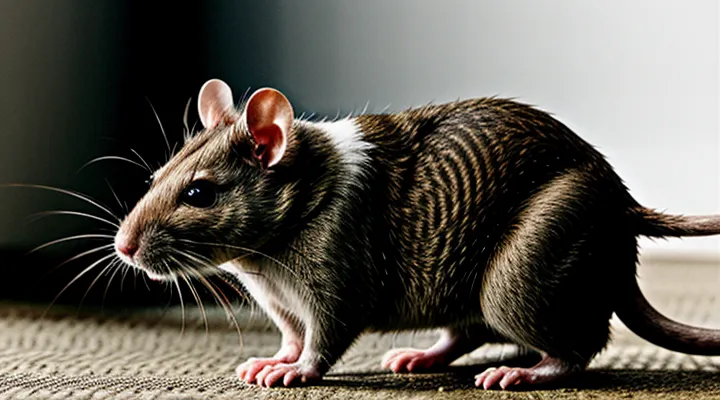
Understanding the Rat Lifespan
Average Lifespan of Domestic Rats
Domestic rats typically live between two and three years, with many individuals reaching the upper end of this range under optimal conditions. The median lifespan hovers around 2.5 years, while exceptional cases may extend to three and a half years.
Factors influencing longevity include genetic line, diet quality, housing environment, and veterinary care. High‑quality protein, regular health checks, and enrichment reduce stress and disease incidence, thereby extending life expectancy. Conversely, overcrowding, poor nutrition, and untreated infections accelerate mortality.
As rats approach their expected lifespan, physiological decline becomes evident. Common indicators of advanced age comprise reduced activity, weight loss, diminished grooming, and slower response to stimuli. These symptoms align with the period when the animal nears the average life expectancy, signaling the transition from normal aging to terminal decline.
Factors Influencing Longevity
Rats reach the end of their natural lifespan when a combination of genetic, environmental, and physiological elements align. Genetic makeup determines baseline potential longevity; certain strains possess inherently longer life expectancies due to slower metabolic rates and reduced susceptibility to age‑related diseases. Nutrition exerts a decisive influence: diets rich in balanced proteins, essential fatty acids, and antioxidants support cellular repair mechanisms, while chronic over‑feeding accelerates obesity‑linked organ stress. Housing conditions affect stress levels; environments that provide enrichment, stable temperature, and low noise reduce cortisol spikes, which otherwise impair immune function and hasten tissue degeneration. Exposure to pathogens and parasites shortens life by provoking chronic inflammation, whereas rigorous sanitation and preventive veterinary care mitigate these threats. Social dynamics also matter: stable group structures limit aggressive encounters, decreasing injury risk and stress‑induced hormonal imbalance. Finally, the presence of chronic illnesses such as renal failure, neoplasia, or respiratory infections directly curtails survival, often manifesting through weight loss, lethargy, and altered grooming behavior.
General Signs of Aging in Rats
Decreased Activity and Mobility
Decreased activity and mobility frequently signal that a rat is approaching the end of its natural lifespan. Owners often notice a marked reduction in the animal’s willingness to explore its environment, with the rodent spending most of its time in a single corner or nest box.
Typical manifestations include:
- Minimal movement beyond short stretches to food or water.
- Slower, unsteady gait; occasional stumbling.
- Reluctance to climb or navigate elevated platforms.
- Extended periods of rest, sometimes appearing lethargic even when disturbed.
Underlying factors involve progressive loss of muscle mass, joint degeneration, and diminished cardiovascular capacity. These physiological changes limit the rat’s ability to sustain prolonged activity or respond quickly to stimuli.
Management adjustments focus on maintaining comfort and accessibility:
- Place food, water, and bedding within easy reach on the cage floor.
- Eliminate obstacles such as high ramps or complex tunnels.
- Provide soft, supportive bedding to reduce pressure on joints.
- Monitor weight and hydration closely, intervening promptly if decline is observed.
Changes in Coat and Skin Condition
A rat approaching the end of its lifespan often exhibits noticeable alterations in its coat and skin. The fur becomes dull, loses its typical sheen, and may develop uneven patches. Skin that was previously supple can appear thin, wrinkled, or flaky, and the animal may show a tendency to scratch or bite at irritated areas.
- Dull, lackluster fur
- Patchy hair loss
- Thinning of the outer skin layer
- Increased dryness or scaling
- Visible wrinkles or sagging skin
These manifestations result from reduced circulation, hormonal shifts, and a decline in the body’s ability to maintain tissue integrity. Diminished blood flow limits nutrient delivery to hair follicles, causing loss of luster. Hormonal changes disrupt the normal hair growth cycle, leading to thinning and patchiness. The skin’s reduced elasticity makes it more prone to cracking and irritation, often prompting self‑induced grooming that further damages the coat. Recognizing these signs enables timely veterinary assessment and appropriate palliative care.
Weight Fluctuations and Appetite Changes
Weight loss or sudden gain in senior rats often signals physiological decline. A gradual decrease of 10‑15 % of body mass within weeks suggests reduced muscle tone and organ function. Conversely, intermittent edema can produce temporary weight spikes, reflecting fluid retention rather than healthy growth. Monitoring scale readings three times weekly provides reliable trend data, allowing early detection of critical changes.
Appetite reduction accompanies metabolic slowdown. Rats that consume less than half of their usual daily portion for several consecutive days exhibit weakened digestive efficiency. Conversely, sporadic binge eating of low‑quality food may indicate nausea or discomfort. Recording food intake each day, noting both quantity and preferred items, helps differentiate normal age‑related variation from terminal anorexia.
Sensory Decline
Rats approaching the end of their lifespan often exhibit a marked reduction in sensory capabilities. Diminished hearing manifests as a lack of response to sudden noises or soft squeaks that previously elicited startle reflexes. Vision loss appears as difficulty navigating familiar environments, frequent collisions with cage walls, and a reluctance to explore well‑lit areas. Olfactory decline is evident when the animal no longer investigates food or bedding with the usual vigor, ignoring scents that once prompted investigation. Tactile sensitivity wanes, leading to diminished reaction to gentle handling or texture changes in nesting material.
Observable indicators of sensory decline include:
- Failure to react to audible cues such as tapping on the cage lid.
- Frequent missteps or collisions while moving, even in familiar sections of the enclosure.
- Decreased interest in food aromas, resulting in slower or absent feeding behavior.
- Reduced grooming activity and lack of response to light touch on the fur or paws.
These manifestations reflect the progressive deterioration of neural pathways responsible for processing auditory, visual, olfactory, and tactile information. The cumulative effect compromises the rat’s ability to interact with its environment, signaling an advanced stage of aging that often precedes mortality.
Specific Indicators of End-of-Life in Elderly Rats
Respiratory Issues
Labored Breathing
Labored breathing, also described as dyspnea, frequently appears in geriatric rats whose respiratory muscles lose strength and lung elasticity declines. The effort required to inhale and exhale becomes visibly greater; the animal may pause between breaths, open its mouth, or display exaggerated chest movements.
Typical manifestations include:
- Irregular rhythm with prolonged inspiratory or expiratory phases.
- Audible wheezing or soft rasping sounds during each breath.
- Elevated respiratory rate that does not normalize with rest.
These patterns indicate that the cardiovascular and pulmonary systems are no longer able to sustain efficient gas exchange, often preceding imminent mortality in aged rodents. Monitoring breathing effort provides a reliable, non‑invasive metric for assessing the progression toward end‑of‑life conditions.
Congestion and Sneezing
Congestion and sneezing are common physiological changes observed in geriatric rodents. Nasal passages become less efficient at clearing mucus, leading to persistent nasal discharge. The discharge may appear clear, serous, or slightly thickened, and it often accumulates around the nostrils and whisker pads.
Sneezing frequency increases as the respiratory epithelium loses elasticity. Episodes may occur several times per hour, sometimes triggered by mild environmental disturbances such as temperature shifts or dust particles. In older rats, sneezing may be accompanied by audible wheezing, indicating reduced airway patency.
Key observations for caretakers:
- Nasal discharge that does not resolve within a few days.
- Sneezing bouts exceeding normal sporadic events.
- Audible wheezing or labored breathing during or after sneezing.
- Decreased activity and reluctance to explore, often coinciding with respiratory discomfort.
Distinguishing age‑related congestion from infectious causes requires careful assessment. Infectious rhinitis typically presents with fever, lethargy, and purulent discharge, whereas age‑related congestion lacks systemic signs and progresses slowly. Veterinary evaluation is advisable if discharge becomes purulent, if weight loss occurs, or if the rat exhibits signs of distress.
Management focuses on environmental control: maintaining low humidity, reducing dust, and providing warm, draft‑free housing. Saline nasal drops formulated for small mammals can alleviate mild congestion. Monitoring should continue daily to detect any escalation that warrants professional intervention.
Neurological Deterioration
Tremors and Seizures
Tremors and seizures frequently appear as late‑stage neurological signs in geriatric rats. Involuntary shaking of the limbs, whiskers, or facial muscles indicates degeneration of motor neurons and loss of muscular control. Seizure episodes manifest as sudden, generalized convulsions, loss of consciousness, and rigid body posture; they may last from seconds to several minutes and often recur without external provocation.
Distinguishing age‑related tremors and seizures from acute illnesses is essential. Infectious diseases, toxic exposure, and metabolic imbalances can produce similar symptoms, but they usually accompany additional systemic signs such as fever, diarrhea, or rapid weight loss. In contrast, age‑related manifestations occur in otherwise stable animals whose overall health has gradually declined.
Key observations for caretakers:
- Frequency: note how often tremors or seizures occur each day.
- Duration: record the length of each episode.
- Intensity: describe the severity of shaking or convulsive movements.
- Triggers: identify any environmental factors that precede episodes.
- Recovery: observe the animal’s behavior after the event, including disorientation or fatigue.
When tremors become persistent or seizures increase in frequency, provide a safe, padded area to prevent injury, minimize handling stress, and arrange immediate veterinary evaluation. Early professional assessment can confirm that the symptoms stem from advanced aging rather than treatable conditions, allowing appropriate end‑of‑life care decisions.
Disorientation and Balance Problems
Disorientation and balance problems frequently appear as late‑stage indicators of a rat’s declining health. The animal may wander aimlessly, repeatedly turn in circles, or pause in unfamiliar locations despite familiarity with the cage layout. Coordination deteriorates, leading to frequent stumbling, loss of footing on vertical surfaces, and an inability to climb or navigate tubes that were previously manageable.
Observable manifestations include:
- Erratic movement patterns, such as circling or hesitating before changing direction.
- Frequent falls or clinging to cage walls without successful ascent.
- Drooping head, tilting of the body, or uneven gait with dragging of hind limbs.
- Reduced response to stimuli that previously prompted swift, directed movement.
Underlying causes involve degeneration of the vestibular system, progressive loss of muscle tone, and age‑related neurological impairment. These changes compromise proprioceptive feedback, resulting in the animal’s inability to maintain equilibrium. Monitoring for the described behaviors provides reliable evidence that the rat is approaching the end of its lifespan.
Organ Failure Symptoms
Kidney Dysfunction Signs
Kidney dysfunction frequently appears in rats that are approaching the end of life due to advanced age. The condition manifests through observable physiological changes that signal severe organ decline.
- Decreased urine volume or complete anuria
- Excessive thirst and disproportionate water intake
- Presence of blood or protein in the urine, detectable by dip‑stick testing
- Swelling of the abdomen or limbs caused by fluid retention
- Marked lethargy and reduced responsiveness to stimuli
- Noticeable weight loss despite continued food consumption
- Elevated blood urea nitrogen and creatinine levels in laboratory analysis
These signs arise from the loss of glomerular filtration capacity, leading to accumulation of waste products and electrolyte imbalance. Fluid overload results from impaired renal excretion, while protein loss contributes to muscle wasting.
Veterinary evaluation, including blood chemistry and urinalysis, confirms renal failure and distinguishes it from other age‑related disorders. Prompt recognition of the listed indicators assists caretakers in providing appropriate end‑of‑life support.
Heart Problems
Rats approaching the end of their natural lifespan often exhibit cardiovascular decline that signals imminent mortality. Reduced cardiac output manifests as lethargy and diminished responsiveness to stimuli. Arrhythmic episodes become more frequent, observable as irregular heartbeats or sudden pauses during auscultation. Pulmonary edema may develop secondary to heart failure, producing audible crackles and visible fluid accumulation in the thoracic cavity. Blood pressure typically falls, leading to pale mucous membranes and prolonged capillary refill times.
Key cardiac indicators of senescence in rats include:
- Decreased heart rate variability, measured by electrocardiogram recordings.
- Persistent tachycardia or bradycardia unresponsive to normal activity levels.
- Elevated serum levels of cardiac biomarkers such as troponin and B-type natriuretic peptide.
- Presence of pericardial effusion detected through ultrasonography.
Recognition of these heart-related signs enables timely veterinary assessment and humane end‑of‑life care decisions.
Behavioral Changes
Increased Lethargy and Sleep
In older rats, a marked decline in activity often precedes mortality. The animal spends most of the day resting, shows little interest in food or enrichment, and moves only when absolutely necessary. Response to external stimuli diminishes, and the rat may appear disengaged from its environment.
Observable characteristics of heightened lethargy and extended sleep include:
- Continuous periods of immobility lasting several hours without interruption.
- Reduced exploration of familiar surroundings, even when presented with novel objects.
- Minimal reaction to gentle handling or auditory cues, indicating lowered arousal levels.
- Preference for low, sheltered positions, with the animal remaining in the same spot for prolonged durations.
These behavioral shifts reflect systemic decline and signal that the rat is approaching the final stage of its lifespan.
Reduced Social Interaction
Reduced social interaction often signals advanced age in rats. Elderly individuals withdraw from group activities, spending more time alone in secluded corners of the cage. This isolation manifests as a decline in communal grooming, a behavior that typically reinforces group cohesion in younger rodents.
Key observations include:
- Decreased participation in play or chase sequences, even when younger cage mates initiate interaction.
- Minimal response to vocalizations from conspecifics; auditory cues that once prompted approach may be ignored.
- Preference for solitary nesting sites, abandoning shared nests that were previously favored.
- Reduced scent‑marking and scent‑exchange behaviors, limiting chemical communication within the colony.
These changes reflect physiological and neurological deterioration associated with senescence. Diminished sensory acuity, weakened musculature, and impaired cognition contribute to the rat’s reduced motivation to engage socially. Monitoring these behavioral shifts provides reliable insight into the animal’s health trajectory.
Loss of Interest in Food and Water
Loss of appetite and reduced drinking are critical indicators that an elderly rat is approaching the end of life. As metabolic processes slow, the animal’s drive to seek food and water diminishes markedly. Sensory decline, dental wear, and organ dysfunction further suppress the desire to eat or drink.
Observable manifestations include:
- Ignoring food placed in the usual location
- Turning away from water bottles or droplets
- Noticeable weight loss over a short period
- Increased periods of inactivity and sleep
When these behaviors persist despite attempts to provide fresh, palatable nourishment, they signal that the rat’s physiological systems can no longer sustain normal intake. Monitoring food and water consumption therefore offers a reliable gauge of the animal’s health status in its final stage.
Incontinence
Incontinence frequently appears in senior rats as muscle tone declines and neural control weakens. The loss of bladder and bowel regulation signals that the animal’s physiological systems are no longer able to maintain normal function.
Key observations related to this condition include:
- Sudden or progressive leakage of urine or feces without provocation.
- Wetting of bedding that cannot be attributed to normal drinking habits.
- Reduced responsiveness to stimuli that previously prompted elimination in a designated area.
- Diminished grooming behavior, often resulting in soiled fur around the perineal region.
«Incontinence is a common late‑stage symptom in geriatric rodents», indicating that the nervous system’s capacity to coordinate sphincter activity has deteriorated. Persistent moisture in the cage may lead to secondary skin irritation, increasing the risk of infection and further compromising the animal’s health. Monitoring for these signs enables timely veterinary assessment and humane decision‑making.
Providing Comfort for an Aging Rat
Environmental Adjustments
When a rat approaches the end of its natural lifespan, environmental conditions play a decisive role in comfort and dignity. Adjustments should focus on temperature regulation, bedding softness, and reduced stressors.
• Maintain ambient temperature between 68 °F and 75 °F (20 °C–24 °C). Avoid drafts and sudden fluctuations that can exacerbate frailty.
• Provide a deep layer of soft, low‑dust bedding such as shredded paper or fleece. Replace soiled material promptly to prevent infection.
• Reduce ambient noise and limit handling. Excessive stimulation may accelerate fatigue and disorientation.
• Ensure easy access to fresh water through a low‑profile bottle or shallow dish, minimizing the effort required to drink.
• Offer readily consumable, high‑quality food in a shallow dish; consider wet mash or softened pellets to accommodate reduced chewing ability.
Lighting should be dimmed to a natural cycle, with a consistent dark period of at least twelve hours to support circadian rhythm. Enclosures must be spacious enough for gentle movement but free of obstacles that could cause falls. Regular monitoring of temperature, humidity, and cleanliness helps prevent secondary complications, allowing the animal to age with minimal distress.
Dietary Considerations
When a rat approaches the final stage of life, nutritional intake often declines, and the remaining diet must support weakened organs while minimizing stress. Energy density should increase to compensate for reduced appetite, yet the food must remain easily digestible to avoid gastrointestinal overload.
Key adjustments include:
- Providing soft, moist pellets or soaked kibble to facilitate chewing and swallowing.
- Adding a small amount of high‑quality, low‑fat protein such as cooked egg white or plain boiled chicken, offered in bite‑size portions.
- Incorporating limited amounts of easily metabolizable carbohydrates, for example, a teaspoon of plain oatmeal or rice, to sustain glucose levels without excess fiber.
- Supplying fresh water at all times, preferably warmed slightly to encourage consumption.
- Avoiding foods high in sodium, spices, or strong aromas that could irritate the nasal passages or overwhelm a sensitive palate.
Monitoring weight and hydration daily informs whether the diet meets the rat’s diminishing needs. Adjust portions promptly if the animal loses weight faster than expected, and consult a veterinarian specializing in small‑animal geriatric care for tailored supplementation. «Ensuring that the diet remains palatable and nutritionally adequate can alleviate discomfort during the animal’s final weeks».
Pain Management
When a rat reaches the terminal phase of senescence, unmanaged pain can accelerate physiological decline and diminish quality of life. Prompt assessment and intervention are essential for humane care.
Observable indicators of discomfort include reduced mobility, hunched posture, vocalization when handled, decreased grooming, and reluctance to eat or drink. These signs often accompany other age‑related changes such as weight loss and lethargy.
Effective analgesic strategies comprise:
- Non‑steroidal anti‑inflammatory drugs (e.g., meloxicam) administered at 0.2 mg/kg subcutaneously once daily; monitor for gastrointestinal irritation.
- Opioid analgesics (e.g., buprenorphine) given at 0.05 mg/kg subcutaneously every 8–12 hours; adjust dosage based on sedation level and respiratory rate.
- Adjunctive agents such as gabapentin (10 mg/kg orally every 12 hours) for neuropathic pain; observe for ataxia.
Continuous observation of pain scores, food intake, and activity levels guides dosage modifications. Record any adverse reactions promptly and consult a veterinarian for escalation if analgesia proves insufficient.
If pain persists despite optimal medical management, humane euthanasia should be considered to prevent unnecessary suffering. The decision aligns with ethical standards for end‑of‑life care in small mammals.
Veterinary Consultation
When an aging rat exhibits physiological changes that suggest imminent death, a professional veterinary assessment becomes critical. Early identification of these indicators allows the practitioner to provide appropriate palliative care, pain relief, and guidance for humane end‑of‑life decisions.
Typical clinical observations include:
- Profound weight loss despite continued feeding attempts.
- Diminished activity, prolonged periods of immobility, and reluctance to move.
- Labored breathing, irregular respiratory rhythm, or audible wheezing.
- Noticeable deterioration of coat condition, including roughness and loss of sheen.
- Reduced grooming behavior, resulting in soiled or matted fur.
- Persistent diarrhea or severe constipation unresponsive to standard treatment.
- Unexplained bleeding from the mouth, nose, or rectum.
- Marked decline in appetite, with refusal to consume even favorite foods.
During the consultation, the veterinarian conducts a thorough physical examination, records vital signs, and may request diagnostic tests such as blood work or radiographs to differentiate age‑related decline from treatable disease. Pain assessment guides the selection of analgesics and supportive fluids. The professional also discusses prognosis openly, outlines options for humane euthanasia, and provides written instructions for at‑home care.
Owners should monitor the rat closely, document changes, and maintain a calm environment to reduce stress. Prompt communication with the veterinary clinic when any listed signs appear ensures timely intervention and reduces unnecessary suffering.
Deciding on Euthanasia
Recognizing Quality of Life Decline
Rats approaching the end of their lifespan exhibit a measurable reduction in overall well‑being. Observable indicators provide reliable information about this decline.
- Decreased mobility: reluctance to explore, slower movement, difficulty climbing.
- Noticeable weight loss: visible reduction of body mass despite unchanged food availability.
- Dull or patchy coat: loss of sheen, increased matting, and reduced grooming activity.
- Diminished appetite: reduced food intake, occasional refusal of preferred foods.
- Social withdrawal: avoidance of cage mates, reduced vocalizations, limited interaction.
- Altered sleep patterns: prolonged inactivity, frequent periods of lethargy.
- Increased susceptibility to illness: recurring infections, delayed wound healing, frequent respiratory symptoms.
Each factor reflects a lower quality of life and signals that the animal is nearing the final stage of aging. Continuous monitoring of these parameters enables timely decisions regarding palliative care and humane end‑of‑life management.
Ethical Considerations
Recognizing that a pet rodent is approaching natural senescence imposes a responsibility to act in accordance with established ethical standards. The caretaker must evaluate the animal’s comfort, the necessity of medical intervention, and the potential impact of any action on the animal’s welfare.
- Provide a living environment that minimizes stress and supports basic needs until death occurs naturally.
- Avoid unnecessary procedures that could prolong suffering; pain relief should be administered when signs of discomfort emerge.
- Consult veterinary professionals to determine whether humane euthanasia is appropriate, based on objective health indicators rather than emotional attachment.
- Observe legal regulations governing the treatment of laboratory or domestic rodents, ensuring compliance with animal welfare legislation.
- Document observations and decisions transparently to facilitate ethical review in research settings and to inform future care guidelines.
Ethical decision‑making requires balancing respect for the animal’s intrinsic value with the caretaker’s duty to prevent avoidable distress. Each action should be justified by measurable criteria that prioritize the rodent’s quality of life.
The Euthanasia Process
When a rodent reaches the final stage of life, observable decline signals that humane termination may be necessary. Loss of mobility, severe weight loss, persistent respiratory distress, and unresponsiveness to stimulation are primary indicators that the animal is no longer maintaining basic physiological functions.
Veterinary assessment confirms whether the condition meets ethical criteria for euthanasia. The professional evaluates pain levels, organ failure, and overall quality of life, then advises the caretaker on the appropriate course of action.
Preparation for the procedure includes:
- Securing a quiet, temperature‑controlled environment to reduce stress.
- Assembling required equipment: syringe, sterile needles, and the chosen euthanasia agent.
- Ensuring the presence of an experienced handler to restrain the animal gently.
- Reviewing dosage calculations based on the rat’s weight and health status.
Administration involves injecting a barbiturate‑based solution intravenously or intraperitoneally, depending on size and condition. The drug induces rapid loss of consciousness followed by cardiac arrest, eliminating suffering. Continuous observation verifies that respiration ceases within the expected timeframe; any deviation prompts immediate veterinary intervention.
After completion, the body should be handled respectfully. Options include burial in a designated pet cemetery, cremation, or disposal according to local regulations. Cleaning and disinfecting all equipment prevents cross‑contamination and maintains laboratory or household hygiene standards.