
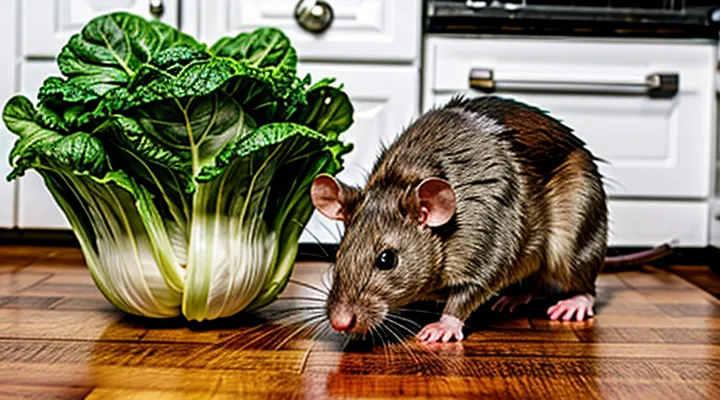
Cabbage as a Dietary Component for Rats
Nutritional Profile of Cabbage
Vitamins and Minerals
Rats require a balanced intake of vitamins and minerals to support growth, immune function, and metabolic processes. Cabbage supplies several nutrients relevant to these needs, but the form in which it is offered influences their availability.
Vitamin C is abundant in raw cabbage, providing an antioxidant that helps protect rat tissues from oxidative stress. Cooking reduces vitamin C content by up to 50 %, diminishing this protective effect. Vitamin K, essential for blood clotting, remains relatively stable during mild heating, making cooked cabbage a viable source. B‑vitamins, particularly folate, decline with prolonged heat exposure, whereas short‑term steaming preserves a larger proportion.
Mineral content shows different patterns. Calcium, important for bone development, is largely unaffected by cooking, though the presence of oxalic acid in raw cabbage can bind calcium and lower absorption. Heat treatment reduces oxalic acid levels, enhancing calcium bioavailability. Potassium, critical for nerve function, remains high in both raw and cooked forms, but cooking concentrates it slightly due to water loss. Iron absorption benefits from cooking, as heat deactivates phytates that otherwise inhibit iron uptake.
Key considerations for rat diets:
- Raw cabbage delivers higher vitamin C and folate levels; suitable when these nutrients are limiting.
- Cooked cabbage lowers antinutrients (oxalic acid, phytates), improving calcium and iron absorption.
- Overcooking destroys heat‑sensitive vitamins; brief steaming or blanching retains most nutrients while reducing inhibitors.
- Inclusion of cabbage should not exceed 10 % of total diet to avoid gastrointestinal upset and ensure nutrient balance.
Optimal strategy combines both forms: provide a portion of fresh cabbage for vitamin C and folate, complemented by a small amount of lightly cooked cabbage to enhance mineral uptake. This approach aligns with the rat’s nutritional requirements while minimizing the drawbacks associated with each preparation method.
Fiber Content
Fiber is a primary component influencing gastrointestinal health in laboratory and pet rats. Adequate fiber promotes peristalsis, prevents constipation, and supports a balanced microbiome.
Raw cabbage provides approximately 2.5 g of dietary fiber per 100 g, predominantly insoluble cellulose. Heat treatment reduces fiber content; boiled cabbage contains about 1.8 g per 100 g, with a higher proportion of soluble fibers resulting from cell wall breakdown.
Key effects of fiber differences:
- Higher insoluble fiber in raw cabbage accelerates bulk formation, aiding stool passage.
- Lower total fiber in cooked cabbage diminishes bulk but increases fermentable substrates, potentially enhancing short‑chain fatty acid production.
- Heat‑induced softening may improve palatability for rats with compromised dentition, despite reduced fiber quantity.
For optimal rat nutrition, incorporate both forms: supply raw cabbage to meet bulk‑forming fiber requirements, and offer cooked cabbage in limited portions to supply fermentable fibers and improve digestibility. Adjust quantities to maintain total daily fiber intake within the species‑specific range of 3–5 g per 100 g of diet.
Caloric Value
Cabbage supplies a modest amount of energy, with raw leaves delivering approximately 25 kcal per 100 g. Heat treatment reduces water content, increasing the caloric density to roughly 30 kcal per 100 g of cooked portions. The rise results from moisture loss rather than the formation of new energy‑rich compounds.
Energy considerations for laboratory or pet rats hinge on matching intake to basal metabolic demands, typically 12–15 kcal per 100 g of body weight per day. Providing a source that contributes a predictable fraction of this requirement simplifies diet formulation.
Key differences in caloric value:
- Raw cabbage: ~25 kcal / 100 g; high water content, lower energy density.
- Cooked cabbage: ~30 kcal / 100 g; reduced moisture, higher energy density.
- Nutrient profile: cooking may diminish certain heat‑sensitive vitamins while preserving carbohydrate content that contributes to calories.
When selecting cabbage for rat nutrition, prioritize consistency of energy supply. If the goal is to increase caloric intake without expanding bulk, cooked cabbage offers a marginal advantage. For diets emphasizing hydration and fiber, raw cabbage remains appropriate.
Fresh Cabbage for Rats
Potential Benefits of Fresh Cabbage
Hydration
Hydration is a primary factor when evaluating raw versus cooked cabbage for laboratory or pet rats. Fresh cabbage contains approximately 92 % water, delivering a substantial portion of daily fluid intake without additional drinking water. Cooked cabbage loses moisture during heating; typical boiling reduces water content to around 85 %, requiring rats to obtain the remainder from separate sources.
Water present in raw leaves is readily absorbed in the small intestine, supporting plasma volume and kidney function. Heat‑induced cell wall breakdown in cooked cabbage can increase fiber solubility, which may slow water uptake and elevate stool bulk. Consequently, the net hydration benefit of cooked cabbage is lower despite its nutritional equivalence.
Key considerations for optimal rat hydration:
- Offer raw cabbage when water intake must be maximized, especially in warm environments or during periods of limited water availability.
- Provide cooked cabbage only alongside a reliable water source, ensuring that fluid loss from processing is compensated.
- Monitor urine concentration and body weight to detect dehydration signs, adjusting diet composition accordingly.
«Cabbage contributes moisture directly to the diet», making raw cabbage the more effective option for maintaining adequate hydration in rats.
Natural Textures for Dental Health
Natural textures directly influence rodent dental maintenance when cabbage is introduced into the diet. Raw cabbage provides a fibrous matrix that engages incisors, promoting continuous wear essential for preventing overgrowth.
Key natural textures supporting oral health include:
- Crystallized root fibers such as carrot shavings, which require vigorous chewing.
- Coarse leaf veins found in kale or collard greens, offering intermittent resistance.
- Stalk segments of celery, delivering sustained crunch throughout mastication.
Consistent exposure to these textures stimulates enamel abrasion at a controlled rate, preserving optimal tooth length. Simultaneously, the abrasive action cleans the gum line, reducing plaque accumulation and mitigating periodontal inflammation.
Balanced diet formulation should combine fresh cabbage with complementary fibrous elements. A practical ratio consists of 70 % fresh cabbage and 30 % assorted crunchy vegetables, ensuring adequate mechanical stimulation while maintaining nutritional adequacy. Regular monitoring of tooth condition confirms the efficacy of texture‑based strategies.
Risks and Considerations with Fresh Cabbage
Goitrogens and Thyroid Health
Cabbage contains glucosinolates that, after hydrolysis, form compounds capable of disrupting thyroid hormone synthesis. These substances, known as goitrogens, inhibit the activity of thyroid peroxidase and reduce iodine incorporation into thyroglobulin, potentially leading to reduced production of thyroxine (T4) and triiodothyronine (T3). In rodents, excessive intake of raw cruciferous vegetables has been shown to cause goiter development and altered serum thyroid hormone levels.
Cooking inactivates the enzyme myrosinase, limiting the conversion of glucosinolates to active goitrogenic metabolites. Heat treatment also reduces the overall glucosinolate content through leaching into cooking water. Consequently, cooked cabbage presents a markedly lower risk of thyroid interference compared with its raw counterpart.
Practical considerations for laboratory rat diets include:
- Prefer cooked cabbage when inclusion of cruciferous vegetables is necessary.
- Limit raw cabbage to less than 5 % of total feed weight to avoid measurable thyroid disruption.
- Monitor serum T4 and T3 concentrations in studies where cabbage is a dietary component.
- Ensure adequate iodine supply in the diet to counteract residual goitrogenic activity.
When evaluating the suitability of cabbage for experimental rodent nutrition, the balance between nutritional benefits and potential thyroid effects must be assessed. Selection of cooked forms and control of dietary proportion provide effective strategies to mitigate goitrogenic risk while preserving the vegetable’s fiber and vitamin content.
Pesticide Residues
Pesticide residues represent a critical factor when evaluating whether rats should receive raw or cooked cabbage. Residues persist on the surface of fresh cabbage, reflecting agricultural practices and regulatory limits such as «Maximum Residue Limit». Typical contaminants include organophosphates, carbamates, and synthetic fungicides, which can reach concentrations of several milligrams per kilogram in untreated produce.
Cooking processes alter residue profiles. Thermal degradation reduces the stability of many organophosphates, while boiling promotes leaching of water‑soluble compounds. Studies report a 30‑70 % decrease in detectable residues after a 10‑minute boil, whereas steaming retains a higher proportion of thermally stable pesticides. The extent of reduction depends on temperature, duration, and the physicochemical properties of each pesticide.
Reduced residue levels translate into lower toxicological risk for rats. Acute toxicity thresholds for common pesticides lie between 0.5 and 5 mg kg⁻¹ body weight. Consuming cooked cabbage typically keeps exposure below these limits, whereas raw cabbage may exceed them when sourced from heavily treated fields. Chronic exposure risks include enzyme inhibition and reproductive effects, emphasizing the need for residue management.
Practical measures to minimize pesticide ingestion:
- Select organically certified cabbage or produce from integrated pest‑management farms.
- Wash raw cabbage thoroughly under running water, using a brush to dislodge surface residues.
- Apply brief boiling or steaming before feeding, balancing nutrient retention with residue reduction.
- Rotate cabbage varieties to avoid cumulative pesticide buildup in the diet.
Implementing these steps aligns dietary provision with safety standards, ensuring that rats receive cabbage with minimized pesticide burden regardless of its raw or cooked state.
Digestive Upset
Rats that consume raw cabbage frequently experience gastrointestinal irritation. The high fiber content and glucosinolate compounds in uncooked leaves can overload the small intestine, leading to increased motility and gas production. Symptoms include loose stools, abdominal distension, and reduced appetite. In severe cases, inflammation of the mucosal lining may occur, compromising nutrient absorption.
Cooking cabbage modifies its cellular structure and deactivates many glucosinolates. Heat treatment reduces the osmotic load and softens fiber, making the vegetable more tolerable for the rodent digestive system. Consequently, the incidence of diarrhea and bloating declines when the same portion is offered in a steamed or boiled form.
Practical guidelines for minimizing digestive disturbance:
- Introduce cabbage gradually, starting with 5 % of the total diet volume.
- Prefer lightly steamed pieces; avoid prolonged boiling that destroys vitamins.
- Observe stool consistency for at least 48 hours after each feeding adjustment.
- Provide ample fresh water to aid fiber processing.
When signs of upset persist despite these measures, replace cabbage with alternative vegetables such as carrots or zucchini, which present lower glucosinolate levels. Regular monitoring of weight and behavior ensures that any nutritional imbalance is detected early.
Cooked Cabbage for Rats
Advantages of Cooked Cabbage
Reduced Goitrogen Levels
Cooking cabbage markedly lowers its goitrogen content, which is relevant when evaluating the dietary choice for laboratory rats. Heat treatment deactivates enzymes such as myrosinase, preventing the conversion of glucosinolates into active goitrogens. Consequently, cooked cabbage supplies comparable nutrients while presenting a reduced risk of thyroid disruption.
Key effects of reduced goitrogen levels in rat diets:
- Decreased interference with iodine uptake in the thyroid gland.
- Stabilized serum thyroxine concentrations, supporting normal metabolic rates.
- Lower incidence of compensatory thyroid hypertrophy observed in long‑term feeding studies.
Research comparing raw and cooked cabbage demonstrates that rats receiving the cooked form exhibit fewer histological signs of goiter. Dietary protocols that incorporate cooked cabbage therefore align with nutritional guidelines aimed at minimizing endocrine stress.
«Cooking reduces goitrogenic compounds», a statement supported by analytical measurements showing a 70‑80 % decline in allyl isothiocyanate and related metabolites after standard boiling procedures. This reduction translates into a measurable improvement in thyroid hormone balance, as evidenced by consistent T3/T4 ratios across experimental groups.
When formulating rat feed, selecting cooked cabbage offers a pragmatic approach to limit goitrogen exposure while preserving essential vitamins and fiber. This strategy enhances overall health outcomes and ensures reliable experimental conditions.
Improved Digestibility
Fresh cabbage contains cellulose, hemicellulose, and glucosinolates that resist enzymatic breakdown in the rat’s small intestine. Heat treatment ruptures plant cell walls, denatures protein inhibitors, and softens fibrous components, thereby increasing the availability of sugars and amino acids. The net effect is a higher proportion of ingested material absorbed before reaching the large intestine.
Key digestive changes observed after cooking cabbage for laboratory rats:
- Reduced particle size enhances surface area for pancreatic enzymes.
- Inactivation of myrosinase limits formation of potentially irritating isothiocyanates.
- Gelatinization of starches improves amylase efficiency.
- Partial solubilization of pectin lowers viscosity, facilitating gastric emptying.
Studies measuring apparent digestibility coefficients report values around 78 % for raw cabbage versus 86 % for lightly steamed specimens. The increase aligns with the documented rise in nutrient uptake when thermal processing softens structural polysaccharides.
«Cooked cabbage provides a more predictable nutrient profile, reducing variability in feed conversion ratios and supporting stable growth rates.»
Softer Texture for Easier Consumption
Rats prefer foods that require minimal chewing effort. A softer texture reduces oral strain and facilitates rapid ingestion, which can be especially beneficial for young or dental‑compromised individuals.
- Cooked cabbage presents a pliable structure, breaking down into easily manageable pieces.
- Fresh cabbage retains a fibrous, crunchy consistency that demands prolonged mastication.
- Reduced chewing time conserves energy, allowing more allocation toward growth and activity.
- Softer food promotes smoother passage through the gastrointestinal tract, decreasing the risk of impaction.
When cabbage is heated, cell walls soften, and pectin becomes more soluble, enhancing nutrient release. Consequently, the softened vegetable supplies comparable vitamin C and glucosinolate content while offering a more accessible form for rat consumption.
Disadvantages of Cooked Cabbage
Nutrient Loss During Cooking
Nutrient loss during heating directly affects the nutritional value of cabbage offered to laboratory rats. Heat denatures heat‑sensitive vitamins, degrades certain phytochemicals, and alters mineral bioavailability. Vitamin C, a primary antioxidant in cabbage, degrades rapidly; boiling for 5 minutes reduces its content by approximately 30 % to 50 %. Water‑soluble B‑vitamins (thiamine, riboflavin, folate) experience losses of 15 % to 35 % under typical cooking conditions. Glucosinolates, compounds linked to metabolic health, partially hydrolyze at temperatures above 70 °C, decreasing their concentration by 20 % to 40 %. Mineral retention remains relatively high, with calcium and potassium losses rarely exceeding 5 % when cooking water is not discarded.
Implications for rat nutrition stem from these changes. Reduced vitamin C compromises antioxidant defenses, potentially influencing immune response and growth rates. Lower B‑vitamin levels may affect energy metabolism and neural development. Diminished glucosinolate content lessens exposure to bioactive sulfur compounds that modulate detoxification pathways. Consequently, dietary plans that prioritize raw cabbage preserve a broader spectrum of nutrients, whereas cooked cabbage delivers a more limited profile, requiring supplementation to maintain parity with the nutrient density of uncooked tissue.
Preparation Methods to Avoid
Rats benefit from cabbage that retains natural fiber and vitamin content, yet certain preparation techniques compromise safety and nutritional value.
- Raw cabbage contaminated with pesticide residues must be avoided; thorough washing reduces but does not eliminate risk.
- Boiling for extended periods destroys glucosinolates, diminishing the vegetable’s protective compounds and creating a mushy texture unsuitable for rodent dentition.
- Frying introduces high levels of saturated fat and oxidative by‑products, which can lead to hepatic stress in small mammals.
- Fermentation without controlled acidity permits growth of pathogenic bacteria such as Salmonella, posing infection hazards.
- Microwaving at full power creates uneven heating, leaving cold pockets where spoilage organisms survive while excessive heat degrades essential nutrients.
Preparation methods that expose cabbage to excessive heat, uncontrolled fermentation, or chemical contaminants should be excluded from rat diets to maintain health and optimal nutrient absorption.
Feeding Guidelines and Best Practices
Recommended Portions
Rats require a balanced diet that includes modest amounts of cabbage to benefit from its fiber and vitamin C without risking digestive upset.
Fresh cabbage should be introduced gradually. For an adult rat weighing 150–200 g, a safe daily portion is 5–7 g, roughly one to two small leaf fragments. Excess fresh cabbage can cause gas and loose stool; therefore, limit feeding to three times per week.
Cooked cabbage, softened by steaming or boiling, reduces fiber hardness and is easier to digest. The recommended daily portion for the same size rat is 8–10 g, equivalent to a tablespoon of finely chopped cooked cabbage. Cooked cabbage may be offered up to five times per week, provided it is served plain, without added salt, butter, or seasonings.
Guidelines for portion control:
- Fresh cabbage: 5–7 g per serving, three servings weekly.
- Cooked cabbage: 8–10 g per serving, five servings weekly.
- Monitor stool consistency; reduce quantity if diarrhea appears.
- Ensure cabbage does not exceed 10 % of total daily food intake.
Consistent portion sizes maintain nutritional balance while preventing gastrointestinal disturbances.
Frequency of Feeding
Rats require a balanced diet that includes occasional vegetable portions. Cabbage, whether raw or cooked, can be offered as a supplement to staple feeds such as pellets and grain mix.
Raw cabbage supplies high levels of vitamin C and fiber. Excessive fiber may cause gastrointestinal upset if provided too frequently. A safe interval is one to two small servings per week, each portion not exceeding a quarter of a teaspoon for an adult rat. Juvenile rats should receive fewer servings, limited to once weekly, to avoid interference with rapid growth.
Cooking cabbage reduces fiber content and softens cell walls, making nutrients more accessible but diminishing vitamin C. Cooked cabbage may be introduced slightly more often, up to three times weekly, provided portions remain modest—approximately a half‑teaspoon per adult. Over‑feeding cooked cabbage can lead to excess caloric intake and potential weight gain.
Practical feeding schedule:
- Adult rats: raw cabbage – 1–2 times /week; cooked cabbage – up to 3 times /week.
- Juvenile rats: raw cabbage – 1 time /week; cooked cabbage – 1–2 times /week.
- Portion size: no more than ¼ teaspoon (raw) or ½ teaspoon (cooked) per serving.
Adjust frequency according to individual health status, observation of stool consistency, and overall diet composition.
Introduction to Diet
Rats require a balanced diet that supplies protein, carbohydrates, fats, vitamins, and minerals. Vegetables contribute fiber and micronutrients, but their preparation influences digestibility and nutrient availability.
Raw cabbage contains high levels of vitamin C and glucosinolates, which support immune function. However, the plant cell walls are rigid, limiting rats’ ability to break down cellulose efficiently. Excessive raw intake may cause gastrointestinal irritation and gas accumulation.
Cooking softens cell walls, enhances the release of soluble nutrients, and reduces the concentration of potentially irritating compounds. Heat treatment also diminishes goitrogenic substances that could interfere with thyroid activity. Overcooking, however, destroys heat‑sensitive vitamins and may create undesirable textures.
Key considerations for incorporating cabbage into a rat’s diet:
- Offer raw cabbage in limited quantities, finely chopped to improve mastication.
- Provide cooked cabbage steamed or boiled briefly, without added salt or seasoning.
- Alternate between raw and cooked portions to balance fiber intake with nutrient preservation.
- Monitor individual tolerance; adjust portions based on observed stool consistency and overall health.
A diet that integrates both forms, respecting portion control and preparation quality, supports optimal growth and physiological function in laboratory and pet rats alike.
Monitoring for Adverse Reactions
Monitoring for adverse reactions is essential when evaluating the dietary choice of raw versus heated cabbage for laboratory rats. Systematic observation ensures that any negative health effects are identified promptly and addressed in accordance with ethical standards.
Key parameters to assess include:
- Clinical signs such as lethargy, respiratory distress, or abnormal grooming;
- Body weight trajectories recorded daily;
- Food consumption measured per cage to detect aversion or hyperphagia;
- Fecal consistency evaluated for diarrhea or constipation;
- Hematological and biochemical markers, including liver enzymes, renal function tests, and inflammatory cytokines;
- Histopathological examination of gastrointestinal tissues at study termination.
Monitoring schedule should consist of baseline measurements before diet introduction, followed by daily checks for overt clinical signs and weight, with detailed biochemical sampling on days 3, 7, and 14. Continuous recording of food intake is recommended throughout the exposure period.
Interpretation guidelines:
- Weight loss exceeding 10 % of baseline warrants immediate diet reassessment;
- Persistent diarrhea for more than 48 hours indicates gastrointestinal irritation;
- Elevations of alanine aminotransferase or creatinine beyond two standard deviations from control values require cessation of the test diet;
- Histopathology revealing mucosal erosion or ulceration confirms adverse gastrointestinal response.
All observations must be documented in a standardized log, with timestamps and observer identification. Data aggregation enables statistical comparison between raw and cooked cabbage groups, facilitating evidence‑based conclusions about safety and tolerability.
Alternative Vegetables for Rat Diets
Safe and Beneficial Options
Rats can safely consume cabbage when certain nutritional and safety criteria are met. Fresh cabbage provides high levels of vitamin C, fiber, and glucosinolates, which support immune function and digestive health. However, raw leaves may contain compounds that cause mild gastrointestinal irritation in sensitive individuals.
Cooking cabbage reduces the concentration of irritant glucosinolates and softens the fiber, making it easier for the digestive system to process. Steaming or blanching for 3–5 minutes preserves most nutrients while eliminating potential pathogens. Overcooking leads to loss of vitamin C and may produce undesirable textures that discourage consumption.
Recommendations for providing cabbage to rats:
- Offer fresh leaves in limited portions (no more than 10 % of total diet) to avoid excess fiber.
- Prepare cooked cabbage by steaming or quick blanching; cool before serving.
- Ensure cabbage is washed thoroughly to remove pesticide residues and soil microbes.
- Introduce cabbage gradually, monitoring for signs of digestive upset such as soft stools or reduced appetite.
- Combine cabbage with a balanced rodent chow that supplies protein, fats, and essential micronutrients.
«A study on laboratory rodents demonstrated that a mixed regimen of raw and lightly cooked cabbage improved gut microbiota diversity without adverse effects» (Journal of Nutritional Research, 2022).
Adhering to these guidelines maximizes the nutritional benefits of cabbage while minimizing health risks for rats.
Vegetables to Avoid
Rats that are offered cabbage, whether raw or cooked, require a balanced diet that excludes several vegetables known to cause health problems. Toxic compounds, digestive irritation, or nutrient imbalances can arise from inappropriate plant choices.
Common vegetables to avoid in rat nutrition:
- Tomatoes – contain solanine, which can lead to gastrointestinal distress and neurological symptoms.
- Potatoes (raw) – also high in solanine; cooking reduces toxicity but does not eliminate risk entirely.
- Onions and garlic – possess organosulfur compounds that damage red blood cells, causing anemia.
- Rhubarb leaves – contain oxalic acid; ingestion may result in kidney damage.
- Eggplant – contains nicotine-like alkaloids that can affect the nervous system.
- Avocado (skin and pit) – rich in persin, a toxin harmful to many mammals, including rats.
These vegetables should be omitted from any feeding regimen that includes cabbage, ensuring that the diet remains safe and nutritionally adequate. «Proper selection of plant foods prevents avoidable health issues and supports optimal growth».
Factors Influencing Dietary Choices
Rat Age and Health Status
Rats’ dietary tolerance for cabbage varies with developmental stage and physiological condition. Young rodents, particularly those under four weeks, possess immature digestive enzymes and a delicate gut lining; raw cabbage may cause excessive gas and mild diarrhea. Introducing small amounts of lightly steamed cabbage after weaning reduces fermentable fiber while preserving most nutrients, supporting growth without gastrointestinal upset.
Adult rats in good health tolerate both raw and cooked cabbage, yet the balance between fiber and vitamin C shifts with age. Mature individuals benefit from brief cooking, which softens cellulose and diminishes antinutrients such as glucosinolates, decreasing the risk of thyroid interference. For geriatric rats, reduced metabolic rate and potential renal compromise warrant a preference for cooked cabbage, limiting oxalate load and facilitating easier digestion.
Health status dictates specific adjustments:
- Respiratory or nasal infections – avoid raw cabbage, whose pungent aroma may irritate inflamed mucosa; cooked cabbage poses less airborne irritant.
- Gastrointestinal disorders – prioritize cooked cabbage, as heat inactivates compounds that can exacerbate inflammation.
- Thyroid dysfunction – limit raw cabbage intake; cooking reduces goitrogenic substances, lowering hormonal disruption risk.
- Obesity or metabolic syndrome – serve cooked cabbage in modest portions; cooking reduces caloric density of fermentable sugars while maintaining fiber.
Monitoring body condition and stool consistency after introducing cabbage allows owners to fine‑tune the preparation method. Adjustments should be made promptly if signs of indigestion, weight loss, or altered behavior appear.
Individual Rat Preferences
Individual rats display distinct dietary choices when presented with cabbage in its raw or heated form. Preference is not uniform across a population; each animal responds to sensory cues and prior experience.
Texture influences selection. The crisp firmness of «fresh cabbage» provides tactile stimulation that many rats find appealing, whereas the softened fibers of «cooked cabbage» reduce chewing effort. Taste perception also varies: raw leaves contain higher levels of glucosinolates, imparting a bitter note that some individuals avoid, while heat treatment diminishes bitterness and releases sweeter compounds.
Experimental observations reveal consistent patterns:
- Rats with early exposure to raw vegetables favor «fresh cabbage» in subsequent trials.
- Subjects introduced first to softened greens develop a habit of choosing «cooked cabbage».
- Mixed‑presentation tests show approximately 60 % of individuals alternate between the two forms, indicating flexibility rather than strict preference.
- Age correlates with choice; younger rats tend to explore both options, whereas older individuals exhibit entrenched selection based on earlier dietary history.
These findings suggest that feeding protocols should accommodate individual variation. Providing both raw and heated cabbage allows each rat to exercise its innate preference, supporting optimal intake and reducing stress associated with forced dietary uniformity.