
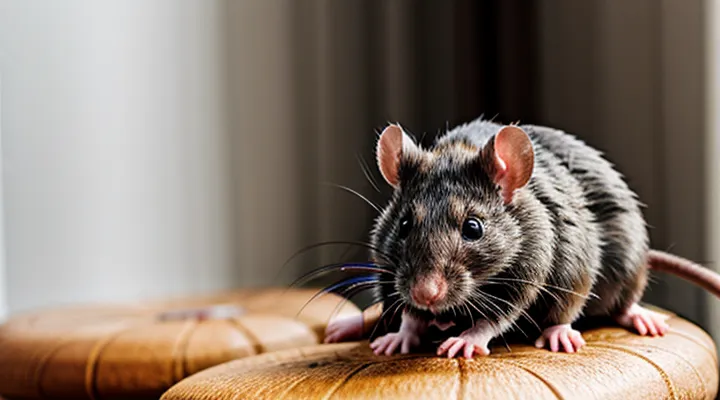
«Understanding Rat Nails: Anatomy and Function»
Rats possess keratinized claws attached to the distal phalanges of each digit. The nail consists of a hard outer sheath, a softer inner matrix that generates new growth, and a quick—vascular tissue that supplies nutrients. Growth occurs continuously from the matrix, causing the nail to extend beyond the fingertip unless wear or trimming removes excess length.
Functionally, claws enable rodents to climb, dig, and manipulate objects. The pointed tip concentrates force, allowing penetration of substrates such as wood, plastic, or fabric. The quick provides sensory feedback and maintains nail health; damage to this area can cause bleeding and infection. Regular wear in a natural environment typically keeps nails at functional length, but captive rats may experience reduced abrasion, leading to overgrowth.
Key anatomical features:
- Sheath: protects the underlying structures, resists wear.
- Matrix: site of cell division, determines growth rate.
- Quick: blood supply, sensitive to pain, essential for healing.
Overgrown nails can impair locomotion, cause self‑injury, and damage cage furnishings. Monitoring nail length and intervening when the sheath extends beyond the pad reduces these risks. Trimming should target the distal portion, avoiding the quick, and be performed with appropriate small‑animal nail clippers.
«The Natural Wear of Rat Nails»
«Factors Influencing Natural Abrasion»
«Cage Substrate and Enrichment»
Choosing an appropriate cage substrate directly influences a rat’s ability to keep its claws in a functional condition. Soft, absorbent materials such as shredded paper, aspen bedding, or coconut fiber allow rats to dig and groom without excessive resistance, reducing the likelihood of nail overgrowth caused by insufficient natural wear.
- Paper-based bedding: lightweight, easy to replace, encourages digging.
- Aspen shavings: low dust, moderate texture, supports claw abrasion.
- Coconut fiber: high absorbency, provides a slightly rough surface for nail wear.
Enrichment items complement substrate selection by promoting regular activity that naturally files claws. Providing tunnels, chewable wooden blocks, and climbing structures creates opportunities for rats to climb, gnaw, and explore, which collectively contribute to regular nail trimming through self‑maintenance.
A balanced setup combines a substrate that offers gentle resistance with enrichment that stimulates movement. Regular observation of claw length, combined with weekly checks of substrate condition, ensures that the environment continues to support optimal paw health without the need for frequent manual trimming.
«Activity Levels»
Rats that are highly active tend to wear their nails down naturally. Frequent climbing, running on wheels, and exploring tunnels create constant contact between the claws and surfaces, reducing the length that accumulates between grooming sessions. In contrast, rats with limited movement—such as those kept in small cages without enrichment or those recovering from illness—experience slower nail wear. Their claws can grow long enough to curl, catch on bedding, or press into the foot pad, potentially causing discomfort or injury.
When evaluating whether to trim a rat’s nails, consider the following activity‑related factors:
- Exercise frequency: Rats that run several hours daily on a wheel typically need trimming only a few times a year.
- Surface texture: Rough cage flooring (e.g., untreated wood or wire) accelerates nail abrasion, while smooth plastic or glass slows it.
- Age and health: Juvenile or convalescent rats often exhibit reduced activity, requiring more regular nail checks.
- Behavioral signs: Reluctance to walk, frequent paw licking, or visible nail curvature indicate insufficient natural wear.
Monitoring a rat’s activity level provides a practical indicator for nail maintenance schedules. Adjust trimming intervals based on observed changes in movement patterns, cage environment, and the animal’s overall well‑being. Regular assessment prevents overgrown claws without unnecessary interference in the rat’s natural grooming process.
«When Trimming Becomes Necessary»
«Signs of Overgrown Nails»
«Difficulty Walking or Climbing»
Excessively long rat claws can impede locomotion. When nails extend beyond the toe pad, they catch on surfaces, causing the animal to stumble or avoid climbing. The resulting gait alteration may appear as a hesitant stride, reduced speed, or frequent pauses on vertical structures.
Common indicators of impaired movement include:
- Reluctance to ascend tubes, ladders, or cage ramps
- Frequent slipping or loss of footing on smooth flooring
- Visible dragging of the hind feet during ambulation
- Audible clicking or scraping sounds as claws strike the substrate
These symptoms often arise because overgrown nails shift the animal’s center of gravity, forcing the muscles to compensate. Prolonged compensation can lead to joint strain and muscle fatigue, potentially progressing to chronic injuries.
Timely nail reduction restores natural foot placement, allowing the rat to grip surfaces evenly and climb without obstruction. Regular inspection, ideally weekly, ensures that claws remain within the optimal length range—just short enough to avoid contact with the paw pad while preserving enough tip for proper traction.
«Scratches on Skin or Furniture»
Rats’ claws can puncture human skin and gouge wooden surfaces, leaving visible marks and potential infection. Overgrown nails increase the force applied during a bite or climb, making accidental scratches more likely. Furniture with soft finishes shows depth marks after a single swipe, and repeated damage reduces structural integrity.
Regular nail maintenance eliminates most unwanted marks. Trimming reduces the length of the claw tip, limiting penetration depth while preserving enough edge for the animal to grip safely. Proper care includes:
- Using a pair of rat‑specific nail clippers or fine‑toothed scissors.
- Restraining the rat gently, holding the paw to expose the nail without stressing the limb.
- Cutting only the translucent tip; avoiding the pink quick that contains blood vessels.
- Applying a styptic powder or cornstarch to any minor bleed immediately.
A trim schedule of once every four to six weeks aligns with typical growth rates. Monitoring for signs such as snagging on fabric, difficulty climbing, or visible curvature indicates the need for earlier intervention. Maintaining short, smooth nails protects both the pet and household items, preventing costly repairs and reducing the risk of skin injury.
«Curled or Ingrown Nails»
Curled or ingrown nails occur when a rat’s claw bends inward, puncturing surrounding skin and tissue. The condition develops when nails grow longer than the natural wear pattern, often due to insufficient activity, inappropriate substrate, or lack of regular trimming.
Primary contributors include limited climbing surfaces, soft bedding that does not file claws, and genetic predisposition to abnormal nail curvature. Overgrown nails also increase the risk of infection and discomfort.
Observable signs consist of swelling, reddening, or bleeding around the affected toe, reluctance to walk, and visible nail deformation. Rats may exhibit grooming irregularities or favor one limb when moving.
Preventive measures:
- Provide chewable toys and climbing structures to encourage natural claw wear.
- Use a substrate that offers mild abrasion, such as untreated wood or paper bedding.
- Conduct nail inspections weekly and trim any nail extending beyond the quick.
- Maintain a balanced diet rich in calcium and vitamin D to support healthy keratin formation.
If an ingrown nail is identified, follow these steps:
- Restrain the rat gently to prevent stress.
- Clean the area with a sterile saline solution.
- Trim the protruding portion of the nail, avoiding the pink quick tissue.
- Apply an antiseptic ointment to reduce bacterial growth.
- Monitor daily for signs of healing; seek veterinary assistance if swelling persists or infection develops.
«Health Implications of Untrimmed Nails»
Untrimmed rat nails can lead to several physiological problems. Overgrown claws increase pressure on the toe joints, which may cause chronic pain and reduced mobility. The excessive length also creates leverage points that facilitate accidental self‑injury during climbing or grooming.
Key health implications include:
- Trauma to soft tissue – elongated nails may puncture the foot pad, resulting in bleeding and inflammation.
- Infection risk – open wounds from nail breaks become entry sites for bacteria, potentially leading to cellulitis or systemic infection.
- Joint degeneration – constant abnormal stress on the metacarpal and metatarsal joints accelerates cartilage wear and may predispose the animal to arthritis.
- Impaired grooming – rats with overly long claws often struggle to clean themselves, leading to fur matting and skin irritation.
Reduced locomotion and chronic discomfort can affect appetite, weight maintenance, and overall activity levels. Early detection of nail overgrowth, combined with regular trimming, mitigates these risks and supports optimal paw health. Routine checks should be performed at least once weekly; trimming should be conducted when the nail tip extends beyond the foot pad or begins to curl. Using a dedicated rodent nail clipper and applying gentle pressure minimizes stress and prevents accidental cuts.
«The Trimming Process: A Step-by-Step Guide»
«Gathering the Right Tools»
«Nail Clippers for Small Animals»
Proper nail maintenance is essential for the health and comfort of pet rats. Selecting the right nail clippers for small mammals directly influences the safety and efficiency of the trimming process.
A suitable clipper should meet the following criteria:
- Blade length between 2 mm and 4 mm, allowing precise cuts without crushing the nail.
- Curved cutting edge that follows the natural curvature of a rat’s nail, reducing the risk of splintering.
- Non‑slipping grip, typically rubberized, to maintain control during quick movements.
- Stainless‑steel construction to prevent rust and ensure durability over repeated use.
When using clippers, follow these steps:
- Secure the rat gently but firmly, preferably with a soft towel to limit sudden movements.
- Identify the transparent portion of the nail; avoid the pinkish quick, which contains blood vessels and nerves.
- Position the blade just beyond the quick and apply a smooth, steady pressure.
- Inspect the cut edge for sharpness; file if necessary to prevent accidental scratching.
- Reward the animal immediately to associate the procedure with a positive experience.
Choosing a model designed specifically for small rodents eliminates the need for improvisation with larger pet‑owner tools, which often lack the precision required for delicate rat nails. The combination of appropriate size, ergonomic design, and high‑quality materials ensures consistent results and minimizes the chance of injury.
«Styptic Powder (Just in Case)»
When a rat’s nail is clipped too close to the quick, bleeding can start instantly. A hemostatic agent on hand prevents the situation from escalating.
Styptic powder consists of finely milled minerals that contract blood vessels and accelerate clot formation. It does not replace proper clipping technique, but it provides immediate control of minor hemorrhages.
- Apply a pinch of powder directly to the bleeding tip.
- Press gently for a few seconds until the flow stops.
- Dispose of excess powder to keep the area clean.
- Monitor the nail for a minute; if bleeding resumes, repeat the application.
Store the powder in an airtight container, away from moisture and direct sunlight. Keep it within reach of the trimming station, but out of the rat’s access. Replace the product after six months or if clumping occurs, as efficacy declines.
Having styptic powder prepared ensures that accidental cuts are managed quickly, maintaining the health of the rat’s paws during regular nail maintenance.
«Techniques for Safe Trimming»
«Restraint Methods»
When trimming a rat’s claws, secure handling is essential to prevent injury to both the animal and the caretaker. Effective restraint methods fall into three categories: manual hold, fabric wrap, and mechanical devices.
- Manual hold – Grasp the rat gently behind the neck with thumb and forefinger, support the body with the opposite hand, and keep the hind limbs close to the torso. This technique allows quick access but requires confidence and steady pressure.
- Fabric wrap – Place the rat on a soft towel, pull the edges snugly around the body, leaving only the paws exposed. The wrap restricts movement without excessive force, reducing stress for timid animals.
- Mechanical restrainer – Use a purpose‑built small‑animal holder that locks the torso while leaving the paws free. Models with adjustable openings accommodate different sizes and provide consistent restraint across multiple sessions.
Sedation may be considered for very aggressive or highly stressed rats, but it should be administered only by a veterinarian familiar with rodent pharmacology. Regardless of the method, keep the restraint brief, maintain a calm environment, and monitor the rat’s breathing throughout the procedure.
«Identifying the Quick»
When trimming a rat’s nails, the most critical factor is avoiding the quick—the vascular tissue that runs beneath the nail tip. Cutting into the quick causes bleeding, pain, and possible infection, so precise identification is essential for safe paw care.
Visible indicators of the quick differ between light‑colored and dark‑colored nails. In pale nails, the quick appears as a pinkish line extending from the nail base toward the tip. In darker nails, the quick is not visible through the nail plate; instead, the nail’s curvature provides clues. The nail tapers to a point where the outer shell thins; the area just before this point is typically safe to cut.
Practical steps for locating the quick:
- Hold the rat gently but securely, exposing the paw while supporting the body.
- Use a bright light or a magnifying glass to examine the nail surface.
- For light nails, look for the pink band and trim no closer than 1 mm from it.
- For dark nails, clip only the translucent tip that protrudes beyond the curved edge; stop when a small, white, translucent segment disappears.
- If unsure, trim a minimal amount and reassess; it is safer to trim incrementally.
Tools should be sharp and appropriate for small mammals—guinea‑pig nail clippers or precision scissors work well. Position the clipper so the blade contacts the nail tip at a slight angle, avoiding pressure on the quick. Apply steady pressure to achieve a clean cut; a crushing motion increases the risk of damaging the quick.
If bleeding occurs, it indicates the quick was cut. Immediate action includes applying a styptic powder or cornstarch to the nail tip, maintaining pressure for a few seconds until bleeding stops. Monitor the rat for signs of discomfort, swelling, or infection over the next 24 hours, and seek veterinary care if symptoms persist.
Consistent, careful trimming based on accurate quick identification preserves the rat’s mobility and comfort, forming a core component of responsible paw maintenance.
«Making the Cut»
Trimming a rat’s nails is a routine component of comprehensive paw health. Overgrown claws can impede locomotion, cause skin irritation, and increase the risk of accidental injury. Regular maintenance preserves natural gait and prevents painful breaks.
Effective nail trimming follows a consistent protocol:
- Gather appropriate tools: a pair of small‑animal nail clippers or precision scissors, styptic powder or cornstarch for bleeding control, and a calm environment.
- Restrain the rat gently but securely, using a towel or a specialized holder to limit sudden movements.
- Identify the transparent nail segment; the pinkish quick contains blood vessels and must be avoided.
- Clip only the distal tip, staying clear of the quick. For dark nails, trim a fraction of the length and assess for any bleeding.
- Apply styptic powder immediately if bleeding occurs, then release the animal and reward with a treat.
Frequency depends on growth rate, typically every two to four weeks. Signs that trimming is overdue include curled toes, difficulty climbing, or visible nail curling. Observing these indicators prompts timely intervention.
Proper technique reduces stress for both caretaker and pet. Mastery of the process ensures that nail maintenance contributes positively to overall paw hygiene without compromising the animal’s comfort.
«Alternatives to Manual Trimming»
«Providing Abrasive Surfaces»
«Rough Rocks or Bricks»
Proper maintenance of a rat’s claws is essential for preventing overgrowth, which can lead to injury or impaired mobility. While regular trimming with clippers is common, providing a durable surface for natural wear offers an additional method of control.
Rats instinctively file their nails against abrasive materials. Rough rocks and bricks serve this purpose effectively. Their texture creates consistent friction, allowing the claws to shorten gradually during normal activity. The hardness of these substrates ensures that the surface does not wear down quickly, maintaining effectiveness over time.
Key considerations when using rough rocks or bricks:
- Choose a material free of sharp edges or loose fragments that could cause cuts.
- Position the item in the cage where the rat can access it without obstruction.
- Monitor the rat’s interaction to ensure the surface is being used and not avoided.
- Replace the rock or brick if it becomes excessively smooth or develops cracks.
Supplementing trimming with these abrasive surfaces reduces the frequency of manual clipping and supports overall paw health. Regular observation of nail length remains necessary; if claws appear longer than the pad, immediate trimming is required.
«Terra Cotta Pots»
Terra cotta pots are durable, porous containers that resist moisture and are easy to clean. Their rough interior surface offers a natural abrasive that can assist in the gradual wear of a rat’s claws, reducing the frequency of manual trimming.
When used in a rat’s enclosure, a pot filled with safe bedding or small stones creates a designated grooming zone. The animal can chew and scratch the interior walls, promoting natural nail shortening while providing mental stimulation.
Practical recommendations for integrating terra cotta pots into a rat’s paw‑care routine:
- Choose a pot with a wide opening to allow easy entry and exit.
- Place a layer of clean, low‑dust substrate (e.g., shredded paper or untreated wood shavings) inside.
- Position the pot in a quiet corner of the cage to encourage regular use.
- Inspect the pot weekly for cracks or buildup of debris; replace or clean as needed.
- Monitor nail length; if claws remain excessively long, perform a careful trim using a rat‑specific nail clipper.
In addition to facilitating natural wear, the pot serves as a sturdy platform for safe, hands‑free trimming. By holding the rat on the stable rim, the caretaker can access the claws without risking injury to either party. This method minimizes stress and improves overall paw health.
«Specific Cage Accessories»
Rats with overgrown claws experience discomfort, reduced mobility, and increased risk of injury. Proper cage equipment can facilitate regular nail maintenance and support healthy paw pads.
Essential accessories include:
- A dedicated grooming platform with a non‑slip surface, allowing the rat to stand steady while nails are trimmed.
- Rounded wooden or plastic perches that encourage natural weight distribution and reduce pressure on the toes.
- Low‑profile chew blocks made from untreated wood or safe mineral material, providing a place to file nails naturally during gnawing.
- Soft, absorbent bedding that minimizes friction and prevents splintering when claws contact the floor.
- A removable tray or mat designed for easy cleaning, helping maintain a hygienic environment that protects paw skin.
Selection criteria focus on safety, durability, and ease of sanitation. Materials must be free of toxic chemicals, free of sharp edges, and sized appropriately for the cage dimensions. Stability prevents the platform from wobbling, which could stress the animal during nail trimming. Removable components simplify routine disinfection, reducing bacterial buildup that can affect paw health.
Integrating these items into a routine involves placing the grooming platform near the cage entrance, positioning perches at varying heights, and rotating chew blocks to sustain interest. Regular inspection of accessories ensures no wear compromises safety, and cleaning schedules should align with the overall cage maintenance plan to preserve optimal paw condition.
«Dietary Considerations for Nail Health»
A rat’s nail strength and growth rate depend heavily on the nutrients it receives. Deficiencies or excesses manifest as brittle, split, or overly soft claws, which complicates regular trimming and increase the risk of injury.
- Protein: supplies keratin building blocks; aim for 14‑20 % of daily caloric intake.
- Biotin (vitamin B7): supports keratin formation; include egg yolk or fortified rat pellets.
- Zinc: contributes to nail matrix health; found in meat, nuts, and commercial mixes.
- Calcium: required for hardness, but excess leads to brittleness; balance with phosphorus‑rich foods.
- Omega‑3 fatty acids: improve nail flexibility; add small amounts of flaxseed oil or fish oil.
- Vitamins A, D, E: aid keratinization and tissue repair; supply through liver, carrots, and leafy greens.
Feeding practices should provide a stable source of these nutrients while preventing over‑supplementation. A high‑quality rat chow meets most requirements; supplement with fresh vegetables (broccoli, kale) and occasional protein treats (cooked chicken, boiled egg). Avoid sugary snacks and dairy products that can disrupt calcium balance.
Regular observation of claw condition allows quick dietary adjustments. Soft or ragged nails signal a need for increased protein or biotin, whereas overly hard, brittle nails suggest reducing calcium or adding omega‑3 sources. Consistent nutrition therefore underpins effective claw maintenance and overall paw health.
«Common Mistakes to Avoid»
«Trimming Too Deeply»
When a rat’s nails are clipped beyond the safe margin, the vascular tissue known as the quick is exposed. This results in immediate bleeding, heightened sensitivity, and a heightened risk of infection if the wound is not promptly treated.
Consequences of excessive trimming include:
- Persistent hemorrhage that may require pressure or cauterization.
- Pain that can lead to behavioral changes, such as reluctance to walk or groom.
- Potential for bacterial invasion, especially in environments with inadequate sanitation.
Preventive measures:
- Observe the nail’s translucent edge; the pinkish quick is visible in lighter-colored nails.
- Use a sharp, appropriately sized clipper to make a clean, controlled cut.
- Trim only the distal portion, leaving a small margin above the quick.
- Keep styptic powder or corneal cauterizing gel within reach to stop accidental bleeding.
- Conduct regular checks, trimming no more than 1 mm per session to avoid cumulative damage.
If bleeding occurs, apply gentle pressure with a cotton swab soaked in styptic agent for several seconds. Monitor the site for swelling or discharge, and seek veterinary assistance if bleeding persists beyond a minute or signs of infection appear.
«Stress and Discomfort for Your Rat»
Trimming a rat’s claws prevents pain that arises when nails grow too long. Overgrown claws can dig into soft tissue, causing bruising, swelling, and infection. The pressure exerted by an elongated claw on the footpad interferes with normal gait, leading to altered posture and reduced mobility.
Signs that a rat is experiencing discomfort include:
- Reluctance to climb or explore, favoring flat surfaces.
- Limping or dragging a hind limb.
- Audible squeaking when the foot contacts a hard surface.
- Visible swelling or redness around the claw base.
- Excessive grooming of the affected paw, sometimes resulting in hair loss.
Persistent stress from nail-related pain triggers a hormonal response that elevates cortisol levels, weakening the immune system and increasing susceptibility to disease. Chronic discomfort may also cause behavioral changes such as aggression or withdrawal, complicating handling and social interaction.
Regular claw maintenance eliminates the source of mechanical irritation, restores natural foot function, and reduces the physiological stress response. A schedule of trimming every four to six weeks, combined with careful observation for the symptoms listed above, ensures optimal paw health and overall wellbeing for pet rats.
«Neglecting Paw Health»
Neglecting the health of a rat’s paws leads to immediate and long‑term problems. Overgrown nails press against the pads, causing pain, altered gait, and increased risk of injury. Accumulated debris and untreated cuts become entry points for bacteria, resulting in infections that can spread systemically.
Common consequences of ignoring paw care include:
- Nails that curl into the foot, damaging tissue.
- Swelling and inflammation of the pads.
- Reduced ability to climb or explore, limiting exercise.
- Behavioral signs such as reluctance to move or increased aggression.
- Secondary infections that may require veterinary intervention.
Regular monitoring prevents these issues. Inspect paws daily for signs of overgrowth, redness, or discharge. Trim nails with appropriate small‑animal clippers, cutting only the transparent tip to avoid the blood vessel. Clean the pads with a mild antiseptic solution after trimming, and keep the cage bedding dry to reduce moisture‑related problems.
Consistent attention to paw health maintains mobility, comfort, and overall well‑being, reducing the likelihood of costly medical treatment.
«Maintaining Overall Paw Health»
«Regular Inspections»
Regular inspections of a rat’s paws provide the primary means of determining whether nail length requires attention. By examining the tips of each claw during routine handling, owners can identify overgrowth, cracking, or bleeding that may indicate imminent problems.
Key indicators observed during an inspection include:
- Visible extension of the nail beyond the toe pad
- Curvature that causes the nail to hook into bedding or cage bars
- Redness, swelling, or discharge around the nail base
- Changes in the rat’s gait, such as reluctance to climb or uneven steps
A systematic check should occur at least once a week for young rats and every two weeks for mature animals. During each session, gently spread the toes to expose the nail, compare length against the soft tissue, and note any abnormalities. Documenting findings in a simple log helps track progression and informs timely trimming decisions.
When an overgrown nail is detected, immediate trimming prevents injury and maintains healthy locomotion. Consistent inspection eliminates the need for emergency veterinary care and supports overall paw health.
«Hygiene and Cleaning»
Proper hygiene of a rat’s paws directly influences overall health. Overgrown nails trap debris, create pressure points, and increase infection risk. Regular cleaning prevents these complications and supports comfortable movement.
Cleaning routine includes the following steps:
- Inspect paws for dirt, dried urine, and nail overgrowth.
- Gently brush away loose material with a soft, pet‑safe brush.
- Use a damp, lint‑free cloth to wipe the pads, removing residual grime.
- Apply a small amount of diluted, veterinary‑approved antiseptic to the pad surface, avoiding the nail bed.
- Dry the area thoroughly with a clean towel.
Tool selection matters. Stainless‑steel nail clippers designed for small rodents provide precise cuts without crushing the nail. A pair of fine‑toothed tweezers assists in removing stubborn debris. Perform trimming and cleaning once every two weeks, adjusting frequency based on the rat’s activity level and environment.
Signs of inadequate hygiene include swelling, discoloration, foul odor, or excessive licking. Immediate attention prevents progression to abscesses or systemic infection. Consistent paw care, combined with proper nail management, maintains a rat’s comfort and health.
«Recognizing and Addressing Paw Injuries»
Rats frequently encounter sharp objects, rough surfaces, or aggressive cage mates that can cause paw trauma. Injuries range from superficial cuts to deep lacerations, bruising, and nail loss. Prompt identification prevents infection, reduces pain, and supports swift recovery.
Typical indicators of paw damage include:
- Blood or discharge from the paw pad or nail bed
- Swelling, heat, or discoloration of the affected area
- Limping, reluctance to bear weight, or altered gait
- Excessive licking, chewing, or scratching of the paw
- Visible cracks, missing fragments, or misaligned nails
Effective response consists of the following steps:
- Isolate the rat in a quiet environment to limit movement and stress.
- Examine the paw under adequate lighting; use a magnifying lens if necessary.
- Clean the wound with sterile saline or a veterinarian‑approved antiseptic solution.
- Apply a thin layer of antibiotic ointment and cover with a breathable, non‑adhesive dressing if bleeding persists.
- Monitor for signs of infection—redness spreading, pus formation, or fever—and contact a veterinarian immediately if they appear.
- Trim any broken or jagged nails using specialized small‑file tools; avoid cutting too close to the quick to prevent bleeding.
- Provide a soft, non‑slip surface in the cage and limit exposure to hazardous objects until healing is complete.
Consistent observation and immediate care reduce the risk of chronic problems and maintain overall paw health, which is essential for a rat’s mobility and wellbeing.