
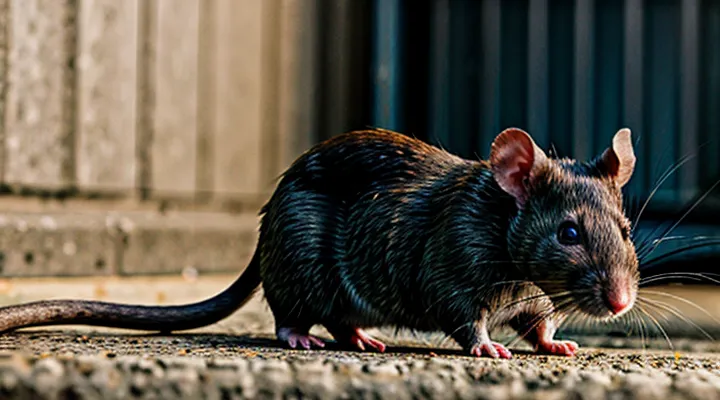
Understanding Rat Seizures
What Are Seizures?
Seizures are transient disruptions of normal neuronal firing caused by excessive, hypersynchronous electrical activity in the brain. The event can originate from a focal region or involve the entire cerebral cortex, resulting in a spectrum of motor, autonomic, and behavioral signs. In rodents, the underlying mechanisms include genetic mutations, metabolic imbalances, traumatic injury, toxic exposure, and infectious agents that alter ion channel function or neurotransmitter balance.
Observable features in rats typically comprise:
- Sudden loss of posture or collapse
- Rigid extension or clonic jerking of limbs
- Facial automatisms such as chewing or lip smacking
- Salivation, urination, or defecation during the episode
- Post‑ictal immobility or disorientation lasting seconds to minutes
The duration of each episode ranges from a few seconds to several minutes, with recovery marked by gradual return to normal activity. Recognizing these signs enables rapid intervention to prevent injury, stabilize physiological parameters, and reduce neuronal damage. Immediate measures include securing the animal’s environment to avoid hazards, monitoring respiratory status, and, when indicated, administering an anticonvulsant agent according to established laboratory protocols.
Common Types of Seizures in Rats
Generalized Seizures
Generalized seizures in rats involve synchronous electrical discharge across both cerebral hemispheres, producing loss of consciousness and tonic‑clonic motor activity. Typical manifestations include sudden rigidity, rhythmic convulsions, drooling, and loss of righting reflex. Onset may be abrupt, lasting from a few seconds to several minutes, followed by a post‑ictal period of reduced responsiveness.
Common precipitating factors encompass genetic predisposition, exposure to neurotoxic chemicals (e.g., picrotoxin, kainic acid), metabolic disturbances such as hypoglycemia or electrolyte imbalance, and traumatic brain injury. Environmental stressors—including abrupt temperature changes, overcrowding, and inadequate lighting—can lower seizure threshold. Certain pharmacological agents, notably GABA‑antagonists, also trigger generalized episodes.
Effective immediate care follows a structured protocol:
- Place the animal on a soft, non‑slippery surface to prevent injury.
- Gently restrain the torso without applying pressure to the neck or limbs.
- Observe seizure duration; if it exceeds 2 minutes, administer an anticonvulsant (e.g., diazepam 1–2 mg/kg intraperitoneally).
- After convulsions cease, keep the rat in a quiet, warm environment to support recovery.
- Monitor vital signs and behavior for at least 30 minutes; record any recurrence.
- Contact veterinary staff for further evaluation and possible diagnostic testing (EEG, blood chemistry).
Long‑term management includes eliminating identified triggers, ensuring stable housing conditions, and, when appropriate, initiating chronic anticonvulsant therapy under veterinary supervision. Regular observation of cage mates can aid early detection of recurrent generalized seizures.
Focal Seizures
Focal seizures in laboratory rats manifest as localized motor or autonomic activity that does not spread to the entire brain. Typical signs include unilateral limb twitching, facial automatisms, or restricted respiratory changes. Electroencephalographic recordings reveal high‑frequency spikes confined to a specific cortical region, confirming the focal nature of the event.
Common triggers for focal seizures include chemical convulsants applied to a limited brain area, traumatic lesions, focal ischemia, and genetically induced mutations that affect localized neuronal circuits. Environmental stressors such as extreme temperature fluctuations or abrupt changes in lighting can also provoke focal episodes when combined with predisposing neurochemical imbalances.
First‑aid measures aim to limit injury and terminate the seizure promptly:
- Remove obstacles that could cause self‑injury; gently clear the cage of bedding, wheels, or other objects.
- Position the rat on its side to maintain an open airway and prevent aspiration.
- Apply a mild, short‑duration cooling pad (4–6 °C) to the head region; cooling reduces neuronal excitability without inducing hypothermia.
- Administer a single intraperitoneal dose of a fast‑acting benzodiazepine (e.g., diazepam 2 mg kg⁻¹) if the seizure persists beyond 30 seconds.
- Monitor respiration and heart rate for at least five minutes; if normalcy does not resume, initiate emergency veterinary care.
Documentation of seizure onset, duration, and response to intervention is essential for subsequent experimental analysis and for refining preventive protocols.
Causes of Seizures in Rats
Genetic Predisposition
Genetic predisposition significantly influences the likelihood of seizure episodes in laboratory rats. Specific alleles alter neuronal excitability, synaptic transmission, and ion channel function, creating a hereditary vulnerability that manifests as spontaneous or stimulus‑induced convulsions.
Evidence identifies several rat strains with documented seizure susceptibility:
- Wistar‑Kyoto (WKY) – carries mutations affecting GABA‑ergic inhibition, resulting in lower seizure threshold.
- Fischer 344 – exhibits altered voltage‑gated sodium channel expression, predisposing to tonic‑clonic events.
- Sprague‑Dawley – certain sublines demonstrate heightened sensitivity to kainic acid, linked to glutamate receptor polymorphisms.
Inheritance patterns typically follow autosomal recessive or polygenic models. Breeding experiments reveal that homozygous carriers display earlier onset and increased frequency of seizures compared to heterozygotes, while environmental modifiers can amplify or suppress genetic effects.
For immediate response, first‑aid protocols must account for genetic factors:
- Monitor baseline behavior – rats with known predisposition require continuous observation to detect subtle pre‑ictal signs.
- Maintain a low‑stress environment – minimizing handling and ambient noise reduces trigger probability in genetically vulnerable individuals.
- Administer anticonvulsants promptly – dosage adjustments based on strain‑specific pharmacodynamics improve efficacy and limit mortality.
- Record seizure characteristics – detailed logs of duration, type, and response facilitate genotype‑phenotype correlation and future preventive strategies.
Understanding hereditary contributions enables researchers to select appropriate models, anticipate seizure risk, and implement targeted emergency measures, thereby enhancing experimental reliability and animal welfare.
Environmental Factors
Toxins and Poisons
Toxins and poisons represent a primary source of seizure induction in laboratory rats. Exposure occurs through ingestion, inhalation, dermal contact, or injection, and each route can trigger rapid neuronal hyperexcitability.
Common agents include:
- Organophosphates – inhibit acetylcholinesterase, leading to excess acetylcholine and uncontrolled neuronal firing.
- Pyrethroids – disrupt sodium channel gating, prolonging depolarization and precipitating convulsions.
- Heavy metals (lead, mercury) – interfere with synaptic transmission and mitochondrial function, lowering seizure threshold.
- Aflatoxins – impair hepatic detoxification, allowing neurotoxic metabolites to accumulate.
- Bromethalin – uncouples oxidative phosphorylation, causing energy failure and neuronal instability.
Immediate first‑aid actions focus on stabilizing the animal and mitigating toxin effects:
- Remove the source – isolate the rat from contaminated bedding, feed, or aerosol.
- Secure airway and breathing – position the animal to prevent aspiration, administer supplemental oxygen if available.
- Control convulsive activity – inject a fast‑acting benzodiazepine (e.g., diazepam 5 mg/kg i.p.) to abort seizures.
- Decontaminate – flush dermal exposure with copious water; if ingestion is suspected, perform gastric lavage within 15 minutes, followed by activated charcoal (1 g/kg).
- Antidote administration – apply specific countermeasures when indicated: atropine (0.1 mg/kg i.m.) for organophosphate poisoning, or vitamin K1 (2 mg/kg s.c.) for anticoagulant rodenticide exposure.
- Monitor vitals – record heart rate, respiration, and temperature every 5 minutes; maintain body temperature within normal range.
Long‑term management includes supportive care, seizure monitoring, and laboratory confirmation of the toxin. Prompt identification of the offending agent and adherence to the outlined emergency protocol markedly improve survival and reduce neurologic sequelae.
Stress and Overstimulation
Stress and overstimulation are frequent precipitants of convulsive episodes in laboratory rats. Acute environmental disturbances—loud noises, abrupt lighting changes, or handling by unfamiliar personnel—activate the hypothalamic‑pituitary‑adrenal axis, elevating corticosterone levels. Elevated corticosterone reduces neuronal inhibition, increasing susceptibility to synchronous firing that manifests as a seizure.
Overstimulation may arise from cage overcrowding, excessive enrichment items, or prolonged exposure to moving visual stimuli. In such conditions, sensory input overwhelms cortical processing, leading to hyperexcitability. Chronic exposure compounds the risk, as repeated stress sensitizes neuronal networks, lowering the seizure threshold.
First‑aid measures focus on immediate reduction of stimuli and stabilization of physiological parameters:
- Remove the animal from the stressful environment; place it in a quiet, dimly lit area.
- Gently restrain only enough to prevent self‑injury; avoid excessive handling.
- Monitor respiratory rate and heart rhythm; if apnea or bradycardia occurs, initiate supplemental oxygen and consider emergency veterinary intervention.
- After the episode, provide a calm recovery cage with minimal enrichment, and document the trigger for future mitigation.
Preventive strategies include:
- Limiting cage density to recommended standards.
- Scheduling routine handling sessions to habituate rats to human contact.
- Controlling ambient noise and lighting cycles.
- Rotating enrichment items gradually rather than introducing multiple novel objects simultaneously.
By identifying stressors and minimizing overstimulation, researchers can reduce seizure incidence and improve overall welfare of the animals.
Underlying Medical Conditions
Tumors
Tumors that involve the brain or spinal cord frequently trigger seizure episodes in laboratory rats. Neoplastic growth can compress neuronal tissue, disrupt normal electrical signaling, and induce inflammatory processes that lower the seizure threshold. Common tumor types implicated include gliomas, meningiomas, and metastatic lesions originating from peripheral organs. Diagnosis relies on clinical observation of abnormal motor activity, progressive neurological deficits, and imaging or histopathological confirmation when feasible.
First‑aid measures for a rat experiencing a tumor‑related seizure should be immediate and systematic:
- Remove the animal from any hazards that could cause injury during convulsions.
- Place the rat on a soft, non‑slipping surface to prevent falls.
- Gently restrain the head to avoid tongue or facial trauma, avoiding excessive pressure on the neck.
- Monitor the duration of the seizure; if it exceeds two minutes, administer a veterinary‑prescribed anticonvulsant (e.g., diazepam 2 mg/kg intraperitoneally).
- After the event, keep the rat warm, provide a quiet environment, and offer water once normal behavior resumes.
- Contact a veterinary specialist promptly to arrange diagnostic imaging and determine appropriate oncologic treatment.
Understanding the link between neoplastic lesions and seizure activity enables rapid intervention and improves the likelihood of stabilizing affected rats until definitive medical care is provided.
Infections
Infections represent a frequent precipitating factor for seizure episodes in laboratory rats. Pathogenic invasion disrupts neuronal homeostasis, often leading to acute convulsive activity.
Common infectious agents linked to rat seizures include:
- Bacterial: Streptococcus pneumoniae, Salmonella spp., Clostridium spp.
- Viral: Lymphocytic choriomeningitis virus (LCMV), Sendai virus, rat coronavirus.
- Parasitic: Toxoplasma gondii, Eimeria spp., Nippostrongylus spp.
These pathogens induce seizures through several mechanisms:
- Inflammatory cytokine release increases blood‑brain barrier permeability.
- Metabolic derangements such as hypoglycemia or electrolyte imbalance alter neuronal excitability.
- Direct neurotoxic effects damage cortical and hippocampal neurons.
First‑aid response should follow a rapid, systematic protocol:
- Observe and record seizure duration, type, and any preceding stimuli.
- Maintain ambient temperature to prevent hypothermia.
- Provide supplemental oxygen if respiration is compromised.
- Administer an appropriate anticonvulsant (e.g., diazepam 2 mg/kg intraperitoneally) as soon as the seizure is confirmed.
- Contact a veterinary professional for further evaluation and possible antimicrobial therapy.
- Isolate the affected animal to limit pathogen spread.
Preventive measures reduce infection‑related seizure risk:
- Implement strict cage sanitation and regular bedding changes.
- Employ quarantine procedures for newly introduced rodents.
- Apply prophylactic antimicrobial regimens when justified by health monitoring data.
Head Trauma
Head trauma is a frequent precipitant of seizure activity in laboratory rats. Direct impact to the skull can disrupt neuronal membranes, induce intracranial bleeding, and trigger abnormal electrical discharge. The severity of the injury correlates with the likelihood and intensity of convulsions; even minor blows may provoke brief, focal seizures, while severe fractures often lead to prolonged generalized episodes.
Key mechanisms linking head injury to seizures include:
- Mechanical disruption of cortical tissue, creating ectopic foci.
- Hemorrhage that alters extracellular ion concentrations.
- Release of excitatory neurotransmitters such as glutamate.
- Inflammatory response that lowers seizure threshold.
Immediate first‑aid measures aim to protect the animal, limit secondary damage, and stabilize physiological parameters:
- Place the rat in a quiet, dimly lit area to reduce sensory stimulation.
- Gently restrain the animal only to prevent self‑injury; avoid excessive pressure on the neck or spine.
- Monitor respiratory rate and pulse; administer supplemental oxygen if breathing is shallow.
- Apply a cold compress (4‑5 °C) to the head for 5–10 minutes to diminish edema, ensuring skin remains intact.
- If seizures persist beyond 2 minutes, consider an intraperitoneal dose of a benzodiazepine (e.g., diazepam 2 mg/kg) following institutional protocol.
- After seizure cessation, observe the rat for at least 30 minutes for recurrence; record duration and behavior.
- Provide supportive care—warm bedding, easy access to water, and analgesia (e.g., buprenorphine 0.05 mg/kg) to alleviate pain from the trauma.
Documentation of injury details, seizure characteristics, and interventions is essential for subsequent veterinary assessment and experimental reproducibility.
Nutritional Deficiencies
Nutritional deficiencies can precipitate seizure activity in laboratory rats by disrupting neuronal excitability and metabolic balance. Insufficient intake of essential nutrients alters membrane potentials, neurotransmitter synthesis, and energy production, creating conditions conducive to abnormal electrical discharges.
Key deficiencies linked to seizure onset include:
- Thiamine (vitamin B1) – deficiency impairs glucose metabolism, leading to neuronal energy deficits and heightened excitability.
- Vitamin E – low levels reduce antioxidant protection, increasing oxidative stress on neuronal membranes.
- Magnesium – inadequate magnesium diminishes NMDA receptor blockade, facilitating excessive calcium influx and excitatory signaling.
- Calcium – deficits compromise synaptic transmission stability and can trigger hyperexcitability.
- Essential fatty acids (omega‑3) – shortage alters membrane fluidity, affecting receptor function and ion channel operation.
When a rat exhibits a seizure likely related to nutritional insufficiency, immediate care should focus on stabilizing physiological parameters and correcting the underlying deficit:
- Secure airway and prevent injury – position the animal to avoid self‑trauma, clear the environment of hazards.
- Monitor vital signs – record respiratory rate, heart rate, and temperature to detect secondary complications.
- Provide a rapid source of glucose – administer a small volume of dextrose solution intraperitoneally to address hypoglycemia that often accompanies thiamine deficiency.
- Correct the specific nutrient shortfall – deliver appropriate supplements (e.g., thiamine chloride, magnesium sulfate) at doses established for rodent models.
- Observe post‑ictal behavior – note recovery time and any recurring episodes, informing adjustments to dietary regimens.
Long‑term prevention requires a balanced diet formulated to meet the species‑specific requirements for vitamins, minerals, and fatty acids. Regular monitoring of feed composition and periodic blood analyses help maintain nutrient levels within optimal ranges, reducing the likelihood of seizure events attributable to dietary gaps.
Epilepsy
Epilepsy in laboratory rats manifests as recurrent, unprovoked seizures that interfere with experimental outcomes and animal welfare. Genetic mutations, such as those affecting the SCN1A sodium channel, predispose certain strains to spontaneous epileptiform activity. Environmental triggers—including sudden changes in temperature, hypoxia, and exposure to neurotoxic chemicals like kainic acid—can precipitate seizure episodes in otherwise healthy individuals.
Pathophysiological mechanisms involve excessive neuronal firing, loss of inhibitory GABAergic tone, and alterations in synaptic plasticity. Electroencephalographic recordings typically reveal high‑frequency spikes and polyspike discharges during ictal periods. Chronic epilepsy leads to progressive hippocampal sclerosis, reduced neurogenesis, and cognitive deficits measurable by maze navigation tests.
Immediate response to a rat seizure should prioritize safety and minimize injury:
- Observe for at least 30 seconds to confirm seizure activity.
- Clear surrounding objects that could cause trauma.
- Gently restrain the animal only if convulsions persist beyond two minutes; avoid excessive force.
- Administer a short‑acting anticonvulsant (e.g., diazepam 5 mg/kg intraperitoneally) if seizures exceed two minutes or recur rapidly.
- Monitor respiration and heart rate; provide supplemental oxygen if breathing is compromised.
- Record duration, type of movements, and any precipitating factors for later analysis.
Long‑term management includes regular dosing of maintenance antiepileptic drugs, environmental enrichment to reduce stress, and periodic neuroimaging to assess structural changes. Adjusting diet to ensure adequate magnesium and omega‑3 fatty acids may lower seizure frequency. Documentation of each episode contributes to a robust dataset for evaluating therapeutic interventions and refining experimental protocols.
Recognizing a Seizure
Behavioral Changes Before a Seizure
Rats often exhibit distinct behaviors minutes to hours before a convulsive episode, providing a practical window for early detection. Recognizing these signs enables timely intervention and reduces the risk of injury.
- Sudden cessation of locomotion, followed by prolonged stillness.
- Repetitive grooming or excessive scratching of a specific body region.
- Uncharacteristic vocalizations, such as high‑pitched squeaks.
- Rapid, shallow breathing coupled with a slight flattening of the ears.
- Pacing in tight circles or repetitive turning in one direction.
- Abnormal posturing, including arching of the back or stiffening of limbs.
These precursory actions reflect heightened neuronal excitability and can precede both focal and generalized seizures. Observers should monitor individual rats for any deviation from baseline activity patterns, especially during periods of heightened stress or after exposure to known pro‑convulsant agents. Prompt administration of antiepileptic agents or supportive measures—such as securing the animal in a padded enclosure—mitigates the severity of the forthcoming seizure and facilitates quicker recovery.
During a Seizure: What to Look For
When a rat experiences a convulsive episode, observable indicators appear rapidly and follow a recognizable pattern. Recognizing these signs enables prompt assessment and appropriate response.
Typical manifestations include:
- Sudden loss of posture, with the animal collapsing or assuming a rigid, extended stance.
- Repetitive, rhythmic muscle contractions affecting the forelimbs, hind limbs, or both; movements may appear as clonic jerks or tonic stiffening.
- Facial twitching, whisker flaring, or rapid eye movements; pupils often dilate.
- Audible sounds such as high‑pitched squeaks or chattering, reflecting heightened neural activity.
- Autonomic changes: increased respiration rate, salivation, or nasal discharge; skin may become flushed or pale.
- Loss of normal grooming or feeding behavior during the episode.
Observe the duration of each phase. A brief tonic phase may precede clonic activity, and the total event usually lasts from a few seconds to a couple of minutes. Post‑ictal behavior—disorientation, temporary immobility, or staggered walking—often follows the convulsion and should be recorded.
Documenting these observations provides essential data for diagnosing underlying causes and guiding emergency measures.
Post-Seizure Behavior
Rats emerging from a convulsive episode display a predictable sequence of behavioral and physiological responses that inform immediate care and subsequent monitoring. The initial phase, often termed the post‑ictal period, is characterized by reduced motor activity, loss of coordination, and a marked decrease in responsiveness to external stimuli. During this time, the animal typically assumes a recumbent posture, exhibits tremor or shivering, and may display intermittent vocalizations.
Key observations include:
- Reduced locomotion: Rats remain largely immobile for 1–5 minutes, gradually regaining the ability to explore the cage.
- Altered consciousness: Eye blink reflexes are sluggish; the animal shows delayed reactions to light or sound.
- Autonomic changes: Heart rate may remain elevated, respiration becomes irregular, and peripheral temperature can drop due to vasoconstriction.
- Behavioral signs: Periodic pawing, grooming attempts, or brief bouts of rearing indicate the transition from post‑ictal stupor to normal activity.
After the immediate post‑ictal window, rats typically resume normal feeding and social interactions within 10–30 minutes, provided that supportive measures are applied. First‑aid interventions should focus on:
- Ensuring a safe environment: Remove obstacles, provide a soft surface, and prevent other rodents from crowding the recovering animal.
- Monitoring vital signs: Record heart rate and respiratory pattern every minute until stability is evident.
- Temperature regulation: Apply a warm pad if hypothermia signs appear; avoid overheating.
- Hydration and nutrition: Offer water and soft food after the animal regains consciousness to counteract dehydration.
- Documentation: Note seizure duration, post‑ictal behaviors, and any complications for future reference.
Consistent observation of these post‑seizure behaviors enables accurate assessment of seizure severity, guides timely intervention, and reduces the risk of secondary injury or prolonged recovery.
First Aid for Rat Seizures
Immediate Actions During a Seizure
Ensuring Safety
Ensuring safety when handling rats prone to seizure episodes requires strict control of the environment, equipment, and personnel actions. Unpredictable convulsions can pose risks to both the animal and the caretaker; therefore, preventive measures must be systematically applied.
- Maintain a dedicated, quiet area free of sudden noises, bright lights, or temperature fluctuations that can trigger seizures.
- Use non‑slip flooring and secure cages to prevent falls or accidental escapes during an episode.
- Provide personal protective equipment (gloves, lab coat, eye protection) for anyone entering the space.
- Keep emergency supplies—such as oxygen masks, suction devices, and cooling packs—readily accessible.
- Train all staff in recognizing early seizure signs and in the specific safety protocols required for rodents.
When a seizure occurs, the primary objective is to protect the animal from injury while minimizing exposure for the handler. Immediately clear the surrounding area of obstacles, then gently restrain the rat only if necessary to prevent self‑harm. Position the animal on a soft, non‑abrasive surface; avoid applying force to limbs or the head. Monitor breathing and pulse, and be prepared to administer oxygen if respiratory compromise develops. After the convulsion subsides, inspect the rat for trauma, document the event, and evaluate environmental factors that may have contributed.
Long‑term safety depends on consistent record‑keeping, regular equipment checks, and periodic review of housing conditions. Adjust lighting cycles, cage enrichment, and handling schedules based on observed seizure patterns. Incorporate these practices into standard operating procedures to sustain a secure environment for both rats and laboratory personnel.
Preventing Injury
During a seizure, a rat may strike the cage walls, fall from elevated platforms, or bite itself, leading to bruises, fractures, or lacerations. Immediate mitigation of these risks is essential for animal welfare and experimental integrity.
Secure the animal’s environment before any seizure occurs. Remove sharp objects, protruding bars, and metal components that could cause puncture wounds. Line the floor of the cage with a thick, non‑slip bedding material such as shredded paper or soft wood chips. Install low‑profile, rounded perches to prevent falls from height. If the study requires a wire mesh floor, place a soft overlay beneath it to cushion impacts.
When a seizure begins, intervene with a calm, steady approach. Approach the cage from the front to avoid startling the animal. Gently place a soft, flexible pad over the rat’s torso to limit uncontrolled flailing while allowing respiration. Do not restrain the head or limbs forcefully; excessive pressure can exacerbate injury or provoke stress responses.
Key preventive actions:
- Inspect cages weekly for loose wires, broken bars, or worn bedding.
- Use padded inserts in all enclosures where seizures are observed.
- Keep a soft, sterile towel within arm’s reach for rapid placement over the animal.
- Train personnel to recognize early seizure signs and to apply protective padding within seconds.
- Document each incident, noting the duration of the seizure, the protective measures employed, and any injuries observed.
Post‑seizure care includes a brief observation period to confirm the rat regains normal posture and mobility. Examine the animal for abrasions, swelling, or bleeding; treat minor wounds with sterile saline irrigation and apply a topical antiseptic if necessary. Record findings in the animal’s health log to inform future preventive adjustments.
After the Seizure
Providing Comfort
Providing comfort during a rat’s convulsive episode reduces secondary injury and facilitates recovery. The primary goal is to minimize external stressors while maintaining a safe environment for the animal.
- Place the cage on a stable, vibration‑free surface.
- Lower ambient lighting to a dim level; bright light can exacerbate neural excitation.
- Ensure the bedding remains dry and free of debris that could cause accidental injury.
- Avoid direct handling; if intervention is required, use soft, gloved fingers and support the animal’s torso without restricting limb movement.
- Maintain a constant temperature within the thermoneutral range (20‑24 °C) to prevent hypothermia during post‑ictal cooling.
- Provide a quiet background, eliminating loud noises and sudden movements.
Continuous observation records seizure duration, behavioral changes, and response to comfort measures. Documentation supports accurate assessment of therapeutic interventions and informs future protocol adjustments.
Monitoring Recovery
Monitoring recovery after a seizure episode in laboratory rats requires systematic observation of physiological and behavioral indicators. Continuous assessment provides data on the effectiveness of interventions and informs adjustments to care protocols.
Key parameters to record include:
- Heart rate and respiratory rhythm measured with a pulse oximeter or respiratory sensor.
- Body temperature tracked via a rectal probe or infrared thermometer.
- Motor activity evaluated through open‑field tests or video tracking software.
- Reflex responsiveness assessed with toe‑pinch and righting reflex checks.
- Seizure recurrence noted by counting events within a defined observation window.
Observation intervals typically follow a decreasing schedule: every 5 minutes for the first 30 minutes, then every 15 minutes until 2 hours post‑event, and finally at 4‑hour and 24‑hour marks. Data should be logged in a standardized sheet to enable statistical comparison across subjects.
Environmental factors such as ambient temperature, lighting, and cage enrichment must remain constant throughout the monitoring period. Any deviation may confound recovery metrics and should be documented.
Interpretation of the collected data hinges on baseline values established for each animal prior to seizure induction. Deviations beyond predetermined thresholds signal insufficient recovery and trigger additional supportive measures, such as supplemental oxygen, temperature regulation, or pharmacological intervention.
When to Seek Veterinary Care
Red Flags Indicating Urgency
When a rodent experiences a convulsive episode, certain clinical signs demand immediate intervention because they may signal life‑threatening complications. Recognizing these indicators allows caretakers to act before irreversible damage occurs.
Critical signs include:
- Prolonged seizure lasting longer than five minutes (status epilepticus)
- Recurrent seizures without a return to normal behavior between episodes
- Sudden loss of consciousness accompanied by apnea or irregular breathing
- Marked hypothermia or hyperthermia (core temperature <35 °C or >40 °C)
- Profuse salivation, foaming, or oral bleeding suggesting airway obstruction
- Rigid, sustained tonic posturing that prevents normal ventilation
- Rapid heart rate exceeding 500 bpm with signs of circulatory collapse
- Unexplained collapse followed by a brief period of coma
If any of these observations appear, initiate emergency first‑aid protocols: secure the airway, maintain body temperature, administer a fast‑acting anticonvulsant (e.g., diazepam at 2 mg/kg intraperitoneally), and contact a veterinary specialist without delay. Prompt response reduces mortality and improves neurological outcomes.
Diagnostic Procedures
When a rodent displays convulsive activity, precise diagnosis determines appropriate intervention.
Clinical observation records seizure onset, duration, motor patterns, and precipitating stimuli. Video monitoring provides continuous visual data for later analysis and facilitates correlation with environmental factors.
Electroencephalography (EEG) captures cortical electrical activity, distinguishing epileptic discharges from non‑epileptic movements. Surface electrodes placed on the skull yield real‑time waveforms; depth electrodes may be employed for focal seizures.
Blood chemistry evaluates metabolic contributors. Samples assess glucose, electrolytes, calcium, magnesium, and toxicant levels. Rapid bedside assays detect hypoglycemia or hyperkalemia that can trigger seizures.
Imaging techniques, such as magnetic resonance imaging (MRI) or computed tomography (CT), reveal structural abnormalities, tumors, or hemorrhages. High‑resolution scans are essential when refractory seizures persist despite initial treatment.
Post‑mortem examination confirms histopathological changes. Tissue staining identifies neuronal loss, gliosis, or inflammatory infiltrates, providing insight into chronic seizure etiology.
Diagnostic workflow
- Immediate visual documentation of seizure characteristics.
- Placement of EEG electrodes for real‑time monitoring.
- Collection of blood for metabolic panel.
- Imaging studies if seizures are recurrent or atypical.
- Histological analysis after euthanasia, when indicated.
Treatment Options
Medications
Medications used to control seizures in laboratory rats fall into three principal categories: benzodiazepines, barbiturates, and newer antiepileptic drugs (AEDs). Each class offers a distinct mechanism of action, onset speed, and duration of effect, which influences selection during emergency intervention.
- Benzodiazepines (e.g., diazepam, midazolam) enhance GABA‑mediated inhibition, producing rapid seizure cessation within minutes. Intraperitoneal injection of 2–5 mg/kg diazepam is common; the dose may be reduced for repeated administration to avoid respiratory depression.
- Barbiturates (e.g., phenobarbital) increase the duration of chloride channel opening, providing longer‑lasting control but slower onset (5–10 minutes). Standard phenobarbital dosing ranges from 30–60 mg/kg intraperitoneally, with maintenance therapy often delivered via drinking water at 5–10 mg/L.
- Newer AEDs such as levetiracetam and topiramate act on synaptic vesicle proteins or sodium channels, respectively. Levetiracetam is administered at 50–100 mg/kg intraperitoneally, offering a balance of rapid effect and minimal sedation. Topiramate requires 30–50 mg/kg orally, suitable for chronic seizure suppression.
When a rat experiences a convulsive episode, immediate medication administration follows these steps:
- Assess respiratory function and ensure the animal is not obstructed.
- Deliver a fast‑acting benzodiazepine at the recommended dose; observe for cessation of motor activity within 2 minutes.
- If seizures persist, add a barbiturate or a second‑line AED to achieve seizure control.
- Monitor vital signs for at least 30 minutes; support with supplemental oxygen if respiration is compromised.
- Record the event, drug used, dose, and response for future reference and protocol refinement.
Dosage calculations must account for the animal’s weight, strain‑specific sensitivity, and previous drug exposure. Repeated benzodiazepine use can induce tolerance; rotating to a barbiturate or AED after the initial dose reduces this risk. All medications should be prepared in sterile saline or appropriate vehicle, filtered, and stored according to manufacturer guidelines to maintain potency.
Long‑term seizure management often combines pharmacologic therapy with environmental modifications, such as reducing stressors and maintaining consistent lighting cycles. Regular blood sampling verifies therapeutic drug levels, preventing under‑ or overdosing that could exacerbate neurological instability.
Overall, effective seizure mitigation in rats relies on prompt selection of an appropriate medication, accurate dosing, and vigilant post‑treatment monitoring to ensure rapid recovery and minimize secondary complications.
Dietary Changes
Dietary composition directly influences seizure susceptibility in laboratory rats. Certain nutrients modify neuronal excitability, thereby affecting the likelihood of convulsive events.
Key dietary factors include:
- Electrolyte balance – low magnesium or high potassium concentrations can lower seizure threshold.
- Glucose availability – hypoglycemia predisposes rats to seizures; consistent carbohydrate intake maintains stable blood glucose.
- Amino acid profile – excess glutamate or reduced GABA precursors (e.g., threonine, serine) increase excitatory transmission.
- Fatty acid composition – diets rich in omega‑3 polyunsaturated fatty acids have been shown to reduce seizure frequency, whereas high saturated fat intake may exacerbate episodes.
Practical dietary adjustments for seizure mitigation:
- Provide a balanced chow containing 0.2 % magnesium and 0.5 % potassium.
- Ensure daily carbohydrate provision sufficient to keep blood glucose above 70 mg/dL; consider adding a measured glucose supplement during periods of stress.
- Incorporate GABA‑enhancing ingredients such as fermented soy or specific amino‑acid supplements (e.g., L‑theanine) at 1 g/kg feed.
- Replace 10 % of total fat with fish oil or flaxseed oil to raise omega‑3 levels, monitoring for potential gastrointestinal effects.
First‑aid response linked to nutrition:
- Immediately verify that the rat has access to water; dehydration can aggravate seizure activity.
- If hypoglycemia is suspected, administer a 0.5 ml glucose solution subcutaneously and observe for cessation of convulsions.
- After seizure termination, return the animal to its regular diet enriched with the modifications listed above; avoid abrupt changes that could trigger rebound seizures.
Consistent implementation of these dietary measures reduces the incidence of convulsive episodes and supports rapid recovery when seizures occur.
Environmental Management
Effective environmental management reduces the incidence of seizure episodes in laboratory rats and improves outcomes when seizures occur. Proper housing conditions, temperature control, lighting cycles, noise levels, and cage hygiene create a stable physiological environment that minimizes excitatory triggers.
Key environmental factors include:
- Temperature maintained between 20 °C and 24 °C; rapid fluctuations increase neuronal excitability.
- Humidity kept at 40–60 %; excessive dryness or moisture disrupts electrolyte balance.
- Light-dark cycle of 12 h each; irregular illumination can alter circadian rhythms and precipitate seizures.
- Noise limited to <50 dB; sudden sounds stimulate stress pathways.
- Bedding composed of low-dust, non‑irritant material; dust inhalation provokes respiratory stress and secondary seizure risk.
- Ventilation providing fresh air exchange without drafts; stagnant air leads to carbon dioxide accumulation, a known convulsant.
- Enrichment items secured to prevent accidental entanglement; loose objects may cause injury during convulsive movements.
When a seizure is observed, immediate environmental actions are critical:
- Isolate the animal in a quiet, well‑lit area free of obstacles.
- Ensure the surface is soft but firm to prevent bruising; place a towel or padded mat beneath the rat.
- Maintain ambient temperature within the optimal range; avoid cooling drafts that could exacerbate the episode.
- Reduce auditory stimuli by turning off equipment and speaking softly.
- Remove any enrichment or cage accessories that could be knocked over or cause entrapment.
- Monitor respiratory rate and heart rhythm; if abnormal patterns persist beyond two minutes, initiate veterinary intervention.
Long‑term environmental strategies, such as regular cleaning schedules, consistent lighting timers, and calibrated climate control systems, sustain a low‑risk setting for seizure development. Routine inspection of ventilation filters and bedding quality prevents gradual degradation of conditions that might otherwise act as latent convulsant factors.