
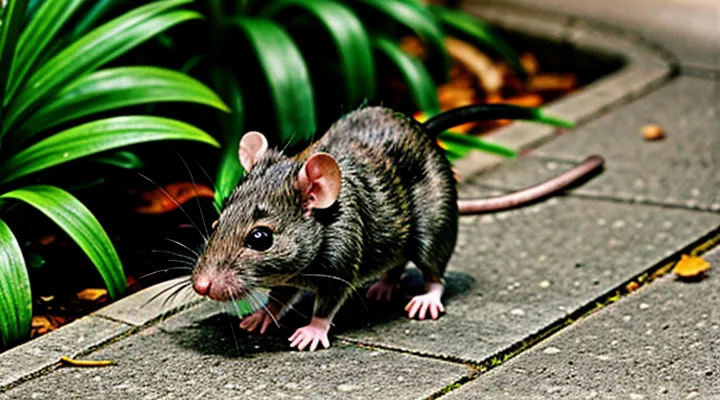
The Elusive Rodent: A First Glimpse
Recognizing a Rat: Key Visual Cues
«Size and Body Shape»
When a rat appears, its dimensions convey distinct messages. A compact, diminutive form suggests fleeting concerns, limited influence, or a situation that can be managed quickly. Conversely, an unusually large rat implies overwhelming pressure, a problem that has grown beyond its original scope, or a dominant force demanding attention.
The animal’s silhouette further refines interpretation. A slender, elongated body denotes flexibility, adaptability, and the capacity to navigate tight circumstances without obstruction. A stout, robust shape signals solidity, resilience, and the presence of substantial resources or obstacles that require sustained effort.
Key observations:
- Small size, slender shape – transient issue, easy resolution, need for swift action.
- Small size, stout shape – minor yet stubborn problem, may persist despite limited scale.
- Large size, slender shape – expansive challenge that remains flexible; potential for rapid change.
- Large size, stout shape – major, entrenched difficulty; demands significant commitment and strategic planning.
Assessing both size and body form together provides a comprehensive picture of the underlying dynamics associated with the rat’s presence.
«Fur Color and Texture»
Rats display a range of fur colors that convey information about genetics, habitat, and health. Brown and gray coats dominate wild populations, indicating camouflage suited to urban and rural environments. Darker shades, such as black, often result from higher melanin levels and may signal a lineage adapted to low‑light conditions. White or albino fur, lacking pigment, appears in laboratory strains and domestic pets; the absence of melanin can increase susceptibility to UV damage and eye problems. Mixed or agouti patterns, where individual hairs contain bands of color, suggest genetic diversity and may correlate with robust immune responses.
Fur texture provides additional clues. A sleek, glossy surface typically reflects adequate nutrition, proper grooming, and the absence of ectoparasites. Coarse or bristly hair can indicate stress, hormonal imbalance, or a diet deficient in essential fatty acids. Matted or tangled fur often results from neglect, overcrowding, or infestation by mites and fleas; these conditions raise the risk of skin infections. Seasonal shedding leads to temporary fluffiness, which should not be confused with disease‑related hair loss.
Key observations for interpreting a rat’s appearance:
- Color consistency – uniform coloration suggests stable genetics; uneven patches may signal injury, scabbing, or pigment loss.
- Glossiness – high shine denotes good health; dullness points to dehydration or nutritional deficits.
- Hair alignment – smooth alignment indicates regular grooming; disarray signals stress or parasite activity.
- Presence of debris – external dirt or urine stains reveal environmental hygiene issues.
Assessing fur color and texture together enables a rapid appraisal of a rat’s condition, whether encountered in the wild, a laboratory setting, or a household.
«Tail Characteristics»
Observing a rat’s tail yields concrete information about the animal’s condition and behavior.
- Length relative to body size
- Fur density and texture
- Color uniformity or patches
- Presence of scars, breaks, or missing sections
- Flexibility and curvature during movement
A tail that matches body proportions suggests normal growth and adequate nutrition. Sparse or ragged fur often indicates poor health, stress, or parasite infestation. Uniform coloration points to a stable environment, while discoloration or patches may signal injury, disease, or exposure to chemicals. Visible scars, fractures, or amputations reveal recent conflicts, predators, or hazardous surroundings. Excessive rigidity or abnormal curvature reflects spinal or muscular issues, whereas a supple, smoothly bending tail denotes typical locomotor function. Each characteristic, taken together, forms a reliable profile of the rat’s recent experiences and overall well‑being.
«Ear and Eye Proportions»
When a rat is observed, the relationship between its ears and eyes provides immediate clues about its condition and behavior. Larger ears relative to the head often signal heightened alertness, while proportionally smaller ears suggest a more sedentary or stressed individual. Eye size, measured against ear length, reflects visual acuity and can indicate the animal’s exposure to light or predation risk.
Typical ratios for healthy laboratory rats fall within a 1:1.2 to 1:1.5 range of ear length to eye diameter. Wild specimens frequently exceed the upper bound, displaying ear lengths up to 1.8 times eye diameter, an adaptation for enhanced hearing in open environments. Conversely, rats suffering from nutritional deficiencies or illness commonly present reduced ear dimensions, narrowing the ratio toward 1:1 or lower.
Key interpretive points:
- Ear length > eye diameter – heightened vigilance, likely in a high‑threat setting.
- Ear length ≈ eye diameter – baseline health, standard environmental exposure.
- Ear length < eye diameter – possible malnutrition, disease, or prolonged stress.
Accurate assessment of these proportions allows rapid evaluation of a rat’s physiological state and its response to surrounding stimuli.
Interpreting Rat Sightings: Beyond the Obvious
Common Rat Species and Their Distinguishing Features
«Norway Rats: The Sewer Dwellers»
Norway rats (Rattus norvegicus) thrive in underground networks, especially municipal sewers. Their robust bodies, ranging from 20 to 30 cm in length, feature coarse brown or gray fur, a blunt snout, and a thick, scaly tail. Adaptations such as strong claws and heightened nocturnal vision enable efficient navigation through dark, moist tunnels. Population density in sewers often correlates with the availability of organic waste, indicating the level of sanitation maintenance in adjacent neighborhoods.
When a Norway rat emerges into visible spaces, its physical condition conveys specific information.
- Fur quality: glossy, well‑groomed coats suggest access to ample food and low disease pressure; ragged, patchy fur indicates scarcity or high parasite load.
- Body size: larger individuals reflect abundant resources, while undersized rats point to competition or limited nourishment.
- Behavior: bold, exploratory movement signals habituation to human presence; skittish, rapid retreat denotes recent disturbance or predation risk.
These visual cues allow observers to assess the health of local rodent populations and, by extension, the effectiveness of waste management practices. Persistent sightings of healthy, well‑fed Norway rats in surface areas often signal inadequate sewer maintenance, potential leaks, or overflow of organic refuse. Conversely, sightings of weak or diseased rats may reflect successful control measures or environmental stressors affecting the colony.
«Roof Rats: The Agile Climbers»
Roof rats (Rattus norvegicus) are distinguished by a slender body, long tail, and pointed snout. Their fur ranges from dark brown to black, often glossy, and the ears are relatively small compared to other rodent species. These physical traits enable rapid movement along narrow surfaces and reduce detection by predators.
Key adaptations that support their climbing ability include:
- Muscular hind limbs with strong, curved claws for gripping wood, brick, and metal.
- Flexible spine allowing swift changes in direction while navigating rooftops and eaves.
- Lightweight skeleton that reduces the load on vertical surfaces.
When a roof rat is observed on a building, it signals the presence of accessible entry points such as gaps in soffits, vent openings, or damaged roofing material. The animal’s preference for elevated habitats indicates a nearby food source, typically stored grain, fruit, or unsecured trash. Immediate inspection of the structure’s exterior can reveal breaches that require sealing, while interior inspection should focus on potential nesting sites in attic insulation or hidden cavities.
Effective control measures rely on a combination of exclusion, sanitation, and targeted trapping. Sealing all openings larger than ¼ inch, removing food attractants, and placing snap traps or electronic devices in known pathways reduce population growth. Regular monitoring after intervention confirms the success of the remediation effort.
«Other Less Common Species»
Rats are not the only mammals whose sight can carry symbolic weight. When an unexpected rodent appears, its species, size, and coloration often shape the message it conveys.
Among the rarer visitors, the white‑fur laboratory rat, with its pink eyes and stark coat, typically signals a need for precision and analytical thinking. Its appearance suggests that a situation requires careful measurement, controlled variables, or a scientific approach. The black rat, darker than the common city variety, frequently points to hidden dangers or concealed information, urging vigilance in areas that seem ordinary. A spotted field mouse, distinguished by mottled brown and gray patches, usually reflects fragmented thoughts or a scattered focus, indicating that the observer should reorganize priorities before proceeding.
- Hairless (nude) rat: Emphasizes vulnerability and exposure; advises openness and the removal of protective barriers.
- Long‑tailed fancy rat: Highlights ambition and forward momentum; encourages pursuit of long‑term goals.
- Albinistic rat with red eyes: Symbolizes intense scrutiny or moral clarity; suggests confronting uncomfortable truths.
Recognizing these less common species sharpens the interpretation of an encounter, allowing the observer to extract precise guidance from the animal’s visual traits.
Signs of Infestation: What a Rat's Appearance Tells You
«Frequency of Sightings»
Rats appear most often in densely populated environments where food waste and shelter are abundant. Urban districts report the highest encounter rates, with citywide surveys indicating an average of 3.7 sightings per resident each month. Rural areas show markedly lower frequencies, typically ranging from 0.2 to 0.5 sightings per household per month.
Seasonal variation influences encounter numbers. Spring and early summer bring a 25‑30 % increase as breeding cycles accelerate and juveniles disperse. Autumn sees a modest decline, while winter reports the lowest activity levels, often below 10 % of peak figures. Climate‑controlled structures mitigate the winter dip, maintaining a baseline presence in interior spaces.
Several factors correlate with sighting frequency:
- Availability of unsecured food sources (e.g., uncovered garbage, exposed pet food)
- Structural deficiencies (cracks, gaps, unsealed utility entries)
- Proximity to water outlets (leaky pipes, standing water)
- Population density of humans and domestic animals
Long‑term monitoring in major metropolitan areas reveals a gradual upward trend of 1‑2 % annually over the past decade, driven by expanding waste streams and limited pest‑control resources. Mitigation strategies that target the listed factors consistently reduce reported sightings by 40‑60 % within six months of implementation.
«Behavioral Observations»
When a rat appears, its behavior offers immediate clues about the situation it represents. Quick assessment of movement, posture, and interaction with the environment distinguishes a startled animal from one that is confident or aggressive. The following observations are commonly linked to specific interpretations.
- Rapid, erratic scurrying suggests heightened alertness; this often correlates with warnings of sudden change or hidden threats.
- Calm, deliberate walking indicates familiarity with surroundings, which many traditions associate with stability or a message of reassurance.
- Upright, puffed‑up fur and hissing denote defensive aggression; such a display is frequently read as a sign of confrontation or an upcoming challenge.
- Persistent grooming or cleaning behavior reflects self‑maintenance; this is interpreted as an encouragement to attend to personal well‑being or to resolve lingering issues.
- Group movement, especially when several rats travel together, is linked to collective influence, suggesting that a shared effort or communal matter will soon become relevant.
Observing these patterns allows a clear, evidence‑based reading of the rat’s appearance, translating raw behavior into meaningful insight.
«Associated Damage and Droppings»
Rats leave physical damage that directly reflects their size, health, and activity level. Larger, well‑fed individuals tend to gnaw through insulation, wiring, and wooden structures, increasing fire risk and compromising building integrity. Smaller or malnourished rats focus on softer materials such as cardboard, upholstery, and stored food, leading to loss of inventory and accelerated wear on surfaces. All rats produce urine stains that corrode metal components and promote mold growth in damp areas.
- Chewed electrical wiring → short circuits, potential outages
- Burrowed walls and floors → structural weakening, entry points for other pests
- Contaminated food stores → spoilage, economic loss
- Urine and saliva deposits → corrosion, unpleasant odors
Droppings provide a reliable indicator of infestation severity. Fresh droppings appear dark, shiny, and tapered; older specimens darken and become brittle. The concentration of droppings correlates with population density: a few scattered pellets suggest occasional visitation, while piles of dozens per square meter indicate an established colony. Droppings carry pathogens such as hantavirus, leptospira, and salmonella, posing direct health hazards to occupants. Immediate removal with disinfectant and protective gloves prevents disease transmission and reduces the likelihood of secondary infestations.
The Health Implications of Rat Encounters
Potential Disease Transmission
«Hantavirus»
Seeing a rat can indicate the possible presence of hantavirus in the surrounding environment. Rodents serve as natural reservoirs; their droppings, urine, and saliva may contain the virus, which can become airborne when disturbed.
Hantavirus infection, also known as hantavirus pulmonary syndrome (HPS), manifests after inhalation of contaminated aerosols. Key characteristics include:
- Incubation period of 1‑3 weeks.
- Initial symptoms: fever, muscle aches, headache, dizziness.
- Rapid progression to severe respiratory distress, low blood pressure, and cardiac compromise.
- Mortality rate ranging from 30 % to 40 % without prompt intensive care.
Prevention focuses on minimizing exposure to rodent habitats. Effective measures are:
- Sealing entry points to homes and workplaces.
- Maintaining cleanliness to deter rodent activity.
- Using protective equipment (gloves, masks) when cleaning areas with suspected contamination.
- Disinfecting surfaces with bleach solutions (1 part bleach to 10 parts water).
If hantavirus infection is suspected, immediate medical evaluation is mandatory. Early supportive treatment, including oxygen therapy and hemodynamic monitoring, improves survival chances.
«Leptospirosis»
When a rat is encountered, its physical condition can signal the presence of leptospirosis, a zoonotic infection caused by the bacterium Leptospira interrogans. The pathogen persists in the kidneys of rodents and is shed in urine, contaminating water, soil, and food sources. Direct contact with urine‑stained fur, droppings, or environments frequented by rats creates a transmission route for humans and other animals.
Key aspects of leptospirosis include:
- Transmission vectors: rat urine, contaminated water, soil, and surfaces.
- Incubation period: 5‑14 days after exposure.
- Typical symptoms: high fever, severe headache, muscle aches, chills, conjunctival redness, abdominal pain, and, in advanced cases, jaundice, kidney dysfunction, or pulmonary hemorrhage.
- Diagnostic methods: serologic testing (MAT), PCR detection of bacterial DNA, and culture from blood or urine.
- Treatment protocol: early administration of doxycycline or penicillin; severe cases may require intravenous antibiotics and supportive care.
- Preventive measures: avoid drinking untreated water, use protective gloves when handling potentially contaminated materials, control rodent populations, and ensure proper sanitation in areas with high rodent activity.
Awareness of a rat’s appearance—such as disheveled fur, lethargy, or visible wounds—should prompt consideration of leptospirosis risk, especially in settings where water sources may be compromised. Prompt medical evaluation following exposure reduces morbidity and mortality associated with the disease.
«Salmonellosis»
Observing a rat can provide immediate clues about the potential presence of Salmonella, a bacterial pathogen that frequently colonizes rodent gastrointestinal tracts. Rats displaying glossy fur, bright eyes, and vigorous movement often indicate a thriving microbiome, which may include Salmonella spp. Conversely, emaciated or lethargic individuals suggest compromised health, reducing the likelihood of active bacterial shedding but not eliminating it completely.
Salmonellosis transmission from rats to humans occurs primarily through:
- Contamination of food or surfaces with rat feces containing Salmonella.
- Direct contact with a rat’s bite or scratch, introducing bacteria into skin lesions.
- Inhalation of aerosolized particles from dried rodent droppings.
When a rat is observed near food storage, the risk assessment must consider the animal’s external condition. A clean‑looking rat does not guarantee absence of pathogens; internal colonization can persist regardless of appearance. Hygiene protocols, such as sealing food containers and implementing rodent exclusion measures, remain essential.
Symptoms of salmonellosis in humans include abdominal cramps, diarrhea, fever, and nausea, typically emerging 12–72 hours after exposure. Vulnerable groups—children, elderly, immunocompromised patients—experience higher complication rates and may require antimicrobial therapy.
Effective control relies on:
- Prompt identification and removal of rodent activity.
- Regular sanitation of areas where rats have been sighted.
- Installation of traps or bait stations to reduce population density.
- Monitoring of rodent health indicators to anticipate pathogen load.
By linking visual assessment of rats with established epidemiological data, health professionals can better gauge the immediate threat of Salmonella contamination and implement targeted preventive actions.
Allergic Reactions and Asthmatic Triggers
A rat sighting can be interpreted as a warning sign for respiratory vulnerability, prompting attention to environmental factors that provoke allergy and asthma symptoms.
Allergic reactions arise when the immune system misidentifies harmless substances as threats. Common triggers include pollen, dust mites, mold spores, pet dander, and certain foods. Exposure leads to the release of histamine and other mediators, producing itching, swelling, hives, or nasal congestion. In susceptible individuals, these responses may progress to bronchial irritation and reduced airflow.
The presence of a rat in one’s surroundings often correlates with conditions that exacerbate asthma. Typical asthmatic triggers associated with rodent habitats are:
- Rodent droppings and urine, which generate airborne particles.
- Accumulated dust and debris in infested areas.
- Mold growth fostered by moisture from animal waste.
- Strong odors from cleaning agents used to eradicate infestations.
Mitigating these hazards—through thorough cleaning, pest control, and maintaining low humidity—reduces allergen load and stabilizes airway function. Monitoring personal reactions to these elements enables proactive management of allergy‑related asthma.
Professional Pest Control: When to Seek Help
Assessing the Severity of the Problem
When a rat is spotted, the visual details provide clues about the underlying issue’s seriousness. Sharp, alert eyes, tense posture, and rapid movements suggest a high‑risk situation, often indicating a thriving infestation or imminent health hazards. Conversely, a sluggish, disheveled animal with dulled eyes typically reflects a lower‑level problem, such as an isolated entry point or a dwindling population.
Key indicators for evaluating severity:
- Physical condition – bruises, fur loss, or emaciation point to environmental stress and possible disease spread.
- Behavioral patterns – aggressive or evasive actions signal competition for resources and potential rapid population growth.
- Location visibility – sightings in food‑storage zones, kitchens, or near utility lines raise immediate contamination concerns.
- Frequency of encounters – multiple observations within a short period denote escalating infestation pressure.
Assessing these factors enables precise prioritization of control measures, ensuring resources address the most critical threats first.
Humane Trapping and Removal Techniques
Humane trapping provides a practical solution when a rat is observed, allowing safe capture without unnecessary suffering. Effective implementation relies on proper equipment, strategic placement, and responsible release.
A reliable trap should meet three criteria: live‑capture mechanism, secure locking system, and ease of cleaning. Common models include cage traps with a spring‑loaded door and multi‑catch designs that hold several animals without injury. Regular inspection ensures functionality and prevents escape.
Key steps for humane removal:
- Identify active pathways by tracking droppings, gnaw marks, and recent sightings.
- Position traps along walls, near food sources, and at entry points; orient doors outward to match the rat’s travel direction.
- Bait with high‑protein items such as peanut butter, dried fruit, or small pieces of cooked meat.
- Check traps every 12 hours to minimize stress; relocate captured rats promptly.
- Release captured individuals at least 2 kilometers from the original location, preferably in a wooded or agricultural area with natural shelter.
Maintenance practices enhance success. Clean traps with hot, soapy water after each use to remove scent traces that could deter further captures. Rotate bait types to prevent habituation. Record capture dates and locations to detect patterns and adjust trap density accordingly.
When trapping is not feasible, consider exclusion methods: seal cracks, install door sweeps, and reinforce vent screens. Combining exclusion with humane capture creates a comprehensive approach that reduces rat presence while adhering to ethical standards.
Prevention Strategies for the Future
«Sealing Entry Points»
Observing a rat inside a building signals that the structure permits unauthorized access. The presence of a rodent often reflects gaps, cracks, or openings that bypass conventional barriers. Identifying and eliminating these pathways reduces the likelihood of further incursions and mitigates health risks associated with rodent activity.
Effective sealing targets the most common entry routes:
- Gaps around utility pipes and cables (diameter ¼ in. or larger) – install steel wool backed by silicone caulk.
- Cracks in foundation walls or basement slabs – fill with epoxy‑based mortar before applying a waterproof sealant.
- Openings beneath doors and windows – attach weather‑stripping or door sweeps, and use expanding foam for larger voids.
- Ventilation ducts lacking protective screens – fit metal mesh with a secure latch.
- Roof eaves and soffits with deteriorated flashing – replace with metal flashing and seal joints with polymer sealant.
After sealing, conduct a visual inspection to verify integrity. Use a flashlight to check for hidden fissures, and apply a light dusting of talc at repaired sites to detect future movement. Schedule periodic reviews, especially after seasonal temperature shifts, to ensure that new gaps have not formed.
Maintaining a sealed envelope around the structure directly limits rodent entry, thereby decreasing the probability that a rat’s appearance will recur.
«Sanitation Practices»
A rat observed in a dwelling or workplace signals a lapse in sanitation that can attract disease‑carrying pests. The animal’s presence usually follows accumulation of food debris, improper waste storage, or moisture sources that provide shelter and nourishment.
- Secure all food in sealed containers.
- Remove litter and organic waste daily.
- Keep drains clear of blockages; repair leaks promptly.
- Store garbage in containers with tight‑fitting lids; relocate bins away from entry points.
- Eliminate clutter that creates hiding places.
- Conduct routine inspections of walls, floors, and ceilings for gnaw marks or droppings.
Implementing these measures reduces attractants and disrupts the conditions rats need to thrive. Regular audits verify compliance and identify emerging risks before infestations develop. Continuous attention to hygiene therefore prevents the health hazards associated with rodent activity.
«Proper Waste Management»
Seeing a rat often indicates that waste disposal practices are inadequate. Food remnants, overflowing containers, and unsecured trash create a reliable food source, attracting rodents and increasing the likelihood of encounters.
Effective waste management eliminates those attractants. The following actions directly reduce the conditions that draw rats:
- Store waste in sealed, rodent‑proof bins.
- Empty containers regularly before they become overloaded.
- Keep collection areas clean; sweep debris and remove spilled food.
- Separate organic waste from other refuse to prevent decomposition odors.
- Position bins away from building entrances and conceal them from street view.
Consistent application of these measures removes the primary incentives for rodents to forage near human habitats. When waste is contained and removed promptly, the probability of rat sightings declines sharply, supporting healthier living environments.