
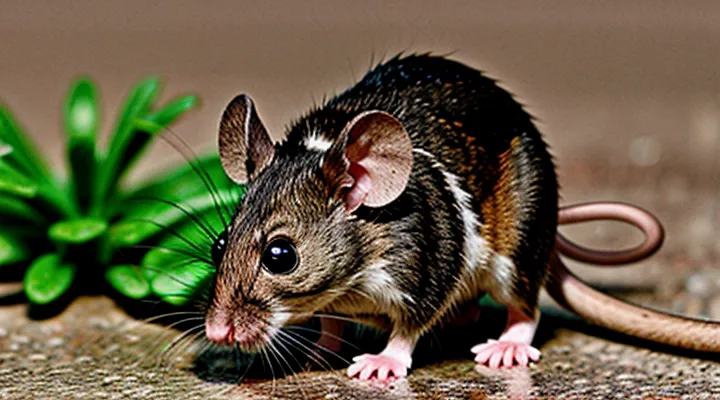
The Amazing World of Mice
Diversity and Classification
Common Mouse Species
The common mouse species that most people encounter belong to several well‑studied groups, each displaying distinct ecological adaptations.
- The house mouse (Mus musculus) thrives in human‑occupied environments, exhibits rapid reproductive cycles, and serves as a primary model organism for biomedical research.
- The field mouse, often referred to as the wood mouse (Apodemus sylvaticus), inhabits temperate forests, prefers seed‑based diets, and demonstrates seasonal coat color changes for camouflage.
- The deer mouse (Peromyscus maniculatus) occupies a broad range across North America, tolerates diverse habitats from deserts to alpine zones, and possesses a keen sense of smell that aids in foraging.
- The striped mouse (Rhabdomys pumilio) is native to sub‑Saharan Africa, displays distinctive dorsal stripes, and shows social structures that include cooperative breeding.
- The harvest mouse (Micromys minutus) ranks among the smallest rodents, constructs spherical nests among grasses, and relies heavily on insect protein during the breeding season.
Morphological traits such as elongated incisors, flexible skulls, and highly developed whisker systems enable these species to navigate complex environments and process a wide variety of foods. Genetic studies reveal that Mus musculus shares a significant portion of its genome with humans, explaining its prevalence in laboratory settings. Ecologically, the presence of common mouse species influences seed dispersion, predator‑prey dynamics, and soil aeration through burrowing activity.
Understanding the distribution, behavior, and physiological characteristics of these rodents provides essential insights into broader mammalian biology and ecosystem health.
Unique Adaptations
Mice exhibit a suite of physiological and behavioral traits that enable survival in diverse environments. Their small size combined with remarkable flexibility allows passage through openings as narrow as a few millimeters, granting access to hidden food sources and shelter.
Key adaptations include:
- Vibrissae – highly innervated whiskers detect minute air currents, providing precise spatial awareness in darkness.
- Tail vascularization – a dense network of blood vessels regulates temperature, dissipating heat during activity and conserving warmth when ambient conditions drop.
- Rapid reproductive cycle – gestation lasts roughly three weeks, with litters of up to twelve offspring, ensuring population resilience after predation events.
- Detoxification enzymes – hepatic systems metabolize a broad range of plant alkaloids and synthetic compounds, reducing toxicity from contaminated foraging sites.
- Enhanced auditory range – frequencies up to 70 kHz are perceived, facilitating detection of predators and conspecific communication beyond human hearing.
- Burrowing musculature – reinforced forelimb muscles and elongated claws generate sufficient force to excavate soil and create complex tunnel networks.
These adaptations collectively equip mice with the capacity to exploit niches that larger mammals cannot access, reinforcing their status as ubiquitous and adaptable rodents.
Mouse Senses and Communication
Keen Sense of Smell
Mice possess one of the most acute olfactory systems among small mammals. Their nasal cavity contains approximately 1,200 functional olfactory receptor genes, a count that exceeds that of many larger species. This extensive repertoire enables detection of volatile compounds at concentrations as low as a few parts per billion.
Key characteristics of the mouse sense of smell include:
- High density of olfactory sensory neurons, reaching up to 5 × 10⁶ per epithelium, which provides a large surface area for odorant binding.
- Rapid regeneration of receptor cells, with a turnover time of roughly 10 days, ensuring sustained sensitivity throughout the animal’s lifespan.
- Specialized vomeronasal organ that processes pheromonal cues, influencing reproductive and territorial behaviors.
Behavioral studies demonstrate that scent trails guide foraging, predator avoidance, and nest selection. Mice can discriminate between subtle variations in food freshness, identifying spoiled items through volatile fatty acids. In laboratory settings, olfactory discrimination tasks reveal that mice distinguish among hundreds of odorant mixtures with accuracy exceeding 90 percent.
Evolutionary pressure has refined the mouse olfactory system to support nocturnal activity. Enhanced scent detection compensates for limited visual acuity, allowing efficient navigation and communication in low‑light environments. The combination of genetic diversity, neuronal abundance, and rapid cellular renewal underlies the remarkably keen sense of smell observed in this species.
Hearing Beyond Human Range
Mice possess an auditory system capable of detecting frequencies far above the upper limit of human hearing. The typical hearing range extends from approximately 1 kHz to 100 kHz, with peak sensitivity around 15–20 kHz. This ultrasonic capability enables several essential functions:
- Localization of predators that emit high‑frequency sounds, such as owls and some insects.
- Communication through ultrasonic vocalizations used in mating, territorial disputes, and mother‑infant interaction.
- Navigation within complex environments by interpreting echoes of self‑generated sounds, a process analogous to biological sonar.
The anatomical basis for this range includes a highly mobile pinna, a slender cochlear duct, and hair cells tuned to rapid vibrations. Research employing electrophysiological recordings and acoustic playback demonstrates that mice can discriminate frequency changes as small as 1 kHz within the ultrasonic spectrum. Such discrimination supports fine‑grained social signaling and rapid threat assessment.
Environmental factors influence auditory performance. Ambient temperature affects sound speed, altering the effective range of ultrasonic cues. Moreover, exposure to persistent low‑frequency noise can impair the detection of higher frequencies, reducing the animal’s ability to respond to predators and conspecific calls.
Understanding mouse hearing beyond human perception provides insight into the evolution of mammalian auditory systems and informs laboratory practices that rely on acoustic stimuli.
Ultrasonic Vocalizations
Ultrasonic vocalizations (USVs) are high‑frequency sounds emitted by mice, typically above 20 kHz, beyond human auditory perception. These emissions serve as a primary communication channel, especially in social and reproductive contexts. During courtship, male mice produce complex USV sequences that attract females and convey fitness cues. In newborns, distress calls trigger maternal retrieval behavior, facilitating survival.
Key characteristics of mouse USVs include:
- Frequency range: 20 kHz – 100 kHz, varying with age and emotional state.
- Temporal patterns: bursts lasting from a few milliseconds to several seconds, often organized into syllable repertoires.
- Context specificity: distinct call types correlate with aggression, exploration, and mating.
Research employing ultrasonic detectors and spectrographic analysis has uncovered correlations between USV patterns and neurological conditions. Alterations in call frequency or structure serve as biomarkers for models of autism, schizophrenia, and neurodegeneration, providing a non‑invasive assay for genetic and pharmacological studies.
Mouse Behavior and Social Structure
Nocturnal Habits
Mice are primarily active during the night, aligning their physiological processes with the dark phase of the daily cycle. Their circadian rhythm is regulated by the suprachiasmatic nucleus, which synchronizes hormone release, body temperature, and metabolic rate to ensure optimal performance in low‑light conditions.
Key characteristics of nocturnal behavior include:
- Enhanced tactile perception through whisker‑mediated mechanoreception, allowing precise navigation on surfaces with minimal visual input.
- Elevated olfactory sensitivity, facilitating detection of food sources and pheromonal cues while visual cues are limited.
- Increased auditory acuity, particularly in the ultrasonic range, supporting predator avoidance and conspecific communication.
- Preference for concealed foraging routes, reducing exposure to diurnal predators such as birds of prey.
During the dark period, mice concentrate feeding activities on seeds, insects, and plant material, storing excess energy as glycogen in the liver. This metabolic strategy supports rapid bursts of activity and thermoregulation when ambient temperatures drop.
Social interactions intensify at night; dominant individuals establish territories through scent marking, while subordinate mice exhibit reduced movement to avoid confrontations. Communication relies on ultrasonic vocalizations that convey aggression, mating intent, and alarm signals, all emitted when ambient noise levels are lowest.
Overall, nocturnal habits optimize survival by exploiting sensory adaptations, energy management, and social structures tuned to the challenges of the night.
Complex Social Hierarchies
Mice organize themselves into layered social systems that dictate access to resources, mating opportunities, and shelter. Dominance hierarchies emerge quickly in groups, with a single individual typically occupying the top rank, while subordinate members assume lower positions.
Key components of these hierarchies include:
- Alpha individual that controls prime nesting sites and food sources
- Mid‑rank members that negotiate limited privileges through reciprocal grooming
- Low‑rank individuals that avoid direct confrontation and focus on foraging
Establishment of rank relies on a combination of scent marking, ultrasonic vocalizations, and aggressive encounters. Scent glands release pheromones that convey status, while ultrasonic calls signal submission or challenge without attracting predators. Physical bouts, often brief and ritualized, reinforce established positions without causing severe injury.
Stability of the hierarchy influences reproductive output, stress hormone levels, and susceptibility to pathogens. Dominant mice typically exhibit higher breeding success, whereas subordinates display elevated corticosterone concentrations, affecting immune function. Researchers exploit these dynamics to model social stress, evaluate genetic factors governing behavior, and improve colony management practices.
Nest Building and Rearing Young
Mice construct nests using soft materials such as shredded paper, plant fibers, and cotton. Nests are typically located in concealed spots—under furniture, inside wall cavities, or within stacked objects—to provide thermal insulation and protection from predators. Construction begins shortly after a female becomes pregnant, with continuous adjustments made throughout gestation to maintain optimal temperature and humidity.
Maternal care includes delivering litters of 4‑8 pups after a gestation period of approximately 19‑21 days. Newborns are altricial, relying on the mother for warmth, nourishment, and cleaning. The mother nurses pups every 1‑2 hours, maintains nest hygiene by removing waste, and adjusts nest composition as pups grow.
Key observations:
- Nest material selection varies with seasonal availability and habitat type.
- Females may build multiple nests within a single breeding cycle, rotating usage to reduce parasite load.
- Pup development milestones: eyes open at 10‑14 days, weaning occurs around 21 days, and independence is typically reached by 30 days.
- Male mice seldom participate in nest building or direct offspring care, focusing on territory defense and mating opportunities.
Diet and Foraging Strategies
Omnivorous Preferences
Mice exhibit a highly adaptable diet, consuming both plant and animal matter to meet fluctuating nutritional demands. Their omnivorous habits enable survival in diverse habitats, from agricultural fields to urban interiors, where food sources vary in availability and quality.
Key components of the mouse diet include:
- Seeds, grains, and nuts providing carbohydrates and essential fats;
- Fresh vegetation such as leaves and stems supplying fiber and vitamins;
- Insects, larvae, and small arthropods offering protein and micronutrients;
- Occasionally, carrion or fecal matter contributing minerals and additional energy.
Seasonal shifts influence preference patterns; during spring and summer, fresh plant material dominates, while autumn prompts increased seed and grain consumption. In winter, limited resources drive opportunistic foraging on stored food and insect remnants. This dietary flexibility supports rapid reproduction cycles and contributes to the species’ role as both seed disperser and predator of pest insects.
Hoarding Behavior
Mice exhibit a pronounced tendency to accumulate resources, a behavior that enhances survival during periods of scarcity. This instinctive practice involves gathering edible items, nesting material, and even inert objects, then arranging them in concealed caches near burrow entrances.
Key characteristics of hoarding behavior include:
- Selection of high‑calorie foods such as seeds, grains, and dried insects, which provide rapid energy release.
- Preference for dry, compact storage sites that reduce spoilage risk and protect supplies from predators.
- Repeated relocation of cached items to multiple chambers, creating redundant reserves that mitigate loss from accidental disturbance.
- Utilization of tactile and olfactory cues to locate and retrieve stored provisions, even after extended intervals.
Research indicates that hoarding intensity correlates with environmental variability; mice in unpredictable habitats demonstrate larger and more frequent caches. Hormonal fluctuations, particularly elevated cortisol levels during stress, amplify the drive to gather and conceal food.
The behavior also influences ecosystem dynamics. By dispersing seeds away from parent plants, mice contribute to plant propagation and affect vegetation patterns. Their caches serve as food sources for opportunistic predators and scavengers, linking multiple trophic levels.
Understanding the mechanisms behind mouse hoarding provides insight into broader adaptive strategies employed by small mammals to cope with fluctuating resource availability. «Mice store food for scarce periods», a concise observation that encapsulates the essential purpose of this complex behavior.
Impact on Ecosystems
Mice, as highly adaptable rodents, affect ecosystem structure and function through multiple pathways. Their foraging activity modifies plant community composition, while their burrowing behavior alters soil physical properties.
- Seed dispersal: transport and cache of seeds lead to germination away from parent plants, enhancing plant diversity.
- Soil aeration: tunnel networks increase oxygen penetration, promote microbial activity, and improve water infiltration.
- Predator support: constitute a reliable food source for birds of prey, snakes, and small carnivores, sustaining higher trophic levels.
- Disease dynamics: serve as reservoirs for pathogens, influencing population health of other species and shaping community interactions.
- Competitive pressure: compete with insects and other small mammals for resources, regulating population density and resource allocation.
These mechanisms collectively contribute to nutrient cycling, habitat heterogeneity, and trophic stability, underscoring the integral role of mice in maintaining ecological balance. «Mice influence both biotic and abiotic components of their environments», a consensus reflected in contemporary ecological literature.
Reproduction and Life Cycle
Rapid Breeding Cycles
Mice reproduce at a pace that enables swift population expansion. A typical gestation period lasts 19‑21 days, after which a litter of 5‑8 pups is born. Females become sexually mature at 5‑6 weeks and can conceive again within 24‑48 hours of giving birth, allowing multiple successive litters each year.
Key characteristics of the breeding cycle:
- Gestation: 19‑21 days
- Litter size: average 6 pups, range 3‑12
- Post‑natal estrus: onset within 24‑48 hours
- Annual litters: up to 10 per female in optimal conditions
Rapid reproductive turnover contributes to genetic variability, supports ecological resilience, and underpins laboratory breeding programs that rely on predictable generation times.
Gestation and Development
The gestation period of the common house mouse averages 19–21 days, with slight variation among strains and environmental conditions. Embryonic development proceeds rapidly; by day 5 post‑conception, the blastocyst implants, and organogenesis commences within the next week.
Day 10 marks the appearance of distinct limb buds and facial features, while day 14 sees the formation of hair follicles and the maturation of the respiratory system. By day 18, fetal movements become observable and the pup approaches full size, ready for birth.
Litter size typically ranges from 5 to 8 pups, reflecting uterine capacity and maternal nutrition. Placental efficiency supports accelerated growth, delivering nutrients and oxygen through a hemochorial interface that maximizes exchange surface area.
Key points:
- Gestation length: 19–21 days.
- Critical developmental milestones: implantation (day 5), limb bud emergence (day 10), hair follicle formation (day 14), fetal activity (day 18).
- Average litter: 5–8 pups.
- Placental type: hemochorial, providing high‑efficiency maternal‑fetal transfer.
These data illustrate the concise timeline and physiological adaptations that enable mice to reproduce swiftly and maintain population resilience.
Short Lifespan, High Impact
Mice generally reach maturity within six weeks and survive only one to three years. Their brief life expectancy accelerates generational turnover, allowing rapid observation of developmental and genetic changes.
The short lifespan translates into considerable influence across multiple domains:
- Biomedical research benefits from swift experimental cycles, enabling timely testing of drugs and therapies.
- Genetic studies exploit rapid breeding to identify hereditary traits and disease models within months.
- Ecological investigations gain insight into population dynamics because mouse numbers fluctuate noticeably over short periods.
Consequently, despite limited longevity, mice provide a disproportionately large contribution to scientific advancement and environmental understanding.
Mouse Intelligence and Learning
Maze Navigation Skills
Mice exhibit extraordinary proficiency in navigating mazes, a capability that reveals much about their sensory integration and cognitive architecture.
The primary sensory instruments include vibrissae that detect minute air currents, a keen olfactory system that discerns pheromonal trails, and binocular vision that perceives depth cues. These modalities converge to construct a real‑time map of the environment, enabling rapid route selection.
Learning mechanisms rely on spatial memory formation within the hippocampus. Repeated exposure to a labyrinth leads to the consolidation of landmark associations, reducing trial times by up to 70 % in laboratory settings.
Key navigation skills are:
- Rapid assessment of branching points through whisker feedback.
- Utilization of scent gradients to prioritize pathways.
- Flexible adaptation to altered maze configurations after a single error.
- Execution of shortcut strategies once the optimal route is identified.
Research applications demonstrate that mouse maze performance serves as a benchmark for neuroplasticity studies and informs the design of autonomous robots that mimic biological exploration patterns.
«Mice can solve complex mazes in under a minute», reports a comparative analysis of rodent species, underscoring the efficiency of their problem‑solving repertoire.
Understanding these abilities enhances insight into broader animal cognition and supports the development of bio‑inspired technologies.
Problem-Solving Abilities
Mice demonstrate sophisticated problem‑solving capacities that rival those of larger mammals. Laboratory tests reveal rapid acquisition of maze routes, efficient manipulation of puzzle boxes, and adaptation to variable reward schedules. These behaviors indicate an ability to integrate sensory cues, retain spatial information, and modify strategies when conditions change.
Key aspects of mouse problem solving include:
- Spatial memory: retention of complex layouts after single exposure, enabling direct navigation to hidden food sources.
- Tool‑use potential: manipulation of objects such as levers or sticks to obtain otherwise inaccessible rewards.
- Flexible learning: switching between learned patterns when obstacles appear, reflecting cognitive flexibility.
- Social transmission: observation of conspecifics leads to imitation of successful techniques, reducing individual trial‑and‑error.
Experimental documentation, for example «The Cognitive Flexibility of Laboratory Mice», quantifies performance improvements across successive trials, confirming that repeated exposure enhances efficiency without external prompting. Neural recordings during these tasks show activation of the hippocampus and prefrontal cortex, regions associated with planning and decision making.
Understanding mouse problem‑solving abilities informs ecological management, as adaptive foraging strategies influence crop damage patterns. Moreover, these rodents serve as models for human neuropsychological research, providing insight into the mechanisms underlying learning, memory, and executive function.
Role in Scientific Research
Mice serve as a primary model organism for biomedical investigations because of their genetic similarity to humans, short reproductive cycles, and ease of maintenance. Their genome can be edited with precision tools, enabling the creation of disease‑specific strains that mimic human pathology.
Key research domains that rely on mouse models include:
- Cancer biology, where tumor‑bearing mice provide data on tumor growth, metastasis, and therapeutic response.
- Neurological studies, employing genetically altered mice to explore mechanisms of Alzheimer’s disease, Parkinson’s disease, and autism spectrum disorders.
- Immunology, with mouse strains used to dissect immune cell development, vaccine efficacy, and autoimmune processes.
- Metabolic research, utilizing mouse models to investigate obesity, diabetes, and lipid metabolism.
- Pharmacology, where mice allow assessment of drug toxicity, pharmacokinetics, and dose‑response relationships.
Findings derived from mouse experiments have accelerated the development of clinically approved treatments, such as targeted cancer therapies, monoclonal antibodies, and gene‑editing approaches. Regulatory agencies often require preclinical data from mouse studies before advancing to human trials, underscoring the organism’s influence on translational pipelines.
Ethical oversight is mandated by institutional review boards and international guidelines, which prescribe humane housing, minimization of distress, and justification of animal numbers. Compliance with these standards ensures that scientific gains are balanced with responsible animal stewardship.
Mice in Human Culture
Pests or Companions?
Mice occupy a dual position in human environments, simultaneously presenting challenges and offering benefits.
-
Rapid reproduction cycles enable populations to expand quickly, leading to structural damage and contamination of stored goods.
-
Strong foraging instincts drive consumption of food supplies, increasing waste and encouraging the spread of pathogens such as Salmonella and hantavirus.
-
Adaptability to diverse habitats allows colonization of urban, rural, and agricultural settings, often without detection until infestations become severe.
-
Social intelligence fosters complex communication through ultrasonic vocalizations, facilitating group coordination and problem‑solving.
-
Ability to form bonds with caretakers results in reduced stress levels for owners, as evidenced by lowered cortisol measurements during mouse interaction.
-
Small size and low maintenance requirements make mice suitable for educational programs, providing hands‑on observation of mammalian physiology and behavior.
Balancing these attributes requires targeted management strategies that mitigate destructive tendencies while preserving the therapeutic and educational value mice can provide.
Symbolism and Folklore
Mice appear repeatedly in cultural symbolism, representing qualities such as cunning, survival, and modesty. In ancient Egypt, mouse deities guarded grain stores, embodying protection of sustenance. Classical Greek literature portrays mice as messengers of the underworld, linking them to themes of transition and hidden knowledge. Indigenous North American traditions often associate mice with humility and resourcefulness, using the animal as a moral exemplar in oral teachings.
Key motifs in folklore include:
- Mice stealing food to illustrate the consequences of greed. - Mice guiding lost travelers, symbolizing unexpected assistance. - Mice confronting larger predators, embodying the triumph of intellect over strength.
These narratives reinforce societal values, convey cautionary lessons, and preserve communal memory. By embedding mice within mythic frameworks, cultures transmit insights about adaptability, perseverance, and the subtle influence of seemingly insignificant beings.
Scientific Contributions
Mice have become indispensable subjects for biomedical investigation, providing insights that shape contemporary science. Their genetic tractability, short reproductive cycles, and physiological similarity to humans enable precise manipulation of biological pathways.
Key scientific contributions derived from mouse research include:
- Development of transgenic and knockout models that reveal gene function and disease mechanisms.
- Elucidation of neural circuitry through optogenetic and calcium‑imaging techniques, advancing understanding of cognition and behavior.
- Identification of oncogenic drivers and therapeutic targets in cancer biology via engineered tumor models.
- Clarification of immune system dynamics, informing vaccine design and autoimmune disease treatment.
- Discovery of metabolic regulators influencing obesity, diabetes, and aging processes.
These achievements demonstrate how systematic study of murine biology directly informs human health advancements and drives innovation across multiple disciplines.