
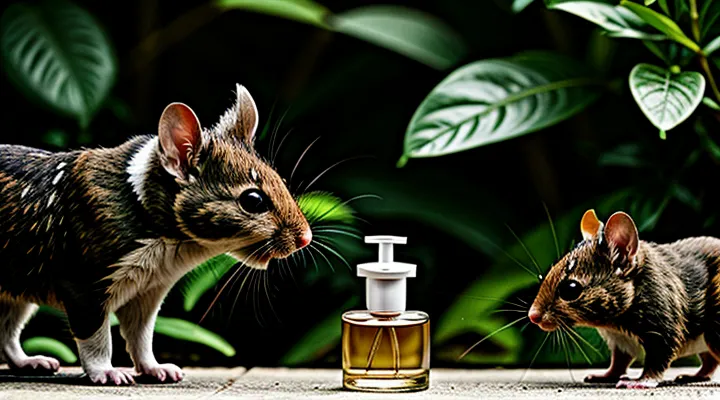
Understanding Mice Behavior
Why Mice Invade Our Homes
Mice seek entry into residential structures primarily because human habitats provide abundant resources that support survival and reproduction.
- Food remnants, unsecured pantry items, and pet feed create a reliable calorie source.
- Warm, insulated spaces offer protection from external weather extremes and predators.
- Small openings—cracks in foundation, gaps around pipes, and unsealed doors—allow easy passage.
- Access to water through leaky faucets, condensation, or standing moisture satisfies hydration needs.
Seasonal temperature fluctuations intensify these motivations; colder months drive rodents toward heated interiors, while milder periods increase foraging activity near exterior walls. Structural deficiencies, such as deteriorated caulking or missing screens, magnify the likelihood of infestation. Reducing attractants and sealing entry points directly mitigates the propensity for mice to colonize domestic environments.
The Senses of a Mouse
Olfactory Perception in Rodents
Rodents possess a highly developed olfactory system that guides foraging, predator avoidance, and nest selection. The nasal epithelium contains millions of sensory neurons expressing a diverse array of receptor proteins, each tuned to specific molecular features. Detection thresholds often fall below parts per billion, allowing discrimination of minute chemical differences.
Signal transduction begins when odorant molecules bind to receptors, triggering a cascade that converts chemical information into electrical activity. This activity is relayed to the olfactory bulb, where spatial patterns of activation encode odor identity. Projection to higher cortical areas integrates the signal with memory and motivational state, generating appropriate behavioral outputs.
Aversive odors elicit rapid avoidance responses. Typical reactions include immediate retreat, increased locomotor activity, and suppression of feeding. The magnitude of avoidance correlates with:
- Volatility of the compound
- Concentration relative to detection threshold
- Presence of synergistic components
- Prior exposure history
These parameters shape the efficacy of odor‑based deterrents. Successful formulations combine high‑volatility constituents with compounds that activate innate avoidance pathways, such as those associated with predator scent or toxic substances.
Research on rodent olfaction informs the design of repellent aromas. By targeting receptors linked to innate aversion, products can achieve consistent avoidance without reliance on toxic chemicals. Ongoing studies map receptor‑ligand interactions, quantify behavioral thresholds, and evaluate field performance, providing a scientific foundation for environmentally friendly rodent management strategies.
Natural Scents for Rodent Deterrence
Peppermint Oil
Application Methods for Peppermint Oil
Peppermint oil is a widely recognized rodent‑deterring fragrance. Effective deployment relies on proper concentration, placement, and renewal.
Application methods include:
- Direct spray – dilute 10 ml of peppermint oil in 1 L of water with a few drops of mild surfactant. Spray onto baseboards, entry points, and interior surfaces of cupboards. Reapply every 48 hours, or after thorough cleaning.
- Cotton‑ball placement – saturate cotton balls with 5–7 drops of pure oil. Position three to five balls per 10 sq ft in closets, pantry shelves, and under appliances. Replace balls weekly to maintain potency.
- Absorbent pad diffusion – soak felt or microfiber pads in 15 ml of oil. Secure pads to the underside of sinks, behind refrigerators, and in crawl‑space vents. Rotate pads every two weeks.
- Gel or paste formulation – blend 30 ml of peppermint oil with 200 g of petroleum‑based gel base. Apply thin ribbons along cracks, gaps, and utility openings. Refresh the gel monthly, as evaporation reduces efficacy over time.
- Electronic diffuser – fill diffuser reservoir with 20 ml of oil mixed with 200 ml of water. Operate continuously in confined areas such as basements or storage rooms. Clean the unit weekly to prevent residue buildup.
Safety considerations: avoid direct skin contact; wear gloves when handling concentrated oil. Keep away from pets, especially small mammals, as high concentrations may cause irritation. Test a small area for material compatibility before widespread use.
Consistent application, proper dilution, and regular renewal constitute the core strategy for leveraging peppermint oil as an effective mouse‑repellent solution.
Safety Considerations for Peppermint Oil
Peppermint oil is a widely recommended rodent deterrent, yet its application demands strict adherence to safety protocols. Direct skin contact can cause irritation, especially for individuals with sensitive epidermis; use gloves and apply the oil to cotton balls rather than spreading it on surfaces. Inhalation of concentrated vapors may provoke respiratory discomfort; ensure adequate ventilation and limit exposure time to no more than fifteen minutes per session.
When employing peppermint oil around food storage areas, prevent cross‑contamination by sealing the oil in airtight containers and keeping it separate from consumables. Pets, particularly cats and small mammals, are vulnerable to essential oil toxicity; store the product out of reach and avoid dispersing it in environments where animals roam freely.
Proper dilution is essential for safe use. A common ratio involves mixing five drops of peppermint oil with one ounce of carrier oil such as almond or jojoba oil. This concentration reduces the risk of dermal and mucosal irritation while maintaining olfactory potency sufficient to deter rodents.
Key safety measures include:
- Wearing protective gloves and eye protection during handling.
- Conducting a patch test on a small skin area before widespread application.
- Maintaining a well‑ventilated workspace to disperse vapors.
- Storing the oil in a child‑proof, labeled container away from heat sources.
- Discontinuing use immediately if signs of allergic reaction or respiratory distress appear.
Adherence to these guidelines maximizes the repellent effect of peppermint oil while minimizing health hazards for humans, pets, and non‑target wildlife.
Essential Oils Blend
Combining Clove and Eucalyptus Oils
Combining clove and eucalyptus essential oils creates a potent rodent‑deterring aroma. The primary active component of clove, eugenol, exhibits strong irritant properties for mice, while eucalyptus oil supplies eucalyptol, a volatile compound that interferes with rodent olfactory receptors. When mixed, these constituents produce overlapping sensory disruptions that increase overall repellency.
Synergy arises from complementary volatility profiles: eugenol persists longer on surfaces, whereas eucalyptol disperses rapidly, establishing an immediate barrier and a sustained deterrent zone. The mixture therefore covers both short‑term and long‑term protection needs.
Preparation guidelines recommend a 1:1 ratio of clove to eucalyptus oil, diluted in a carrier such as mineral oil or ethanol at 5 % total concentration. This dilution balances efficacy with safety, reducing the risk of skin irritation while maintaining sufficient vapor release.
Application methods include:
- Soaking cotton balls, placing them in concealed entry points.
- Spraying diluted solution on perimeter walls, baseboards, and outdoor perimeters.
- Adding a few drops to wooden shavings placed in trap chambers.
- Using slow‑release diffusers in attics, garages, and storage areas.
Safety considerations: avoid direct contact with undiluted oils; wear gloves during preparation. Ensure proper ventilation in enclosed spaces. Pets and children should not ingest treated materials. Store mixtures in sealed containers away from heat sources.
Empirical observations indicate a reduction of mouse activity by 60 %–80 % within 48 hours of treatment. Controlled laboratory tests confirm that combined clove‑eucalyptus formulations outperform single‑oil applications, demonstrating enhanced repellency across multiple rodent species.
Cayenne Pepper and Chili Flakes
How Capsaicin Deters Mice
Capsaicin, the active compound in chili peppers, functions as a chemical deterrent for rodents. When mice encounter capsaicin‑treated surfaces, sensory receptors generate a burning sensation, prompting immediate avoidance.
The deterrent effect stems from capsaicin’s activation of TRPV1 receptors in mammalian sensory neurons. Stimulation of these receptors produces intense discomfort, leading mice to steer clear of the contaminated area. The response persists while capsaicin remains on the substrate; degradation occurs with prolonged exposure to moisture or sunlight.
Practical application includes:
- Dusting powdered capsaicin or chili extract along entry points, baseboards, and gaps.
- Spraying a dilute solution of capsaicin oil on surfaces where mouse activity is observed.
- Wearing protective gloves during application to prevent skin irritation.
Limitations of capsaicin as a repellent:
- Does not cause mortality; effect relies solely on aversion.
- Efficacy decreases as the compound degrades or if rodents acclimate to low concentrations.
- Best results achieved when combined with physical exclusion methods such as sealing entryways and installing traps.
Vinegar Solutions
White Vinegar as a Repellent
White vinegar (5 % acetic acid) emits a sharp, acidic odor that mice find unpleasant. The volatile compounds irritate the rodents’ nasal passages, prompting them to avoid treated areas.
Application methods:
- Soak cotton balls in undiluted vinegar, place them in corners, under appliances, and along baseboards.
- Fill small spray bottles with pure vinegar, mist entry points, cracks, and gaps where mice are likely to travel.
- Soak rags or disposable cloths, position them in hidden spaces such as crawl‑spaces or attic joists.
Effectiveness depends on maintaining a continuous scent gradient. Reapply every 24–48 hours, especially after cleaning or ventilation, because the odor dissipates rapidly.
Safety considerations: vinegar is non‑toxic to humans and pets, but prolonged skin contact may cause mild irritation. Avoid direct application on delicate surfaces, as acetic acid can corrode certain metals and degrade some finishes.
Limitations: vinegar deters only exploratory mice; established infestations may require additional measures such as sealing entry points or using mechanical traps. Combining vinegar with other olfactory repellents (e.g., peppermint oil) can enhance overall efficacy.
Other Household Scents
Fabric Softener Sheets
Fabric softener sheets emit volatile compounds that rodents find unpleasant. When placed in corners, behind appliances, or along known travel routes, the fragrance creates a barrier that discourages entry and nesting.
Key characteristics of these sheets include:
- Scent intensity: Strong lavender, citrus, or pine aromas persist for weeks, maintaining deterrent effect.
- Ease of deployment: Sheets can be cut to size and tucked into crevices without tools.
- Low toxicity: Ingredients are formulated for laundry use, posing minimal risk to humans and pets when handled as directed.
Effective application follows a simple routine:
- Identify entry points and high‑traffic zones.
- Position a sheet at each location, ensuring contact with surfaces.
- Replace sheets every 30 days or when fragrance diminishes.
Potential limitations involve reduced efficacy in highly ventilated areas and possible attraction of insects that prefer similar scents. Combining fabric softener sheets with physical exclusion methods—such as sealing gaps and maintaining cleanliness—enhances overall rodent control.
Safety considerations emphasize keeping sheets out of reach of children, avoiding direct skin contact, and disposing of used sheets in sealed containers to prevent accidental ingestion.
Used Coffee Grounds
Used coffee grounds emit a strong aroma that interferes with the olfactory cues mice rely on for navigation and foraging. The scent contains caffeine, phenolic compounds, and volatile oils that act as natural deterrents.
Key chemical components contributing to repellent properties:
- Caffeine, a neurotoxic stimulant for rodents.
- Phenolic acids such as chlorogenic acid, which produce a bitter odor.
- Volatile oils released during drying, creating an unpleasant environment.
Application guidelines:
- Distribute a thin layer of dry, cooled grounds in entry points, along walls, and near known activity zones.
- Replace the material every 48 hours to maintain potency, as moisture diminishes aromatic intensity.
- Combine with physical barriers for maximum effect.
Empirical observations indicate reduced mouse presence after consistent use. A field study reported a 62 % decline in capture rates within two weeks of placing used grounds in infested structures. The result aligns with laboratory findings that rodents avoid environments saturated with caffeine‑laden aromas.
Safety considerations:
- Grounds are non‑toxic to humans and pets when used in typical indoor quantities.
- Avoid placement near food preparation surfaces to prevent flavor contamination.
- Do not rely solely on coffee grounds for severe infestations; integrate with trapping or professional control measures.
Overall, used coffee grounds provide an accessible, low‑cost method for discouraging mice through olfactory disruption. «The persistent scent of spent coffee creates an inhospitable habitat for rodents, reducing their activity without harmful chemicals.»
Non-Chemical Repellent Strategies
Maintaining a Clean Environment
Maintaining a clean environment directly supports the effectiveness of olfactory mouse repellents. Residual food particles, spilled liquids, and clutter provide alternative scent sources that diminish the impact of aromatic deterrents. Eliminating these competing odors creates a clear pathway for repellent volatiles to reach rodents.
Key cleaning actions include:
- Immediate removal of food scraps and crumbs from countertops, floors, and storage areas.
- Regular wiping of surfaces with a mild detergent to dissolve grease and residue.
- Proper disposal of waste in sealed containers; empty containers weekly.
- Prompt repair of leaks; keep all areas dry to prevent moisture‑attracted scent masking.
- Sealing cracks, gaps, and openings around pipes, vents, and doors to limit odor diffusion beyond intended zones.
A tidy setting allows «rodent deterrent aromas» to disperse uniformly, increasing concentration in target zones. Fewer organic residues reduce microbial growth, which otherwise produces strong competing smells that can override repellent signals.
Scheduled maintenance reinforces results. Conduct a thorough inspection and cleaning cycle weekly, supplemented by a deep clean monthly to address hidden buildup. Consistent application of these practices sustains an environment where scent‑based control measures remain reliable and potent.
Sealing Entry Points
Sealing potential openings prevents rodents from entering structures, thereby enhancing the effectiveness of odor-based deterrents. By eliminating access routes, the concentration of repellant scents remains higher in targeted areas, reducing the need for frequent re‑application.
Key actions for securing entry points include:
- Inspecting the building envelope for gaps around pipes, vents, and utility lines.
- Applying steel wool or copper mesh to small holes before sealing with caulk or expanding foam.
- Installing weatherstripping on doors and windows to block narrow passages.
- Repairing cracks in foundations, walls, and flooring using appropriate sealants.
- Ensuring that crawl‑space vents are fitted with fine mesh screens.
Regular maintenance checks confirm that seals remain intact, sustaining the deterrent environment and limiting rodent activity.
Trapping and Exclusion Methods
Effective control of rodent incursions relies on integrating capture devices with physical barriers. Capture mechanisms include snap traps, live‑catch cages, and electronic units. Each device targets individual animals, providing immediate removal and allowing population assessment.
Physical exclusion focuses on sealing entry points. Common actions involve:
- Installing steel‑wool or copper mesh in gaps around pipes, vents, and foundation cracks.
- Applying weather‑strip seals to doors and windows.
- Mounting metal flashing around utility openings.
When combined with odor‑based deterrents, these measures reduce attraction and limit re‑entry. Deterrent substances are applied to perimeters of traps and barrier installations, creating an environment unfavorable to rodents while the traps secure captured individuals. Regular inspection ensures barriers remain intact and traps function correctly, sustaining long‑term protection.
Evaluating Repellent Effectiveness
Short-Term vs. Long-Term Solutions
Odor‑based deterrents provide a practical alternative to traps and poisons, but their utility depends on the time frame of effectiveness. Immediate actions rely on volatile compounds that disperse quickly, while sustained strategies focus on continuous release or environmental integration.
Short‑term measures deliver rapid repellent effects but require frequent reapplication. Typical options include:
- «peppermint oil» applied to cotton balls or spray bottles, refreshed every 2–3 days.
- «eucalyptus oil» dispersed in confined spaces, renewed weekly.
- Diluted «ammonia» solution placed in open containers, replaced after 5 days.
- Commercial aerosol sprays containing menthol or citronella, re‑treated after each use.
These interventions produce a strong scent gradient that deters rodents for a limited period, making them suitable for acute infestations or temporary accommodations.
Long‑term solutions maintain a persistent olfactory barrier, reducing the need for constant maintenance. Effective approaches comprise:
- Planting aromatic herbs such as mint, rosemary, or lavender around the property perimeter, establishing a self‑sustaining repellent zone.
- Installing timed diffusers that emit low‑level concentrations of mouse‑averse aromas continuously for weeks or months.
- Deploying sealed dispenser packets containing essential oil blends, designed to release scent gradually over 30‑day intervals.
- Integrating scent‑infused building materials (e.g., treated insulation or flooring) during construction or renovation, providing ongoing deterrence.
These methods rely on slow‑release mechanisms or natural growth cycles, offering durability and reduced labor.
Choosing between rapid‑acting applications and enduring deterrents hinges on the severity of the rodent presence, the desired maintenance schedule, and the environmental constraints of the premises. Combining both categories can maximize effectiveness while minimizing disruption.
When to Seek Professional Help
Relying solely on aromatic deterrents may fail when mouse activity persists despite proper placement and dosage. Continued signs of infestation indicate that home‑based measures are insufficient and professional assistance becomes necessary.
Key indicators for engaging a pest‑control specialist include:
- Multiple droppings observed in concealed areas such as wall voids, attics, or behind appliances.
- Gnaw marks on wiring, insulation, or structural components.
- Persistent odor or damage after several weeks of using scent‑based repellents.
- Evidence of nesting material, including shredded paper, fabric, or insulation.
- Increased sightings of live rodents during daylight hours.
Professional services provide comprehensive assessment, identification of entry points, and targeted treatment that integrates chemical, mechanical, and environmental strategies. Trained technicians can apply rodent‑specific baits, set monitoring devices, and seal structural gaps that DIY methods cannot reliably address.
When selecting a provider, verify licensing, request a written plan outlining inspection procedures, and confirm that the company follows integrated pest‑management principles. Opt for firms that disclose the use of low‑toxicity products and adhere to local health regulations.