
General Characteristics
Physical Description
Size and Weight
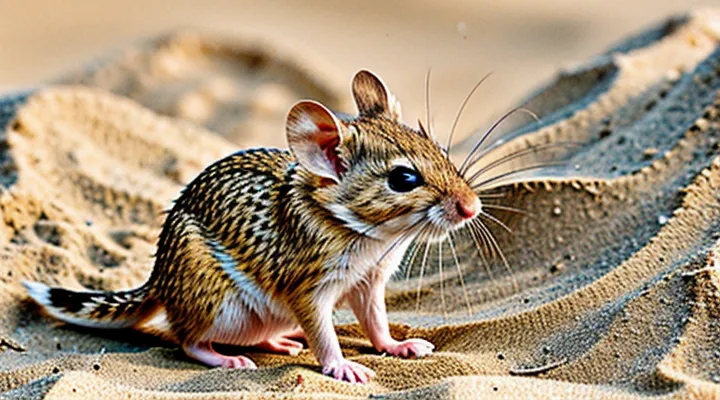
The sand mouse, a diminutive field rodent adapted to arid environments, exhibits a compact body plan. Adult head‑body length ranges from 65 mm to 85 mm, while the tail adds an additional 45 mm to 60 mm, resulting in a total length of 110 mm to 145 mm. Body mass is consistently low; individuals weigh between 10 g and 18 g, with most specimens clustering near 13 g. These dimensions reflect the species’ specialization for burrowing and efficient heat dissipation in sandy habitats.
Fur Coloration
The sand-dwelling mouse exhibits a limited yet distinct palette of pelage tones that correspond to its arid habitat. Dorsal fur ranges from pale buff to light brown, occasionally interspersed with faint grayish speckles that break up the animal’s silhouette against sandy substrates. Ventral fur is consistently lighter, displaying creamy white or pale ochre shades that reduce contrast with the ground when the mouse assumes a low posture.
Key coloration traits include:
- Dorsal hue: buff, light brown, or gray‑tinged; pigmentation density varies among individuals.
- Ventral hue: creamy white or pale ochre; uniform across populations.
- Tail underside: often a pale gray, contrasting with a slightly darker dorsal tail surface.
- Seasonal shift: limited to a modest darkening of dorsal fur during cooler months, providing modest thermal absorption.
Pigmentation results from melanin distribution within hair shafts, with eumelanin predominating in darker fur sections and pheomelanin contributing to lighter tones. The overall coloration pattern enhances camouflage, minimizes predation risk, and supports thermoregulation within the mouse’s desert environment.
Distinctive Features
The sand mouse is a diminutive rodent adapted to arid environments. Its body length rarely exceeds 70 mm, with a proportionally long, slender tail that balances locomotion on loose substrate. The dorsal pelage displays a pale, sand‑colored coat that blends with the desert floor, while the ventral side remains lighter, reducing heat absorption. Large, rounded ears enhance auditory detection of predators and facilitate thermoregulation by dissipating excess body heat.
Key physiological adaptations include:
- Highly efficient kidneys that concentrate urine, minimizing water loss.
- Nasal passages lined with specialized mucosa that reclaim moisture from inhaled air.
- Footpads covered in fine, sand‑resistant hairs, providing traction and preventing sand ingress.
Behaviorally, the species exhibits nocturnal activity patterns, foraging under cover of darkness to avoid daytime temperatures. Diet consists primarily of seeds, insects, and occasional green vegetation, reflecting opportunistic omnivory. Reproduction is rapid; females can produce multiple litters per year, each comprising 3–5 offspring, ensuring population resilience in fluctuating desert conditions.
Habitat and Distribution
Geographical Range
The sand mouse inhabits arid and semi‑arid zones across a broad swath of North Africa and the Arabian Peninsula. Its presence is confirmed in desert, steppe, and scrub habitats where loose sandy soils dominate.
Geographical distribution includes:
- Morocco, Algeria, Tunisia, Libya, and Egypt
- Sudan, Chad, Niger, Mali, Mauritania, and northern Nigeria
- Saudi Arabia, Yemen, and parts of the United Arab Emirates
Populations are most concentrated in the Sahara Desert and the Sahelian transition zone, extending into the Arabian desert fringe. The species’ range follows patterns of low precipitation, high temperature variability, and sparse vegetation, reflecting its adaptation to extreme xeric environments.
Preferred Environments
The sand mouse, a diminutive field rodent adapted to arid landscapes, exhibits a clear preference for habitats that provide both shelter and foraging opportunities.
- Loose, well‑drained sand or loamy soils that facilitate burrowing and rapid escape from predators.
- Sparse vegetation such as dwarf shrubs, grasses, and tumbleweed patches that offer cover while maintaining open ground for movement.
- Areas with a steady supply of seeds, insects, and plant debris, typically found near seasonal watercourses or low‑lying depressions.
- Regions experiencing moderate temperature fluctuations, where daytime heat is mitigated by shade and nighttime cooling supports nocturnal activity.
These environmental characteristics collectively sustain the sand mouse’s reproductive cycles, foraging efficiency, and predator avoidance strategies.
Niche within Ecosystems
The sand-dwelling mouse occupies arid grasslands and semi‑desert scrub where loose, sandy soils dominate. Its burrowing activity creates underground chambers that increase soil aeration and facilitate water infiltration, thereby influencing micro‑habitat conditions for invertebrates and plant seedlings.
Feeding primarily on seeds, small insects, and plant detritus, the species regulates seed banks through selective consumption and accidental dispersal. By removing germinating seeds, it reduces competition among emerging flora, while cached seeds that escape predation may later germinate, contributing to plant community dynamics.
Predation pressure comes from raptors, snakes, and small carnivorous mammals. The mouse’s nocturnal activity and cryptic coloration reduce encounter rates, while its rapid sprinting ability provides an effective escape response.
Interactions with parasites and ectoparasites form a conduit for pathogen transfer within the ecosystem, linking trophic levels and influencing disease prevalence among sympatric species.
Key ecological functions:
- Soil modification through burrow construction
- Seed predation and dispersal affecting plant regeneration
- Serving as prey for higher trophic levels
- Acting as a reservoir for parasites and associated pathogens
Collectively, these roles integrate the sand mouse into the energy flow and nutrient cycling of its environment, sustaining the structural and functional integrity of arid ecosystems.
Behavior and Ecology
Diet and Feeding Habits
Food Sources
The sand mouse, a diminutive field rodent adapted to arid environments, obtains nutrition primarily from plant and animal matter encountered in its habitat. Its diet reflects the limited resources of desert ecosystems and shifts with seasonal availability.
- Seeds and grains: Harvested from grasses and low‑lying shrubs; constitute the bulk of caloric intake.
- Green vegetation: Young shoots, leaves, and tender stems provide moisture and essential nutrients during the brief rainy period.
- Insects and arachnids: Beetles, ants, and spiders are captured opportunistically, supplying protein and lipids.
- Fruit and buds: Occasionally consumed when present, offering additional sugars and vitamins.
- Detritus: Decaying plant material and fungal spores serve as supplemental food sources when other options are scarce.
Foraging occurs mainly at night, reducing exposure to predators and extreme temperatures. The sand mouse stores excess seeds in cheek pouches for transport to burrow chambers, where they are cached for later consumption. Water intake is largely derived from the moisture content of food, minimizing the need for direct drinking. Seasonal fluctuations in vegetation growth dictate the relative proportion of each food category in the rodent’s diet.
Foraging Behavior
The sand mouse, an arid‑adapted field rodent, obtains nutrition through a flexible foraging strategy that integrates opportunistic seed harvesting with selective insect consumption. During early morning and late evening, individuals emerge from burrows to exploit surface resources while minimizing exposure to predators.
Typical food items include:
- Dry seeds of grasses and shrubs
- Small arthropods (beetles, ants, termites)
- Fresh shoots and leaves following rare rain events
- Fungal spores detected in moist microhabitats
Foraging activity varies with season. In dry periods, the mouse relies heavily on stored seeds and increases ground‐scraping behavior to uncover buried kernels. After precipitation, it expands its diet to incorporate newly germinated vegetation and moisture‑rich insects. Spatial memory guides repeated visits to productive patches, while olfactory cues enable detection of concealed seeds. Short, high‑speed forays reduce predation risk, and occasional caching of surplus seeds supports survival during prolonged scarcity.
Reproduction and Life Cycle
Mating Season
The sand mouse enters its reproductive period during the late spring and early summer months, when ambient temperatures rise above 20 °C and vegetation productivity peaks. Hormonal changes triggered by increasing daylight length stimulate gonadal development in both sexes, resulting in heightened activity and territorial marking.
Males establish and defend small territories that contain multiple burrow entrances. Within these areas they emit ultrasonic vocalizations and deposit scent marks composed of urine and glandular secretions. Females, attracted by the chemical cues, visit several male territories before selecting a partner based on the intensity of the scent profile and the quality of the defended space.
Courtship culminates in brief copulatory bouts that may occur multiple times over a two‑week window. After mating, gestation lasts approximately 21 days. Females give birth to litters of three to six offspring, which are altricial and remain in the nest for about three weeks before emerging.
Key aspects of the mating season:
- Timing: Late April to early July, aligned with peak food availability.
- Male behavior: Territory defense, ultrasonic calls, scent marking.
- Female behavior: Multiple mate assessment, selection based on scent and territory quality.
- Reproductive output: 21‑day gestation, 3–6 pups per litter, up to three litters per season under optimal conditions.
Environmental fluctuations, such as drought or abnormal temperature shifts, can compress the breeding window, leading to reduced litter sizes or delayed parturition. The species’ reproductive strategy emphasizes rapid population growth when conditions are favorable, ensuring persistence across the arid habitats it occupies.
Gestation and Litter Size
The sand mouse, a diminutive field rodent native to arid habitats, exhibits a relatively short reproductive cycle. Gestation typically spans 18–21 days, with most studies reporting an average of 20 days under natural conditions. Variation in duration correlates with ambient temperature and maternal nutrition, but deviations rarely exceed two days from the mean.
Litter characteristics are consistent across populations:
- Average number of offspring per litter: 4–6 pups
- Minimum recorded litter size: 2 pups
- Maximum recorded litter size: 9 pups
Females may produce up to three litters per breeding season, extending the species’ reproductive output in favorable environments.
Lifespan
The sand mouse, a diminutive field rodent adapted to arid environments, typically lives for 12–18 months in the wild. Captive individuals may reach 24–30 months when provided with consistent nutrition, shelter, and veterinary care.
- Average wild lifespan: 12–15 months
- Maximum recorded wild lifespan: 18 months
- Average captive lifespan: 24 months
- Maximum recorded captive lifespan: 30 months
Longevity is influenced by predation pressure, seasonal food availability, disease prevalence, and habitat quality. High mortality during the first winter accounts for most early deaths, while individuals that survive the initial season often experience extended adult survival under favorable conditions.
Field studies rely on mark‑recapture techniques, radio telemetry, and longitudinal monitoring of known populations. Laboratory investigations employ controlled breeding colonies to isolate genetic and environmental variables affecting lifespan.
Social Structure
Solitary vs. Colonial
The sand mouse, a diminutive field rodent inhabiting arid and semi‑arid plains, exhibits two contrasting social strategies that shape its ecology and population dynamics.
Solitary individuals occupy exclusive home ranges, maintain strict territorial boundaries, and rely on personal foraging and predator avoidance. Food caches are confined to a single burrow, and reproductive encounters occur only during brief mating periods. This strategy reduces intra‑specific competition for limited resources and limits disease transmission within a locality.
Colonial groups form aggregations of several burrows interconnected by shared tunnels. Members cooperate in foraging, exchange alarm calls, and collectively defend nesting sites. Reproductive output rises because females benefit from communal nesting and shared thermoregulation. However, dense occupancy increases competition for food and heightens susceptibility to parasites.
Key distinctions:
- Territory size – solitary: large, exclusive; colonial: smaller, overlapping.
- Resource use – solitary: individual caching; colonial: shared stores.
- Predator response – solitary: lone vigilance; colonial: coordinated alarm signaling.
- Reproductive rate – solitary: low, spaced; colonial: high, synchronized.
- Disease risk – solitary: minimal; colonial: elevated.
The balance between solitary and colonial modes depends on environmental factors such as food availability, predation pressure, and habitat fragmentation. In resource‑rich patches, coloniality offers reproductive advantages; in sparse landscapes, solitary behavior conserves energy and reduces conflict. Understanding this duality informs conservation strategies aimed at maintaining viable sand mouse populations across their range.
Communication
The sand mouse, a diminutive field rodent adapted to arid habitats, relies on a multimodal communication system to coordinate social behavior and respond to environmental threats.
Vocalizations consist of high‑frequency chirps and low‑frequency squeaks. Chirps are emitted during foraging to maintain group cohesion, while squeaks serve as alarm calls when predators are detected. Acoustic signals travel efficiently through the sparse vegetation of desert scrub, allowing individuals to convey location and urgency within a few meters.
Chemical cues dominate territorial and reproductive interactions. Urine and glandular secretions contain species‑specific pheromones that mark burrow entrances and foraging paths. These scent marks persist for several days, providing a stable reference for neighbor recognition and mate attraction. Laboratory analyses have identified volatile compounds such as aldehydes and fatty acids that trigger conspecific investigative behavior.
Tactile and visual signals supplement auditory and olfactory channels. Tail flicks and ear postures communicate agitation or submissiveness during close‑quarter encounters. Rapid whisker movements enhance spatial awareness during nocturnal activity, indirectly influencing social signaling by improving obstacle detection.
Key communication modes:
- High‑frequency chirps – group cohesion during foraging
- Low‑frequency squeaks – predator alarm
- Urine and glandular pheromones – territory marking, mate attraction
- Tail flicks and ear positions – agitation or submission cues
- Whisker movements – enhanced tactile awareness supporting social interaction
Understanding these mechanisms clarifies how the sand mouse maintains social structure, reproduces, and avoids predation in harsh desert ecosystems.
Predation and Threats
Natural Predators
The sand mouse, a diminutive rodent inhabiting arid grasslands and dunes, faces predation from a range of vertebrate and invertebrate hunters. Predators exploit its nocturnal activity and ground‑dwelling habits, reducing mouse populations and influencing local trophic dynamics.
- Raptors such as kestrels and short‑toed hawks capture individuals in flight or from perches.
- Snakes, particularly sand boas and horned vipers, locate prey through thermal cues and ambush beneath the surface.
- Small carnivores, including the Egyptian mongoose, sand fox and feral cats, hunt by scent and rapid pursuit.
- Larger arthropods, notably ground beetles and scorpions, may seize young mice during brief surface excursions.
These natural enemies regulate sand mouse numbers, affect their spatial distribution, and contribute to the stability of the desert ecosystem.
Human Impact
Human activities alter the sand‑dwelling field mouse’s environment through direct habitat modification, chemical exposure, and climate pressures. Agricultural expansion replaces native dunes with cultivated land, reducing shelter and foraging areas. Urban development fragments remaining habitats, limiting dispersal and increasing predation risk.
Key anthropogenic stressors include:
- Soil disturbance from construction and off‑road vehicles, which destroys burrow networks.
- Application of insecticides and rodenticides, leading to acute toxicity and sublethal effects on reproduction.
- Altered hydrology caused by irrigation and drainage projects, affecting moisture levels essential for seed availability.
- Climate change‑driven temperature rise, shifting sand temperature regimes and influencing breeding cycles.
These impacts collectively diminish population viability, restrict genetic diversity, and elevate extinction risk for the species. Conservation measures must prioritize habitat preservation, regulated chemical use, and monitoring of climatic trends to mitigate human‑induced threats.
Conservation Status
The sand mouse occupies arid and semi‑arid grasslands across North Africa and the Near East. Its range is fragmented by agricultural expansion and desertification, yet the species remains widespread.
According to the International Union for Conservation of Nature, the sand mouse is classified as Least Concern. Population surveys indicate stable numbers in most regions, with localized declines where habitat conversion is intense.
Key threats include:
- Habitat loss from intensive farming and urban development
- Overgrazing by domestic livestock reducing vegetation cover
- Climate variability increasing desertification rates
- Predation pressure from introduced feral cats and dogs
Conservation measures currently in place:
- Inclusion of core habitats within national parks and nature reserves
- Monitoring programs that track population density and distribution
- Community outreach promoting sustainable grazing practices
- Research initiatives focusing on the species’ ecological requirements and resilience to climate change
Continued assessment of habitat integrity and threat mitigation is essential to maintain the species’ favorable status.
Classification and Related Species
Taxonomic Classification
Genus and Species
The sand‑dwelling mouse belongs to the rodent family Muridae and is classified within the genus Psammomys. This genus groups mammals adapted to arid environments, characterized by elongated hind limbs, a sandy‑colored dorsal coat, and a diet rich in vegetation typical of desert margins.
Psammomys comprises two widely accepted species:
- Psammomys obesus – commonly called the fat sand rat; inhabits North African and Middle Eastern deserts, exhibits a relatively robust body and a propensity for storing fat reserves.
- Psammomys vexillaris – known as the thin sand mouse; occurs in the Levant and parts of the Arabian Peninsula, displays a slimmer physique and a more gracile skull.
Both species occupy semi‑arid steppe and dune habitats, where they construct shallow burrows and forage on halophytic plants. Morphological differences include body mass, tail length, and cranial measurements, allowing reliable identification in field studies.
Subspecies
The sand mouse, a diminutive field rodent adapted to arid and semi‑arid environments, is divided into several distinct subspecies that differ in geographic range, pelage coloration, and cranial measurements. Current taxonomic consensus recognizes the following taxa:
- Acomys cahirinus subsp. cahirinus: inhabits the coastal dunes of the eastern Mediterranean, exhibits a pale gray dorsal coat and a skull length of 12–13 mm.
- Acomys cahirinus subsp. khan: occupies inland steppe regions of the Levant, displays a darker brown pelage and a slightly larger skull (13–14 mm).
- Acomys cahirinus subsp. guttatus: found in the Sahara fringe, characterized by a speckled dorsal pattern and reduced hind‑foot length relative to other subspecies.
- Acomys cahirinus subsp. pallidus: restricted to the high‑altitude plateaus of northern Africa, possesses a nearly white coat and a proportionally longer tail.
Morphological distinctions are supported by mitochondrial DNA analyses that reveal each subspecies forms a monophyletic clade with a divergence time of approximately 0.8–1.2 million years. Habitat specialization drives these genetic separations: coastal subspecies favor sandy dunes with sparse vegetation, while inland forms occupy scrubland and rocky outcrops. Conservation assessments treat each taxon individually, reflecting their limited distributions and susceptibility to habitat alteration.
Similar Species
Distinguishing Features
The sand mouse is a diminutive, sandy‑coloured rodent inhabiting arid grasslands and semi‑desert fields. Its morphology and behavior set it apart from other small field mice.
Key distinguishing characteristics include:
- Fur coloration: Light brown to pale ochre dorsal coat with a whitish ventral side, providing camouflage against sand and dry vegetation.
- Tail morphology: Shorter than body length, sparsely haired, ending in a tuft of fine hairs rather than a naked tip.
- Ear size: Proportionally large, thin‑membraned ears that enhance heat dissipation in hot environments.
- Foot structure: Slightly elongated hind feet with fringed hairs on the soles, aiding locomotion on loose substrate.
- Dental pattern: Six upper and six lower molars with a distinctive cusp arrangement adapted for grinding seeds and insects.
Additional traits reinforce its adaptation:
- Burrowing habit: Constructs shallow, concealed tunnels beneath vegetation, reducing exposure to predators and extreme temperatures.
- Nocturnal activity: Primarily active during night hours, limiting water loss and thermal stress.
- Reproductive timing: Breeds during brief periods of rainfall, synchronizing offspring emergence with peak food availability.
These features collectively identify the sand mouse as a specialized, desert‑adapted field rodent.
Evolutionary Relationships
The sand mouse, a diminutive rodent adapted to arid habitats, belongs to the subfamily Murinae and shares a recent common ancestor with other desert‑adapted cricetids. Molecular analyses of mitochondrial cytochrome b and nuclear IRBP genes place it within a clade that includes the African gerbil mouse (Gerbilliscus) and the North African field mouse (Apodemus). Divergence estimates suggest a split from its closest relatives approximately 2.5 million years ago, coinciding with the expansion of Saharan dunes.
Key phylogenetic relationships are:
- Sister group: Gerbilliscus species, supported by 96 % bootstrap values in maximum‑likelihood trees.
- More distant relative: Apodemus spp., linked through shared intron sequences and morphological traits such as elongated hind limbs.
- Outgroup: Rattus genus, providing a basal reference for calibration of molecular clocks.
Fossil records from late Pliocene strata in the Maghreb reveal dental morphology consistent with early members of this lineage, confirming a long‑term presence in sandy environments. Biogeographic modeling indicates north‑south dispersal routes facilitated by periodic humid phases, allowing gene flow between Mediterranean and Sahelian populations.
Overall, the sand mouse exemplifies convergent evolution among small murids inhabiting xeric landscapes, with genetic data corroborating its placement within a distinct desert‑adapted clade that diverged during early Pleistocene climatic fluctuations.
Adaptations
Sensory Abilities
Vision
The sand mouse, a diminutive rodent inhabiting arid grasslands, possesses a visual system adapted to bright, open environments. Its retina contains a high density of cone photoreceptors, enhancing color discrimination and visual acuity during daylight foraging. The optic nerve displays a relatively large cross‑section, supporting rapid transmission of visual signals to the brain. These anatomical traits enable the animal to detect predators and locate seeds over distances of several meters.
Key visual adaptations include:
- Enlarged corneal surface that increases light intake while minimizing glare.
- Pupil dilation mechanism that adjusts rapidly to fluctuating light levels typical of desert habitats.
- A reflective layer behind the retina (tapetum lucidum) that amplifies low‑intensity light, assisting nocturnal activity.
- Specialized visual cortex regions that prioritize motion detection, facilitating swift escape responses.
Behavioral observations confirm that visual cues dominate the sand mouse’s navigation and foraging strategies, outweighing olfactory inputs during peak daylight hours. Laboratory studies demonstrate a threshold for motion detection at less than 1° of visual angle, indicating exceptional sensitivity to subtle movements across the terrain.
Hearing
The sand‑dwelling mouse possesses a highly developed auditory system adapted to open, arid habitats. Its large, forward‑facing ears amplify faint sounds, enabling detection of predators and conspecifics over distances exceeding several meters. The cochlea is elongated, providing a broad frequency range that includes low‑frequency rustles of vegetation and high‑frequency chirps of insects.
Key auditory features include:
- Thickened tympanic membrane that resists desiccation while maintaining sensitivity.
- Enhanced ossicular chain that transmits vibrations efficiently despite low ambient humidity.
- Neural pathways with rapid signal processing, supporting swift escape responses.
Behavioral observations confirm that individuals orient toward sound sources within seconds, adjust burrow entrances to optimize acoustic entry, and employ vocalizations for territory establishment. Comparative studies show that this rodent’s hearing thresholds are lower than those of related species inhabiting denser vegetation, reflecting selective pressure for long‑range acoustic perception in open fields.
Olfaction
The sand mouse possesses a highly developed olfactory epithelium, characterized by a dense population of sensory neurons that detect volatile compounds at low concentrations. This sensitivity enables rapid discrimination of food odors, allowing individuals to locate seeds and insects within arid substrates where visual cues are limited.
Neuronal pathways from the olfactory bulb project directly to the limbic system, facilitating immediate behavioral responses to predator scent signatures. Experimental trials demonstrate a marked decrease in activity when exposed to feline or raptor odorants, confirming the system’s role in threat assessment.
Social interactions rely on chemical communication; pheromonal markers released from the ventral gland convey reproductive status and territorial boundaries. Males exhibit increased investigation of female-derived scents, triggering mounting behavior without prior visual contact.
Comparative studies indicate that the sand mouse’s olfactory receptor repertoire exceeds that of related desert rodents by approximately 15 %, reflecting adaptation to environments with sparse food resources and high predation pressure. Molecular analyses reveal an expansion of class I receptors, which are tuned to water‑soluble odorants typical of seed exudates.
Key functional attributes:
- High neuronal density in the olfactory epithelium
- Direct limbic projections for swift predator detection
- Pheromone‑mediated reproductive signaling
- Expanded class I receptor gene family
These characteristics collectively support the sand mouse’s reliance on smell for foraging efficiency, risk avoidance, and social organization.
Physiological Adaptations
Thermoregulation
The sand mouse, a diminutive field rodent inhabiting arid and semi‑arid plains, maintains body temperature through a combination of physiological and behavioral strategies.
Metabolic heat production is modulated by thyroid hormone levels, enabling rapid adjustments to ambient temperature fluctuations. Peripheral vasodilation and vasoconstriction regulate heat loss, while brown adipose tissue provides non‑shivering thermogenesis during cold exposure.
Behavioral adaptations reduce thermal stress:
- nocturnal activity limits exposure to daytime heat;
- burrow construction creates a microclimate with temperatures several degrees lower than the surface;
- selective foraging during cooler periods conserves energy.
Fur density and coloration reflect solar radiation, decreasing heat gain. Evaporative cooling occurs via panting and licking of forepaws, albeit limited by water availability in xeric habitats. The integration of these mechanisms allows the sand mouse to sustain optimal physiological performance across a wide temperature range.
Water Conservation
The sand‑dwelling field mouse inhabits arid grasslands where water is scarce, making efficient water use critical for survival. Its physiological adaptations—such as highly concentrated urine and nocturnal activity—reduce daily water loss, illustrating natural water‑conservation mechanisms that can inform broader ecological management.
Effective water‑conservation measures for this species’ habitat include:
- Protecting and restoring native vegetation that provides shade and moisture retention.
- Implementing low‑impact grazing regimes to prevent soil compaction and runoff loss.
- Installing rain‑water capture structures to supply supplemental water during extreme droughts.
- Monitoring groundwater levels to avoid over‑extraction that would lower the water table supporting the mouse’s burrow systems.
Applying these practices safeguards the mouse’s population while enhancing overall water availability in fragile ecosystems, demonstrating a direct link between species‑specific needs and sustainable water management.
Behavioral Adaptations
Burrowing
The sand mouse, a diminutive field rodent adapted to arid environments, constructs extensive underground networks to escape predators, regulate temperature, and store food. Burrows consist of a primary tunnel leading to multiple side chambers, each serving a specific function such as nesting, food caching, or waste disposal. Soil composition influences tunnel stability; fine, dry sand permits rapid excavation, while occasional moisture enhances cohesion and prevents collapse.
Key structural features include:
- Entrance shafts positioned at low angles to reduce visibility.
- Ventilation tunnels that create airflow, maintaining breathable conditions.
- Depth variation ranging from 30 cm to over 1 m, allowing access to cooler strata during extreme heat.
Physiological adaptations support this behavior. Strong forelimb muscles and incisors enable efficient sand displacement, while a compact body shape minimizes resistance within confined passages. Sensory whiskers detect vibrations, helping the mouse navigate darkness and identify intruders.
Burrowing also impacts the surrounding ecosystem. Soil turnover promotes aeration, facilitating plant root growth and microbial activity. The abandoned chambers serve as shelters for other invertebrates, enhancing biodiversity within the habitat.
Nocturnal Activity
The sand mouse, a diminutive field rodent inhabiting arid plains, conducts the bulk of its daily routine after dark. Peak activity occurs between dusk and midnight, with a secondary surge just before sunrise. This temporal distribution aligns with lower ambient temperatures and reduced predator visibility.
Nocturnal foraging relies on a heightened sense of smell and acute whisker tactile feedback. The species detects seed and insect prey through olfactory receptors tuned to volatile compounds released from buried food sources. Vibrissae transmit substrate vibrations, allowing the mouse to navigate loose sand while maintaining a low profile.
Energy expenditure is optimized by limiting movement to the cooler night hours. Metabolic rate measurements indicate a 15‑20 % reduction compared to diurnal periods, conserving water and caloric reserves. Thermoregulatory behavior includes burrow retreat during brief daylight incursions, minimizing heat gain.
Key aspects of night‑time behavior include:
- Territorial patrols: short, repetitive runs along established scent trails to reinforce home‑range boundaries.
- Predator avoidance: reliance on silent locomotion and rapid, low‑angle jumps to evade nocturnal raptors and owls.
- Social signaling: ultrasonic vocalizations exchanged during mating encounters, emitted primarily after sunset.
These adaptations collectively enable the sand mouse to exploit nocturnal niches, sustain reproductive cycles, and maintain population stability within harsh desert ecosystems.
Escape Mechanisms
The sand‑dwelling mouse, a diminutive rodent inhabiting arid grasslands, relies on a suite of rapid escape strategies to avoid predation.
- Burrow retreat – constructs shallow, branching tunnels beneath loose soil; when threatened, the animal darts into a pre‑excavated chamber, sealing the entrance with sand to block pursuers.
- Erratic sprinting – initiates a high‑speed, zig‑zag run across open terrain; alternating direction and varying stride length confuses visual hunters and reduces capture probability.
- Tail flicking – employs a flexible tail to generate sudden directional shifts; the motion creates a brief visual distraction and aids balance during abrupt turns.
- Acoustic masking – emits a series of low‑amplitude squeaks while fleeing; the sound interferes with predator echolocation, diminishing detection range.
- Camouflaged coloration – possesses a pale, speckled coat that blends with sandy substrates; rapid movement combined with background matching lowers visual contrast.
Physiologically, the mouse exhibits a heightened stress response: adrenal secretion spikes within seconds, increasing heart rate and muscle power, enabling the described locomotor feats. The integration of structural, behavioral, and biochemical adaptations provides an effective, multilayered defense against a diverse array of predators.
Research and Significance
Ecological Role
Seed Dispersal
The sand mouse, a diminutive field rodent adapted to arid habitats, participates in seed dispersal through several distinct behaviors. Individuals collect seeds during foraging bouts, transport them short distances, and deposit them in concealed caches. These caches often occur in burrow chambers or under vegetation cover, providing micro‑environments favorable for germination.
During cache retrieval, some seeds remain unrecovered and subsequently germinate. This accidental release contributes to the spatial redistribution of plant propagules across the landscape. The dispersal distance typically ranges from a few centimeters to several meters, depending on foraging routes and territory size.
Key mechanisms include:
- Scatter‑hoarding: seeds are buried individually in multiple locations, reducing competition among seedlings.
- Larder‑hoarding: larger seed stores are concentrated within a single burrow, creating high‑density seed patches.
- Transport via fur: seeds adhering to the mouse’s fur are transferred to nesting sites, extending dispersal beyond active caching.
Empirical studies show that the proportion of viable seeds retrieved after burial declines with increased cache depth and substrate compactness, enhancing the likelihood of seed survival. Moreover, the sand mouse’s nocturnal activity aligns with cooler temperatures, limiting predation on both the rodent and the exposed seeds, thereby indirectly supporting plant recruitment.
Overall, the sand mouse influences plant community composition by moving seeds away from parent plants, reducing density‑dependent mortality, and establishing new recruitment sites within its arid ecosystem.
Prey for Predators
The sand‑dwelling field mouse inhabits arid grasslands and sparsely vegetated dunes, where its nocturnal activity and burrowing behavior increase exposure to visual and olfactory hunters. Its small size, rapid movements, and high reproductive rate make it a readily available energy source for a range of carnivorous species.
- Raptors such as the lesser kestrel and long‑eared owl capture individuals during twilight flights.
- Small to medium carnivores, including the fennec fox and striped polecat, hunt by scent and ambush near mouse burrows.
- Reptilian predators, notably Saharan sand viper and spiny-tailed lizard, seize mice that emerge to forage.
- Larger mammals, for example the African wildcat, rely on the mouse as part of a diversified diet.
Predator populations in desert ecosystems fluctuate in response to mouse abundance. Seasonal peaks in mouse reproduction correspond with increased breeding success among raptors and foxes, while prolonged declines can reduce juvenile survival rates in dependent species. Consequently, the sand mouse functions as a critical trophic link, sustaining predator energy budgets and influencing community structure.
Scientific Studies
Behavioral Research
The sand‑dwelling mouse, a diminutive rodent adapted to arid habitats, serves as a model for studying adaptive behavior under extreme environmental constraints. Researchers have focused on how individuals acquire resources, interact socially, reproduce, avoid predators, and regulate daily activity cycles.
Key areas of investigation include:
- Foraging tactics and diet selection under fluctuating food availability.
- Social hierarchy, territorial defense, and communication through scent marking.
- Seasonal breeding patterns, mate choice, and parental investment.
- Anti‑predator responses, including vigilance, escape routes, and use of burrow systems.
- Circadian and ultradian rhythms governing nocturnal and crepuscular activity.
Methodological approaches combine direct field observation, radio‑telemetry tracking, controlled laboratory assays, and automated video analysis. Data reveal that individuals employ opportunistic foraging, shifting diet composition in response to seed scarcity. Social organization is characterized by a dominant male defending a core burrow area while subordinate females occupy peripheral zones. Reproductive activity peaks during post‑rainfall periods, with females exhibiting synchronized estrus cycles. Predator avoidance relies on heightened alarm calling and rapid retreat into complex burrow networks. Activity measurements confirm a predominantly nocturnal pattern, modulated by ambient temperature and moonlight intensity.
These behavioral insights contribute to ecological modeling of desert ecosystems, inform conservation strategies for arid‑zone fauna, and support management practices aimed at mitigating crop damage caused by rodent populations.
Genetic Analysis
The sand mouse, a diminutive rodent occupying arid grasslands, has become a focal point for molecular investigations due to its ecological specialization and geographic isolation. Researchers have applied high‑throughput sequencing to generate a reference genome, enabling comprehensive assessments of genetic variation across its range.
Key techniques employed in recent studies include:
- Whole‑genome resequencing of individuals from multiple populations;
- Targeted capture of single‑nucleotide polymorphisms (SNPs) for population‑level analyses;
- Microsatellite genotyping to resolve fine‑scale demographic patterns;
- Transcriptome profiling under thermal stress to identify adaptive expression signatures.
Analyses reveal moderate overall nucleotide diversity, with pronounced genetic structuring between northern and southern demes. Phylogenomic reconstructions position the sand mouse within the Murinae clade, closely allied to other desert‑adapted taxa. Candidate genes linked to water balance, keratinization, and metabolic efficiency exhibit signatures of positive selection, suggesting genetic mechanisms underlying tolerance to dehydration and temperature extremes.
The genetic insights support targeted conservation measures, such as preserving genetically distinct subpopulations and monitoring gene flow corridors. Comparative genomics further exploits the sand mouse as a model for studying evolutionary responses to harsh environments, informing broader investigations of mammalian adaptation.
Conservation Efforts
Monitoring Programs
Monitoring programs for the sand‑dwelling rodent aim to collect reliable data on population dynamics, habitat use, and threat exposure. Field teams deploy live‑trap grids across representative dunes, recording capture rates, age structure, and reproductive status. Traps are checked daily; captured individuals are marked with subcutaneous transponders to enable recapture identification and movement tracking. Data are entered into a centralized database that supports temporal analyses and spatial mapping.
Key elements of an effective program include:
- Standardized trap layouts and effort metrics to ensure comparability across sites and years.
- Seasonal sampling schedules that capture breeding peaks and post‑breeding dispersal.
- Habitat assessments documenting vegetation cover, soil composition, and anthropogenic disturbances.
- Genetic sampling to monitor population connectivity and identify potential inbreeding.
- Integration of remote sensing data for landscape‑scale habitat change detection.
Quality control procedures require regular calibration of equipment, verification of data entry accuracy, and periodic audits by senior ecologists. Results inform adaptive management actions such as habitat restoration, predator control, and land‑use planning. Reporting follows established protocols, delivering annual summaries to conservation agencies and publishing peer‑reviewed articles that contribute to the broader understanding of arid‑region rodent ecology.
Habitat Protection
The sand mouse, a diminutive field rodent adapted to arid and semi‑arid landscapes, depends on open, sparsely vegetated habitats with loose, sandy soils. Habitat loss from agricultural expansion, urban development, and intensive grazing reduces the availability of suitable burrowing sites and foraging grounds, leading to population declines.
Effective protection requires a combination of land‑use planning, habitat restoration, and monitoring. Key actions include:
- Designating conservation zones that preserve native steppe and desert fragments.
- Implementing controlled grazing regimes to maintain vegetation structure without compacting soil.
- Restoring degraded sites by re‑establishing native grasses and removing invasive plant species.
- Conducting regular population surveys to detect trends and inform adaptive management.
Legal frameworks should enforce restrictions on land conversion within identified critical habitats and provide incentives for private landowners to maintain ecological corridors. Collaborative programs involving local communities, agricultural stakeholders, and conservation agencies enhance compliance and promote sustainable land‑management practices.
Long‑term viability of the species hinges on maintaining habitat connectivity, preventing fragmentation, and ensuring that restoration efforts align with the species’ ecological requirements. Continuous data collection and analysis enable timely adjustments to protection strategies, safeguarding the sand mouse’s niche in its native environment.