
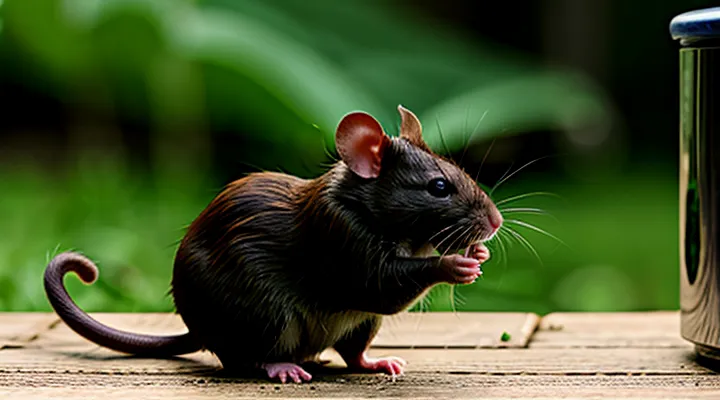
The Importance of a Balanced Diet for Pet Rats
Nutritional Needs of Rats
Rats require a balanced diet that supplies protein, fat, carbohydrates, fiber, vitamins, and minerals in precise ratios to support growth, reproduction, and immune function. Protein should represent 16‑20 % of total calories, sourced from high‑quality animal or plant proteins such as soy, whey, or insects. Essential fatty acids, particularly omega‑3 and omega‑6, must constitute 4‑6 % of calories to maintain skin health and neurological development. Complex carbohydrates from grains and legumes provide steady energy, while insoluble fiber from vegetables and safe herbs aids gastrointestinal motility and prevents hairball formation.
When incorporating herbs, consider their nutrient profile and potential anti‑nutritional factors:
- Parsley: rich in vitamin C, calcium, and iron; safe in small, fresh portions.
- Basil: supplies vitamin K and antioxidants; limited to occasional treats due to aromatic oils.
- Mint: offers menthol and vitamin A; avoid excessive amounts to prevent digestive upset.
- Dill: provides calcium and flavonoids; monitor for mild diuretic effect.
Herbs should never replace staple foods; they function as supplemental sources of micronutrients and enrichment. Fresh herbs must be washed thoroughly to remove pesticides and wilted material that can harbor mold. Introduce new herbs gradually, observing for signs of intolerance such as reduced appetite, loose stools, or respiratory irritation.
Practical feeding guidelines:
- Offer a base diet of commercial rat pellets formulated to meet laboratory‑tested nutritional standards.
- Add fresh, herb‑enhanced vegetables daily, limiting total herb weight to no more than 5 % of overall food intake.
- Ensure continuous access to clean water; herbs with high moisture content can supplement hydration but must not replace water sources.
- Rotate herb varieties weekly to provide a broad spectrum of vitamins and phytochemicals while minimizing the risk of overexposure to any single compound.
Meeting these nutritional parameters while selecting safe, herb‑based additions promotes optimal health, reduces the incidence of metabolic disorders, and enriches the animal’s environment.
Benefits of Herbs in a Rat's Diet
Herbs provide rats with nutrients that standard pellet diets often lack. Fresh or dried plant material introduces vitamins such as A, C, and K, as well as minerals like calcium, magnesium, and iron. Antioxidant compounds in many herbs help mitigate oxidative stress, supporting cellular health.
- Vitamin‑rich herbs (e.g., parsley, cilantro) boost immune function.
- Mineral‑dense herbs (e.g., dandelion greens) reinforce bone development.
- Antioxidant herbs (e.g., mint, basil) reduce free‑radical damage.
Fiber content in herbs promotes gastrointestinal motility and stabilizes gut flora. Soluble fiber acts as a prebiotic, fostering beneficial bacteria, while insoluble fiber prevents constipation. Regular inclusion of fibrous herbs improves stool consistency and nutrient absorption.
Scented herbs stimulate a rat’s natural foraging behavior, offering mental enrichment and reducing stress. Aromatic compounds from rosemary, thyme, or sage encourage exploratory activity, which can lower incidences of stereotypic behaviors.
Safety requires selecting non‑toxic species and limiting portions. Recommended guidelines include:
- Offer no more than 5 % of total daily intake by weight.
- Wash herbs thoroughly to remove pesticides.
- Introduce new herbs gradually, monitoring for adverse reactions.
By integrating appropriate herb varieties, owners enhance dietary balance, digestive efficiency, and behavioral welfare while maintaining strict safety standards.
Safe Herbs for Rat Consumption
Common Culinary Herbs
Basil («Ocimum basilicum»)
Basil (Ocimum basilicum) is a widely cultivated culinary herb that can be included safely in a rat’s diet when offered in moderation. The plant provides modest amounts of vitamins A, K, and C, as well as calcium, magnesium, and antioxidants such as flavonoids. These nutrients support vision, blood clotting, bone health, and cellular protection without overwhelming a small mammal’s digestive system.
Rats should receive fresh basil leaves that have been washed thoroughly to remove any pesticide residues. Only the tender, green portions are appropriate; stems become fibrous and less palatable. Limit intake to no more than one teaspoon of chopped leaves per day for an adult rat weighing around 250 g. Excessive consumption may lead to mild gastrointestinal upset due to the herb’s essential oils.
- Offer basil as a garnish on a regular pellet or fresh vegetable mix.
- Introduce the herb gradually, observing the animal for changes in stool consistency or appetite.
- Store fresh leaves in a sealed container in the refrigerator for up to three days; discard wilted material.
- Avoid dried or powdered basil, which concentrates essential oils and can provoke digestive irritation.
When integrated correctly, basil enriches the dietary variety of laboratory or pet rats, contributing beneficial micronutrients while maintaining overall nutritional balance.
Cilantro («Coriandrum sativum»)
Cilantro (Coriandrum sativum) offers a modest source of vitamins A, C, and K, as well as calcium, iron, and dietary fiber. These nutrients support vision, immune function, bone health, and gastrointestinal motility in laboratory and pet rats.
When introducing cilantro, provide fresh leaves washed thoroughly to remove pesticide residues. Chop into 1‑2 mm pieces to facilitate chewing and digestion. Offer no more than 0.5 g per 100 g of body weight per day; excess can cause mild gastrointestinal upset due to its high fiber content.
Key considerations:
- Freshness: Use only crisp, green foliage; discard wilted or discolored leaves.
- Quantity: Limit to a small portion of the overall diet; cilantro should complement, not replace, staple pellets and fresh produce.
- Frequency: Offer 2–3 times weekly to maintain variety without overwhelming the gut flora.
- Observation: Monitor for changes in stool consistency or appetite; reduce or cease feeding if adverse signs appear.
Cilantro’s aromatic compounds are generally well‑tolerated by rats, making it a safe addition to a balanced herb regimen. Proper preparation and moderation ensure the herb contributes beneficial nutrients without compromising health.
Dill («Anethum graveolens»)
Dill (Anethum graveolens) ranks among the herbs recommended for laboratory and pet rats due to its low toxicity and high nutrient density. The plant’s leaves contain vitamin C, calcium, iron, and essential oils that support digestive function.
Nutritional profile
- Vitamin C: 13 mg per 100 g, aids in immune health.
- Calcium: 180 mg per 100 g, contributes to bone strength.
- Iron: 2.5 mg per 100 g, facilitates oxygen transport.
- Fiber: 2 g per 100 g, promotes intestinal motility.
Feeding guidelines
- Offer fresh, pesticide‑free leaves in small quantities (approximately 0.5 g per 100 g body weight daily).
- Introduce the herb gradually, monitoring for changes in stool consistency or appetite.
- Mix finely chopped dill into the regular pellet or mash base to ensure even consumption.
Preparation and storage
- Rinse thoroughly under running water to remove soil particles.
- Pat dry with a paper towel; excess moisture accelerates spoilage.
- Store in a sealed container in the refrigerator for up to three days; discard any wilted or discolored material.
Potential concerns
- Overfeeding may lead to soft stools due to high fiber content.
- Residual pesticides pose health risks; only use organically certified or home‑grown dill.
- Some rats exhibit mild aversion to the herb’s aromatic compounds; adjust portion size accordingly.
Incorporating dill according to these parameters enhances dietary variety while maintaining safety standards for rodent nutrition.
Mint («Mentha»)
Mint (Mentha) offers a mild aromatic flavor that many rats find appealing. The herb contains essential oils, vitamins A and C, and a modest amount of calcium, contributing to overall nutrition without overwhelming the digestive system.
When introducing mint, start with a small portion—approximately a quarter of a fresh leaf per 100 g of body weight. Observe the animal for any signs of digestive upset within the first 24 hours. If tolerated, increase the serving gradually to no more than one full leaf per day.
Key considerations for safe use:
- Provide only fresh, pesticide‑free mint; wash thoroughly before offering.
- Remove any wilted or discolored sections, as they may harbor mold.
- Limit exposure to 3–4 times per week to prevent excessive intake of menthol, which can cause mild gastrointestinal irritation in large amounts.
- Store unused leaves in a sealed container in the refrigerator for up to three days; discard any that become slimy or develop an off‑odor.
Potential risks are minimal when the herb is administered in the recommended quantities. Overconsumption may lead to reduced appetite or loose stools. Rats with known sensitivities to strong aromatic compounds should receive mint only after veterinary consultation.
Integrating mint into a balanced diet enhances flavor variety and supplies trace nutrients, supporting a healthier feeding regimen for pet rats.
Oregano («Origanum vulgare»)
Oregano (Origanum vulgare) is a widely available culinary herb that can be incorporated safely into a rat’s diet when used correctly. The plant’s leaves contain essential oils, flavonoids, and a modest amount of vitamins A, C, and K, as well as calcium, iron, and manganese. These nutrients support immune function, promote healthy skin and coat, and may aid digestion through mild antimicrobial activity.
When offering oregano, limit the portion to no more than ¼ teaspoon of fresh, finely chopped leaves per 100 g of body weight, administered no more than three times per week. This dosage provides nutritional benefit while keeping the concentration of thymol and carvacrol—compounds that can become irritant at higher levels—within safe limits.
Preparation guidelines:
- Wash leaves thoroughly to remove pesticide residues.
- Chop finely to facilitate chewing and digestion.
- Mix with a staple food such as pellets or fresh vegetables; avoid presenting oregano alone.
Potential risks include gastrointestinal irritation if the herb is over‑fed, and allergic reactions in highly sensitive individuals. Do not combine oregano with other strong‑flavored herbs (e.g., rosemary, sage) in the same feeding session, as cumulative essential oil levels may exceed tolerable thresholds.
Storage recommendations:
- Keep fresh oregano in a sealed container in the refrigerator for up to five days.
- Dried oregano should be stored in an airtight jar away from light and heat, retaining potency for six months.
By adhering to these guidelines, oregano can serve as a beneficial supplement within a balanced feeding plan for laboratory and pet rats alike.
Parsley («Petroselinum crispum»)
Parsley (Petroselinum crispum) offers a modest source of vitamins A, C, K, and folate, alongside calcium and iron. Rats tolerate the herb well when introduced gradually, making it a suitable addition to a balanced rodent diet.
- Portion size: 1–2 g of fresh leaves per 100 g of body weight, offered no more than three times weekly.
- Nutrient contribution: Approximately 30 mg vitamin C and 150 µg vitamin K per 10 g of leaves; calcium content around 180 mg.
- Preparation: Rinse thoroughly under running water to remove pesticide residues; chop finely to facilitate chewing and digestion.
- Feeding method: Mix with a small amount of standard pellet or mash; avoid presenting whole stalks that could cause choking.
- Potential concerns: Excessive intake may lead to oxalate accumulation, increasing the risk of urinary stones; monitor water intake and urinary health in long‑term users.
- Storage: Keep washed, chopped parsley in a sealed container in the refrigerator for up to 48 hours; discard if wilted or discolored.
Integrating parsley according to these parameters supports nutritional diversity without compromising safety in laboratory or pet rat husbandry.
Rosemary («Rosmarinus officinalis»)
Rosemary (Rosmarinus officinalis) is a culinary herb that can be incorporated safely into a rat’s diet. The plant contains antioxidants, essential oils, and moderate levels of vitamins A and C, which support immune function and overall health.
Nutritional contribution:
- Antioxidant compounds such as rosmarinic acid help mitigate oxidative stress.
- Essential oils provide a mild aromatic stimulus that encourages natural foraging behavior.
- Fiber content aids digestive regularity without excessive bulk.
Feeding recommendations:
- Offer fresh leaves in small quantities, approximately 0.5 g per 100 g of body weight per day.
- Introduce dried rosemary sparingly; limit to 1 % of total dry feed weight.
- Mix herb pieces with standard pellets or fresh vegetables to ensure balanced intake.
- Monitor for signs of gastrointestinal upset; discontinue if vomiting or diarrhea occurs.
Storage and handling:
- Keep fresh rosemary refrigerated, wrapped in a damp paper towel, and use within three days.
- Store dried rosemary in an airtight container away from light and moisture to preserve potency.
- Avoid herb preparations that contain added salts, sugars, or oils, as these can be harmful to rodents.
Thyme («Thymus vulgaris»)
Thyme (Thymus vulgaris) is a low‑toxin herb suitable for inclusion in a rodent diet when offered in moderation. The plant contains volatile oils, chiefly thymol, which provide mild antimicrobial properties and a source of vitamins A, C, and K, as well as calcium and iron. These nutrients support coat health, immune function, and skeletal maintenance in rats.
Safety considerations
- Fresh or dried thyme must be free of pesticides and mold.
- Introduce only a small amount initially to monitor tolerance.
- Avoid concentrated essential‑oil extracts; they may cause gastrointestinal irritation.
Recommended daily portion
- Dried thyme: 0.1 g per 100 g of body weight (approximately a pinch for a typical adult rat).
- Fresh thyme: up to 0.2 g per 100 g of body weight, finely chopped.
Feeding method
- Mix the herb into the regular pellet or mash base; do not present whole sprigs, which rats may chew excessively.
- Ensure the mixture remains moist to prevent dust inhalation.
Potential adverse effects
- Over‑consumption can lead to reduced appetite, loose stools, or mild liver stress.
- Rats with pre‑existing respiratory conditions may react to strong aromatic compounds.
Storage guidelines
- Keep dried thyme in an airtight container away from light and heat; retain potency for up to 12 months.
- Fresh thyme should be refrigerated and used within 5 days.
Incorporating thyme at the specified levels enriches the diet without compromising health, making it a reliable herb for balanced rodent nutrition.
Medicinal and Other Beneficial Herbs
Chamomile («Matricaria chamomilla»)
Chamomile (Matricaria chamomilla) is a widely recognized herb for inclusion in rat diets. It contains flavonoids, terpenoids, and antioxidants that can support digestive comfort and mild stress reduction. Laboratory studies indicate low toxicity at typical dietary concentrations, making it suitable for regular feeding under controlled conditions.
When offering chamomile, adhere to the following guidelines:
- Fresh or dried flowers only; avoid stems and leaves that may contain higher levels of bitter compounds.
- Incorporate 0.5–1 % of the total feed weight; for a 100‑gram ration, this equals 0.5–1 gram of dried chamomile.
- Introduce gradually, monitoring for changes in appetite, fecal consistency, or behavior.
- Provide in dry form or as a cooled infusion; do not use hot water extracts, which can degrade sensitive constituents.
Potential concerns include allergic reactions in a minority of individuals and possible interactions with medications that affect liver enzymes. If a rat exhibits excessive grooming, respiratory irritation, or reduced food intake after chamomile exposure, discontinue use immediately and consult a veterinarian.
Chamomile’s mild sedative effect can be beneficial during transport or veterinary procedures, but it should not replace prescribed anxiolytics. Pairing the herb with a balanced pellet diet ensures that nutritional requirements for protein, fats, vitamins, and minerals remain satisfied. Regular assessment of body condition and health markers will confirm that chamomile contributes positively to overall well‑being.
Dandelion Leaves («Taraxacum officinale»)
Dandelion leaves (Taraxacum officinale) are a reliable option for rat owners seeking a herbaceous supplement. They contain high levels of vitamins A, C, K, and minerals such as calcium, potassium, and iron, which support vision, immune function, bone health, and electrolyte balance. The fiber content aids digestion and promotes a healthy gut microbiome.
When offering dandelion leaves, follow these guidelines:
- Source: Harvest from pesticide‑free areas or purchase organic, pre‑washed leaves. Avoid plants near roads, industrial sites, or treated lawns.
- Cleaning: Rinse thoroughly under running water; a brief soak in a dilute vinegar solution (1 % acetic acid) can remove surface contaminants, then rinse again.
- Preparation: Serve raw, chopped into bite‑size pieces. Do not cook, as heat degrades vitamin C and reduces fiber efficacy.
- Portion size: For an adult rat (250 g), limit to 1–2 grams of fresh leaves per day, equivalent to a small leaf tip. Adjust proportionally for juveniles or larger individuals.
- Frequency: Provide fresh leaves 3–4 times weekly, alternating with other safe greens to ensure dietary variety.
- Storage: Store washed leaves in a sealed container in the refrigerator for up to 48 hours. Discard any wilted or discolored material.
Potential concerns are minimal but warrant attention. Excessive intake may lead to mild diuretic effects due to natural potassium levels; monitor water consumption and urine output. Rats with known kidney disorders should receive reduced portions under veterinary supervision.
Integrating dandelion leaves into a balanced feeding plan enhances nutrient diversity without compromising safety, provided the above precautions are observed.
Plantain Leaves («Plantago major»)
Plantain (Plantago major) is a widely available herb that can be incorporated safely into a rat’s diet. The plant’s broad, flat leaves are rich in fiber, vitamins A and C, and minerals such as calcium and potassium. These nutrients support digestive health, immune function, and bone maintenance.
When offering plantain leaves, follow these guidelines:
- Source: Use organically grown plants free from pesticides or heavy‑metal contamination. Harvest from a clean garden or purchase from a reputable supplier.
- Preparation: Rinse thoroughly under running water. Remove any wilted or damaged portions. Offer the leaves whole or torn into bite‑size pieces.
- Portion size: Introduce 1–2 g of fresh leaf per 100 g of body weight daily. Adjust based on the animal’s activity level and overall food intake.
- Frequency: Provide fresh leaves 3–4 times per week. Rotate with other safe herbs to ensure dietary variety.
- Storage: Keep washed leaves in a sealed container in the refrigerator for up to three days. Discard any leaves that develop mold or an off‑odor.
Potential concerns are minimal when the herb is fresh and uncontaminated. Excessive consumption may lead to loose stools due to high fiber content; monitor fecal consistency and reduce the amount if necessary. Plantain should not replace a balanced commercial rat feed but can serve as a supplemental source of micronutrients and enrichment.
Incorporating plantain leaves into a rat’s regimen adds botanical diversity, promotes natural foraging behavior, and contributes measurable nutritional benefits when administered responsibly.
How to Introduce and Feed Herbs to Your Rats
Preparation and Serving Guidelines
Washing and Drying
When preparing herbs for rodent consumption, thorough cleaning and proper dehydration are essential to remove contaminants and preserve nutritional value.
Begin by selecting fresh, pesticide‑free foliage. Rinse each leaf under cool running water, gently agitating to dislodge soil and insects. Submerge the batch for no more than 30 seconds; longer exposure may leach water‑soluble nutrients. After rinsing, place herbs on a clean mesh screen and pat dry with a lint‑free cloth to eliminate excess moisture.
For dehydration, use a low‑temperature oven or a food‑grade dehydrator set between 95 °F (35 °C) and 115 °F (46 °C). Arrange leaves in a single layer, ensuring air circulation around each piece. Dehydrate until the herb feels crisp and fractures easily, typically 2–4 hours depending on thickness. Avoid temperatures above 130 °F (54 °C) to prevent loss of volatile oils and vitamin C.
Once dried, cool the herbs on a sterile surface before storing. Transfer to airtight glass containers, add a desiccant packet if needed, and keep in a dark, cool pantry. Properly dried herbs retain potency for up to six months; discard any that develop mold, discoloration, or off‑odors.
Key steps for safe herb preparation
- Rinse briefly under cool water; avoid prolonged soaking.
- Pat dry with lint‑free material; eliminate surface water.
- Dehydrate at 95‑115 °F (35‑46 °C) until crisp.
- Cool, then store in airtight, light‑proof containers.
Following this protocol ensures that herbs offered to rats are free from pathogens, pesticide residues, and nutrient degradation, supporting a balanced diet.
Portion Sizes
When offering fresh herbs to pet rats, the quantity must align with their small digestive capacity and nutritional balance. Over‑feeding can cause diarrhea, while under‑feeding limits the health benefits herbs provide.
A typical adult rat (150‑200 g) can safely consume between 0.5 % and 1 % of its body weight in fresh herbs each day. This translates to roughly 0.75–2 g of leaf material, divided into two separate feedings to encourage natural foraging behavior. Juvenile rats require proportionally less, often no more than 0.5 g per day.
- Basil: 0.5 g per serving, twice daily
- Parsley: 0.5 g per serving, twice daily
- Mint: 0.3 g per serving, twice daily (avoid excessive mint, which can irritate the gastrointestinal tract)
- Dill: 0.4 g per serving, twice daily
- Cilantro: 0.5 g per serving, twice daily
Portion sizes should be adjusted for rats with health conditions, reduced activity levels, or those on a calorie‑restricted diet. Monitor stool consistency and weight weekly; any signs of soft feces or weight loss indicate the need to decrease herb amounts. Conversely, firm stools and stable weight suggest the current portions are appropriate.
Frequency of Feeding
Rats benefit from regular inclusion of safe herbs, which provide vitamins, antioxidants, and mild digestive support. Consistent timing helps maintain stable gut flora and prevents overconsumption of potent compounds.
Offer herbs no more than once or twice daily. A single small portion (approximately one teaspoon of fresh leaves or one‑quarter teaspoon of dried herb) satisfies nutritional needs without overwhelming the animal’s system. Splitting the dose into two servings reduces the risk of digestive upset.
Frequency depends on age, health status, and overall diet composition. Young rats with rapid metabolism may tolerate two daily servings, while senior or compromised individuals should receive a single, modest portion. Rats receiving a balanced pellet or mash diet require fewer herb servings than those on a primarily raw regimen.
Practical schedule example:
- Morning: ½ teaspoon fresh parsley, finely chopped, mixed into water or food.
- Evening (optional for juveniles or highly active rats): ¼ teaspoon dried mint, crumbled over the cage bedding.
Adjust portions if signs of irritation, loss of appetite, or altered stool appear. Rotate herb types weekly to avoid excess accumulation of any single phytochemical.
Observation and Monitoring
Observation and monitoring are essential components of any herbal feeding plan for rats. Regular checks confirm that selected herbs are well tolerated and that nutrient intake remains balanced.
Key indicators to track include:
- Body condition score (lean, optimal, or overweight)
- Coat quality (smooth, glossy, or dull)
- Activity level (normal exploration versus lethargy)
- Gastrointestinal signs (normal stool consistency, absence of diarrhea or constipation)
- Respiratory health (clear breathing, no wheezing)
Record observations daily for the first two weeks after introducing a new herb, then reduce to three‑times‑weekly intervals. Use a simple log that notes the herb type, portion size, and any abnormal signs. Immediate documentation of adverse reactions—such as loss of appetite, excessive scratching, or sudden weight loss—facilitates prompt dietary adjustments.
When a herb consistently yields positive metrics across multiple rats, it may be considered a reliable component of the diet. Conversely, recurring negative trends signal the need to discontinue the herb and reassess the overall feeding strategy.
Herbs to Avoid for Rats
Potentially Toxic Herbs
Rats are susceptible to a range of botanical compounds that can cause acute or chronic health problems. Recognizing herbs that pose a risk prevents accidental ingestion and supports responsible dietary planning.
- Oleander (Nerium oleander) – contains cardiac glycosides; ingestion leads to vomiting, arrhythmia, and possible death.
- Foxglove (Digitalis purpurea) – rich in digoxin-like substances; symptoms include weakness, bradycardia, and gastrointestinal distress.
- Lily of the Valley (Convallaria majalis) – cardiotonic glycosides cause nausea, irregular heartbeat, and lethargy.
- Rhubarb leaves (Rheum spp.) – oxalic acid accumulation produces renal failure, tremors, and seizures.
- Yew (Taxus spp.) – taxine alkaloids induce respiratory depression, ataxia, and fatal cardiac collapse.
- Castor bean (Ricinus communis) – ricin toxin leads to severe abdominal pain, diarrhea, and rapid systemic toxicity.
- Pennyroyal (Mentha pulegium) – pulegone hepatotoxin results in liver damage, vomiting, and potential mortality.
- Daffodil (Narcissus spp.) – lycorine irritates the gastrointestinal tract, causing vomiting and diarrhea.
When formulating a herb‑based diet, exclude any plant listed above and verify that purchased greens are free from accidental contamination. If a rat shows unexplained vomiting, lethargy, or abnormal heart rhythm after consuming foliage, treat the incident as a potential poisoning and seek veterinary intervention immediately.
Herbs with Contraindications
Rats tolerate many culinary herbs, yet several possess properties that can harm their delicate physiology. Recognizing these plants prevents accidental poisoning and supports optimal health.
- Pennyroyal (Mentha pulegium) – contains pulegone, a hepatotoxic compound; ingestion may cause liver failure even at low doses.
- Wintergreen (Gaultheria procumbens) – rich in methyl salicylate; can induce respiratory distress and renal impairment.
- Eucalyptus (Eucalyptus spp.) – essential oils produce respiratory irritation and may lead to pulmonary edema.
- Sage (Salvia officinalis, especially wild varieties) – high thujone levels trigger seizures and neurotoxicity when consumed excessively.
- Lavender (Lavandula angustifolia) oil – concentrated extracts depress central nervous system function, resulting in lethargy and ataxia.
- Rosemary (Rosmarinus officinalis) oil – contains camphor and rosmarinic acid; overconsumption can cause gastrointestinal upset and cardiac arrhythmias.
- Tarragon (Artemisia dracunculus) – aromatic compounds may provoke digestive irritation and liver strain.
- Oregano (Origanum vulgare) oil – potent phenols can damage intestinal mucosa and interfere with nutrient absorption.
Symptoms of herb‑related toxicity include reduced activity, tremors, abnormal breathing, vomiting, and discoloration of the urine. Immediate cessation of the offending herb and veterinary consultation are essential. When introducing any new plant material, limit portions to a few leaf fragments per day and monitor the animal closely for adverse reactions.