
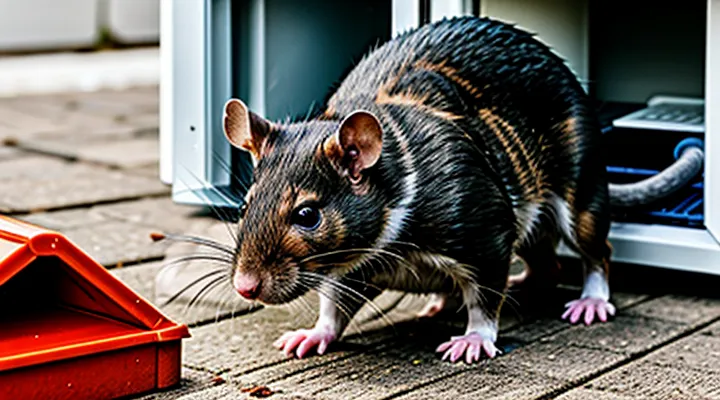
Understanding the Myth of «Pet-Safe» Rodenticides
The Illusion of Safety
Many rodent control products carry labels suggesting they will not harm companion animals. The claim rests on the premise that the poison will affect only rodents that ingest the bait directly. In practice, safety is conditional, not absolute.
Toxic agents such as anticoagulants, bromethalin, and zinc phosphide remain active after a rodent dies. Scavenging pets, or animals that contact contaminated surfaces, can absorb the toxin through the gastrointestinal tract or skin. Secondary poisoning often results from a pet eating a poisoned rodent, leading to delayed clinical signs that mimic other illnesses.
Common misconceptions:
- “Pet‑safe” means no risk for any exposure.
- Low‑dose formulations prevent accidental poisoning.
- Only the targeted species is vulnerable to the active ingredient.
- Visible bait placement eliminates the chance of incidental contact.
Owners can reduce risk by:
- Storing bait in locked containers away from pet areas.
- Selecting mechanical traps instead of chemical lures.
- Monitoring pets for unexplained lethargy, bruising, or bleeding.
- Consulting a veterinarian promptly if exposure is suspected.
Why «Pet-Safe» is a Misnomer
Different Types of Rodenticides and Their Dangers
Rodenticides fall into several chemical families, each with distinct mechanisms and risk profiles for non‑target animals.
- Anticoagulant agents – first‑generation (warfarin, diphacinone) require multiple ingestions to cause lethal clotting; second‑generation (bromadiolone, brodifacoum) act after a single dose and persist longer in tissue, increasing the chance of secondary exposure.
- Vitamin D derivatives – cholecalciferol induces hypercalcemia, leading to kidney failure after a single bite; toxicity manifests rapidly in dogs and cats.
- Metal phosphides – zinc phosphide releases phosphine gas when contacted with stomach acid; inhalation or ingestion produces acute respiratory distress and organ failure.
- Bromethalin – disrupts mitochondrial function, causing cerebral edema; symptoms appear within hours and can be fatal without prompt treatment.
Pets encounter danger through direct consumption of bait, scavenging of dead rodents, or contact with contaminated surfaces. Anticoagulants accumulate in liver tissue, so even small amounts ingested over time can result in fatal bleeding. Vitamin D poisons produce irreversible calcium overload, while phosphides and bromethalin act quickly, leaving little window for intervention.
Mitigation strategies include selecting bait formulations with low palatability to animals, placing stations out of reach, and employing mechanical traps where chemical risks are unacceptable. Immediate veterinary care, supported by specific antidotes such as vitamin K₁ for anticoagulants, improves survival odds when exposure is suspected.
How Rodenticides Harm Pets
Rodenticides pose significant risks to dogs and cats through accidental ingestion, dermal contact, or inhalation of dust. Toxic agents such as anticoagulants, bromethalin, and cholecalciferol interfere with essential physiological processes. Anticoagulants block vitamin K recycling, leading to uncontrolled bleeding; bromethalin disrupts mitochondrial function, causing cerebral edema; cholecalciferol induces hypercalcemia, resulting in kidney failure and cardiac arrhythmia.
Common exposure scenarios include:
- Chewing bait stations left within reach of pets.
- Walking over treated surfaces and licking paws.
- Inhaling powdered formulations during cleaning or application.
Clinical signs appear within hours to days, depending on the compound:
- Weakness, lethargy, and pale mucous membranes (anticoagulants).
- Tremors, seizures, and loss of coordination (bromethalin).
- Increased thirst, vomiting, and abdominal pain (cholecalciferol).
Delayed effects may involve organ damage that persists after initial treatment, necessitating prolonged veterinary care and monitoring of blood parameters.
Preventive measures focus on eliminating access:
- Store baits in locked containers away from pet areas.
- Use tamper‑resistant bait stations positioned at heights inaccessible to animals.
- Opt for rodent control methods that rely on mechanical traps or exclusion techniques when pets are present.
Immediate veterinary intervention, including administration of specific antidotes such as vitamin K1 for anticoagulant poisoning, can mitigate severity but does not replace rigorous exclusion strategies.
The Real Dangers to Pets
Primary Poisoning: Direct Ingestion
Direct ingestion of rodent bait represents the most common route of accidental poisoning in household animals. When a pet consumes a bait pellet or liquid formulation, the toxic agent enters the gastrointestinal tract and is absorbed rapidly, producing clinical effects within minutes to hours depending on the product’s potency and the animal’s size.
Typical manifestations include:
- Salivation, drooling, or foaming at the mouth
- Vomiting, sometimes with blood
- Diarrhea, occasionally hemorrhagic
- Weakness, ataxia, or collapse
- Seizures or tremors in severe cases
Prevention relies on selecting rodent control products formulated to minimize pet exposure. Options include:
- Baits encased in chew‑resistant, tamper‑proof stations
- Low‑toxicity anticoagulant formulations with reduced secondary poisoning risk
- Non‑chemical traps that eliminate the need for poisonous lures
If ingestion is suspected, immediate veterinary intervention is critical. Recommended actions:
- Contact an emergency clinic or poison control center without delay.
- Provide details on the bait type, amount ingested, and time elapsed.
- Follow professional guidance, which may involve induced vomiting, activated charcoal administration, or specific antidotes such as vitamin K1 for anticoagulant exposure.
Implementing secure bait placement, choosing pet‑friendly formulations, and maintaining rapid response protocols together reduce the likelihood of fatal outcomes from primary rodent bait ingestion.
Secondary Poisoning: Eating Contaminated Rodents
Signs of Rodenticide Poisoning in Pets
Rodent control products marketed as pet‑friendly can still pose a poisoning risk if a pet ingests the bait or contaminated material. Recognizing early clinical signs enables prompt veterinary intervention and reduces the likelihood of severe outcomes.
Typical manifestations include:
- Lethargy or sudden collapse
- Excessive drooling, foaming at the mouth, or difficulty swallowing
- Vomiting, often with blood or a reddish tint
- Diarrhea, sometimes containing blood
- Tremors, seizures, or uncoordinated movements
- Abdominal pain evident by a hunched posture or vocalization when touched
- Pale or bluish gums indicating circulatory compromise
- Rapid, shallow breathing or respiratory distress
Additional observations may involve unexplained weight loss, loss of appetite, or a noticeable change in behavior such as increased agitation or unusual quietness. Some anticoagulant rodenticides produce delayed bleeding tendencies, so bruising, nosebleeds, or blood in urine and stool can appear days after exposure.
When any of these symptoms are observed, immediate action is essential. Isolate the pet, gather the product label and packaging for identification, and contact a veterinarian or an animal poison control hotline without delay. Early administration of activated charcoal, vitamin K1 therapy, or specific antidotes, depending on the toxin class, improves prognosis. Continuous monitoring of vital signs and supportive care, including fluid therapy and pain management, are standard components of treatment.
Factors Influencing Severity of Poisoning
Pet‑friendly rodent control agents can still cause poisoning, and the clinical outcome varies according to several measurable variables. Understanding these variables allows veterinarians and owners to evaluate risk and intervene promptly.
The amount of toxin ingested is the primary determinant. Small doses may produce mild gastrointestinal upset, while quantities approaching the lethal dose threshold trigger systemic failure. Body weight influences the effective dose; a 5‑kg dog requires far less active ingredient to reach toxicity than a 30‑kg animal.
Age and developmental stage affect susceptibility. Neonates and juveniles possess immature liver enzymes, reducing their capacity to detoxify anticoagulant or neurotoxic compounds. Conversely, geriatric pets often have compromised organ function that slows clearance.
Health status modifies response. Pre‑existing hepatic, renal, or coagulation disorders lower the threshold for severe effects. Concurrent administration of medications that inhibit cytochrome P450 enzymes can amplify toxicity by slowing metabolic breakdown.
The route of exposure shapes severity. Oral ingestion delivers the full dose directly to the gastrointestinal tract, whereas dermal contact or inhalation typically results in lower systemic absorption. Chewing behavior also matters; animals that break the bait into smaller pieces increase surface area and accelerate absorption.
Formulation characteristics matter. Second‑generation anticoagulants possess longer half‑lives and can accumulate with repeated exposure. Neurotoxic agents such as bromethalin produce irreversible damage at lower doses than anticoagulants but may present with delayed neurologic signs.
Time elapsed before treatment is critical. Early decontamination (induced emesis, activated charcoal) reduces absorbed toxin, while delayed veterinary intervention allows progression to irreversible organ damage.
Key factors influencing poisoning severity:
- Ingested dose relative to body weight
- Age and developmental stage
- Underlying health conditions
- Interaction with other medications
- Exposure route (oral, dermal, inhalation)
- Chemical class and formulation type
- Interval between exposure and medical care
Each factor can be quantified or assessed clinically, enabling targeted risk mitigation and appropriate therapeutic protocols when pet‑compatible rodent baits are used.
Prevention is Key
Safe Rodent Control Alternatives
Trapping Methods
Pet‑friendly rodent control often relies on mechanical capture rather than chemical agents, reducing the risk of accidental ingestion. Effective trapping minimizes exposure for cats, dogs, and other household animals while maintaining population control.
- Snap traps equipped with enclosed chambers prevent pets from accessing the killing mechanism. Position traps along walls, behind appliances, and in concealed corners where rodents travel.
- Live‑capture cages feature a one‑way entry door and a secure latch. Check cages at least twice daily; release captured rodents far from the residence or euthanize according to local regulations.
- Electronic traps deliver a rapid, contained shock. Models with insulated housing and safety interlocks eliminate contact with non‑target species.
- Glue boards should be placed in tamper‑proof containers or under shelving units inaccessible to pets. Monitor boards frequently to avoid prolonged suffering of captured rodents.
- Multi‑catch traps allow repeated use without resetting. Install in low‑traffic areas and empty contents regularly.
When selecting a device, verify that the manufacturer specifies pet safety features, such as lockable bait compartments or protective barriers. Combine traps with exclusion techniques—seal entry points, store food in sealed containers, and maintain cleanliness—to reduce the need for chemical deterrents and protect companion animals.
Exclusion Techniques
Effective rodent exclusion relies on preventing entry rather than using toxic baits, thereby protecting household animals. Sealing gaps, installing barriers, and modifying the environment remove the pathways rodents use to access food and shelter.
- Inspect foundations, walls, and utility penetrations; fill cracks with steel wool followed by caulk or expandable foam.
- Fit door sweeps and weatherstripping on all exterior doors; ensure garage doors close tightly.
- Install mesh screens on vents, chimneys, and crawl spaces; use hardware cloth with openings no larger than ¼ inch.
- Trim vegetation away from the building envelope; keep tree limbs and shrubbery at least three feet from the structure.
- Store food in sealed containers; eliminate standing water and debris that attract gnawing pests.
- Use snap traps or electronic devices in concealed locations, avoiding any attractants that could be ingested by pets.
Regular maintenance checks confirm that seals remain intact and that new openings are promptly addressed, maintaining a safe environment for both rodents and companion animals.
Natural Deterrents
Natural deterrents provide a non‑chemical approach to managing rodents in environments where pets are present. By relying on odor, taste, or physical barriers, these methods reduce the need for toxic baits that could endanger cats, dogs, or small mammals.
Common natural options include:
- Essential oil sprays – mixtures of peppermint, eucalyptus, or citronella oil applied around entry points create an aromatic barrier that rodents avoid.
- Repellent plants – mint, lavender, and rosemary planted near foundations or in containers emit volatiles that discourage gnawing.
- Predator scent products – powdered or liquid extracts from fox, coyote, or owl urine placed in suspected pathways trigger a fear response.
- Granular deterrents – powdered cayenne pepper, cloves, or garlic scattered along baseboards interferes with rodent sensory receptors.
- Physical barriers – steel wool, copper mesh, or silicone sealant used to close gaps prevents access without chemical exposure.
- Ultrasonic emitters – devices that generate high‑frequency sounds outside the hearing range of pets but uncomfortable for rodents.
When selecting a deterrent for a pet‑friendly setting, verify that the ingredient is non‑toxic to mammals. Essential oils must be diluted to concentrations that do not cause skin irritation or respiratory distress in animals. Plantings should be out of reach of curious pets that might chew foliage. Physical barriers pose no ingestion risk and are reusable.
Integrating natural deterrents with a broader rodent‑management plan enhances effectiveness. Begin with thorough inspection to locate entry points, apply appropriate deterrents, and monitor activity regularly. If signs of infestation persist, combine these methods with pet‑safe bait stations that use low‑toxicity anticoagulants housed in secured compartments. Continuous observation ensures that both rodents and pets remain unharmed while the property stays rodent‑free.
Storing Rodenticides Safely
Store rodenticide products in a locked, metal cabinet that resists tampering and moisture. Keep the cabinet out of reach of cats, dogs, and other household animals; a height of at least 1.5 meters or a separate room with restricted entry is recommended.
Maintain a clear inventory list on the cabinet door. Record product name, active ingredient, concentration, purchase date, and expiry date. Update the list after each use or replenishment to prevent accumulation of outdated or excess material.
Use original manufacturer containers whenever possible. If repackaging is necessary, employ sealed, opaque, child‑proof containers labeled with the hazard symbol, active ingredient, and a warning that the contents are toxic to pets.
Separate rodenticides from food, cleaning supplies, and veterinary medications. Designate a single storage zone and avoid mixing with items that pets may access during routine household activities.
Implement a routine inspection schedule. Check seals, container integrity, and label legibility monthly. Replace damaged containers immediately and dispose of expired products according to local hazardous‑waste regulations.
In case of accidental exposure, keep the product’s safety data sheet (SDS) readily available near the storage area. Provide contact information for the nearest veterinary clinic and poison control center on the same sheet.
Key storage practices
- Locked, moisture‑proof cabinet
- Height or restricted‑access placement
- Complete, up‑to‑date inventory
- Original or properly sealed containers
- Clear hazard labeling
- Separation from non‑toxic household items
- Monthly integrity checks
- Immediate disposal of compromised or expired products
- Accessible SDS and emergency contacts
Adhering to these measures minimizes the risk of pet poisoning while maintaining effective rodent control.
Educating Pet Owners
Pet owners must recognize that rodent control products can pose a hidden danger to cats and dogs. Understanding product labels, active ingredients, and packaging designs reduces accidental exposure.
Key points for responsible use:
- Choose bait formulated to minimize toxicity to non‑target animals; verify certification from reputable agencies.
- Store all rodent control items in locked containers, out of reach of pets and children.
- Place bait stations in locations inaccessible to animals, such as behind appliances, under cabinets, or in sealed boxes.
- Regularly inspect the area for signs of consumption or contamination; replace damaged stations promptly.
- Keep a record of the product’s active ingredient, dosage, and emergency contact numbers for veterinary assistance.
If a pet ingests any rodent control material, immediate action is critical. Provide the veterinarian with the product name, concentration, and time of exposure. Prompt administration of activated charcoal or specific antidotes, when indicated, can mitigate toxicity.
Educating household members reinforces safety. Conduct brief briefings on the location of bait stations, proper disposal of expired products, and the importance of reporting unusual behavior in pets. Consistent vigilance and informed choices create an environment where rodent problems are managed without compromising animal health.
Emergency Response and Treatment
What to Do If Your Pet Ingests Rodenticide
Immediate Actions
If a pet contacts a rodent control product marketed as pet‑friendly, act without delay.
First, remove the animal from the source of exposure. Keep it calm and prevent further ingestion or contact with contaminated surfaces.
Next, gather the product container or label. Information such as active ingredient, concentration, and expiration date is vital for veterinary assessment.
Contact a veterinarian or an emergency animal poison hotline immediately. Provide the product details, the animal’s size, weight, and the estimated amount ingested. Follow the professional’s instructions precisely; do not administer any treatment without guidance.
If instructed, induce vomiting only when the pet is alert, the ingestion occurred within a few minutes, and the product is not a caustic or petroleum‑based formulation. Use a syringe or a pet‑specific emetic product as directed.
After veterinary care, observe the animal for signs of distress: excessive drooling, vomiting, diarrhea, lethargy, tremors, or difficulty breathing. Record the onset time of any symptoms and report them to the veterinarian promptly.
Finally, store all rodent control products out of reach of animals, preferably in locked cabinets. Replace any remaining product with a formulation that offers a documented safety profile for pets, and keep the container’s label accessible for future reference.
When to Seek Veterinary Care
If a pet ingests a rodent control product marketed as low‑risk, immediate veterinary assessment may still be necessary. Contact a professional when any of the following occur:
- Vomiting, diarrhea, or blood in stool
- Excessive drooling, foaming at the mouth, or difficulty swallowing
- Tremors, seizures, or unsteady gait
- Rapid breathing, coughing, or choking sounds
- Lethargy, weakness, or collapse
Even absent obvious symptoms, seek care if the amount consumed is unknown, if the animal is a young, small‑breed dog or cat, or if the product label advises veterinary contact for certain exposures. Prompt treatment can prevent absorption of toxic compounds and reduce the risk of organ damage.
Veterinary Treatment Options
Antidotes and Supportive Care
When a pet ingests a rodent control product, immediate intervention focuses on neutralizing the toxin and stabilizing physiological functions. The specific antidote depends on the active ingredient identified by the veterinarian or poison control center.
- Anticoagulant compounds (e.g., brodifacoum, difethialone): administer vitamin K1 (phytonadione) at 5–10 mg/kg orally or intravenously, repeat dosing for 2–4 weeks. Consider fresh frozen plasma for severe coagulopathy.
- Bromethalin: provide intravenous lipid emulsion (20 % Intralipid, 1–2 mL/kg bolus followed by 0.25 mL/kg/min infusion) to sequester the lipophilic toxin. No specific antidote exists; therapy aims to reduce neurologic damage.
- Cholecalciferol (vitamin D3) toxicity: give intravenous crystalloid fluids, calculate and administer intravenous calcium gluconate (10–20 mg/kg) to counteract hypercalcemia, and monitor renal parameters closely.
- Zinc phosphide: use activated charcoal (1–4 g/kg) administered via nasogastric tube within 1 hour of exposure; provide supportive oxygen therapy and monitor for metabolic acidosis.
Supportive care complements antidotal treatment. Establish intravenous access for fluid therapy, maintain electrolyte balance, and monitor cardiac rhythm, blood pressure, and urine output. Serial laboratory evaluations (CBC, PT/PTT, serum calcium, phosphorus, renal values) guide ongoing management. In cases of severe hemorrhage, transfuse packed red blood cells or plasma as indicated. Prompt decontamination, targeted antidotes, and vigilant supportive measures together maximize the likelihood of full recovery.
Long-Term Prognosis
Pet‑friendly rodent control agents are formulated to minimize acute toxicity in dogs and cats, yet their long‑term impact depends on exposure level, product composition, and animal health status. When a pet ingests a low‑dose, first‑generation anticoagulant bait designed for safety, clinical signs usually resolve within weeks after veterinary intervention, and organ function returns to baseline. Chronic exposure to sub‑lethal amounts can lead to cumulative coagulopathy, renal stress, or hepatic alteration; regular blood work is required to detect subtle changes.
Key factors influencing prognosis:
- Dose magnitude – Minimal ingestion (< 0.1 mg/kg) rarely produces lasting effects; higher doses increase risk of persistent clotting disorders.
- Active ingredient – Second‑generation anticoagulants retain longer half‑lives, extending the window for potential complications.
- Pet’s age and pre‑existing conditions – Elderly or chronically ill animals exhibit slower recovery and may develop secondary organ dysfunction.
- Timeliness of treatment – Early administration of vitamin K1 or activated charcoal markedly improves outcomes and reduces the chance of long‑term sequelae.
Veterinary follow‑up should include:
- Baseline coagulation profile within 24 hours of presentation.
- Repeat testing at 7‑day intervals until results normalize.
- Annual health assessment for pets with documented exposure, focusing on liver enzymes and kidney markers.
If exposure is prevented through secure bait placement and use of pet‑restricted formulations, the long‑term health outlook remains comparable to that of unexposed animals. Continuous monitoring and prompt veterinary care are the only reliable measures to ensure a favorable prognosis after accidental ingestion.