
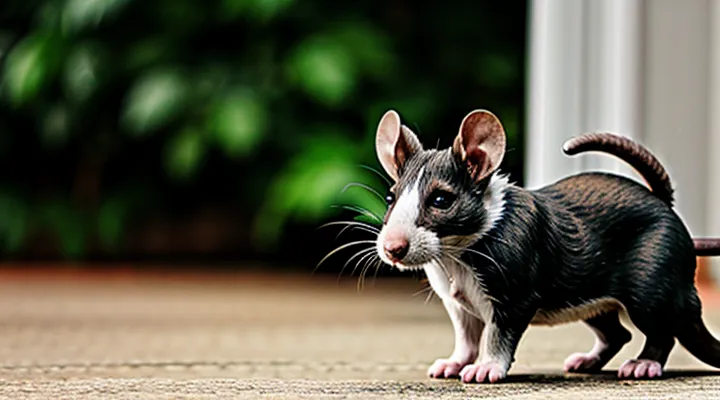
Understanding the Rex Rat Breed
Origins and History
Development of the Rex Trait
The rex trait in rats represents a mutation that alters hair structure, producing a soft, wavy coat. The mutation affects the keratin genes responsible for hair shaft formation, resulting in reduced hair rigidity and a plush texture.
Selective breeding amplifies the trait by pairing individuals that express the mutation with carriers lacking visible expression. Over successive generations, the frequency of the allele increases, stabilizing the phenotype within a breeding population.
Key factors influencing development include:
- Identification of carriers through genetic testing or phenotypic observation.
- Controlled matings that avoid inbreeding depression while maintaining the desired allele.
- Monitoring of litter outcomes to confirm inheritance patterns and to cull individuals that revert to standard coat types.
Inheritance follows an autosomal recessive pattern; two copies of the mutant allele are required for full expression. Heterozygous rats appear normal but transmit the allele to offspring, providing a reservoir for future breeding cycles.
Health implications are minimal, as the mutation primarily affects hair without compromising organ systems. Nonetheless, breeders must observe for skin irritation or grooming difficulties, adjusting environmental conditions to mitigate potential issues.
Long‑term development of the rex characteristic relies on rigorous record‑keeping, genetic verification, and consistent selection criteria, ensuring the trait remains stable and predictable across generations.
Recognition in Rat Fancies
The Rex rat, distinguished by its plush, wavy coat and robust skeletal structure, occupies a prominent position within the organized community of rodent enthusiasts. Its unique phenotype aligns with the standards set by major rat fancy societies, securing formal acknowledgment across competitive and exhibition platforms.
The process of formal acknowledgment follows several defined parameters:
- Adherence to the breed’s coat texture and density specifications.
- Confirmation of skeletal traits, including head shape and limb proportion, as outlined in the official breed rubric.
- Documentation of lineage through pedigree records accepted by governing bodies.
- Successful presentation at sanctioned shows, where judges evaluate conformity to the established criteria.
«Recognition in Rat Fancies» therefore translates into increased participation in specialty shows, heightened demand among breeders, and the propagation of standardized breeding practices. The breed’s accredited status also facilitates international exchange of genetic material, reinforcing consistency of characteristics across populations.
Physical Characteristics of Rex Rats
Coat Type and Texture
Hair Structure «Curly vs. Wavy»
The Rex rat’s coat presents two distinct textures that affect grooming, health monitoring, and aesthetic appeal. Understanding the structural differences between the «Curly» and «Wavy» hair types is essential for breeders and owners.
«Curly» hair forms tight, spiral loops that create a dense, plush surface. The curls originate from a mutation in the hair follicle that reduces the angle of the hair shaft, resulting in a uniform coil. This configuration traps air, providing insulation but also retaining moisture, which can increase the risk of skin irritation if not managed with regular cleaning. Shedding is minimal because the curls interlock, reducing loose fibers.
«Wavy» hair displays broader, gently undulating strands that lie closer to the skin. The wave pattern arises from a moderate alteration in follicle shape, producing a softer curvature. This texture allows better airflow, decreasing the likelihood of dampness-related issues. Shedding is slightly higher than in the «Curly» type, though still lower than in straight‑haired varieties.
Key considerations for care:
- Brushing frequency: weekly for «Curly», bi‑weekly for «Wavy».
- Bathing schedule: occasional for «Curly» (to prevent moisture buildup), regular for «Wavy» (to maintain coat health).
- Health checks: inspect the ventral area of «Curly» coats for trapped debris; monitor skin condition under «Wavy» coats for dryness.
Selecting a coat type aligns with the owner’s capacity for maintenance and the desired visual outcome. Both textures contribute uniquely to the breed’s overall characteristic profile.
Variations in Curl Intensity
The Rex rat exhibits a spectrum of curl intensity, ranging from subtle waviness to pronounced tight coils. Curl intensity reflects the degree of hair curvature and influences the animal’s tactile feel, grooming requirements, and visual presentation.
Key variations include:
- Minimal curl: hair lies close to the body, forming a gentle wave; skin remains largely visible.
- Moderate curl: hair forms distinct loops that create a soft, plush texture; coat coverage is even.
- Strong curl: hair coils tightly, producing a dense, velvety surface; skin is scarcely visible.
Higher curl intensity generally correlates with increased grooming frequency due to the propensity for matting. Conversely, lower intensity demands less maintenance but may reveal skin conditions more readily. Breeders consider curl intensity when selecting for show standards, as each level contributes to the overall aesthetic and health profile of the animal.
Body Conformation
Size and Weight
Rex rats are medium‑sized rodents, typically measuring 4 – 6 inches (10 – 15 cm) from nose to the base of the tail. Body length, excluding the tail, averages 3 – 4 inches (7.5 – 10 cm). Tail length adds another 2 – 3 inches (5 – 8 cm), resulting in an overall length of approximately 6 – 9 inches (15 – 23 cm).
Weight ranges from 120 – 180 grams for females and 150 – 220 grams for males. Adult individuals regularly fall within the 130 – 200 gram interval, reflecting a sturdy yet compact build.
Key dimensional data:
- Nose‑to‑base length: 10 – 15 cm
- Tail length: 5 – 8 cm
- Total length: 15 – 23 cm
- Female weight: 120 – 180 g
- Male weight: 150 – 220 g
- General adult weight: 130 – 200 g
Ear and Tail Placement
Ear placement in Rex rats is typically high on the skull, set close to the eyes, and oriented forward. The ears are compact, lacking the large cartilage that characterizes other varieties, which gives them a sleek appearance. Fur on the ears matches the body’s plush texture, covering the entire surface and contributing to the breed’s distinctive softness.
Tail placement follows a similar emphasis on compactness. The tail emerges from the base of the spine, extending straight and relatively short compared to standard rats. Its diameter remains uniform, and the dense, velvety fur continues along the entire length, ending in a rounded tip. The tail’s position aligns with the animal’s center of gravity, supporting balance during rapid movements.
Key characteristics of ear and tail anatomy:
- High, forward‑facing ears with full fur coverage
- Minimal cartilage, resulting in a smooth ear profile
- Short, straight tail originating at the spine’s base
- Uniform tail thickness and consistent plush fur
- Rounded tail tip that complements overall body symmetry
These anatomical traits distinguish the Rex breed, influencing both its aesthetic appeal and functional agility.
Temperament and Behavior
Social Interaction
With Humans
The Rex rat exhibits distinctive physical and behavioral traits that directly affect its relationship with people. Its dense, curly coat reduces shedding, making it a suitable companion for individuals sensitive to allergens. The breed’s moderate size and sturdy build facilitate easy handling and transport, while its calm temperament supports interaction in domestic environments.
Key aspects of human‑rat interaction include:
- High tolerance for frequent handling, allowing safe grooming and health inspections.
- Strong social bonding, leading to reduced stress levels in owners when daily contact occurs.
- Adaptability to varied housing conditions, enabling integration into standard pet cages without specialized equipment.
- Consistent feeding patterns, simplifying nutrition management and minimizing dietary errors.
Overall, the Rex rat’s combination of low‑maintenance grooming, stable demeanor, and flexible living requirements positions it as an effective and reliable pet for a broad range of households.
With Other Rats
The Rex strain exhibits a dense, plush coat that distinguishes it from most laboratory and pet rats. This physical trait does not impede normal social behavior; individuals readily engage in grooming, nesting, and play when introduced to conspecifics.
When placed with other rat varieties, Rex individuals typically assume a subordinate position in mixed‑strain groups. Aggression levels remain comparable to those observed in homogeneous colonies, provided that space, enrichment, and nesting material are adequate. Early, gradual introductions reduce the likelihood of dominant clashes.
Breeding between Rex and non‑Rex rats produces offspring with intermediate coat characteristics. Litter size, gestation period, and pup viability match standard rodent parameters, yet coat texture may vary widely within a single litter. Selecting for the plush coat requires careful observation of each pup’s fur density.
Health considerations mirror those of the broader species. Pathogen transmission does not increase solely because of coat type. Regular health monitoring, quarantine of new arrivals, and consistent sanitation maintain colony stability.
Key points for mixed‑strain management:
- Provide at least 0.5 sq ft of floor space per rat; larger enclosures mitigate territorial disputes.
- Introduce unfamiliar rats in neutral territory, using a divided cage for a minimum of 24 hours before full contact.
- Monitor grooming interactions; excessive biting indicates hierarchy instability.
- Record coat development in each pup to guide future breeding decisions.
Adhering to these practices ensures harmonious coexistence and preserves the distinctive fur quality of the Rex breed while maintaining overall colony health.
Activity Levels
Playfulness and Curiosity
Playful behavior distinguishes the Rex rat breed from many other varieties. Individuals frequently engage in rapid bursts of activity, chasing objects, climbing structures, and initiating interactive games with companions. This energy persists throughout daylight hours, encouraging enrichment items such as tunnels, wheels, and puzzle feeders. When presented with novel toys, the rats often exhibit spontaneous bouts of tumbling, darting, and gentle wrestling, demonstrating a robust capacity for social amusement.
Curiosity drives exploration of the environment. Rats routinely investigate new textures, scents, and spatial configurations, pausing to sniff, nibble, or manipulate unfamiliar items. Typical responses include:
- Inspecting openings with whisker‑swept probing
- Testing stability of elevated platforms before ascent
- Repeatedly revisiting recently discovered objects to assess changes
These traits support cognitive development and promote a dynamic, interactive habitat. «Curiosity and playfulness together foster problem‑solving skills and reinforce social bonds within the colony».
Health Considerations Specific to Rex Rats
Skin and Coat Care
Potential for Skin Irritation
The Rex rat exhibits a dense, wavy coat that can affect dermatological health. The coat’s texture retains moisture and debris, creating conditions conducive to skin irritation.
Key factors influencing irritation:
- Coat density – thick fur hinders airflow, increasing sweat accumulation.
- Grooming frequency – insufficient brushing leaves loose hair and dander on the skin surface.
- Allergenic proteins – saliva and skin secretions contain proteins that may trigger hypersensitivity in susceptible owners.
- Environmental humidity – high humidity amplifies moisture retention within the coat.
Mitigation strategies:
- Perform daily brushing to remove excess fur and reduce dander buildup.
- Maintain ambient humidity between 40 % and 60 % to limit moisture retention.
- Use hypoallergenic bedding materials that minimize contact with allergenic particles.
- Conduct periodic health checks for signs of erythema, itching, or lesions; early detection prevents escalation.
Proper husbandry practices substantially lower the likelihood of skin irritation associated with the Rex rat’s distinctive coat.
Shedding Patterns
The Rex rat exhibits a distinctive shedding cycle that differs from standard laboratory strains. Shedding occurs primarily in two phases: a brief, intense molt during the transition from juvenile to adult coat, and a moderate, continuous renewal throughout adulthood. The initial molt lasts approximately 5‑7 days, during which a noticeable increase in loose hair and dander is observed. After this period, the coat stabilizes, and the rat maintains a steady, low‑level loss of fibers.
Key aspects of the shedding pattern include:
- Seasonal influence: ambient temperature fluctuations can accelerate hair turnover, with higher rates in warmer months.
- Hormonal regulation: reproductive cycles and stress hormones modulate follicle activity, causing occasional spikes in shedding.
- Grooming impact: regular handling and gentle brushing reduce hair accumulation on the fur and skin, preventing matting and promoting even coat renewal.
- Health correlation: excessive shedding may indicate dermatological issues, nutritional deficiencies, or parasitic infestations; prompt veterinary assessment is recommended.
Effective management involves daily brief grooming sessions, monitoring environmental humidity to avoid excessive dryness, and providing a balanced diet rich in essential fatty acids to support healthy skin and coat integrity. Maintaining these practices ensures optimal coat condition and minimizes allergen exposure for caretakers.
Common Genetic Conditions
Respiratory Sensitivities
Respiratory sensitivities are a notable health concern for the Rex rat, a breed distinguished by its dense, curly coat. The condition manifests as heightened susceptibility to airborne irritants, dust, and volatile organic compounds, leading to compromised airway function.
Typical clinical signs include frequent sneezing, nasal discharge, audible wheezing, and reduced activity levels. Underlying factors often involve genetic predisposition to mucosal inflammation, combined with environmental exposure to low‑grade pollutants or inadequate ventilation.
Effective management relies on environmental control and supportive care:
- Maintain humidity between 45 % and 55 % to prevent mucosal drying.
- Use high‑efficiency particulate air (HEPA) filtration to reduce dust and allergens.
- Provide bedding made of low‑dust materials such as paper‑based products.
- Monitor temperature to avoid extremes that exacerbate respiratory stress.
- Administer veterinary‑prescribed bronchodilators or anti‑inflammatory agents when symptomatic.
Preventive strategies emphasize regular cleaning, avoidance of scented products, and routine health assessments to detect early respiratory changes. Consistent application of these measures reduces morbidity and supports overall well‑being of the Rex rat.
Care and Maintenance
Grooming Requirements
Bathing and Brushing Needs
Bathing requirements for Rex rats differ from those of short‑haired varieties. Their dense, plush coat retains moisture, making frequent immersion unnecessary. A spot‑clean approach with a damp cloth or baby wipe suffices for routine hygiene. Full baths should be limited to once every two to three months, using lukewarm water (approximately 30 °C) and a mild, fragrance‑free pet shampoo. Rinse thoroughly to prevent residue that could irritate the skin, then dry with a soft towel and allow the animal to warm up in a draft‑free area.
Brushing supports coat health and reduces mat formation. A stainless‑steel comb with wide teeth removes loose fur without damaging the delicate hair follicles. For daily maintenance, a soft‑bristled brush can distribute natural oils and stimulate circulation. Brushing sessions of three to five minutes, performed two to three times per week, keep the coat free of tangles and minimize shedding.
Additional grooming considerations include:
- Regular inspection of ears and whiskers for debris; a cotton swab moistened with saline can clear excess wax.
- Nail trimming every four to six weeks using a small animal nail clipper; avoid cutting the quick to prevent bleeding.
- Monitoring skin for redness, dryness, or parasites; immediate veterinary consultation is advised if abnormalities appear.
Adhering to these bathing and brushing protocols promotes a healthy, glossy coat and reduces the risk of dermatological issues in Rex rats.
Environmental Enrichment
Housing Considerations
The Rex rat requires an enclosure that supports its dense, curly coat and active nature. Minimum floor area should exceed 4 sq ft per adult, with additional space for juveniles. Transparent walls allow observation without disturbing the animal, while solid backs reduce stress from external movement.
Key housing elements include:
- Material: Smooth, non‑porous surfaces such as acrylic or sealed glass prevent coat snagging and simplify sanitation. Avoid untreated wood that can absorb moisture and harbor bacteria.
- Ventilation: Continuous airflow maintains low humidity, reducing the risk of fungal growth on the fur. Adjustable vents enable temperature regulation without creating drafts.
- Substrate: Fine, dust‑free bedding, for example shredded paper, supports grooming and prevents coat matting. Replace weekly to limit odor and waste buildup.
- Enrichment: Climbing structures, tunnels, and chew‑able toys encourage natural foraging behavior and reduce stress. Secure attachments prevent accidental collapse.
- Cleaning protocol: Daily spot cleaning removes droppings and wet bedding. Full substrate change and disinfectant rinse should occur biweekly, using a mild, unscented solution to avoid skin irritation.
Temperature should remain between 68 °F and 75 °F, with humidity below 50 %. Monitoring devices placed outside the enclosure provide accurate readings without direct contact. Proper lighting mimics a natural day‑night cycle; dimming periods of 10‑12 hours support healthy sleep patterns.
By adhering to these specifications, owners create a stable environment that promotes the Rex rat’s well‑being and longevity.
Dietary Recommendations
The Rex rat requires a diet that supports its dense, plush coat and high activity level. Nutrient balance is essential for maintaining skin health and preventing obesity.
- High‑quality rodent pellets as the staple, providing protein 30‑40 % and essential vitamins.
- Fresh leafy greens (e.g., kale, romaine, parsley) offered daily for fiber and vitamin C.
- Small portions of fruit such as apple or blueberry, limited to two‑three times per week to avoid excess sugar.
- Occasional protein treats (hard‑boiled egg, cooked chicken) no more than once a week, ensuring low fat content.
- Unlimited access to clean, fresh water; replace daily to prevent contamination.
Avoid foods high in fat, salt, or artificial additives. Eliminate citrus fruits, onions, garlic, and raw beans, as they can cause digestive upset or toxicity. Monitor body condition regularly; adjust portion sizes if weight gain or loss is observed. Consistent feeding schedule, with meals spaced 12 hours apart, promotes stable metabolism and reduces stress.