
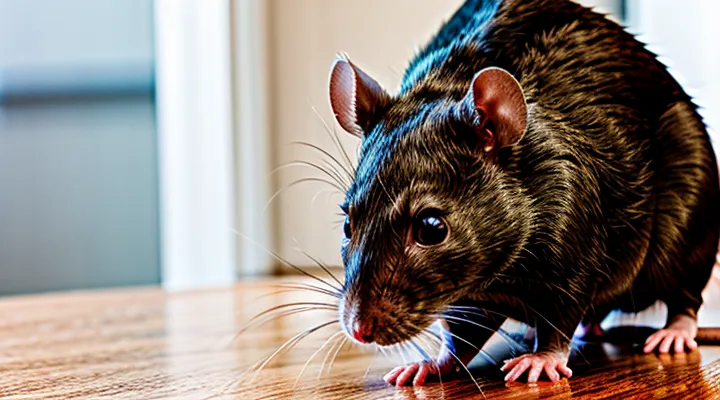
Understanding Respiratory Syndrome in Rats
What is Respiratory Syndrome?
Common Causes and Risk Factors
Respiratory syndrome in laboratory rats arises when the airway and lung tissues are compromised by a combination of infectious agents and adverse environmental conditions. Identifying the underlying causes and predisposing factors is essential for effective prevention and therapeutic planning.
Common causes
- Bacterial pathogens such as Mycoplasma pulmonis and Streptococcus pneumoniae
- Viral agents including Sendai virus and rat coronavirus
- Fungal organisms, notably Aspergillus species, that colonize moist bedding
- Exposure to irritant gases (ammonia, carbon dioxide) generated by inadequate ventilation or overcrowded cages
- Inhalation of dust particles from wood shavings, corn cob, or paper bedding
Risk factors
- Young or immunocompromised individuals, which lack mature immune defenses
- Specific rat strains with genetic susceptibility to respiratory infections
- High stocking density that elevates stress and pathogen transmission
- Poor husbandry practices, such as infrequent cage cleaning and lack of air filtration
- Co‑existing health issues, including gastrointestinal parasites or systemic disease, that weaken overall resilience
Recognizing these elements enables researchers to adjust housing parameters, select appropriate prophylactic measures, and implement targeted treatments when respiratory illness emerges.
Types of Respiratory Infections
Respiratory infections constitute the primary category of illnesses affecting the rat’s pulmonary system. Their identification guides both diagnostic procedures and therapeutic interventions.
- Bacterial pneumonia – Caused chiefly by Streptococcus pneumoniae or Klebsiella pneumoniae. Presents with purulent exudate, alveolar consolidation, and rapid decline in oxygen exchange.
- Viral bronchiolitis – Frequently linked to Sendai virus or rat coronavirus. Characterized by epithelial necrosis, peribronchial inflammation, and secondary bacterial invasion.
- Fungal pneumonitis – Predominantly due to Aspergillus spp. or Pneumocystis carinii. Manifests as granulomatous lesions and interstitial inflammation, especially in immunocompromised subjects.
- Mycoplasmal respiratory disease – Resulting from Mycoplasma pulmonis. Produces chronic airway obstruction, mucosal hyperplasia, and occasional otitis media.
- Parasitic lung infestation – Involving nematodes such as Syphacia spp. Leads to eosinophilic infiltrates, cyst formation, and bronchial blockage.
Accurate classification of these infection types enables targeted antimicrobial, antiviral, antifungal, or antiparasitic regimens, thereby improving clinical outcomes for affected rodents.
Recognizing the Symptoms
Early Signs to Look For
Behavioral Changes
Behavioral alterations provide early indicators of respiratory illness in laboratory rats. Affected animals commonly display reduced locomotor activity, spending extended periods in the corner of the cage or remaining immobile on the bedding. Grooming frequency declines, leading to a roughened coat and accumulation of debris. Social interaction diminishes; rats withdraw from group activities, avoid nose‑to‑nose contact, and show decreased play behavior. Feeding patterns shift, with irregular or decreased food intake and reduced water consumption. Respiratory distress often triggers heightened irritability, manifested as aggressive bites or vocalizations when approached. These changes can precede overt clinical signs such as labored breathing or nasal discharge, allowing researchers to initiate therapeutic interventions promptly.
Treatment protocols that alleviate airway inflammation—typically corticosteroid administration, bronchodilator therapy, and supportive oxygen—correlate with gradual normalization of the described behaviors. Within 24–48 hours of effective treatment, locomotion increases, grooming resumes, and social engagement returns to baseline levels. Monitoring behavioral metrics alongside physiological parameters enhances the assessment of therapeutic efficacy and informs adjustments to dosing regimens.
Physical Manifestations
Physical manifestations of the respiratory disorder affecting laboratory rats present consistently across affected individuals. Observable signs include:
- Labored breathing with visible thoracic expansion.
- Nasal discharge ranging from clear to purulent.
- Audible wheezing or rattling during inhalation and exhalation.
- Reduced activity levels and reluctance to explore.
- Weight loss despite unchanged feeding schedules.
- Cyanotic tint of the mucous membranes, especially around the ears and tail.
- Elevated body temperature detectable by rectal thermometer.
In addition to these external indicators, internal examination often reveals pulmonary congestion, edema, and pleural effusion. Gross pathology may show hyperinflated alveoli and hemorrhagic foci. Histological analysis typically identifies inflammatory infiltrates, epithelial desquamation, and fibrosis in chronic cases. Monitoring these physical signs enables early detection and guides therapeutic intervention.
Advanced Stages of the Illness
Severe Breathing Difficulties
Severe breathing difficulties represent a critical manifestation of rat respiratory syndrome, characterized by marked reduction in airflow and compromised gas exchange. Affected rodents display rapid, shallow respiration, audible wheezing, and visible abdominal effort as they attempt to maintain oxygenation. Clinical observation often reveals cyanotic mucous membranes, reduced activity, and failure to thrive, indicating systemic hypoxia.
Prompt identification relies on objective measures: respiratory rate exceeding normal limits (greater than 120 breaths per minute for adult rats), tidal volume decline observed via plethysmography, and arterial blood gas analysis showing decreased PaO₂ and elevated PaCO₂. Radiographic imaging may reveal pulmonary infiltrates, while histopathology typically shows alveolar edema and inflammatory cell infiltration.
Effective management combines immediate supportive care and targeted therapy:
- Administer supplemental oxygen through a sealed chamber or nasal cannula, maintaining FiO₂ at 30‑40 % to correct hypoxemia.
- Provide bronchodilators (e.g., aerosolized albuterol) to alleviate airway constriction.
- Use anti‑inflammatory agents such as corticosteroids to reduce pulmonary edema.
- Implement antimicrobial treatment if secondary bacterial infection is confirmed by culture.
- Monitor fluid balance closely; employ diuretics (e.g., furosemide) when pulmonary congestion persists.
Continuous monitoring of respiratory parameters and timely adjustment of therapeutic interventions are essential to prevent progression to respiratory failure and improve survival outcomes.
Systemic Effects
Respiratory illness in laboratory rats triggers physiological disturbances beyond the lungs, compromising multiple organ systems and influencing disease progression.
The cardiovascular system frequently exhibits tachycardia, elevated blood pressure, and reduced myocardial contractility. These changes stem from hypoxemia‑induced sympathetic activation and inflammatory mediators circulating in the bloodstream.
Renal function deteriorates as hypoxic stress and systemic inflammation impair glomerular filtration. Indicators include increased plasma creatinine, decreased urine output, and electrolyte imbalances that may exacerbate fluid retention.
The immune system responds with leukocytosis, heightened cytokine production, and altered lymphocyte ratios. Persistent inflammation promotes tissue edema and predisposes rats to secondary infections, extending the disease burden.
Metabolic pathways are disrupted; glucose homeostasis becomes erratic, and hepatic enzymes rise in response to oxidative stress. These alterations affect energy availability and drug metabolism, complicating therapeutic regimens.
Effective management must address these extra‑pulmonary manifestations. Recommended actions include:
- Continuous monitoring of heart rate, arterial pressure, and ECG parameters.
- Serial assessment of renal markers (creatinine, blood urea nitrogen) and fluid balance.
- Routine blood counts and cytokine profiling to gauge immune activation.
- Adjusted dosing of antimicrobial and anti‑inflammatory agents based on hepatic function tests.
- Supportive measures such as oxygen supplementation, fluid therapy, and electrolytes correction.
Integrating systemic monitoring with targeted respiratory treatment improves survival rates and reduces long‑term sequelae in affected rodents.
Diagnosis and Identification
Veterinary Examination
Physical Assessment
Physical assessment of rats suspected of respiratory disease begins with systematic observation. Record coat condition, posture, and activity level; deviations often indicate systemic compromise. Note any nasal or ocular discharge, its color and consistency, as well as the presence of labored breathing or audible wheezes.
Measure respiratory rate by counting thoracic movements for a full minute while the animal is at rest. Normal values range from 70 to 120 breaths per minute; sustained elevations suggest distress. Assess depth and pattern of breaths, distinguishing shallow, rapid respirations from deep, irregular efforts.
Perform auscultation with a pediatric stethoscope or a high‑frequency acoustic sensor. Listen bilaterally over the trachea and lung fields for:
- Continuous wheezing
- Crackles on inspiration
- Diminished or absent breath sounds
Palpate the thorax to detect pain, rigidity, or abnormal vibrations. Evaluate mucous membrane color and capillary refill time; pallor or cyanosis indicates hypoxia.
Collect baseline body temperature using a rectal probe; fever often accompanies infectious etiologies. Weigh the animal to monitor weight loss, a common sequela of chronic respiratory involvement.
Interpretation of these findings guides therapeutic choices. Elevated respiratory rate, audible wheezes, and fever warrant immediate antimicrobial therapy combined with supportive care, such as supplemental oxygen and humidified chambers. Absence of overt signs but mild nasal discharge may justify close monitoring and environmental modifications, including enhanced ventilation and reduced humidity. Regular reassessment—at least twice daily—ensures timely adjustment of treatment protocols.
Diagnostic Tests
Accurate diagnosis of respiratory disease in laboratory rats requires a combination of clinical assessment and laboratory procedures.
Physical examination includes observation of respiratory rate, effort, and nasal discharge, followed by auscultation for abnormal breath sounds.
Key laboratory analyses are:
- Complete blood count to detect leukocytosis or neutrophilia.
- Serum biochemistry for markers of inflammation such as C‑reactive protein.
- Arterial blood gas measurement to evaluate oxygenation and acid‑base balance.
Imaging and functional studies provide structural and functional information:
- Thoracic radiography identifies pulmonary infiltrates, consolidation, or pleural effusion.
- High‑resolution computed tomography offers detailed visualization of airway obstruction and parenchymal lesions.
- Plethysmography quantifies changes in lung volume and airway resistance.
Microbiological and molecular methods confirm infectious agents:
- Culture of nasal or lung tissue on selective media isolates bacterial pathogens.
- Polymerase chain reaction assays detect viral genomes, including rat coronavirus and Sendai virus.
- Antigen‑based ELISA kits provide rapid screening for common respiratory viruses.
Histopathological examination of lung tissue reveals cellular infiltrates, edema, and necrosis, and allows differentiation between viral, bacterial, and inflammatory etiologies.
Integration of these diagnostic tools establishes a definitive diagnosis, guides therapeutic decisions, and supports monitoring of treatment efficacy.
Treatment Approaches
Pharmacological Interventions
Antibiotics
Antibiotics become necessary when bacterial agents contribute to respiratory disease in rats. Clinical signs such as purulent nasal discharge, fever, and lung auscultation abnormalities indicate possible bacterial infection. Confirmation through culture or polymerase chain reaction guides therapeutic choice.
Typical agents include:
- Enrofloxacin, broad‑spectrum fluoroquinolone, effective against Gram‑negative and some Gram‑positive organisms.
- Trimethoprim‑sulfamethoxazole, targeting common respiratory pathogens such as Streptococcus spp. and Pasteurella spp.
- Amoxicillin‑clavulanic acid, useful for beta‑lactamase‑producing bacteria.
- Doxycycline, suitable for atypical organisms and intracellular pathogens.
Dosage recommendations follow established veterinary guidelines: enrofloxacin 10 mg/kg subcutaneously once daily; trimethoprim‑sulfamethoxazole 30 mg/kg orally twice daily; amoxicillin‑clavulanic acid 20 mg/kg orally twice daily; doxycycline 5 mg/kg orally once daily. Treatment duration ranges from 5 to 10 days, adjusted according to clinical response and repeat culture results.
Therapeutic monitoring includes daily assessment of respiratory rate, temperature, and discharge quality. Persistent or worsening signs after 48 hours warrant reassessment of the pathogen profile and potential switch to a different antibiotic class. Routine susceptibility testing reduces the risk of antimicrobial resistance and improves outcome predictability.
Anti-inflammatory Drugs
Anti‑inflammatory agents are integral to managing pulmonary inflammation associated with rat respiratory disease. By inhibiting cyclooxygenase pathways, these drugs reduce prostaglandin synthesis, thereby limiting edema and airway constriction. Their rapid onset of action complements antimicrobial therapy, which addresses the underlying infection.
Commonly employed anti‑inflammatory compounds include:
- Non‑steroidal anti‑inflammatory drugs (NSAIDs) such as meloxicam and carprofen; dosing ranges from 1–2 mg/kg orally once daily.
- Glucocorticoids like dexamethasone; typical regimen is 0.5 mg/kg intraperitoneally every 24 hours.
- Selective COX‑2 inhibitors (e.g., celecoxib) administered at 10 mg/kg orally, offering reduced gastrointestinal toxicity.
Therapeutic selection depends on disease severity, comorbid conditions, and tolerance. NSAIDs provide modest inflammation control with minimal immunosuppression, suitable for early‑stage cases. Glucocorticoids deliver potent anti‑inflammatory effects but increase susceptibility to secondary infections; they are reserved for advanced airway obstruction. COX‑2 inhibitors balance efficacy and safety for prolonged treatment.
Monitoring protocols require daily assessment of respiratory rate, thoracic auscultation, and body weight. Laboratory parameters—complete blood count, serum cortisol, and liver enzymes—should be evaluated before initiation and at regular intervals to detect adverse reactions. Adjustments in dosage or drug class are made when clinical signs persist or laboratory values deviate from baseline.
Supportive Medications
Supportive medications are essential for managing pulmonary disease in laboratory rats when primary therapies address the underlying infection or inflammation. These agents alleviate secondary effects, stabilize physiological functions, and improve survival rates.
Commonly employed supportive drugs include:
- Bronchodilators such as albuterol or terbutaline to relax airway smooth muscle and enhance airflow.
- Mucolytics like acetylcysteine, which reduce mucus viscosity and facilitate clearance.
- Anti‑inflammatory agents (e.g., dexamethasone) to limit edema and tissue damage caused by excessive immune responses.
- Fluid therapy using isotonic solutions to maintain hydration, support circulatory volume, and prevent renal compromise.
- Analgesics (buprenorphine, meloxicam) to control pain associated with respiratory distress and improve animal welfare.
- Nutritional supplements rich in vitamins A and C, which support mucosal integrity and immune competence.
Dosage regimens must be calibrated to the rat’s weight, age, and severity of the condition. Monitoring parameters—respiratory rate, arterial oxygen saturation, and blood gas analysis—guide adjustments and prevent over‑sedation or fluid overload. Integration of these supportive measures with antimicrobial or antiviral protocols creates a comprehensive treatment plan that addresses both primary pathology and its systemic repercussions.
Environmental Modifications
Improving Air Quality
Air quality directly influences the incidence and severity of respiratory disorders in laboratory rats. Elevated concentrations of ammonia, carbon dioxide, and particulate matter compromise mucociliary clearance, exacerbate inflammation, and increase susceptibility to infectious agents.
Key airborne contaminants and their physiological impact include:
- Ammonia: irritates nasal epithelium, triggers bronchoconstriction, and predisposes to secondary bacterial infection.
- Carbon dioxide: reduces oxygen availability, leading to hypoxemia and altered respiratory drive.
- Fine dust: deposits in alveoli, promotes granulomatous reactions and impairs gas exchange.
Effective strategies for air‑quality improvement are:
- Install high‑efficiency particulate air (HEPA) filtration to remove dust and microbial spores.
- Maintain ventilation rates of at least 15 air changes per hour, calibrated to keep ammonia below 25 ppm.
- Implement automated monitoring of temperature, humidity, and gas concentrations, with alarm thresholds for rapid corrective action.
- Use absorbent bedding with low ammonia emission and conduct weekly bedding changes.
- Apply activated carbon filters to reduce volatile organic compounds and odors.
Consistent application of these measures reduces the frequency of clinical signs such as nasal discharge, labored breathing, and reduced activity. Lowered environmental stress also enhances the efficacy of pharmacological interventions, allowing for reduced dosage and shorter treatment duration.
Stress Reduction
Stress reduction directly influences the clinical course of respiratory illness in laboratory rats. Elevated cortisol and catecholamine levels aggravate airway inflammation, increase mucus production, and impair immune response, thereby intensifying observable respiratory signs such as tachypnea, nasal discharge, and reduced activity.
Implementing environmental and handling strategies lowers physiological stress and supports therapeutic interventions. Effective measures include:
- Providing nesting material and shelter to allow natural burrowing behavior.
- Maintaining consistent light‑dark cycles and temperature within the species‑specific comfort range.
- Limiting cage changes and invasive procedures to the minimum required frequency.
- Training personnel in gentle restraint techniques and habituation protocols.
- Offering supplemental enrichment objects that promote exploratory activity without causing agitation.
Reduced stress correlates with faster resolution of pulmonary lesions, lower mortality, and decreased reliance on high‑dose pharmacotherapy. Monitoring behavioral indicators—such as grooming frequency, social interaction, and voluntary movement—offers a practical proxy for stress levels and can guide adjustments to husbandry practices.
Integrating stress‑mitigation protocols into the overall management plan enhances the efficacy of antimicrobial, anti‑inflammatory, and supportive treatments, leading to more stable respiratory function and improved welfare outcomes for affected rodents.
Supportive Care
Hydration and Nutrition
Adequate fluid balance and proper diet are essential components of care for rats afflicted with a respiratory condition. Dehydration accelerates mucosal irritation and impedes clearance of secretions, while insufficient nutrition weakens immune defenses and delays recovery.
- Offer water in multiple accessible containers to encourage frequent sipping; consider using sipper tubes or shallow dishes to reduce spillage.
- Supplement drinking water with electrolyte solutions (e.g., low‑concentration saline) for 24–48 hours, especially if nasal discharge is profuse.
- Provide moist, nutrient‑dense foods such as softened pellets, soaked laboratory chow, or commercially prepared rat formula; these increase fluid intake and calorie consumption simultaneously.
- Introduce small, frequent meals rather than a single large portion to maintain steady energy supply and reduce the effort required for mastication.
- Include protein‑rich supplements (e.g., boiled egg white, low‑fat cottage cheese) to support tissue repair and immune function.
- Monitor weight daily; a loss exceeding 5 % of baseline body mass warrants immediate dietary adjustment and possible veterinary intervention.
Consistent observation of intake patterns and body condition enables timely modification of hydration and nutrition strategies, thereby enhancing the likelihood of a swift resolution of respiratory symptoms.
Pain Management
Pain associated with respiratory disease in laboratory rats requires systematic assessment and targeted therapy. Clinical signs such as labored breathing, nasal discharge, and reduced activity often mask underlying nociception. Accurate evaluation relies on validated scoring systems that incorporate facial expression, posture, and response to handling.
Effective analgesia combines pharmacologic and non‑pharmacologic measures:
- Non‑steroidal anti‑inflammatory drugs (NSAIDs) – meloxicam (0.2 mg/kg, subcutaneously, once daily) or carprofen (5 mg/kg, orally, twice daily) reduce inflammation and visceral pain without compromising respiratory function.
- Opioid analgesics – buprenorphine (0.05 mg/kg, subcutaneously, every 8–12 h) provides strong analgesia; dosage may be adjusted for prolonged sedation in severely compromised animals.
- Adjunctive agents – gabapentin (30 mg/kg, orally, twice daily) attenuates neuropathic components of cough‑induced thoracic discomfort.
- Local anesthetics – lidocaine gel applied to the nasal cavity can relieve irritation from mucosal inflammation.
Supportive strategies enhance comfort:
- Maintain ambient temperature at 22–24 °C to prevent shivering‑induced pain.
- Provide soft bedding and easy‑access water to reduce mechanical stress on the thorax.
- Limit handling duration and use gentle restraint techniques to avoid exacerbating discomfort.
Monitoring includes repeated pain scores, respiratory rate, and arterial oxygen saturation. Adjust analgesic regimens promptly if scores rise or if respiratory depression appears. Integrating these practices minimizes suffering while allowing accurate investigation of the respiratory condition.
Prevention Strategies
Optimizing Husbandry
Cage Hygiene
Maintaining a clean environment is essential for controlling respiratory disease in laboratory and pet rats. Accumulated dust, urine, and feces create aerosolized particles that irritate the nasal passages and lungs, increasing the likelihood of infection and exacerbating existing symptoms. Regular removal of waste and thorough disinfection of cages reduce the microbial load and limit exposure to pathogenic bacteria and viruses.
Key practices for optimal cage hygiene include:
- Daily spot‑cleaning: remove soiled bedding, droppings, and food debris.
- Weekly full bedding change: replace all substrate with fresh, low‑dust material such as paper‑based or aspen shavings.
- Routine disinfection: soak cages, water bottles, and accessories in an approved disinfectant (e.g., 10 % bleach solution) for at least 10 minutes, then rinse thoroughly.
- Ventilation control: ensure cages are placed in a well‑ventilated area to prevent buildup of ammonia and particulate matter.
- Monitoring: inspect cages for signs of mold, excessive moisture, or residual odors and address issues immediately.
Consistent implementation of these measures limits the concentration of irritants that trigger coughing, sneezing, and nasal discharge, thereby supporting the therapeutic regimen for affected animals. Proper cage management also facilitates early detection of respiratory problems, as changes in animal behavior become more apparent in a clean, stable environment.
Ventilation
Ventilation is a critical component of managing respiratory distress in laboratory rats. Effective airflow supports oxygen uptake and carbon‑dioxide removal, reducing the severity of pulmonary lesions and improving survival rates.
Proper ventilation systems deliver a controlled mixture of fresh air and supplemental oxygen. Key parameters include:
- Flow rate adjusted to the animal’s weight (approximately 30–40 mL min⁻¹ kg⁻¹).
- FiO₂ maintained between 0.21 and 0.40, depending on the severity of hypoxemia.
- Positive end‑expiratory pressure (PEEP) set at 2–5 cm H₂O to prevent alveolar collapse.
Continuous monitoring of airway pressure, tidal volume, and blood gas values enables rapid detection of deteriorating function. When hypoventilation occurs, mechanical ventilation through a small‑animal ventilator can restore adequate gas exchange. Settings should be individualized: respiratory rate 60–80 breaths per minute, tidal volume 6–8 mL kg⁻¹, inspiratory:expiratory ratio of 1:2.
Adjunctive measures complement ventilatory support. Nebulized bronchodilators and mucolytics reduce airway resistance, while humidified gas prevents mucosal drying. Antimicrobial therapy addresses secondary infections that may exacerbate respiratory compromise.
In summary, precise control of airflow, pressure, and oxygen concentration, coupled with vigilant monitoring, constitutes the core of ventilatory management for rats suffering from respiratory syndrome.
Nutritional Support
Balanced Diet
A balanced diet directly influences the recovery of rats suffering from pulmonary disease. Adequate protein levels support tissue repair and immune function; commercial rodent chow formulated with 18‑20 % protein meets this requirement. Supplementary lean animal protein, such as boiled egg white or cooked chicken, can be offered in small quantities to increase nitrogen intake without excess fat.
Essential fatty acids reduce inflammation in the airways. Include sources rich in omega‑3, such as flaxseed oil or fish oil, at 0.5 % of total daily calories. Vitamin A and vitamin E act as antioxidants; a daily supplement of 1,000 IU vitamin A and 50 IU vitamin E per kilogram of body weight prevents oxidative damage to lung tissue.
Mineral balance prevents secondary complications. Calcium and phosphorus should remain in a 1:1 ratio to avoid bone demineralization, while magnesium and potassium support muscular respiration. Provide a mineral supplement that delivers 0.5 % calcium, 0.5 % phosphorus, 0.1 % magnesium, and 0.2 % potassium per kilogram of feed.
Hydration maintains mucociliary clearance. Offer fresh water at all times; add a small amount of electrolytes (0.2 % sodium chloride) if the animal shows signs of dehydration.
Practical feeding schedule
- Morning: 25 % of daily ration, mixed with a pinch of omega‑3 oil.
- Midday: Small protein supplement (1 g cooked chicken per 100 g body weight).
- Evening: Remaining 75 % of ration, fortified with vitamin‑mineral blend.
- Throughout the day: Unlimited access to water, refreshed every 12 hours.
Consistent provision of these nutrients stabilizes respiratory function, reduces the severity of symptoms, and accelerates therapeutic outcomes.
Supplements
Supplements can support recovery from respiratory illness in laboratory rats when integrated with standard therapeutic protocols. Antioxidant agents such as vitamin E and selenium mitigate oxidative stress in pulmonary tissue, reducing cellular damage caused by inflammation. Omega‑3 fatty acids, typically supplied as fish‑oil emulsions, modulate inflammatory mediators and improve airway elasticity. N‑acetylcysteine replenishes glutathione reserves, enhancing mucociliary clearance and protecting epithelial cells from toxin‑induced injury. Probiotic formulations containing Lactobacillus species have been shown to influence gut‑lung axis signaling, indirectly strengthening immune defenses against respiratory pathogens.
Effective supplementation requires attention to dosage, administration route, and interaction with primary treatments:
- Vitamin E: 30–50 IU/kg diet, mixed into feed to ensure steady intake.
- Selenium: 0.2 mg/kg feed, avoiding excess that may cause toxicity.
- Omega‑3: 1–2 % of total caloric content, delivered as a water‑soluble emulsion to prevent aspiration.
- N‑acetylcysteine: 100 mg/kg body weight, administered orally once daily.
- Probiotics: 10⁸–10⁹ CFU per rat, provided in drinking water with a stabilizing carrier.
Monitoring parameters such as respiratory rate, blood oxygen saturation, and inflammatory cytokine levels guides adjustment of supplement regimens. Sudden changes in appetite or weight loss may indicate adverse reactions, prompting dosage reduction or discontinuation. Integration of these adjuncts, when calibrated to the animal’s physiological status, can accelerate symptom resolution and improve overall prognosis.
Regular Health Checks
Regular health examinations are essential for early detection of respiratory illness in laboratory and pet rats. Systematic monitoring provides objective data that guides timely therapeutic intervention and reduces morbidity.
Key components of a routine check include:
- Observation of breathing pattern: count breaths per minute, note labored or audible sounds.
- Inspection of nasal and ocular secretions: record presence, color, and consistency.
- Evaluation of fur condition and body weight: sudden loss may indicate systemic involvement.
- Assessment of activity level: reduced grooming or lethargy often precedes overt respiratory signs.
- Palpation of the thorax: detect tenderness or abnormal expansion.
- Temperature measurement: fever is a common early indicator.
Frequency should correspond to the risk level of the colony. High‑density breeding units or facilities with recent disease outbreaks require weekly examinations; stable colonies may be assessed biweekly. Any deviation from baseline values warrants immediate diagnostic sampling, such as nasal swabs for bacterial culture or radiographic imaging to identify pulmonary infiltrates.
Documenting each examination in a standardized log enables trend analysis, supports epidemiological tracking, and ensures compliance with veterinary protocols. Consistent implementation of these checks reduces the likelihood of delayed treatment and improves overall health outcomes for rats prone to respiratory disorders.