
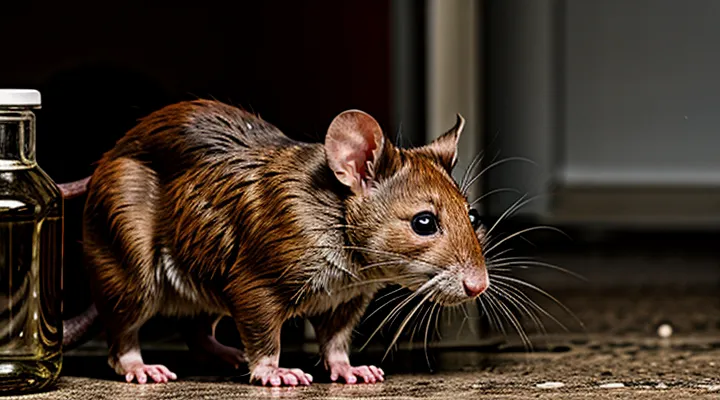
What is Porphyrinuria?
Normal Porphyrin Excretion
Normal porphyrin excretion in rats represents a physiological process that contributes to the baseline level of urinary pigments. Porphyrins are synthesized in the hepatic and erythropoietic systems and are eliminated primarily through the kidneys. In healthy rodents, the concentration of urinary porphyrins typically ranges from 0.5 to 2 µg mL⁻¹, with slight variations according to age, sex, and circadian rhythm.
Key characteristics of regular porphyrin output include:
- Predominance of coproporphyrin III and uroporphyrin I, reflecting normal heme biosynthesis pathways.
- Absence of marked discoloration; urine appears clear to pale yellow, with only faint fluorescence under ultraviolet illumination.
- Stable excretion rates despite minor dietary fluctuations; high‑protein or iron‑rich diets may modestly increase output but remain within physiological limits.
- Rapid renal clearance; half‑life of circulating porphyrins is approximately 30–45 minutes, limiting accumulation.
Diagnostic relevance arises when distinguishing normal excretion from pathological conditions that produce overtly red or pink urine. Elevated porphyrin levels—exceeding 10 µg mL⁻¹—or the presence of protoporphyrin IX often indicate hepatic dysfunction, hemolysis, or exposure to porphyrinogenic toxins. Analytical methods such as high‑performance liquid chromatography (HPLC) or fluorometric assays reliably quantify urinary porphyrins and confirm whether observed pigmentation aligns with baseline physiology.
Understanding the standard pattern of porphyrin elimination therefore provides a reference point for interpreting abnormal urinary coloration in laboratory rats, enabling accurate identification of disease processes or toxicant effects.
Differentiating Porphyrin from Blood
Red urinary discoloration in rats can arise from two distinct sources: porphyrin secretion and hematuria. Accurate differentiation is essential for proper diagnosis and treatment.
Key distinguishing characteristics:
- Color hue: Porphyrin yields a vivid reddish‑orange fluorescence under ultraviolet light, whereas blood presents a darker, brownish red that does not fluoresce.
- Odor: Porphyrin excreta emit a mild, sweetish smell; hematuria is associated with a metallic, iron‑like odor.
- Viscosity: Porphyrin secretions are often more viscous and may coat the fur or cage surfaces; blood is typically watery and settles quickly.
- Microscopic analysis: Wet mount of urine shows intact red blood cells in hematuria; porphyrin lacks cellular components and appears as amorphous pigment.
- Chemical tests: Addition of Ehrlich’s reagent produces a pink to magenta color with porphyrin; a negative result indicates blood. Dipstick tests for hemoglobin or RBCs confirm hematuria.
Procedural steps for confirmation:
- Collect fresh urine in a clean, dark container to prevent photodegradation of porphyrin.
- Examine under a UV lamp; fluorescence indicates porphyrin presence.
- Perform a centrifugation at 1500 g for 5 min; a pellet of red cells confirms hematuria.
- Apply Ehrlich’s reagent to a small aliquot; observe color change within 2 min.
- Run standard dipstick analysis for hemoglobin and RBCs; record results.
By applying these criteria, researchers can reliably separate porphyrin excretion from true blood contamination, enabling targeted investigation of underlying pathological processes.
Common Causes of Red Urine in Rats
Dietary Factors
Reddish urine in laboratory rats frequently reflects the ingestion of pigments or metabolic by‑products derived from the diet. Certain foods contain anthocyanins, betalains, or synthetic dyes that survive gastrointestinal absorption and are excreted unchanged, imparting a crimson hue to the urine. The presence of these compounds does not necessarily indicate pathology, but distinguishing dietary discoloration from hematuria or renal hemorrhage is essential for accurate interpretation of experimental results.
- Anthocyanin‑rich ingredients – berries, red cabbage, purple corn; produce purple‑red urine after metabolism.
- Betalain‑containing foods – beets, certain fruit juices; yield a deep magenta coloration.
- Synthetic food colorants – Red 40, Red 3, used in flavored pellets; can cause bright red urine.
- High‑protein diets with iron supplements – excess iron may be excreted as ferric complexes, giving a rust‑colored urine.
- Carotenoid‑rich feeds – lycopene‑enriched diets occasionally generate pinkish urine due to carotenoid metabolites.
Diagnostic evaluation begins with visual inspection of urine samples, followed by quantitative analysis. Urine dipsticks detect hemoglobin and myoglobin, allowing exclusion of true blood presence. Spectrophotometric scanning identifies absorbance peaks characteristic of anthocyanins (520‑540 nm) or betalains (540‑560 nm). High‑performance liquid chromatography separates dietary pigments from endogenous metabolites, confirming dietary origin. Microscopic examination rules out urinary crystals or cellular debris that could mimic discoloration.
When red urine is attributed to diet, investigators should document feed composition, record any recent changes in ingredient sources, and, if necessary, substitute pigment‑free formulations. Consistent reporting of dietary variables minimizes misinterpretation of urinary color changes and supports reproducibility across studies.
Environmental Stress
Environmental stress can induce red‑colored urine in laboratory rats through physiological disturbances that affect renal integrity and pigment excretion.
Common stressors in animal facilities include:
- Extreme ambient temperatures or rapid fluctuations
- High animal density leading to competition for resources
- Persistent acoustic disturbances above normal laboratory levels
- Inadequate lighting cycles or sudden changes in illumination
- Exposure to volatile chemicals, disinfectants, or airborne particulates
Stress‑related mechanisms that produce hematuria or pigmenturia are:
- Activation of the hypothalamic‑pituitary‑adrenal axis, raising cortisol and promoting renal vasoconstriction
- Elevated blood pressure causing microvascular damage in the glomeruli
- Oxidative stress damaging tubular epithelium, releasing hemoglobin or myoglobin into the urinary tract
- Physical trauma from aggressive interactions or handling, resulting in bleeding within the urinary system
Diagnostic procedures for red urine should follow a systematic protocol:
- Visual inspection of urine samples for color intensity and clarity
- Dip‑stick analysis targeting hemoglobin, myoglobin, and bilirubin
- Microscopic examination of sediment to identify erythrocytes, casts, or crystalline pigments
- Serum chemistry to assess renal function (creatinine, BUN) and systemic stress markers (cortisol, catecholamines)
- Post‑mortem histopathology of kidney and urinary tract when non‑invasive tests are inconclusive
Mitigation of environmental stress requires strict control of housing conditions: maintain temperature within 20‑24 °C, limit cage occupancy to species‑appropriate numbers, enforce sound‑attenuation standards, provide consistent light‑dark cycles, and employ air filtration systems to reduce chemical exposure. Continuous monitoring of these parameters minimizes the incidence of red urine and supports reliable experimental outcomes.
Injuries and Trauma
Red‑colored urine in laboratory rats frequently signals hematuria, which can arise from mechanical damage to the urinary tract. Blunt force, puncture wounds, or forced restraint may rupture renal parenchyma, tear the bladder wall, or sever urethral vessels, releasing blood into the lumen. Such trauma often produces immediate discoloration of urine, accompanied by pain‑related behaviors and reduced mobility.
Diagnostic evaluation proceeds in a stepwise manner:
- Visual inspection of voided urine for hue intensity and consistency.
- Dip‑stick analysis to detect hemoglobin, myoglobin, and erythrocytes.
- Microscopic urine sediment examination to confirm the presence of red blood cells and assess morphology.
- Blood chemistry profiling for elevated urea, creatinine, and lactate dehydrogenase, indicating renal compromise.
- Imaging (ultrasound or radiography) to identify hematomas, bladder rupture, or renal lacerations.
- Post‑mortem necropsy with histopathological sampling of kidney, ureter, and bladder tissues to verify traumatic lesions and exclude alternative etiologies such as infection or neoplasia.
Prompt identification of injury‑related hematuria enables timely intervention, including analgesia, wound repair, and supportive fluid therapy, thereby minimizing morbidity and preserving experimental integrity.
Diseases and Infections
Red urine in laboratory rats frequently signals underlying pathological processes. Among the most common etiologies are infectious agents and disease states that disrupt renal function, hemolysis, or urinary tract integrity.
Bacterial infections such as Leptospira spp. produce hemorrhagic nephritis, releasing hemoglobin into urine. Salmonella and Escherichia coli can cause cystitis or pyelonephritis, leading to blood leakage. Viral agents, notably rat coronavirus (RCV), induce interstitial nephritis with associated hematuria. Parasitic infestations, for example Trichinella spiralis, may provoke systemic inflammation and renal bleeding.
Non‑infectious diseases also generate red urine. Hemolytic anemia caused by Clostridium perfringens exotoxins, or immune‑mediated hemolysis, elevates free hemoglobin filtered by the kidneys. Neoplastic growths in the urinary tract, such as transitional cell carcinoma, produce gross blood loss. Toxic exposures—heavy metals, rodenticide compounds, or mycotoxins—damage glomerular capillaries, resulting in hematuria.
Diagnostic approach includes:
- Physical examination: palpation for abdominal tenderness, assessment of mucous membrane color.
- Urinalysis: dipstick detection of blood, microscopy for red blood cells, and evaluation of protein and bilirubin levels.
- Hematology: complete blood count to identify anemia, reticulocyte count, and serum bilirubin.
- Imaging: ultrasonography or radiography to locate masses, obstructions, or renal enlargement.
- Microbiological testing: culture of urine, PCR assays for Leptospira and viral genomes, serology for specific pathogens.
- Histopathology: biopsy of renal or urinary tissue when non‑invasive methods are inconclusive.
Integration of clinical findings with laboratory results enables precise identification of the disease or infection responsible for red urine, guiding targeted therapy and improving experimental outcomes.
Urinary Tract Infections (UTIs)
Red‑colored urine in laboratory rats frequently signals a urinary tract infection, which may be bacterial, fungal, or parasitic. The presence of hematuria, leukocytes, and bacteria in the urine sample confirms inflammation of the urinary system and distinguishes infection from other causes such as hemolysis or dietary pigments.
Typical microbial agents include:
- Escherichia coli and other Enterobacteriaceae
- Proteus mirabilis
- Staphylococcus spp.
- Candida spp. (in immunocompromised animals)
Clinical manifestations often comprise dysuria, increased frequency of voiding, and palpable bladder distension, in addition to the characteristic red urine. Systemic signs may appear when infection spreads, including weight loss, lethargy, and fever.
Diagnostic procedures consist of:
- Collection of a midstream urine sample under aseptic conditions.
- Microscopic examination for red blood cells, white blood cells, and casts.
- Quantitative culture on selective media to identify colony‑forming units per milliliter.
- Polymerase chain reaction or immunoassays for specific pathogens when culture results are ambiguous.
Effective treatment requires antimicrobial therapy guided by susceptibility testing, supportive hydration, and, when necessary, catheterization to ensure bladder emptying. Monitoring urine color, bacterial counts, and renal function parameters provides objective evidence of therapeutic success and helps prevent recurrence.
Kidney Disease
Red discoloration of urine in laboratory rats frequently signals renal pathology. Damage to glomeruli, tubules, or urinary tract structures permits blood cells or pigments to enter the filtrate, producing a visible red hue.
Renal disease can generate hematuria through several mechanisms. Inflammation disrupts glomerular basement membranes, allowing erythrocytes to leak. Necrosis of tubular epithelium releases hemoglobin and myoglobin, both of which color the urine. Vascular injury within the kidney leads to microhemorrhage, further contributing to discoloration.
Typical kidney conditions associated with red urine include:
- Acute glomerulonephritis
- Chronic interstitial nephritis
- Tubular necrosis induced by nephrotoxic agents
- Renal papillary necrosis
- Polycystic kidney disease with hemorrhagic cysts
Diagnostic evaluation proceeds in a stepwise manner:
- Visual inspection of urine for color and turbidity.
- Microscopic analysis to confirm presence of erythrocytes, hemoglobin, or myoglobin.
- Urinalysis for protein, glucose, and sediment characteristics.
- Blood chemistry assessing creatinine, urea nitrogen, and electrolyte balance.
- Imaging (ultrasound or radiography) to identify structural abnormalities.
- Histopathological examination of kidney tissue when non‑invasive methods are inconclusive.
Accurate identification of renal disease underlying red urine enables appropriate therapeutic interventions, reduces experimental variability, and supports animal welfare in research settings.
Bladder Issues
Red urine observed in laboratory rats frequently signals pathology of the urinary bladder. Hematuria arising from bladder dysfunction must be distinguished from systemic causes before therapeutic decisions are made.
Common bladder conditions associated with red urine include:
- Cystitis, bacterial or chemical, leading to epithelial erosion and bleeding.
- Bladder tumors, particularly transitional cell carcinoma, which disrupt cell integrity.
- Urolithiasis, where calculi irritate the mucosa and produce micro‑hemorrhages.
- Trauma or catheter‑induced injury, causing acute mucosal disruption.
- Hyperplastic or inflammatory lesions, such as papillomas, that compromise vascular walls.
Diagnostic workflow consists of:
- Physical examination of the abdomen for distension or pain response.
- Urinalysis to confirm presence of erythrocytes, evaluate specific gravity, and detect leukocytes or bacteria.
- Imaging studies—ultrasound or radiography—to identify masses, stones, or wall thickening.
- Cystoscopy, when feasible, for direct visualization and targeted biopsy.
- Histopathological analysis of collected tissue to differentiate neoplastic from inflammatory processes.
Accurate identification of bladder origin for hematuria guides appropriate intervention, ranging from antimicrobial therapy for infectious cystitis to surgical excision of neoplastic growths. Routine monitoring of urine color, combined with the outlined diagnostic steps, reduces misinterpretation of red urine and improves experimental reliability.
Tumors
Tumor development in laboratory rats frequently manifests as blood‑tinged urine, providing a visible indicator of underlying pathology. Hematuria arises when neoplastic growth disrupts renal or urinary tract vasculature, causing erythrocyte leakage into the urinary lumen.
Common neoplasms associated with this sign include:
- Renal cell carcinoma
- Transitional cell carcinoma of the bladder
- Hemangioma of the kidney or ureter
- Lymphoma infiltrating the urinary system
- Metastatic sarcoma involving renal parenchyma
The mechanism involves direct invasion of blood vessels, tumor‑induced necrosis, and erosion of mucosal surfaces. These processes produce a spectrum of urine discoloration, from pink to deep red, depending on the volume of blood released.
Diagnostic workflow consists of:
- Routine observation of urine color during cage inspections.
- Quantitative urinalysis for hemoglobin and erythrocytes.
- Ultrasonography or magnetic resonance imaging to locate masses.
- Post‑mortem necropsy with gross examination of kidneys, bladder, and ureters.
- Histological staining (H&E) to confirm tumor type.
- Immunohistochemical panels (e.g., cytokeratin, vimentin) for phenotypic classification.
Interpretation of results requires correlation between tumor location and urine findings. Renal tumors typically produce intermittent hematuria, while bladder neoplasms generate persistent discoloration. Lymphomatous infiltration may present with microscopic blood loss detectable only by laboratory analysis.
For experimental protocols, schedule urine sampling at least twice weekly, document color changes with photographic records, and align necropsy timing with peak hematuria to maximize detection of neoplastic lesions.
Medications and Toxins
Medications and toxins represent a significant proportion of agents that induce red‑colored urine in laboratory rats. The discoloration results from hematuria, myoglobinuria, or the excretion of pigmented metabolites, each reflecting a distinct pathophysiological mechanism.
Common pharmacological culprits include:
- Non‑steroidal anti‑inflammatory drugs (e.g., indomethacin, diclofenac) – cause gastric ulceration and subsequent bleeding into the urinary tract.
- Anticoagulants (warfarin, coumarin derivatives) – increase risk of spontaneous hemorrhage, leading to gross hematuria.
- Chemotherapeutic agents (cyclophosphamide, ifosfamide) – generate toxic metabolites (acrolein) that irritate the bladder epithelium and provoke bleeding.
- High‑dose aspirin – produces gastric erosions and renal microhemorrhages.
Toxic substances frequently encountered in rodent facilities are:
- Heavy metals (lead, cadmium) – induce renal tubular injury and hematuria.
- Organic solvents (benzene, toluene) – cause hemolysis and myoglobin release, producing a reddish urine hue.
- Rodenticide residues (metal phosphides) – disrupt mitochondrial function, leading to muscular breakdown and myoglobinuria.
- Plant alkaloids (strychnine, aconitine) – provoke systemic toxicity with secondary renal hemorrhage.
Diagnostic approach relies on differentiating hematuria from pigmenturia. Microscopic examination of urine sediment confirms the presence of red blood cells, while spectrophotometric analysis distinguishes hemoglobin from myoglobin. Elevated plasma creatinine and blood urea nitrogen indicate renal impairment, often accompanying toxic exposure. Histopathology of bladder and kidney tissue clarifies the source of bleeding or tubular necrosis.
Prompt identification of the offending agent, combined with supportive care and removal of the toxin, mitigates progression and restores normal urine coloration.
Diagnostic Approach
Initial Observation and Owner History
The first step in evaluating a rat with reddish urine is a thorough visual assessment. The urine should be examined immediately after collection, noting color intensity, presence of sediment, and any odor. A deep pink to crimson hue often indicates hematuria, while a brownish tint may suggest myoglobinuria or bilirubinuria. Clear differentiation between fresh and aged samples is essential, as oxidation can alter coloration.
Parallel to the physical examination, obtaining a detailed owner history provides critical context. Key information includes:
- Duration of the discoloration and whether it is intermittent or persistent.
- Recent changes in diet, water source, or introduction of new bedding materials.
- Exposure to potential toxins such as heavy metals, chemicals, or medications.
- History of trauma, surgical procedures, or aggressive interactions with cage mates.
- Presence of accompanying clinical signs: hematuria, dysuria, lethargy, weight loss, or polyuria.
- Vaccination and deworming schedule, as some infections can cause renal or hepatic bleeding.
- Environmental conditions, including temperature fluctuations and humidity levels that may affect renal function.
Collecting this data establishes a baseline for differential diagnosis, guides subsequent laboratory testing, and helps prioritize immediate interventions.
Physical Examination
Physical examination is a primary tool for identifying the etiology of chromaturia in laboratory rats. Direct observation of the animal’s behavior, posture, and external condition provides immediate clues about systemic or local disturbances that may produce red urine.
During handling, assess gait and locomotor activity. Lameness, tremors, or reluctance to move suggest musculoskeletal pain or neurological impairment, which can be associated with trauma or inflammatory processes affecting the urinary tract. Palpation of the abdomen should focus on the bladder region; a distended, firm bladder indicates urinary retention or obstruction, while a soft, non‑distended bladder may reflect polyuria or diminished urine output.
Inspection of the perineal area is essential. Red staining of the fur, urine droplets, or swelling of the preputial glands points to external bleeding or infection. Examination of the genital openings for discharge, ulceration, or edema helps differentiate infectious, neoplastic, or traumatic sources.
A systematic checklist for the physical assessment includes:
- Observe coat condition and color for signs of systemic hemorrhage.
- Evaluate activity level, gait, and posture for pain or neurologic deficits.
- Palpate abdomen, noting bladder size, consistency, and tenderness.
- Inspect perineum and genitalia for external lesions, discharge, or swelling.
- Record body temperature; fever may indicate infection or inflammatory disease.
- Note any weight loss or cachexia, which can accompany chronic renal pathology.
Collecting urine directly from the bladder or from a clean catch allows immediate visual confirmation of hematuria and facilitates dipstick or microscopic analysis. Correlating these findings with the physical signs narrows the differential diagnosis to categories such as urinary tract infection, calculi, neoplasia, trauma, or systemic coagulopathy.
Urinalysis
Urinalysis provides the primary laboratory evidence for evaluating discolored urine in laboratory rats. Accurate interpretation depends on systematic collection, preservation, and analysis of the specimen.
The analytical workflow includes:
- Physical assessment: color, clarity, odor. Red hue may indicate hematuria, hemoglobinuria, myoglobinuria, or exogenous pigments.
- Chemical testing: dip‑stick reagents for blood, protein, glucose, ketones, and pH. A positive blood reaction with absent erythrocytes on microscopy suggests free hemoglobin or myoglobin.
- Microscopic examination: centrifuged sediment examined for red blood cells, casts, crystals, bacteria, and parasites. Presence of intact erythrocytes confirms true hematuria.
- Spectrophotometric or chromatographic assays: quantification of hemoglobin, myoglobin, and porphyrin derivatives. Specific absorbance peaks differentiate endogenous pigments from dietary or drug‑induced coloration.
- Microbial culture: identification of urinary tract pathogens when infection is suspected.
Interpretation guidelines:
- Hematuria: ≥5 × 10⁶ RBC/mL, often linked to renal inflammation, trauma, or neoplasia.
- Hemoglobinuria: positive dip‑stick for blood with <5 × 10⁶ RBC/mL, typical of hemolysis or severe oxidative stress.
- Myoglobinuria: similar dip‑stick pattern, confirmed by elevated plasma creatine kinase and specific myoglobin assay.
- Porphyrinuria: reddish urine accompanied by elevated urinary porphobilinogen or uroporphyrin, indicating metabolic disruption or hepatic disease.
Sample handling recommendations:
- Collect urine directly from the bladder or metabolic cage to avoid contamination.
- Store specimens at 4 °C and analyze within 2 hours for dip‑stick and microscopy; freeze at –20 °C for pigment assays.
- Use anticoagulant‑free containers for sediment analysis; add preservative for culture.
By integrating physical, chemical, microscopic, and advanced analytical data, urinalysis distinguishes among the principal etiologies of red urine in rats, guiding further diagnostic procedures and therapeutic decisions.
Macroscopic Examination
Macroscopic examination of discolored urine in laboratory rats provides the first line of evidence for underlying pathology. Visual inspection should be performed immediately after collection to prevent alteration of color by ambient light or oxidation. The observer records the hue, opacity, and presence of sediment. Typical findings include:
- Deep pink to ruby coloration, suggesting hematuria or myoglobinuria.
- Reddish‑brown tint, indicative of bilirubin or hemosiderin deposition.
- Turbid or cloudy appearance, pointing to pyuria or crystal formation.
- Visible particulate matter, which may represent cellular debris, casts, or precipitated salts.
Quantitative assessment involves comparing the specimen against a calibrated color chart or spectrophotometric standard to estimate hemoglobin concentration. In addition, the volume and specific gravity are measured to evaluate renal concentrating ability and to differentiate dilutional effects from true pigment accumulation.
When macroscopic signs suggest a hemorrhagic origin, the next diagnostic steps include microscopic urine analysis, serum chemistry, and histopathology of the urinary tract. Consistent documentation of color changes across multiple samples strengthens the correlation between observed urine coloration and the causative factor, whether traumatic injury, infection, toxic exposure, or metabolic disorder.
Microscopic Examination
Microscopic analysis of rat urine is essential for distinguishing hematuria from pigmenturia when the specimen appears red. The procedure begins with fresh collection, preferably by metabolic cage or gentle bladder expression, to prevent contamination. Immediately after collection, a drop of urine is placed on a glass slide, covered with a coverslip, and examined under bright‑field illumination at low (10‑20×) and high (40‑100×) magnifications.
Key observations include:
- Presence of intact erythrocytes confirms true blood loss; their morphology (normochromic, anucleate) helps assess severity.
- Free hemoglobin or myoglobin appears as granular, non‑cellular material; a positive dipstick for hemoglobin without erythrocytes suggests pigment leakage.
- Porphyrin crystals, typically orange‑brown, are identified by their birefringence under polarized light and differentiate from blood.
- Bacterial colonies, yeast, or parasitic ova indicate infectious etiologies; Gram staining of sediment may be applied when needed.
- Leukocytes, epithelial cells, and casts provide information on inflammatory or tubular damage.
Quantitative sediment counts are performed by averaging cells in multiple high‑power fields, allowing comparison with established reference ranges for laboratory rats. When red urine persists despite negative sediment findings, further tests such as spectrophotometric measurement of hemoglobin or myoglobin concentrations, and urine protein electrophoresis, are warranted to refine the diagnosis.
Chemical Analysis
Chemical analysis provides objective evidence for the identification of pigments and metabolites responsible for red discoloration of rat urine. Accurate diagnosis relies on quantitative and qualitative data obtained from well‑controlled laboratory procedures.
Urine samples are collected in sterile containers, centrifuged to remove debris, and stored at –80 °C until analysis. Prior to testing, samples are thawed on ice, filtered through 0.22 µm membranes, and, when necessary, diluted with appropriate solvents to fit the dynamic range of the analytical instrument.
Key analytical techniques include:
- Spectrophotometry – measures absorbance peaks characteristic of hemoglobin (≈ 415 nm), myoglobin (≈ 410 nm), and porphyrins (≈ 400 nm). Spectral deconvolution distinguishes overlapping signals.
- High‑performance liquid chromatography (HPLC) – separates pigments on reverse‑phase columns; detection achieved with diode‑array or fluorescence detectors, enabling quantification of bilirubin, urobilin, and porphyrin derivatives.
- Mass spectrometry (MS) – coupled with liquid chromatography (LC‑MS) identifies molecular ions of heme breakdown products, confirming the presence of specific porphyrins and their oxidation states.
- Gas chromatography‑mass spectrometry (GC‑MS) – applicable after derivatization for volatile metabolites such as urobilinogen, providing complementary confirmation.
- pH and specific gravity measurements – support interpretation by indicating urine concentration and potential precipitation of pigments.
Interpretation guidelines:
- Elevated absorbance at hemoglobin wavelengths, together with HPLC peaks matching heme standards, points to hemorrhagic causes such as renal bleeding.
- Detection of myoglobin in the absence of hemoglobin suggests muscle injury or rhabdomyolysis.
- Presence of porphyrin signatures, confirmed by LC‑MS, indicates metabolic disorders of heme synthesis, such as porphyria.
- Normal pigment profiles combined with acidic pH may reflect dietary pigments or bacterial contamination rather than pathological bleeding.
Quality control measures require inclusion of blank, spiked, and reference samples in each analytical run. Calibration curves must be generated for each target analyte, with limits of detection below 0.1 mg/L to capture low‑level pigmenturia. Reproducibility is assessed by duplicate analyses, aiming for coefficient of variation under 5 %.
Comprehensive chemical profiling, integrated with clinical observations, narrows differential diagnoses and guides subsequent therapeutic or investigative steps.
Blood Tests
Blood analysis provides objective data for evaluating the underlying mechanisms of reddish urine in laboratory rats. Hematologic parameters reveal systemic disturbances that may accompany urinary discoloration, while biochemical indices identify organ-specific dysfunction.
Complete blood count (CBC) quantifies erythrocytes, leukocytes, and platelets. An elevated red‑cell count may indicate hemoconcentration from dehydration, whereas anemia suggests chronic blood loss or hemolysis. Leukocytosis points to inflammatory or infectious processes, and a left shift signals bacterial involvement. Platelet counts help assess coagulopathy that could predispose to bleeding.
Serum chemistry profiles detect renal and hepatic impairment. Increased creatinine and blood urea nitrogen denote reduced glomerular filtration, which can cause hematuria through tubular damage. Elevated alanine aminotransferase or aspartate aminotransferase signals hepatocellular injury, a possible source of bilirubin-derived pigment in urine. Bilirubin and bile acid measurements differentiate true hematuria from pigmenturia caused by hepatic dysfunction.
Coagulation tests clarify bleeding tendencies. Prothrombin time (PT) and activated partial thromboplastin time (aPTT) identify deficiencies in the extrinsic or intrinsic pathways. Prolonged clotting times suggest anticoagulant exposure or inherited clotting disorders that may manifest as urinary blood.
Urine‑specific blood markers complement serum data. The presence of hemoglobin, myoglobin, or free hemoglobin‑heme complexes in plasma confirms intravascular hemolysis, while elevated urinary protein indicates glomerular leakage. Correlating plasma and urine findings narrows the differential diagnosis.
Typical diagnostic workflow:
- Collect blood via tail vein or cardiac puncture under anesthesia.
- Perform CBC with differential count.
- Run serum chemistry panel (creatinine, BUN, ALT, AST, bilirubin, bile acids).
- Conduct PT and aPTT assays.
- Analyze plasma for hemolysis indicators (haptoglobin, lactate dehydrogenase).
- Compare results with urine analysis (dipstick, microscopic examination).
Interpretation of these parameters, in conjunction with clinical signs and histopathology, enables precise identification of the cause behind red urine in rats, whether it stems from renal pathology, systemic hemolysis, coagulopathy, or hepatic dysfunction.
Imaging Techniques
Imaging provides direct evidence of urinary tract pathology that can generate hematuria in laboratory rodents. Non‑invasive modalities allow serial assessment while preserving animal welfare.
High‑frequency ultrasonography visualizes renal parenchyma, collecting ducts, and bladder wall. Real‑time Doppler identifies vascular abnormalities such as renal infarcts or hemorrhagic lesions. Resolution of 30–50 µm enables detection of focal cysts or tumors that may cause blood loss.
Contrast‑enhanced computed tomography supplies three‑dimensional maps of the urinary system. Iodinated agents highlight perfusion deficits, calculi, and obstructive masses. Slice thickness of 0.5 mm reveals subtle calyceal dilatation associated with upstream bleeding sources.
Magnetic resonance imaging distinguishes soft‑tissue contrast without ionizing radiation. T2‑weighted sequences delineate edema and hemorrhage within renal cortex. Phase‑contrast angiography quantifies flow alterations in renal arteries, supporting differential diagnosis between vascular rupture and inflammatory disease.
Plain radiography, supplemented by fluoroscopic urography, detects radiopaque calculi and large masses. While sensitivity is lower than cross‑sectional methods, rapid acquisition makes it suitable for screening large cohorts.
Selection criteria
- Ultrasound: first‑line, bedside, repeatable, limited depth for small rodents.
- CT: high spatial resolution, requires anesthesia, optimal for mineralized lesions.
- MRI: superior soft‑tissue contrast, longer scan time, best for hemorrhagic and inflammatory processes.
- Radiography/fluoroscopy: quick, low cost, limited to gross abnormalities.
Choosing an appropriate technique depends on suspected etiology, required resolution, and experimental constraints. Combining modalities increases diagnostic confidence and guides subsequent histopathological confirmation.
X-rays
X‑ray imaging offers a direct, non‑invasive means to evaluate the urinary system of laboratory rats presenting with reddish urine. Conventional radiography can reveal mineral deposits, calculi, or foreign bodies that may cause hematuria. Contrast‑enhanced studies, such as urography, outline the renal pelvis, ureters, and bladder, allowing detection of obstruction, perforation, or abnormal vascular leakage.
Key diagnostic contributions of X‑ray techniques include:
- Identification of radiopaque calculi in kidneys or ureters, which can irritate the mucosa and trigger bleeding.
- Visualization of bladder wall thickening or masses that may compromise vascular integrity.
- Detection of skeletal or abdominal trauma that could result in secondary renal hemorrhage.
- Assessment of vascular abnormalities through angiographic procedures, highlighting potential sources of blood loss into the urine.
Limitations of plain radiography must be acknowledged. Soft‑tissue contrast is low; small hemorrhagic lesions or early‑stage inflammatory changes often escape detection. Computed tomography (CT) with contrast provides superior resolution for soft‑tissue pathology, while ultrasonography remains valuable for real‑time assessment of renal parenchyma and fluid collections.
Integrating X‑ray findings with laboratory analyses—such as urine dipstick testing for blood, hemoglobin electrophoresis, and renal function panels—creates a comprehensive diagnostic framework. This multimodal approach enables precise determination of the underlying cause of red urine, guiding appropriate therapeutic interventions.
Ultrasound
Ultrasound offers a non‑invasive means to investigate the origin of blood‑tinged urine in laboratory rats. By delivering high‑frequency sound waves, the technique visualizes renal parenchyma, ureters, bladder wall, and surrounding vasculature in real time, allowing rapid differentiation between inflammatory, neoplastic, and traumatic sources.
In practice, the examination proceeds with the animal under light anesthesia, using a 30‑40 MHz transducer to achieve resolution of structures as small as 0.1 mm. The sonographer assesses:
- Kidney size and echogenicity; hyperechoic areas may indicate hemorrhage or infiltrative lesions.
- Corticomedullary distinction; loss of definition suggests acute tubular injury or necrosis.
- Presence of intraluminal echoes within the collecting system; mobile echogenic particles are consistent with clotted blood.
- Bladder wall thickness; thickening beyond 0.5 mm often reflects inflammation or tumor infiltration.
- Perirenal and retroperitoneal spaces; fluid collections or hypoechoic zones reveal edema or hemorrhagic effusion.
Color Doppler imaging enhances detection of abnormal vascular patterns, such as turbulent flow in renal arteries or venous congestion, which can accompany severe hematuria. Contrast‑enhanced ultrasound, though less common in rodents, may further delineate perfusion deficits and differentiate viable tissue from necrotic zones.
When ultrasound findings align with clinical signs—e.g., reduced urine output, weight loss, or palpable abdominal masses—the method directs subsequent laboratory analyses, including urine cytology and renal biopsy, toward the most probable pathology. Consequently, ultrasound serves as a decisive early‑stage diagnostic tool, reducing reliance on invasive procedures while providing actionable data for the management of red urine in rat models.
Advanced Diagnostics
Red discoloration of urine in laboratory rats signals potential pathophysiological processes that can compromise experimental outcomes. Accurate identification of the underlying mechanism requires diagnostic techniques that go beyond routine urinalysis.
- High‑performance liquid chromatography (HPLC) coupled with mass spectrometry detects low‑molecular‑weight pigments such as hemoglobin, myoglobin, and porphyrins, providing quantitative profiles unattainable with dipstick tests.
- Raman spectroscopy differentiates pigment structures in situ, allowing rapid discrimination between hematuria, myoglobinuria, and dietary pigments without sample preparation.
- Multiplex polymerase chain reaction panels screen for infectious agents (e.g., Leptospira spp., hemotropic Mycoplasma) that produce hematuric signatures, delivering results within hours.
- Urine metabolomics, performed on ultra‑high‑performance liquid chromatography–quadrupole time‑of‑flight mass spectrometry platforms, reveals metabolic disturbances associated with renal tubular injury, oxidative stress, or hepatic dysfunction.
- Imaging modalities, including contrast‑enhanced micro‑CT and high‑resolution ultrasound, visualize renal vasculature and parenchymal lesions that may cause bleeding or pigment leakage.
Interpretation of advanced data requires correlation with clinical observations, histopathology, and serum biomarkers. Elevated urinary hemoglobin together with normal serum creatinine suggests transient hematuria, whereas concurrent myoglobin and creatine kinase elevations indicate muscular injury. Presence of porphyrin peaks aligns with hepatic or biliary disorders, while specific microbial DNA signatures confirm infectious etiology.
Implementation of these diagnostics in routine monitoring improves early detection of adverse conditions, reduces confounding variables in research protocols, and supports humane animal care by enabling timely therapeutic intervention.
Cystoscopy
Cystoscopy provides direct visualization of the lower urinary tract, allowing researchers to identify mucosal lesions, bleeding sources, and obstructive material that may produce hematuria in laboratory rats. The technique involves inserting a miniature endoscope through the urethra into the bladder under general anesthesia, recording video or still images for subsequent analysis.
Key aspects of cystoscopic examination in this context include:
- Assessment of bladder wall integrity; ulcerations, erosions, or neoplastic growths appear as focal disruptions or abnormal masses.
- Detection of intraluminal debris; clots, crystals, or foreign bodies can be retrieved endoscopically for compositional analysis.
- Observation of ureteral orifices; inflammation or stenosis may contribute to retrograde blood flow.
- Evaluation of vascular patterns; hyperemia or hemorrhagic spots indicate active bleeding sites.
Cystoscopic findings complement biochemical assays (e.g., urine dipstick, spectrophotometric hemoglobin measurement) and histopathology, refining the differential diagnosis among infection, toxic injury, and neoplasia. Limitations include the small caliber of the rat urethra, which restricts instrument size, and the potential for anesthesia‑related artifacts. Integration of cystoscopy with imaging modalities such as ultrasonography enhances anatomical context and improves diagnostic accuracy for red urine etiologies in rodent models.
Biopsy
Biopsy provides direct tissue assessment when hematuria appears in laboratory rats. Sampling renal cortex, medulla, or urinary bladder enables identification of inflammatory infiltrates, neoplastic lesions, or vascular damage that may cause pigmenturia. Histopathological examination reveals:
- Glomerular or tubular necrosis with hemorrhage, indicating acute toxic injury.
- Interstitial inflammation with eosinophils or neutrophils, suggesting infection or allergic reaction.
- Neoplastic proliferation (e.g., transitional cell carcinoma) producing blood leakage into urine.
- Vascular lesions such as vasculitis or thrombosis that disrupt capillary integrity.
Procedural considerations ensure reliable results. Anesthetize the animal with an appropriate inhalant or injectable agent, maintain aseptic conditions, and use a sterile 14‑gauge core needle or microdissection scissors for tissue extraction. Preserve specimens in 10 % neutral‑buffered formalin for paraffin embedding, or snap‑freeze in liquid nitrogen for molecular analyses. Proper orientation of the sample and inclusion of adjacent normal tissue facilitate comparative assessment.
Complementary diagnostics, such as urine cytology and serum chemistry, should be correlated with biopsy findings. Elevated serum creatinine or blood urea nitrogen supports renal involvement, while urine microscopy can detect red blood cell morphology and casts. Integration of histology with these data narrows differential diagnoses, guiding therapeutic decisions and experimental design.
Management and Treatment Principles
Addressing Underlying Causes
Red urine in rats signals hematuria, often reflecting metabolic, infectious, or toxic disturbances. Effective management begins with confirming the source of pigment, distinguishing true blood from dietary pigments or drug metabolites. Laboratory analysis of urine sediment, dipstick hemoglobin detection, and spectrophotometric assessment of porphyrin levels provide reliable differentiation. Once hematuria is verified, clinicians must evaluate renal function, hepatic status, and urinary tract integrity through serum biochemistry, ultrasonography, and culture of urine samples.
Addressing the root causes requires targeted interventions:
- Metabolic disorders – correct electrolyte imbalances, adjust dietary components, and supply supplements such as vitamin C to reduce oxidative stress.
- Infections – administer appropriate antibiotics based on culture sensitivity; consider antifungal agents when fungal pathogens are identified.
- Toxic exposures – discontinue the offending agent, provide supportive care, and, when indicated, use chelating agents or antidotes specific to the toxin.
- Trauma or obstruction – perform surgical repair or relieve blockage; postoperative monitoring includes analgesia and prophylactic antibiotics.
Long‑term prevention hinges on routine health monitoring, controlled housing conditions, and strict adherence to dietary formulations free of porphyrin‑inducing substances. Regular screening for subclinical hematuria enables early detection and timely correction of underlying pathology.
Supportive Care
Supportive care mitigates the physiological stress associated with hematuria in laboratory rats and improves the reliability of diagnostic outcomes. Fluid replacement restores intravascular volume and promotes renal clearance of hemoglobin and myoglobin. Isotonic saline administered subcutaneously or intravenously at 10 ml/kg every 4–6 hours maintains hydration without overloading the circulatory system.
Analgesia reduces pain‑induced catecholamine release, which can exacerbate urinary tract bleeding. Non‑steroidal anti‑inflammatory drugs (e.g., meloxicam 1 mg/kg) or opioids (e.g., buprenorphine 0.05 mg/kg) given every 12 hours provide effective relief while minimizing renal toxicity.
Nutritional support prevents catabolism and supports tissue repair. High‑protein, easily digestible diets supplied ad libitum, supplemented with vitamin C (250 mg/kg) and B‑complex vitamins, enhance hemoglobin synthesis and antioxidant capacity.
Environmental management limits additional stressors. Cage bedding should be low‑dust, absorbent material; temperature maintained at 22 ± 2 °C; humidity at 50 ± 10 %. Daily observation of urine color, volume, and animal behavior enables early detection of worsening hematuria.
A concise supportive‑care protocol may be summarized as follows:
- Fluid therapy: isotonic saline, 10 ml/kg q4‑6 h.
- Analgesia: meloxicam 1 mg/kg or buprenorphine 0.05 mg/kg q12 h.
- Nutrition: high‑protein diet, vitamin C 250 mg/kg, B‑complex supplement.
- Environment: low‑dust bedding, temperature 22 °C, humidity 50 %.
- Monitoring: daily urine inspection, weight measurement, activity assessment.
Implementation of these measures stabilizes the animal’s condition, reduces confounding variables, and facilitates accurate identification of underlying etiologies for the reddish urine presentation.
Prevention Strategies
Effective prevention of hematuric episodes in laboratory rodents requires systematic control of environmental, nutritional, and physiological variables. Maintaining stable cage conditions—temperature (20‑22 °C), humidity (45‑55 %), and ventilation—reduces stress‑induced renal disturbances. Regular cleaning eliminates urine residues that could promote bacterial overgrowth and subsequent hematuria.
Nutritional management is critical. Provide a diet formulated without excessive iron, vitamin C, or pigment‑rich components that may discolor urine. Ensure water purity by using filtered, dechlorinated sources and replace it daily to prevent microbial contamination. Monitor feed and water intake; abrupt changes can trigger gastrointestinal bleeding, manifesting as red urine.
Genetic considerations involve screening breeding colonies for strains predisposed to renal pathology. Implement selective breeding protocols to diminish the prevalence of hereditary disorders associated with hematuric symptoms.
Pharmacological prophylaxis should be limited to agents with proven renal protective effects, such as antioxidants (e.g., N‑acetylcysteine) administered under veterinary supervision. Avoid routine use of non‑steroidal anti‑inflammatory drugs, which increase the risk of mucosal injury and bleeding.
Routine health surveillance supports early detection and intervention. Establish a schedule for:
- Weekly visual inspection of urine for discoloration.
- Biweekly collection of urine samples for dipstick analysis (hemoglobin, bilirubin, protein).
- Quarterly complete blood count and serum chemistry panels focusing on renal markers.
- Immediate veterinary assessment upon any abnormal finding.
By integrating these preventive measures into standard operating procedures, the incidence of red urine can be minimized, thereby preserving animal welfare and experimental integrity.
When to Seek Veterinary Care
Red urine in a rat may signal underlying pathology; owners must recognize situations that require professional evaluation.
- Discoloration persists for more than 24–48 hours.
- Blood in urine is accompanied by pain, straining to urinate, or a noticeable decrease in water consumption.
- The animal shows lethargy, loss of appetite, or measurable weight loss.
- Urine contains clots or is produced in unusually large volumes.
- Signs of anemia appear, such as pale gums or rapid breathing.
- Unexplained swelling develops in the abdomen or flank region.
Transient pink or reddish tint after a diet rich in beetroot, berries, or certain medications can be harmless, but any of the above indicators demand immediate veterinary contact.
Before the appointment, gather a fresh urine sample, record recent dietary changes, exposure to toxins, and any medications administered. Provide this information to the veterinarian to facilitate accurate diagnosis and timely treatment.