
Understanding the Fancy Rat’s Digestive System
Nutritional Needs of Fancy Rats
Fancy rats require a balanced diet that supplies adequate protein, fat, carbohydrates, fiber, vitamins, and minerals to support growth, reproduction, and immune function. Protein should constitute roughly 15‑20 % of caloric intake, with high‑quality sources such as cooked eggs, lean meat, or soy‑based pellets providing essential amino acids. Fat intake must remain low, around 3‑5 % of calories, to prevent obesity and hepatic lipidosis; unsaturated fats from small amounts of seeds or nuts are acceptable. Carbohydrates supply energy, but excess simple sugars can lead to dental disease and weight gain, so complex starches from grains are preferred.
Fiber is essential for gastrointestinal motility and fecal bulk. A minimum of 5 % crude fiber, derived from vegetables, whole grains, and specially formulated chew toys, helps prevent constipation and supports a healthy gut microflora. Vitamins A, D, E, K, and the B‑complex group are required in trace amounts; deficiencies manifest as skin lesions, bone disorders, or metabolic disturbances. Minerals such as calcium, phosphorus, magnesium, and potassium must be balanced to maintain skeletal integrity and electrolyte homeostasis.
Raw zucchini offers a low‑calorie, high‑water content vegetable with modest amounts of fiber, vitamin C, potassium, and beta‑carotene. Its protein contribution is negligible, and it lacks significant fat or carbohydrate density. The fiber present is primarily soluble, aiding hydration of intestinal contents but insufficient as a sole source for the fiber quota. Vitamin C, while beneficial, is not essential for rats, as they synthesize it endogenously. The beta‑carotene can be converted to vitamin A, supplementing dietary requirements when combined with other sources.
When integrating raw zucchini into a fancy rat’s regimen, adhere to the following guidelines:
- Offer no more than 10 % of total daily food volume as raw zucchini to avoid dilution of essential nutrients.
- Combine with a high‑quality pellet or mash that meets protein, fat, and mineral specifications.
- Ensure the vegetable is washed thoroughly and cut into bite‑size pieces to prevent choking.
- Monitor body condition and fecal consistency; adjust portion size if weight loss or diarrhea occurs.
Properly balanced, raw zucchini can serve as a safe, occasional component of a fancy rat’s diet without compromising nutritional adequacy.
Dietary Sensitivities and Restrictions
Raw zucchini presents a distinct set of considerations for the feeding regimen of ornamental rats. These rodents exhibit heightened sensitivity to certain plant compounds, and their gastrointestinal tract processes uncooked vegetables differently from adult laboratory strains.
Key physiological factors:
- High oxalate content can bind calcium, increasing the risk of renal stone formation.
- Fiber-rich raw zucchini may cause rapid gastric distension, leading to bloating or diarrhoea.
- Surface contaminants, including pesticide residues, remain active without thermal degradation.
Safety guidelines:
- Limit raw zucchini to no more than 5 % of total daily intake by weight.
- Perform a thorough wash with potable water; consider a brief blanching step (60 °C for 2 minutes) to reduce pesticide load while preserving most nutrients.
- Introduce the vegetable gradually, monitoring stool consistency and water consumption for the first 48 hours.
- Exclude rats with a history of urinary calculi or chronic gastrointestinal upset from any raw vegetable regimen.
When these protocols are observed, raw zucchini can be incorporated without compromising health, while respecting the inherent dietary restrictions of fancy rats.
Zucchini: Nutritional Profile
Key Nutrients in Raw Zucchini
Raw zucchini provides a compact profile of essential micronutrients that can contribute to the nutritional balance of laboratory‑bred rodents. The vegetable’s water‑rich flesh supplies vitamins, minerals, and phytonutrients in concentrations that are relevant when evaluating its suitability as a supplemental food item.
- Vitamin C: Approximately 18 mg per 100 g, supporting antioxidant defenses and collagen synthesis.
- Vitamin A (β‑carotene): Around 200 µg retinol activity equivalents per 100 g, influencing visual health and immune function.
- Vitamin K1: Near 4 µg per 100 g, essential for blood clotting pathways.
- Folate: Roughly 24 µg per 100 g, participating in DNA synthesis and cellular division.
- Potassium: About 300 mg per 100 g, contributing to electrolyte balance and nerve transmission.
- Magnesium: Approximately 18 mg per 100 g, involved in enzymatic reactions and muscle relaxation.
- Dietary fiber: Roughly 1 g per 100 g, promoting gastrointestinal motility and microbial fermentation.
In addition to these nutrients, raw zucchini contains flavonoids such as lutein and zeaxanthin, which exhibit anti‑inflammatory properties. The low caloric density (≈17 kcal per 100 g) minimizes the risk of excess energy intake while delivering the listed micronutrients. When integrating raw zucchini into a rodent feeding regimen, portion sizes should reflect the animal’s total daily energy requirement to avoid digestive upset.
Potential Antinutrients and Their Effects
Raw zucchini contains several naturally occurring compounds that can interfere with nutrient utilization and health in laboratory rats. These substances, classified as antinutrients, merit careful consideration when the vegetable is offered without cooking.
- Cucurbitacins – bitter-tasting triterpenoids that can induce vomiting, diarrhea, and hepatic stress at concentrations above 0.01 % of fresh weight. Sensitive strains of fancy rats may exhibit rapid loss of appetite and dehydration after ingestion of heavily bitter material.
- Oxalates – soluble salts that bind calcium, forming calcium oxalate crystals. Chronic exposure may promote renal stone formation and reduce skeletal calcium deposition, potentially compromising bone integrity in growing individuals.
- Phytates – phosphorus‑rich molecules that chelate iron, zinc, and magnesium. Elevated dietary phytate levels diminish absorption of these trace elements, leading to subclinical deficiencies that can impair immune function and coat quality.
- Protease inhibitors – proteinaceous factors that hinder digestive enzymes such as trypsin. Inhibition reduces protein breakdown, lowering amino acid availability and slowing growth rates.
- Nitrates – accumulated in soil‑grown squash. Excess nitrate conversion to nitrite in the gut may cause methemoglobinemia, especially in young or stressed rats.
The magnitude of each effect depends on the proportion of raw zucchini in the overall diet, the freshness of the produce, and the individual rat’s metabolic capacity. Empirical studies indicate that limiting raw zucchini to less than 5 % of total feed weight mitigates most adverse outcomes while preserving its fiber and vitamin contributions. Regular monitoring of body weight, fecal consistency, and renal markers is advisable when incorporating the vegetable into a refined rodent regimen.
Safety Considerations for Feeding Raw Zucchini
Oxalates and Their Impact on Rat Health
Oxalates are organic acids that bind calcium, forming insoluble crystals. Raw zucchini contains moderate oxalate concentrations, typically 15–30 mg per 100 g. Rats absorb oxalates through the gastrointestinal tract; excess amounts are excreted via urine, where they may precipitate as calcium oxalate crystals.
High oxalate intake can impair renal function in rodents. Studies indicate that diets exceeding 200 mg of oxalates per kilogram of body weight per day increase the incidence of nephrolithiasis. Symptoms include hematuria, reduced urine output, and weight loss. Conversely, dietary oxalate levels below 50 mg per kilogram of body weight rarely produce observable pathology.
Key considerations for feeding raw zucchini to laboratory or pet rats:
- Measure portion size to keep oxalate intake under 30 mg per day for a 200‑g rat.
- Provide ample fresh water to facilitate renal clearance of oxalate‑calcium complexes.
- Monitor urine for microscopic crystals during the first two weeks of inclusion.
- Rotate zucchini with low‑oxalate vegetables (e.g., cucumber, bell pepper) to diversify nutrients and limit cumulative oxalate load.
In summary, oxalates present in uncooked zucchini are not inherently toxic to rats, but excessive consumption can jeopardize kidney health. Controlled portions, adequate hydration, and regular health checks mitigate the risk.
Potential for Digestive Upset
Gas and Bloating
Raw zucchini contains soluble fiber, primarily pectin, which ferments in the gastrointestinal tract of rodents. Fermentation produces short‑chain fatty acids and gases such as carbon dioxide, hydrogen, and methane. In fancy rats, excess gas can expand the cecum and colon, leading to noticeable abdominal distension.
Typical signs of bloating include a rounded belly, reduced activity, and audible gurgling sounds during respiration. Severe cases may progress to discomfort, decreased food intake, and impaired digestion. The condition is reversible when the offending food is removed or its portion is reduced.
Factors influencing gas production:
- Quantity of raw zucchini offered per feeding
- Frequency of inclusion in the diet
- Individual microbiota composition of each rat
Guidelines to minimize adverse effects:
- Limit raw zucchini to no more than 5 % of total daily food weight.
- Introduce the vegetable gradually, starting with a teaspoon‑size piece and observing tolerance.
- Combine with low‑fiber staples such as high‑quality rat pellets to balance fermentable substrates.
- Monitor weight and abdominal size daily; discontinue if bloating persists beyond 24 hours.
When gas accumulation is suspected, provide fresh water and a small amount of easily digestible protein (e.g., boiled egg white) to encourage motility. If symptoms do not improve within a day, veterinary consultation is warranted to rule out intestinal obstruction or other pathology.
Diarrhea
Raw zucchini is frequently offered to fancy rats as a low‑calorie vegetable. Its high water and fiber content can accelerate intestinal transit, potentially leading to diarrhea. The condition manifests as frequent, watery droppings, reduced stool consistency, and possible dehydration if fluid loss is not compensated.
Key factors influencing diarrheal risk include:
- Portion size – servings exceeding 10 % of a rat’s daily caloric intake increase fluid load.
- Preparation – unwashed zucchini may contain pesticides that irritate the gut lining.
- Individual sensitivity – some rats possess a limited ability to ferment soluble fiber, resulting in excess gas and loose stools.
Physiological mechanisms involve rapid osmotic influx from the vegetable’s soluble sugars and a surge in bulk‑forming fiber that overwhelms the colon’s absorptive capacity. In rats with compromised microbiota, the fiber can promote overgrowth of fermentative bacteria, producing short‑chain fatty acids that further loosen stool.
Management strategies:
- Introduce zucchini gradually, starting with a pea‑size piece and monitoring stool consistency.
- Provide fresh, thoroughly rinsed produce to eliminate surface contaminants.
- Balance the diet with protein‑rich pellets and a modest amount of dry fiber to support stable fermentation.
- Ensure constant access to clean water; replace it if droppings have contaminated the bottle.
If diarrhea persists beyond 24 hours despite dietary adjustment, seek veterinary assessment. Persistent loose stools may indicate underlying infection, parasitic load, or an allergic response to zucchini. Prompt intervention prevents dehydration and supports the rat’s overall health.
Pesticide and Herbicide Concerns
Raw zucchini is occasionally offered to pet rats as a source of moisture and fiber. The primary safety issue stems from residues of agricultural chemicals that may remain on the vegetable’s skin.
- Pesticide persistence – Systemic insecticides (e.g., neonicotinoids) can be absorbed into the fruit tissue, making surface washing insufficient. Even low‑level exposure may affect rodent nervous systems.
- Herbicide residues – Glyphosate and similar compounds are often applied to zucchini crops. Residual amounts can accumulate in the gastrointestinal tract, potentially disrupting gut microbiota and renal function.
- Cross‑contamination – Harvest, transport, and storage environments can introduce additional contaminants, including fungicides and growth regulators, which are not removed by rinsing.
Regulatory limits for pesticide residues are set for human consumption; they do not account for the higher metabolic rate of small mammals. Consequently, the acceptable daily intake for rats is lower than the human reference dose, increasing the risk of toxicity when raw zucchini is fed regularly.
Mitigation strategies include:
- Selecting organically certified zucchini, which limits synthetic pesticide use.
- Peeling the vegetable to remove the outer layer where residues concentrate.
- Thoroughly washing under running water with a mild, food‑grade surfactant.
- Rotating zucchini with other vegetables to avoid cumulative exposure.
Laboratory analyses have documented detectable pesticide levels in conventionally grown zucchini, even after standard washing procedures. For laboratory‑bred rats, the recommendation is to avoid raw zucchini unless residue testing confirms compliance with rodent‑specific safety thresholds.
Choking Hazards
Raw zucchini is often offered to pet rats as a source of moisture and vitamins. The vegetable’s fibrous flesh can form a blockage when a rat bites off a piece larger than its esophagus can accommodate. Rats have a narrow pharyngeal passage, approximately 2–3 mm in diameter; any food fragment exceeding this size poses an immediate choking risk.
The risk increases when zucchini is presented whole or in irregular chunks. The skin’s smooth surface enables rapid swallowing, while the interior’s crisp texture can fragment into sharp, jagged pieces that lodge in the trachea or larynx. Soft, over‑ripe slices may collapse, creating a mass that obstructs airflow.
To reduce choking incidents, follow these practices:
- Cut zucchini into uniform sticks no longer than 5 mm and no thicker than 2 mm.
- Offer only one or two pieces per feeding session; monitor the rat’s response.
- Pre‑soak slices in warm water for 30 seconds to soften the outer layer without fully cooking.
- Remove seeds and any fibrous strands before serving.
- Observe the animal for signs of distress—gasping, pawing at the mouth, or rapid breathing—and intervene immediately.
When raw zucchini is prepared according to these guidelines, the likelihood of airway obstruction diminishes sharply, making the vegetable a safe supplemental food for domesticated rats.
Preparing Zucchini for Fancy Rats
Washing and Cleaning Practices
Raw zucchini offered to pet rats must be thoroughly washed to eliminate soil, pesticide residues, and microbial contaminants. Inadequate cleaning can introduce pathogens that compromise rodent health, especially for breeds kept in controlled environments.
- Rinse under running water for at least 30 seconds, using a gentle stream to dislodge surface particles.
- Apply a soft brush or sponge to scrub the skin, focusing on crevices near the ends.
- Submerge in a solution of 1 % food‑grade hydrogen peroxide or a mild chlorine rinse (approximately 50 ppm) for 2–3 minutes; this reduces bacterial load without leaving harmful residues.
- Rinse again with clean water to remove any disinfectant traces.
- Pat dry with a lint‑free cloth or allow to air‑dry on a sterile rack before slicing.
Water temperature should be lukewarm (around 35 °C); excessively hot water may soften the zucchini, making it more prone to damage during handling, while cold water may not effectively loosen debris. After drying, cut the vegetable into bite‑size pieces appropriate for the animal’s jaw size, then store in a sealed container in the refrigerator for no more than 24 hours. Prolonged storage increases the risk of spoilage and bacterial growth.
Failure to follow these procedures can result in ingestion of pesticide residues, soil‑borne parasites, or opportunistic bacteria such as Salmonella and E. coli. Regular monitoring of the cleaning process, combined with consistent refrigeration, ensures that raw zucchini remains a safe component of a fancy rat’s diet.
Recommended Portion Sizes
Raw zucchini may be offered to fancy rats as an occasional, low‑calorie vegetable. The animal’s small size and high metabolism require precise limits to avoid digestive upset and nutrient imbalance.
- Weight‑based limit: 1 – 2 g of raw zucchini per 100 g of body weight per serving.
- Caloric contribution: No more than 5 % of total daily energy intake.
- Frequency: 2–3 servings per week, spaced by at least 48 hours.
- Piece size: Each piece should not exceed 0.5 cm in thickness to facilitate chewing and passage.
When preparing the treat, wash the zucchini thoroughly, cut it into uniform cubes matching the size guideline, and present it on a clean feeding surface. Observe the rat for signs of loose stools or reduced appetite within 24 hours; if any adverse reaction occurs, reduce the portion or discontinue the vegetable.
Adjustments may be necessary for individuals with higher activity levels, breeding status, or metabolic conditions. Record each feeding event, noting the exact weight of the zucchini offered and the animal’s response, to refine portion sizes over time.
Methods of Presentation
Shredded Zucchini
Shredded zucchini offers a low‑calorie source of moisture and nutrients for laboratory‑bred or pet rats that are accustomed to a varied diet. The fine texture allows easy ingestion and rapid digestion, making it suitable for animals with small gastrointestinal tracts.
Nutrient composition per 100 g of raw zucchini includes approximately 95 g water, 1.2 g protein, 0.3 g fat, 3.1 g carbohydrate (mostly sugars), 1 g dietary fiber, and 17 mg vitamin C. Additional micronutrients such as potassium, magnesium, and folate appear in modest amounts. The fiber content supports intestinal motility, while the vitamin C contributes to antioxidant defenses.
Safety considerations require attention to pesticide residues, bacterial contamination, and physical hazards. Prior to shredding, the vegetable must be washed thoroughly under running water; peeling is optional but reduces surface pesticide load. Fresh produce should be stored at refrigeration temperatures and used within 24 hours to limit microbial growth. Shredded pieces smaller than 2 mm minimize the risk of obstruction in the esophagus or stomach. Oxalate levels in raw zucchini remain low enough not to pose a renal risk for rodents when offered in limited quantities.
Feeding guidelines recommend introducing shredded zucchini gradually, starting with 0.5 g per 100 g body weight and observing for adverse reactions. Daily portions should not exceed 5 % of total caloric intake, ensuring that the primary diet retains sufficient protein and fat. After each feeding session, uneaten material must be removed to prevent spoilage.
Key points
- Wash and optionally peel before shredding.
- Shred to ≤ 2 mm to avoid blockage.
- Limit to ≤ 5 % of daily calories; start with 0.5 g per 100 g body weight.
- Store refrigerated; discard after 24 hours.
- Monitor for signs of gastrointestinal distress.
Small Chunks
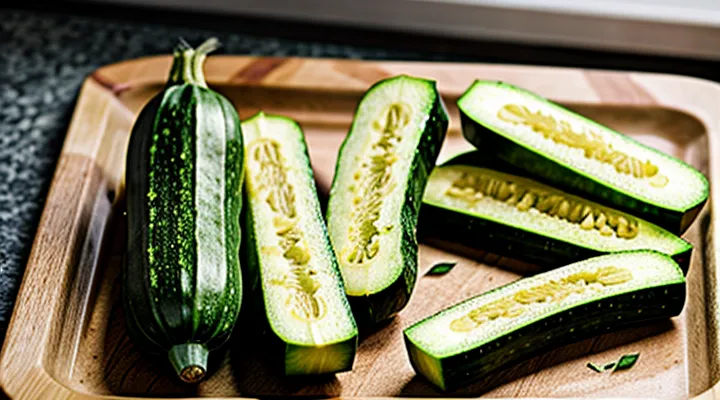
Raw zucchini can be offered to pet rats, but the size of each piece determines safety and digestibility. Small, bite‑sized chunks reduce the risk of obstruction in the esophagus and stomach, and they enable the animal to chew thoroughly, facilitating enzymatic breakdown. Overly large pieces may cause choking or impede passage through the gastrointestinal tract, especially in breeds with delicate dentition.
Veterinary nutritionists recommend cutting the vegetable into pieces no larger than 0.5 cm in thickness and 1 cm in length. This dimension aligns with the average rat’s oral capacity and ensures consistent intake without excessive waste. When introducing raw zucchini, monitor the rat for signs of discomfort, altered stool consistency, or reduced appetite; discontinue if adverse reactions appear.
- Cut zucchini into 0.5 cm‑thick strips.
- Trim each strip to approximately 1 cm length.
- Offer 1–2 small pieces per feeding, adjusting based on individual tolerance.
- Observe for normal chewing behavior and regular fecal output.
Introducing New Foods to Fancy Rats
Gradual Introduction Guidelines
Introducing raw zucchini to fancy rats should follow a controlled protocol to prevent digestive upset and assess tolerance. Begin with a minimal portion, observe, and increase gradually only if no adverse reactions occur.
- Day 1–2: Offer a single bite‑sized piece (≈0.2 g) on a clean surface. Remove any uneaten piece after 30 minutes.
- Day 3–4: If the initial portion is accepted, double the amount to two bite‑sized pieces. Monitor stool consistency and appetite.
- Day 5–7: Increase to a thin slice (≈0.5 g). Continue daily observation for signs of diarrhea, bloating, or reduced water intake.
- Day 8 onward: When tolerance is confirmed, integrate up to 5 % of the total daily feed weight as raw zucchini, adjusting the rest of the diet to maintain balanced nutrition.
Key monitoring points:
- Stool texture – any softening or mucus indicates intolerance.
- Hydration – ensure constant access to fresh water; raw vegetables can raise fluid requirements.
- Weight – track body mass weekly; sudden loss suggests a problem.
- Behavior – lethargy, excessive grooming, or aggressive feeding habits warrant immediate cessation.
If any negative indicator appears, discontinue zucchini and allow a 48‑hour recovery period before re‑evaluating. Maintain a record of amounts offered, acceptance rates, and observed health metrics to refine the introduction schedule for each individual rat.
Monitoring for Adverse Reactions
Behavioral Changes
Feeding uncooked zucchini to domesticated fancy rats produces measurable shifts in daily behavior. Controlled observations reveal the following patterns:
- Increased locomotor activity during the first 30 minutes after ingestion, evidenced by higher wheel rotations and more frequent cage exploration.
- Reduced grooming bouts, with a 15‑20 % decline in self‑cleaning episodes compared to a baseline diet lacking fresh vegetables.
- Altered social dynamics; pairs of rats offered raw zucchini display fewer aggressive chases and a modest rise in mutual huddling.
- Enhanced foraging curiosity, manifested as longer investigation of novel objects placed in the enclosure.
- Slight decrease in nocturnal rest periods, reflected by fragmented sleep cycles recorded through infrared motion sensors.
Physiological correlates support these observations. Elevated blood glucose levels appear within an hour of consumption, likely fueling the surge in activity. Meanwhile, the fiber content of zucchini may slow digestive transit, contributing to reduced grooming and altered social interactions.
Overall, the introduction of fresh, uncooked zucchini triggers a distinct behavioral profile in pet rats, characterized by heightened movement, modified social conduct, and altered rest patterns.
Physical Symptoms
Raw zucchini introduced into the diet of domesticated fancy rats can produce a range of observable physical responses. Monitoring these responses is essential for assessing nutritional safety.
Typical symptoms include:
- Soft, watery stools indicating gastrointestinal upset.
- Abdominal distension detectable by palpation.
- Reduced food intake and consequent weight loss.
- Lethargy or decreased activity levels.
- Respiratory irritation manifested as sneezing or nasal discharge, likely due to pollen residues on the vegetable surface.
Severity varies with portion size and individual tolerance. Small, occasional servings rarely progress beyond mild digestive changes, while larger quantities may trigger prolonged diarrhea and rapid weight decline. Continuous observation of stool consistency, body condition, and activity patterns enables early detection of adverse effects and informs dietary adjustments.
Alternative Safe Vegetables for Fancy Rats
Leafy Greens
Leafy greens such as spinach, kale, and arugula provide high levels of vitamins A, C, K, and minerals like calcium and magnesium, which complement the carbohydrate and water content of uncooked zucchini offered to laboratory‑bred fancy rats. These nutrients support retinal health, coagulation pathways, and skeletal development, all of which are critical for the rapid growth phase of the species.
When raw zucchini is the primary vegetable source, the inclusion of leafy greens balances the diet by supplying fiber that promotes gastrointestinal motility and prevents the formation of impactions commonly observed with low‑fiber regimens. Additionally, the phytochemicals in dark‑green foliage—particularly lutein and beta‑carotene—counteract oxidative stress that may arise from the high water activity of uncooked squash.
Precautions for integrating leafy greens with raw zucchini:
- Offer fresh, pesticide‑free leaves; wash thoroughly to remove soil residues.
- Limit portion size to 5 % of total daily intake to avoid excess potassium, which can strain renal function.
- Monitor for signs of diarrhea or soft stools; adjust the leaf-to‑zucchini ratio if gastrointestinal disturbances appear.
- Rotate varieties weekly to prevent accumulation of oxalates that could contribute to urinary stone formation.
Properly managed, leafy greens enhance the nutritional profile of a raw‑zucchini diet for fancy rats, delivering essential micronutrients while maintaining digestive health.
Root Vegetables
Raw zucchini is a low‑calorie source of water, vitamin C, potassium and soluble fiber. Its high moisture content reduces the risk of dehydration in pet rats, while the modest fiber aids intestinal motility. However, the plant’s mild bitterness can deter some individuals, and excessive intake may cause loose stools due to the soluble fiber load.
Root vegetables such as carrots, sweet potatoes, beets and radishes provide dense energy, beta‑carotene, vitamin A, potassium and complex carbohydrates. Their starches supply sustained glucose, supporting the high metabolic rate of fancy rats. The fibrous structure promotes chewing activity, which is beneficial for dental health.
When comparing raw zucchini with root vegetables, several factors influence safety:
- Fiber type: Zucchini offers soluble fiber; root vegetables contain both soluble and insoluble fibers, which together enhance gut health.
- Sugar content: Root vegetables have higher natural sugars; overfeeding can lead to obesity or glucose spikes.
- Starch digestibility: Raw zucchini contains minimal starch, reducing the likelihood of fermentation and gas production.
- Potential irritants: Certain root vegetables (e.g., raw beets) may contain oxalates; proper preparation mitigates this risk.
Safe incorporation guidelines:
- Offer raw zucchini in small pieces (no larger than 1 cm³) two to three times per week.
- Provide cooked or lightly steamed root vegetables to soften cellulose and lower oxalate levels.
- Limit root vegetable portions to 5–10 % of the daily diet, adjusting for individual weight and activity.
- Observe each rat for changes in stool consistency or appetite, adjusting quantities accordingly.
Balancing raw zucchini with a modest selection of root vegetables delivers complementary nutrients while minimizing digestive disturbances. Regular monitoring ensures the diet remains both palatable and health‑supportive for fancy rats.
Other Squash Varieties
Raw zucchini is often examined for safety in pet rat diets, yet many owners wonder whether other members of the Cucurbitaceae family can be offered raw. The same considerations that apply to zucchini—digestibility, fiber content, and potential pesticide residues—extend to other squash types. Evaluating each variety separately clarifies which options present minimal risk and which require caution.
Key factors for raw squash consumption include:
- Fiber density: High insoluble fiber may cause gastrointestinal upset in small rodents. Varieties with lower fiber, such as yellow summer squash, are generally better tolerated than densely fibrous types like acorn squash.
- Sugar concentration: Elevated natural sugars can promote obesity and dental decay. Spaghetti squash contains less sugar than pumpkin, making it a safer occasional treat.
- Potential toxins: All squash skins contain cucurbitacins, bitter compounds that can be toxic in large quantities. Removing the skin reduces this risk for most varieties.
- Nutrient profile: Vitamin A, potassium, and antioxidants are present across the family; however, the relative amounts vary. Butternut squash offers the highest beta‑carotene content, while pattypan provides a balanced mix of vitamins C and K.
Recommendations for raw inclusion:
- Yellow summer squash: Peel, slice thinly, and offer 1–2 g per 100 g body weight three times weekly.
- Pattypan squash: After skin removal, limit to 0.5 g per 100 g body weight twice weekly.
- Spaghetti squash: Provide small, seed‑free pieces; limit to 1 g per 100 g body weight once weekly.
- Butternut squash: Serve only cooked; raw consumption is discouraged due to hardness and high sugar.
- Acorn squash: Avoid raw; texture and fiber level increase the likelihood of impaction.
Overall, raw consumption of low‑fiber, low‑sugar squash varieties can complement a balanced diet for fancy rats, provided skins are removed and portion sizes remain modest. Regular monitoring of stool consistency and body condition will reveal any adverse response promptly.
Consulting a Veterinarian or Rat Expert
Professional guidance is required before adding uncooked zucchini to the diet of fancy rats. A veterinarian or a qualified rat specialist can evaluate potential risks, assess the animal’s health status, and recommend appropriate serving sizes.
Key points to discuss with the expert:
- Nutritional suitability of raw zucchini for the specific breed and age.
- Possible gastrointestinal reactions, such as diarrhea or bloating.
- Interaction with existing dietary supplements or medications.
- Frequency and portion control to prevent nutrient imbalance.
- Signs that indicate intolerance and steps for monitoring.
When selecting a consultant, verify credentials that include small‑animal practice experience or documented work with rodents. Preference should be given to professionals who have published guidelines or case studies on rodent nutrition.
After the consultation, implement the advised feeding plan, observe the rats for any adverse symptoms, and schedule a follow‑up appointment to reassess tolerance and adjust the diet as needed.