
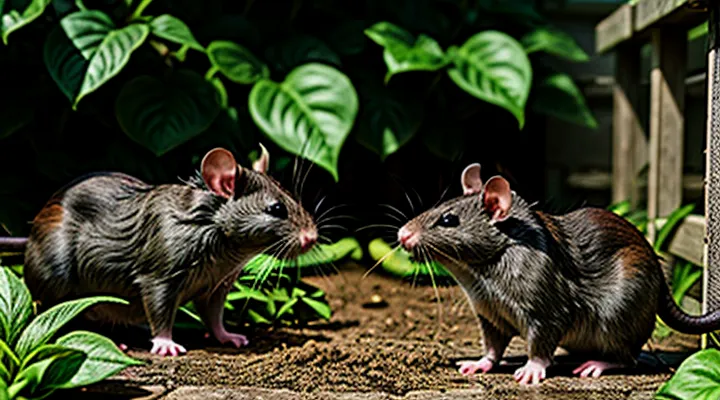
Understanding the Threat: Why Rats Are a Garden Problem
Signs of Rat Presence in Your Garden
Visual Clues
Identifying rat activity early relies on distinct visual indicators that appear in a garden setting. Fresh droppings, typically ¼‑inch black pellets, cluster near food sources, burrow entrances, and along established pathways. Gnaw marks on plant stems, wooden trellises, or irrigation tubing reveal the size of the animal; a ¼‑inch bite width points to a rat rather than a mouse.
Chewed or displaced mulch, shredded leaves, and flattened soil mounds signal ongoing tunneling. These disturbances often radiate from a central nest, which may be hidden under dense vegetation, compost piles, or stored firewood. Look for nests composed of shredded plant material, shredded paper, or fabric, usually situated in dark, sheltered corners.
Additional cues include:
- Grease‑shiny footprints on damp soil or surfaces.
- Scattered food remnants, especially spilled seeds or fruit skins.
- Scratched or chewed garden fences and netting.
- Presence of urine stains, which may appear as dark spots on surfaces or cause a pungent odor when disturbed.
Regular visual inspections, conducted at dawn or dusk when rats are most active, allow swift detection of these signs. Prompt removal of identified evidence—cleaning droppings with a disinfectant, repairing gnawed structures, and eliminating food attractants—reduces the likelihood of a full infestation. Maintaining clear sightlines in the garden, such as trimming overgrown plants and keeping mulch thin, enhances the ability to spot these indicators before the population expands.
Damage to Plants and Produce
Rats feeding on garden vegetation cause direct loss of foliage, stems, and roots. Their gnawing creates holes that expose plants to pathogens, accelerating wilting and death. Fruit and vegetable crops suffer from bite marks that render them unmarketable, while contaminated produce may develop bacterial growth from rat saliva.
- Chewed leaves reduce photosynthetic capacity, limiting growth and yield.
- Damaged stems weaken structural support, increasing breakage during wind or handling.
- Root gnawing disrupts nutrient and water uptake, leading to stunted development.
- Bite wounds on fruits become entry points for molds and rot, shortening shelf life.
- Excrement and urine deposit pathogens such as Salmonella and Leptospira onto edible parts, posing health risks.
The cumulative effect of these actions can lower overall garden productivity by 20‑40 % in heavily infested areas, undermining both personal consumption and potential market sales. Prompt control measures are essential to preserve plant health and maintain safe, market‑grade produce.
Burrow Holes and Tracks
Burrow openings and visible tracks are the most reliable indicators that rats have established a presence in a garden. Fresh soil mounds, smooth tunnels, and parallel grooves along plant rows reveal active nesting sites. Identifying these signs early allows immediate intervention before populations expand.
Key actions for addressing burrow holes and tracks:
- Inspect garden beds weekly, focusing on the base of shrubs, under stone piles, and along fence lines.
- Measure the diameter of each opening; entrances larger than 2 cm typically belong to rats rather than smaller rodents.
- Fill active tunnels with tightly packed soil, then cover with a layer of coarse mulch or gravel to discourage re‑excavation.
- Apply a non‑toxic, rodent‑resistant sealant to the perimeter of each filled hole, creating a barrier that resists chewing.
- Install motion‑activated deterrents or ultrasonic devices near high‑traffic pathways to interrupt movement patterns.
Maintain a clean environment to reduce the attractiveness of burrowing sites. Remove excess organic debris, keep compost bins sealed, and trim vegetation that provides cover. Regular monitoring combined with prompt sealing of openings eliminates the structural foundation rats need to thrive in garden spaces.
Risks Associated with Garden Rats
Health Hazards to Humans and Pets
Rats inhabiting garden areas expose people and companion animals to a range of serious health threats. Their presence introduces pathogens, parasites, and toxic substances that can cause acute and chronic illnesses.
-
Disease transmission to humans
• Leptospirosis – bacterial infection acquired through contact with rat urine or contaminated water.
• Hantavirus – respiratory illness spread by inhalation of aerosolized droppings.
• Salmonellosis – gastrointestinal infection from handling food contaminated with rat feces.
• Rat‑bite fever (Streptobacillosis) – bacterial infection following a bite or scratch. -
Risks for pets
• Toxoplasmosis – protozoan parasite transmitted when cats ingest infected rodents.
• Mange – sarcoptic mange can spread from rats to dogs and cats through direct contact.
• Internal parasites – tapeworms and roundworms develop in the digestive tract after a pet consumes a rat.
• Poison exposure – rodents often ingest rodenticides; predators may suffer secondary poisoning after eating the rats.
Symptoms in humans may include fever, muscle pain, vomiting, respiratory distress, and kidney dysfunction. In pets, signs range from skin lesions and itching to vomiting, diarrhea, and lethargy. Prompt veterinary or medical evaluation is essential when exposure is suspected.
Preventive actions focus on eliminating food sources, sealing entry points, and maintaining clean garden environments. Regular inspection for droppings, nests, and gnaw marks reduces the likelihood of disease‑bearing rodents establishing a foothold.
Damage to Property and Infrastructure
Rats that infiltrate garden areas cause extensive damage to both property and infrastructure. Their incisive teeth enable them to gnash through wood, plastic, concrete and insulation, compromising the structural integrity of sheds, fences and garden walls. Burrowing activity erodes foundations, creates voids beneath pathways and destabilizes soil, leading to uneven surfaces and potential collapse of nearby structures.
The presence of rodents introduces additional hazards:
- Chewed electrical wiring creates short‑circuit risks and fire hazards.
- Damaged irrigation pipes result in leaks, water loss and increased humidity that encourages mold growth.
- Contamination of stored tools, seeds and compost by droppings spreads disease and renders supplies unusable.
- Gnawed garden furniture and decorative elements require frequent replacement, raising maintenance costs.
Preventive actions that directly protect assets include sealing entry points with metal mesh or concrete, installing robust rodent‑proof barriers around foundations, and employing trap stations near vulnerable structures. Regular inspections of wiring, plumbing and storage areas allow early detection of gnaw marks, enabling prompt repairs before extensive failure occurs. Maintaining a clean, debris‑free environment reduces hiding places, limiting the likelihood of gnawing damage and preserving the longevity of garden‑related property.
Proactive Prevention Strategies
Eliminating Food Sources
Securing Compost Bins
Effective management of compost containers is essential for deterring rats from garden areas. Secure lids, tight seals, and sturdy construction prevent rodents from accessing food sources and nesting material.
- Choose bins with lockable, latch‑type lids that close flush with the rim.
- Install a metal or heavy‑duty mesh over ventilation holes; mesh must have openings no larger than ¼ inch.
- Position bins on a raised platform or concrete pad to eliminate direct ground contact.
- Keep compost moist but not soggy; excess liquid attracts pests, while overly dry material decomposes slowly.
- Rotate or turn compost weekly with a sturdy pitchfork; disturbance discourages burrowing.
- Store feed scraps in sealed, airtight containers before adding them to the bin.
Regular inspection identifies potential entry points. Repair cracked seals, replace worn hardware, and clear debris around the bin to maintain a hostile environment for rats. Implementing these measures reduces the likelihood of infestation and supports a healthier garden ecosystem.
Harvesting Fruits and Vegetables Promptly
Prompt removal of ripe produce eliminates a primary food source that attracts rats to garden beds. When fruits and vegetables remain on the plant or on the ground after maturity, they emit sugars and odors that draw rodents, increasing the likelihood of infestation. Early harvesting therefore reduces the nutritional incentive for rats, limits shelter opportunities created by fallen debris, and interrupts the breeding cycle that relies on abundant food.
Effective timing requires regular monitoring of crop development and swift action at peak ripeness. Workers should inspect rows daily, identify mature specimens, and collect them before they begin to decay. Collected produce must be transferred to sealed containers or refrigerated storage to prevent scent leakage that could still lure pests.
- Check maturity indicators (color, size, firmness) each morning.
- Cut or pick produce as soon as indicators confirm readiness.
- Place harvest in airtight bins or coolers immediately.
- Remove plant debris and fallen fruit from the soil after each pick.
- Dispose of waste in closed composters or remove it from the garden area.
Consistent execution of these steps deprives rats of easy meals, lowers population pressure, and supports overall garden hygiene.
Storing Pet Food Properly
Storing pet food correctly reduces the likelihood that rodents will discover and exploit a food source in garden spaces. Food that is left exposed or loosely sealed creates an attractive scent trail, encouraging rats to enter the area and potentially spread disease or damage plants.
Secure containers made of metal or heavy‑duty plastic prevent chewing. Choose lids that lock or snap shut tightly. Place containers on a raised platform or shelf to keep them off the ground, limiting moisture accumulation and making them less accessible to pests.
Maintain a clean environment around storage sites. Sweep up spilled kibble, discard expired portions, and keep the surrounding area free of debris that could conceal food residues. Regularly inspect containers for cracks or worn seals and replace them promptly.
Key practices for effective pet food storage:
- Use airtight, rodent‑proof containers with locking mechanisms.
- Store containers in a dry, elevated location away from garden beds.
- Clean up any spilled food immediately; vacuum or sweep the floor.
- Rotate stock to use older supplies first and discard any that are past their prime.
- Conduct routine checks for signs of gnawing or infiltration and act without delay.
Implementing these measures removes a primary attractant, supporting broader efforts to keep garden areas free from rat activity.
Removing Shelter and Hiding Spots
Clearing Garden Debris
Removing fallen leaves, twigs, and discarded plant material eliminates shelter that rats use for nesting and moving through a garden. A clean garden surface reduces food sources by exposing exposed soil, making it harder for rodents to locate seeds, fruits, and insects.
- Collect all leaf litter and compostable debris weekly; place it in sealed containers or compost bins with tight lids.
- Trim overgrown shrubs and grasses to create open sightlines; cut back vegetation at least 12 inches from the ground.
- Dispose of dead plants, rotting fruit, and vegetable scraps promptly; store waste in rat‑proof containers.
- Sweep pathways, patios, and mulch beds to remove accumulated organic matter; replace mulch with coarse, inorganic material where possible.
- Inspect garden tools and equipment for hidden debris; clean before storage.
Regularly scheduled clearing disrupts rat habitats, limits access to food, and creates an environment where rodents cannot establish permanent colonies. Implementing these practices consistently protects garden health and reduces the likelihood of infestation.
Trimming Overgrown Vegetation
Keeping garden plants trimmed eliminates shelter that attracts rats. Dense, unmanaged foliage provides darkness, nesting material, and easy travel routes. Regular pruning reduces these conditions, making the area less inviting for rodent activity.
Effective trimming practices include:
- Remove dead or decaying stems weekly to prevent debris buildup.
- Cut back vines and climbing plants to a height of no more than 12 inches above ground level.
- Thin out hedge rows so that gaps of at least 18 inches remain between branches.
- Maintain a clear perimeter of 3–4 feet around the garden, keeping grass and weeds short.
Additional measures reinforce the benefits of pruning:
- Dispose of cut material promptly in sealed containers to avoid creating food sources.
- Inspect trimmed areas for burrows or droppings; seal any openings with hardware cloth or metal flashing.
- Schedule trimming after the growing season, when rats are most active, to disrupt their shelter before winter.
Consistent vegetation management reduces hiding places, limits food access, and forces rats to seek habitats elsewhere, thereby lowering the risk of a garden infestation.
Sealing Entry Points to Structures
Effective rat control in garden environments begins with eliminating access routes to buildings and outbuildings. Identify every potential opening where rodents can gain entry, then apply durable barriers to block passage.
- Inspect foundations, crawl spaces, and basements for gaps larger than ¼ inch. Use steel wool combined with expanding foam to fill cracks, then cover with cement or metal flashing.
- Seal gaps around utility penetrations (pipes, cables, vents). Fit copper mesh or stainless‑steel collars around pipes before applying high‑grade sealant.
- Install weather‑stripping on doors and windows. Choose low‑profile, abrasion‑resistant material that compresses tightly when closed.
- Cover vent openings with mesh screens of ¼‑inch wire. Secure screens with stainless‑steel screws to prevent removal by rodents.
- Repair damaged siding, roofing, and soffits. Replace rotted wood, apply exterior-grade caulk to seams, and install metal flashing where needed.
- Examine attic access points, including roof hatches and chimney flues. Fit metal caps or hinged doors that close securely after maintenance visits.
Maintain the sealed envelope by conducting quarterly walkthroughs. Replace deteriorated materials promptly, and reapply sealant after extreme weather events. Consistent reinforcement of structural barriers removes the primary incentive for rats to invade garden‑adjacent structures.
Implementing Physical Barriers
Fencing Gardens and Raised Beds
Fencing provides a physical barrier that limits rat access to garden soil, plant material, and shelter. Properly installed barriers reduce the likelihood that rodents will establish burrows or travel along garden edges.
Materials such as galvanized wire mesh, hardware cloth, or welded wire with openings no larger than ½ inch effectively block rat entry. Mesh must be durable, corrosion‑resistant, and tightly secured to prevent gaps. Height of at least 2 feet, combined with a buried skirt extending 6–12 inches underground, deters climbing and digging.
Installation steps:
- Measure perimeter of beds and garden beds accurately.
- Cut mesh to length, leaving extra for overlap.
- Secure mesh to sturdy posts using stainless‑steel staples or U‑shaped nails.
- Bury the lower edge of the mesh horizontally, anchoring with stakes or burying in a trench.
- Check joints and corners for tightness; reinforce with metal ties.
Raised beds benefit from a dedicated fence that encircles each unit. A low‑profile fence, mounted on the bed’s outer frame, prevents rats from climbing over the rim. Reinforce the base with a metal strip that extends beneath the soil to block burrowing.
Maintenance includes regular inspection for rust, broken wires, or displaced sections. Prompt repair restores barrier integrity. Combine fencing with sanitation practices—removing debris, storing feed in sealed containers, and trimming vegetation—to create an environment hostile to rats.
Key actions:
- Choose mesh ≤ ½ inch.
- Install 2‑foot high barrier with underground skirt.
- Secure all seams and corners.
- Apply the same principles to each raised bed.
- Conduct monthly inspections and repairs.
Using Hardware Cloth for Protection
Hardware cloth—galvanized steel mesh with small openings—provides a durable barrier that prevents rodents from entering garden beds, compost piles, and storage areas. The material’s rigidity resists chewing, while its corrosion‑resistant coating ensures long‑term performance outdoors.
Key specifications for effective rodent exclusion include a mesh size of ¼ inch (6 mm) or smaller, a gauge of 16 or higher for strength, and a minimum overlap of 2 inches when seams meet. Overlap should be secured with stainless‑steel staples or wire ties to eliminate gaps that rats can exploit.
Installation steps:
- Measure the perimeter of each garden structure (raised beds, raised trellises, compost bins).
- Cut hardware cloth to size, allowing for the required overlap.
- Attach the mesh to the frame using staples placed every 6–8 inches, ensuring the staples penetrate the underlying wood or metal.
- For corners, fold the mesh back on itself and fasten both layers to create a reinforced joint.
- Seal any openings around irrigation lines or drainage pipes with additional mesh patches, secured with zip ties.
Maintenance involves periodic inspection for rust, torn sections, or loose fasteners. Replace compromised panels promptly to sustain an uninterrupted barrier. When cleaning garden tools, wipe the mesh surface to prevent soil buildup that could weaken the coating over time.
Integrating hardware cloth with complementary measures—such as removing food sources, trimming vegetation, and setting traps—creates a comprehensive defense that markedly reduces the likelihood of rodent activity throughout the garden.
Effective Control Methods
Humane Trapping Techniques
Choosing the Right Traps
Effective rat control in a garden begins with selecting traps that match the specific conditions of the area. Choose devices that target the species present, accommodate the terrain, and align with safety requirements for humans, pets, and non‑target wildlife.
Key criteria for trap selection:
- Target species compatibility – Ensure the trap is designed for rats rather than mice or larger rodents.
- Placement flexibility – Opt for models that can be positioned in burrows, along walls, or near food sources without obstruction.
- Humane or lethal preference – Decide whether live‑catch traps or snap traps best fit your management plan.
- Ease of maintenance – Select traps that allow quick cleaning and resetting to maintain effectiveness.
- Durability – Use weather‑resistant materials for outdoor exposure.
Common trap types and their characteristics:
- Snap traps – Immediate kill, high success rate, minimal maintenance; require careful placement to avoid accidental injury.
- Live‑catch traps – Capture rats unharmed, allow relocation; need frequent monitoring to prevent stress or death from exposure.
- Electronic traps – Deliver a lethal shock, reusable, often equipped with indicator lights; higher upfront cost but reduced bait usage.
- Glue boards – Simple deployment, capture without killing; considered inhumane by many professionals and can trap non‑target species.
Deployment recommendations:
- Position traps along established runways, near burrow entrances, and adjacent to food stores.
- Bait with high‑protein items such as peanut butter or dried fruit to increase attraction.
- Set traps at ground level, aligning the trigger mechanism with the rat’s typical path.
- Inspect traps daily; remove captured rodents promptly and reset devices to sustain pressure on the population.
- Rotate trap locations weekly to prevent bait habituation and to cover new activity zones.
By adhering to these guidelines, gardeners can implement a targeted trapping strategy that reduces rat presence efficiently while minimizing collateral impact.
Proper Trap Placement
Effective trap placement is essential for reducing rodent activity in garden environments. Position traps where rats travel most frequently to maximize capture rates.
- Identify pathways: locate signs of gnawing, droppings, or burrows and place traps along these routes.
- Target feeding sites: set traps near compost piles, vegetable beds, or fruit trees where food sources are abundant.
- Use wall edges: position traps against solid structures such as fences, walls, or the base of sheds to channel rats into the device.
- Keep traps low: place devices 2–4 inches above ground to match the typical height of rat movement.
Select trap type based on garden layout. Snap traps work well in confined spaces; live‑catch traps are suitable where relocation is permitted. Align the trigger mechanism with the anticipated direction of entry, ensuring bait is positioned to draw the animal forward into the trap.
Inspect traps daily. Remove captured rodents promptly, reset or replace devices, and record locations with the highest success. Adjust placement after each inspection to cover new activity zones and prevent rats from learning avoidance patterns.
Safe Release of Trapped Rats
When a rat is captured in a garden trap, releasing it safely protects both the animal and the surrounding ecosystem. Follow these precise actions:
- Choose a release site at least 200 meters from any cultivated area, vegetable beds, or fruit trees. Open fields, woodland edges, or abandoned lots provide suitable habitats.
- Wear thick gloves to prevent bites and reduce stress for the rodent. Secure the trap’s latch to keep the animal contained during transport.
- Approach the release point calmly, open the trap door away from your body, and allow the rat to exit voluntarily. Do not force the animal out, as this can cause injury.
- After release, retreat quickly to avoid lingering scents that might attract the rat back to the garden.
- Clean the trap with hot, soapy water and a mild disinfectant before resetting it. Dry thoroughly to maintain trap functionality and prevent disease transmission.
Implementing these steps minimizes the risk of re‑infestation, complies with humane pest‑management standards, and preserves the balance of local wildlife.
Natural Deterrents and Repellents
Using Plants that Repel Rats
Plants that deter rats provide a practical, chemical‑free component of garden pest management. Many species emit strong aromas or produce compounds that rodents find unpleasant, reducing the likelihood that they will establish burrows or forage among cultivated beds.
Typical repellent species include:
- Peppermint (Mentha × piperita) – releases menthol and essential oils that irritate rodent sensory receptors.
- Lavender (Lavandula angustifolia) – produces a fragrant oil that discourages gnawing and nesting.
- Marigold (Tagetes spp.) – contains thiophenes that act as natural rodent repellents.
- Alliums (Allium cepa, Allium sativum) – emit sulfur compounds unattractive to rats.
- Eucalyptus (Eucalyptus globulus) – exudes cineole, a volatile that deters rodent activity.
Strategic placement enhances effectiveness. Plant rows of repellent herbs along fence lines, near compost piles, and around the perimeter of vegetable plots. Intermixing these species with crops creates a barrier that rats must cross, increasing exposure to deterrent scents.
Maintenance practices support the botanical barrier. Trim foliage regularly to prevent dense cover that could shelter rodents. Harvest herbs before flowering to preserve high concentrations of volatile oils. Replace dead or weakened plants promptly, ensuring continuous repellent coverage.
Integrating repellent vegetation with other control measures—such as proper waste management, habitat reduction, and physical traps—produces a comprehensive approach to minimizing rat presence in garden environments. The botanical method offers a sustainable, low‑toxicity solution that aligns with ecological gardening principles.
Employing Essential Oils and Scents
Essential oils deter garden rats by exploiting their acute sense of smell. Many oils emit volatile compounds that rats find unpleasant, causing them to avoid treated areas. The effect relies on continuous exposure; once the scent fades, rats may return.
To implement an oil‑based barrier, follow these steps:
- Choose oils with proven rodent‑repellent properties, such as peppermint, eucalyptus, citronella, and clove.
- Dilute each oil in water at a ratio of 10 ml oil to 1 liter water; add a small amount of mild soap to improve dispersion.
- Fill a spray bottle with the solution and apply generously around garden borders, compost piles, and near irrigation lines.
- Reapply every 3–4 days, or after heavy rain, to maintain potency.
- Rotate oils weekly to prevent habituation; alternate peppermint with eucalyptus, then citronella, and repeat.
Safety considerations include avoiding direct contact with plant foliage, especially edible crops, by spraying only on soil and non‑plant surfaces. Wear gloves during preparation, store solutions away from children and pets, and test a small area before full application. Combine oil treatments with physical barriers—such as wire mesh and proper waste management—to reinforce protection and reduce the likelihood of rat intrusion.
When to Seek Professional Help
Identifying Severe Infestations
Severe rat infestations in a garden become apparent through distinct physical and behavioral signs. Recognizing these indicators early prevents extensive damage and health risks.
- Multiple fresh droppings concentrated near plant bases, pathways, or compost piles.
- Extensive burrow networks with fresh soil mounds, often visible along fence lines or under mulch.
- Gnawed stems, roots, and garden structures such as trellises, irrigation tubing, or wooden decks.
- Persistent scratching, scurrying, or squeaking sounds, especially at dusk and during night hours.
- Visible tracks or tail marks in soft soil, sand, or mulch, forming clear, parallel lines.
- Presence of live or dead rats, carcasses, or nests constructed from shredded vegetation and debris.
Additional confirmation may include:
- Damage to stored feed or seeds, evidenced by chewed packaging and missing contents.
- Increased predator activity, such as owls or snakes, indicating a substantial prey population.
- Unusual odors, often a sharp, ammonia-like scent from concentrated urine.
When several of these signs appear simultaneously, the infestation has likely progressed beyond a manageable level and demands immediate, coordinated control measures.
Engaging Pest Control Services
Professional pest control firms specialize in eliminating garden rodents through systematic approaches that combine inspection, treatment, and ongoing monitoring. Their expertise includes identifying entry points, assessing habitat conditions, and applying targeted solutions that minimize collateral damage to plants and beneficial wildlife.
Key components of an effective service package:
- Comprehensive site survey to locate burrows, gnaw marks, and food sources.
- Implementation of exclusion methods such as sealing gaps, installing barriers, and reinforcing fencing.
- Application of rodent‑specific baits or traps positioned according to regulatory standards.
- Follow‑up visits to verify eradication progress and adjust tactics as needed.
- Education for property owners on sanitation practices that deter re‑infestation.
Choosing a provider with certified technicians ensures compliance with local health regulations and access to integrated pest management (IPM) protocols. IPM emphasizes low‑toxicity options, habitat modification, and continuous evaluation, reducing reliance on chemical controls while maintaining effective rodent suppression.
When contracting services, verify credentials, request a detailed action plan, and confirm that the company offers a warranty covering re‑occurrence within a specified timeframe. These measures guarantee accountability and protect the garden’s ecological balance while delivering reliable rodent control.