
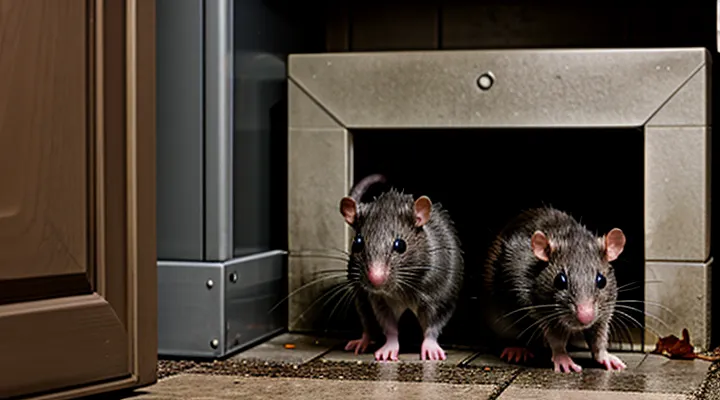
Understanding the Threat: Sewer Rats in Living Spaces
Why Sewer Rats Enter Homes
Search for Food and Water
Rats navigate sewers in search of sustenance, exploiting any accessible food or water within residential environments. Their keen sense of smell detects crumbs, spills, and pet food left uncovered, while moisture from leaky pipes or condensation offers a reliable drinking source.
Typical pathways include gaps around utility lines, cracked foundations, and unscreened vents. These openings allow rodents to move from underground channels directly to kitchens, pantries, and bathrooms where nourishment and hydration are abundant.
Preventive measures
- Store dry goods in airtight containers; seal all packaging after each use.
- Promptly clean surfaces; sweep crumbs and vacuum debris daily.
- Keep pet feeding stations empty at night; wash bowls before refilling.
- Repair leaking faucets, pipes, and roof drains; eliminate standing water in basements and crawl spaces.
- Install metal mesh or silicone caulk around pipe penetrations and vent openings to block passage.
Continuous vigilance is essential. Conduct regular inspections for signs of gnawing, droppings, or moisture accumulation. Immediate remediation of identified issues maintains a hostile environment for rodents, reducing the likelihood that they will exploit food and water sources to enter living spaces.
Shelter and Warmth
Rats seek shelter and warmth when entering homes from underground drainage. Their presence in sewers is sustained by stable temperatures, moisture, and protected nesting sites; these conditions drive migration into adjacent structures. Eliminating attractive habitats around foundation walls, crawl spaces, and utility penetrations reduces the incentive for rodents to explore interior spaces.
Key actions focus on denying shelter and heat sources:
- Seal gaps larger than ¼ inch in walls, floors, and pipe entries with steel wool, cement, or metal flashing.
- Insulate exterior walls and vent chutes to prevent heat loss that creates warm micro‑environments.
- Remove debris, wood piles, and stored items that can serve as temporary nests near entry points.
- Install vent covers with fine mesh to block access while maintaining airflow.
- Maintain indoor humidity below 50 % to discourage condensation that supports rodent comfort.
Regular inspection of basements, attics, and crawl spaces for signs of gnawing, droppings, or nesting material identifies breaches before rats establish a foothold. Prompt repair of identified openings restores the building envelope, depriving rodents of both shelter and the warmth they require to move indoors.
Overpopulation in Sewers
Overpopulation of rats within sewer networks creates a dense, self‑sustaining colony that readily seeks new food sources and shelter. High birth rates, abundant organic waste, and limited predation combine to drive population numbers beyond the capacity of the underground environment, forcing rodents to explore adjacent structures.
Key drivers of sewer rat overpopulation include:
- Continuous influx of food waste from households and businesses.
- Seasonal temperature fluctuations that accelerate breeding cycles.
- Structural defects such as cracked pipes and unsecured manhole covers that provide easy passage.
- Insufficient maintenance or cleaning of sewer lines, allowing debris accumulation.
When the underground colony exceeds its ecological limits, rats increase their activity in search of alternative habitats, often entering residential and commercial spaces. Preventive measures must therefore address the root causes of overpopulation. Strategies encompass regular waste management, sealing of entry points, systematic inspection of sewer infrastructure, and targeted population control programs that reduce breeding potential before rodents migrate to living areas.
Identifying Rat Infestation Signs
Droppings and Urine Stains
Droppings and urine stains serve as primary evidence of rodent activity and pose significant health risks. Feces may contain pathogens such as Hantavirus, Leptospira, and Salmonella, while urine can aerosolize infectious particles that settle on surfaces and fabrics.
Typical signs include:
- Small, dark, pellet‑shaped feces, ¼ to ½ inch long, found along walls, in cupboards, or near food storage.
- Yellow‑brown stains with a distinct ammonia odor, often on wood, concrete, or fabric.
- Smudged droppings or streaks indicating recent movement.
Effective removal requires a systematic approach:
- Ventilate the area for at least 15 minutes; wear an N‑95 respirator, disposable gloves, and eye protection.
- Wet the contaminated surface with a disinfectant solution (e.g., 1 % bleach or EPA‑approved rodent sanitizer) to prevent aerosolization.
- Scrape solid droppings into a sealed bag; dispose of the bag in a sealed, labeled container.
- Apply the disinfectant, allow it to dwell for the manufacturer’s recommended contact time, then wipe with disposable wipes.
- Launder affected fabrics at ≥60 °C; if laundering is impossible, discard the item.
Preventing future contamination involves:
- Sealing cracks, gaps, and utility penetrations in foundations, walls, and floors.
- Installing metal or concrete lintels over vent openings and pipe sleeves.
- Maintaining a dry environment; fix leaks and use dehumidifiers to deter moisture‑loving rodents.
- Storing food in airtight containers and removing waste promptly to eliminate attractants.
- Conducting regular inspections for fresh droppings or stains, especially in basements, crawl spaces, and near sewer connections.
Gnaw Marks and Damage
Rats entering homes leave distinctive gnaw marks on wood, plastic, and insulation. The bite size typically matches a rodent’s incisors, producing clean, V‑shaped cuts about ¼ to ½ inch deep. Repeated chewing creates ragged edges, splintered material, and exposed wiring. Damage often appears near entry points such as basement walls, crawl‑space vents, and utility openings, where rodents test structural integrity.
Identifying gnaw marks early prevents secondary hazards. Continuous chewing can breach electrical insulation, creating fire risk, while compromised insulation reduces energy efficiency and encourages moisture buildup. Structural wood weakened by repeated bites may fail under load, leading to costly repairs.
Preventive actions focus on eliminating access and deterring chewing:
- Seal gaps larger than ¼ inch with steel wool, metal flashing, or cement‑based sealant.
- Install rodent‑proof vent covers and mesh screens on utility openings.
- Replace vulnerable materials with metal or hard‑plastic alternatives in high‑risk zones.
- Maintain a clear perimeter by removing debris, trimming vegetation, and storing firewood away from the foundation.
- Conduct regular inspections of baseboards, pipe sleeves, and attic joists for fresh gnaw marks; address findings immediately with appropriate repairs.
By monitoring for characteristic bite patterns and reinforcing potential weak points, homeowners can restrict rodent activity and preserve the integrity of their living spaces.
Unusual Noises
Unusual noises often signal the presence of sewer‑dwelling rodents in residential areas. The sounds differ from typical household creaks and can be identified by their timing, location, and character.
Typical auditory indicators include:
- Scratching or scurrying within walls, especially behind baseboards or under floorboards, heard most frequently at night when rats are active.
- Rattling of pipes or vent ducts caused by rodents moving through concealed channels.
- High‑pitched squeaks or chirps originating from hidden cavities, such as attic insulation or crawl spaces.
- Soft thudding or thumping when larger individuals navigate drop ceilings or suspended ceilings.
Interpreting these noises requires attention to patterns. Persistent activity in a single area suggests an established nest, while intermittent sounds across multiple zones indicate exploratory foraging. Early detection enables targeted sealing of entry points, such as gaps around utility lines, vent openings, and foundation cracks.
Preventive actions based on acoustic clues:
- Inspect and repair all openings larger than ½ inch, focusing on areas where noises are most pronounced.
- Install metal mesh or concrete caps over drainage and sewer outlets to block rodent access.
- Deploy ultrasonic deterrents near identified noise sources; verify effectiveness periodically.
- Maintain a clean environment by removing food residues and storing waste in sealed containers, reducing attractants that motivate nocturnal foraging.
Regular monitoring of acoustic activity, combined with structural fortification, reduces the likelihood of rats infiltrating living spaces.
Sightings of Live or Dead Rats
Observing live or dead rats near entry points provides immediate evidence of sewer‑originating infestations and signals the need for swift corrective measures. Fresh droppings, gnawed materials, or carcasses in basements, crawl spaces, and utility shafts confirm that rodents have breached structural barriers.
Typical indicators include:
- Fresh fecal pellets on floor surfaces or in wall cavities
- Chewed insulation, wiring, or pipe insulation
- Tracks in dust, mud, or flour placed near suspected routes
- Carcasses discovered in concealed areas, often near drainage pipes
Each sign pinpoints a specific breach, allowing targeted sealing of gaps, repair of damaged screens, and installation of rodent‑proof vent covers. Prompt removal of dead rodents eliminates attractants that could draw additional pests and reduces health hazards associated with disease transmission.
Documentation of sightings should record location, condition (alive or deceased), and time of observation. This data guides inspection schedules, prioritizes high‑risk zones, and validates the effectiveness of preventive actions after remediation. Continuous monitoring of these reports sustains a barrier against future incursions from underground waterways.
Proactive Prevention Strategies
Sealing Entry Points
Inspecting Foundations and Walls
Inspecting foundations and walls is a critical step in safeguarding homes from sewer‑originating rodents. A thorough visual examination should begin at the lowest exposed point of the foundation, where cracks, gaps, or deteriorated mortar are most likely to appear. Use a flashlight and a magnifying lens to detect hairline fissures that may be invisible to the naked eye. Record each defect with measurements and photograph the location for future reference.
Next, assess the exterior wall cladding. Look for loose siding, damaged brickwork, or missing caulking around windows and doors. Pay special attention to the interface between the wall and the roofline, as rats frequently exploit unsealed joints to gain access. Verify that all vent openings, such as those for bathrooms and utilities, are fitted with rat‑proof screens or metal grates.
The following checklist streamlines the inspection process:
- Identify and seal cracks wider than 1 mm using hydraulic cement or epoxy filler.
- Apply steel wool or copper mesh to narrow gaps before sealing, preventing rodents from gnawing through soft material.
- Install flashing or sealant around pipe penetrations, ensuring a continuous barrier.
- Verify that foundation drainage systems function properly; standing water encourages burrowing activity.
- Replace damaged or rotted wooden elements with pressure‑treated lumber or metal alternatives.
Regularly repeat the inspection at least biannually, and after any severe weather event, to catch new vulnerabilities promptly. Prompt remediation of identified weaknesses eliminates the primary pathways rats use to travel from sewer channels into living areas.
Repairing Cracks and Gaps
Sealing cracks and gaps eliminates the primary pathways that rodents exploit to move from underground drainage systems into residential interiors. Even narrow openings can accommodate a rat’s body, allowing access to food, shelter, and nesting sites.
Common entry points include foundation joints, pipe penetrations, utility openings, and gaps around doors or windows. These vulnerabilities often result from aging construction, settlement, or inadequate original sealing.
Effective repair follows a systematic process:
- Conduct a thorough visual inspection of the building envelope, focusing on foundations, walls, and service entries.
- Remove loose material, debris, and any deteriorated sealant from identified openings.
- Choose an appropriate filler—hydraulic cement for concrete cracks, expanding foam for larger voids, or silicone-based sealants for flexible joints.
- Apply the filler according to manufacturer specifications, ensuring complete coverage and proper compression to eliminate voids.
- Allow the material to cure fully, then verify the seal by probing for residual gaps or using a smoke test.
Regular maintenance checks, especially after seasonal temperature fluctuations or settlement events, help sustain the integrity of repaired areas and keep rodent intrusion at bay.
Covering Vents and Drains
Rats frequently exploit uncovered vents and floor drains as direct pathways from sewer systems into residential interiors. Unsealed openings provide unobstructed access, allowing rodents to travel upward through plumbing stacks, roof vents, and utility chases.
Effective sealing requires durable, rat‑resistant materials that withstand moisture and temperature fluctuations. Common options include stainless‑steel mesh (¼‑inch gauge), heavy‑gauge hardware cloth, and solid metal caps with screw‑on threads. Mesh must be installed with no gaps larger than ¼ inch, while caps should feature a tight‑fit flange and secure fasteners.
- Inspect all vent openings, including bathroom exhausts, kitchen hoods, and attic louvers.
- Measure each opening to determine appropriate mesh size or cap dimensions.
- Attach mesh using stainless‑steel staples or corrosion‑resistant screws, ensuring edges are overlapped.
- Fit metal caps, torque screws to manufacturer specifications, and apply a waterproof sealant around the perimeter.
- Install a secondary barrier, such as a rigid screen, inside larger ducts to prevent mesh deformation.
Routine checks should occur quarterly. Verify that fasteners remain tight, seals show no degradation, and mesh surfaces are free of corrosion or damage. Replace compromised components promptly to maintain a continuous barrier against rodent intrusion.
Securing Pipes and Utility Lines
Securing pipes and utility lines blocks the pathways rats use to travel from underground drainage systems into homes. Gaps, cracks, and unsealed joints provide direct access points; eliminating these openings removes one of the most reliable routes for infestation.
- Inspect all exterior and interior pipe penetrations at least twice a year. Look for visible gaps, corrosion, or loosened fittings.
- Install stainless‑steel or copper mesh sleeves around larger drainage pipes, ensuring a tight fit that cannot be chewed through.
- Apply silicone‑based sealant or expanding foam to seal gaps around smaller conduit entries, paying special attention to areas where pipes enter walls, floors, and foundations.
- Fit metal flashing or heavy-duty rubber collars on vent stacks, vent pipes, and utility shafts; secure with stainless‑steel screws to prevent displacement.
- Replace worn or damaged pipe insulation with rodent‑resistant material, such as mineral wool or metal‑clad sleeves.
Routine maintenance reinforces these barriers. After each severe weather event, re‑examine seals and fittings for displacement. Replace any compromised material promptly. Keep vegetation and debris away from pipe exits to reduce cover for climbing rodents. Document inspections and repairs to track vulnerable locations and schedule future checks.
Maintaining a Clean Environment
Proper Waste Management
Effective waste management directly reduces the attraction of sewer‑dwelling rodents to residential areas. Food residues, organic debris, and improperly stored trash provide a reliable food source, encouraging rats to explore entry points such as gaps around doors, vents, and utility lines.
Store waste in containers that seal tightly, resist chewing, and fit securely under cupboards or in utility rooms. Use lids with locking mechanisms or heavy‑duty clips; avoid open‑top bins or flimsy covers that rodents can breach.
Maintain a strict collection routine. Empty bins before the scheduled pickup to prevent overflow, and keep the area around dumpsters clean. Position bins away from building foundations and elevate them on platforms or pallets to discourage climbing.
Implement disposal practices that limit organic material exposure:
- Separate food waste from non‑organic trash.
- Compost only in sealed, rodent‑proof units.
- Recycle paper and cardboard in closed containers.
- Dispose of garden debris in bulky‑item bags that seal tightly.
Coordinate with local authorities and property managers to enforce waste‑handling standards. Conduct regular inspections for damaged containers, signs of gnawing, and accumulation of litter. Promptly repair or replace compromised bins, and document violations for corrective action.
Eliminating Food Sources
Eliminating food sources removes the primary incentive for rats to explore cracks, vents, and openings that connect sewage systems with residential interiors. When sustenance is unavailable, rodents focus on alternative habitats, reducing the likelihood of infiltration.
Effective actions include:
- Store all dry goods in sealed, rodent‑proof containers made of metal or thick plastic.
- Promptly clean crumbs, spills, and pet food residues from countertops, floors, and appliances.
- Keep garbage bins equipped with tight‑fitting lids; empty them daily and place them away from entry points.
- Secure compost piles and outdoor waste in locked containers to prevent scavenging.
- Inspect and repair any gaps around pipes, vents, and utility lines that could permit access to stored food.
Consistently applying these measures deprives rats of nourishment, discouraging attempts to travel from underground channels into living areas.
Reducing Water Access
Rats need a reliable water supply to survive and to move from underground channels into homes. When moisture is abundant, sewers, basements, and crawl spaces become attractive corridors. Eliminating or restricting water sources removes one of the primary incentives for rodents to explore living areas.
Key measures to limit water availability:
- Repair all leaking pipes, faucets, and fixtures promptly. Even minor drips create a continuous moisture source.
- Install drip‑stop devices on outdoor hoses and irrigation systems; disconnect them when not in use.
- Ensure proper grading around the foundation so rainwater drains away from the structure.
- Use dehumidifiers in basements and crawl spaces to keep relative humidity below 50 %.
- Store cleaning solutions, pet water bowls, and other containers with tight‑fitting lids; empty them nightly.
- Seal cracks and gaps in walls, floors, and utility penetrations that could allow water seepage.
By maintaining a dry interior and exterior environment, homeowners reduce the likelihood that rats will travel from sewer networks into occupied spaces. Consistent monitoring of plumbing systems and moisture levels sustains this barrier over time.
Decluttering and Organization
Keeping living areas tidy reduces the likelihood that rats will find shelter and food. Clutter creates hiding spots, shields food sources, and hinders inspection of potential entry points. By removing unnecessary items and arranging belongings methodically, residents eliminate attractive habitats and simplify maintenance.
- Store pantry items in sealed containers; avoid open boxes or bags.
- Keep floors clear of cardboard, paper stacks, and discarded packaging.
- Arrange furniture away from walls to expose gaps and cracks for repair.
- Dispose of waste promptly in bins with tight‑fitting lids; empty them regularly.
- Organize storage spaces (attics, basements, garages) so that boxes are stacked on pallets or shelves, leaving floor space visible.
A systematic approach to organization also aids in early detection of damage. When surfaces are visible, cracks in foundations, utility lines, or vent openings become apparent and can be sealed before rodents exploit them. Regular decluttering schedules—monthly inspections and removal of unused items—maintain a hostile environment for sewer‑borne rats, limiting their ability to establish footholds inside homes.
Landscape and Exterior Management
Trimming Vegetation
Overgrown shrubs, vines, and tall grasses adjacent to foundations provide rats with concealed routes from sewer systems to residential interiors. Dense vegetation masks entry points, shields burrows, and enables rodents to climb onto walls and eaves without detection.
When vegetation is trimmed to a defined clearance, rats lose cover and are forced to travel in open spaces where predators and human activity increase the likelihood of interception. Maintaining a bare zone around the building eliminates the environmental conditions that encourage rodent movement.
- Inspect perimeter weekly for foliage that contacts walls, roofs, or utility lines.
- Cut back shrubs to at least 12 inches (30 cm) from the foundation.
- Trim vines and climbing plants so they terminate at least 18 inches (45 cm) below the roofline.
- Remove leaf litter, dead branches, and compost piles that accumulate at ground level.
- Schedule seasonal pruning (spring and autumn) to prevent regrowth that could restore shelter.
In addition to regular trimming, keep mulch depth below 2 inches (5 cm) and replace it with gravel or stone where possible. Prune tree branches that overhang windows or doors, directing growth away from the structure. Consistent vegetation control reduces the probability of rats navigating from sewer channels into living spaces.
Storing Firewood Properly
Storing firewood correctly reduces the likelihood that rodents will use it as shelter and later enter homes. Wood piles left on the ground or against exterior walls provide easy access for rats seeking warmth and food.
- Keep the stack at least 18‑24 inches off the floor using pallets or a sturdy platform.
- Place the pile at a minimum distance of 3 feet from the building foundation and any vegetation.
- Cover the top with a waterproof tarp, leaving the sides open for airflow to prevent moisture buildup.
- Stack wood in uniform rows, largest pieces at the bottom, to create a stable structure that does not collapse.
Inspect the firewood regularly for signs of gnawing or droppings. Remove any compromised pieces and replace them with dry, clean material. Clean the surrounding area of debris and trim back shrubs that could serve as a bridge to the stack.
Maintain low humidity in the storage zone; damp wood attracts insects, which in turn draw rats. Rotate the stock so older logs are used first, preventing long‑term exposure that encourages infestation. By following these practices, firewood becomes a low‑risk resource rather than a conduit for rodent entry.
Eliminating Standing Water
Eliminating standing water removes a primary source of hydration for rats seeking shelter near residential structures. Persistent pools in basements, crawl spaces, and exterior drainage create attractive conditions that encourage rodents to establish nests and travel toward interior entry points.
Identify all locations where water accumulates after rain or leaks. Repair roof leaks, seal cracked foundations, and install proper grading to direct runoff away from the building. Ensure gutters and downspouts are clear, functional, and extend at least three feet from the wall to prevent overflow onto the foundation.
- Inspect basements and crawl spaces weekly for damp spots; dry any moisture immediately.
- Use dehumidifiers in enclosed areas where humidity remains high despite ventilation.
- Replace broken or clogged floor drains with self‑draining models that include screens to block rodents.
- Landscape with slope‑controlled grading; avoid low‑lying flower beds that hold water near the house.
- Apply waterproof sealants to exterior walls and foundation joints to stop seepage.
By systematically removing stagnant water, homeowners reduce the likelihood that rats will be drawn to the property and subsequently find pathways into living quarters. This proactive measure complements other exclusion tactics and strengthens overall rodent‑preventive strategies.
Securing Outdoor Structures
Securing outdoor structures is essential for denying rats access to residential interiors. Properly sealed sheds, garages, and storage units eliminate entry points that rodents exploit.
Inspect all exterior walls, roofs, and foundations for gaps larger than ¼ inch. Replace damaged siding, repair cracked plaster, and install metal flashing around vulnerable joints. Use weather‑resistant caulk to close seams around windows, doors, and utility penetrations.
Apply sturdy barriers to openings that cannot be sealed permanently:
- Install heavy‑duty hardware cloth (½‑inch mesh) over ventilation ducts and crawl‑space vents.
- Fit tight‑fitting metal or PVC covers on sewer and storm‑drain connections.
- Mount latch‑secured doors on sheds and outbuildings; avoid self‑closing hinges that can be forced open.
Elevate stored items away from the ground. Place pallets or shelving at least six inches above the floor to prevent rats from nesting among supplies. Keep combustible or food‑related materials in sealed, rat‑proof containers.
Maintain the perimeter by trimming vegetation, removing debris, and storing firewood at a distance from structures. Regularly clear gutters and downspouts to prevent water accumulation, which attracts rodents.
Conduct a quarterly audit of all exterior installations. Document repaired gaps, replaced screens, and any signs of rodent activity. Prompt remediation prevents small breaches from becoming permanent invasion routes.
Advanced Prevention and Control
Professional Pest Control Measures
Inspection and Assessment
Effective inspection begins with a systematic survey of all potential ingress points. Examine exterior walls, foundations, and utility penetrations for gaps larger than ¼ inch. Verify that vent pipes are fitted with tight-fitting caps and that roof eaves are sealed. Inspect crawl spaces and basements for damaged concrete, cracked mortar, or worn sealants that could provide passage.
Assess the condition of sewer connections directly. Confirm that pipe joints are intact, that no cracks or breaks exist, and that cleanout covers are securely fastened. Use a flashlight and a flexible inspection camera to view interior pipe surfaces for signs of burrowing or blockage.
Identify evidence of rat activity during the assessment. Look for droppings, gnaw marks, urine stains, and fresh burrows. Document locations with photographs and a written log, noting the size of openings and the proximity to living areas.
Compile findings into a prioritized action list:
- Seal all openings exceeding ¼ inch with steel wool, hardware cloth, or cement‑based filler.
- Install or repair vent caps and chimney flues to prevent vertical entry.
- Replace cracked foundation sections and reinforce mortar joints.
- Secure cleanout covers with tamper‑resistant fasteners.
- Remove debris, vegetation, and stored items that create shelter near the building envelope.
Regular re‑inspection, at least quarterly, validates the effectiveness of remedial measures and detects new vulnerabilities before rats can establish a foothold inside the residence.
Trapping and Removal
Effective control of sewer‑origin rats begins with a systematic trapping and removal plan. Identify activity zones by tracking droppings, gnaw marks, and fresh burrows. Focus traps where rats travel between the underground system and interior spaces, such as utility openings, vent pipes, and gaps around doors.
Common trap types include:
- Snap traps: steel jaws deliver instant kill, suitable for high‑traffic routes.
- Live‑capture cages: wire mesh enclosures allow relocation, required where humane methods are mandated.
- Electronic traps: battery‑powered plates deliver a lethal shock, useful for indoor use where noise must be minimal.
- Glue boards: adhesive surfaces immobilize small rodents, best reserved for secondary containment areas.
Removal procedure:
- Deploy traps at pre‑identified points, spacing them 3–5 feet apart for optimal coverage.
- Check traps daily; record captures to assess population trends.
- Dispose of dead rodents in sealed bags, following local health regulations.
- For live captures, transport animals to licensed relocation sites within 24 hours, wearing protective gloves and masks.
- After each capture, clean the area with a dilute bleach solution to eliminate scent trails that may encourage re‑entry.
Consistent monitoring, prompt disposal, and thorough sanitation complete the cycle, preventing reclaimed access from sewer pathways to living environments.
Exclusion Techniques
Effective exclusion prevents rodents from moving from underground channels into residential interiors. The strategy relies on identifying and sealing all potential pathways.
First, conduct a thorough inspection of the building envelope. Locate gaps around utility penetrations, foundation cracks, and roof openings. Measure each opening to determine appropriate sealing material.
- Apply stainless‑steel mesh (minimum ¼‑inch aperture) over vent pipes, drain lines, and chimney flues. Secure mesh with corrosion‑resistant fasteners.
- Install rigid pipe caps made of copper or heavy‑gauge PVC on all sewer and storm‑drain connections that emerge within the structure.
- Fit door sweeps on exterior doors. Choose brush‑type sweeps for high‑traffic entries and rubber‑seal sweeps for low‑traffic doors.
- Seal foundation cracks with epoxy‑based filler or hydraulic cement. For larger fissures, embed steel reinforcement before applying the sealant.
- Install weather‑stripping around windows and sliding doors. Use compression‑type strips to maintain a tight seal when closed.
- Cover crawl‑space openings with heavy‑duty hardware cloth, overlapping edges by at least two inches and fastening to the joist framing.
Second, maintain exclusion integrity. Schedule quarterly inspections to verify that seals remain intact, mesh is not corroded, and sweeps are not worn. Replace compromised components promptly.
Third, address the surrounding environment. Trim vegetation away from the building foundation to eliminate bridging pathways. Keep mulch and debris at least 12 inches from the exterior walls to reduce shelter opportunities.
By systematically sealing ingress points, reinforcing barriers, and preserving the physical integrity of the building envelope, rodent entry from subterranean systems can be effectively eliminated.
Sanitation Recommendations
Effective sanitation is essential for deterring rats that travel from underground drainage systems into residential areas.
- Store food in sealed containers; eliminate exposed waste.
- Dispose of garbage daily in tightly closed bins; keep bin lids locked.
- Clean kitchen surfaces after each use; remove crumbs and spills promptly.
- Maintain a dry environment; fix leaks, mop up standing water, and ensure proper ventilation in basements and crawl spaces.
- Remove clutter such as cardboard, paper piles, and unused appliances that can serve as nesting sites.
- Conduct regular inspections of utility lines, vent pipes, and drainage openings; seal gaps with steel wool, cement, or metal mesh.
- Apply enzymatic cleaners to degrade organic residues in trash chutes and sewer access points.
- Schedule professional pest‑control audits quarterly to verify compliance with sanitation standards.
Consistent implementation of these measures reduces attractants and habitat suitability, thereby limiting the likelihood of rat entry into living spaces.
Utilizing Repellents and Deterrents
Natural Repellents
Natural repellents offer a practical means of deterring sewer‑derived rodents from invading residential areas. Their effectiveness stems from strong odors, irritant properties, or taste aversion that rodents instinctively avoid.
- Peppermint oil: Apply a few drops on cotton balls and place them near entry points, vents, and gaps. The menthol scent overwhelms rat olfactory receptors.
- Citronella: Spread citronella granules or spray diluted oil around foundations and utility openings. The volatile compounds act as a repellent barrier.
- Ammonia: Soak rags in ammonia solution and position them in concealed spaces. The sharp vapor creates an inhospitable environment.
- Garlic and onion extracts: Mix crushed garlic or onion with water, strain, and spray onto surfaces where rats travel. Sulfur compounds discourage movement.
- Predator urine (e.g., fox or ferret): Distribute small amounts in crawl spaces to simulate predator presence, prompting avoidance behavior.
Application guidelines:
- Identify all potential ingress locations—cracks, pipe penetrations, utility shafts.
- Clean each site to remove food residues and nesting material before placing repellents.
- Reapply volatile substances every 2–3 weeks or after heavy rain, as potency diminishes with exposure.
- Combine multiple repellents in high‑risk zones to enhance deterrence through varied sensory stimuli.
Safety considerations:
- Use only food‑grade essential oils to prevent indoor air quality issues.
- Store ammonia and concentrated extracts out of reach of children and pets.
- Monitor for signs of irritation; discontinue use if adverse reactions occur.
Consistent deployment of these natural agents reduces the likelihood of rats exploiting sewer connections to access living spaces, supporting long‑term pest management without reliance on chemical poisons.
Commercial Repellents
Commercial repellents constitute a primary defense against sewer‑origin rats seeking access to homes. Products fall into three categories: ultrasonic devices, chemical emitters, and bait‑based deterrents.
-
Ultrasonic units generate high‑frequency sound waves that irritate rodent nervous systems. Effective placement requires coverage of entry points, gaps under doors, and interior corridors. Continuous operation consumes modest electricity; efficacy diminishes if obstacles block the wave path.
-
Chemical emitters release volatile compounds such as phenethyl acetate, peppermint oil, or methyl anthranilate. These substances mask food odors and create an unpleasant environment. Emitters are installed in wall voids, attic spaces, and near potential burrow sites. Re‑charging intervals range from weekly to monthly, depending on formulation concentration.
-
Bait‑based deterrents combine non‑lethal attractants with aversive agents like capsaicin or bittering agents. Rats investigate the bait, experience discomfort, and avoid the area thereafter. Placement must avoid contact with pets or children; sealed dispensers mitigate accidental exposure.
Selection criteria include coverage area, power source, safety certifications, and documented rodent‑repellency ratings from independent laboratories. Integration with structural measures—sealing cracks, installing door sweeps, and maintaining proper drainage—maximises overall protection. Regular inspection of repellent units ensures consistent performance; malfunctioning devices should be replaced promptly to prevent gaps in the barrier.
When choosing a commercial solution, prioritize products with validated field trials, transparent ingredient lists, and compliance with local pest‑control regulations. Combining multiple repellent types often yields superior results, as rats adapt less readily to a single mode of deterrence.
Ultrasonic Devices
Ultrasonic repellents generate sound waves above 20 kHz, a frequency beyond human hearing but audible to rodents. The emitted pulses create an uncomfortable acoustic environment that discourages rats from occupying treated areas. Devices typically consist of a transducer, power supply, and adjustable timer, allowing continuous or intermittent operation.
Key factors influencing performance:
- Frequency range: 20–65 kHz covers the most sensitive hearing band of rats.
- Sound pressure level: 80–100 dB SPL at one meter ensures sufficient intensity without causing structural damage.
- Coverage area: Manufacturers specify square footage; overlapping units may be required for larger rooms or irregular layouts.
- Power source: Plug‑in models provide steady output, while battery‑powered units offer portability but limited runtime.
Installation guidelines:
- Position units at ground level, where rats travel, avoiding placement near walls that reflect sound.
- Ensure unobstructed line of sight to the target zone; furniture and appliances can attenuate ultrasonic waves.
- Activate devices during periods of rat activity, generally dusk to dawn, using built‑in timers or external scheduling devices.
- Verify continuous operation by checking indicator lights or audible cues from the unit.
Effectiveness depends on environmental conditions. Open spaces, high ceilings, and thick insulation reduce acoustic reach, potentially diminishing deterrent impact. Hard surfaces such as tile or concrete reflect sound, enhancing coverage, whereas soft furnishings absorb it. Regular testing with a calibrated ultrasonic meter confirms that target frequencies and amplitudes remain within specifications.
Limitations:
- Adaptation: Prolonged exposure may lead some rats to habituate, lowering efficacy over time.
- Interference: Ultrasonic devices do not affect insects, birds, or larger mammals, and they do not replace physical barriers such as sealants or traps.
- Safety: High‑frequency emissions are harmless to humans and most pets, but they may cause discomfort to small mammals like hamsters or guinea pigs; separate housing is advisable.
When selecting a system, prioritize models with documented field trials, adjustable frequency settings, and warranty coverage. Combining ultrasonic repellents with structural exclusion measures—sealing entry points, maintaining clean surroundings, and employing baited traps—creates a layered defense that significantly reduces the likelihood of sewer‑origin rats infiltrating residential spaces.