
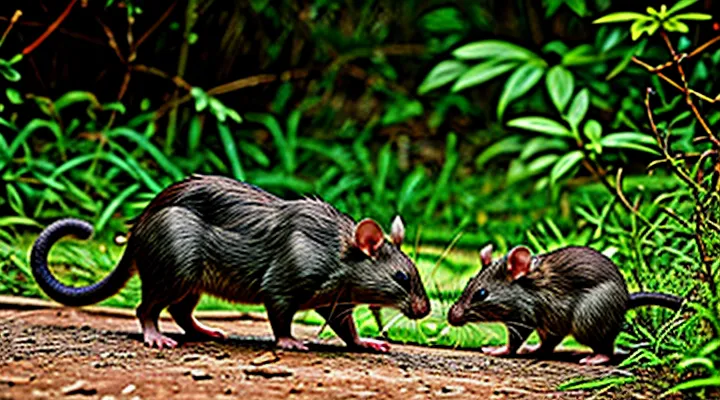
«Ecological Significance of Rat Predation»
«Impact on Ecosystem Health»
Predation on rodents reduces population density, limiting competition for food and shelter among small mammals. Lower rodent abundance decreases the incidence of zoonotic diseases, as fewer carriers are available to transmit pathogens such as hantavirus, leptospirosis, and plague.
Predator‑driven mortality reshapes trophic interactions. By removing a primary consumer, predators alleviate pressure on vegetation, allowing greater plant biomass and diversity. This shift supports higher‑order consumers, enhancing overall food‑web stability.
The cascading effects extend to ecosystem services. Reduced herbivory improves soil structure and nutrient cycling; increased plant cover mitigates erosion and enhances carbon sequestration.
Key impacts on ecosystem health:
- Diminished disease reservoirs
- Strengthened trophic connectivity
- Enhanced plant productivity and diversity
- Improved soil integrity and carbon storage
Collectively, these outcomes contribute to resilient, productive ecosystems.
«Natural Pest Control Mechanisms»
The study of «Natural Pest Control Mechanisms» reveals how ecosystems regulate rodent populations without human intervention. Predatory species directly reduce rat numbers through consumption, while secondary effects such as disease transmission and habitat alteration further limit survival rates.
Key agents include:
- Raptors such as owls and hawks, which hunt nocturnally and locate prey by sound and sight.
- Serpents, particularly colubrids and vipers, that ambush rodents in burrows and vegetation.
- Mustelids, including weasels and ferrets, whose high metabolic demand drives frequent hunting.
- Feral and domestic cats, capable of swift pursuit and killing in urban and peri‑urban settings.
- Canids, like foxes, which incorporate rats into broader carnivorous diets.
Additional mechanisms:
- Parasitic infections introduced by insects and fleas, reducing host vitality.
- Competition for food resources with other small mammals, leading to decreased reproductive output.
- Habitat disruption caused by predator activity, which forces rats to relocate to less suitable environments.
Collectively, these biological forces maintain a dynamic equilibrium, preventing unchecked rodent proliferation and contributing to ecosystem health.
«Common Predators of Rats»
The balance of urban and rural ecosystems depends on a range of carnivorous species that regularly capture and consume rats. These natural antagonists limit rodent numbers, reduce disease transmission, and contribute to biodiversity stability.
«Common Predators of Rats» include:
- Barn owls (Tyto alba) – nocturnal hunters that locate prey by sound, often exploiting burrows and sewers.
- Red-tailed hawks (Buteo jamaicensis) – diurnal raptors that seize rats in open fields and along fence lines.
- Red foxes (Vulpes vulpes) – opportunistic mammals that hunt solitary rats and scavenge carcasses.
- Snakes (e.g., grass snakes, rat snakes) – constrictors that enter nests and underground tunnels.
- Domestic and feral cats (Felis catus) – agile predators that ambush rats in residential areas.
- Weasels and ferrets (Mustela spp.) – slender carnivores that pursue rats through tight passages.
- Raptors such as kestrels and harriers – low‑altitude flyers that spot and dive on moving rodents.
- Feral dogs (Canis lupus familiaris) – pack hunters that can overwhelm larger rat colonies.
These predators exert pressure on rat populations through direct predation, territorial behavior, and competition for food resources. Their presence influences rat movement patterns, reproductive rates, and habitat selection, thereby shaping the overall dynamics of rodent communities.
«Avian Predators»
«Owls: Silent Hunters of the Night»
«Owls: Silent Hunters of the Night» represent a primary predatory force against urban and rural rat populations. Their nocturnal activity aligns with the peak foraging period of many rodent species, allowing direct encounters under low‑light conditions. Silent flight, facilitated by specialized feather structures, minimizes acoustic detection, while asymmetrical ear placement provides precise sound localization of prey moving through debris and vegetation.
Key adaptations include:
- Soft, fringed flight feathers that dampen turbulence‑generated noise.
- Large, forward‑facing eyes delivering high visual acuity in dim environments.
- Asymmetrical ear canals delivering binaural hearing resolution better than 1 cm.
- Powerful talons and beak designed to grasp and crush small mammals swiftly.
Predation pressure from owls contributes to the regulation of rat numbers, reducing the prevalence of disease carriers such as leptospira and hantavirus. Mortality rates in rat colonies rise sharply in regions with stable owl populations, leading to lower reproductive output and diminished foraging impact on crops and stored food supplies. Consequently, owl activity supports broader ecological balance by limiting rodent‑driven trophic cascades.
Conservation measures that protect nesting sites, limit pesticide exposure, and maintain dark sky corridors enhance owl survivability. Sustained owl presence ensures continued effectiveness as natural enemies of rats, reinforcing ecosystem resilience without human intervention.
«Hawks and Eagles: Diurnal Threats»
The diurnal raptors identified as primary predators of urban and rural rats include several hawk and eagle species. Their hunting behavior, physiological adaptations, and ecological impact shape the dynamics of rodent populations.
Key raptor contributors:
- Red-tailed Hawk (Buteo jamaicensis): employs soaring flight to locate prey, utilizes acute vision to detect movement from heights, executes rapid stoops to capture rats on the ground.
- Cooper’s Hawk (Accipiter cooperii): specializes in ambush within woodland edges, relies on agile flight through dense cover, extracts rats from foliage and low shrubs.
- Golden Eagle (Aquila chrysaetos): capable of high‑altitude patrols, uses powerful talons to seize larger rodents, occasionally hunts in open fields where rats are exposed.
- Bald Eagle (Haliaeetus leucocephalus): primarily a fish predator but opportunistically captures rats near water bodies, demonstrates versatility in prey selection.
Physiological traits supporting predation:
- Binocular vision provides depth perception essential for precise strikes.
- Strong, hooked beaks facilitate quick killing and handling of prey.
- Muscular legs and talons generate forces sufficient to immobilize rodents of varying sizes.
Ecological consequences:
- Direct mortality reduces local rat densities, limiting competition for food and shelter.
- Predation pressure induces behavioral changes in rats, such as increased nocturnality and heightened vigilance.
- Presence of these raptors contributes to biodiversity by maintaining trophic balance and supporting ecosystem health.
Overall, the daytime avian predators listed under «Hawks and Eagles: Diurnal Threats» constitute a significant natural control mechanism for rat populations, influencing both prey behavior and broader ecological stability.
«Other Birds of Prey: Kestrels and Harriers»
The avian component of rodent predation includes several diurnal raptors that specialize in hunting small mammals. Among these, kestrels and harriers represent the most widespread and effective hunters of rats in open and semi‑urban habitats.
Kestrels (Falco tinnunculus) employ a hovering flight pattern that allows precise detection of prey from a fixed point. Their diet regularly incorporates rats, especially juvenile individuals that venture into grasslands and agricultural fields. Key characteristics include:
- Acute visual acuity enabling detection of movement at distances of up to 150 m.
- Flexible hunting posture: hovering, perching, or low‑level pursuit.
- Seasonal dietary shift toward larger rodents when available.
Harriers (Circus spp.) pursue prey through low, sweeping flights over wetlands, meadows, and cultivated land. Their hunting strategy relies on expansive wing beats that cover broad ground, flushing out concealed rodents. Distinctive traits are:
- Broad, rounded wings that facilitate sustained low‑altitude flight.
- Auditory and visual cues combined to locate hidden rats beneath vegetation.
- Preference for open habitats where rats emerge during nocturnal foraging.
Both species exert measurable pressure on rat populations, contributing to the regulation of rodent numbers in ecosystems where human activity creates abundant food sources. Their predatory impact complements that of mammalian carnivores, reinforcing the overall balance of pest species. The collective presence of «Other Birds of Prey: Kestrels and Harriers» highlights the importance of preserving raptor habitats to maintain natural control mechanisms against rodent proliferation.
«Mammalian Predators»
«Carnivores: Foxes, Weasels, and Badgers»
Rats constitute a substantial portion of the diet for several medium‑sized carnivores. The group «Carnivores: Foxes, Weasels, and Badgers» exerts a measurable regulatory effect on rodent populations across temperate ecosystems.
Foxes (Vulpes vulpes) capture rats primarily through opportunistic ambush and brief pursuit. Stomach‑content analyses reveal that rats represent up to 35 % of annual intake in agricultural landscapes. Foxes typically consume smaller individuals whole, while larger rats are dissected, allowing rapid ingestion and reduced handling time.
Weasels (Mustela spp.) specialize in rapid, high‑intensity hunting bursts. Their elongated bodies and flexible skulls enable entry into burrows, where they subdue rats with swift bites to the neck. Field observations record average consumption of 3–5 rats per night during peak activity periods, contributing to localized declines in rodent density.
Badgers (Meles meles) employ nocturnal foraging strategies, digging extensive tunnel systems to locate rat nests. Analysis of fecal samples indicates that rats account for roughly 20 % of badger diet in mixed‑habitat zones. Badgers often cache captured rats, providing a delayed nutritional resource that supports survival through winter months.
Key functional attributes of these predators:
- Hunting mode: ambush (fox), burst pursuit (weasel), excavation (badger)
- Dietary contribution of rats: 20–35 % of total intake, varying by habitat
- Impact on rat populations: measurable reduction in local abundance, influencing disease transmission dynamics
Collectively, the predatory pressure exerted by foxes, weasels, and badgers shapes rodent community structure, enhancing ecosystem stability and limiting potential agricultural damage.
«Feral Cats and Dogs: Domesticated Hunters»
The predation of urban and peri‑urban rats by free‑roaming felines and canines provides a significant biological control mechanism. Both species retain hunting instincts despite centuries of domestication, and their feral populations frequently target rodents.
Feral cats exhibit precise stalking, acute night vision, and rapid pounce, resulting in high capture efficiency. Their dentition and claw morphology enable swift killing of medium‑sized rats. Dogs, particularly those with scavenging or herding backgrounds, employ persistence, pack coordination, and powerful bite force to subdue larger individuals. The following points summarize their contributions to rat population regulation:
- High encounter rates in garbage‑rich environments and abandoned structures.
- Seasonal peaks in hunting activity that correspond with rodent breeding cycles.
- Ability to traverse diverse habitats, extending predation pressure beyond strictly urban zones.
- Minimal reliance on human‑provided food sources, ensuring sustained predatory behavior.
Ecological impact extends to reduced disease transmission risk, as lower rat densities diminish the prevalence of pathogens such as leptospirosis and hantavirus. However, feral cat and dog populations can also affect non‑target wildlife; management strategies must balance rodent control with conservation concerns.
Effective integration of these domesticated hunters into pest‑management programs involves:
- Monitoring feral population dynamics to prevent overpopulation.
- Implementing humane removal or sterilization initiatives where ecological harm outweighs benefits.
- Encouraging community reporting of high‑density feral groups to facilitate targeted interventions.
Overall, «Feral Cats and Dogs: Domesticated Hunters» serve as adaptable, self‑sustaining agents of rat predation, contributing to the regulation of rodent numbers across varied human‑impacted landscapes.
«Other Mammals: Mongoose and Stoats»
The mammalian predators discussed under the heading «Other Mammals: Mongoose and Stoats» exert considerable pressure on rat populations, contributing to natural control mechanisms.
Mongoose species, particularly the Indian (Herpestes javanicus) and Egyptian (Herpestes ichneumon) varieties, demonstrate rapid pursuit and agile handling of prey. Their diet frequently includes rodents, with rats comprising a substantial proportion. Key attributes:
- Diurnal activity aligns with rat foraging periods.
- Highly developed olfactory and tactile senses facilitate detection in burrows and dense vegetation.
- Muscular forelimbs and sharp incisors enable swift killing and consumption.
- Distribution spans tropical and subtropical regions, often near human settlements where rodent abundance is high.
Stoats (Mustela erminea) represent another effective rat predator. Their slender bodies and flexible spine allow entry into narrow passages. Notable characteristics:
- Primarily crepuscular, matching peak rat activity.
- Acute vision and hearing support hunting in low‑light conditions.
- High metabolic rate drives frequent hunting bouts, increasing encounter rates with rodents.
- Presence recorded across temperate zones, from Europe to North America, frequently in agricultural and woodland habitats.
Predation by these mammals reduces rat reproductive output and limits colony expansion. Their inclusion in integrated pest management programs offers a biologically based alternative to chemical control, preserving ecosystem balance while diminishing disease vectors associated with rodent infestations.
«Reptilian Predators»
«Snakes: Constrictors and Venomous Species»
«Snakes: Constrictors and Venomous Species» represent two principal strategies for controlling rat populations. Constrictors subdue prey through muscular compression, causing rapid circulatory collapse. Venomous snakes inject neurotoxic or hemotoxic compounds that immobilize and pre-digest tissue, facilitating ingestion.
Key families and representative species include:
- Boidae (e.g., Boa constrictor, Python regius) – large-bodied constrictors, capable of swallowing rats whole.
- Colubridae – many non-venomous rat hunters, such as the Eastern rat snake (Pantherophis alleghaniensis).
- Elapidae – includes the Asian cobra (Naja spp.) and the Australian brown snake (Pseudonaja spp.), both delivering potent neurotoxins.
- Viperidae – encompasses the European adder (Vipera berus) and the rattlesnake (Crotalus spp.), which employ hemotoxic venom to incapacitate rodents.
Physiological adaptations enhance predatory efficiency. Constrictors possess elongated vertebrae and robust ribs that generate sufficient pressure to overcome rat musculature. Venomous species exhibit specialized venom glands, delivery fangs, and resistance to self-envenomation, allowing repeated attacks on agile prey.
Ecological impact manifests as reduced rodent density, limiting disease transmission and crop damage. Predation pressure also influences rat behavior, driving nocturnal activity patterns and habitat selection. Continuous presence of both constricting and venomous snakes maintains balanced rat populations across diverse ecosystems.
«Lizards: Opportunistic Hunters»
«Lizards: Opportunistic Hunters» represent a significant component of the predator assemblage that targets rodent prey. These reptiles exploit a wide range of habitats, from urban gardens to arid scrub, where they encounter commensal rats.
- Varanus spp. – large monitors capable of subduing adult rats using powerful jaws.
- Sceloporus spp. – medium-sized spiny lizards that capture juvenile rats during crepuscular foraging.
- Anolis spp. – small anoles that seize rat pups in vegetation-rich environments.
- Gekko spp. – nocturnal geckos that ambush rats near artificial lighting sources.
Hunting tactics combine visual detection with rapid strikes. Lizards often perch on elevated perches, surveying movement across the ground. Upon sighting a rat, they descend with acceleration exceeding 3 m s⁻², delivering a bite that immobilizes the prey. Some species employ ambush from concealed crevices, relying on the rat’s routine pathways. Digestive physiology enables processing of mammalian tissue, with gastric acids neutralizing potential pathogens.
Predation pressure from lizards contributes to regulating rat densities, particularly in microhabitats where larger carnivores are absent. Empirical studies indicate a reduction of up to 15 % in local rat activity where monitor populations exceed 2 individuals per hectare. This effect amplifies during warmer months, when reptilian metabolism and activity increase.
Interaction with other predators creates a complementary predation network. Owls and snakes predominantly target nocturnal rats, while lizards focus on diurnal and crepuscular individuals. Overlap in prey selection reduces competition, as each predator exploits distinct temporal niches. Consequently, lizards enhance overall predatory efficiency within ecosystems that host rat populations.
«Invertebrate Predators»
«Arachnids: Large Spiders and Scorpions»
The predatory community that limits rodent numbers includes several arachnid groups. Large spiders and scorpions classified under the label «Arachnids: Large Spiders and Scorpions» frequently capture juvenile and adult rats.
Key taxa involved are:
- Theraphosidae (tarantulas) – body length up to 10 cm, strong chelicerae, potent neurotoxic venom.
- Lycosidae (wolf spiders) – agile hunters, nocturnal activity, capable of subduing prey up to half their own mass.
- Scorpionidae and Buthidae – pincers for restraint, venom that induces rapid paralysis, some species reaching 15 cm in total length.
Hunting mechanisms rely on a combination of tactile and chemical cues. Large spiders employ sit‑and‑wait ambushes, detecting vibrations on silk or substrate, then delivering a rapid envenomation. Scorpions use mechanoreceptors on pedipalps to locate movement, seize the rat with pincers, and inject venom through the telson. Both groups possess venom formulations that disrupt cardiovascular and nervous systems, leading to swift mortality.
Predation by these arachnids reduces rat survival rates, especially in habitats where vegetation offers cover for ambush sites. Their impact complements that of mammalian carnivores and avian raptors, contributing to a balanced rodent population and limiting disease transmission.
Human interactions involve both benefit and risk. Arachnid predation can diminish pest pressure in agricultural and urban perimeters, yet some large scorpion species pose envenomation hazards to people. Management strategies emphasize habitat modification to encourage beneficial arachnid presence while minimizing human‑scorpion encounters.
«Insects: Centipedes and Large Beetles»
Centipedes and large beetles constitute significant invertebrate predators that target small rodents, especially juvenile rats. Their predatory efficiency derives from rapid locomotion, potent venom (in centipedes), and robust mandibles (in beetles).
Key characteristics:
- Centipedes (Chilopoda) – possess venomous forcipules capable of immobilizing prey; nocturnal activity aligns with rat foraging periods; size up to 30 cm permits capture of rats weighing several tens of grams.
- Large beetles (Coleoptera) – families such as Carabidae and Staphylinidae exhibit powerful fore‑mandibles; some species display carrion‑feeding habits that extend to opportunistic rat predation; ground‑dwelling behavior brings them into direct contact with rats in burrows and sewers.
Ecological impact includes reduction of rat populations in habitats where these insects are abundant, contributing to natural control without human intervention. Their presence also influences rat behavior, prompting increased vigilance and altered nesting patterns.
Research indicates that habitat complexity, moisture levels, and prey availability modulate the predation rates of both groups. Conservation of leaf litter, stone piles, and underground refuges supports stable centipede and beetle communities, thereby enhancing their role as natural rat antagonists.
«Predator Adaptations for Rat Hunting»
«Sensory Enhancements: Sight, Hearing, and Smell»
Rats serve as frequent targets for a wide range of carnivorous species; survival depends on rapid detection and evasion of threats. Enhanced sensory systems provide the primary mechanism for early predator recognition and escape.
«Sensory Enhancements: Sight, Hearing, and Smell» comprise three interrelated adaptations:
- Vision: expanded peripheral field, heightened sensitivity to low‑light wavelengths, and rapid motion detection enable rodents to perceive approaching predators before contact.
- Auditory perception: broad frequency range captures faint rustling and footfall sounds; acute temporal resolution differentiates predator footsteps from ambient noise.
- Olfactory capability: dense array of nasal receptors identifies predator odorants at considerable distances; rapid signal processing triggers immediate avoidance behavior.
«Physical Attributes: Claws, Talons, and Jaws»
Predators that specialize in hunting rodents possess adaptations that enable rapid capture and efficient killing. The anatomical features highlighted in «Physical Attributes: Claws, Talons, and Jaws» represent the primary tools for subduing prey.
- Claws – Curved, keratinized structures found on mammals such as weasels and feral cats. Muscular flexors generate high bite‑force equivalents, allowing penetration of fur and skin to immobilize the rat. The dorsal placement provides leverage for gripping and dragging prey into a secure position.
- Talons – Sharp, recurved digits characteristic of raptors including hawks, owls, and falcons. Each talon contains a dense bone core surrounded by a sheath of hardened keratin, delivering concentrated pressure that fractures skeletal joints and severs major blood vessels. The grip strength exceeds several hundred newtons, sufficient to crush vertebral columns.
- Jaws – Powerful mandibles present in snakes, mustelids, and large birds. Musculature anchored to the skull creates a force multiplier, producing bite forces ranging from 30 N in small mustelids to over 500 N in large constrictors. The combination of serrated or recurved teeth and a kinetic skull allows deep penetration and rapid dismemberment.
These physical mechanisms operate synergistically. Claws and talons secure the target, preventing escape, while jaws deliver the decisive lethal action. The integration of gripping and crushing capabilities defines the predatory efficiency observed across diverse taxonomic groups that prey on rats.
«Hunting Strategies: Ambush, Pursuit, and Cooperative Hunting»
Rodent predation exerts strong regulatory pressure on rat populations, shaping community dynamics and limiting disease transmission. Predators employ distinct hunting tactics that maximize capture efficiency under varying environmental conditions.
Ambush involves concealment and rapid strike from a fixed position. Predators such as owls and snakes select perches or burrows that align with typical rat pathways, remain motionless until prey approaches, then initiate a swift, directed attack. This method reduces energy expenditure and leverages element of surprise.
Pursuit relies on sustained chase, often by agile mammals like feral cats or weasels. Predators detect movement, close the distance through repeated sprints, and exploit superior speed or endurance to exhaust the rat. Success depends on visual acuity, acceleration, and the ability to navigate complex terrain while maintaining pursuit momentum.
Cooperative hunting integrates multiple individuals to increase success rates against vigilant or larger rats. Species such as wolves or certain raptor assemblages coordinate roles: some drive prey toward ambush points, others block escape routes, and a third executes the capture. Communication through vocalizations and body signals synchronizes actions, allowing groups to overcome prey defenses that solitary hunters cannot.
Key characteristics of each tactic:
- Ambush: static positioning, reliance on camouflage, minimal chase.
- Pursuit: dynamic tracking, high stamina, direct engagement.
- Cooperative hunting: role specialization, synchronized effort, enhanced capture probability.
«Rat Defense Mechanisms Against Predators»
«Behavioral Adaptations: Evasion and Hiding»
Rats facing high predation pressure exhibit a suite of behavioral strategies that reduce detection and increase escape success. These strategies fall into two complementary categories: active evasion and passive concealment.
Active evasion includes rapid, erratic movements triggered by sensory cues of approaching predators. Sudden bursts of speed, combined with unpredictable changes in direction, exploit the predator’s limited reaction time. Many individuals adopt nocturnal foraging schedules, aligning activity with low-light conditions that impair visual hunters. Social vigilance enhances early threat recognition; individuals emit brief alarm chirps that alert conspecifics, prompting immediate flight.
Passive concealment relies on environmental integration. Rats frequently select burrows or crevices that provide physical barriers against larger attackers. Thigmotaxis—preference for close contact with walls and objects—facilitates movement along protected edges, reducing exposure in open spaces. Scent masking through frequent grooming diminishes olfactory signatures that predators track. Seasonal coat color changes in some populations improve visual camouflage against varied backgrounds.
Key adaptations can be summarized:
- Erratic locomotion and high-speed bursts
- Nocturnal activity patterns
- Alarm vocalizations for group alertness
- Use of burrows, crevices, and wall-following behavior
- Grooming to reduce odor trails
Collectively, these behaviors form an integrated defense system that markedly lowers mortality from natural enemies.
«Reproductive Strategies: High Fecundity as a Survival Tactic»
Rats living in environments with abundant carnivorous threats rely on a reproductive system designed to offset frequent mortality. The strategy emphasizes rapid population replacement rather than individual longevity.
Key characteristics of the high‑fecundity approach include:
- Litter sizes of 6‑12 offspring per birth event.
- Breeding cycles occurring every 3‑4 weeks during favorable seasons.
- Gestation periods of approximately 21‑23 days.
- Sexual maturity reached at 5‑6 weeks of age.
These traits align with an r‑selected life‑history pattern, wherein the species maximizes output of offspring to ensure that a portion survives despite constant predation. Population models show that even a 30 % loss to predators can be compensated within two to three reproductive cycles.
The consequence for ecosystem dynamics is a persistent prey base that sustains predator populations while also influencing disease transmission potential. Management practices targeting rodent control must account for the species’ capacity to rebound quickly after removal efforts.
The discussion of «Reproductive Strategies: High Fecundity as a Survival Tactic» demonstrates how elevated reproductive rates function as a direct countermeasure to predation pressure, maintaining species persistence in hostile habitats.
«Chemical Defenses: Odor and Taste Aversions»
The focus of this section, «Chemical Defenses: Odor and Taste Aversions», addresses the suite of volatile and gustatory compounds that rodents employ to reduce predation risk.
Rats secrete a range of malodorous substances from specialized glands. These secretions contain sulfur‑rich thiols, indole derivatives, and short‑chain fatty acids. Each component produces a distinctive scent that predators associate with unpalatable or potentially toxic prey. The resulting aversion diminishes attack frequency and may prompt learned avoidance in opportunistic hunters.
Taste deterrents complement olfactory signals. Salivary glands release bitter alkaloids such as quinine‑like compounds and phenolic acids. These substances activate bitter‑taste receptors in mammalian predators, triggering immediate rejection of the captured rodent. The combined effect of unpleasant odor and bitter taste creates a dual‑layered chemical barrier.
Key defensive compounds include:
- Thiols (e.g., 2‑mercaptoethanol) – intense sulfur odor, strong repellent for carnivores.
- Indole and skatole – fecal‑like scent, discourages scavengers.
- Short‑chain fatty acids (acetic, propionic) – sour smell, associated with decay.
- Alkaloid bitterants (quinine, berberine) – potent taste aversion, activates TAS2R receptors.
Predators exposed to these cues often exhibit rapid learning. Studies show that foxes and mustelids reduce subsequent attacks after a single encounter with chemically defended rodents. This learned avoidance reinforces the effectiveness of the defense across generations.
Evolutionarily, the persistence of these compounds aligns with selective pressure from a diverse predator assemblage. Populations exhibiting stronger chemical outputs achieve higher survival rates, reinforcing gene flow for enhanced secretion pathways.
Overall, odor and taste aversions constitute a critical chemical strategy that lowers predation incidence, supporting rodent persistence within ecosystems where natural enemies exert continuous pressure.
«Human Impact on Predator-Prey Relationships»
«Habitat Loss and Fragmentation»
Habitat loss and fragmentation arise from urban expansion, intensive agriculture, and infrastructure development, which convert continuous ecosystems into isolated patches. The process reduces the total area available for both rats and their natural predators, while creating edge environments that differ markedly from interior habitats.
Reduced habitat continuity forces rat populations into smaller, denser patches. Higher densities increase intraspecific competition and can elevate the likelihood of encounters with predators that persist in the remaining fragments.
Predators experience diminished hunting territories and limited access to diverse prey assemblages. The loss of cover and corridors restricts movement, leading to lower predator abundance in heavily fragmented landscapes.
The interaction between rats and their natural enemies shifts as follows:
- Elevated rat density in confined patches enhances predation opportunities.
- Edge habitats favor opportunistic predators that can exploit both open and vegetated areas.
- Fragmented landscapes may support generalist predators while excluding specialist hunters that require larger territories.
Overall, habitat loss and fragmentation restructure predator‑prey relationships, often intensifying predation pressure within remaining habitat islands while reducing predator diversity across the broader landscape.
«Pesticide Use and Secondary Poisoning»
The application of rodent‑targeted chemicals often results in unintended exposure of predatory species that rely on rats for food. When a predator consumes a contaminated rat, toxic residues transfer to the consumer, producing the phenomenon described as «Pesticide Use and Secondary Poisoning». This pathway creates direct mortality or sublethal impairment, reducing hunting efficiency and reproductive success.
Toxicants such as anticoagulant rodenticides persist in rodent tissues, allowing accumulation across trophic levels. Predators ingesting even a single poisoned prey can receive a lethal dose, while repeated ingestion of sublethal amounts leads to chronic health decline. Observed effects include hemorrhagic disorders, neurological dysfunction, and weakened immune responses, which diminish predator populations and alter ecosystem balance.
Mitigation measures focus on minimizing secondary exposure while maintaining rodent control:
- Deploy bait stations with restricted access to non‑target species.
- Use rapid‑acting, low‑persistence rodenticides that degrade before trophic transfer.
- Implement integrated pest management, combining habitat modification, exclusion techniques, and biological control.
- Conduct regular monitoring of predator health and residue levels in carcasses.
- Establish buffer zones around nesting sites of vulnerable raptors and mammals.
Effective implementation of these strategies reduces collateral toxicity, preserves natural predation pressure, and supports overall biodiversity.
«Conservation Efforts for Natural Predators»
Conservation programs for native predators focus on maintaining viable populations that naturally regulate rodent numbers. Effective measures combine habitat protection, legal safeguards, and targeted management actions.
Key actions include:
- Preservation of nesting and hunting grounds through land‑use planning and protected‑area designation.
- Enforcement of anti‑poaching regulations and penalties for illicit killing.
- Implementation of predator‑friendly agricultural practices, such as reduced pesticide application and maintenance of hedgerows.
- Support for captive‑breeding and reintroduction projects that augment declining species.
- Monitoring of population trends using camera traps, genetic sampling, and community reporting networks.
Challenges involve balancing human‑wildlife conflict, securing sustainable funding, and adapting strategies to regional ecological variations. Continuous data collection informs adaptive management, ensuring that predator conservation contributes to stable rodent control and broader ecosystem health.
«Case Studies of Rat Predation in Different Environments»
«Urban Ecosystems»
The concept of «Urban Ecosystems» encompasses the network of biological, physical, and social components that shape city environments. Within this framework, rat populations serve as a primary prey source for a range of vertebrate and invertebrate predators.
Birds of prey, including Cooper’s hawks and barn owls, exploit rooftop ledges and park trees to capture rodents. Feral and domestic cats contribute significant predation pressure, especially in residential districts where shelter and refuse attract rats. Urban feral dogs, certain snake species, and opportunistic raptors such as peregrine falcons also participate in rat consumption, influencing local abundance.
Predation reduces the potential for disease transmission by limiting the number of rodents that carry pathogens. It also impacts waste dynamics, as fewer rats diminish the disturbance of refuse and the associated odor and sanitation challenges. The presence of natural enemies thus integrates pest control into the broader ecological functioning of the city.
Factors affecting predator efficiency in «Urban Ecosystems» include:
- Habitat fragmentation that limits hunting grounds.
- Availability of alternative prey that may divert predation effort.
- Human tolerance levels influencing predator protection or removal.
- Light and noise pollution altering predator activity patterns.
- Structural complexity of buildings providing perches or concealment.
«Rural and Agricultural Settings»
Rats inhabiting fields, orchards, and storage facilities encounter a range of natural enemies that regulate their populations. In «Rural and Agricultural Settings», predation pressure derives primarily from avian, mammalian, and reptilian hunters adapted to open landscapes and human‑altered habitats.
Key predators include:
- Barn owls (Tyto alba) and other nocturnal raptors, which locate prey by sound and low‑light vision.
- Swifts and kestrels, employing aerial attacks during daylight hours.
- Red‑tailed hawks (Buteo jamaicensis), exploiting perches near field edges.
- Snakes such as the common garter (Thamnophis sirtalis) and rat snakes (Pantherophis spp.), using scent trails within crop rows.
- Feral and domestic cats, capitalizing on rodent activity in barns and granaries.
- Working dogs, trained to flush or chase rats from storage areas.
Predator presence influences rat behavior, reducing foraging time and limiting reproductive output. Habitat features that support predator populations—hedgerows, tree lines, stone piles, and water sources—enhance biological control. Integrating these elements into farm design diminishes reliance on chemical rodenticides and mitigates resistance development.
Monitoring predator activity through field surveys and camera traps provides data for adaptive management. Adjusting land‑use practices to maintain or restore predator habitats strengthens the natural regulatory framework governing rodent abundance in agricultural environments.
«Island Ecosystems»
Island ecosystems host tightly coupled food webs where small mammals often become primary prey for native carnivores. On many islands, rodent populations experience intense pressure from avian raptors, ground snakes, and feral mammals that have evolved hunting strategies specific to limited habitats. Predation limits rodent abundance, thereby reducing seed predation and allowing native vegetation to regenerate.
Key predator groups influencing rodent numbers include:
- Diurnal and nocturnal raptors that hunt from perches and open fields.
- Terrestrial snakes that locate prey through thermal cues.
- Small carnivorous mammals such as feral cats and mongooses that exploit ground activity.
When predatory assemblages decline, rodent densities surge, leading to overconsumption of seeds, seedlings, and invertebrates. This shift disrupts nutrient cycling and hampers the recruitment of endemic plant species. Conversely, robust predator communities maintain rodent populations at levels that support balanced trophic interactions.
Management interventions focus on preserving or restoring native predator populations. Strategies involve protecting nesting sites for raptors, conserving snake habitats, and regulating introduced carnivores that may compete with native predators. Monitoring programs track rodent abundance relative to predator presence, providing data for adaptive management.
Overall, the interaction between small mammals and their natural enemies is a cornerstone of island ecological stability, shaping vegetation dynamics, biodiversity retention, and resilience to invasive species pressures.