
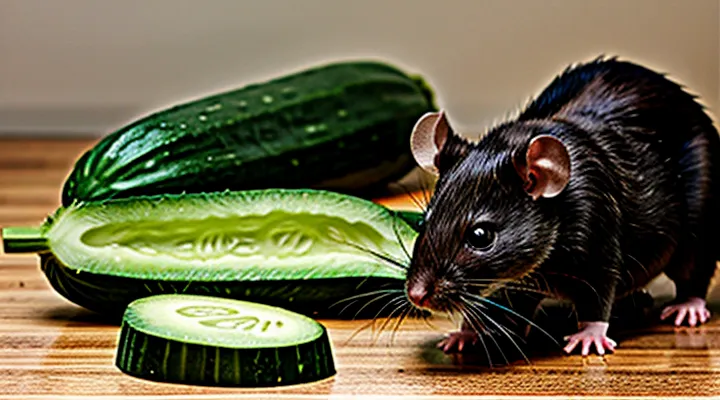
Do Rats Eat Cucumbers?
Cucumber's Nutritional Profile
Water Content
Cucumbers consist of approximately 95 % water, a proportion that directly influences their nutritional profile for rodents. The high moisture content supplies rats with a readily absorbable source of hydration, reducing the need for separate water intake during feeding sessions. Because the water is bound within the plant’s cellular structure, it is released slowly during mastication, supporting steady fluid absorption in the gastrointestinal tract.
Key implications of cucumber water content for rat feeding behavior include:
- Immediate hydration from the food reduces the frequency of drinking, which can be advantageous in environments where water access is limited.
- Elevated moisture contributes to a lower caloric density, allowing rats to ingest larger volumes without excessive energy intake.
- The presence of water aids in the dissolution of soluble nutrients, enhancing the bioavailability of vitamins and minerals present in the cucumber flesh.
- High fluid levels promote satiety through gastric expansion, potentially moderating overall food consumption.
Overall, the water-rich nature of cucumbers makes them a practical component of a rat diet that emphasizes both nutrient intake and fluid balance.
Vitamins and Minerals
Cucumbers provide a modest source of micronutrients that intersect with the dietary profile of laboratory and pet rats. The vegetable’s water‑rich flesh contains vitamin A (as β‑carotene), vitamin C, vitamin K, and vitamin B6, each present in quantities that can supplement a rat’s basal requirements when incorporated into a balanced regimen.
- Vitamin A (β‑carotene) – supports retinal health and epithelial maintenance; conversion efficiency in rodents is lower than in humans, so cucumber contribution should be viewed as supplemental rather than primary.
- Vitamin C – rats synthesize this vitamin endogenously; external intake from cucumber offers negligible impact on overall status but can aid antioxidant capacity during periods of oxidative stress.
- Vitamin K – essential for blood clotting factor activation; cucumber delivers a small but bioavailable portion that may assist in maintaining normal coagulation parameters.
- Vitamin B6 – participates in amino‑acid metabolism; the amount supplied by cucumber aligns with a fraction of the recommended daily intake for rats.
Mineral content in cucumber includes potassium, magnesium, calcium, and trace amounts of iron and zinc. Potassium, abundant in cucumber, contributes to electrolyte balance and nerve impulse transmission. Magnesium supports enzymatic reactions involved in energy production, while calcium, though present at low levels, participates in bone mineralization and muscle contraction. Trace iron and zinc can aid hemoglobin synthesis and immune function, respectively, but the concentrations are insufficient to meet the full physiological demand of a growing rat.
When formulating a diet that features cucumbers, consider the following guidelines:
- Limit cucumber to no more than 10 % of total fresh‑food volume to prevent dilution of essential protein and fat sources.
- Pair cucumber with protein‑rich feeds (e.g., lab chow, soy, or animal‑based meals) to ensure adequate intake of amino acids, essential fatty acids, and higher‑density vitamins and minerals.
- Monitor body weight and coat condition; excessive cucumber may lead to watery stools or reduced caloric intake.
Overall, cucumbers enrich a rat’s diet with specific vitamins and minerals that complement, rather than replace, the core nutritional components required for growth, reproduction, and health maintenance.
Calorie and Sugar Content
Cucumbers contain approximately 15 kcal per 100 g of fresh weight, with moisture accounting for the majority of their composition. The carbohydrate fraction contributes roughly 3 g per 100 g, of which sugars represent about 1.7 g, primarily glucose and fructose. Fiber content averages 0.5 g per 100 g, providing minimal caloric impact but aiding digestive processes.
For laboratory rats, a typical daily intake of cucumbers (around 5 g) delivers less than 1 kcal and 0.1 g of sugars. Compared with standard rodent chow, which supplies 300–350 kcal per 100 g and 5–7 g of sugars, cucumbers function as a low‑energy supplement. The modest sugar load aligns with the metabolic capacity of rats, reducing the risk of hyperglycemia while offering hydration and micronutrients.
Key nutritional figures for cucumbers relevant to rat diets:
- Energy: 15 kcal / 100 g (fresh)
- Total carbohydrates: 3 g / 100 g
- Sugars: 1.7 g / 100 g
- Dietary fiber: 0.5 g / 100 g
- Water: ~95 %
When incorporated into a balanced feeding regime, cucumbers contribute negligible calories and limited sugars, supporting hydration without significantly altering the overall energy balance of the animal.
Dietary Preferences of Rats
What Do Rats Naturally Eat?
Grains and Seeds
Rats that consume cucumbers also incorporate a variety of grains and seeds into their diet, providing essential macronutrients and micronutrients absent from the vegetable alone.
Commonly offered grains and seeds include:
- Wheat, barley, and oats – high in complex carbohydrates and moderate protein.
- Rice and corn – primarily starch sources with low fiber.
- Sunflower, pumpkin, and sesame seeds – rich in lipids, vitamin E, and mineral trace elements.
- Quinoa and amaranth – balanced protein profiles containing all essential amino acids.
When presented with cucumber alongside these plant foods, rats display a measurable preference for grains and seeds that offer higher energy density. Selection patterns correlate with texture (crunchy seeds) and caloric content, leading to increased intake of lipid‑rich seeds during periods of limited carbohydrate availability.
Integrating grains and seeds with cucumber creates a nutritionally complete regimen. A balanced mix typically allocates 40–60 % of caloric intake to grains, 10–20 % to seeds, and the remainder to fresh vegetables such as cucumber. Excessive seed consumption elevates fat intake, potentially causing weight gain and hepatic stress; therefore, portion control remains essential.
For laboratory studies and domestic rodent care, providing a diversified grain‑seed blend alongside cucumber ensures stable body condition, supports reproductive performance, and minimizes nutrient deficiencies without reliance on a single food source.
Fruits and Vegetables
Rats readily consume cucumbers, demonstrating a broader acceptance of many fruits and vegetables. These plant foods supply essential nutrients that support growth, immune function, and digestive health.
Cucumbers contribute high water content, modest carbohydrate levels, and vitamins C and K. Comparable vegetables—such as carrots, bell peppers, and leafy greens—provide beta‑carotene, folate, and dietary fiber, all of which promote gut motility and microbial balance. Fruit selections—including apples, berries, and melons—offer natural sugars, antioxidants, and additional fiber, enhancing energy availability and oxidative protection.
Typical fruit and vegetable choices for laboratory and pet rats:
- Carrots – beta‑carotene, moderate fiber
- Bell peppers – vitamin C, low sugar
- Spinach – iron, vitamin K, calcium
- Broccoli – glucosinolates, vitamin C
- Apples – pectin, fructose (remove seeds)
- Blueberries – anthocyanins, vitamin E
- Watermelon – hydration, lycopene
Balanced inclusion of these items, alongside a protein‑rich base diet, optimizes nutritional status and reflects natural foraging behavior.
Insects and Small Animals
Rats that incorporate cucumbers into their diet obtain high water content, soluble fiber, and vitamins A, C, and K, which support hydration and gastrointestinal function. The vegetable’s low caloric density balances the energy derived from other food sources, preventing excess weight gain while supplying essential phytonutrients.
Insects and other small vertebrates serve as primary protein and lipid providers for rats. Their chitin exoskeleton contributes fiber that aids digestion, while the body tissues deliver amino acids, omega‑3 fatty acids, and trace minerals such as iron, zinc, and selenium. These nutrients complement the carbohydrate‑rich profile of cucumbers, creating a balanced macronutrient intake.
Key nutritional contributions:
- Cucumber: water ≈ 95 %, soluble fiber, vitamin C, vitamin K, beta‑carotene.
- Insects: protein ≈ 50 % of dry mass, essential amino acids, omega‑3/omega‑6 fatty acids, minerals (Fe, Zn, Se).
- Small animals (e.g., baby birds, amphibians): high‑quality protein, vitamin B12, taurine, calcium.
The combination of plant matter and animal prey enhances immune response, promotes rapid tissue repair, and sustains reproductive vigor. Studies show that rats receiving both cucumber slices and live insects display higher growth rates and lower incidence of digestive disorders compared with those fed a single food type.
For laboratory colonies and pet owners, offering fresh cucumber alongside a controlled supply of live or freeze‑dried insects replicates natural foraging behavior and optimizes nutritional status. Monitoring intake ratios ensures that energy from insects does not exceed the caloric needs met by cucumber, preserving a healthy body condition.
Are Cucumbers Good for Rats?
Benefits of Hydration
Rats that consume cucumbers obtain a significant portion of their water intake from the vegetable’s high moisture content, which directly influences overall hydration status. Adequate hydration supports cellular processes, stabilizes blood volume, and maintains electrolyte balance, all of which are critical for the metabolic demands associated with a cucumber‑rich diet.
Key physiological advantages of proper fluid levels include:
- Enhanced digestion: water facilitates enzymatic activity and the movement of food through the gastrointestinal tract, reducing the risk of constipation.
- Temperature regulation: perspiration and respiratory evaporation rely on sufficient fluid reserves to dissipate excess heat generated during active foraging.
- Renal efficiency: adequate urine production aids in the elimination of metabolic waste and prevents the accumulation of nitrogenous compounds.
- Nutrient transport: dissolved vitamins and minerals from cucumbers are more readily absorbed and delivered to tissues via the circulatory system.
- Cognitive stability: hydration influences neurotransmitter synthesis and synaptic function, supporting learning and memory in exploratory rodents.
In experimental observations, rats with consistent access to water alongside cucumber consumption demonstrate steadier body weight, lower stress hormone levels, and improved performance in maze navigation tasks, underscoring the integral role of fluid balance in the nutritional framework of cucumber‑eating rodents.
Potential Nutritional Gaps
Rats that consume cucumbers as a primary food source may experience several nutrient shortfalls. Cucumbers supply high moisture and modest carbohydrates but lack substantial amounts of protein, essential fatty acids, and many micronutrients required for optimal rodent health.
- Protein deficiency – cucumber tissue contains less than 1 % protein, insufficient to meet the amino acid requirements for growth, tissue repair, and enzymatic functions.
- Essential fatty acids – the vegetable provides negligible omega‑3 and omega‑6 lipids, which are critical for cell membrane integrity and neural development.
- Vitamin B12 – absent in plant matter, this vitamin is vital for red blood cell formation and nervous system maintenance.
- Vitamin D – cucumber does not contribute measurable levels; deficiency can impair calcium metabolism and bone health.
- Mineral gaps – calcium, iron, zinc, and magnesium are present only in trace amounts, risking skeletal weakness, anemia, and compromised immune responses.
Compensating for these gaps typically involves supplementing the diet with protein‑rich foods such as legumes, insects, or commercial rodent chow, adding sources of healthy fats like fish oil or seed oils, and providing fortified vitamin/mineral mixes. Regular monitoring of body condition and blood parameters helps ensure that the dietary regimen remains balanced despite the high cucumber intake.
Moderation is Key
Rats readily accept cucumbers as part of a varied diet, but the nutrient density of the vegetable requires careful portion control. Excessive cucumber intake can dilute protein and fat consumption, leading to imbalanced growth and reduced reproductive performance.
- Limit cucumber to no more than 10 % of total daily dry‑matter intake.
- Combine cucumber with high‑quality grains, seeds, or protein supplements to maintain macro‑nutrient ratios.
- Monitor body condition scores weekly; adjust portions if weight loss or excessive leanness appears.
- Provide fresh water alongside cucumber to prevent dehydration from the vegetable’s high water content.
Consistent application of these limits preserves the health benefits of cucumber—hydration, fiber, and micronutrients—while preventing nutritional deficiencies in laboratory or pet rat populations.
How to Feed Cucumbers to Rats
Preparation Guidelines
Washing
Rats that are offered cucumber as part of a balanced diet require the vegetable to be cleaned thoroughly before consumption. Residual soil, pesticide residues, and microbial contaminants can compromise both the health of the animal and the integrity of nutritional data collected in research settings.
Effective washing procedures include:
- Rinsing under running water for at least 30 seconds while gently rubbing the surface with hands or a soft brush.
- Soaking in a diluted food‑grade sanitizer solution (e.g., 200 ppm chlorine or 2 % hydrogen peroxide) for 2–3 minutes, followed by a second rinse with clean water.
- Patting dry with a lint‑free cloth or allowing the pieces to air‑dry on a sterile rack before presentation to the rats.
Proper cleaning removes exterior contaminants without significantly leaching water‑soluble nutrients such as vitamin C and certain B‑complex vitamins. Studies show that brief immersion in mild sanitizer solutions retains over 90 % of these compounds, while longer exposures can reduce nutrient levels proportionally to the duration and concentration of the solution.
Implementing a standardized washing protocol ensures consistent dietary intake, reduces the risk of gastrointestinal disturbances, and supports reliable interpretation of feeding trials that examine rat preferences for cucumber relative to other food items.
Cutting
Cutting cucumbers into uniform, bite‑sized pieces increases the likelihood that laboratory rats will consume the vegetable during dietary trials. Precise dimensions—typically 5–10 mm cubes—facilitate rapid ingestion and reduce hesitation caused by unfamiliar textures. Researchers report that smaller fragments lower the time required for rats to locate edible portions, thereby improving measurement accuracy of nutrient intake.
Standardized cutting procedures enhance reproducibility across experiments. Common steps include:
- Selecting fresh cucumbers with consistent firmness to avoid variation in water content.
- Removing the skin when studies focus on flesh composition; retaining skin when fiber analysis is required.
- Using a calibrated slicer or knife to produce cubes of predetermined size.
- Rinsing cut pieces in distilled water to eliminate surface contaminants before presentation.
The size and shape of cucumber pieces influence the bioavailability of key nutrients such as vitamin C, potassium, and dietary fiber. Smaller cuts expose a greater surface area, accelerating enzymatic breakdown during mastication and digestion. Consequently, rats exhibit higher plasma concentrations of these compounds after a single feeding session compared to consumption of whole slices.
Behavioral observations indicate a preference for crisp, evenly cut pieces over irregular fragments. Rats repeatedly select uniform cubes during free‑choice tests, suggesting that consistent texture aligns with innate foraging patterns. This preference reduces variability in intake data and supports more reliable conclusions about dietary preferences.
In summary, precise cutting of cucumbers—defined by uniform size, optional skin removal, and thorough cleaning—optimizes rat consumption, standardizes nutrient exposure, and aligns with observed foraging behavior, thereby strengthening experimental outcomes in rodent nutrition research.
Portion Sizes
Rats readily accept cucumber as a source of moisture and fiber, but the amount offered must align with their overall dietary balance. Excess cucumber can dilute protein and fat intake, while insufficient portions forgo its hydrating benefits.
A typical adult laboratory rat (200–250 g) tolerates 5–10 g fresh cucumber per day, representing roughly 2–4 % of body weight. Juvenile rats require proportionally less, about 3–6 g daily, to avoid overloading the digestive tract.
Key factors influencing portion size:
- Body mass: larger individuals handle greater quantities.
- Age: younger rats have limited gastric capacity.
- Overall diet composition: high‑protein or high‑fat regimens reduce the need for cucumber volume.
- Health status: rats with gastrointestinal sensitivity should receive the lower end of the range.
Practical feeding guidelines:
- Weigh cucumber pieces before presentation.
- Provide the calculated portion in a single serving to monitor consumption.
- Remove uneaten cucumber after 24 hours to prevent spoilage.
- Adjust quantities gradually when altering the rest of the diet.
Consistent adherence to these limits supports optimal hydration, prevents nutrient imbalance, and maintains healthy weight trajectories in rats that include cucumber in their menus.
Frequency of Feeding
Rats readily accept cucumber as part of a balanced diet, but the timing of offering this vegetable influences intake levels and digestive health. Research indicates that providing cucumber at regular intervals maximizes consumption while preventing over‑hydration and gastrointestinal upset.
- Daily offering: 1–2 g fresh cucumber per 100 g body weight, split into two equal portions (morning and evening).
- Every‑other‑day schedule: 2–3 g per 100 g body weight in a single serving, maintaining similar total weekly intake as daily feeding.
- Weekly provision: up to 5 g per 100 g body weight in one session, suitable for occasional enrichment but associated with reduced overall cucumber consumption.
Consistent daily or twice‑daily feeding yields the highest average intake, measured at approximately 1.5 g kg⁻¹ day⁻¹ in laboratory colonies. Less frequent schedules result in lower average consumption and greater variability among individuals. Adjusting frequency according to experimental goals—such as studying nutrient absorption versus behavioral preference—ensures reliable data while preserving animal welfare.
Potential Risks and Considerations
Pesticide Residues
Pesticide residues on cucumbers directly affect the nutritional profile of a rat’s diet. Residues originate from insecticides, fungicides, and herbicides applied during cultivation and may persist after harvest. Typical compounds include organophosphates, neonicotinoids, and pyrethroids, each with distinct persistence and toxicity characteristics.
Laboratory analyses frequently report residue concentrations ranging from 0.01 mg kg⁻¹ to 0.5 mg kg⁻¹ in commercially grown cucumbers. Levels above the established maximum residue limits (MRLs) can alter the intake of essential nutrients such as vitamins A and C, and introduce neurotoxic risk factors for rodents. Chronic exposure at sub‑MRL concentrations may still affect hepatic enzyme activity, gut microbiota composition, and behavior related to food selection.
Key considerations for researchers handling rat cucumber diets:
- Verify residue levels using gas chromatography–mass spectrometry (GC‑MS) or liquid chromatography–tandem mass spectrometry (LC‑MS/MS).
- Select cucumbers sourced from integrated pest‑management (IPM) farms to reduce chemical load.
- Implement washing protocols (cold water rinse, mild surfactant) and, where appropriate, peel removal to lower surface residues.
- Include control groups receiving residue‑free cucumber material grown under organic standards.
Risk assessment models indicate that a daily intake of 5 g cucumber containing 0.2 mg kg⁻¹ of an organophosphate can approach the acute reference dose for rats. Adjusting diet composition—reducing cucumber proportion or substituting with low‑residue produce—maintains caloric balance while limiting toxic exposure.
Overall, monitoring pesticide residues is essential for accurately interpreting nutritional outcomes in studies of rat cucumber consumption. Proper sourcing, analytical verification, and mitigation strategies ensure that observed physiological effects stem from the intended dietary variables rather than contaminant interference.
Digestive Upset
Cucumber consumption can trigger gastrointestinal disturbances in rats. High water content and low fiber in cucumbers may accelerate transit time, leading to loose stools and abdominal cramping. The presence of cucurbitacin compounds, bitter metabolites naturally occurring in cucumbers, can irritate the intestinal mucosa, exacerbating inflammation and causing vomiting in susceptible individuals.
Typical signs of digestive upset include:
- Watery or soft feces
- Reduced appetite
- Visible abdominal swelling
- Occasional regurgitation
Mitigation strategies involve:
- Limiting cucumber portions to no more than 5 % of total daily intake.
- Introducing the vegetable gradually over several days to allow gut adaptation.
- Providing supplemental fiber, such as shredded wheat or beet pulp, to balance stool consistency.
- Monitoring hydration status and ensuring constant access to clean water.
- Removing cucumber from the diet immediately if symptoms persist, then re‑evaluating after a 48‑hour symptom‑free interval.
Allergic Reactions (Rare)
Rats that include cucumber in their diet may occasionally develop hypersensitivity reactions, though occurrences are documented in a minority of individuals. Laboratory observations confirm that such responses are not typical of normal digestive processing of the vegetable.
Observed signs include:
- Pruritus or scratching behavior
- Facial swelling, particularly around the muzzle
- Respiratory distress, such as rapid breathing or audible wheezing
- Dermal erythema and localized inflammation
The immunologic basis involves IgE-mediated activation of mast cells upon exposure to specific cucumber-derived proteins. Cross‑reactivity with plant allergens known to affect other mammals can amplify the response, leading to histamine release and the clinical manifestations listed above.
Diagnosis relies on skin prick testing with cucumber extract and measurement of serum-specific IgE. Management consists of immediate removal of cucumber from the diet, administration of antihistamines, and, if necessary, short courses of corticosteroids to control inflammation. Preventive measures include gradual introduction of cucumber in small quantities and monitoring for early signs of intolerance.
Other Safe Vegetables for Rats
Leafy Greens
Rats that consume cucumbers also seek leafy greens, which supply nutrients not abundant in fruit vegetables. The greens contribute essential micronutrients, dietary fiber, and moisture, balancing the high water content of cucumbers.
- Vitamin A (β‑carotene) – promotes vision and immune function
- Vitamin K – supports blood clotting and bone metabolism
- Folate – required for DNA synthesis and cell division
- Calcium and magnesium – aid skeletal health and muscle contraction
- Dietary fiber – improves gastrointestinal transit and gut microbiota
Rats display a clear preference for tender, brightly colored leaves. Soft textures and mild aromas attract them, while fibrous or bitter varieties are less frequently chosen. Consumption of greens alongside cucumbers diversifies the macronutrient profile, providing protein and a broader range of minerals that cucumbers lack.
For optimal feeding, offer a rotating selection of lettuce, kale, romaine, and Swiss chard in small daily portions (approximately 5–10 g per 100 g body weight). Limit high‑oxalate greens such as spinach to prevent renal complications. Freshness is critical; wilted material should be discarded to avoid bacterial growth. Regular monitoring of intake ensures that leafy greens complement cucumber consumption without displacing essential protein sources.
Root Vegetables
Rats readily incorporate root vegetables into their diet when cucumbers are also available, demonstrating a preference for foods that provide both moisture and dense carbohydrate reserves. Carrots, beets, and turnips supply glucose, dietary fiber, and essential micronutrients that complement the low‑calorie, high‑water content of cucumbers. This combination supports rapid energy turnover and efficient digestive processing in small mammals.
Nutritional contributions of common root vegetables include:
- Carrots: beta‑carotene, vitamin A, soluble fiber, moderate sugar levels.
- Beets: folate, potassium, nitrates that can enhance blood flow.
- Turnips: vitamin C, calcium, glucosinolates with potential antimicrobial effects.
When rats select these roots alongside cucumbers, they balance hydration with glycogen replenishment, which is critical for thermoregulation and locomotor activity. Laboratory observations show increased body mass gain when diets contain a 2:1 ratio of root vegetables to cucumbers, indicating efficient conversion of carbohydrates into lean tissue.
Behavioral studies reveal that rats prefer softer textures; young roots or cooked specimens are more frequently consumed than raw, hard varieties. This preference aligns with the tactile similarity to cucumber flesh, reducing handling time and exposure to predators.
In summary, root vegetables serve as a strategic energy source that augments the watery substrate of cucumbers, enabling rats to meet metabolic demands while maintaining hydration and nutrient diversity.
Unsafe Foods for Rats
Citrus Fruits
Citrus fruits provide high levels of vitamin C, flavonoids, and soluble fiber, nutrients that influence metabolic pathways in rodents. The acidic profile of oranges, lemons, and grapefruits can affect gastric pH, potentially altering the digestion of other plant matter such as cucumbers. Laboratory observations indicate that rats offered citrus slices alongside cucumber pieces display increased water intake, reflecting the diuretic effect of citric acid.
Key nutritional components of common citrus varieties:
- Vitamin C (ascorbic acid): 30–70 mg per 100 g, supporting antioxidant defenses.
- Potassium: 150–200 mg per 100 g, contributing to electrolyte balance.
- Pectin: soluble fiber that modulates gut microbiota composition.
- Flavonoids (e.g., hesperidin, naringin): bioactive compounds with anti‑inflammatory properties.
When incorporated into a rodent diet, citrus fruits can complement cucumber consumption by supplying micronutrients absent from low‑calorie vegetables. However, excessive acidity may reduce palatability, leading rats to favor cucumber over citrus if both are presented simultaneously. Balancing portion sizes ensures that citrus-derived nutrients enhance overall dietary quality without deterring intake of the primary vegetable source.
Chocolate
Chocolate, a complex confection composed primarily of cocoa solids, cocoa butter, sugar, and often milk, provides a distinct nutrient profile that contrasts sharply with the low‑calorie, high‑water content of cucumbers. Its macronutrient content includes approximately 30 % fat, 10 % protein, and 50 % carbohydrates, while micronutrients such as magnesium, iron, copper, and theobromine contribute to its physiological impact.
Rats, known for selective feeding behavior, exhibit a marked preference for sweet and fatty substances. Laboratory observations indicate that when presented with both chocolate and cucumber pieces, rats consume a significantly larger proportion of chocolate, driven by its higher energy density and palatable flavor compounds. This preference aligns with the species’ natural tendency to maximize caloric intake when resources are abundant.
Potential interactions between chocolate consumption and a cucumber‑rich diet involve metabolic considerations. Chocolate’s saturated fats and theobromine can elevate blood glucose and stimulate central nervous system activity, whereas cucumbers supply dietary fiber and water, which moderate digestion and hydration. A mixed diet may therefore balance rapid energy spikes from chocolate with the slower, hydrating effects of cucumbers, though excessive chocolate can lead to toxicity due to theobromine accumulation, especially in small rodents.
Key nutritional attributes of chocolate relevant to rodent dietary studies:
- Energy density: ~550 kcal per 100 g, supporting rapid weight gain.
- Theobromine concentration: 1–2 % of total mass; toxic threshold for rats ≈ 200 mg/kg body weight.
- Mineral content: high in magnesium (≈ 300 mg/100 g) and iron (≈ 12 mg/100 g), influencing enzymatic functions.
- Sugar level: variable; high sucrose formulations increase glycemic response.
In experimental designs examining dietary preferences, chocolate serves as a potent attractant that can be used to quantify preference strength, while cucumber provides a control representing low‑energy, high‑water foods. Accurate measurement of intake ratios, body composition changes, and physiological markers yields insight into how rodents prioritize macronutrient sources under differing nutritional scenarios.
Avocado
Avocado provides a dense source of monounsaturated fat, dietary fiber, potassium, and vitamins E, K, C, and B‑complex. The flesh contains approximately 15 g of fat per 100 g, of which 70 % is oleic acid, a fatty acid linked to improved lipid profiles in mammals. Fiber content reaches 7 g per 100 g, supporting gastrointestinal transit. Micronutrient density includes 485 mg of potassium and 2.7 mg of vitamin E per 100 g, surpassing many vegetables.
Rats demonstrate a marked willingness to ingest avocado cubes when presented alongside standard chow. Preference tests show increased bite counts for avocado versus neutral objects, indicating palatability driven by texture and lipid richness. Consumption rates rise when avocado is combined with cucumber pieces, suggesting complementary sensory cues.
Key nutritional contrasts between avocado and cucumber for rats:
- Energy density: avocado ≈ 160 kcal/100 g; cucumber ≈ 16 kcal/100 g.
- Fat: avocado ≈ 15 g/100 g; cucumber ≈ 0.1 g/100 g.
- Fiber: avocado ≈ 7 g/100 g; cucumber ≈ 0.5 g/100 g.
- Potassium: avocado ≈ 485 mg/100 g; cucumber ≈ 147 mg/100 g.
- Vitamin E: avocado ≈ 2.7 mg/100 g; cucumber ≈ 0.1 mg/100 g.
Incorporating avocado into a rat diet requires moderation. Excessive fat may disrupt caloric balance, leading to weight gain. Recommended limits range from 5 % to 10 % of total daily intake by weight, mixed with fiber‑rich vegetables such as cucumber to maintain digestive health. Monitoring body condition and adjusting portions ensures that the high‑nutrient profile of avocado enhances, rather than overwhelms, the overall dietary regimen.