
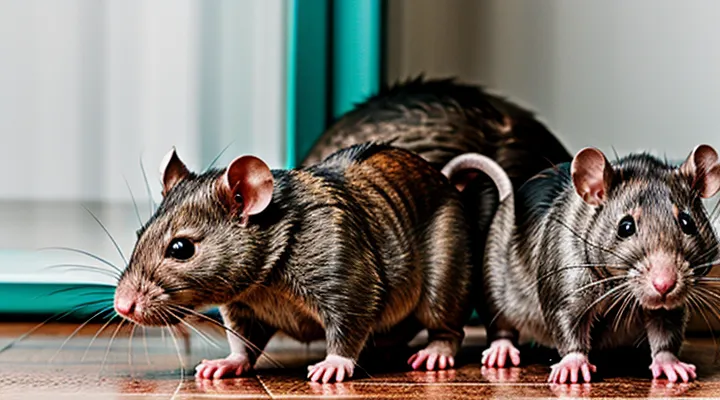
Understanding Rat Respiratory Health
The Respiratory System of Rats
Normal Breathing Patterns
Normal breathing in rats consists of a rapid, shallow cycle that maintains adequate oxygen uptake and carbon‑dioxide removal. The typical respiratory rate ranges from 70 to 120 breaths per minute in adult laboratory animals, with slight variations due to strain, age, and ambient temperature. Tidal volume averages 0.2–0.3 ml per gram of body weight, producing a minute ventilation of approximately 150–250 ml kg⁻¹ h⁻¹.
The inspiratory phase occupies roughly 30–35 % of the total cycle, while expiration accounts for the remaining 65–70 %. During quiet respiration, airflow enters exclusively through the nares; oral ventilation appears only under stress or when nasal passages are obstructed. Nasal airflow is conditioned by the highly vascularized turbinates, which warm and humidify inhaled air and facilitate heat exchange.
Regulation of the respiratory rhythm relies on central chemoreceptors sensitive to arterial carbon‑dioxide pressure and peripheral receptors responding to oxygen tension and airway irritation. The medullary respiratory centers generate the basic rhythm, while the pontine nuclei modulate the transition between inspiration and expiration.
Factors that preserve the normal pattern include:
- Stable ambient temperature (20–24 °C)
- Adequate hydration and electrolyte balance
- Absence of respiratory irritants or infectious agents
- Normal metabolic rate, reflected by stable body weight
Deviations from these parameters—elevated respiratory rate, prolonged expiratory phase, or audible high‑frequency sounds—signal potential pathology such as airway obstruction, inflammation, or infectious processes. Recognizing the baseline characteristics of rat respiration provides a reference for identifying wheeze‑related abnormalities and guiding therapeutic interventions.
Signs of Healthy Respiration
Healthy respiration in rats is characterized by regular, unobstructed airflow and efficient gas exchange. Normal respiratory rate varies with age, size, and activity level, typically ranging from 70 to 120 breaths per minute in resting adult laboratory rats. Respiratory rhythm should be steady without abrupt pauses or irregular spikes.
Observable indicators of proper breathing include:
- Clear, silent nasal passages; no audible snorting, crackling, or wheezing sounds.
- Even expansion of the thoracic cavity on each inhalation, visible as synchronized movement of both sides of the chest.
- Absence of nasal discharge, mucus accumulation, or blood-tinged secretions.
- Stable heart rate and oxygen saturation levels within normal physiological ranges (SpO₂ ≥ 95% in healthy subjects).
- Normal behavior and activity levels; the animal maintains alertness and engages in typical grooming and exploratory actions without signs of respiratory distress.
Deviations from these parameters suggest compromised airway function and warrant immediate veterinary assessment. Accurate identification of healthy respiratory signs provides a baseline for diagnosing wheeze-related conditions and guiding therapeutic interventions.
Causes of Wheezing in Rats
Environmental Factors
Dust and Allergens
Dust particles and airborne allergens are frequent triggers of respiratory distress in laboratory and pet rats. Inhalation of fine particulates irritates the tracheobronchial epithelium, induces mucosal edema, and provokes bronchial smooth‑muscle contraction, producing audible wheezes and increased work of breathing.
Common sources of irritants include:
- Wood‑shaving or paper‑based bedding that releases cellulose dust.
- Grain‑based feed generating fine powder.
- Mold spores arising from damp bedding or cages.
- Pollen or plant material introduced through enclosure décor.
- Aerosolized cleaning agents and disinfectants.
Clinical observation reveals intermittent wheezing, rapid shallow respiration, nasal discharge, and reduced activity. Auscultation confirms high‑pitched expiratory sounds; environmental sampling identifies particulate concentrations exceeding safe thresholds for rodents.
Effective management combines environmental and pharmacological measures.
Environmental control:
- Replace dusty bedding with low‑dust alternatives such as aspen or specialized rodent mats.
- Implement daily cage cleaning, removing soiled bedding and waste.
- Install HEPA filtration or air‑exchange systems to lower ambient particulate load.
- Avoid scented or chemical cleaning products; use water‑based, fragrance‑free solutions.
Medical intervention:
- Administer bronchodilators (e.g., albuterol) to relax airway smooth muscle.
- Provide anti‑inflammatory agents (e.g., corticosteroids) to reduce mucosal swelling.
- Use antihistamines when allergic sensitization is confirmed.
- Adjust dosages based on weight and severity; monitor response through repeated auscultation.
Prevention relies on maintaining a dust‑free environment, regular health checks, and prompt isolation of affected individuals to limit exposure. Consistent application of these practices minimizes wheeze incidence and supports optimal respiratory function in rat populations.
Ammonia Levels
Ammonia accumulates in rodent enclosures when urine and feces decompose, often reaching concentrations above 25 ppm under poor ventilation. Even modest elevations increase the irritant load on the respiratory epithelium, predisposing rats to audible wheezing and reduced airflow.
High ammonia exposure triggers inflammation of the tracheobronchial tree, thickens mucus, and impairs ciliary clearance. The resulting airway narrowing manifests as wheezes during both inspiration and expiration, frequently accompanied by coughing and labored breathing.
Routine monitoring employs handheld electrochemical sensors or colorimetric test kits, calibrated to detect changes of 5 ppm. Data loggers provide trend analysis, allowing early intervention before clinical signs appear.
Mitigation and therapeutic measures include:
- Increasing airflow through filtered ventilation or active exhaust systems.
- Reducing bedding moisture by spot‑cleaning and employing absorbent substrates.
- Implementing weekly deep cleaning of cages, cages, and water bottles.
- Adding ammonia‑binding agents such as zeolite or activated carbon to litter.
- Administering bronchodilators (e.g., albuterol) and anti‑inflammatory agents (e.g., corticosteroids) under veterinary guidance when wheezing is observed.
Effective control of ambient ammonia levels directly lowers the incidence of respiratory wheezing in rats and supports faster recovery when symptoms develop.
Temperature and Humidity
Temperature directly influences airway resistance in laboratory and pet rats. Elevated ambient temperatures cause mucosal vasodilation, leading to increased fluid secretion and narrowing of the tracheal lumen. This physiological response intensifies wheezing episodes and accelerates the progression of inflammatory lung conditions. Conversely, temperatures below the thermoneutral zone induce bronchoconstriction through sympathetic activation, also contributing to audible respiratory effort.
Humidity modulates the viscosity of airway secretions. Relative humidity above 60 % maintains mucosal hydration, facilitating mucociliary clearance and reducing turbulent airflow that generates wheezes. When humidity falls below 30 %, secretions become tenacious, impairing clearance and promoting bacterial colonization. Sustained low humidity predisposes rats to chronic respiratory irritation and secondary infections.
Practical environmental controls:
- Keep ambient temperature between 20 °C and 24 °C (68 °F–75 °F).
- Maintain relative humidity at 45 %–60 % using humidifiers or dehumidifiers as needed.
- Monitor temperature and humidity continuously with calibrated digital sensors.
- Adjust ventilation rates to prevent stagnant air while avoiding drafts that can lower local temperature.
- Record environmental data alongside clinical observations to correlate fluctuations with wheezing severity.
Implementing these parameters stabilizes airway conditions, diminishes wheezing frequency, and supports pharmacologic interventions aimed at reducing inflammation and infection.
Infectious Diseases
Mycoplasma pulmonis
Mycoplasma pulmonis is a primary bacterial pathogen responsible for chronic respiratory disease in laboratory and pet rats. The organism adheres to the respiratory epithelium, evading host immunity through antigenic variation and the absence of a rigid cell wall. Colonization initiates ciliary dysfunction, mucus hypersecretion, and inflammatory infiltrates that culminate in audible wheezing during inspiration and expiration.
Clinical manifestation includes intermittent wheeze, nasal discharge, sneezing, and reduced activity. Lesions are typically confined to the upper airways but may extend to the lungs, producing bronchopneumonia detectable on radiographs or necropsy. Diagnosis relies on a combination of clinical observation, culture on specialized agar, polymerase chain reaction, and serological testing for specific antibodies.
Therapeutic measures focus on antimicrobial agents effective against cell‑wall‑deficient organisms and supportive care:
- Enrofloxacin or doxycycline administered orally or via injection for a minimum of 14 days.
- Anti‑inflammatory drugs (e.g., meloxicam) to reduce airway edema.
- Nebulized saline to improve mucociliary clearance.
- Environmental modifications: low‑density housing, adequate ventilation, and avoidance of stressors.
Prevention emphasizes strict biosecurity, routine screening of breeding colonies, and vaccination where available. Early identification and targeted therapy limit pathogen spread and reduce the incidence of wheezing episodes in affected rat populations.
Bacterial Infections
Rats that develop wheezing often suffer from bacterial infections of the lower respiratory tract. Common pathogens include Streptococcus pneumoniae, Haemophilus influenzae, Pasteurella multocida, and Mycoplasma pulmonis. These organisms invade the bronchi and alveoli, provoke inflammation, and generate mucus that narrows airways, producing the characteristic wheeze.
Clinical signs typically appear as labored breathing, audible wheezing, nasal discharge, and reduced activity. Diagnosis relies on a combination of physical examination, radiographic imaging showing infiltrates, and microbiological testing such as throat swabs, bronchoalveolar lavage, or PCR assays to identify the causative bacteria.
Effective management requires antimicrobial therapy, supportive care, and environmental control:
- Antibiotics: Choose agents based on culture sensitivity; first‑line options often include doxycycline, enrofloxacin, or amoxicillin‑clavulanate.
- Anti‑inflammatory drugs: Short courses of corticosteroids may reduce airway swelling, but monitor for immunosuppression.
- Mucolytics and bronchodilators: Nebulized saline or acetylcysteine helps clear secretions; albuterol can improve airflow.
- Supportive measures: Warm, humidified housing; adequate nutrition; isolation of affected individuals to prevent spread.
Prognosis improves when treatment begins early, before extensive lung damage occurs. Regular monitoring of respiratory rate and wheeze intensity guides therapy adjustments and helps detect relapse.
Viral Infections
Viral infections are a primary source of respiratory wheezing in laboratory and pet rats. Pathogens such as rat coronavirus (RCV), Sendai virus, and hantavirus infect the lower airways, provoke inflammation, and generate audible expiratory sounds. The infection process typically begins with viral entry through the nasal mucosa, followed by replication in bronchial epithelium, resulting in edema, mucus hypersecretion, and bronchoconstriction that produce wheezes.
Common viral agents:
- Rat coronavirus (RCV) – induces interstitial pneumonia and marked wheezing.
- Sendai virus – causes acute bronchiolitis with rapid onset of respiratory noise.
- Hantavirus – leads to severe pulmonary syndrome, often accompanied by wheeze and dyspnea.
Diagnosis relies on clinical observation of wheezing combined with laboratory confirmation. Methods include reverse‑transcription PCR of nasal swabs, serologic testing for virus‑specific antibodies, and radiographic assessment of lung fields.
Treatment strategies focus on supportive care and antiviral interventions:
- Provide humidified oxygen to alleviate hypoxia.
- Administer bronchodilators (e.g., albuterol) to reduce airway resistance.
- Use anti‑inflammatory agents such as corticosteroids when inflammation is pronounced.
- Implement antiviral therapy where specific agents are available (e.g., ribavirin for hantavirus under veterinary guidance).
- Maintain hydration and nutritional support to promote recovery.
Prevention emphasizes strict biosecurity: quarantine of new arrivals, regular health screening, and disinfection of cages and equipment. Vaccination options are limited; therefore, environmental control remains the most effective method to reduce viral spread and associated wheezing episodes in rat colonies.
Non-Infectious Conditions
Tumors
Tumors are a frequent source of wheezing in laboratory rats, arising from malignant growths within the respiratory tract or from metastatic deposits that compress the airway. Primary pulmonary neoplasms, such as bronchioloalveolar carcinoma, produce secretions and tissue rigidity that generate audible high‑frequency breaths. Metastatic lesions originating in the mammary gland, liver, or spleen may invade the trachea or main bronchi, creating partial obstruction and turbulent airflow.
Diagnostic evaluation relies on imaging and tissue analysis. Radiography or micro‑CT reveals mass size, location, and effect on lung fields. Bronchoscopy permits direct visualization and biopsy, while histopathology confirms tumor type and grade. Immunohistochemical markers differentiate epithelial from mesenchymal origins, guiding therapeutic choices.
Therapeutic options include:
- Surgical excision of localized masses, performed via thoracotomy or minimally invasive techniques.
- Chemotherapeutic protocols employing agents such as doxorubicin, cisplatin, or temozolomide, tailored to tumor histology.
- Fractionated radiation therapy targeting unresectable lesions while sparing healthy lung tissue.
- Palliative measures, including bronchodilators, mucolytics, and supplemental oxygen, to alleviate respiratory distress.
Prognosis correlates with tumor stage, histological aggressiveness, and response to treatment. Early detection and multimodal intervention improve survival rates and reduce wheeze severity. Continuous monitoring of respiratory sounds, combined with periodic imaging, ensures timely adjustment of the therapeutic regimen.
Heart Disease
Heart disease frequently underlies wheezing respiration in laboratory rats, linking cardiovascular dysfunction with pulmonary symptoms. Impaired cardiac output reduces perfusion of lung tissue, leading to fluid accumulation and airway narrowing that manifests as audible wheezes. Chronic hypertension and myocardial infarction elevate left‑ventricular pressure, forcing blood into pulmonary veins and promoting edema. Valvular insufficiency produces regurgitant flow, further destabilizing pulmonary pressures and aggravating respiratory sounds.
Key mechanisms that connect cardiac pathology to wheezing include:
- Reduced left‑ventricular ejection fraction → increased pulmonary capillary pressure
- Elevated systemic arterial pressure → left‑heart strain and pulmonary congestion
- Myocardial ischemia → autonomic imbalance affecting bronchial tone
Effective management targets both cardiac and respiratory components. Pharmacologic interventions comprise:
- Angiotensin‑converting‑enzyme inhibitors to lower systemic and pulmonary pressures
- Beta‑blockers to improve myocardial efficiency and reduce sympathetic drive to airways
- Diuretics to remove excess fluid from pulmonary interstitium, alleviating airway obstruction
Adjunctive measures involve dietary sodium restriction, regular cardiovascular monitoring, and environmental control to minimize aerosol irritants that could exacerbate wheezing. Prompt diagnosis through echocardiography and pulse oximetry enables timely therapy, preventing progression from isolated respiratory signs to overt heart failure.
Allergic Reactions
Allergic reactions represent a frequent source of respiratory wheezing in laboratory rats. Exposure to sensitizing agents triggers IgE‑mediated mast cell activation, leading to airway edema, bronchoconstriction, and the characteristic wheeze.
Typical allergens include:
- Dust‑mite feces present in bedding
- Protein residues from rodent feed
- Mold spores in humid enclosures
- Insect exoskeleton fragments in stored supplies
Clinical presentation consists of intermittent high‑pitched wheeze, increased respiratory effort, nasal discharge, and occasional sneezing. Observation of breathing patterns combined with bronchoalveolar lavage cytology and serum IgE quantification confirms an immunologic basis.
Effective management relies on two pillars: environmental control and targeted pharmacotherapy.
Environmental control:
- Replace soft bedding with low‑allergen alternatives (e.g., paper‑based material)
- Maintain humidity below 50 % to inhibit mold growth
- Store feed in sealed containers, rotate stock regularly
- Implement regular cage cleaning to remove debris and insect remnants
Pharmacotherapy:
- Antihistamines (e.g., cetirizine) administered orally to block histamine receptors
- Mast‑cell stabilizers (e.g., cromolyn sodium) delivered via inhalation to prevent degranulation
- Short‑acting bronchodilators (e.g., albuterol) for acute bronchoconstriction
- Corticosteroids (e.g., dexamethasone) for severe or persistent inflammation, with dosage adjusted to minimize systemic effects
Monitoring respiratory rate, wheeze intensity, and serum IgE levels guides treatment adjustments and confirms resolution of the allergic component.
Diagnosing the Cause of Wheezing
Initial Observation
Listening for Sounds
Listening for respiratory sounds provides immediate insight into the condition of a rat’s airway. When wheezing is present, auscultation reveals high‑pitched, musical tones that vary with the respiratory cycle. The intensity and distribution of these sounds help differentiate between obstructive and inflammatory processes.
Key observations during auscultation include:
- Continuous wheeze during both inspiration and expiration, suggesting severe airway narrowing.
- Intermittent wheeze limited to expiration, often linked to mild bronchoconstriction.
- Absence of wheeze despite clinical distress, indicating possible silent hypoxia or non‑respiratory pain.
Correlating acoustic patterns with underlying causes refines therapeutic choices. For allergic or infectious inflammation, anti‑inflammatory agents and bronchodilators are indicated. Mechanical obstruction, such as tracheal foreign bodies, requires prompt removal or surgical intervention. Monitoring sound changes after treatment confirms efficacy; a reduction in wheeze intensity or frequency signals improvement, while persistence suggests the need for alternative management.
Accurate auditory assessment, combined with visual examination and imaging when necessary, forms a comprehensive approach to managing rat respiratory wheezing.
Assessing General Condition
When a rat presents with audible wheezing, a systematic appraisal of its overall health is essential before initiating any therapeutic measures. The clinician should gather objective data that reflects the animal’s physiological stability, nutritional status, and ability to tolerate interventions.
- Body weight and recent weight trend; a loss greater than 10 % of baseline signals systemic compromise.
- Core temperature; hypothermia or hyperthermia may indicate sepsis or metabolic disturbance.
- Respiratory rate, depth, and pattern; tachypnea, shallow breaths, or prolonged expiratory effort correlate with the severity of airway obstruction.
- Heart rate and rhythm; bradycardia or arrhythmias suggest hypoxia or cardiovascular stress.
- Mucous membrane color and capillary refill time; pallor or delayed refill points to poor perfusion.
- Activity level and response to stimuli; lethargy, reduced grooming, or unresponsiveness reflect neurological impact of hypoxemia.
- Food and water intake; diminished consumption can exacerbate dehydration and electrolyte imbalance.
Physical examination should also include auscultation of the thorax to confirm wheeze distribution, inspection for nasal discharge, and palpation of the abdomen for pain or organ enlargement. Laboratory testing—complete blood count, serum biochemistry, and arterial blood gas analysis—provides quantitative confirmation of infection, inflammation, or metabolic derangement.
Documenting these parameters establishes a baseline, guides treatment selection, and allows monitoring of therapeutic efficacy. Any deviation from normal ranges warrants immediate adjustment of supportive care, such as oxygen supplementation, fluid therapy, or analgesia, before addressing the underlying cause of the wheezing.
Veterinary Examination
Physical Examination
Physical examination of a rodent presenting with wheezing provides essential data for diagnosing respiratory pathology and guiding therapeutic decisions. The clinician begins with observation of general condition: posture, activity level, and signs of distress such as rapid breathing or open‑mouth respiration. Body temperature should be measured rectally, as hypothermia may accompany severe illness.
A systematic assessment of the thorax follows. Palpation of the chest wall detects tenderness, crepitus, or abnormal masses. Thoracic auscultation, performed with a pediatric stethoscope or a high‑frequency microphone, identifies wheeze characteristics—frequency, duration, and whether the sound is inspiratory, expiratory, or biphasic. The presence of crackles, diminished breath sounds, or asymmetry suggests specific underlying lesions.
Inspection of the nasal passages and oral cavity reveals mucus accumulation, nasal flaring, or dental abnormalities that can contribute to airway obstruction. Examination of the extremities for cyanosis, pale mucous membranes, or peripheral edema assists in evaluating oxygenation status.
Laboratory adjuncts may be collected during the exam. Blood gas analysis provides arterial oxygen and carbon dioxide values; a complete blood count can uncover leukocytosis indicative of infection. Radiographic imaging of the thorax, although not part of the hands‑on exam, should be considered when auscultation suggests consolidations or masses.
Key elements of the examination can be summarized:
- General observation: posture, activity, respiratory effort
- Temperature measurement: rectal probe
- Chest palpation: tenderness, masses, crepitus
- Auscultation: wheeze pattern, breath‑sound symmetry, crackles
- Nasal and oral inspection: mucus, flaring, dental issues
- Peripheral assessment: cyanosis, mucous membrane color, edema
- Optional sampling: arterial blood gas, CBC, thoracic radiographs
Accurate documentation of each finding enables differentiation between infectious, inflammatory, allergic, or neoplastic causes of wheezing and informs the selection of antimicrobial, anti‑inflammatory, or supportive therapies.
Diagnostic Tests
Rats that exhibit wheezing require systematic evaluation to identify underlying respiratory pathology and guide therapeutic decisions. Accurate diagnosis relies on a combination of clinical observation and targeted investigations.
- Physical examination: visual assessment of breathing pattern, measurement of respiratory rate, and detection of audible wheezes using a stethoscope.
- Thoracic radiography: lateral and ventrodorsal views reveal pulmonary infiltrates, airway obstruction, or pleural effusion.
- Computed tomography: high‑resolution scans provide detailed images of bronchial wall thickness, parenchymal lesions, and small nodules not visible on plain films.
- Bronchoscopy: endoscopic inspection permits direct visualization of airway mucosa, collection of lavage fluid, and targeted biopsy.
- Complete blood count and serum biochemistry: elevated neutrophils, eosinophils, or markers of inflammation suggest infectious or allergic processes.
- Microbiological culture: sputum, bronchoalveolar lavage, or tissue samples are cultured for bacterial, viral, or fungal agents.
- Pulmonary function testing: plethysmography quantifies airway resistance and compliance, distinguishing obstructive from restrictive patterns.
- Histopathology: tissue sections from biopsy or necropsy reveal cellular infiltrates, fibrosis, or neoplastic changes.
Integration of these results establishes a precise etiological profile, enabling selection of appropriate antimicrobial, anti‑inflammatory, or supportive therapies for affected rodents.
X-rays
X‑ray examination provides immediate visualization of the thoracic cavity in laboratory rats presenting with wheezing respiration. The modality reveals airway obstruction, parenchymal infiltrates, and pleural abnormalities that underlie noisy breathing.
Typical radiographic patterns include:
- Diffuse interstitial opacity suggesting viral or bacterial pneumonia.
- Focal consolidation consistent with bacterial lobar infection.
- Hyperinflated lung fields indicating allergic airway disease.
- Mediastinal masses that may compress tracheal structures.
- Pleural effusion appearing as a fluid line along the thoracic wall.
Imaging guides therapeutic decisions by confirming the presence and extent of lesions before antimicrobial, anti‑inflammatory, or bronchodilator administration. Serial X‑rays track response to treatment, allowing dosage adjustment or escalation when resolution stalls.
Effective imaging requires:
- Light anesthesia to maintain a stable posture and minimize motion artifact.
- Lateral and dorsoventral projections to assess both lung fields and mediastinum.
- Dose settings calibrated for small‑animal size to prevent unnecessary radiation exposure.
- Interpretation by a veterinarian or radiologist familiar with rodent thoracic anatomy.
Incorporating X‑ray assessment into the diagnostic work‑up shortens the interval between symptom onset and targeted therapy, thereby improving outcomes for rats with wheezing respiratory disorders.
Blood Tests
Blood analysis provides objective data for evaluating wheezing rats and distinguishing among infectious, inflammatory, metabolic, and neoplastic processes. Laboratory results complement clinical observation and imaging, allowing precise identification of underlying pathology.
Commonly ordered panels include:
- Complete blood count (CBC) with differential: leukocytosis or left shift suggests bacterial infection; eosinophilia points to parasitic or allergic involvement; anemia may indicate chronic disease or hemorrhage.
- Serum biochemistry profile: elevated liver enzymes or kidney markers reveal organ dysfunction that can exacerbate respiratory distress; electrolyte imbalances such as hypocalcemia affect muscle tone and airway patency.
- Arterial blood gas (ABG) analysis: reduced PaO₂ and increased PaCO₂ confirm hypoxemia and hypercapnia, quantifying the severity of ventilation impairment.
- C-reactive protein (CRP) or serum amyloid A: acute‑phase proteins rise in systemic inflammation, supporting a diagnosis of infectious pneumonia or severe bronchitis.
- Specific pathogen tests: PCR or serology for Mycoplasma spp., Bordetella bronchiseptica, and viral agents identify etiologic agents when culture results are pending.
Interpretation follows established thresholds: neutrophil counts above 12 × 10⁹/L typically trigger antimicrobial therapy; a PaO₂ below 60 mm Hg warrants supplemental oxygen; elevated CRP (>10 mg/L) reinforces the need for anti‑inflammatory treatment. Abnormal liver or kidney values dictate dosage adjustments for drugs metabolized or excreted by those organs.
Therapeutic decisions hinge on these findings. Positive bacterial cultures combined with neutrophilia direct targeted antibiotic selection; viral PCR results prompt antiviral or supportive measures. ABG data guide oxygen supplementation and ventilatory support. Monitoring trends in CBC and biochemistry during treatment assesses response and informs duration of therapy, reducing the risk of relapse or drug toxicity.
Culture and Sensitivity
Culture and sensitivity testing provides definitive identification of the microorganisms responsible for respiratory distress in laboratory rats and determines the most effective antimicrobial agents. Samples are obtained from the lower airway using sterile tracheal aspirates, bronchoalveolar lavage, or lung tissue homogenates. Immediate transport in appropriate media preserves organism viability and prevents overgrowth of contaminants.
The laboratory workflow includes:
- Inoculation of aerobic and anaerobic plates, as well as selective media for common respiratory pathogens such as Streptococcus pneumoniae, Klebsiella pneumoniae, Pseudomonas aeruginosa, and Mycoplasma pulmonis.
- Incubation under controlled temperature and atmospheric conditions to promote growth of fastidious organisms.
- Identification through colony morphology, Gram staining, biochemical panels, or MALDI‑TOF mass spectrometry.
- Antimicrobial susceptibility assessment using disk diffusion, broth microdilution, or automated systems, with results interpreted according to CLSI breakpoints adapted for rodent isolates.
Interpretation of culture results guides therapeutic decisions. When a pathogen is isolated, the antibiotic with the lowest minimum inhibitory concentration is selected, taking into account drug penetration into pulmonary tissue and the rat’s metabolic capacity. Empirical therapy may begin with a broad‑spectrum agent such as enrofloxacin or doxycycline, but is adjusted promptly once susceptibility data are available to avoid resistance development and minimize toxicity.
Routine culture and sensitivity testing also serves surveillance purposes. Periodic monitoring of colony‑forming units and resistance patterns detects emerging outbreaks, informs biosecurity measures, and supports refinement of husbandry protocols to reduce environmental contamination.
In summary, systematic microbiological analysis of respiratory samples provides the evidence base for targeted antimicrobial therapy, optimizes clinical outcomes, and contributes to the overall health management of rodent colonies experiencing wheezing and dyspnea.
Treatment Options for Wheezing Rats
Medical Interventions
Antibiotics
Antibiotics address bacterial infections that can provoke or worsen wheezy respiration in laboratory rats. Respiratory pathogens such as Streptococcus pneumoniae, Klebsiella pneumoniae, and Staphylococcus aureus frequently produce purulent discharge, inflammation, and bronchial narrowing, resulting in audible wheezes. Prompt antimicrobial therapy reduces bacterial load, limits tissue damage, and improves airway patency.
Selection of an appropriate agent follows culture‑guided susceptibility testing whenever feasible. Empirical regimens commonly include:
- Enrofloxacin (10 mg/kg subcutaneously, once daily) for Gram‑negative organisms.
- Amoxicillin‑clavulanate (30 mg/kg orally, twice daily) for mixed flora.
- Trimethoprim‑sulfamethoxazole (30 mg/kg orally, twice daily) for Staphylococcus species.
Dosage adjustments are necessary for neonates, pregnant females, or animals with renal impairment. Duration of treatment typically spans 7–10 days; shorter courses increase relapse risk, while prolonged exposure promotes resistance.
Resistance management relies on rotating drug classes, limiting prophylactic use, and maintaining strict hygiene to reduce bacterial transmission. Monitoring includes daily auscultation, body temperature, and weight; laboratory parameters such as complete blood count and bacterial cultures confirm therapeutic efficacy.
When bacterial infection is ruled out, antibiotics provide no benefit and may disrupt normal flora, predisposing rats to opportunistic pathogens. In such cases, anti‑inflammatory agents, bronchodilators, and environmental modifications (elevated humidity, reduced dust) constitute the primary intervention.
Anti-inflammatory Drugs
Anti‑inflammatory agents are central to managing wheezing in laboratory rats when inflammation of the airway contributes to respiratory distress. Corticosteroids, such as dexamethasone and prednisolone, suppress cytokine production, reduce edema, and improve airway patency. Non‑steroidal anti‑inflammatory drugs (NSAIDs) including meloxicam and carprofen inhibit cyclo‑oxygenase enzymes, decreasing prostaglandin‑mediated bronchial irritation. Inhaled formulations—fluticasone propionate and budesonide—deliver high local concentrations with minimal systemic exposure, useful for chronic models of allergic airway inflammation.
Key considerations for selecting an anti‑inflammatory drug:
- Mechanism of action: Choose corticosteroids for severe, immune‑mediated inflammation; NSAIDs for mild to moderate prostaglandin‑driven responses.
- Route of administration: Oral or subcutaneous delivery provides systemic effects; nebulization targets the lungs directly.
- Pharmacokinetics in rodents: Short half‑life of dexamethasone necessitates twice‑daily dosing; meloxicam’s longer clearance permits once‑daily administration.
- Adverse‑effect profile: Monitor for immunosuppression, gastrointestinal ulceration, and renal impairment, especially with prolonged NSAID use.
Therapeutic protocols typically begin with a loading dose of a corticosteroid (e.g., 0.5 mg kg⁻¹ dexamethasone i.p.) followed by maintenance dosing (0.1 mg kg⁻¹ daily). If the inflammatory component is mild, a single NSAID dose (e.g., 1 mg kg⁻¹ meloxicam s.c.) may suffice. Combination therapy—low‑dose corticosteroid plus NSAID—balances rapid symptom relief with reduced steroid exposure.
Effective use of anti‑inflammatory drugs reduces wheeze frequency, improves tidal volume, and facilitates recovery in experimental rats experiencing airway inflammation. Continuous assessment of respiratory parameters and clinical signs ensures optimal dosing adjustments and minimizes drug‑related toxicity.
Bronchodilators
Bronchodilators are the primary pharmacologic agents used to alleviate airway narrowing that produces wheezing sounds in laboratory rats. They act by relaxing smooth muscle in the bronchial walls, increasing airflow and reducing the work of breathing.
Common categories include:
- β2‑adrenergic agonists (e.g., albuterol, salbutamol): stimulate cyclic AMP production, causing rapid bronchodilation.
- Anticholinergics (e.g., ipratropium, tiotropium): block muscarinic receptors, preventing acetylcholine‑mediated constriction.
- Methylxanthines (e.g., theophylline): inhibit phosphodiesterase, modestly raising cyclic AMP levels and enhancing muscle relaxation.
- Combination inhalers: merge a β2‑agonist with an anticholinergic for synergistic effect.
Dosage in rodents is typically expressed in micrograms per kilogram, administered via inhalation chambers, nebulization, or intratracheal instillation. Precise dosing depends on the drug’s potency, the severity of airway obstruction, and the experimental protocol.
Adverse effects may include tachycardia, tremor, hypokalemia (β2‑agonists), dry mouth, urinary retention (anticholinergics), and gastrointestinal irritation (methylxanthines). Monitoring of heart rate, serum electrolytes, and respiratory parameters is essential to detect toxicity early.
When bronchodilators are combined with anti‑inflammatory agents such as corticosteroids, the therapeutic outcome improves, as bronchodilation facilitates drug delivery to distal airways. Adjustments in dosing schedules should reflect the pharmacokinetic profile of each agent to maintain effective bronchodilation without overexposure.
Effective treatment of wheezing respiration in rats therefore relies on selecting an appropriate bronchodilator class, delivering the drug by a suitable route, and continuously evaluating physiological responses to optimize therapeutic benefit.
Environmental Management
Improving Air Quality
Rats that exhibit wheezing often suffer from compromised airway function, and the quality of the surrounding air directly influences the severity of these symptoms. Contaminants such as fine particulate matter, ammonia released from urine and feces, volatile organic compounds from bedding, and mold spores increase airway irritation and exacerbate respiratory distress.
Particulate matter penetrates deep into the lungs, triggering inflammation. Ammonia raises the pH of airway surfaces, weakening mucosal defenses. Volatile organic compounds can irritate the respiratory epithelium, while mold spores provoke allergic reactions. Each of these agents contributes to the development and persistence of wheezing in rodents.
Effective measures to improve air quality include:
- Installing high-efficiency particulate air (HEPA) filters to capture fine particles and spores.
- Ensuring continuous ventilation with fresh‑air exchange rates of at least 10 L/min per cage.
- Applying activated carbon filters to adsorb ammonia and volatile compounds.
- Maintaining relative humidity between 40 % and 60 % to discourage mold growth.
- Implementing routine cleaning protocols that remove waste before it accumulates.
When the environment is kept free of irritants, the need for pharmacological intervention declines, recovery times shorten, and the likelihood of recurrent wheezing diminishes. Cleaner air also supports the efficacy of any administered bronchodilators or anti‑inflammatory agents by reducing competing inflammatory stimuli.
Regular monitoring with portable air‑quality meters—tracking particulate concentration, ammonia levels, and humidity—provides objective data to adjust ventilation and filtration systems promptly. Coupled with periodic health assessments, this approach ensures that respiratory conditions in rats are managed through both environmental control and targeted treatment.
Dust Control
Dust particles irritate the nasal passages and lower airways of rats, triggering bronchoconstriction that manifests as wheezing. Inhaled particulates provoke inflammation, increase mucus production, and reduce airway clearance, directly contributing to respiratory distress.
Common dust sources include bedding material, feed, cage cleaning debris, and ambient particles from ventilation systems. Accumulated dust settles on surfaces, becomes airborne during animal movement, and is readily inhaled by rodents.
Effective dust reduction relies on several practical steps:
- Replace high‑dust bedding (e.g., wood shavings) with low‑dust alternatives such as paper or corn‑cob.
- Implement high‑efficiency particulate air (HEPA) filtration in cage racks and room ventilation.
- Perform daily spot cleaning; conduct full cage changes on a schedule that limits dust buildup.
- Maintain relative humidity between 45 % and 55 % to suppress airborne particles.
- Use sealed feed containers and minimize loose grain exposure.
Controlling dust enhances therapeutic outcomes by decreasing the load of irritants that exacerbate wheezing. Reduced airway inflammation shortens the duration of bronchodilator therapy, lowers the risk of secondary infections, and supports faster recovery of normal breathing patterns.
Humidity Regulation
Proper humidity control directly influences the respiratory health of laboratory and pet rats that exhibit wheezing. Low ambient moisture accelerates mucosal drying, reduces ciliary efficiency, and predisposes the airway to irritation. Excessive moisture encourages fungal growth and bacterial proliferation, which can trigger inflammatory responses and obstruct airflow. Maintaining relative humidity within the 45‑55 % range minimizes both extremes, supporting optimal mucosal hydration while limiting pathogen development.
Effective regulation involves:
- Installing calibrated hygrometers in cages and housing rooms to provide continuous feedback.
- Using ultrasonic humidifiers with automatic shut‑off when humidity exceeds target levels; verify that devices produce fine mist to avoid droplet accumulation.
- Employing desiccant or refrigerant dehumidifiers in high‑humidity environments; position units to ensure even air circulation.
- Conducting weekly cleaning of humidification equipment to prevent microbial colonization.
- Adjusting ventilation rates to balance fresh air exchange with temperature stability; avoid drafts that may lower localized humidity.
When rats present persistent wheezes despite environmental adjustments, therapeutic interventions include:
- Nebulized saline to restore airway moisture.
- Short‑course bronchodilators prescribed by a veterinarian, administered via inhalation chamber.
- Antifungal or antibacterial agents if diagnostic testing confirms secondary infection.
Monitoring humidity trends alongside clinical signs enables early detection of deviations, allowing prompt corrective action before respiratory distress escalates.
Supportive Care
Nutritional Support
Nutritional support directly influences the severity and recovery of wheezing respiratory disorders in rats. Adequate intake of specific nutrients can reduce airway inflammation, improve mucociliary clearance, and bolster immune defenses.
Key dietary components include:
- Omega‑3 fatty acids – EPA and DHA modulate inflammatory pathways, decreasing bronchial edema.
- Vitamin A – Supports epithelial integrity of the respiratory tract, facilitating repair of damaged mucosa.
- Vitamin E – Acts as an antioxidant, limiting oxidative stress that aggravates wheezing.
- Vitamin C – Enhances collagen synthesis and promotes healing of airway tissues.
- Zinc – Essential for lymphocyte function and reduces susceptibility to secondary infections.
- Protein – Provides amino acids for tissue regeneration and synthesis of immune mediators.
Implementation guidelines:
- Provide a balanced diet with 5–10 % of calories from fish oil or flaxseed to achieve the recommended omega‑3 level.
- Supplement vitamin A at 2000 IU/kg feed, monitoring for hypervitaminosis.
- Add vitamin E at 50 IU/kg feed and vitamin C at 200 mg/kg feed; adjust based on serum antioxidant status.
- Ensure zinc concentration of 80 ppm in the diet; verify bioavailability through chelated forms.
- Maintain protein content at 18–20 % of total diet, emphasizing high‑quality sources such as casein or soy isolate.
Regular assessment of body weight, feed consumption, and serum nutrient levels should accompany any nutritional intervention. Adjustments based on these metrics ensure optimal support for respiratory recovery and minimize the recurrence of wheezing episodes.
Stress Reduction
Stress exposure increases sympathetic activity in rodents, promoting airway hyper‑responsiveness and audible wheezing. Elevated cortisol levels alter mucosal immunity, facilitating inflammatory cell infiltration and bronchoconstriction.
Chronic psychological stress triggers release of neuropeptides that enhance smooth‑muscle tone and mucus production in the lower respiratory tract. The resulting obstruction manifests as wheezes during spontaneous breathing.
Effective mitigation measures include:
- Environmental enrichment (nesting material, tunnels, social housing) to reduce isolation stress.
- Predictable handling routines that limit abrupt disturbances.
- Daily exposure to low‑intensity auditory or scent stimuli known to induce relaxation.
- Administration of anxiolytic agents (e.g., low‑dose benzodiazepines) under veterinary supervision.
- Implementation of circadian lighting that aligns with natural rodent activity cycles.
Applying these interventions lowers baseline corticosterone, diminishes inflammatory markers, and improves response to bronchodilator therapy. Consequently, stress reduction becomes an integral component of managing wheezing respiratory patterns in laboratory rats.
Hydration
Adequate fluid intake directly influences the viscosity of airway secretions in rats experiencing respiratory wheezing. Thinner mucus eases clearance by ciliary action and reduces the effort required for each breath, which can lower the frequency and intensity of wheezes.
Insufficient hydration accelerates mucus thickening, promotes bacterial colonization, and aggravates inflammatory processes in the lower respiratory tract. Consequently, dehydrated rats are more likely to develop persistent wheezing and secondary infections.
Effective management of wheezing includes the following hydration strategies:
- Provide fresh, clean water at all times; replace it at least twice daily to encourage consumption.
- Offer electrolyte‑enhanced solutions (e.g., low‑sodium saline) when rats show reduced intake or increased respiratory effort.
- Supplement diet with moisture‑rich foods such as fresh fruits or vegetables, ensuring they are safe for rodents.
- Monitor daily water consumption; a drop of more than 20 % below baseline signals a need for intervention.
- Administer subcutaneous lactated Ringer’s solution in severe cases, following veterinary dosage guidelines.
Regular assessment of hydration status—checking skin turgor, mucous membrane moisture, and body weight—helps identify early deficits before wheezing worsens. Maintaining optimal fluid balance therefore constitutes a fundamental component of therapeutic protocols for rats with respiratory wheezing.
Prevention of Respiratory Issues
Optimal Cage Environment
Bedding Choices
Bedding material directly influences the air quality within a rat enclosure, affecting the incidence and severity of wheezing episodes. Dust‑producing substrates release fine particles that settle in the lower respiratory tract, irritate mucous membranes, and exacerbate existing inflammation. Low‑dust options reduce particulate load, help maintain clear airways, and support recovery when wheezing is already present.
Recommended bedding selections for minimizing respiratory irritation include:
- Paper‑based products (recycled paper, cellulose pellets) – negligible dust, absorbent, easy to replace.
- Aspen shavings – low tannin content, minimal airborne particles compared with pine or cedar.
- Hemp fiber – natural, breathable, with moderate dust levels when properly processed.
- Commercial low‑dust rodent bedding blends – formulated to meet stringent particle‑size standards.
When a rat shows persistent wheezing, replace the current substrate with one of the low‑dust options, clean the cage thoroughly, and monitor respiratory signs for improvement. If symptoms continue, supplement environmental changes with veterinary interventions such as bronchodilators, anti‑inflammatory medication, and humidified air to aid mucosal clearance.
Ventilation
Ventilation is a critical component in managing wheezing respiratory disorders in laboratory rats. Effective airflow maintains optimal oxygen delivery, reduces carbon dioxide buildup, and minimizes airway irritation that can exacerbate audible breathing sounds. Proper ventilation also assists in controlling ambient temperature and humidity, factors that influence mucosal moisture and bronchial tone.
Key ventilation practices include:
- Continuous supply of filtered, humidified air at 20‑30 L/min per cage to sustain adequate tidal volumes.
- Regular monitoring of room pressure differentials to prevent infiltration of contaminants that may trigger bronchoconstriction.
- Implementation of negative‑pressure isolation chambers for infected or symptomatic animals, ensuring airborne pathogens are contained while preserving fresh air exchange.
When wheezing persists despite environmental control, targeted respiratory support may be required. Mechanical ventilation via small‑animal ventilators provides precise tidal volume and inspiratory pressure settings, allowing clinicians to adjust parameters based on arterial blood gas analysis. Supplemental oxygen delivered through a cage‑wide system can raise alveolar oxygen tension without over‑inflating the lungs, reducing the risk of barotrauma.
Cleaning Protocols
Effective cleaning procedures are essential for preventing and managing respiratory wheezing in laboratory rats. Contaminated bedding, aerosolized pathogens, and residual chemicals can irritate the airway, exacerbate wheeze‑related symptoms, and impede therapeutic outcomes. A systematic approach to hygiene minimizes exposure to irritants and supports recovery.
- Remove all used bedding and discard in sealed biohazard containers.
- Disinfect cages with a validated solution (e.g., 0.5 % sodium hypochlorite) for at least 10 minutes, then rinse thoroughly with sterile water.
- Clean all accessories (water bottles, food dishes, enrichment items) using the same disinfectant protocol, followed by a rinse and air‑dry phase.
- Replace cage filters with HEPA‑rated units; change filters according to manufacturer schedule or when visual contamination is evident.
- Perform weekly deep‑cleaning of the animal room: mop floors with a low‑foam, non‑ionic detergent, then apply a vaporized hydrogen peroxide fog for surface decontamination.
- Document each cleaning cycle in the facility log, noting date, personnel, and any deviations from standard procedures.
Environmental monitoring should accompany cleaning. Measure airborne particulate levels and ammonia concentrations; maintain ammonia below 25 ppm to reduce mucosal irritation. Replace ventilation filters quarterly and verify airflow rates meet the recommended 30–40 air changes per hour.
When wheezing persists despite optimal sanitation, integrate targeted treatment (e.g., bronchodilators, anti‑inflammatory agents) and reassess the cleaning regimen for gaps. Continuous adherence to these protocols sustains a low‑contamination environment, directly influencing the respiratory health of the rodents.
Nutrition and Diet
Balanced Diet
A balanced diet directly impacts respiratory health in rats that experience wheezing. Proper nutrition supports immune function, reduces inflammation, and maintains the integrity of airway tissues, thereby influencing both the development and resolution of respiratory distress.
Key nutritional components include:
- High‑quality protein sources (e.g., soy, egg, lean meat) for tissue repair and immune cell production.
- Essential fatty acids (omega‑3 and omega‑6) that modulate inflammatory pathways.
- Complex carbohydrates and fiber to stabilize gut microbiota, which indirectly affects pulmonary immunity.
- Vitamins A, C, D, and E, each contributing to mucosal protection and antioxidant defense.
- Minerals such as magnesium, calcium, and zinc, essential for muscle tone and enzymatic activity in the respiratory system.
- Adequate water intake to keep mucus membranes hydrated and facilitate mucociliary clearance.
Each element serves a specific function. Protein supplies amino acids required for the synthesis of surfactant proteins that line the alveoli. Fatty acids regulate cytokine production, limiting bronchial hyperreactivity. Carbohydrates and fiber sustain a healthy gut flora, which produces short‑chain fatty acids that reinforce systemic immunity. Vitamins act as cofactors in enzymatic reactions that neutralize oxidative stress within the airways. Minerals maintain the contractility of bronchial smooth muscle and support the activity of enzymes involved in detoxification.
Practical feeding guidelines for rats with respiratory symptoms are:
- Offer a commercial rodent pellet formulated to meet the nutrient profile listed above.
- Supplement with fresh vegetables (e.g., kale, carrots) rich in vitamins A and C, limiting citrus fruits that may irritate the throat.
- Include a small portion of cooked lean protein three times weekly to boost tissue regeneration.
- Provide a source of omega‑3 fatty acids, such as a few milliliters of fish oil per week, ensuring dosage does not exceed safe limits.
- Ensure constant access to clean, fresh water; consider adding a few drops of electrolyte solution if dehydration is observed.
- Avoid high‑fat treats, processed foods, and sugary snacks that can exacerbate inflammation.
Nutrition should complement pharmacological interventions for wheezing. While bronchodilators and anti‑inflammatory agents address immediate airway constriction, a balanced diet sustains the physiological environment necessary for long‑term recovery. Consistent dietary quality reduces the likelihood of recurrent episodes by strengthening the rat’s overall health status, thereby supporting therapeutic outcomes.
Vitamin Supplements
Vitamin supplementation can influence respiratory health in laboratory rodents exhibiting wheeze-like symptoms. Deficiencies in vitamins A, D, and E compromise mucosal immunity, increase oxidative stress, and predispose airway tissues to inflammation. Restoring adequate levels through dietary or oral supplements reduces epithelial damage and may alleviate audible breathing irregularities.
Key actions of specific vitamins include:
- Vitamin A: supports epithelial regeneration, maintains mucociliary clearance.
- Vitamin D: modulates cytokine production, limits Th2‑driven inflammation.
- Vitamin E: scavenges lipid peroxides, protects airway membranes from oxidative injury.
- B‑complex (B6, B12, folate): participates in homocysteine metabolism, preventing vascular constriction that can aggravate airway resistance.
Therapeutic protocols typically involve:
- Baseline serum assessment to identify deficiencies.
- Administration of age‑appropriate dosages, avoiding hypervitaminosis.
- Monitoring of respiratory rate and wheeze frequency after a 7‑ to 14‑day supplementation period.
- Adjustment of dosage based on clinical response and laboratory values.
When combined with anti‑inflammatory agents, vitamin regimens enhance recovery speed and reduce the need for higher pharmacologic doses. Proper formulation and dosing are essential to prevent adverse effects while maximizing respiratory benefits.
Regular Health Checks
Monitoring for Early Signs
Early detection of respiratory wheezing in rats reduces the risk of severe pathology and guides timely therapeutic intervention. Continuous observation of breathing patterns allows identification of subtle changes before overt distress develops.
Observable indicators include:
- Intermittent high‑pitched sounds during expiration.
- Increased respiratory rate exceeding the species‑specific baseline.
- Nasal flaring or audible effort during inhalation.
- Reduced activity levels coupled with irregular breathing pauses.
- Visible thoracic muscle contractions that appear out of sync with normal rhythm.
Effective monitoring relies on standardized procedures:
- Record respiratory sounds with a calibrated acoustic sensor at least twice daily.
- Measure breathing frequency using a non‑invasive plethysmograph for a minimum of five minutes per session.
- Log behavioral cues such as grooming frequency and locomotor activity in a structured sheet.
- Compare each data point to established reference ranges for the specific strain and age group.
Prompt recognition of these early signs enables immediate adjustment of environmental conditions, administration of bronchodilators, or initiation of anti‑inflammatory therapy, thereby preventing progression to chronic wheeze and associated complications.
Routine Veterinary Visits
Routine veterinary examinations are essential for early detection of respiratory problems in pet rats. During a standard appointment, the veterinarian assesses airway sounds, observes breathing patterns, and records any wheezing episodes. Early identification of abnormal respiratory noises allows prompt intervention before conditions progress to severe distress.
Key components of a routine rat check‑up include:
- Physical inspection of the nasal passages and throat for discharge or inflammation.
- Auscultation of the thorax to detect wheezes, crackles, or reduced airflow.
- Measurement of respiratory rate and comparison with normal values (typically 70–150 breaths per minute).
- Evaluation of the environment for factors such as poor ventilation, dust, or allergens that can exacerbate airway irritation.
- Review of diet and weight to ensure optimal immune function.
When wheezing is observed, the veterinarian may order diagnostic tests such as radiographs or microbial cultures to determine underlying causes, which can range from viral infections and bacterial pneumonia to allergic reactions or structural anomalies. Treatment protocols frequently involve targeted antibiotics, anti‑inflammatory medications, and environmental modifications to reduce irritants. Follow‑up visits monitor therapeutic response and adjust care plans as needed.
Consistent preventive care reduces the likelihood of chronic respiratory disease and supports overall health in laboratory and companion rats. Owners should schedule examinations at least biannually, or more frequently if a history of wheezing or other respiratory signs exists.