
Understanding the Natural Instincts of Cats
The Predator-Prey Relationship
Hunting Behavior in Domestic Cats
Domestic cats exhibit a predictable predatory sequence that begins with focused observation, proceeds to a low‑profile approach, culminates in a rapid leap, and ends with a precise bite to the neck. After the kill, many cats engage in a brief period of “play” that involves shaking, tossing, and chewing the prey. This pattern reflects instinctual circuitry inherited from wild ancestors and persists even in well‑fed indoor animals.
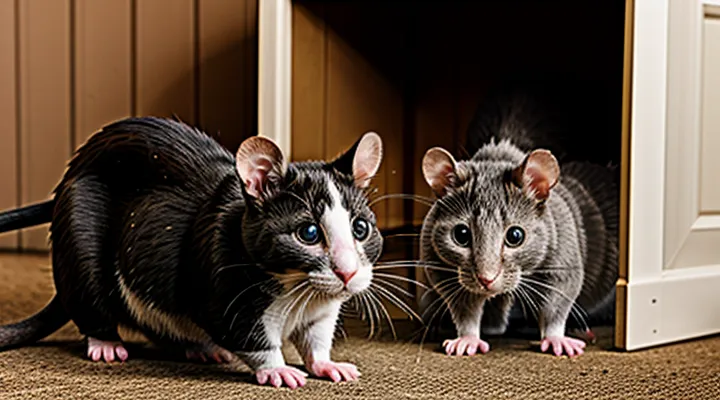
Rats satisfy several sensory criteria that trigger the feline hunting circuit. Their size approximates natural rodent prey, their erratic movements stimulate the cat’s visual tracking system, and their scent contains pheromones that activate the olfactory component of predation. Consequently, a live or realistic rat model can provoke the full hunting cascade without requiring outdoor exposure.
The behavior offers mental enrichment and muscular activity, yet it also introduces health considerations. Exposure to parasites, bacterial infections, or bite injuries is possible if the rat is not screened. Additionally, unsupervised interaction may lead to excessive aggression toward other household animals.
Practical guidance for safe incorporation of rat‑based stimulation:
- Verify the rat’s health status through a veterinarian before introduction.
- Use a secure, escape‑proof enclosure that allows the cat to observe and pounce without direct contact.
- Limit each session to 5–10 minutes to prevent over‑exertion.
- Rotate the rat stimulus with alternative toys (e.g., feather wands, laser pointers) to maintain novelty.
- Monitor the cat’s response; discontinue use if signs of stress or injury appear.
Applying these measures enables owners to harness natural hunting drives while protecting both cat and prey.
Genetic Predisposition to Hunting Small Rodents
Cats retain a strong predatory instinct that is rooted in their genome. Genes governing visual acuity, auditory sensitivity, and olfactory discrimination are conserved from wild ancestors, directing attention toward rapid, low‑profile prey such as rodents.
Research on feline behavior shows measurable heritability of hunting drive. Studies of pedigreed populations identify alleles linked to dopamine signaling and sensory processing that correlate with higher capture rates. Breeds traditionally used for pest control—e.g., Maine Coon, Bengal, and Turkish Van—exhibit a statistically greater frequency of these variants than more sedentary lines.
When rats are introduced as play objects, the genetic predisposition determines both engagement level and safety considerations. Cats with heightened drive may treat the rat as a realistic target, increasing physical activity and mental stimulation, but also raising the risk of injury if the rat is alive or if the cat’s bite force exceeds safe limits.
Key factors influencing a cat’s hunting response to small rodents:
- Presence of alleles associated with heightened dopamine activity
- Enhanced motion detection in low‑light conditions
- Acute auditory range tuned to high‑frequency squeaks
- Breed‑specific selection for predatory performance
- Early exposure to moving prey during critical socialization period
Understanding these genetic components helps owners select appropriate enrichment tools, evaluate the suitability of live or artificial rats, and tailor environmental enrichment to match each cat’s innate hunting capacity.
Ethical Considerations of Using Live Prey
Animal Welfare for Rats
Stress and Fear in Prey Animals
Rats introduced as play objects for felines experience measurable physiological and behavioral changes when exposed to predatory cues. Elevated cortisol levels, rapid breathing, and widened pupils indicate acute stress. Freezing, erratic darting, and vocalizations signal fear. These responses can impair the animal’s welfare and alter natural escape behaviors.
Key stress markers include:
- Increased heart rate detectable through non‑invasive monitoring.
- Reduced grooming activity, reflecting heightened alertness.
- Persistent avoidance of specific areas where cat interaction occurs.
Fear manifests through:
- Immediate cessation of movement when a cat approaches.
- Repeated attempts to hide in confined spaces.
- Production of ultrasonic calls associated with distress.
Prolonged exposure to predatory play can lead to chronic anxiety, immune suppression, and diminished reproductive capacity. Mitigation strategies focus on environmental enrichment and controlled interaction:
- Provide multiple hiding structures to allow voluntary retreat.
- Limit session duration to short intervals, preventing exhaustion.
- Rotate prey items to reduce habituation and sustain novelty without exacerbating fear.
Monitoring physiological data and observable behavior during each session ensures that the animal’s stress does not exceed acceptable thresholds. Implementing these measures aligns with responsible care standards for rodents used as feline amusement.
Potential for Injury to the Rat
Rats introduced as play objects for felines face a high likelihood of physical harm. Cats’ natural predatory behavior includes rapid bites, claw strikes, and vigorous pouncing, all of which can cause severe trauma to a rodent’s skeletal and soft‑tissue structures.
Typical injuries include:
- Fractured ribs or vertebrae from powerful jaw pressure.
- Lacerations and puncture wounds from sharp claws.
- Internal bleeding caused by deep bites to the abdomen.
- Dislocated joints resulting from abrupt twisting motions.
Stress‑induced complications arise when a rat is repeatedly exposed to feline aggression. Elevated cortisol levels can suppress immune function, making the animal more susceptible to infections such as salmonella or parasitic infestations transmitted by the cat’s saliva.
Preventive measures:
- Supervise all interactions; intervene at the first sign of aggressive play.
- Use durable, non‑living substitutes (e.g., plush toys) for cats that display strong hunting instincts.
- Provide rats with secure hiding spaces to retreat from the cat’s reach.
- Conduct regular health checks on both animals to detect early signs of injury or illness.
Failure to implement these safeguards can result in irreversible damage to the rodent, undermining its welfare and potentially exposing the cat to zoonotic risks.
Cat Welfare Concerns
Risk of Injury to the Cat
Using live rodents as play objects carries a genuine danger of physical harm to domestic felines. Cats may bite, claw, or swallow parts of the animal, leading to puncture wounds, lacerations, or gastrointestinal obstruction. The risk is heightened when the prey is larger than the cat’s typical kill size, or when the cat is an aggressive hunter.
Typical injury scenarios include:
- Bite‑induced wounds – deep punctures on the head, neck, or forelimbs that can become infected.
- Claw damage – broken or torn claws when the cat attempts to grasp a struggling rat.
- Dental trauma – cracked or broken teeth caused by the hard skull of the rodent.
- Internal blockage – ingestion of fur, bone fragments, or whole animals that cannot pass through the digestive tract.
- Parasite transmission – exposure to fleas, ticks, or internal parasites carried by the rodent.
Preventive measures involve substituting safe, synthetic toys that mimic prey movement, supervising any interaction with live rodents, and conducting regular veterinary checks after play sessions that involve real animals.
Disease Transmission from Rodents
Rats used as play objects for cats can carry pathogens that infect felines through bites, scratches, or ingestion of contaminated tissue. Direct contact with rodent saliva, urine, feces, or blood introduces bacteria, viruses, and parasites that may cause acute or chronic illness in cats.
- Salmonella spp. – transmitted via ingestion of contaminated rodent meat; symptoms include vomiting, diarrhea, fever; treatment requires antimicrobial therapy and supportive care.
- Bordetella bronchiseptica – spread through respiratory secretions; may cause upper respiratory infection with sneezing, nasal discharge; managed with antibiotics and isolation.
- Toxoplasma gondii – cysts present in rodent tissues; ingestion leads to toxoplasmosis, presenting as fever, lethargy, ocular lesions; diagnosis by serology, treatment with clindamycin.
- Leptospira interrogans – present in rodent urine; exposure through skin abrasions can cause leptospirosis, characterized by jaundice, kidney dysfunction; requires doxycycline or penicillin.
- Hantavirus – aerosolized from dried rodent excreta; rare in cats but can cause fever, respiratory distress; supportive treatment, no specific antiviral.
- Fleas and ticks – ectoparasites carried by rats; transmit Bartonella, Ehrlichia, and other agents; control with regular ectoparasite preventatives.
Preventive measures include sourcing rodents from reputable suppliers, thorough health screening, limiting unsupervised play, and maintaining up‑to‑date vaccinations and parasite control for cats. Immediate veterinary assessment after any bite or scratch reduces the risk of severe disease progression.
Psychological Impact of Hunting Live Prey
Cats possess an innate predatory sequence that activates when a live rat is presented. The sequence includes stalking, pouncing, and biting, each triggering specific neural pathways linked to reward processing. Exposure to live prey stimulates dopamine release, reinforcing the behavior and strengthening hunting competence.
The psychological consequences of this stimulation are measurable:
- Increased confidence – successful captures boost self‑efficacy, reducing hesitation in future pursuits.
- Reduced boredom – dynamic interaction prevents monotony that often accompanies static toys, lowering the risk of compulsive behaviors.
- Heightened arousal – rapid heart‑rate elevation and cortisol spikes occur during the chase; regular, controlled exposure helps cats regulate stress responses.
- Improved problem‑solving – navigating a moving target reinforces adaptive learning, enhancing cognitive flexibility.
Conversely, uncontrolled access to live prey may produce adverse effects. Repeated failures can generate frustration, manifested by vocalization or aggression toward owners. Overstimulation may lead to heightened aggression toward non‑target animals, requiring careful management of exposure frequency and duration.
Veterinary and behavioral research recommends limiting live‑prey sessions to brief, supervised intervals, followed by calm recovery periods. Coupling live prey with enrichment tools—such as puzzle feeders or interactive play—balances the reward system while preserving mental health.
Alternatives to Live Prey for Cat Enrichment
Interactive Toys and Play
Wand Toys and Feather Teasers
Wand toys and feather teasers provide dynamic, unpredictable motion that mimics the erratic behavior of small prey. Their lightweight construction allows cats to chase, leap, and swat with minimal resistance, reinforcing natural hunting instincts while reducing the risk of injury associated with live rodents.
Key attributes of effective wand and feather devices:
- Flexible shafts – absorb impact, prevent joint strain during high‑speed strikes.
- Detachable feather or plush attachments – enable quick replacement, maintain hygiene.
- Varied lengths – accommodate different play spaces, from narrow corridors to spacious rooms.
- Silent or low‑noise mechanisms – avoid startling cats that are sensitive to sudden sounds.
When integrating these toys into a regimen that includes rodent‑based enrichment, consider the following protocol:
- Initiate sessions with a wand toy to capture the cat’s attention and establish a chase pattern.
- Transition to a feather teaser to emphasize aerial movement, simulating insects that often accompany small mammals.
- Conclude with a brief interaction using a live or plush rat replica, allowing the cat to apply the skills practiced with the wand and feather tools.
Regular rotation of wand and feather configurations prevents habituation, ensuring sustained engagement. Cleaning the attachments after each use eliminates odor buildup, which could interfere with the cat’s perception of actual prey. Properly managed, these toys complement rodent entertainment by offering safe, repeatable stimuli that reinforce predatory behavior without the ethical and health concerns of live animals.
Puzzle Feeders and Food Dispensing Toys
Puzzle feeders and food‑dispensing toys provide mental stimulation that mimics the unpredictability of live prey, encouraging cats to stalk, bat, and solve for a reward. By integrating these devices with a rat‑based enrichment program, owners can balance high‑energy chase sessions with low‑risk problem‑solving activities.
When selecting a feeder, prioritize mechanisms that require multiple actions—rolling, sliding, or shaking—to release kibble. Devices with adjustable difficulty levels allow gradual progression, preventing frustration while maintaining engagement. Durable, non‑chewable materials reduce the risk of ingestion and extend product lifespan.
Effective use includes:
- Introducing the toy empty, allowing the cat to explore its movements before adding food.
- Starting with a small amount of kibble or treats, then gradually increasing the quantity as the cat demonstrates proficiency.
- Rotating between different feeder designs weekly to sustain novelty and prevent habituation.
Safety considerations are paramount. Ensure all components are securely fastened; loose parts can become choking hazards. Regularly inspect for wear, especially if the cat has a strong bite. Clean the feeder after each use to prevent bacterial growth and maintain nutritional integrity of the food.
Combining puzzle feeders with occasional rat play creates a comprehensive enrichment strategy. The feeder addresses the cat’s hunting instincts through cognitive challenge, while live‑rat interaction satisfies the instinctual chase and capture drive. Together, they promote balanced physical activity, mental acuity, and overall wellbeing.
Supervised Outdoor Access
Catios and Secure Enclosures
Catios provide an outdoor environment where cats can observe and chase live prey such as rats without leaving the safety of the home. A well‑designed enclosure isolates the animal from traffic, predators, and disease while preserving the hunting instinct that drives feline engagement.
Secure enclosures must incorporate solid framing, fine mesh, and lockable doors. The mesh should have openings no larger than ½ inch to prevent rats from escaping or entering the house. Hinged panels need robust latches that resist forced opening by curious cats. A roof made of weather‑resistant material eliminates the risk of rats climbing over the structure.
Key design elements include:
- Sturdy, rust‑proof metal or treated wood for the frame.
- UV‑protected, galvanized wire with a 0.5 mm gauge.
- Overhead cover with a slight slope to shed rainwater.
- Adjustable perches and shelves positioned at varying heights for observation and ambush.
- Easy‑access cleaning doors that seal tightly when closed.
Regular inspection of the enclosure identifies wear, rust, or gaps that could compromise security. Cleaning the floor and removing debris reduces hiding spots for rodents and limits the spread of parasites. Replace damaged mesh promptly to maintain an airtight barrier.
When a catio meets these specifications, it offers a controlled arena where cats can safely indulge in rat‑related play, satisfying natural predatory behavior while protecting both the pet and the surrounding environment.
Leash Training for Outdoor Exploration
Leash training enables cats to experience outdoor environments while maintaining control, which is especially relevant when owners use small rodents as a form of stimulation for their pets. Properly harnessed, a cat can pursue rodent-like movements safely, preventing accidental injury to both animal and surroundings.
Key elements of effective leash training:
- Select a breakaway, lightweight harness that fits snugly without restricting movement.
- Introduce the harness indoors, allowing the cat to wear it for short periods while offering treats to create a positive association.
- Attach a short, sturdy leash and practice indoor walking, rewarding forward steps and gentle turns.
- Gradually transition to a secure, quiet outdoor area; keep sessions brief (5‑10 minutes) and monitor the cat’s reaction to natural scents and sounds.
- Increase duration and distance only after the cat demonstrates confidence and consistent leash response.
When outdoor exploration includes rodent-inspired toys or controlled exposure to live prey, leash training provides a framework for supervised hunting behavior. The cat remains tethered, reducing the risk of escape, while the owner can intervene if the cat becomes overly excited or if the prey exhibits distress. Consistent training, proper equipment, and vigilant supervision create a safe environment where feline predatory instincts can be exercised without compromising animal welfare.
Environmental Enrichment within the Home
Vertical Space and Climbing Structures
Cats instinctively stalk and pounce from elevated positions. Providing vertical space and climbing structures enhances the effectiveness of rodent‑based play by allowing the feline to observe, ambush, and retreat in a controlled environment.
A sturdy climbing platform positioned near a safe rodent enclosure creates a clear line of sight. Height variations encourage repeated jumps, strengthening hind‑leg muscles and sharpening coordination. Stable anchor points prevent wobble, reducing the risk of injury during high‑energy pursuits.
Key design considerations:
- Height range: Include low, medium, and high perches (12‑48 inches) to accommodate kittens and adult cats.
- Material durability: Use untreated wood, sisal rope, or reinforced carpet that resists claw damage and is easy to clean.
- Anchoring: Secure structures to walls or floor brackets; avoid freestanding towers that can tip over.
- Integration with rodent toys: Attach hanging tunnels, feathered lures, or small moving objects that mimic prey movement, ensuring they cannot be reached by the cat while the rodent remains safely contained.
- Safety barriers: Install mesh or acrylic panels around the rodent area to prevent accidental escape when the cat leaps from a perch.
Regularly rotate the placement of climbing elements and prey‑simulating toys. Variation maintains novelty, prevents habituation, and sustains the cat’s hunting motivation without compromising the welfare of the rodent.
Scratching Posts and Hiding Spots
When cats chase toy rats, the experience is enhanced by providing sturdy scratching surfaces and concealed retreat areas. A robust scratching post absorbs the pressure of claws during pursuit, preventing damage to furniture and maintaining nail health. Materials such as sisal rope, compressed cardboard, or natural wood offer reliable resistance and mimic the texture of a rodent’s hideout, encouraging natural predatory behavior while keeping the cat’s claws sharp.
Integrating hiding spots creates a realistic chase sequence. Small, enclosed structures—fabric tunnels, cardboard boxes, or wooden cubes with entry holes—allow the cat to stalk, ambush, and retrieve the rat toy. These spaces also satisfy the feline instinct to seek shelter after a successful capture, reducing stress and promoting balanced play.
Key considerations for effective setup:
- Choose a scratching post at least 60 cm tall; ensure it is anchored to prevent tipping.
- Position the post near the primary play area so the cat can transition smoothly between scratching and hunting.
- Provide at least two hideouts of varying sizes; one should accommodate the cat’s full body, another for the toy alone.
- Rotate the location of hideouts periodically to maintain novelty and prevent habituation.
- Inspect all components weekly for wear; replace frayed rope or cracked boxes to avoid injury.
Managing Cat Behavior and Instincts Responsibly
Providing Appropriate Outlets for Predatory Drive
Structured Play Sessions
Structured play sessions with rodent-like toys or supervised live rodents provide cats with mental and physical stimulation while satisfying predatory instincts. Sessions should be brief, typically five to ten minutes, to prevent overstimulation and reduce the risk of injury. Conduct play on a non‑slippery surface; a rubber mat or textured carpet offers traction and limits sudden slips.
Before each session, inspect the toy or enclosure for sharp edges, loose parts, or potential escape routes. If a live rodent is used, ensure it is housed in a secure, ventilated container that prevents the cat from reaching the animal when the play ends. Supervision is mandatory; never leave a cat unattended with a moving target.
Key elements of an effective routine include:
- Warm‑up: Use a wand or feather teaser to engage the cat’s attention and encourage gentle pouncing.
- Target interaction: Introduce the rat‑shaped object or release the rodent briefly, allowing the cat to chase, bat, and capture under close observation.
- Cooldown: End with a calming activity such as slow petting or a treat, signaling the conclusion of the session.
Track each cat’s response. Signs of stress—excessive vocalization, flattened ears, or frantic sprinting—indicate that the session length or intensity requires adjustment. Consistent scheduling, ideally two to three times daily, reinforces predictable enrichment and supports a balanced activity level.
Rotating Toys and Novelty
Rotating toys that imitate the erratic motion of small rodents provide a dynamic stimulus for feline hunters. The constant movement encourages pouncing, swatting, and chasing, replicating the unpredictability of live prey without the health risks associated with actual rodents.
Key attributes of effective rotating novelty toys:
- Variable speed settings – adjustable rotation rates accommodate different energy levels and prevent habituation.
- Multi‑axis motion – combined horizontal and vertical spins create complex trajectories that sustain interest.
- Textured surfaces – raised patterns or ridges enhance tactile feedback, prompting bite and claw engagement.
- Secure enclosure – reinforced compartments prevent the toy from disassembling during vigorous play, ensuring safety for both cat and owner.
When integrating these devices into a cat’s play routine, consider the following guidelines:
- Introduce the toy in short sessions, gradually extending duration as the cat demonstrates consistent interest.
- Observe for signs of overstimulation, such as excessive biting or frantic circling, and intervene with a calm break.
- Rotate the toy’s position within the environment to maintain novelty; placement on different furniture pieces or floor sections disrupts pattern recognition.
Research indicates that novelty decay occurs within weeks if a single stimulus is repeatedly presented. By regularly updating the toy’s motion parameters or swapping interchangeable accessories, owners can preserve the cat’s predatory drive and reduce reliance on actual rodents as entertainment.
Training and Behavior Modification
Redirecting Undesirable Hunting Behavior
Cats instinctively stalk and capture small prey, a behavior that can become problematic when directed toward household rodents. Redirecting this drive requires structured alternatives that satisfy the same sensory cues without harming live animals.
Providing prey‑like stimuli through toys imitates the tactile and auditory feedback of a chase. Toys that mimic the erratic movement of a rodent—such as feather wands, laser pointers, or battery‑operated mice—engage the cat’s predatory sequence: stalk, pounce, bite, and release. Consistent play sessions, timed several times a day, reduce the impulse to target actual rats.
Enrichment devices reinforce the redirection process. Puzzle feeders that dispense kibble when a cat manipulates a moving part simulate the effort of a hunt. Rotating a selection of interactive toys prevents habituation and maintains interest. Rewarding successful engagement with treats or verbal praise strengthens the association between the toy and satisfaction.
Environmental adjustments limit unsupervised access to rodents. Securing food storage, sealing entry points, and removing clutter eliminate accidental encounters. When a cat shows interest in a real rat, interrupt the behavior calmly and immediately present an approved toy. Repetition builds a predictable response pattern.
Key strategies for redirection:
- Schedule short, high‑intensity play bouts (5–10 minutes) multiple times daily.
- Use toys that replicate rodent motion and sound; discard broken items promptly.
- Incorporate puzzle feeders to channel hunting energy into problem‑solving.
- Rotate toys weekly to avoid monotony.
- Apply positive reinforcement—treats or praise—when the cat selects a toy over a live rodent.
- Secure the home environment to prevent accidental contact with real rats.
Implementing these measures channels predatory instincts into safe, controlled activities, thereby protecting both the cat and any potential rodent inhabitants.
Positive Reinforcement for Alternative Behaviors
Positive reinforcement encourages cats to choose safer, more controllable activities instead of hunting live rodents. When a cat shows interest in a toy, a brief click or verbal cue followed by a treat confirms the desired behavior. Repeating this pattern builds a reliable association between the alternative activity and a reward.
Key elements of effective reinforcement:
- Use high‑value treats that the cat readily accepts.
- Deliver the reward within two seconds of the target behavior.
- Keep training sessions short, lasting three to five minutes, to maintain focus.
- Gradually increase the difficulty of the task, such as moving the toy farther or adding a puzzle element.
If a cat attempts to chase a rat, interrupt the action with a sharp “no” and immediately redirect attention to an approved toy. Reward the redirection to reinforce the switch. Consistency across all household members prevents mixed signals and strengthens the new habit.
Over time, the cat’s motivation shifts from predatory instincts toward interactive play that satisfies hunting drives without the risks associated with live prey. This approach reduces stress for both animal and owner while preserving the cat’s natural enthusiasm for chase and capture.