
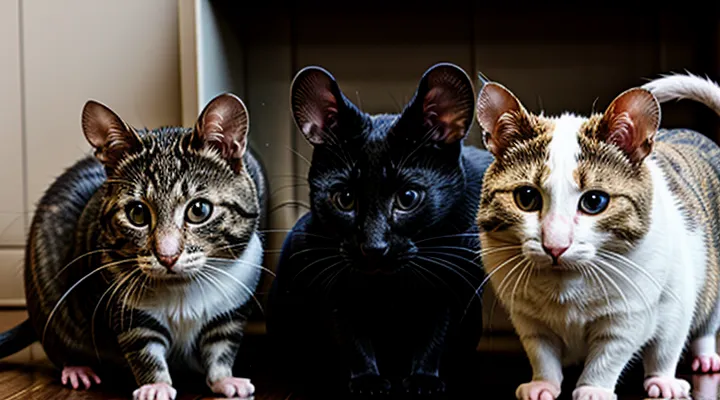
Understanding the Natural Dynamics
The Predator-Prey Instinct
Cats as Natural Hunters
Cats possess innate predatory skills that shape their interaction with rodent populations. Sharp vision, acute hearing, and rapid reflexes enable detection of small movements even in low light. Muscular forelimbs and retractable claws deliver precise strikes, while a flexible spine provides the speed needed to chase and capture agile prey.
Hunting behavior follows a consistent sequence: observation, stalk, pounce, and kill. Each phase relies on instinctual patterns refined through generations of natural selection. Domestic cats retain these patterns, often exhibiting them during play, which reflects underlying predatory drive.
Understanding these mechanisms assists in managing coexistence between felines and rodents:
- Provide enrichment that channels hunting instincts, such as interactive toys mimicking mouse movement.
- Offer regular feeding schedules to reduce opportunistic predation on stray rats.
- Install safe outdoor enclosures that allow cats to exercise without exposing them to uncontrolled rodent encounters.
- Monitor and adjust environmental factors—lighting, clutter, and scent trails—to influence hunting activity.
By aligning cat welfare with controlled predatory outlets, owners can mitigate unwanted conflicts while respecting the species’ natural role as hunters. This approach supports a balanced relationship between felines and rodent communities.
Rats' Survival Mechanisms
Rats possess a suite of physiological and behavioral adaptations that enable persistence in environments shared with predatory felines. Their acute auditory range detects ultrasonic sounds emitted by hunting cats, prompting immediate evasive action. Vision adapted for low‑light conditions enhances detection of motion at dusk, the period when cats typically hunt.
Reproductive strategy contributes to population resilience. Females reach sexual maturity within six weeks and can produce multiple litters annually, each containing up to twelve offspring. This rapid turnover offsets losses inflicted by predation, ensuring continuous presence within a habitat.
Social organization further bolsters survival. Dense colonies establish complex tunnel networks that provide multiple escape routes and concealment. Grooming and scent‑marking reinforce group cohesion, reducing individual vulnerability. Additionally, rats demonstrate problem‑solving abilities, learning to avoid traps and exploit novel food sources, which diminishes reliance on exposed foraging.
Key mechanisms include:
- Sensory vigilance (auditory, visual, olfactory)
- High reproductive output
- Structured burrow systems
- Cognitive flexibility in threat avoidance
Collectively, these traits allow rats to maintain viable populations despite feline predation, forming a dynamic balance that can be managed through informed habitat design and behavioral interventions.
Assessing the Risks
Health Concerns
Zoonotic Diseases
Rats and cats frequently share urban and rural environments, creating opportunities for the transfer of zoonotic pathogens. Rats serve as reservoirs for bacteria such as Salmonella and Leptospira, while cats can acquire and spread Toxoplasma gondii and Bartonella henselae after predation or contact with contaminated surfaces. Direct predation, scavenging, and shared food sources increase the likelihood of cross‑species infection, posing health risks to humans and companion animals alike.
Effective management requires a combination of environmental control, veterinary care, and public education. Regular sanitation reduces rodent populations and eliminates food residues that attract both species. Veterinary protocols—including routine vaccinations, deworming, and health screenings—identify and treat infections before they spread. Education programs inform owners about safe handling practices, proper disposal of rodent carcasses, and the importance of limiting outdoor access for cats in high‑risk areas.
Key preventive actions:
- Seal entry points to buildings and secure waste containers to deter rodent ingress.
- Implement integrated pest management (IPM) with traps, bait stations, and biological controls, avoiding indiscriminate rodenticide use that may harm cats.
- Conduct quarterly veterinary examinations for cats, focusing on serological testing for Toxoplasma and Bartonella.
- Provide cats with indoor enrichment and controlled outdoor time to reduce hunting behavior.
- Educate household members on hand‑washing after handling cats, rodents, or contaminated materials.
Monitoring and reporting systems track disease incidence among rodents, felines, and humans. Data collection enables rapid response to outbreaks, adjustment of control measures, and evaluation of long‑term trends. Coordinated efforts among public health agencies, veterinary services, and pest control professionals sustain a balanced coexistence while minimizing zoonotic threats.
Parasites and Pests
Parasites and pests represent a primary health challenge when rodents and felines share the same environment. Fleas, ticks, mites, and intestinal worms can transfer between species, compromising animal welfare and potentially affecting human residents.
Rodents serve as reservoirs for several parasites that readily infest cats. Common vectors include:
- Fleas (Ctenocephalides spp.) – thrive on rats, migrate to cats, cause anemia and skin irritation.
- Tapeworms (Taenia taeniaeformis) – develop in rats, mature in cat intestines, lead to weight loss and intestinal blockage.
- Nematodes (Capillaria spp.) – inhabit rodent gastrointestinal tracts, can infect cats through ingestion of infected prey.
- Mites (Sarcoptes scabiei) – spread via close contact, produce intense itching and secondary infections.
Effective control requires an integrated approach:
- Environmental sanitation – remove food debris, seal entry points, and limit shelter opportunities for rodents.
- Regular veterinary prophylaxis – administer approved flea and worm preventatives to cats on a schedule recommended by a veterinarian.
- Rodent population management – employ humane traps, bait stations, or professional extermination to reduce host density.
- Monitoring and diagnostics – conduct periodic fecal examinations and skin scrapings to detect early infestations.
- Education of household members – inform caretakers about transmission pathways and the necessity of consistent treatment.
By maintaining rigorous hygiene, applying veterinary preventatives, and limiting rodent access, the risk of parasite exchange diminishes, supporting a stable coexistence between cats and rodents while safeguarding overall health.
Safety for Both Animals
Physical Harm to Rats
Physical harm to rats includes bruises, fractures, lacerations, and internal injuries caused by external forces. These injuries often result from predatory encounters, accidental collisions, or improperly designed control devices.
Cats can inflict damage through biting, clawing, or by triggering traps intended for rodents. Even a brief skirmish may produce severe trauma, such as puncture wounds that introduce infection or cause hemorrhage. Contact with sharp objects, wire mesh, or glue boards adds additional risk, leading to burns, amputations, or prolonged suffering.
Effective measures to protect rats while allowing cats to remain in the same environment:
- Install secure barriers (e.g., mesh screens, solid enclosures) that prevent direct contact without restricting airflow or light.
- Use humane deterrents (ultrasonic emitters, scent repellents) to discourage predatory behavior without causing pain.
- Select traps that immobilize without crushing, and monitor them continuously to reduce exposure time.
- Provide cats with enrichment (interactive toys, climbing structures) that redirects hunting instincts toward non‑lethal outlets.
- Schedule regular veterinary checks for both species to detect injuries early and to maintain overall health.
Legal frameworks in many jurisdictions classify unnecessary cruelty toward rodents as a misdemeanor. Compliance with animal‑welfare statutes requires owners to implement preventive strategies, document interventions, and avoid lethal methods unless justified by immediate danger. Ethical practice demands that any control technique minimize pain, prevent lasting damage, and respect the intrinsic value of each animal.
Stress and Anxiety in Cats
Cats experience stress when their environment changes abruptly, when resources such as food, litter boxes, or safe resting places become scarce, or when they encounter unfamiliar scents and sounds. Anxiety manifests as excessive grooming, reduced appetite, vocalization, or avoidance of previously enjoyed areas. In households where rats are present, these triggers intensify because predatory instincts clash with the need for coexistence.
Key factors that elevate feline tension around rodents include:
- Limited escape routes or hiding spots
- Competition for feeding stations
- Unpredictable movements of rats near the cat’s territory
- Lack of gradual exposure to the presence of rodents
To mitigate stress and promote a stable relationship, follow these steps:
- Provide multiple, elevated resting platforms away from rat activity zones.
- Separate feeding areas; ensure each animal has exclusive access to food and water.
- Install visual barriers such as tall plants or cat trees that obstruct the cat’s line of sight to the rats.
- Introduce low‑intensity pheromone diffusers designed for felines to create a calming atmosphere.
- Schedule short, supervised observation periods where the cat watches the rats from a safe distance, gradually extending exposure time.
Regular veterinary check‑ups can detect physiological signs of chronic anxiety, such as elevated cortisol levels. Adjustments to the living layout and routine, combined with consistent enrichment, reduce the likelihood of stress‑related health issues and support a peaceful cohabitation between cats and rodents.
Strategies for Coexistence
Separation and Containment
Secure Housing for Rats
Secure housing is the foundation for keeping rats safe from feline predation and for maintaining their health. A well‑constructed enclosure eliminates escape routes, limits exposure to cats, and provides a stable environment for the animals.
Design considerations include:
- Material: Use sturdy, chew‑resistant plastic or metal that cannot be easily dented or broken.
- Structure: Incorporate a solid lid with a lockable latch; ensure all seams are sealed.
- Size: Provide at least 0.5 sq ft of floor space per rat, plus vertical climbing opportunities.
- Ventilation: Install mesh vents with fine gauge to allow airflow while preventing cat access.
- Escape prevention: Add a secondary barrier, such as a wire mesh curtain, between the enclosure and any adjacent cat area.
Routine maintenance reinforces security. Clean the habitat weekly to remove waste and odors that might attract cats. Inspect hinges, locks, and mesh for wear; replace compromised components immediately. Position the enclosure on a stable surface away from high‑traffic cat zones, and consider a dedicated room with a door that can be closed when cats are present.
When integrating rat housing into a household with cats, locate the enclosure on a sturdy shelf or stand that is inaccessible to the feline. Use a transparent barrier to allow visual contact without physical interaction, reducing stress for both species. Schedule feeding and cleaning times when cats are confined elsewhere to minimize accidental encounters.
By adhering to these specifications, rat owners create a secure, hygienic habitat that supports coexistence with cats while preventing predation and disease transmission.
Restricted Access for Cats
Restricted access for felines creates predictable boundaries that prevent uncontrolled hunting and protect sensitive environments. By limiting where cats may roam, owners can balance predation pressure with the presence of rodents, reducing the risk of over‑elimination and maintaining a stable ecosystem.
Controlled zones separate high‑value areas—such as food storage, nursery spaces, or medical facilities—from cat‑accessible zones. This separation prevents accidental harm to vulnerable rats that serve research or ecological purposes while allowing cats to patrol designated hunting grounds where rodent activity is desired.
Practical measures include:
- Installing secure gates or mesh panels that block feline entry while permitting rodent movement.
- Scheduling timed door openings so cats can hunt during specific periods, followed by closed intervals that give rats a refuge.
- Marking designated cat pathways with low‑profile rails or scented strips to guide movement without obstructing airflow.
- Deploying sensor‑activated deterrents that emit harmless ultrasonic tones when a cat approaches a restricted zone.
- Conducting regular inspections to verify barrier integrity and adjust access points as rodent populations fluctuate.
The result is a regulated environment where cats contribute to rodent control without destabilizing the overall balance. Predictable access reduces stress for both species, improves the efficiency of pest management, and safeguards areas where rats must remain unharmed.
Environmental Enrichment
Providing Safe Havens for Rats
Providing Rats With Secure Shelters
Rats require environments that protect them from predation while meeting their physiological needs. Placement of shelters in elevated, low‑traffic areas reduces exposure to cats and minimizes disturbance. Enclosures should incorporate solid walls, secure lids, and small entry points that prevent feline intrusion but allow rat movement.
Key design elements include:
- Material selection: Use sturdy, chew‑resistant plastics or metal mesh with fine gauge to block claws.
- Ventilation: Incorporate passive airflow through narrow slots to maintain air quality without creating gaps.
- Escape routes: Provide internal tunnels that lead to hidden chambers, offering rats multiple refuge options.
- Enrichment: Add nesting material, climbing structures, and hiding spots to satisfy natural behaviors and lower stress.
Regular maintenance ensures continued safety. Inspect seals and locks weekly, replace worn components promptly, and clean interiors with mild, non‑toxic agents. Monitor rat activity to confirm that shelters are being used and adjust placement if cats show increased interest.
Integrating rat shelters with the cat’s territory involves strategic separation. Position shelters beyond the cat’s primary roaming zones, use visual barriers such as tall plants or furniture, and limit direct line of sight. This spatial arrangement diminishes predatory triggers while allowing both species to occupy the same household peacefully.
Distraction and Play for Cats
Cats naturally hunt, but consistent engagement with toys and interactive sessions can redirect predatory focus away from unwanted prey. Structured play sessions provide mental stimulation, reduce stress, and occupy the cat’s attention during times when rodents are most active.
Effective distraction techniques include:
- Wand toys with feather or feather‑like attachments, moved rapidly to mimic small animal movement.
- Laser pointers directed along safe, predictable paths, ensuring the cat follows a controlled trajectory.
- Puzzle feeders that require manipulation to release food, encouraging problem‑solving behavior.
- Automated rolling balls or motorized mice that move erratically, satisfying chase instincts without involving real rodents.
- Short, high‑intensity bursts of play lasting five to ten minutes, repeated two to three times daily.
Timing play to coincide with peak rodent activity—typically early morning and evening—maximizes the likelihood that the cat will be occupied when rats emerge. Consistency in schedule reinforces the association between playtime and reward, making the cat less inclined to seek out live prey.
Environmental enrichment further supports harmony. Adding vertical climbing structures, scratching posts, and safe hideaways gives the cat alternative outlets for energy expenditure. When these resources are regularly refreshed or rotated, novelty sustains interest and prevents boredom.
Overall, a regimen that combines targeted toys, predictable play intervals, and enriched surroundings creates a reliable diversion. This approach minimizes direct confrontations between felines and rodents, fostering a stable coexistence within shared spaces.
Training and Behavioral Modification
Desensitization Techniques
Rats and cats can share a household when their interactions are carefully managed. Desensitization reduces instinctive predatory responses while allowing rodents to remain calm, creating a stable environment for both species.
The process begins with controlled visual exposure. Place a clear barrier—such as a glass aquarium partition—between the cat and the rat. Allow the cat to observe the rat for short intervals (30–60 seconds), then retreat the barrier. Repeat sessions daily, extending observation time by 10–15 seconds each day until the cat shows no sudden lunges or vocalizations.
Simultaneously introduce auditory cues. Play recordings of the rat’s natural sounds at low volume while the cat is in the same room. Increase volume gradually, monitoring the cat’s reaction. If signs of agitation appear, pause and resume at a lower level.
Physical proximity follows once visual and auditory tolerance is established. Use a secure, escape‑proof carrier for the rat and place it on a stable surface near the cat’s usual resting spot. Supervise the interaction closely; intervene immediately if the cat attempts to pounce. Reward the cat with a treat each time it remains calm for a predetermined period (e.g., 2 minutes).
Key elements to maintain throughout the program:
- Consistent schedule – conduct sessions at the same time each day to create predictable patterns.
- Positive reinforcement – use high‑value treats for the cat and gentle petting for the rat when calm behavior is displayed.
- Safety mechanisms – ensure the rat’s enclosure is escape‑proof, and keep the cat’s claws trimmed to reduce injury risk.
- Gradual escalation – never exceed the current tolerance threshold; increase exposure only after successful completion of the previous step.
- Observation log – record duration, behaviors, and any signs of stress to adjust the protocol promptly.
Successful desensitization results in a cat that acknowledges the rat’s presence without aggressive intent, and a rat that remains unperturbed by feline proximity. Continuous reinforcement and periodic reassessment preserve the achieved harmony over the long term.
Reinforcing Calm Behavior
Calm behavior in both rodents and felines reduces stress, prevents aggression, and supports a stable shared environment. Consistent reinforcement of tranquility creates predictable interactions and minimizes conflict.
For rats, apply the following measures:
- Provide spacious, multi‑level cages that allow escape routes and hiding spots.
- Offer regular handling sessions using slow, gentle movements; reward with favorite treats immediately after calm contact.
- Introduce scent cues, such as unscented bedding or diluted chamomile, to signal safety.
- Schedule feeding times at the same hour each day to establish routine predictability.
For cats, implement these practices:
- Supply elevated perches and secluded retreats to give the animal control over its surroundings.
- Conduct short, quiet play intervals using wand toys; pause when the cat shows relaxed posture and reward with soft praise or a treat.
- Apply synthetic feline pheromone diffusers in areas where rats are housed to lower arousal levels.
- Reinforce low‑energy behavior by ignoring sudden lunges and acknowledging gentle, investigative actions.
Maintain a neutral shared space by:
- Keeping the rat enclosure covered with a secure lid that prevents direct visual contact while allowing airflow.
- Using low‑frequency background music or white noise to mask sudden sounds that could startle either species.
- Cleaning both habitats daily with unscented, mild solutions to avoid introducing novel odors.
- Monitoring body language continuously; intervene with a calming cue—soft voice, slow blink, or brief pause—whenever tension escalates.
Applying these targeted reinforcement techniques cultivates a consistent atmosphere of calm, enabling rats and cats to coexist without frequent disturbances.
Addressing Specific Scenarios
Introducing a New Pet
Gradual Acclimation
Gradual acclimation involves introducing rats and cats to each other's presence in a controlled, step‑by‑step manner that minimizes stress and encourages tolerance. Begin with separate enclosures placed within visual range, allowing each animal to observe the other without direct contact. Maintain consistent feeding schedules and ensure that both species have secure hiding spots to retreat to if agitation occurs.
Progress to short, supervised interactions where a barrier—such as a sturdy mesh screen—prevents physical contact while permitting scent and sound exchange. Monitor body language closely; signs of calm curiosity (e.g., relaxed posture, slow ear movements) indicate readiness for the next stage. If any animal exhibits aggression or fear, revert to the previous step and extend exposure time.
When confidence builds, remove the barrier for brief, supervised face‑to‑face sessions. Keep the environment neutral, free of dominant territorial cues, and limit the duration to a few minutes initially. Increase interaction length gradually, always ending sessions on a positive note with treats or play to reinforce calm behavior.
Maintain a log of observations, noting time intervals, behavioral responses, and any adjustments made. Consistent documentation supports accurate assessment of progress and guides future modifications to the acclimation plan.
Supervised Interactions
Effective supervision is essential when introducing rats and cats to the same environment. Direct observation allows immediate correction of unsafe behavior, reducing stress for both species and preventing injury.
Key practices for supervised encounters include:
- Separate introduction zones – Use a secure enclosure for the rat and a detachable barrier for the cat, ensuring visual contact without physical access.
- Timed sessions – Limit each interaction to a few minutes initially, gradually extending duration as tolerance improves.
- Positive reinforcement – Reward the cat for calm behavior with treats, and provide the rat with safe hiding spots to retreat if needed.
- Clear escape routes – Ensure the rat’s enclosure has multiple exits that the cat cannot reach, allowing the rodent to move away from perceived threat.
Monitoring should continue until both animals display consistent, non‑aggressive responses. At that point, unsupervised coexistence may be considered, but periodic checks remain advisable to maintain a stable relationship.
Managing Existing Households
Establishing Boundaries
Establishing clear physical and behavioral limits is essential for a peaceful coexistence between rodents and felines sharing the same environment.
Separate zones prevent accidental encounters. Designate specific rooms or sections for each species, using barriers such as pet gates, mesh enclosures, or height‑restricted platforms. Ensure that feeding stations, water sources, and nesting areas are placed at least several meters apart to reduce scent overlap and visual triggers.
Implement routine schedules that reinforce separation.
- Feeding times: Offer food to rats early in the morning and to cats later in the evening, creating a temporal buffer.
- Cleaning cycles: Clean rat habitats before entering cat‑only spaces, and vice versa, to avoid cross‑contamination of odors.
- Supervised interaction: If direct contact is necessary, conduct brief, controlled sessions within a neutral enclosure, always under adult supervision.
Maintain consistent boundaries through environmental cues. Use distinct lighting, bedding textures, and scent markers to signal each area’s ownership. Replace worn barriers promptly and monitor for signs of stress, such as excessive grooming in rats or heightened aggression in cats. Adjust the layout as needed to preserve the established limits.
By applying these structural, temporal, and sensory safeguards, owners can minimize conflict and promote stable, mutual tolerance between the two species.
Monitoring Interactions
Monitoring interactions between rodents and felines provides the data needed to maintain a balanced environment. Continuous observation identifies patterns of aggression, avoidance, and neutral coexistence, allowing timely adjustments to housing conditions, feeding schedules, and enrichment resources.
Effective monitoring employs multiple techniques:
- Direct visual checks at regular intervals, recording behavior with standardized forms.
- Video surveillance covering all activity zones, ensuring capture of nocturnal events.
- Motion‑activated sensors that log proximity events and duration of contact.
- RFID or microchip tags on each animal, enabling automatic identification during encounters.
Collected data should be quantified using clear metrics: frequency of contact, average distance maintained, escalation incidents, and duration of peaceful co‑habitation. Statistical analysis highlights trends, such as increased aggression after feeding times or reduced interaction during temperature spikes.
When metrics indicate heightened tension, corrective measures follow immediately. Adjustments may include:
- Reconfiguring barriers to increase safe zones.
- Modifying feeding locations to prevent competition.
- Introducing scent‑based enrichment that calms both species.
- Scheduling supervised interaction sessions to reinforce positive behavior.
Regular review of monitoring reports ensures that interventions remain effective and that the rodent‑feline community sustains a stable, non‑conflictual state.
Long-Term Harmony
Regular Health Checks
Veterinary Care for Both Species
Effective veterinary care is essential for maintaining the health of both rodents and felines when they share a household. Routine examinations allow early detection of species‑specific conditions, such as respiratory infections in rats and dental disease in cats. Regular check‑ups also provide opportunities to update vaccination status, assess weight, and evaluate organ function.
Key components of preventive care include:
- Nutrition: Provide species‑appropriate diets; high‑protein kibble for cats and fortified pellets or fresh vegetables for rats. Monitor portion sizes to prevent obesity, a common risk factor for joint and metabolic disorders.
- Parasite management: Administer flea and tick preventatives to cats, and use safe ectoparasite treatments for rats, avoiding products labeled for dogs or large mammals. Regular fecal examinations detect intestinal parasites early.
- Dental health: Schedule dental cleanings for cats at least annually; inspect rat incisors for overgrowth, trimming when necessary to avoid malocclusion.
- Vaccination: Immunize cats against feline panleukopenia, calicivirus, and rabies according to veterinary guidelines. Rats generally do not require vaccination, but ensure they are protected from common bacterial infections through proper husbandry.
- Environmental safety: Maintain clean cages and litter boxes, use non‑toxic cleaning agents, and separate feeding areas to reduce cross‑contamination.
Emergency protocols should be established in advance. Keep contact information for a veterinarian experienced with exotic mammals and a separate feline specialist. In case of injury, isolate the affected animal, apply basic first aid, and seek professional care promptly.
Proper documentation of medical histories for both species facilitates coordinated treatment plans. Shared records enable veterinarians to identify patterns that could affect interspecies interactions, such as stress‑induced illnesses in rats when exposed to predatory cues from cats. By addressing health needs systematically, owners create a stable environment that supports peaceful coexistence.
Pest Control and Hygiene
Effective coexistence between rodents and felines depends on rigorous pest control and strict hygiene standards.
Maintaining a clean environment removes food sources that attract rats and reduces the likelihood of unwanted encounters. Daily removal of food scraps, secure storage of pet feed, and regular cleaning of litter boxes prevent contamination and discourage rodent activity.
Control measures should address entry points, population levels, and health risks.
- Seal gaps around doors, windows, and utility lines; install fine mesh screens.
- Use snap traps or electronic devices in concealed locations to reduce rat numbers without endangering cats.
- Apply rodent‑specific baits in tamper‑proof stations, keeping them out of reach of pets.
- Deploy feral‑cat deterrents such as motion‑activated devices in areas where rats are prevalent, ensuring cats are not exposed to hazards.
Hygiene protocols protect both species from disease transmission. Disinfect surfaces after handling rodents, wash hands thoroughly, and schedule veterinary check‑ups for cats to monitor for parasites and infections linked to rodent exposure.
Consistent application of these practices creates a stable setting where pest pressure remains low and feline health is safeguarded, allowing both animals to share the same premises without conflict.
Adapting to Changes
Age and Health Considerations
When rats and cats share a household, age and health status shape every interaction. Younger rats lack the agility of mature individuals, making them vulnerable to a cat’s predatory instincts. Senior rats may experience reduced mobility and sensory decline, increasing the risk of accidental injury. Monitoring a rat’s physical condition—weight, coat quality, and activity level—provides early warnings of stress or illness that could provoke defensive behavior.
Cats progress through distinct life stages that affect their hunting drive and tolerance for small prey. Kittens display high curiosity and limited impulse control, often attempting to chase any moving object. Adult cats typically possess refined predatory skills but may also develop a calmer demeanor if properly socialized. Senior cats can experience vision or hearing loss, leading to misdirected attacks or reduced interest in chasing. Regular veterinary assessments ensure that a cat’s health does not exacerbate aggressive tendencies.
Effective management hinges on matching compatible life stages and maintaining optimal health for both species. The following actions reduce conflict:
- Conduct routine health checks for rats and cats; treat ailments promptly.
- Separate juveniles from adult cats until the cat demonstrates reliable restraint.
- Provide senior rats with easy‑access food stations and obstacle‑free pathways.
- Offer senior cats enriched environments to compensate for sensory decline and discourage hunting out of boredom.
- Observe daily behavior; intervene immediately if a cat shows heightened predatory focus or a rat exhibits signs of stress.
By aligning the ages and health conditions of rats and cats, owners create a predictable environment that minimizes instinctual threats while supporting the well‑being of each animal.
Re-evaluating Protocols
Re‑evaluating protocols is essential for establishing stable coexistence between rodents and felines in shared environments. Existing guidelines often assume static interactions; recent observations reveal dynamic behavioral patterns that demand updated procedures.
Key adjustments include:
- Conducting regular behavioral audits to identify shifts in aggression or avoidance, documenting results in a centralized log.
- Implementing staggered feeding schedules that separate food sources, reducing competition and preventing territorial disputes.
- Installing visual barriers and scent‑diffusing devices at crossover points to diminish stress signals and discourage confrontations.
- Training staff in conflict de‑escalation techniques specific to small‑animal and predator dynamics, ensuring consistent response during incidents.
- Revising emergency response plans to incorporate rapid, humane relocation methods for either species when safety thresholds are breached.
A systematic review of these measures, followed by quarterly performance assessments, provides measurable data that inform continuous improvement. Aligning protocol revisions with empirical findings sustains a balanced environment where both species can thrive without compromising welfare or operational efficiency.